The Strange Pirate-Marked Graves In This North Carolina Churchyard Are Worth Seeing Once
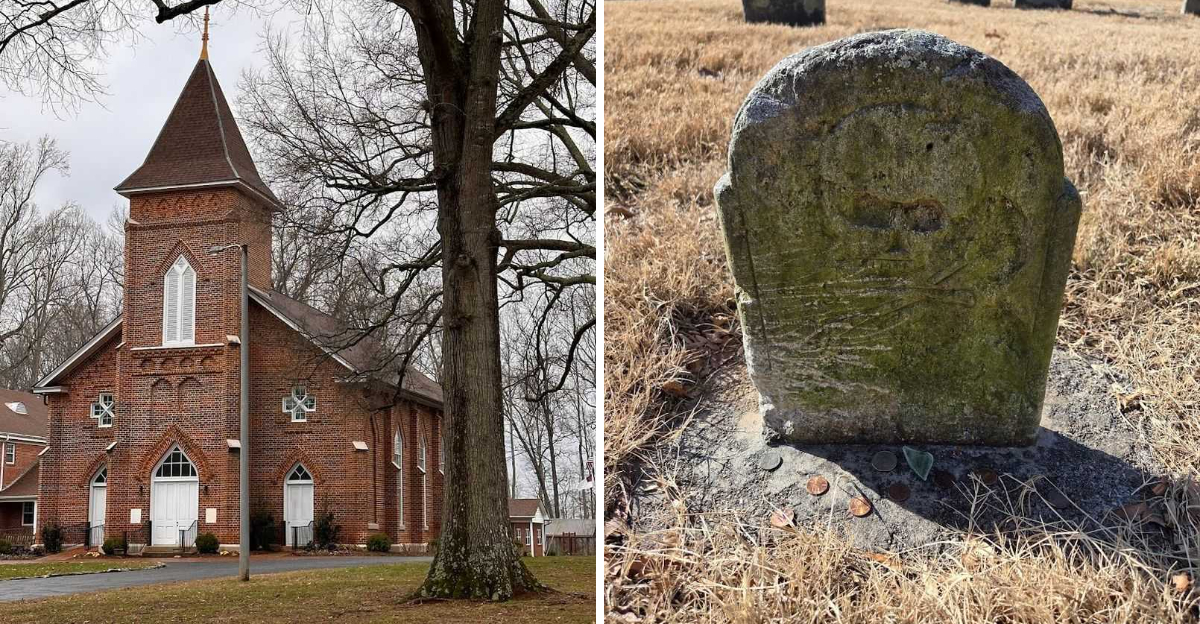
Old cemeteries are already good at making people lower their voices, but pirate symbols on churchyard stones take the mystery to a whole different level.
In Rowan County, North Carolina, a quiet burial ground holds carvings that feel more like something from a sea legend than a peaceful inland cemetery.
That is what makes the stop so strange and fascinating.
A skull-and-crossbones design on a weathered headstone immediately raises questions.
Who chose it? Why here?
How did a symbol tied so strongly to pirates end up among graves dating back centuries?
The setting does not need fog machines or spooky music to feel intriguing.
The stones do the work on their own.
Anyone who loves history with a weird little twist will understand the pull fast, because this is the kind of place that makes the past feel suddenly less predictable.
Pirate Marks Make This Churchyard Feel Instantly Curious
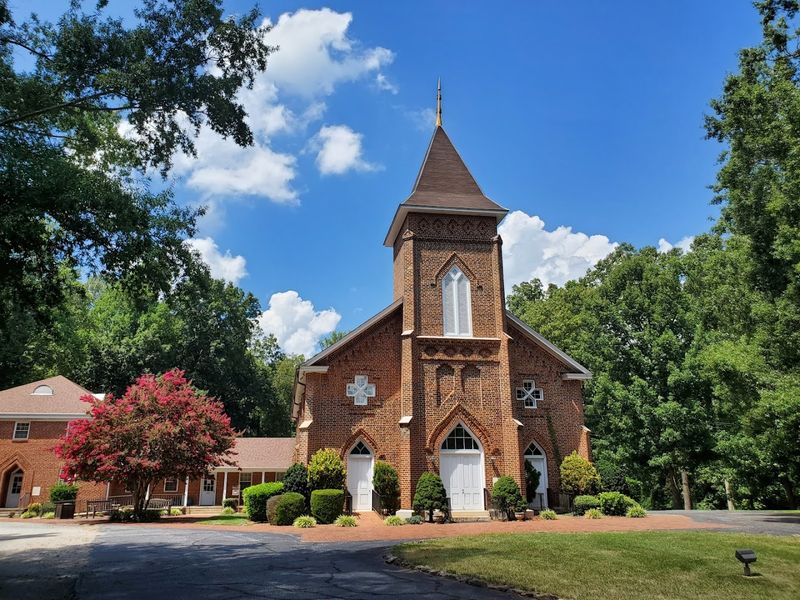
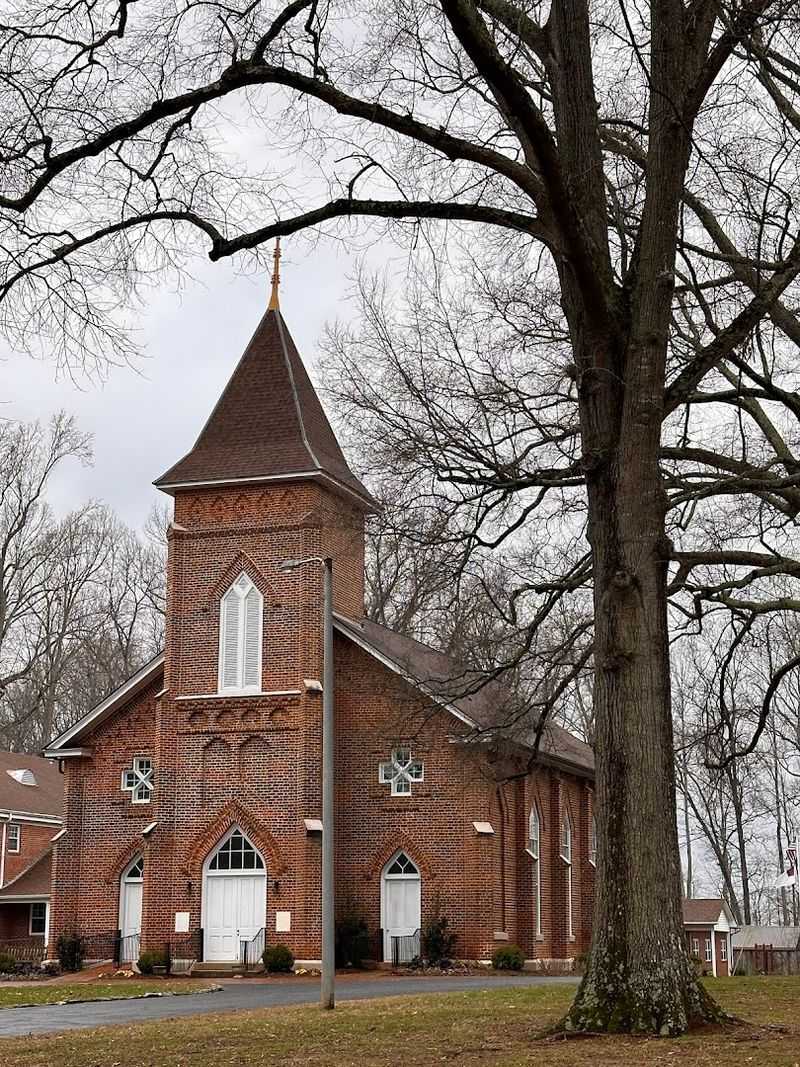
Quiet rows of old stones set the mood first, then the strange markings change everything. Thyatira Presbyterian Church Cemetery does not feel like a roadside attraction built for drama.
It feels like a historic churchyard, calm and weathered, with names, dates, lichen, and old family stories spread across the grounds. Then the so-called pirate stones appear, and the whole place suddenly feels more mysterious.
Four markers have become the source of the legend, with skull-and-crossbones or crossbones-style carvings that stand apart from the more familiar grave symbols nearby. Calling them pirate graves is part of the local tradition, but the safer truth is more interesting than a simple claim.
These stones are old, unusual, and still not fully explained. That makes them more powerful than a polished tourist display.
Visitors have to look carefully, walk slowly, and let the cemetery reveal the detail instead of expecting signs and spectacle. Rowan County has plenty of historic sites, but this one has a different pull.
One carved symbol can shift the whole atmosphere from peaceful to curious in seconds. 220 White Rd, Salisbury, NC 28147 is the address.
Four Strange Stones Turn A Quiet Cemetery Walk Into A Mystery
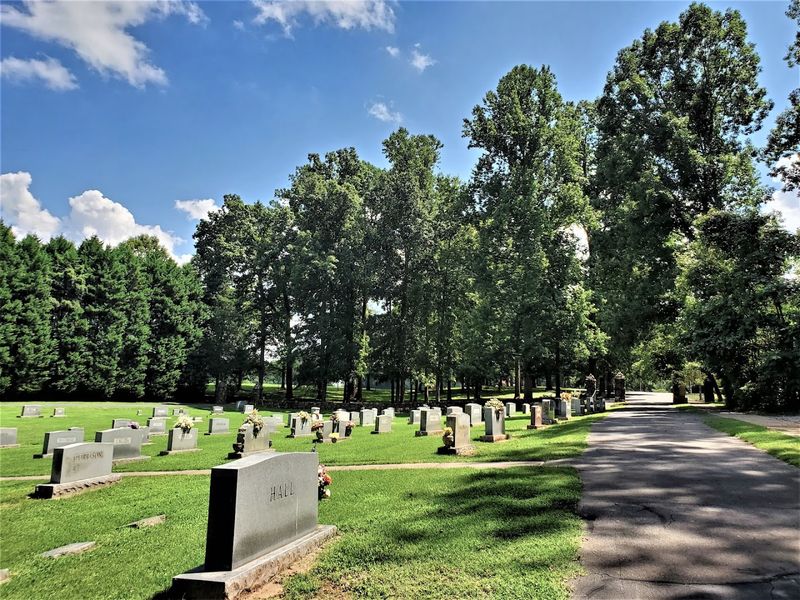
Four markers give this churchyard its most unusual reputation, and finding them feels more like a slow search than a quick photo stop. They are not presented like a museum exhibit with arrows, dramatic lighting, and a neat explanation waiting nearby.
They sit among other old graves, blending into the age and texture of the cemetery. That makes the discovery feel earned.
Visitors need patience, respectful footing, and a willingness to scan old stones closely. Some accounts describe three markers with skull-and-crossbones imagery and one with crossbones alone, so it is better not to claim every stone has the exact same symbol.
Their lack of clear answers is the main reason people keep talking about them. Who carved them?
Why use that imagery here? Were the people buried beneath them connected?
Did local legend build a pirate story around symbols that meant something else in the 1700s? None of those questions has a clean answer.
That is what turns the walk into a small historical puzzle. A normal cemetery visit becomes a quiet hunt for four strange stones that refuse to explain themselves.
Skull-And-Crossbones Carvings Give The Graves Their Uneasy Reputation
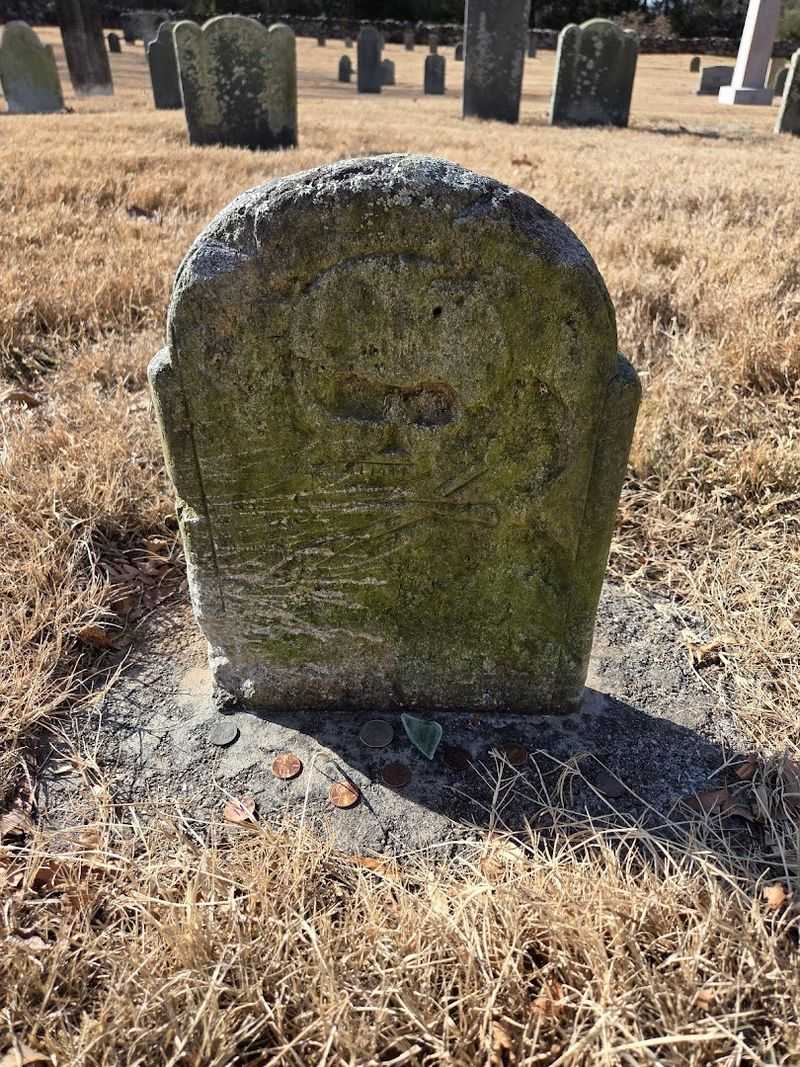
Skull-and-crossbones carvings look like pirate symbols to modern eyes, but older graveyard imagery can be much more complicated than that. In colonial and early American cemeteries, skulls sometimes represented death, mortality, and the shortness of life.
They did not always point to crime, pirates, or scandal. At Thyatira, though, the local legend has attached itself strongly to these four markers, and the imagery makes that easy to understand.
A skull on an old stone already feels stark. Crossbones make it feel even more unsettling.
Placed in a quiet inland cemetery, the symbol becomes impossible to ignore. The carving style also adds to the effect.
These are not shiny, modern memorials with polished explanations. They are worn, simple, and weathered by years of rain, sun, and time.
That roughness leaves room for imagination. Maybe the symbols marked men believed to be pirates.
Maybe they may have warned people not to disturb graves tied to disease. Maybe they were a stonecutter’s mortality motif that later generations misunderstood.
The uneasiness comes from that overlap. The stones look bold, the legend sounds dramatic, and the proof remains frustratingly thin.
Rowan County Folklore Makes The Story Even Harder To Ignore
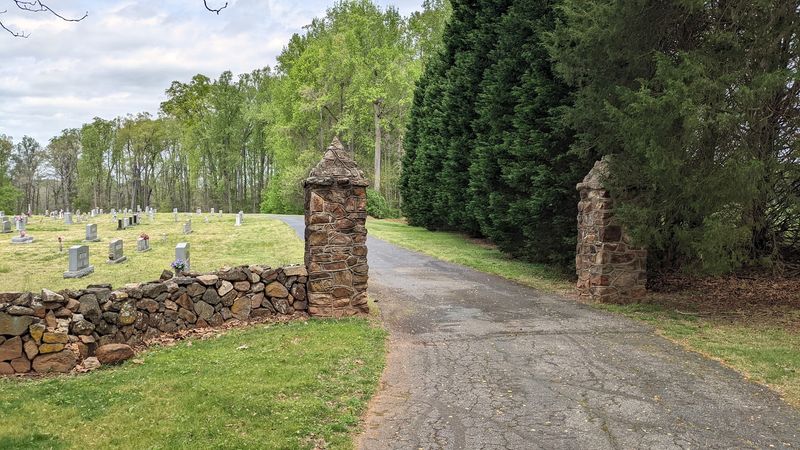
Local folklore gives the “Pirate’s Graves” their staying power, even though documentation has never settled the case. The most repeated version says four pirates somehow made their way inland, lived in the area, were discovered, convicted, executed, and buried at Thyatira under marked stones.
Another version leans toward captured or escaped men whose past followed them into Rowan County. More cautious explanations suggest the carvings could have warned grave robbers away from bodies tied to contagious illness, or simply reflected older death symbolism.
Folklore does not behave like a court record. It survives because people repeat it, reshape it, and pass it along when a place seems strange enough to deserve a story.
Thyatira has exactly that kind of setting. A historic churchyard, four odd stones, no clear names, and a symbol most people associate with pirates create the perfect conditions for a legend to last.
The story may never be proven, but dismissing it completely misses the point. Folklore is part of how communities process mystery.
In Rowan County, these stones have become a small but memorable piece of local storytelling, one that makes visitors look twice and locals keep the tale alive.
Nobody Knows For Sure Who Really Lies Beneath The Stones
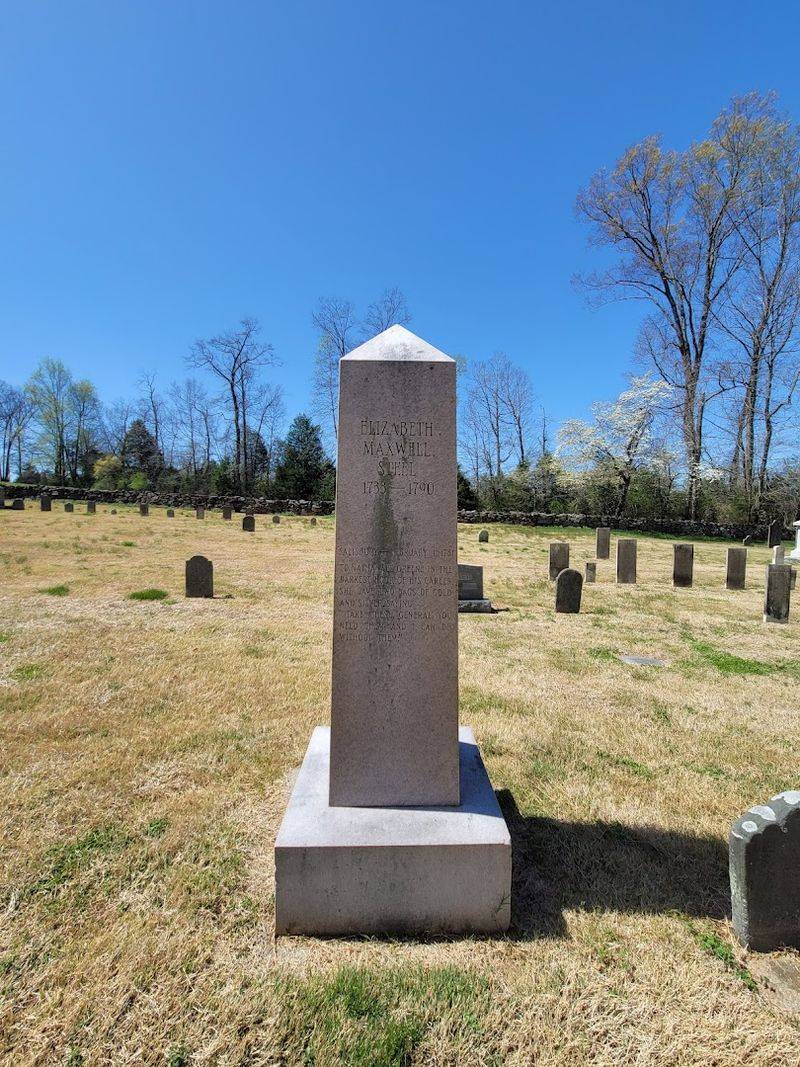
Uncertainty is the strongest part of this stop, because nobody can say with confidence who rests beneath the marked stones. Old cemeteries often carry gaps in the record.
Names fade, stones break, burial details disappear, and family knowledge weakens across generations. At Thyatira, that missing information creates room for both research and imagination.
The pirate story is tempting because it gives the markers a dramatic identity.
A disease-warning theory is also compelling because skull-and-crossbones imagery may have served as a clear message at a time when burial practices, fear of contagion, and concerns about grave robbery were very real.
A funerary-symbol explanation makes sense, too, since death’s-head imagery appeared in early grave art long before modern pirate branding took over popular imagination. The problem is that none of these explanations fully closes the case.
Visitors should approach the stones as a mystery, not a proven pirate memorial. That makes the experience more honest and more interesting.
Standing there, you are not looking at a solved story. You are looking at a handful of carved stones that have kept their secret for centuries.
The Pirate Tale Feels Stranger Because It Sits So Far Inland
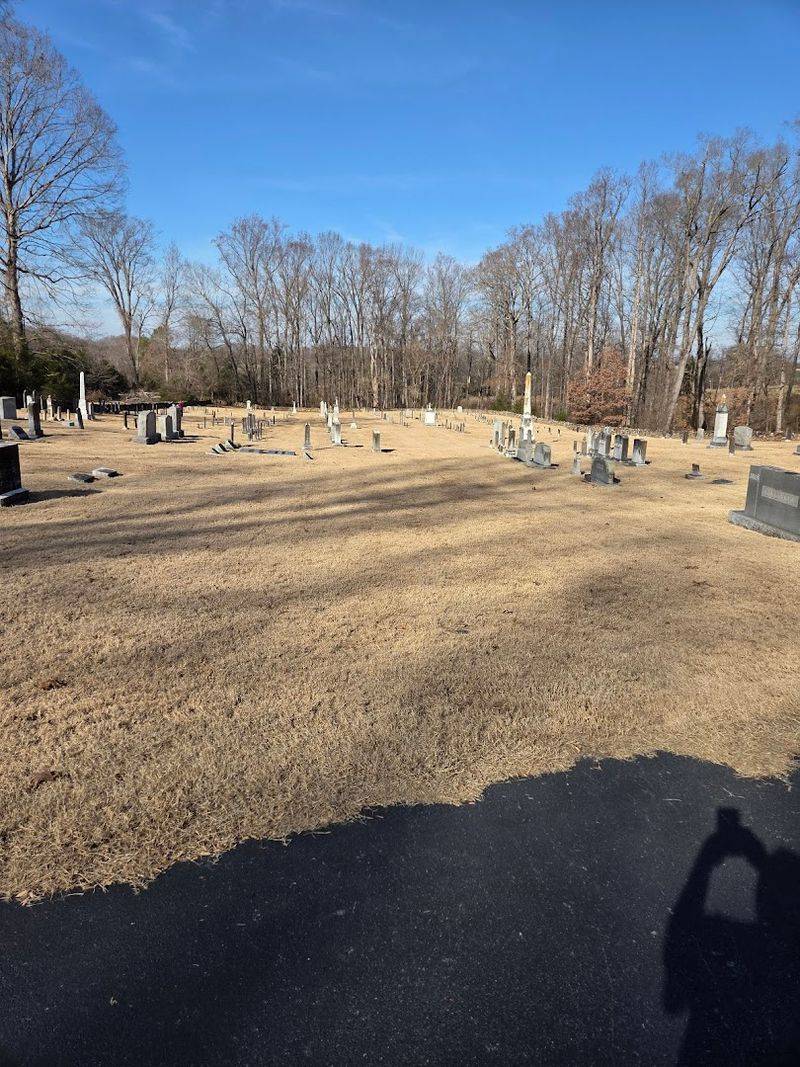
Pirate legends usually belong near harbors, shipwrecks, barrier islands, and salt air, which makes this Rowan County version feel especially strange. Thyatira sits far from the coast, in the Piedmont, surrounded by fields, roads, churches, and inland history.
That distance is one reason the story grabs attention so quickly. If pirates were really connected to these graves, why would their bodies end up here?
Why this churchyard? Why these markers?
Why no clearer record? The geography makes every version of the tale harder to explain.
Transporting bodies or convicted criminals inland during the colonial period would not have been casual or convenient. That does not make it impossible, but it does make the story feel unlikely enough to invite skepticism.
The alternative theories gain strength because of that distance. Maybe these were not pirates at all.
Maybe later generations saw skull-and-crossbones carvings and built a pirate story around them because the image felt too dramatic to resist. That contrast is what makes the stop worth seeing.
A peaceful inland cemetery and a seafaring legend should not fit together easily. At Thyatira, they collide in a way that keeps the imagination busy.
Daylight Visits Keep The Graveyard Stop Respectful And Simple
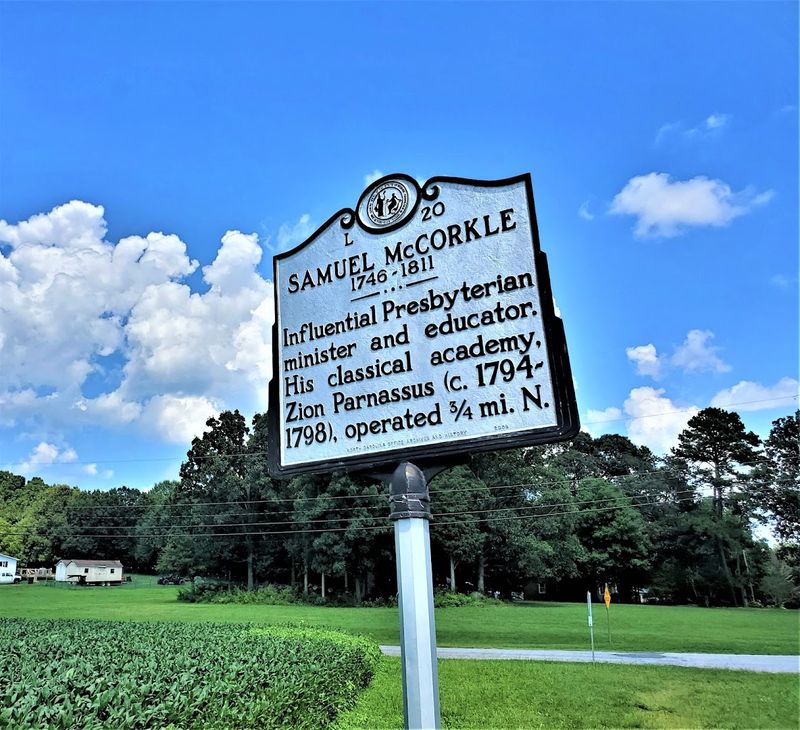
Visiting Thyatira works best as a quiet daylight stop, not a spooky stunt. This is an active church property and a historic cemetery, so respect matters more than atmosphere.
Go during daylight, stay on proper paths where possible, avoid touching or leaning on old stones, and keep voices low if others are nearby. The cemetery’s age is part of its beauty, but it also means the markers deserve care.
Some stones are fragile, worn, or difficult to read. Good light helps visitors notice carvings without stepping too close or disturbing anything.
A camera is fine when used respectfully, especially since the symbols can be subtle and easy to miss at first. Comfortable shoes help because finding the marked stones requires a little wandering.
The visit does not need to take all day. An hour is usually enough for a slow walk, a careful search, and time to appreciate the older cemetery around the famous markers.
Thyatira is not a place for dramatic ghost-hunting behavior or loud roadside curiosity. It is a churchyard with real graves, real history, and one unusual legend.
Treated gently, it becomes a simple and rewarding Rowan County stop.
Thyatira’s Historic Cemetery Makes One Small Detail Impossible To Forget
Certain places stay with you because of scale. Thyatira stays with you because of one small carved detail that refuses to behave like a normal grave marker.
The cemetery’s broader history is impressive on its own, with roots reaching into the 1700s and generations of Rowan County families represented across the grounds. Yet the “Pirate’s Graves” are what many visitors remember first.
The markings are not huge. They do not announce themselves from the road.
They wait quietly among older stones until someone notices them, and then the whole story begins. That restraint makes the experience stronger.
Nothing here feels commercialized or overexplained. There is no staged pirate display, no souvenir setup, and no dramatic script telling visitors what to believe.
Instead, there are old graves, open air, a rural churchyard, and a legend that still has enough mystery to feel alive. The best way to enjoy the stop is to bring curiosity and leave certainty behind.
Maybe the stones mark pirates. Maybe they do not.
Either way, Thyatira Presbyterian Church Cemetery offers one of North Carolina’s strangest little historical mysteries, and that is more than enough reason to see it once.