The Stunning Castle-Like Landmark In California That Makes A Gold Country Road Trip Feel Surreal
Gold Country road trips already come with built-in drama.
Old mining towns. Winding roads. Brick storefronts that look like they have heard plenty. Then a castle-like landmark appears on a hill, rounding it all up.
A place like this does not feel like a normal roadside stop. It feels unexpected in the best way.
Tall walls, weathered details, and that unmistakable old-institution look giving the building a special presence.
In California, history can get oddly cinematic when the architecture looks this imposing.
The setting adds to it.
You are not just pulling over for another pretty building.
You are looking at a landmark with a complicated past and the kind of atmosphere that makes people lower their voices.
Gold Country has plenty of charm. This stop brings something sharper.
Road trippers get history, mystery, and a landmark that makes the whole route feel surreal.
The First View Feels Like A California Road Trip Glitch
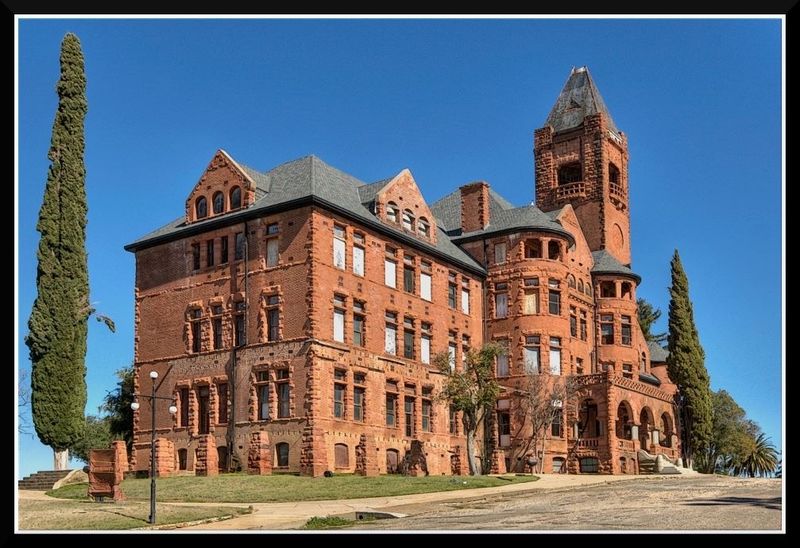
Rounding a bend in Amador County and catching the first glimpse of Preston Castle tends to produce a genuine double-take.
The structure rises with a confidence that feels completely out of place for a small Gold Country town, which is exactly what makes it so memorable.
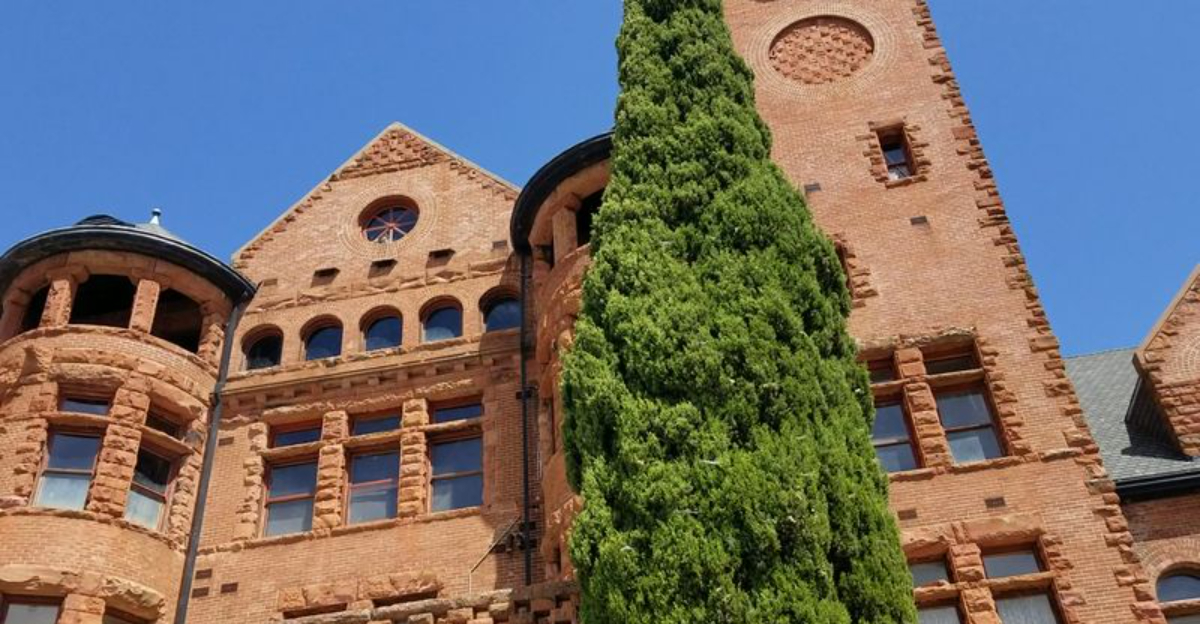
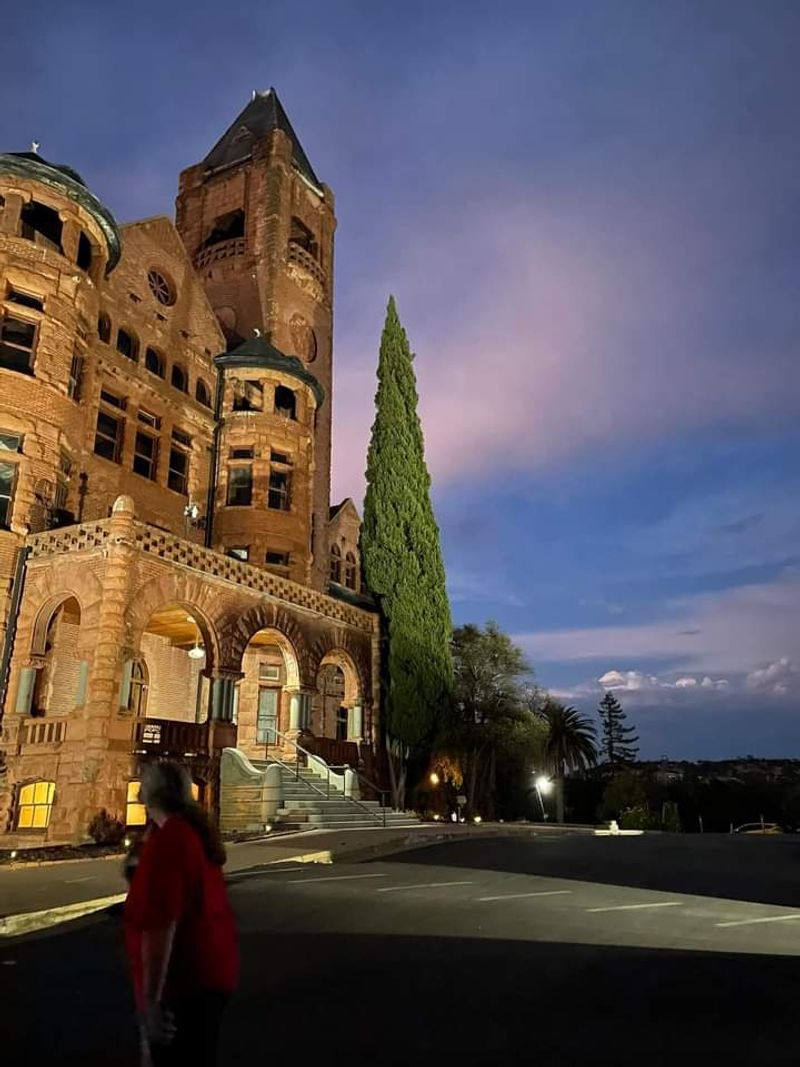
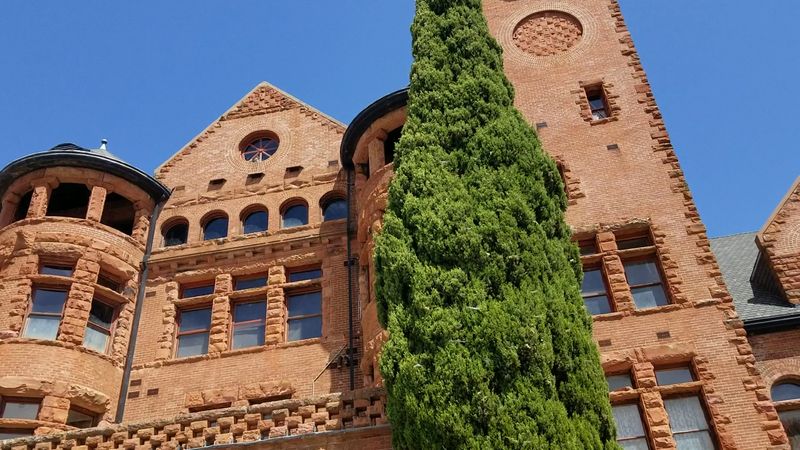
Red brick walls, a commanding central tower, and rows of arched windows create a silhouette that reads as ancient even though the building dates to 1894. From a distance, the scale is hard to process at first.
The building spans 46,000 square feet across five floors, which is enormous for what was originally an administrative structure for a reform school.
That contrast between expectation and reality is part of what gives the road trip moment its surreal quality.
Gold Country roads tend to deliver scenic vineyards and old mining towns, so stumbling across something this architecturally dramatic feels like a genuine surprise.
The landmark holds California State Historical Landmark status as number 867 and is listed on the National Register of Historic Places, giving it official recognition that matches the visual impact.
Pulling over to take it in before even walking the grounds is a completely understandable first move.
Those Towers Do Most Of The Talking Before You Even Park
The towers at Preston Castle are the detail that earns the building its nickname before a visitor ever steps out of the car.
Rounded turrets, heavy brickwork, and the tall central tower give the structure a storybook silhouette that feels more European than Californian.
Standing at the base and looking up, the sheer vertical height of the central tower makes the building feel older and more imposing than almost anything else in the region.
Romanesque Revival architecture uses bold masonry, rounded arches, and fortress-like massing to create a sense of permanence and authority.
Preston Castle leans into all of those elements, which explains why the castle comparison sticks so naturally even though the building was never a medieval stronghold.
The ornate woodwork and stained-glass windows add a layer of detail that softens the fortress feel without reducing the drama.
One particularly interesting construction note is that the bricks used throughout the building were made by inmates at San Quentin and Folsom prisons, using sandstone quarried near Ione.
That detail alone changes the way the walls feel when standing close to them. The texture and weight of the facade carry a history that goes well beyond architectural style.
The Architecture Makes The Castle Nickname Easy To Understand
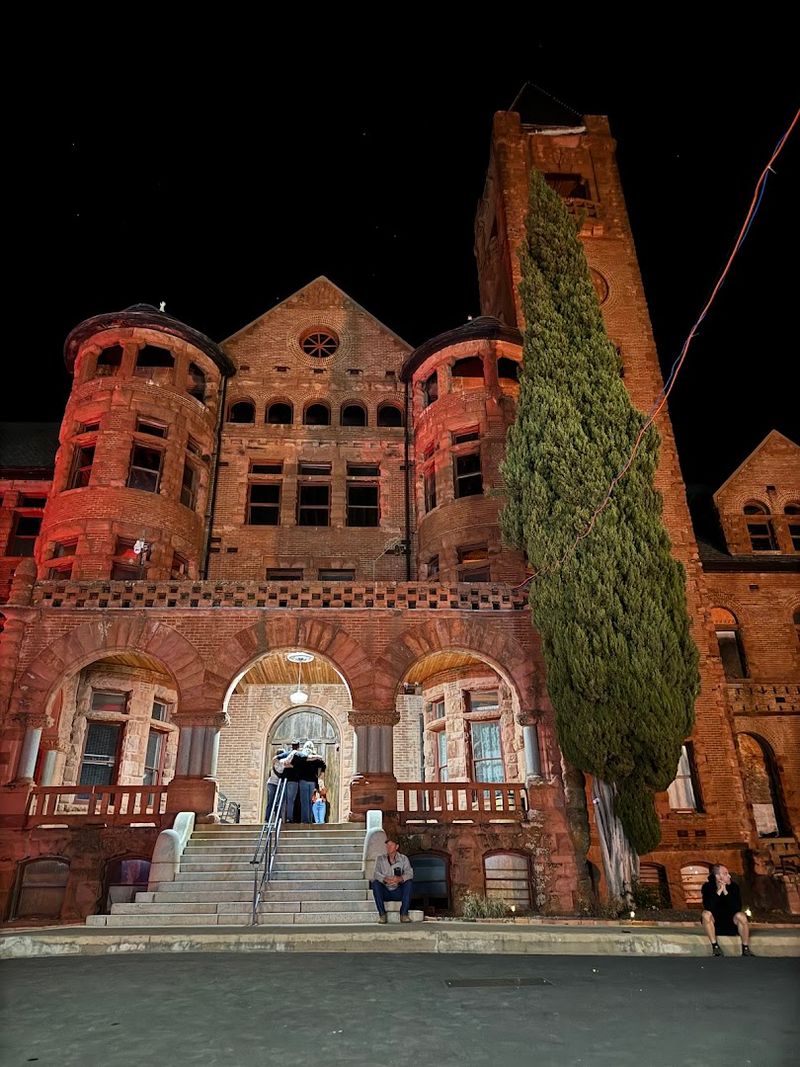
Romanesque Revival architecture was a popular style for institutional buildings in the late 19th century because it projected authority, permanence, and civic seriousness.
Preston Castle is considered the most prominent example of this style in the Gold Country region, and standing in front of it makes that claim easy to believe.
The combination of heavy masonry, rounded arches, and vertical tower elements creates a visual language that reads as fortress-like even without a moat or drawbridge.
The building contains 77 rooms, 43 fireplaces, and 257 windows spread across five floors.
Those numbers are staggering for a structure that was built primarily to house administrative functions and serve a reform school population.
The fireplaces in particular suggest a level of craftsmanship that goes well beyond basic institutional construction, and many of the original details remain visible despite decades of vacancy and disrepair.
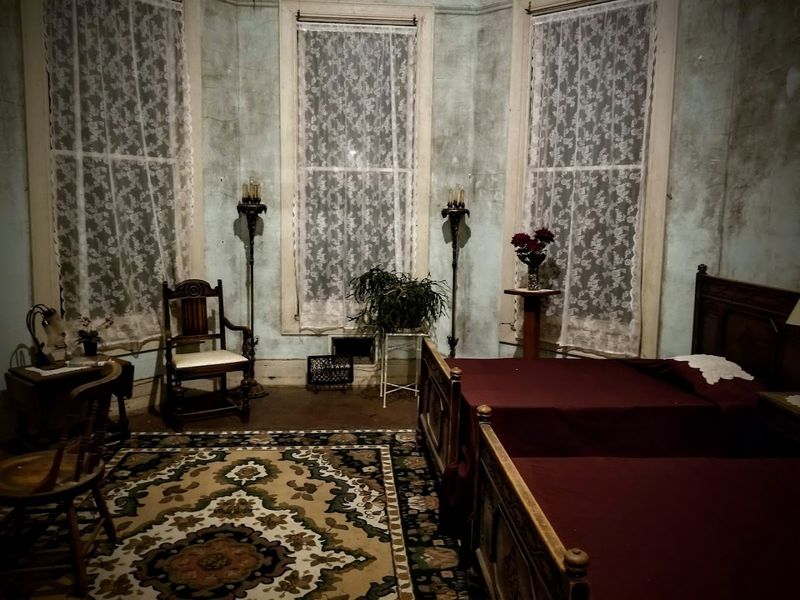
Stained-glass windows appear throughout the building and add unexpected color and elegance to spaces that might otherwise feel purely utilitarian.
The woodwork, though worn in many areas, still shows the quality of the original construction.
For anyone interested in historic architecture, the building functions as a hands-on study of what Romanesque Revival looks like when applied at a serious scale.
Its Past Is Serious And Worth Understanding Before Arriving
Preston Castle was not built as a showpiece for its own sake.
The structure served as the administration building for the Preston School of Industry, a reform school for boys that operated from the late 1800s through 1960.
Boys were sent there as part of the juvenile justice system, and the conditions they lived under were often harsh, shaped by a disciplinary philosophy that reflected the era’s approach to youth rehabilitation.
Understanding that context before arriving changes the experience of walking through the building.
The grand architecture was intentional, designed to present the facility as a school rather than a correctional institution.
That gap between appearance and reality gives the interior a particular weight that stays with visitors long after the tour ends.
Preston Castle’s past carries some difficult documented moments, including losses connected to Anna Corbin in 1950 and Samuel Goins in 1918.
These events are part of the recorded history of the site and are acknowledged during tours.
Approaching the visit with that awareness makes the experience more meaningful and avoids reducing a complex place to a simple novelty.
The building holds real stories, and the foundation works to present them honestly.
Public Tours Turn The Exterior Curiosity Into A Real Visit
Stopping to photograph the exterior is satisfying, but stepping inside is where Preston Castle really earns its reputation.
The Preston Castle Foundation offers several tour formats, including self-guided tours with directional arrows and informational signs, guided tours with knowledgeable docents, and special themed experiences that run throughout the year.
Reservations are required, and tickets can be arranged through the foundation’s official website.
Self-guided tours typically cost around twenty dollars per person, though pricing can vary by event and season, so checking the website before visiting is the most reliable approach.
Visitors are asked not to arrive more than thirty minutes before their scheduled time, and a brief history and safety video plays before the tour begins.
Docents are stationed on each floor and tend to be both well-informed and genuinely enthusiastic about the building’s history.
Photography is welcome throughout the tour, though tripods are not permitted.
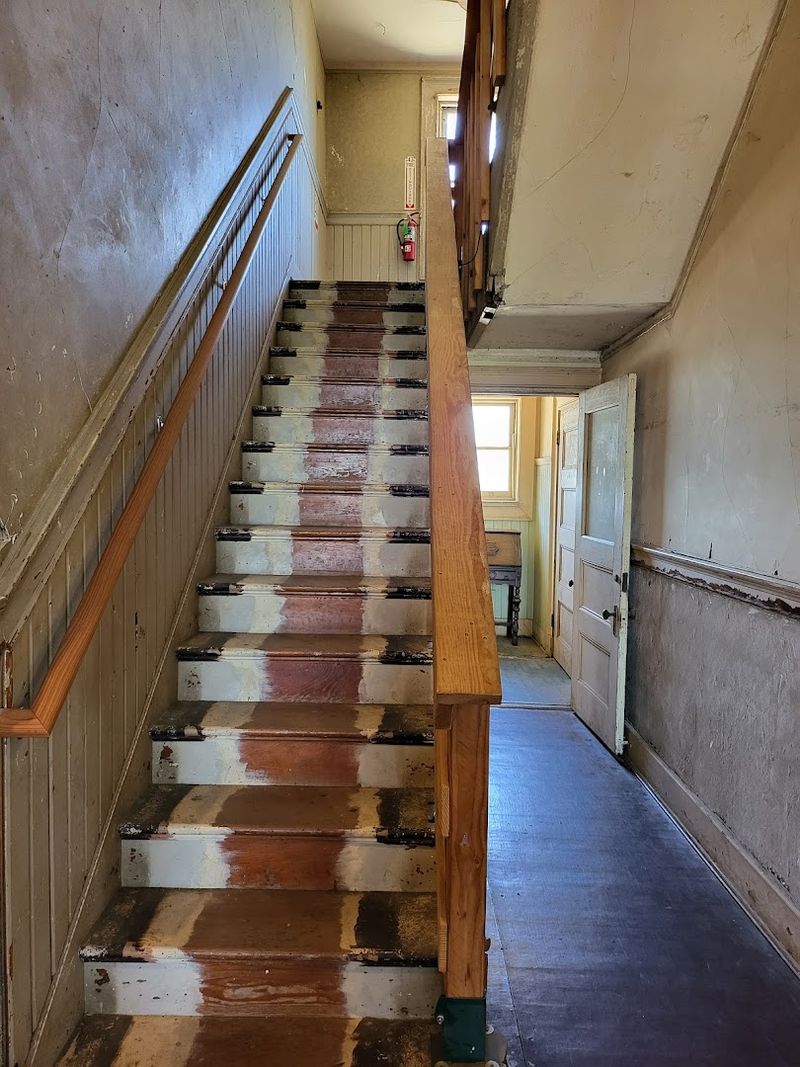
Current visitor access is generally limited to two of the five floors, as ongoing restoration work means some areas are still being made safe for public access.
That limitation actually adds to the atmosphere rather than detracting from it, because the partially restored spaces feel authentic rather than over-polished.
The Inside Adds Real Texture To The Experience
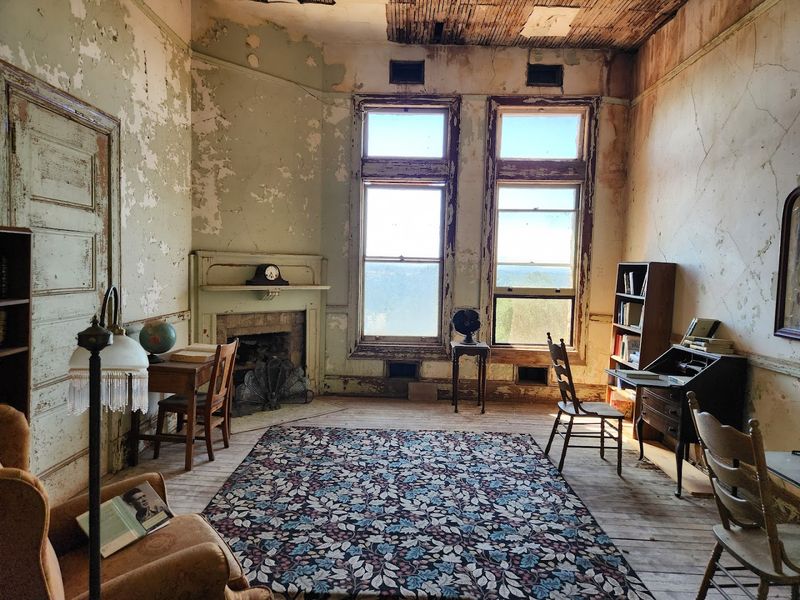
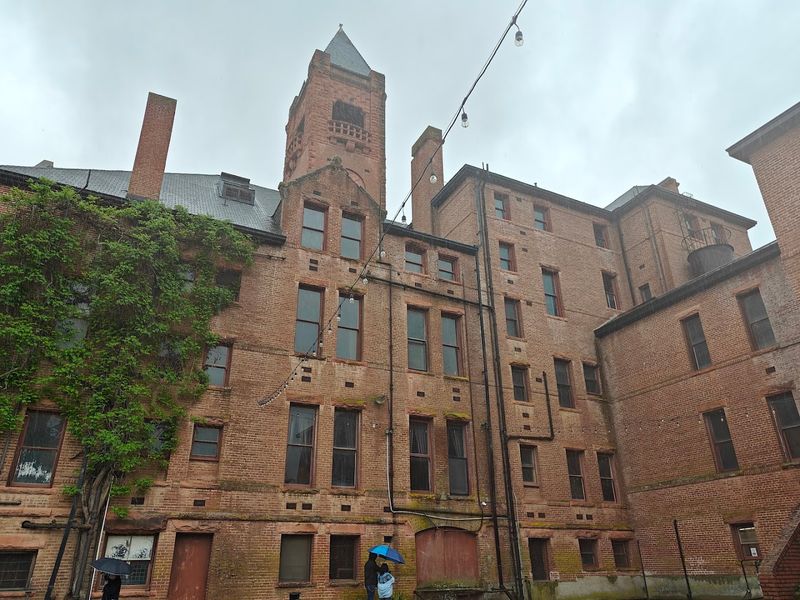
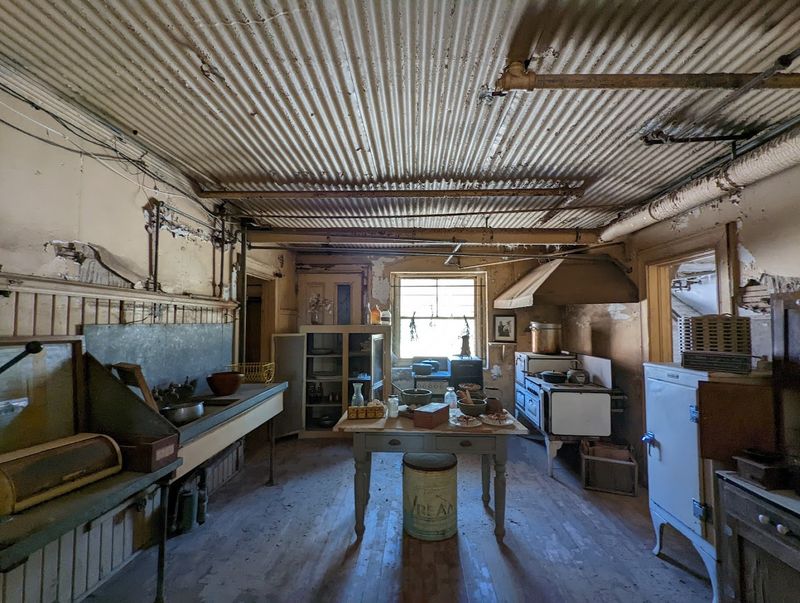
Much of the building remains in its raw, post-vacancy state, with peeling plaster, worn floors, and spaces that have not been touched since the facility closed in 1960.
That unpolished quality gives the tour an honesty that a glossy museum environment cannot replicate.
The fireplaces scattered throughout the building are one of the most striking interior features.
Forty-three fireplaces across five floors suggests that the original builders invested serious resources into the structure, and many of the fireplace surrounds retain their original detailing.
The stained-glass windows catch light in ways that feel almost theatrical in certain rooms, casting color across surfaces that have not been painted or renovated in decades.
Some tour options lean into the building’s eerie atmosphere and documented legends, including paranormal investigation nights and flashlight-style after-dark experiences.
Those events draw visitors with an interest in the unexplained, and the foundation handles them as part of a broader programming calendar.
For visitors who prefer history and architecture over atmosphere, the daytime self-guided and guided tours offer a grounded and informative experience without requiring a taste for ghost stories.
Both approaches give the building the attention it genuinely deserves.
Its Survival Story Makes The Landmark Feel Even More Worth Seeing
After the Preston School of Industry closed in 1960, the state had plans to demolish the building.
What saved it was a group of local women who campaigned persistently to preserve the structure, recognizing its architectural and historical significance before most official channels were paying attention.
That grassroots effort kept the building standing through decades of vacancy and gradual deterioration.
The building sat empty for over forty years before the Preston Castle Foundation leased the property in 2001.
The foundation eventually gained full ownership in 2014 and has been working on preservation and rehabilitation ever since.
Progress has been steady but slow, which is typical for projects involving structures of this size and complexity. Volunteer involvement plays a major role in keeping the restoration moving forward.
Knowing that backstory while walking through the building shifts the experience from casual sightseeing to something more engaged.
The imperfections visible throughout the structure are not signs of neglect under the foundation’s watch but rather evidence of how much work has already been done and how much still remains.
Supporting the visit financially, whether through tour ticket purchases or optional donations, directly contributes to the ongoing preservation effort.
The foundation operates as a nonprofit, and every visit carries a practical impact beyond the experience itself.
Gold Country Gives The Whole Visit A Better Backdrop
Amador County sets a particular mood that makes Preston Castle feel even more layered than it would in a different setting.
The Gold Country region carries a history of mining camps, boom towns, and hard lives, so arriving at a massive reform school turned historic landmark fits the area’s overall character in an unexpected way.
The landscape around Ione is open and rolling, with the kind of dry California hills that make a red brick building stand out sharply against the terrain.
Preston Castle works best as the anchor of a longer historic detour rather than a quick roadside stop.
The town of Ione itself is small but has a few shops and restaurants within easy reach, so building a half-day or full-day visit around the castle and the surrounding area makes practical sense.
Amador County also has a broader network of historic towns that can extend the trip naturally for those who enjoy Gold Country exploration.
Positioning the visit around a weekday tends to allow for a quieter experience, though weekend tours are also available and can offer a livelier atmosphere.
The Preston Castle Foundation manages the site at 900 Palm Drive, Ione, California, and handles tour reservations through their official website at prestoncastle.org.
The Road Trip Works Best For People Who Like Odd Historic Places
Preston Castle is not a polished attraction designed to appeal to every traveler.
The building is unfinished, historically heavy, and set in a small town without a major tourism infrastructure surrounding it. For the right kind of visitor, that combination is exactly what makes it worth the drive.
People who gravitate toward unusual architecture, local history, forgotten institutions, and places with a genuinely distinctive atmosphere tend to find the experience deeply satisfying.
Photography enthusiasts in particular find a lot to work with here. The contrast between the grand brick exterior and the weathered interior creates visual opportunities that a fully restored building would not offer.
The light that comes through the original windows, the texture of aged plaster, and the scale of the tower against an open sky all make for compelling images without requiring any staging or filters.
The surrounding Amador County area adds further appeal for those who enjoy layered road trips.
Small historic towns, local diners, and the broader Gold Country landscape provide natural extensions to a Preston Castle visit without requiring much extra planning.
Approaching the trip with flexibility and genuine curiosity rather than a checklist mentality tends to produce the most rewarding experience.
The building rewards attention and patience in ways that quick stops rarely do.