The Stunning New Japanese Spot That Connecticut Locals Are Buzzing About
New restaurants usually need a little time to settle in. This one seems to have skipped the quiet phase.
The waterfront setting already gives dinner a head start, and the stylish dining room makes the whole experience feel like somewhere you would happily dress up for without making it overly serious. Then the food starts arriving.
Connecticut diners have been discovering a newer Asian restaurant where Japanese influences take center stage and the menu has enough ambition to keep curiosity high.
Sushi is part of the story, but the kitchen goes much further than a familiar roll-and-nigiri routine. That makes dinner feel like an occasion rather than another stop on the weekly rotation.
The early buzz makes sense once you see how much attention has gone into the setting and menu.
New restaurants open all the time. Very few make you want to know what everyone ordered before you even book the table.
1. Modern Japanese Dining Makes This Newcomer Stand Out
Dinner gets playful here. Sushi is only the beginning.
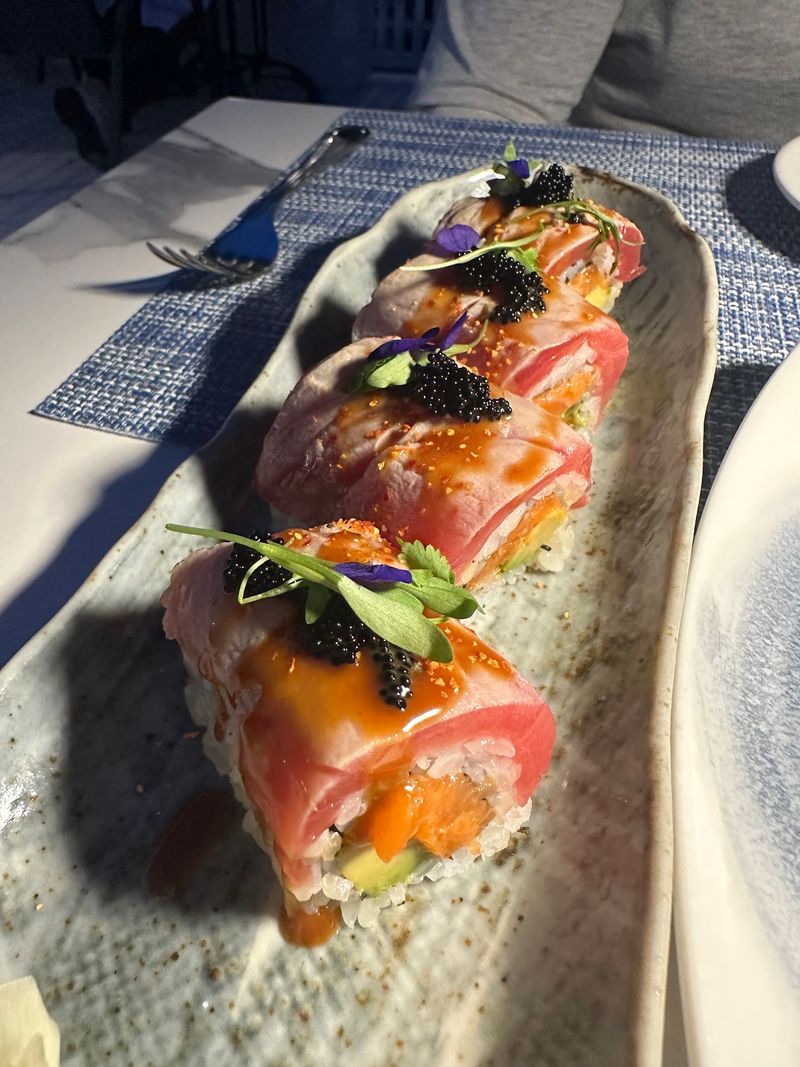
The menu keeps changing direction in the best way. Little Lotus uses Japanese technique as a foundation, then folds in Caribbean and French influences to create a style that feels distinctly its own.
Premium sushi remains central to the experience, but the kitchen also serves hot courses and elevated individual tapas designed to be enjoyed one at a time.
The restaurant’s globally trained culinary team brings different backgrounds to the table, and that range shows up in both the ingredients and the presentation.
For diners who want the full experience, a 17-course Chef’s Table omakase moves through cold and hot tastings with plenty of variety along the way. An à la carte menu offers more flexibility when a shorter dinner sounds better, so a visit does not have to become a long multi-course event.
Little Lotus opened in 2025 and quickly established a clear identity on New Haven’s waterfront. The cooking is polished without feeling overly fussy, and the fusion approach gives the menu enough personality to stand apart.
For a relatively new restaurant, it already feels remarkably sure of what it wants to be from the very first course served.
2. A Quiet Waterfront Corner Hides The Restaurant
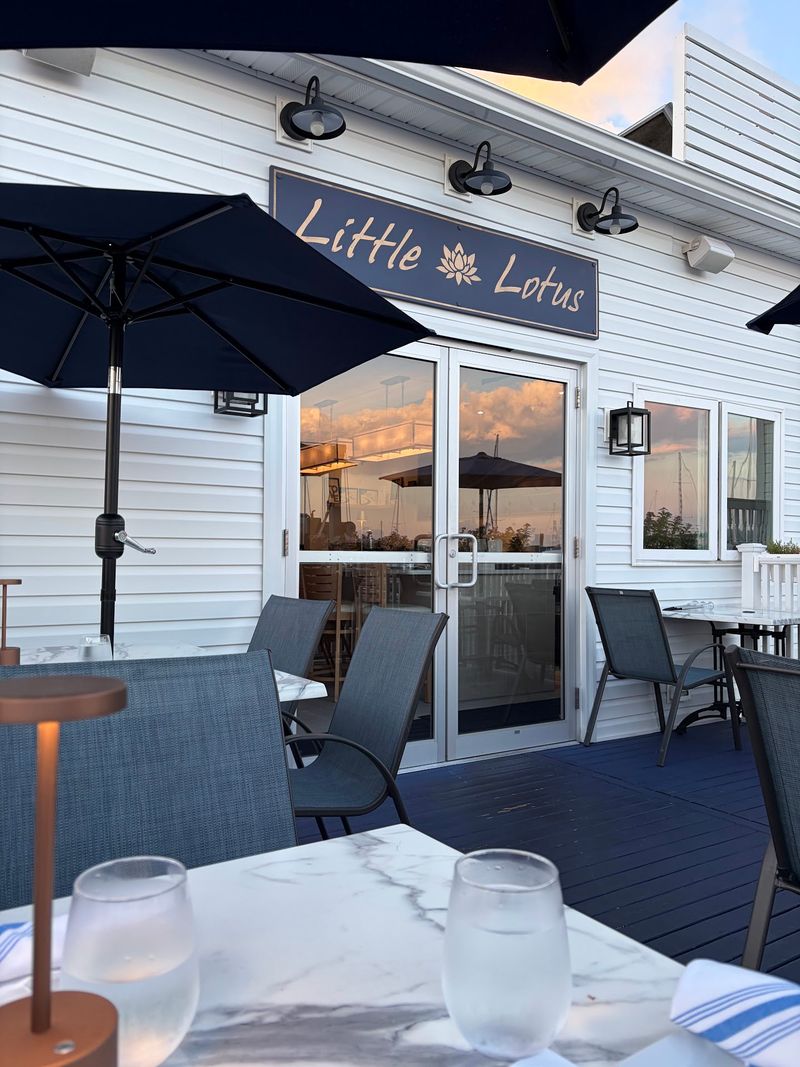
City Point feels like a little detour from the usual New Haven dinner scene. The streets are quieter.
The water is close. That change of pace is part of what makes Little Lotus feel like a discovery.
The restaurant sits on the Pequonnock Yacht Club campus in the historic City Point neighborhood, where marina views shape the mood. Boats and harbor scenery stay close to the dining room, creating a calmer atmosphere than the busier restaurant blocks downtown.
The building previously housed City Point Kitchen, so longtime locals may recognize the structure even though the current concept is much newer.
Little Lotus opened in 2025 after the space was renovated, bringing a fresh dining experience to a waterfront property with deep local history. Its compact size makes reservations a smart idea, especially when you have a particular dinner time in mind.
Parking on the yacht club property also makes arrival easier than it can be in denser parts of the city. Little Lotus serves guests at 98 S Water St, New Haven, CT 06519.
The restaurant sits near the front of the yacht club parking area, making it easy to spot once you turn onto South Water Street. The peaceful waterfront setting makes the small detour feel completely worthwhile.
3. A Husband-And-Wife Team Opened It In 2025
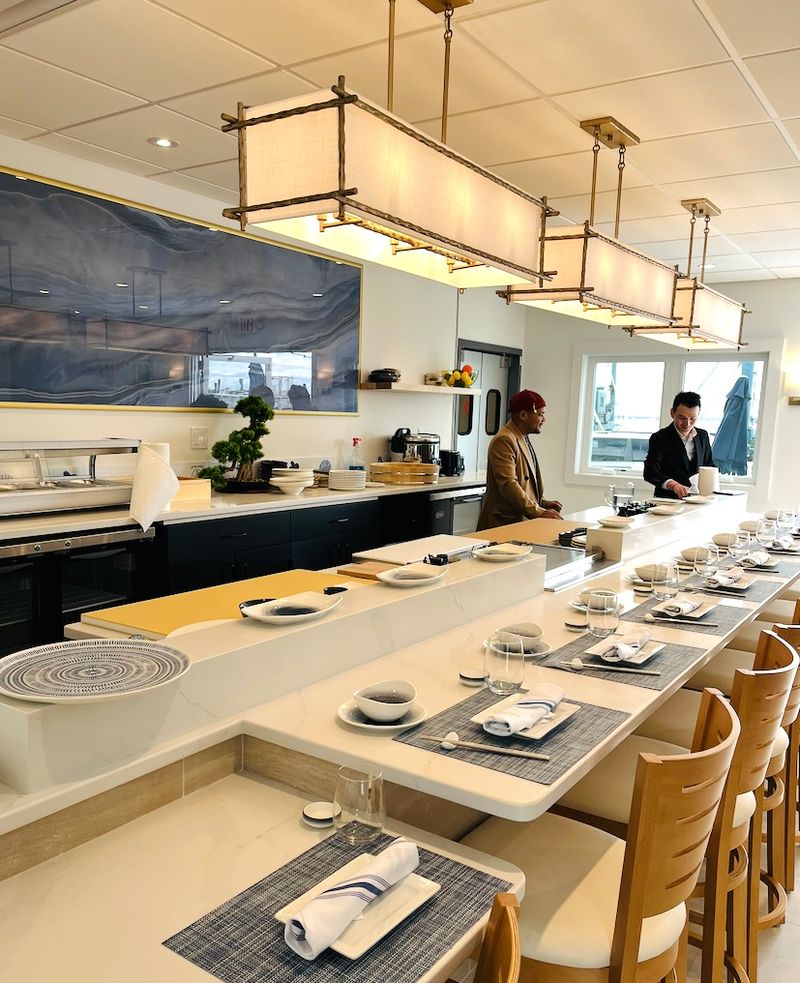
Behind Little Lotus is a married couple who already knew the restaurant business well. Before opening here, they built a following with a sister restaurant in Shelton, which has a more relaxed, family-friendly personality.
Their goal for the New Haven project was bigger than simply adding another dining room. They wanted a culinary and cultural experience that fit the character of a historic waterfront, and that ambition shaped everything from the layout to the menu.
Getting there took patience. The couple worked with the city’s Historic District Commission for roughly two years to restore the building properly, making sure the design respected the history of the area rather than papering over it.
Two years of coordination is a long runway for any restaurant, and it says something about how seriously the renovation was approached. The result is a space that feels intentional instead of quickly flipped.
Little Lotus held its soft opening in July 2025, with its formal grand opening planned for August.
Contemporary reporting from July 26, 2025 confirms the restaurant had opened the previous week, while the official restaurant history describes the debut as summer 2025.
Either way, the ownership presence is part of the charm. Visitors often describe warm, personal hospitality and a genuine interest in whether guests are enjoying themselves.
4. Historic Maritime Character Shapes The Dining Room
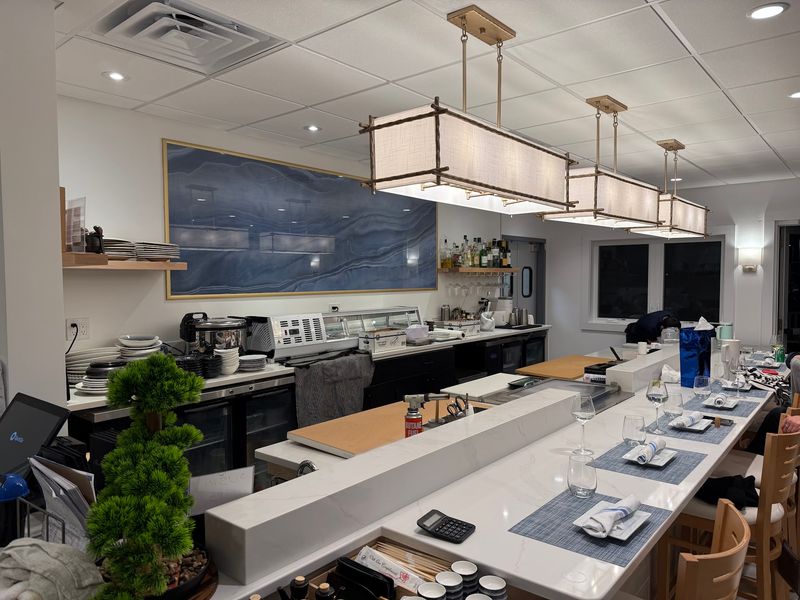
The City Point waterfront has been a working maritime community since the 1800s, and that long history is not treated as trivia here. It informs how the room looks and feels.
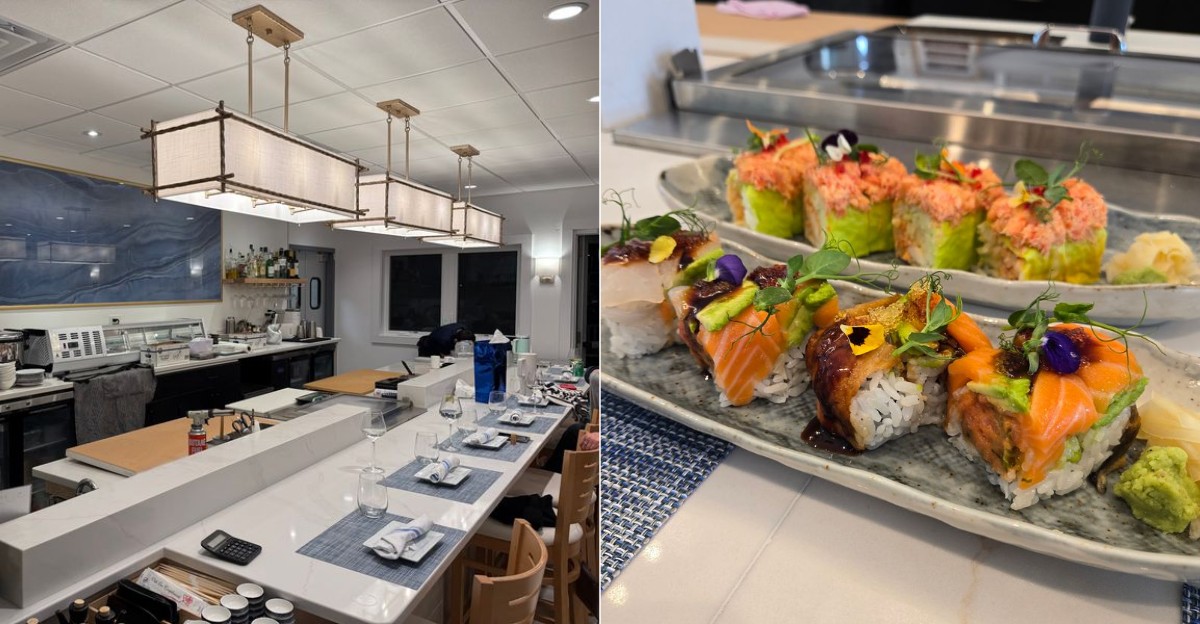
Inside, the palette leans on white and cool blue tones, a nod to the shoreline just outside. The dining spaces read as bright and open rather than dim and closed off, which keeps the mood calm even when tables are full.
Refined but welcoming is the balance the restaurant strikes. Nothing about the design shouts for attention, and that restraint lets the food and the water views do the talking.
Three seating experiences are available, and each one changes the evening a little. The main dining room suits a slower conversation, the outdoor patio is the warm-weather choice, and the Chef’s Table sits at a marble sushi bar.
That counter is worth requesting if you are curious about technique. From there you can watch courses being built piece by piece, which turns dinner into something closer to a demonstration.
Keep in mind the space is small and intimate. Larger groups do get accommodated, but calling ahead about seating preferences helps everything run smoothly.
5. Omakase Turns Dinner Into A Multi-Course Experience
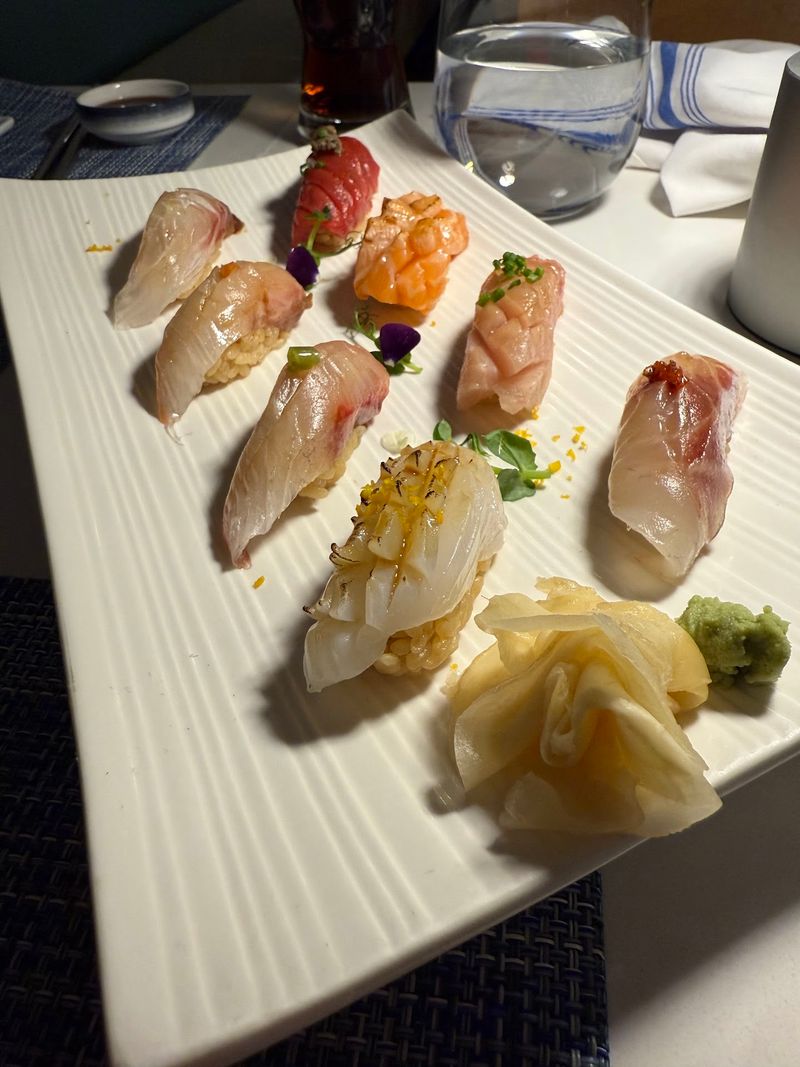
Omakase translates roughly to trusting the chef, and that trust is the whole point. You hand over the decision-making and let the kitchen guide the meal from beginning to end.
At Little Lotus, the centerpiece is a dynamic 17-course Chef’s Table Omakase Set. The best part for planners is that guests can order it no matter where they are seated, so you are not locked out of the experience if the counter is booked.
Weeknights bring a shorter option too. A 10-course Omakase Light Menu covers the same spirit in less time, which makes it a friendlier choice on a Tuesday or Wednesday.
The progression usually moves through sashimi, several cooked courses, sushi, and finally dessert. Portions are sized so the meal builds gradually instead of overwhelming you halfway through.
Because the menu is described as dynamic, the exact lineup can shift, and that unpredictability is part of the fun for repeat visitors.
A few practical notes: block out a real chunk of your evening, since a 17-course dinner is not a quick stop. Mentioning the omakase when you reserve is also wise, and letting the team know about dietary needs in advance gives them time to adjust.
6. Premium Fish Arrives From Japan
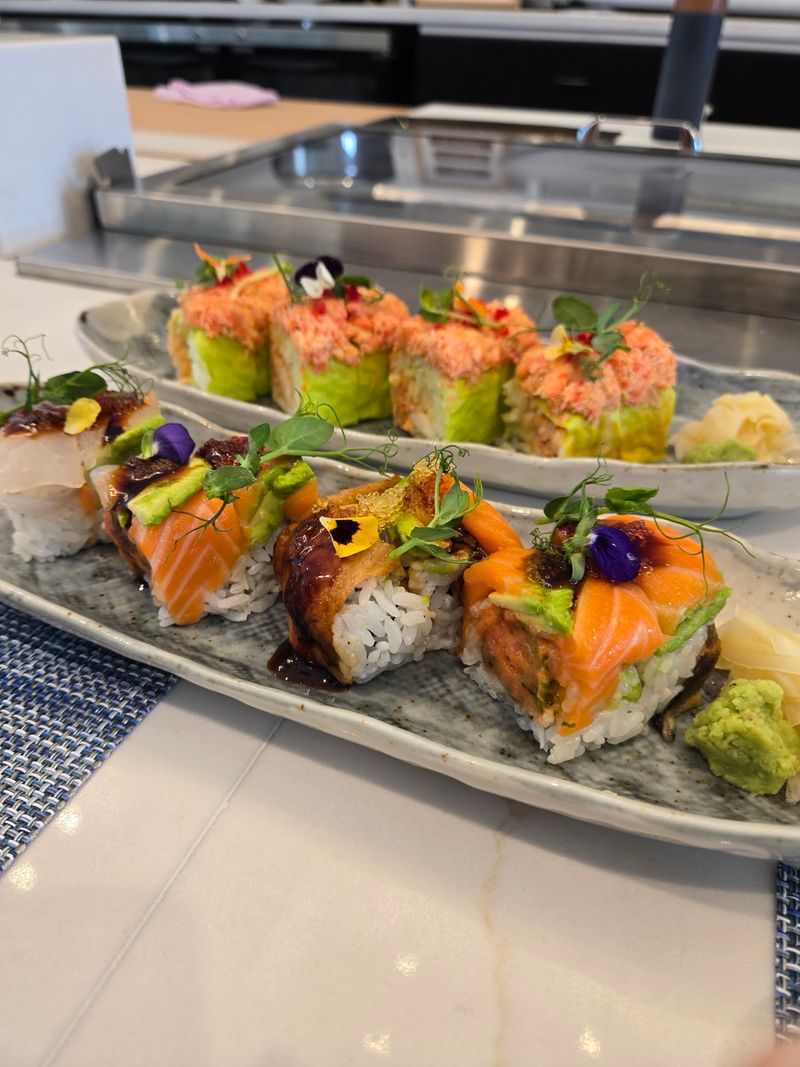
Freshness is easy to claim and much harder to prove. Little Lotus makes its case by flying in much of its fish directly from Japan, which is a serious commitment for a small restaurant in Connecticut.
Sourcing at that level shows up most clearly in the raw courses. Sashimi and nigiri leave nowhere to hide, so the quality of the fish itself becomes the star of the plate.
Imported seafood is not the only story, though. The culinary team also works local ingredients into the menu, using them to round out and complement what arrives from overseas.
Certain specialty items make appearances as well, including sea urchin from Hokkaido and high-grade Japanese wagyu beef. Both are the sort of ingredients that need almost nothing done to them, and the kitchen treats them accordingly.
Wagyu comes up constantly when guests talk about their meals here, along with dishes built around salmon and scallops. Diners often describe the seafood as some of the freshest they have had in the state.
One useful tip: because premium fish is brought in rather than stocked in bulk, availability can vary. Booking ahead and confirming the omakase gives the kitchen a better shot at having exactly what you came for.
7. Hot Courses Give The Menu An Unexpected Twist
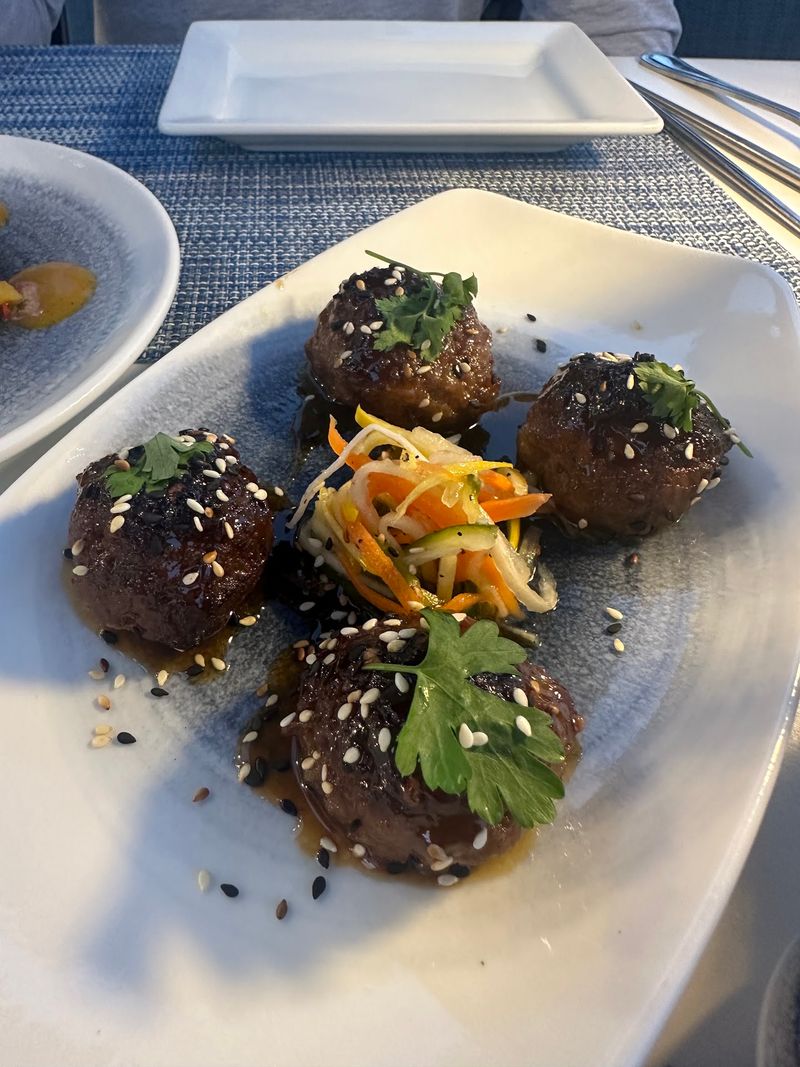
Assuming a sushi-focused restaurant is all raw fish would be a mistake here. Some of the most talked-about plates at Little Lotus come out hot.
The 17-course omakase deliberately mixes cold and hot tastings, so the meal keeps shifting in temperature, texture, and technique. That back-and-forth rhythm keeps a long dinner from feeling repetitive.
On the a la carte side, the range widens considerably. Appetizers, meat selections, cooked fish and seafood, poultry, and vegetarian options all have a place on the menu.
Specific dishes show how far the fusion idea travels. Pan-seared smoked salmon has been served with a lemongrass beurre blanc alongside baby bok choy and bonito yams, a plate that borrows from French and Asian cooking at the same time.
Other hot offerings have included wagyu meatballs, duck confit with mushrooms and rice, and a Caribbean-Asian spiced braised short rib. Guests regularly single out the duck confit and the crab cake as favorites.
Vegetarian diners have reason to feel comfortable too, since the kitchen has been known to accommodate requests thoughtfully.
If your group has mixed tastes, this part of the menu adds plenty of flexibility. Diners who prefer something other than raw fish still have several cooked options to consider.
8. Water Views Make The Experience Even More Memorable
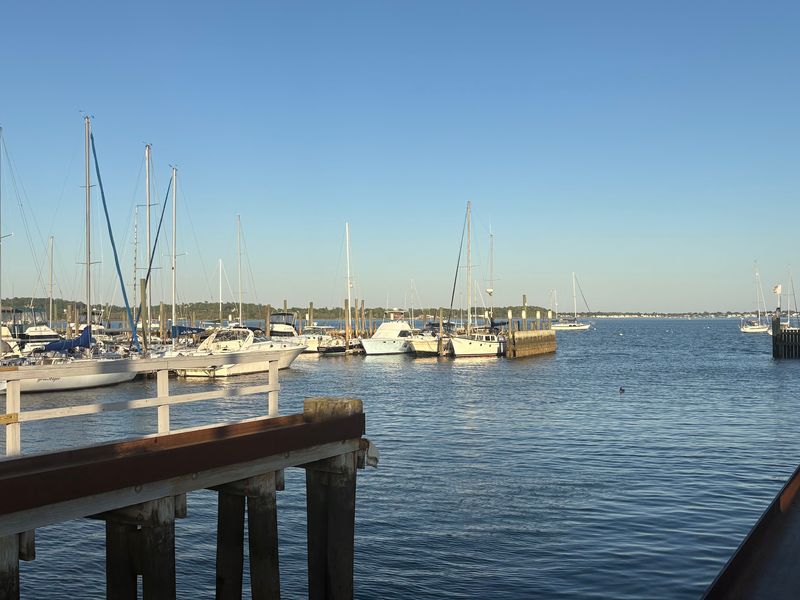
Water steals the show here. Dinner comes with a view.
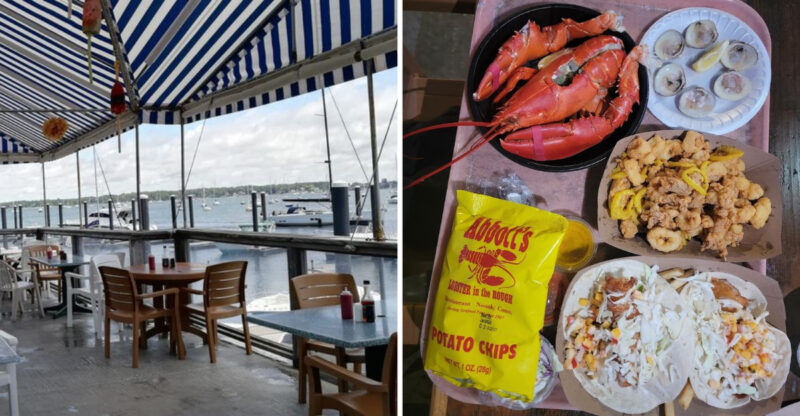
Boats drift just beyond the windows, giving the evening an easy waterfront rhythm. Little Lotus makes the most of its setting on the Pequonnock Yacht Club campus, where the marina stays part of the experience from the first course onward.
The bright dining room keeps that connection open instead of shutting the scenery out. Large windows bring the water into view, while outdoor seating adds another option when the weather cooperates.
On a mild evening, the patio puts dinner closer to the shoreline and gives the meal a relaxed feel.
That peaceful backdrop pairs naturally with the restaurant’s polished service and carefully presented food. The setting feels special without becoming overly formal, which makes it easy to settle in and enjoy dinner.
Current hours run from 4:00 p.m. to 9:30 p.m. Tuesday through Sunday, with Monday listed as closed.
Reservations are a smart choice when you want a time, especially on busier evenings. If the weather looks good, arriving before sunset can make the waterfront setting more memorable.
Between the marina views and calm atmosphere, Little Lotus turns dinner into something that feels pleasantly removed from the usual city pace.