The 10 Most Unforgettable Hikes In Texas For Every Skill Level
Most people think of Texas and picture flat highways stretching endlessly into the distance, tumbleweeds optional.
I used to think the same thing, and then I actually started hiking here, and everything I assumed turned out to be wrong.
Texas has slot canyons that glow orange at sunset and mountain summits that put you above the clouds.
It has trails that wind through landscapes so strange and beautiful, you will check your surroundings twice just to confirm you are still in the same state.
I have hiked trails in Texas that genuinely made my jaw drop, and I have also hiked ones that nearly hurt my legs, which honestly made me love them more.
This list covers ten of the best, ranked so that beginners feel welcome and seasoned hikers still have something to get excited about.
Whatever your fitness level or your tolerance for suffering, this state has a trail that was made specifically for you.
1. Santa Elena Canyon Trail
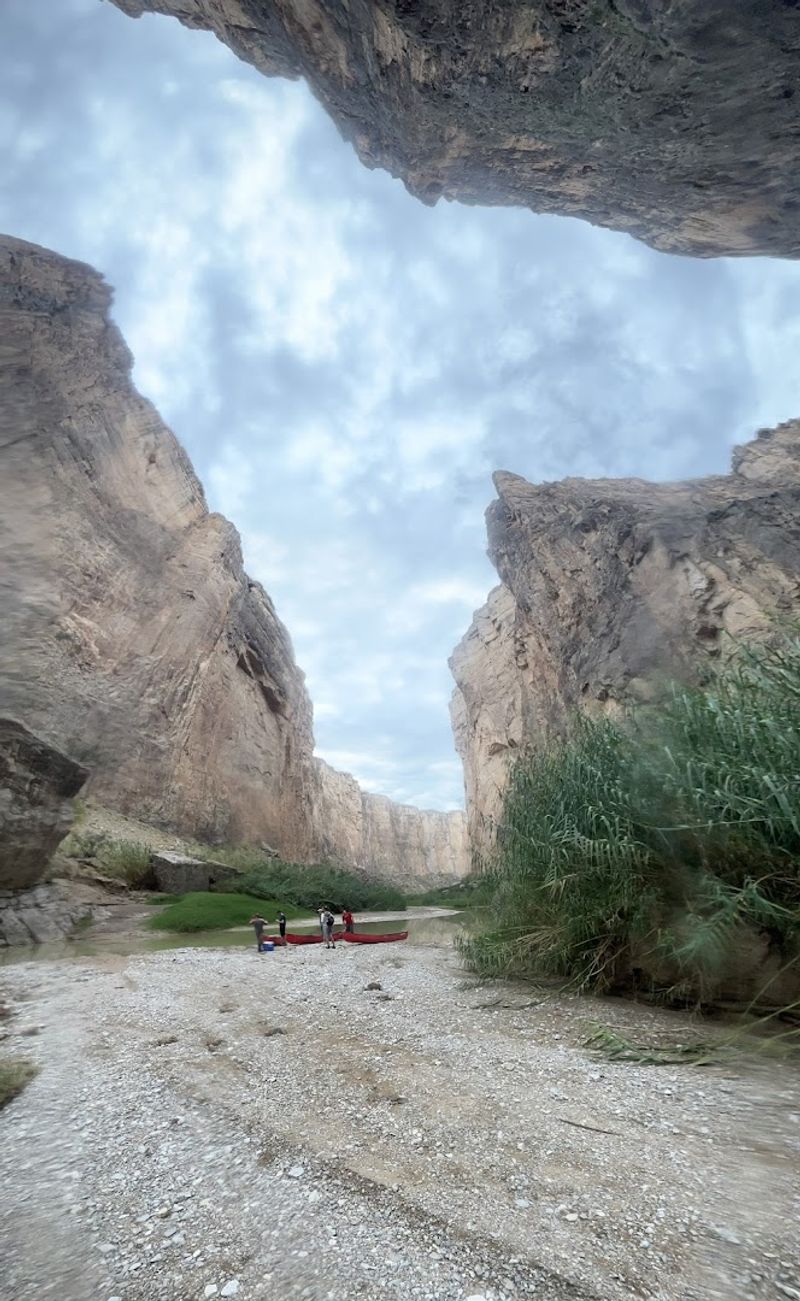
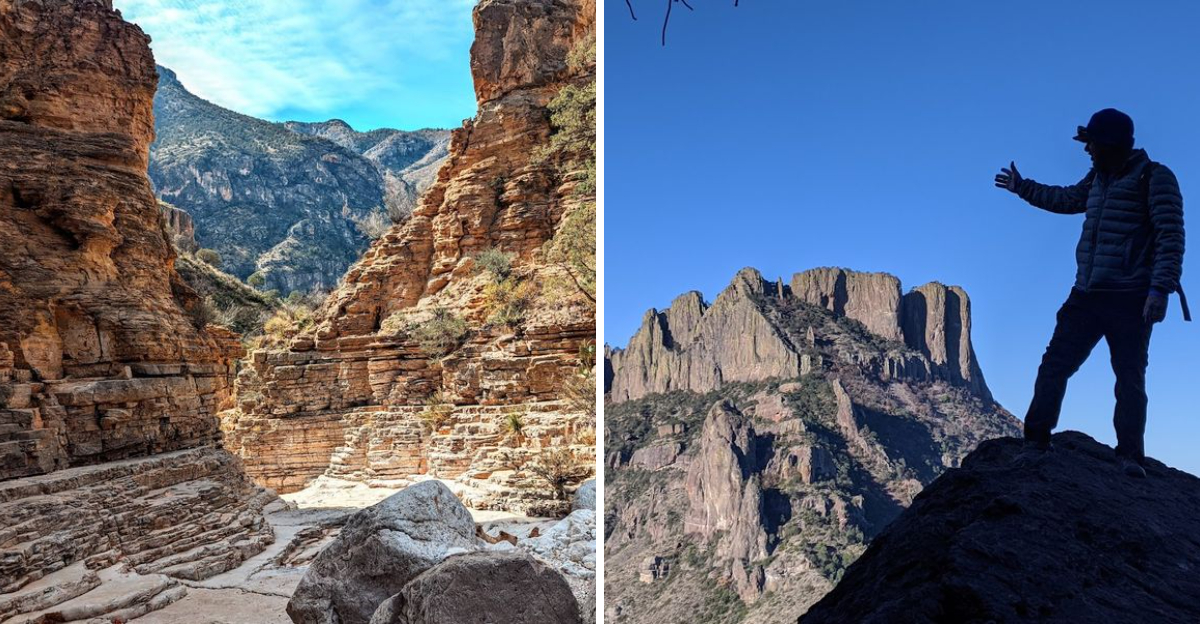
Standing at the mouth of Santa Elena Canyon feels like the earth is about to swallow you whole, and honestly, you will want it to.
The limestone walls rise over 1,500 feet on both sides, and the Rio Grande slips quietly between them like it owns the place.
This trail in Big Bend National Park runs about 1.7 miles round trip, making it one of the most rewarding short hikes in the entire state.
You cross Terlingua Creek at the start, which can be a shallow wade or a real adventure depending on recent rainfall. Either way, wear shoes you do not mind getting wet.
Once inside the canyon, the temperature drops noticeably, the noise of the world disappears, and the scale of everything shifts. You feel very small in the best possible way.
The trail ends at a rocky scramble where the canyon narrows dramatically. Skill level is easy to moderate, and the payoff is enormous.
Bring water, sunscreen, and a camera you actually trust, because your phone camera will not do this place justice.
2. Gorman Falls Trail
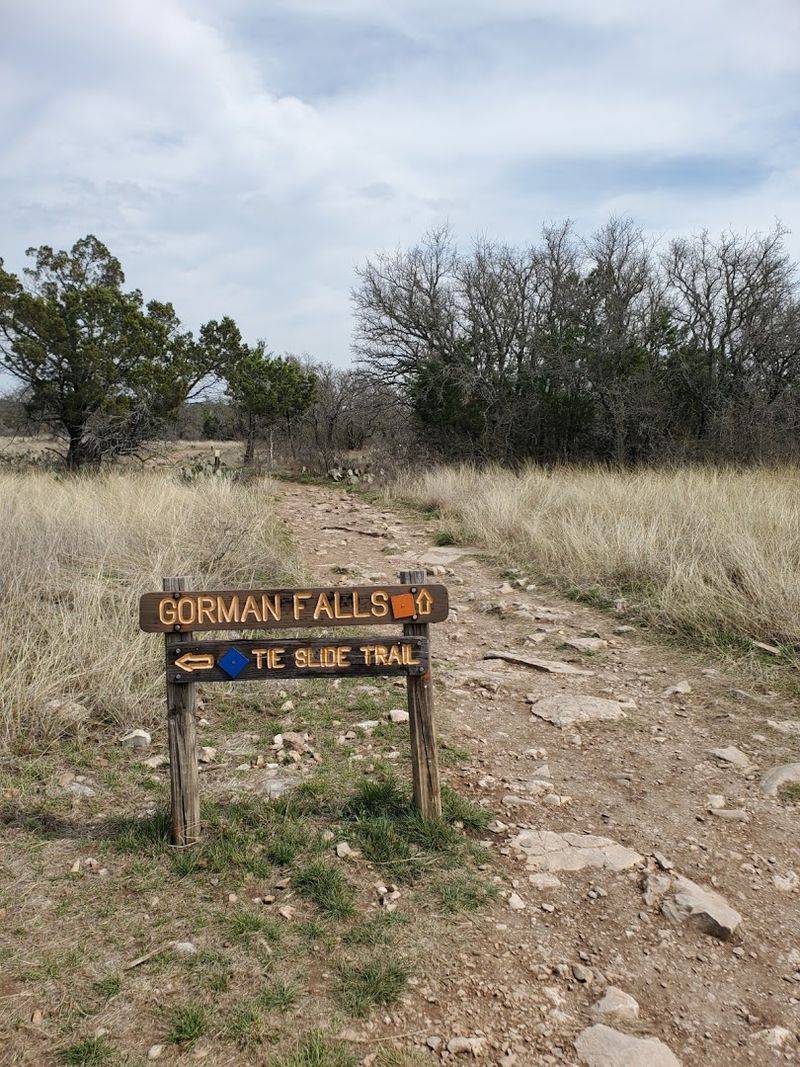
There is something almost theatrical about rounding a bend on a dusty Texas trail and suddenly hearing the sound of rushing water.
Gorman Falls at Colorado Bend State Park does exactly that, and the reveal never gets old. The falls drop about 70 feet over moss-draped travertine formations that look like something borrowed from a rainforest.
The trail runs roughly 3 miles round trip from the main parking area, with a few rocky sections near the falls that require careful footing.
The rest of the path winds through cedar and pecan trees with the Colorado River visible through the canopy. It is rated moderate, mostly because of those final slippery rocks near the waterfall base.
I recommend going on a weekday if possible, because this spot is genuinely popular and the trail feels much more magical when it is not crowded.
Wear grippy shoes, bring trekking poles if balance is a concern, and plan to stay longer than you think you need to. Gorman Falls earns every extra minute.
3. Lighthouse Trail
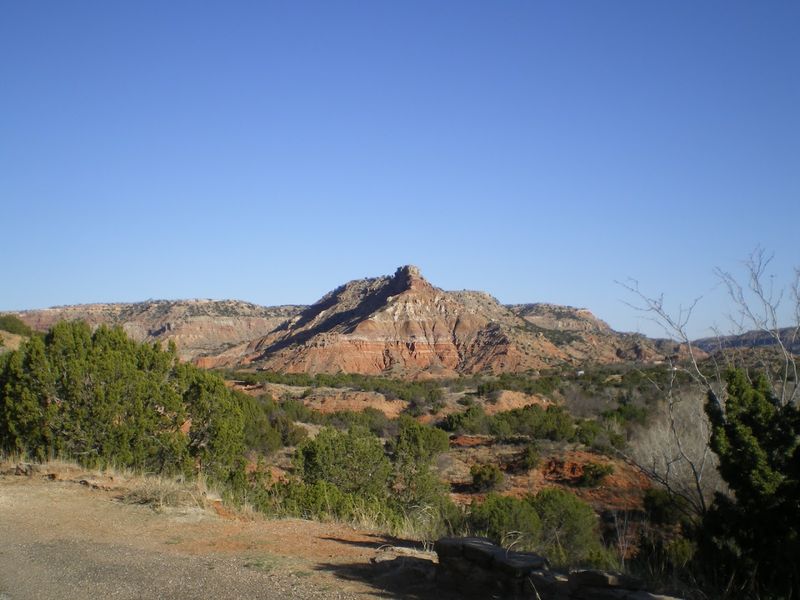
Palo Duro Canyon is often called the Grand Canyon of Texas, and once you see it, the comparison makes complete sense.
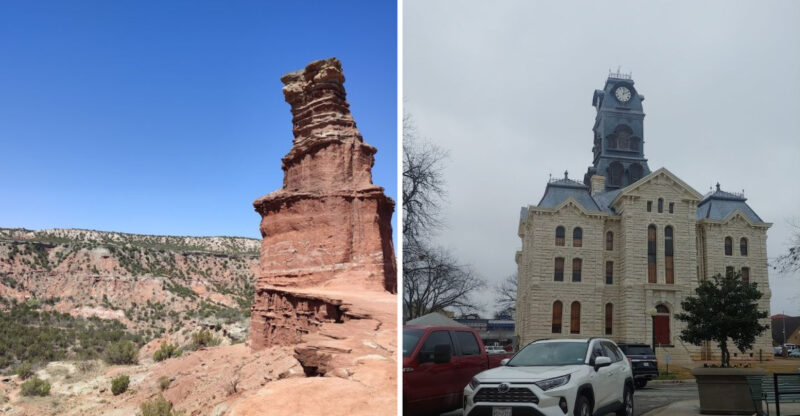
The Lighthouse Trail leads to the park’s most iconic rock formation, a 310-foot hoodoo that stands alone like it has been waiting for you specifically.
The trail covers about 5.8 miles round trip and crosses the canyon floor multiple times, weaving through red, orange, and purple rock layers that tell millions of years of geological history.
The terrain shifts from sandy wash to rocky scramble, keeping your feet and your brain equally engaged. Difficulty sits firmly in the moderate range, with some minor scrambling near the base of the Lighthouse itself.
Start early because the canyon floor heats up fast in the summer months, and shade is a limited resource out here. I once made the mistake of starting at noon in September and deeply regretted every single step after mile two.
Bring at least two liters of water per person, and pack a snack because you will want to sit at the base of that formation and just stare at it for a while. The views from the rim on the return trip are equally worth your attention.
4. Lost Maples East Trail
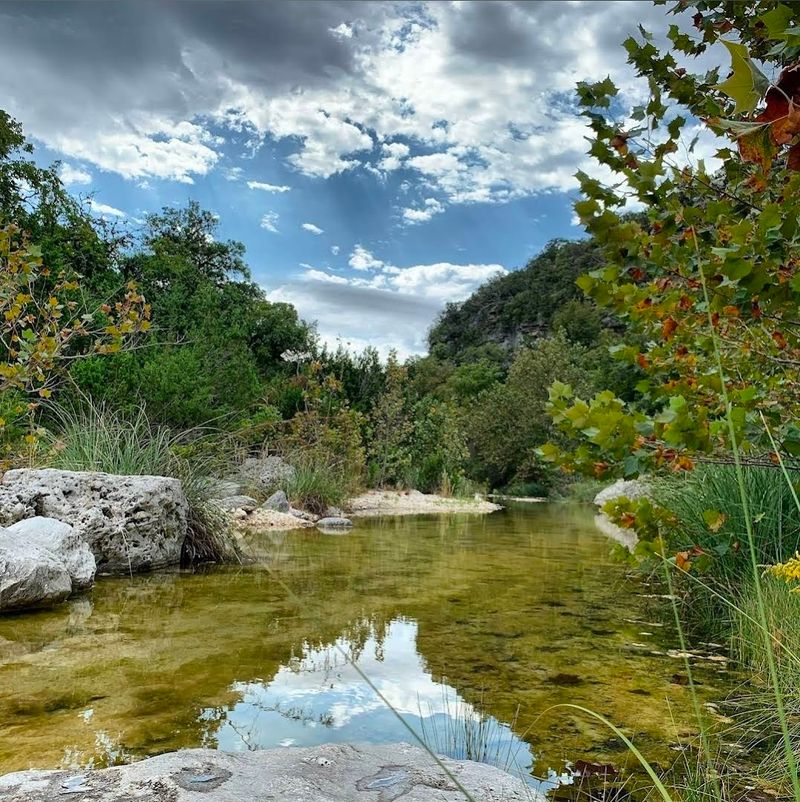
Most people do not associate Texas with fall foliage, and that is exactly what makes Lost Maples State Natural Area such a satisfying discovery.
The bigtooth maple trees here turn blazing shades of red, orange, and gold every October and November, creating one of the most genuinely beautiful landscapes in the state.
The East Trail is about 4.6 miles and winds through limestone canyons, past Sabinal River crossings, and beneath towering canyon walls draped in maple canopy.
The trail is rated moderate, with some rocky sections and elevation changes that keep your legs working. The creek crossings add a playful element that younger hikers especially seem to enjoy.
Peak color season draws serious crowds, and the park implements a reservation system during busy weekends, so planning ahead is not optional here.
But even outside of fall, the canyon terrain and river views make this trail worth the drive. The canyon walls hold moisture longer than the surrounding Hill Country, which is actually why the maples survive this far south.
That little geological quirk is responsible for the whole show. Bring layers in fall because the canyon gets cool fast once the sun drops behind the ridgeline.
5. Fate Bell Shelter Trail
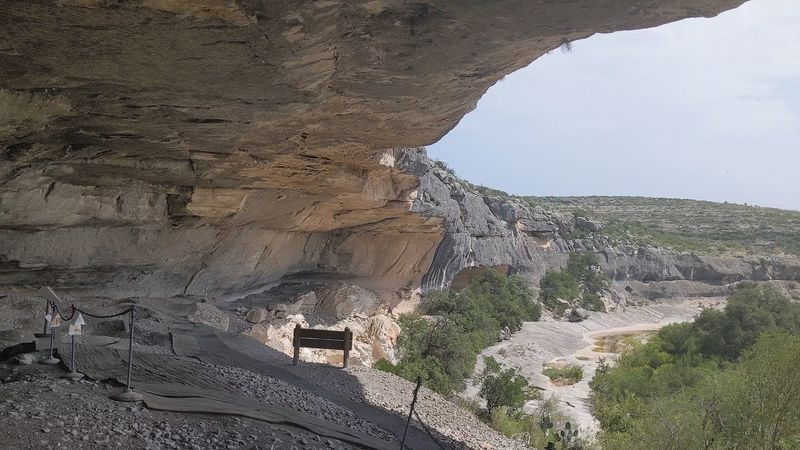
Some hikes take you through beautiful scenery. This one takes you through 4,000 years of human history, and that changes the experience entirely.
The Fate Bell Shelter at Seminole Canyon State Park contains some of the oldest rock art in North America, painted by the Pecos River culture on the walls of a massive limestone overhang.
The rangers here are genuinely passionate and knowledgeable, and the stories they tell about the pictographs give the images real weight and meaning.
The canyon terrain is rugged and exposed, so this hike earns its moderate-to-difficult rating.
The painted figures include shamans, animals, and abstract symbols rendered in red, black, and yellow pigments that have survived millennia of weather.
Standing beneath them and looking up feels like a conversation across time. Tours typically depart twice daily, and spots fill up quickly on weekends, so booking in advance is a smart move.
Wear sturdy boots, bring plenty of water, and prepare to leave with a completely different perspective on just how long humans have called Texas home.
6. North Franklin Mountain Trail
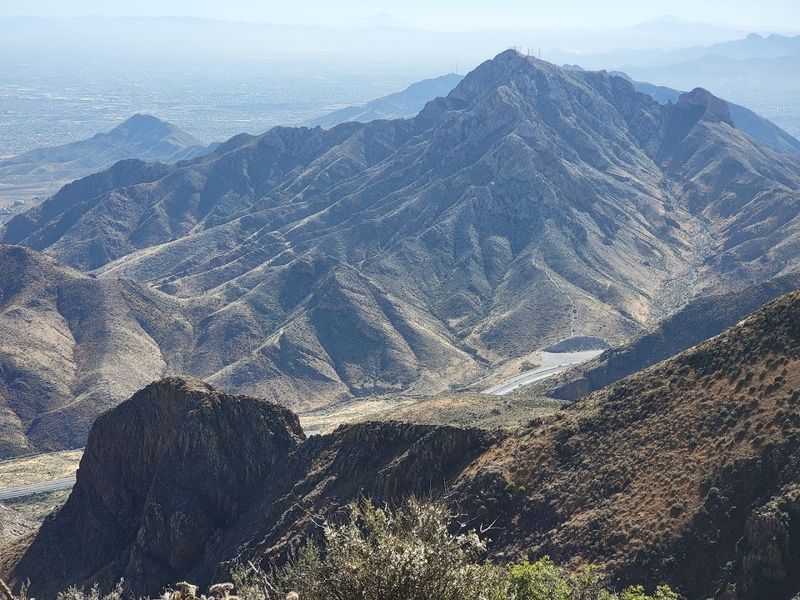
Franklin Mountains State Park sits inside a major American city, which sounds like it should lower expectations, but it absolutely does not.
The North Franklin Mountain Trail climbs to the highest point in the park at 7,192 feet, and the views from the top include El Paso, Ciudad Juarez, and what feels like half the Chihuahuan Desert.
The trail runs about 7 miles round trip with roughly 2,000 feet of elevation gain, putting it firmly in the difficult category.
The terrain is rocky and relentless, with loose scree on the upper sections that demands focused footwork. Trekking poles are genuinely helpful here, not just decorative.
The desert flora along the route is remarkable if you take time to notice it. Ocotillo, lechuguilla, and various cacti line the trail, and the light at golden hour on the way down makes everything glow in shades of amber and rust.
Start before sunrise if you are hiking in warm months, because the exposed ridgeline offers zero shade and the sun means business.
The summit register at the top is a fun tradition, and reading past entries from other hikers gives the whole experience a community feeling that desert solitude does not usually offer.
This one is a serious workout with a serious reward.
7. McKittrick Canyon Trail
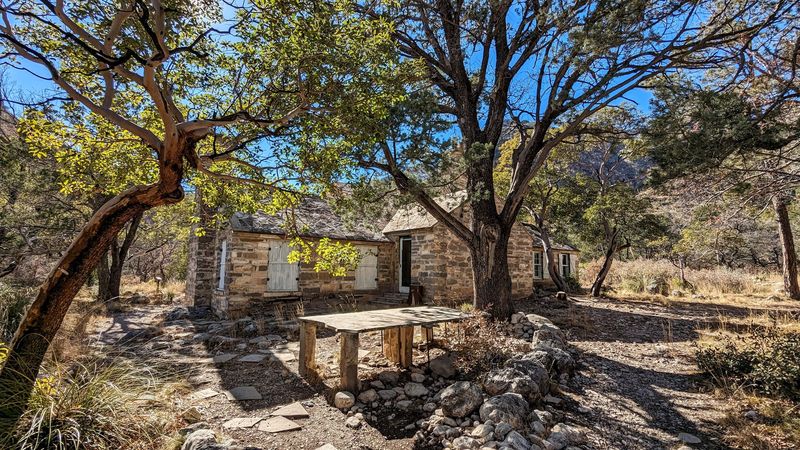
Dwight Eisenhower once called McKittrick Canyon the most beautiful spot in Texas, and while that is a bold claim for a state this size, the canyon does make a convincing argument every fall.
Located inside Guadalupe Mountains National Park, this trail passes through one of the most ecologically diverse canyons in the American Southwest.
The main trail runs about 4.8 miles to the Pratt Cabin, an old stone structure that adds a layer of human history to the already dramatic natural scenery.
The canyon walls rise sharply on both sides, and a seasonal stream runs through the bottom, supporting a surprising mix of plants including Texas madrones, bigtooth maples, and gray oaks.
The fall color display here rivals anything in New England, which is not a sentence most people expect to read about Texas.
The trail is rated moderate, with gradual elevation gain and well-maintained surfaces for most of the route. The upper sections beyond the cabin become more challenging if you choose to continue.
The canyon is also a significant fossil site, with ancient marine reef formations visible in the limestone walls. Entry to the national park is free with a park pass.
Arrive early on fall weekends because the small parking area fills up fast and there is no overflow option.
8. Caprock Canyons
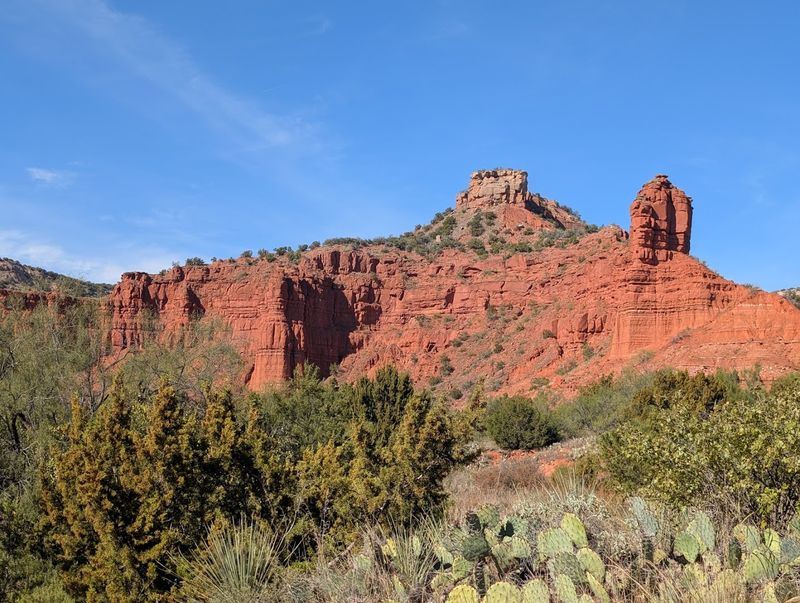
If Lighthouse Trail showcases the dramatic scale of Palo Duro Canyon, the Haynes Ridge Overlook Trail at Caprock Canyons State Park rewards hikers looking for something a little quieter and far less crowded.
The trail is shorter than some of the park’s bigger adventures, but what it lacks in mileage it makes up for in scenery.
The route climbs steadily onto Haynes Ridge, where sweeping views of the red-rock canyons, rugged cliffs, and rolling plains stretch for miles in every direction.
The terrain combines rocky sections, gradual elevation gain, and exposed ridgeline walking that keeps the landscape constantly changing around you.
It falls comfortably into the moderate category, making it accessible for most hikers while still feeling like a genuine adventure.
The overlook is the highlight. From the top, layers of colorful canyon walls and open Texas sky create one of the most memorable viewpoints in the park.
Early morning and late afternoon bring the best light, when the red rock formations seem to glow against the surrounding prairie.
Wildlife sightings are common here, and it is not unusual to spot the park’s famous bison herd somewhere in the distance.
Bring plenty of water, wear sturdy shoes, and take your time at the overlook. The view is the kind that makes you want to stay longer than planned.
9. Lost Mine Trail
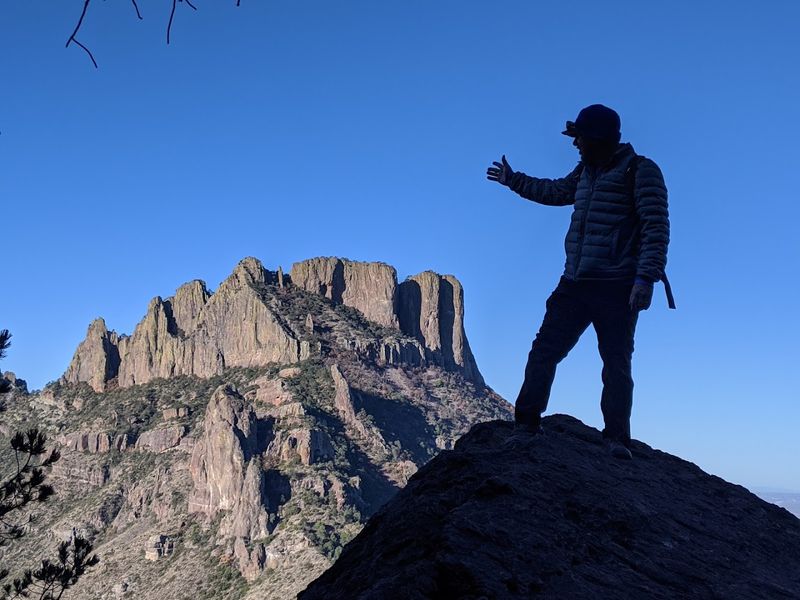
Big Bend has no shortage of spectacular trails, but Lost Mine Trail has a particular quality that keeps people coming back.
It climbs steadily from the Chisos Basin into the high country, offering views that expand with every step in a way that feels almost deliberately designed to keep you moving forward.
The trail is 4.8 miles round trip with about 1,100 feet of elevation gain, and it passes through a genuine mix of ecosystems including desert scrub, oak woodland, and pine forest as it ascends.
The summit ridge sits at around 7,550 feet and looks out over the full sweep of the Chisos Mountains, the Chihuahuan Desert, and on clear days, the Sierra del Carmen range in Mexico.
It is the kind of view that makes you reconsider your priorities.
The trailhead sits at over 5,600 feet, which means the hike starts cooler than most Big Bend trails and stays manageable even in summer if you go early.
Wildlife sightings are common here, including Carmen Mountains white-tailed deer, scaled quail, and occasionally black bears, so make noise on the trail and store food properly.
The interpretive trail guide available at the trailhead adds context to the geology and plants along the route, and it is worth picking up before you start.
10. Guadalupe Peak Trail
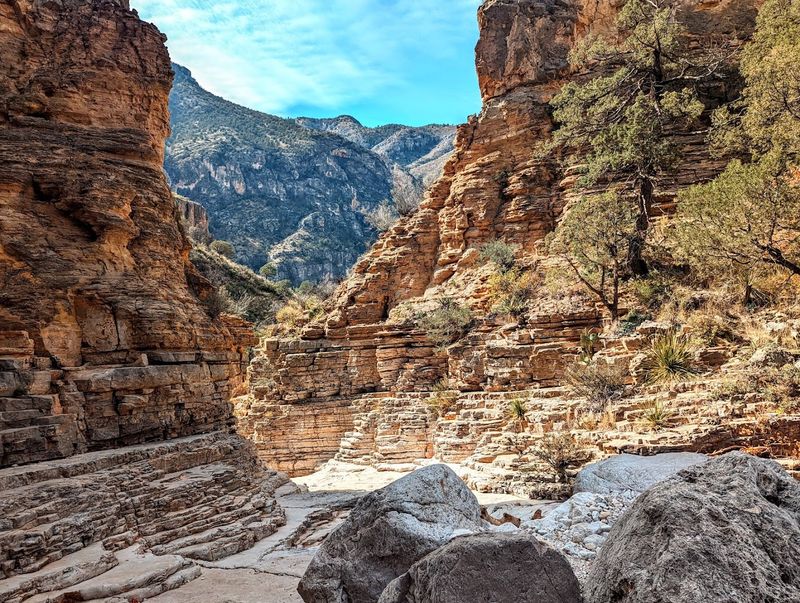
Guadalupe Peak is the highest point in Texas at 8,751 feet, and hiking to the top is one of those experiences that goes on a short list of things you will not forget.
The summit pyramid of limestone rises dramatically from the surrounding desert, and standing on top of it feels like standing on the roof of the entire state.
The trail covers 8.4 miles round trip with about 3,000 feet of elevation gain, earning its difficult rating honestly.
The switchbacks in the upper section are relentless and exposed, with wind that can be genuinely forceful near the summit ridge.
The metal monument at the top, placed by American Airlines in 1958 to commemorate the Butterfield Overland Mail route, is a surprisingly moving sight after the climb.
Start before sunrise to beat the wind and heat, and pack more layers than you think you need because the temperature at the summit can be 20 degrees cooler than at the trailhead.
The views from the top include the full Guadalupe range, the White Sands desert basin, and the sprawling Chihuahuan Desert in every direction.
This is not a casual stroll, but it is absolutely achievable for anyone with reasonable fitness and a good pair of boots. Summit day is the kind of day you text people about from the top.