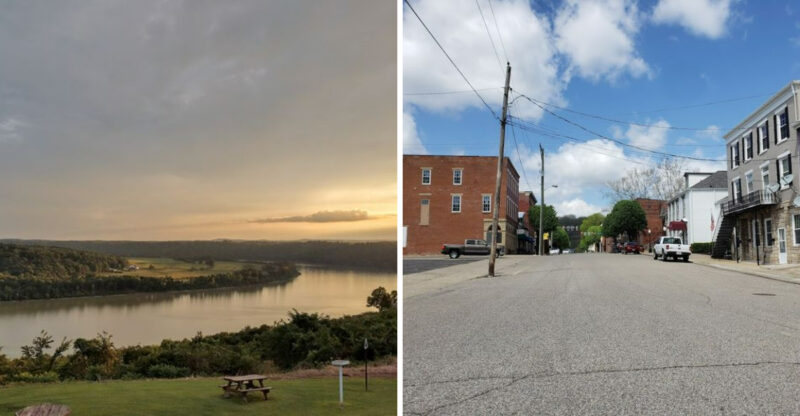
There Is A Free Museum Hiding Inside A Spectacular Mansion In Indiana
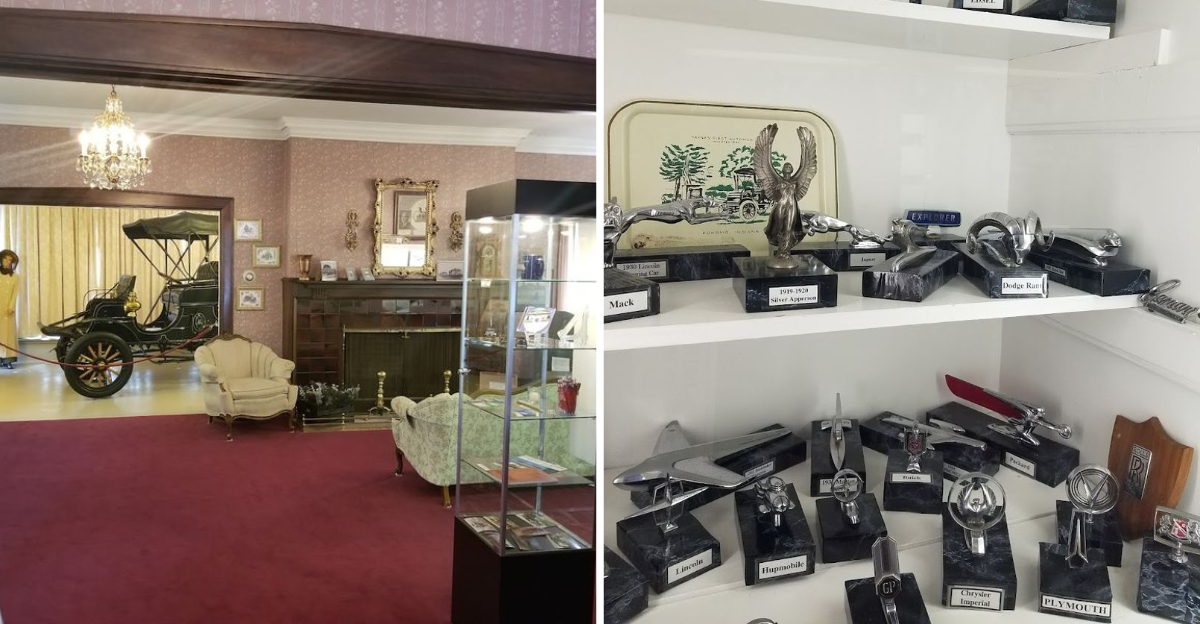
Who knew an old mansion could guard a secret this good? This Indiana estate hides a free museum behind grand doors.
One restless inventor changed the world from inside these walls. He built machines most people had never imagined possible.
His quieter discovery still shapes industries you use daily. The house keeps its woodwork and hushed elegance intact.
You wander preserved rooms that feel frozen in time. I love how the whole experience costs nothing at all.
Something here lingers long after you reach the parking lot. Curious visitors leave honestly surprised by what they find.
Some treasures hide where you least expect them.
What You Should Know About The Mansion
Not every mansion tells a story worth remembering, right? Trust me, this one absolutely does!
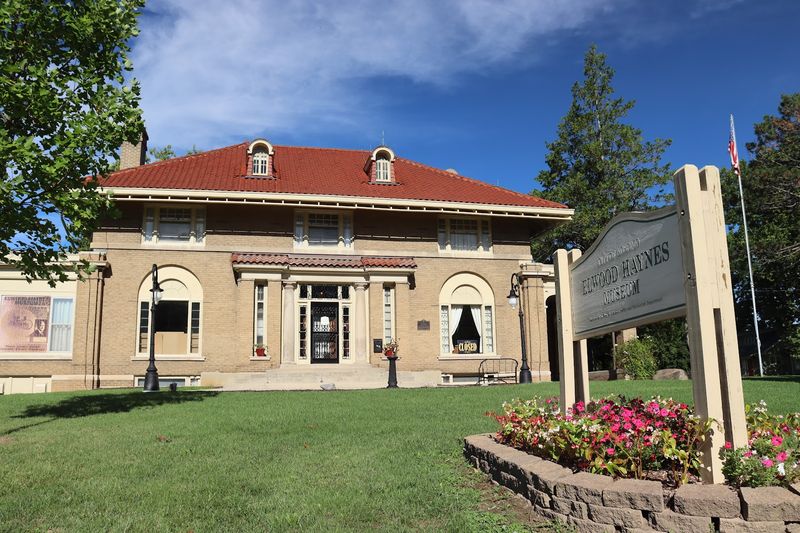
The Elwood Haynes Museum sits in a beautifully preserved 1916 estate that still carries the charm and character of its original era. The moment you pull up, the architecture alone earns a second look.
The red brick exterior, the tall windows, and the carefully kept grounds give off a quiet elegance that feels both grand and approachable. It does not shout for attention the way some historic homes do.
It just stands there, confident and composed, like it knows exactly how impressive it is.
There is something almost cinematic about approaching the front entrance. The surrounding Highland Park neighborhood adds to the atmosphere, making the whole visit feel like a proper outing rather than a quick errand.
The parking lot is on the smaller side, so a nearby park offers extra space if needed. This place sets the tone perfectly before you even get through the front door.
Admission Is Completely Free
Free admission at a museum of this quality feels almost too good to be true. Yet here we are.
The Elwood Haynes Museum at 1915 S Webster St in Kokomo welcomes every visitor without charging a single cent at the door. A donation box sits near the entrance, and dropping something in is always a kind gesture, but it is entirely optional.
That kind of open door policy says a lot about what this place values. It is not about profit.
It is about sharing history with as many people as possible, regardless of budget. For families, students, or anyone just passing through Indiana, that generosity makes a real difference.
I appreciated the low pressure atmosphere from the moment I walked in. Nobody is hovering or rushing you toward a gift shop.
The focus is genuinely on the experience itself. You can take your time, linger in rooms that interest you, and skip through areas you have already absorbed.
Visiting a free museum does not mean settling for less. The quality of the exhibits, the condition of the building, and the depth of the information all feel like something you would expect to pay for.
Who Was Elwood Haynes
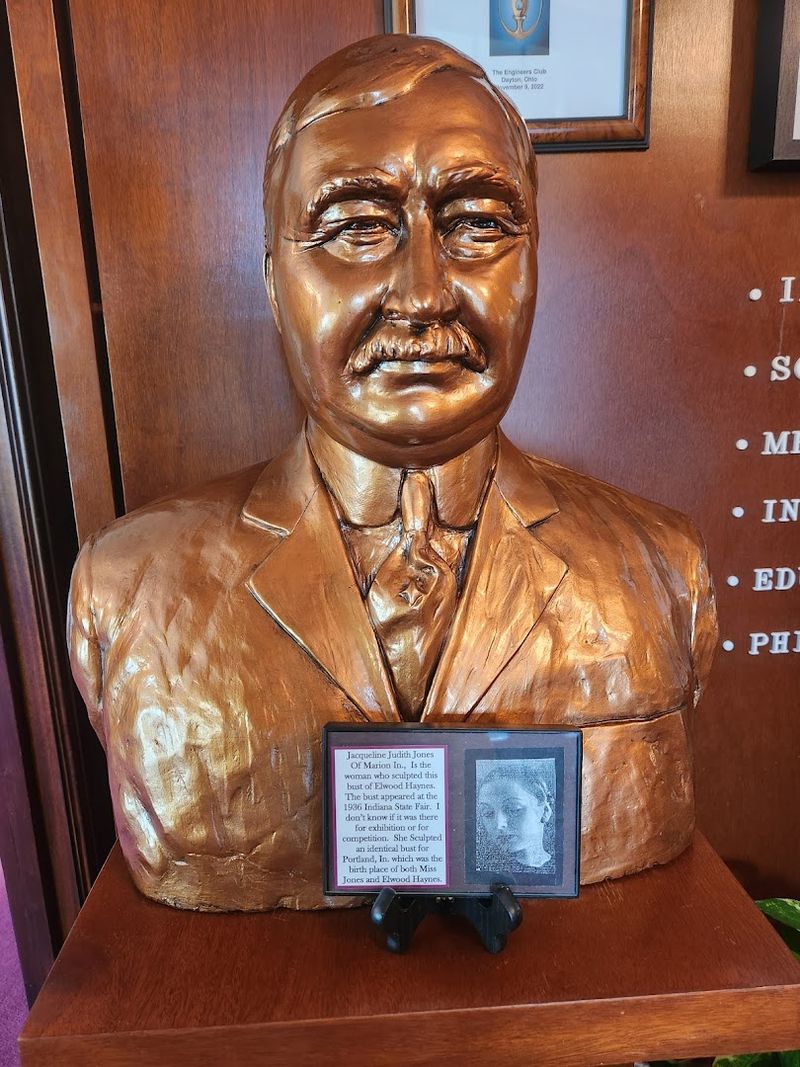
Before visiting the Elwood Haynes Museum, my knowledge of this inventor was pretty thin.
I knew the name vaguely, maybe from a road sign or a school textbook, but the full picture had never clicked into place. That changed quickly once I started moving through the exhibits.
Haynes was a true polymath. He is widely credited with building one of the earliest American gasoline powered automobiles in the 1890s, which alone would be enough to cement a legacy.
But the story does not stop at cars. His work in metallurgy led to the development of Stellite, a cobalt based alloy that proved critical in manufacturing, aerospace, and even wartime production.
The museum lays out his life in a way that feels both educational and engaging.
Timelines, artifacts, photographs, and personal items are arranged so that even someone with zero background in engineering can follow along and stay interested.
What struck me most was how understated his fame has remained compared to some of his contemporaries. This man helped shape modern industry in Indiana and beyond, yet most people outside the region have never heard of him.
The Stunning Interior Rooms
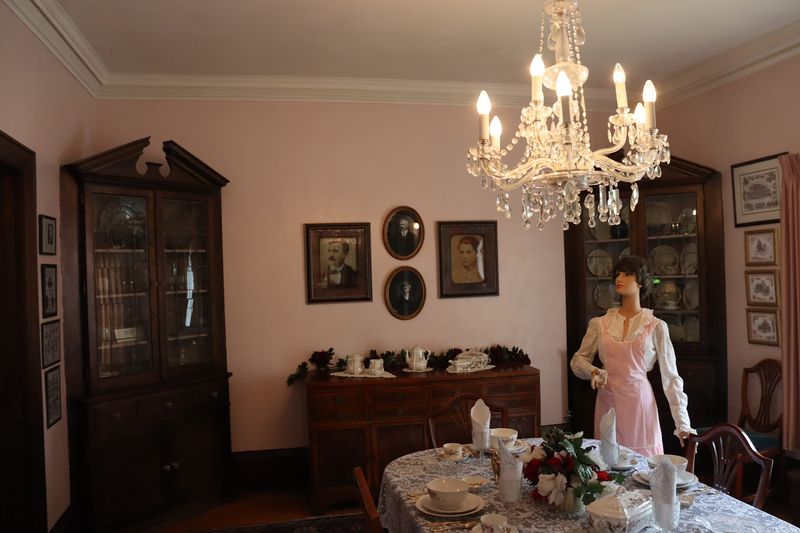
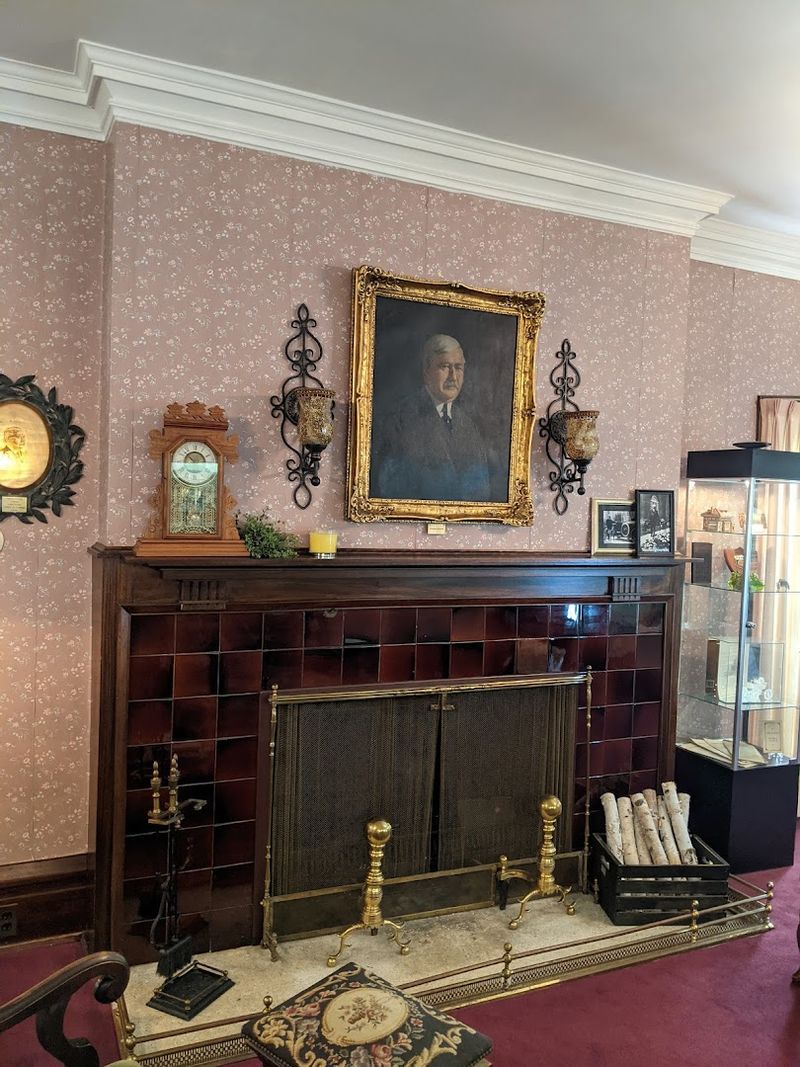
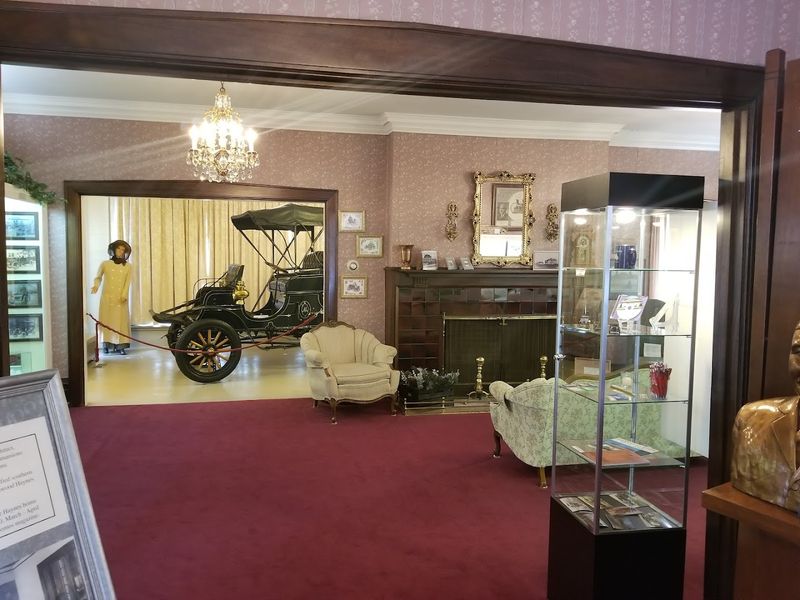
The furniture, the decor, and the layout have been preserved with obvious care. Each room carries its own personality while still feeling cohesive with the rest of the house.
The master bedroom is a standout. The matching furniture set is striking, with craftsmanship that you just do not see in modern interiors.
The attached bathroom is equally impressive, featuring detailed tile work that looks like it belongs in a design magazine rather than a century old home. There is a quietness to moving through these spaces that I found unexpectedly calming.
The hush of the rooms, the soft creak of the floors, and the way the exhibits are lit all contribute to an atmosphere that encourages you to slow down and actually absorb what you are seeing.
The preservation effort here deserves real credit. Indiana has many historic homes, but maintaining original details at this level takes consistent dedication.
The Elwood Haynes Museum manages that balance between museum and lived in home better than most.
The Automotive Exhibits Are Wild
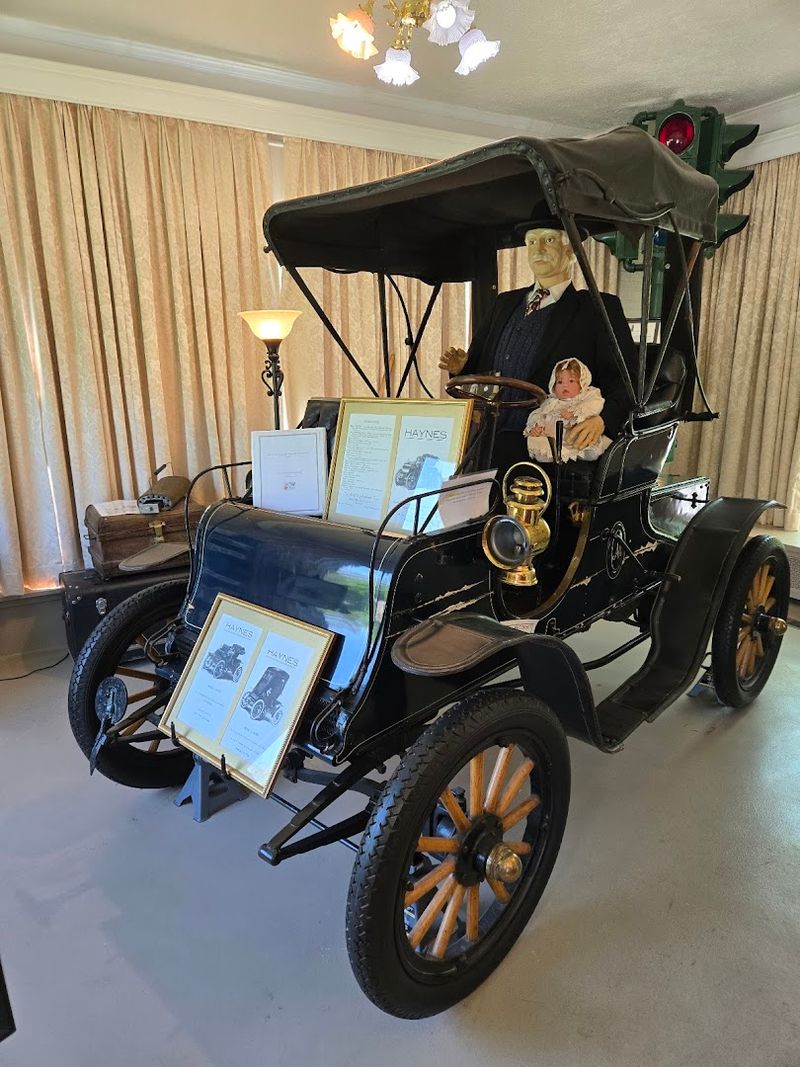
Car history fans, this section is for you.
The automotive exhibits at the Elwood Haynes Museum go well beyond a simple display of old vehicles. The context provided around each piece makes the whole thing feel like a proper deep dive into the origins of American car culture.
Haynes built his first automobile in 1894, and the museum does a thorough job of explaining the engineering challenges he faced and the solutions he developed.
Seeing the actual vehicles alongside the documentation of their creation adds a layer of appreciation that reading about it in a book simply cannot replicate.
I spent more time in this section than I expected to. There is something almost hypnotic about standing next to a machine that helped kick off an entire industry.
The scale of the early cars is surprising too. They are smaller and more delicate looking than you might picture from the photographs.
The exhibits are well labeled, easy to follow, and genuinely exciting even if you are not typically a car person. That last part surprised me the most.
Metallurgy Changed The World Here
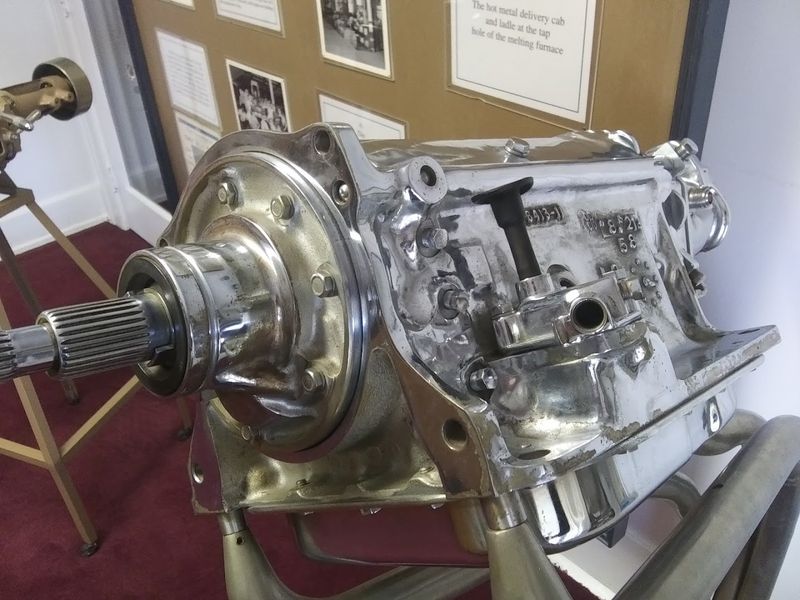
Most visitors come for the cars and leave with their minds blown by the metallurgy.
That is not a sentence I ever expected to write, but here we are. The Elwood Haynes Museum dedicates serious space to explaining Haynes’s contributions to materials science, and it turns out that story is just as gripping as the automotive one.
Stellite, the cobalt chromium alloy that Haynes developed, went on to be used in jet engines, surgical tools, food processing equipment, and military hardware.
The applications are so wide ranging that it is difficult to overstate the impact. This was not a niche invention. It quietly became part of the backbone of modern manufacturing.
The exhibits break down the science in a way that does not require an engineering degree to appreciate. Diagrams, samples, and historical documentation walk you through the development process step by step.
I caught myself reading every single placard in this section, which is not something I always do in museums. There is a particular pride that comes through in how this story is told.
The Museum Hours Worth Knowing
Timing your visit to the Elwood Haynes Museum takes a little planning, but it is absolutely worth the effort.
The museum operates on a schedule that reflects its volunteer driven, community focused nature. Getting the hours right before you head over saves a lot of disappointment at the door.
Currently, the museum is open Thursday and Friday from 1 to 4 PM, Saturday from 11 AM to 4 PM, and Sunday from 1 to 4 PM. Monday through Wednesday the doors are closed.
Those windows are not huge, so building your visit around them is the smart move.
Arriving closer to opening time rather than near closing gives you the most relaxed experience. The museum is not enormous, but there is enough to explore that rushing through it would be a shame.
Give yourself at least an hour, maybe closer to two if you tend to linger over details the way I do. The Elwood Haynes Museum rewards a slow, curious pace more than a speed run.
Why This Place Stays Memorable
Some museums you visit and forget by the time you reach the parking lot.
The Elwood Haynes Museum is not one of those. There is something about the combination of a beautiful historic home, world changing inventions, and a story that has been quietly overlooked for too long that makes the whole experience linger.
Part of what makes it stick is the human scale of it all. This was a real family home.
The rooms were lived in, the furniture was used, and the man whose story fills every corner of the building was not some mythologized figure. He was a curious, driven person who kept solving problems until the solutions changed industries.
The guides at the Elwood Haynes Museum bring real passion to what they do. That enthusiasm is contagious.
By the end of the tour, even the most skeptical visitor tends to leave with a new appreciation for what one person with a big idea can accomplish.
Indiana has plenty of history worth celebrating, but this particular chapter deserves far more attention than it typically gets. A free afternoon spent here offers more substance than most paid attractions can deliver.