There’s A Peaceful Idaho Town Where Social Security Goes Surprisingly Far
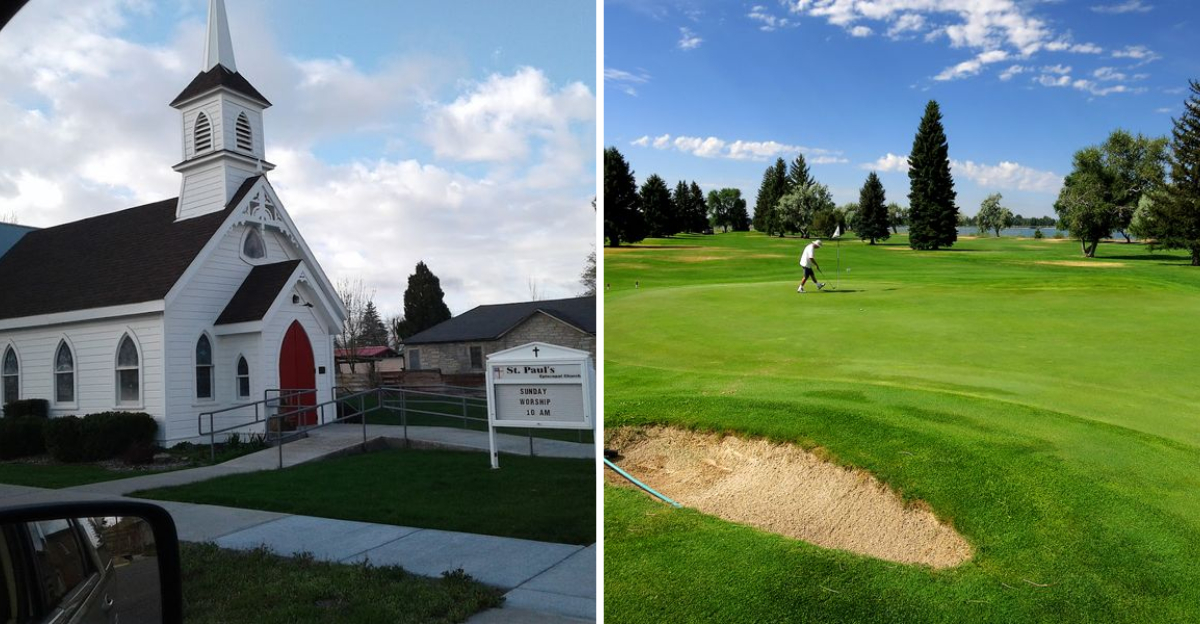
Retirement income stretches differently depending on where you choose to spend it. Idaho has a peaceful town where that stretch goes surprisingly far.
Housing stays accessible, the pace stays gentle, and the surroundings consistently exceed expectations. Social Security covers real life here in ways most larger towns cannot match.
Right when most people assume they need more to live well, this town proves otherwise.
I researched many affordable retirement options before this one rose consistently to the very top.
The community here carries a warmth that makes the practical case feel almost secondary. Mountains, clean air, and manageable costs create a combination worth seriously considering here.
This Idaho town deserves a spot on every retirement shortlist for those who value quality.
A Town With Deep Historical Roots
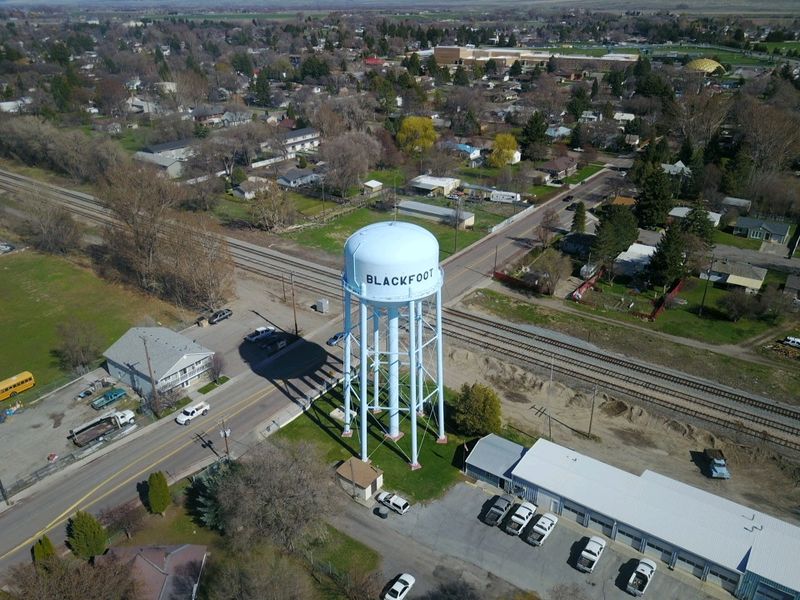
Long before Blackfoot became a county seat, this part of southeastern Idaho was shaped by the Snake River Plain and the communities that farmed it.
It grew steadily as a rail hub and agricultural center, and that practical heritage still defines its character today.
The Bingham County Courthouse stands as a proud anchor on Broadway Street, and the surrounding blocks carry that same sense of permanence.
The city sits at an elevation of about 4,500 feet, which gives it crisp air and wide-open skies that feel almost theatrical.
Blackfoot serves as the county seat of Bingham County, and its civic identity runs deep. The combination of history, geography, and civic pride creates a foundation that newer boomtowns simply have not had time to build.
For retirees, living somewhere with real roots often means stronger community bonds and a more stable local economy.
Housing Costs That Make Retirees Smile
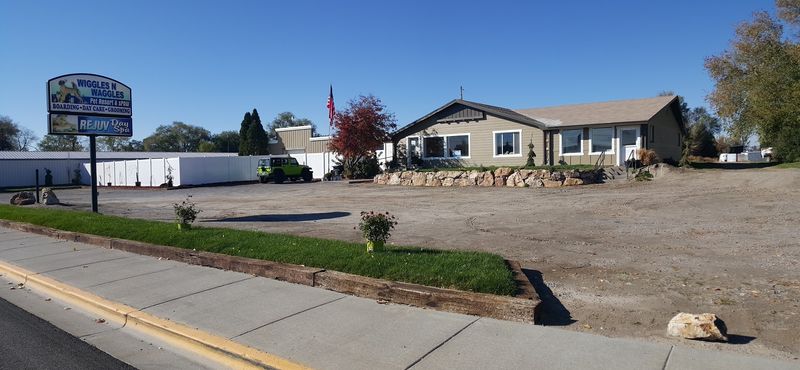
One of the first things I noticed while researching Blackfoot was the housing market.
Median home prices here sit well below the Idaho state average, and far below national figures. For those on a fixed income, that gap between what Social Security provides and what housing costs is the whole ballgame.
Rental options are also reasonable by any standard. Single-family homes, small apartments, and manufactured housing communities all exist within the city limits.
That variety gives retirees real choices based on lifestyle and mobility needs, not just budget constraints.
Property taxes in Bingham County add another layer of relief. This state offers a circuit breaker property tax reduction program for qualifying seniors, which can significantly lower annual tax bills.
Combine that with low base home values, and the monthly cost of keeping a roof overhead becomes manageable on Social Security alone.
I talked to longtime residents who bought modest homes years ago and have watched their equity grow while keeping expenses low.
Blackfoot quietly offers it without fanfare, which is exactly the kind of understated advantage that smart retirees tend to find before everyone else does.
Everyday Costs Stay Refreshingly Low
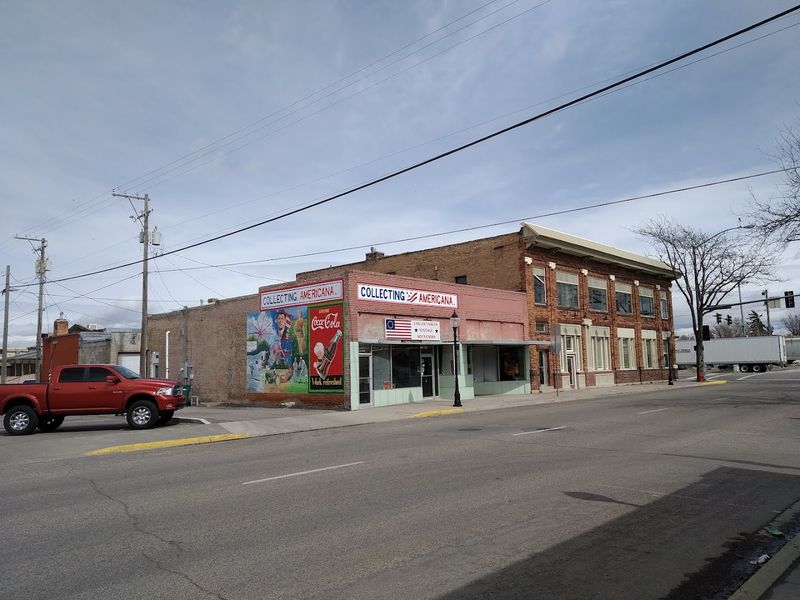
Housing is just the beginning of the affordability story here.
Groceries, utilities, healthcare services, and transportation costs in Blackfoot run noticeably lower than in most cities in this state, let alone coastal metros.
When you are living on a fixed monthly income, those smaller numbers matter enormously over time.
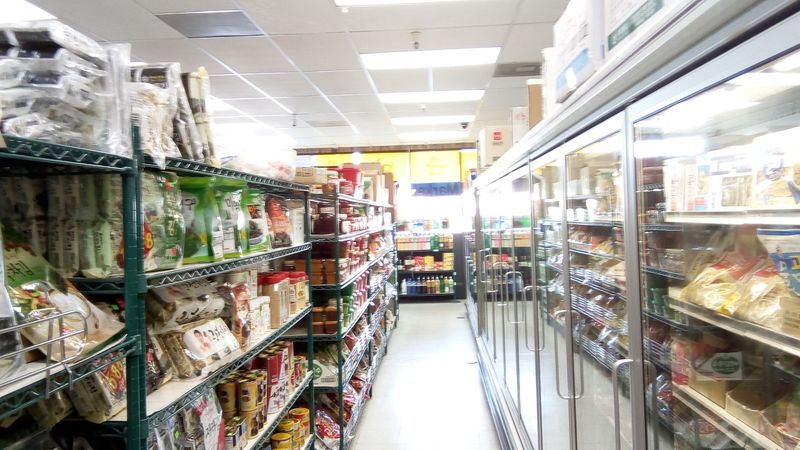
The local grocery options include both national chains and smaller local markets. Fresh produce is often sourced from nearby farms, which keeps prices competitive and quality high.
Idaho is one of the top agricultural states in the country, and Bingham County sits right in the heart of that productive landscape.
Monthly bills for heating and cooling a modest home tend to be predictable and fair.
Winters do bring cold temperatures, but the dry climate means heating costs are often lower than you might expect for that latitude.
Getting around town does not require much fuel either. Blackfoot is compact enough that many daily errands are short drives.
Healthcare Access Close To Home
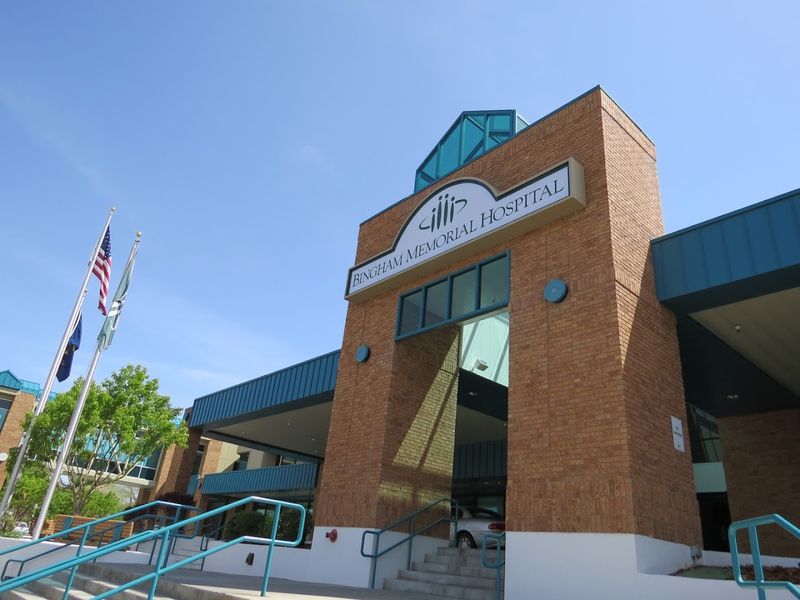
Access to quality healthcare is a top concern for retirees, and Blackfoot holds its own in this department.
Bingham Memorial Hospital at 98 Poplar St is the primary medical facility serving the city and surrounding Bingham County.
It offers emergency care, surgical services, and a range of outpatient specialties that cover most routine and urgent health needs.
The hospital has undergone facility improvements in recent years, expanding its capabilities and patient comfort.
For more specialized care, Pocatello and Idaho Falls are both within easy driving distance. That proximity to larger medical centers gives residents a practical safety net without requiring them to live in a crowded urban area.
Primary care physicians, dental offices, vision clinics, and pharmacy services are all available locally. The concentration of providers in a small city means shorter wait times and more personalized attention than you might find in a larger metro area.
Medicare and Medicaid acceptance rates among local providers are solid, which matters directly for Social Security recipients who rely on those programs.
Outdoor Life Along The Snake River
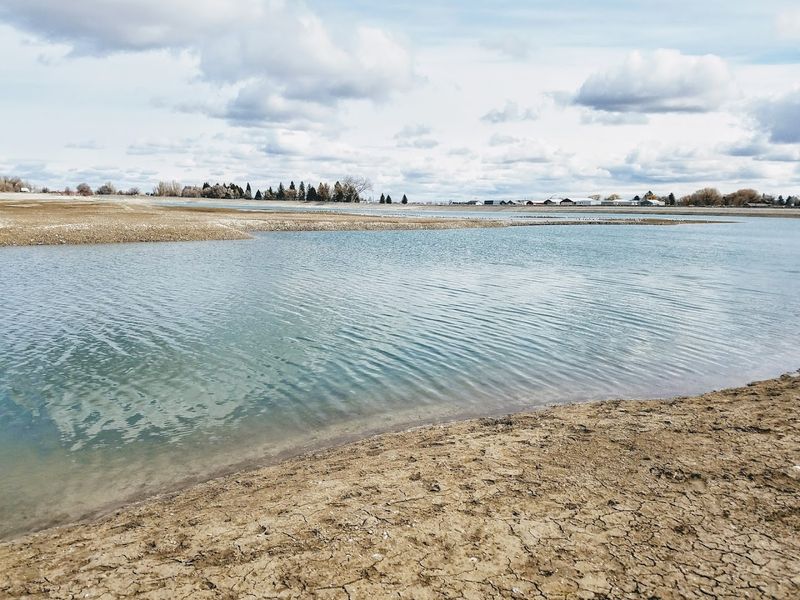
The Snake River runs near Blackfoot, and it brings with it a whole world of outdoor activity that retirees with active lifestyles genuinely appreciate.
Fishing is a major draw, with brown trout, rainbow trout, and channel catfish all present in the local waters. You do not need to travel far to find a quiet stretch of riverbank worth spending a morning on.
The surrounding high desert landscape offers hiking and wildlife watching opportunities throughout the warmer months. Bald eagles, white pelicans, and great blue herons are all regular sightings near the river corridor.
The nearby Fort Hall Bottoms area provides additional access to wetlands and open space. Birders and nature photographers find it particularly rewarding during migration seasons in spring and fall.
The flat terrain is also forgiving for older hikers or those with limited mobility.
Idaho’s outdoor culture runs deep, and Blackfoot reflects that fully. Residents here tend to spend time outside as a default, not as an event.
A Community That Actually Knows You
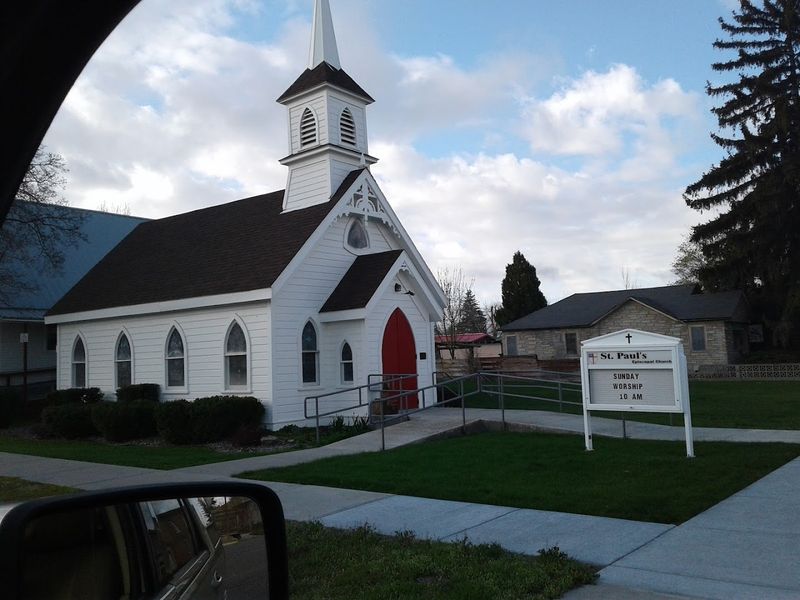
There is something specific about small-city life that statistics cannot fully capture.
In Blackfoot, with a population hovering around 12,000, anonymity is not really an option. Neighbors know each other, local business owners remember your name, and community events draw real participation rather than polite obligation.
The city hosts a range of annual events that bring residents together across generations. The Eastern Idaho State Fair, held annually in September, is one of the biggest in the region and draws visitors from across Idaho and beyond.
Senior centers and community programs in Blackfoot offer regular activities, social groups, and support services specifically designed for older residents.
That infrastructure matters for retirees who are building a new social network in a new place.
I noticed a particular warmth in the interactions I observed around town. People hold doors, make eye contact, and actually stop to chat.
That social texture is something you feel immediately and something you miss sharply when you return to a larger city.
Climate And Seasons Worth Knowing
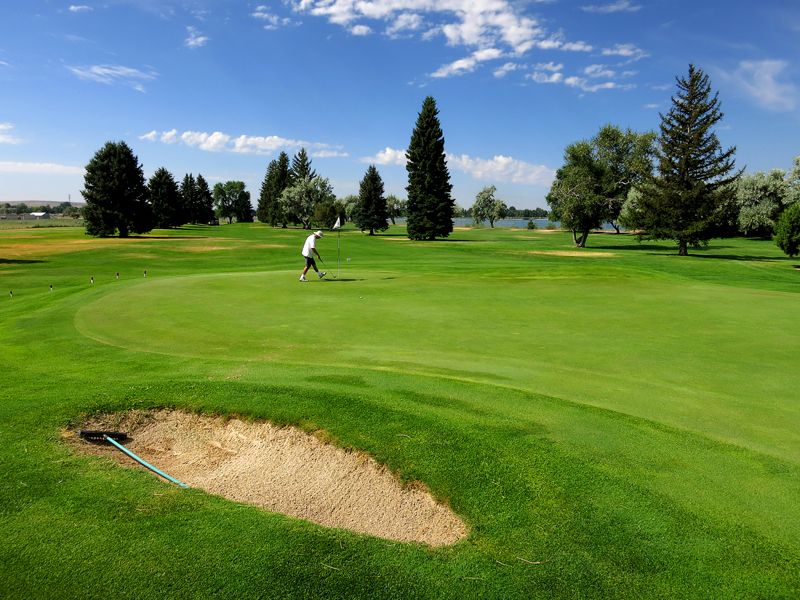
The climate in Blackfoot is semi-arid and four-season, which means you get real winters and genuinely warm summers.
Average January temperatures hover around 25 degrees Fahrenheit, while July averages climb into the upper 80s. That range gives the area a proper seasonal rhythm that many retirees from flat, monotonous climates actually enjoy.
Snowfall is moderate rather than extreme. The city typically sees around 30 inches of snow per year, which is manageable for most residents.
The dry air means snow often melts relatively quickly, and roads tend to clear faster than in wetter climates at similar latitudes.
Spring and fall in southeastern Idaho are genuinely beautiful. The surrounding farmland turns vivid green in April and gold in October, creating a visual backdrop that changes with the calendar.
Those transitional seasons are mild enough for comfortable outdoor activity without heavy gear.
Summers are sunny and dry, with low humidity making the heat feel far more tolerable than the numbers suggest.
Because the region receives very little rainfall during these months, you can reliably plan backyard barbecues or evening walks. You don’t need to worry about summer downpours or sudden storms ruining your plans.
The Potato Museum And Local Pride
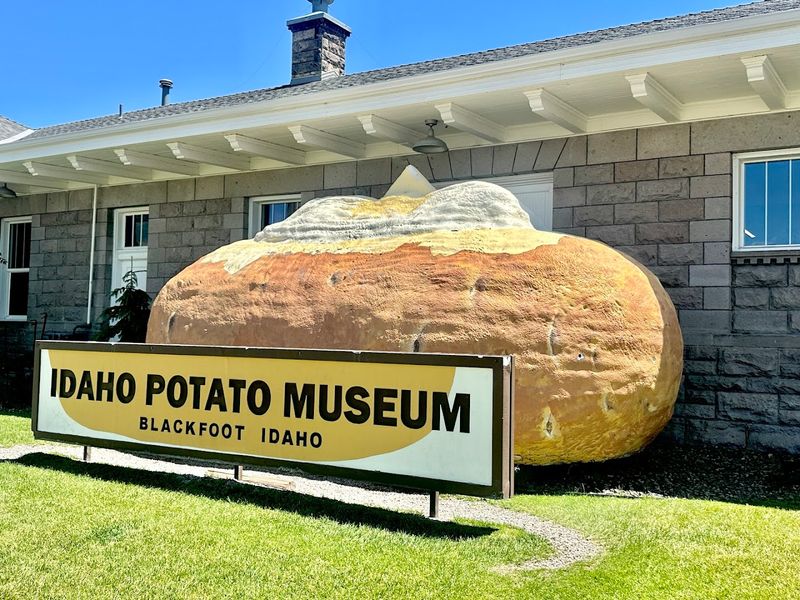
You simply cannot write about Blackfoot without mentioning the Idaho Potato Museum at 130 NW Main St.
It sounds quirky, and it absolutely is, but it is also fascinating. The museum celebrates Idaho’s most famous agricultural product with exhibits covering the history, science, and cultural impact of the potato industry in the state.
The museum is located right in downtown Blackfoot and has become a beloved local landmark as well as a regional tourist attraction.
Displays include antique farming equipment, historical photographs, and interactive exhibits that explain how potato farming transformed southeastern Idaho’s economy over the past century and a half.
Beyond the novelty factor, the museum reflects something real about this community’s identity. Bingham County is one of the top potato-producing counties in the entire United States.
That agricultural foundation supports local jobs, keeps the regional economy grounded, and gives residents a shared sense of purpose and pride.
I spent longer inside than I planned, which is always the sign of a good museum. The staff was friendly and enthusiastic about the subject matter.