These 9 Abandoned Mining Camps In Idaho Are Frozen In The Gold Rush Era
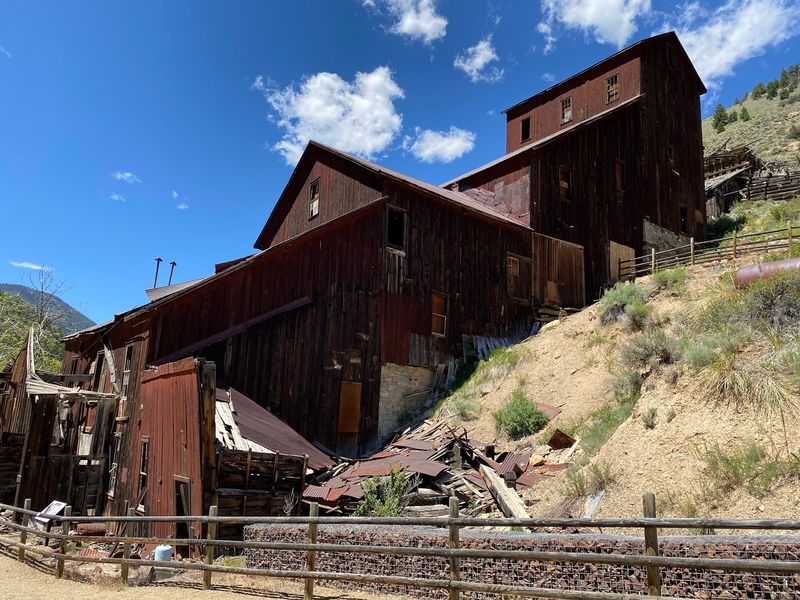
Rusty tram towers, sagging log cabins, and piles of old tailings still dot the backroads of Idaho, and most drivers zip right past them. Every one of those weathered spots was once a busy camp full of miners chasing silver and gold.
Today they work like outdoor history books you can walk through, often for little more than the cost of a tank of gas. Here are nine old mining sites across the state that are worth a slow, curious afternoon.
1. Mackay Mine Tramway Headhouse – Historic Landmark
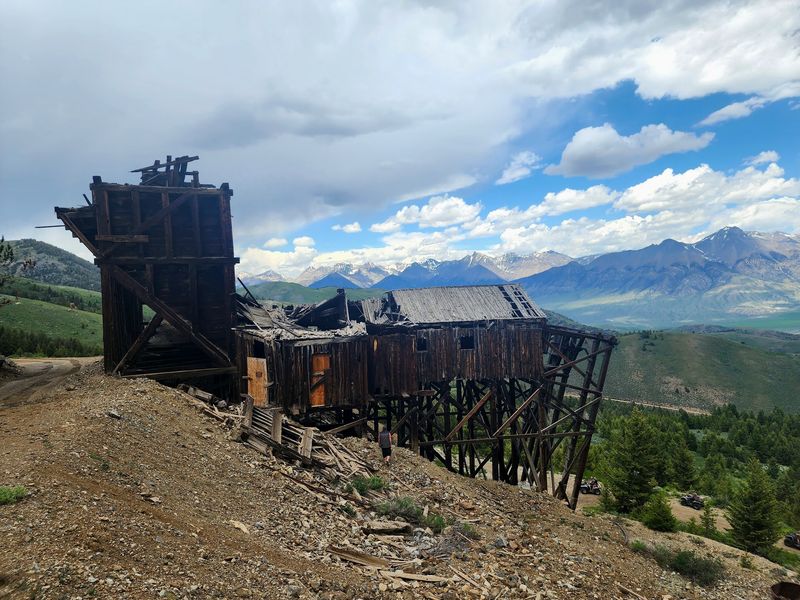
Seventy years of hard rock work left its marks all over Mine Hill, the steep slope rising above the little town of Mackay in Custer County. From 1879 to 1949, the mines here kept four communities going: Mackay, White Knob, Cliff City, and Houston.
The old tramway headhouse is the place most people start. Its timber frame once handled ore carried down from the workings above, and it still stands as a clear reminder of how much effort went into moving rock off this mountain.
Above the headhouse, a network of Jeep trails climbs past abandoned towns and mine openings. The history really does stack up the higher you go, with old buildings, ore chutes, and machinery scattered along the route.
Kids tend to love the scavenger-hunt feel of spotting the next rusty relic around each bend. A high-clearance vehicle makes the upper loop far easier, and the trail is best tackled from late spring through fall when snow clears.
Plan ahead before heading up, since there is no restaurant and no restroom at the site. Pack water, snacks, and a full tank, then grab a meal in Mackay afterward.
Address: Mackay, Idaho 83251.
2. Bayhorse Ghost Town
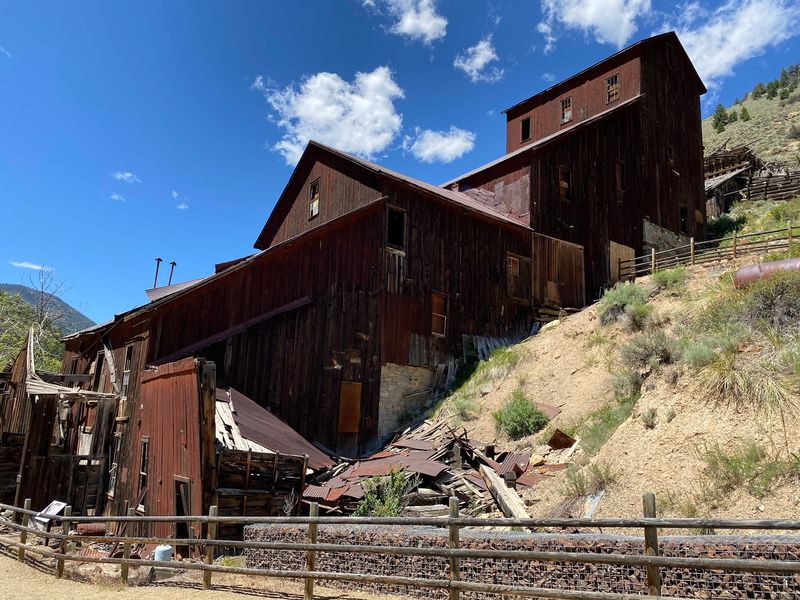
Silver built Bayhorse fast. Founded in 1877 deep in a narrow canyon west of Challis, the camp grew around rich lead and silver veins and soon had a smelter, a stamp mill, and an aerial tramway humming along.
Things are much quieter now, and that is the appeal. Bayhorse is part of Land of the Yankee Fork State Park, and it ranks among the best preserved ghost towns in central Idaho.
Wander past more than a dozen standing buildings, then stop at the beehive charcoal kilns, which look like giant stone bread ovens tucked into the hillside. Mining era exhibits explain how the smelter and mill once worked, so the ruins make sense instead of just looking old.
A park ranger is often on site and happy to answer questions. Expect plenty of stories about the camp, from its busy years to its slow fade after operations wound down around 1915.
Scenic hiking trails branch out from the townsite for anyone who wants more than a stroll. Entry runs a few dollars per car, and parking is right on site, so check current fees before driving.
Address: Bayhorse, near Challis, Idaho 83226.
3. Custer Idaho
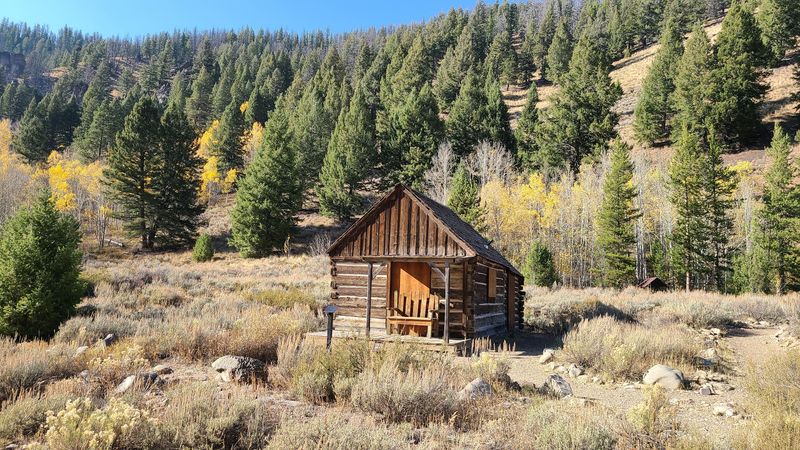
Homemade ice cream in a ghost town sounds like a tall tale, yet that is exactly what waits on the main street of Custer. A small local shop scoops treats and sells fun finds for kids and grownups alike.
Gold put Custer on the map in 1879, and the town grew to around 600 people before the nearby mines shut down. By the 1910s it had emptied out, but the buildings never disappeared.
Today Custer is one of the best kept historic sites along the Yankee Fork, north of Stanley. Walking trails lead you past preserved old homes and businesses, and gold mining exhibits fill in the details of daily life back then.
Volunteers who know the area well are often around to chat, and the trails are clearly marked. A gift shop rounds out the stop, making this one of the friendliest places on the list for families.
Do not leave without seeing the massive gold dredge nearby. It is a huge floating machine that chewed through the river gravel long after the first rush.
The site is generally open in summer, so check before you go.
Address: Custer, near Stanley, Idaho 83278.
4. Silver City, Idaho, Murphy, ID
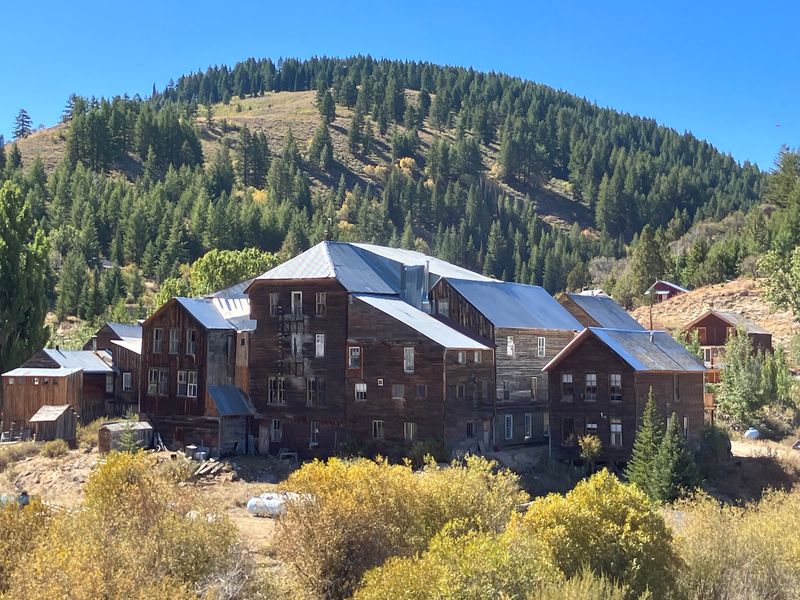
Most ghost towns ask you to imagine what used to stand there. Silver City in the Owyhee Mountains does not, because dozens of original timber buildings still line its dirt streets.
Gold and silver strikes on War Eagle Mountain in the 1860s turned this high, remote spot into a busy hub in southwest Idaho. Instead of burning down or being torn apart, the town slowly quieted, which is why so much survived.
The Idaho Hotel is the star of the show. It is a working hotel in a ghost town, open seasonally along with a small store, so you can actually spend a night inside a piece of history.
Beyond the hotel, look for the old schoolhouse, a Catholic church perched on a rise, and several cemeteries on the edges of town. A gift shop sells souvenirs for anyone wanting a keepsake.
Scenic mountain trails wind around the historic structures, and the views stretch for miles. The road in is rough dirt and usually only passable in the warm months, so plan a summer visit and allow extra drive time.
Address: 23989 Jordan Street, Silver City, near Murphy, Idaho 83650.
5. Land of Yankee Fork State Park, Challis, ID
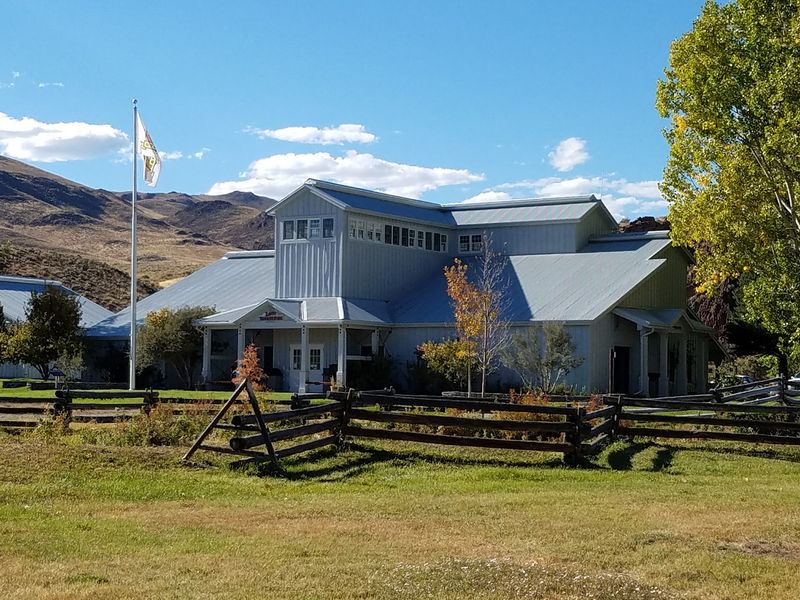
Think of this stop as the map key for every ghost town in the area. The interpretive center along Highway 75 near Challis gathers the story of central Idaho mining under one roof.
Inside, large displays feature striking rocks, old photos, and relics from life in the late 1800s. You learn how freight moved by horse and oxen teams from the Utah railhead to Challis, then out to the little mines scattered through the hills.
Outdoor displays of mining equipment add more to see, and there is gold panning for anyone hoping to find a few flakes. Kids usually get hooked on that part fast.
The center itself is a quick visit, but it works best as a launch point. Custer, Bonanza, and Bayhorse all fall within the larger park, and they are the real reward after you get your bearings here.
Picnic tables and public restrooms make it a handy lunch break, and dogs are welcome. Nearby kid friendly hikes offer fresh air with more history mixed in.
The center keeps limited days through the week, so check hours before driving.
Address: 24424 Highway 75, Challis, Idaho 83226.
6. Star Mine, Wallace, ID
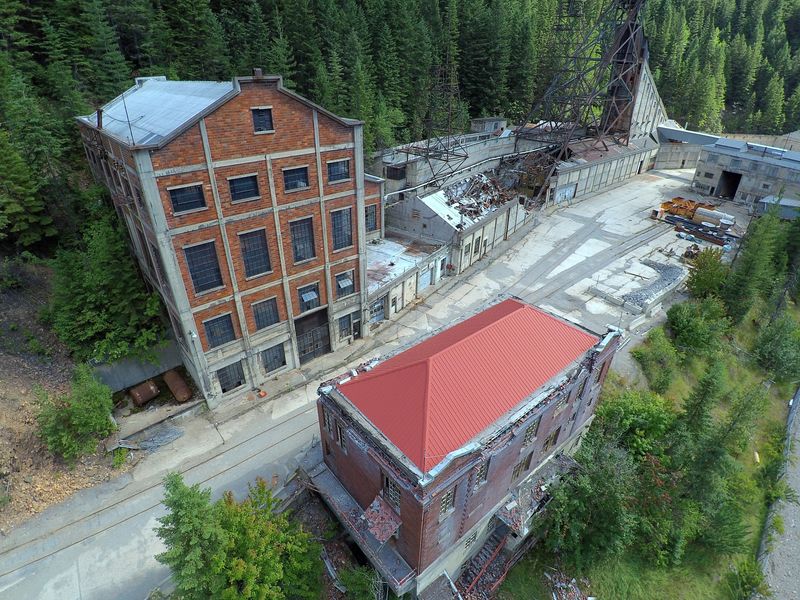
Burke Canyon is so narrow that the old mine buildings practically lean over the road. Driving up from Wallace into the Silver Valley feels like slipping into a stone hallway lined with history.
The Star Mine sits in this tight canyon, once part of the Coeur d’Alene mining district, one of the richest silver regions anywhere. The town of Burke took its name from an early prospector and miner who worked the district in the 1880s.
What makes this stop different from the others on the list is how much you can see without hiking at all. Rusty structures, old buildings, and mine remains crowd right up next to Burke-Canyon Creek Road.
Pull over safely and take your time scanning the hillsides. Canyon paths offer a closer look for anyone who wants to stretch their legs.
Stay on public ground and respect any posted signs, since some areas around old mines are private or unsafe. It is a short drive from downtown Wallace, so pairing it with a stroll through that historic town makes an easy Panhandle day trip.
Address: Burke-Canyon Creek Road, near Wallace, Idaho 83873.
7. Gilmore
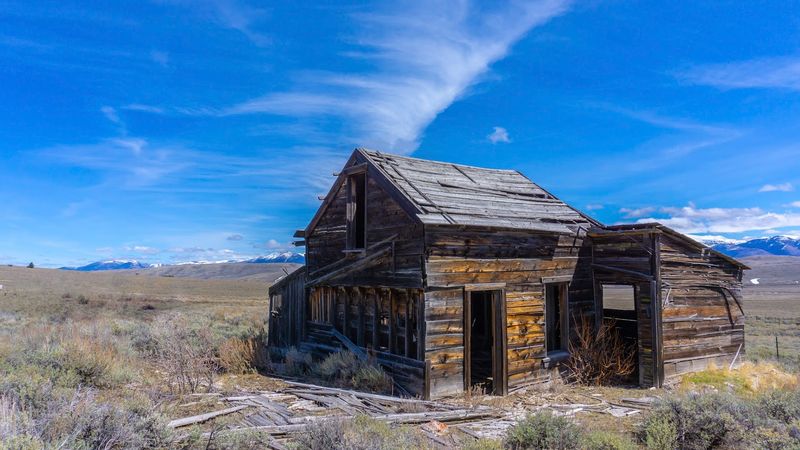
Wind across the wide Lemhi Valley is often the only sound you will hear in Gilmore. Sitting at the foot of the Lemhi Range in eastern Idaho, this silver and lead camp feels wonderfully far from everything.
The camp took off in the late 1800s and kept working into the early 1900s. A railroad line eventually reached town to haul ore out, which helped it grow well beyond a simple tent camp.
Those good years did not last. By the end of the 1930s, Gilmore was mostly empty, leaving behind a collection of log and frame buildings that still stand along its quiet streets.
Walk the townsite and you will find abandoned mining structures, gray tailings piles, and mountain trails winding through the former camp. The wide open setting makes it easy to picture how busy the place once was.
Gilmore sits just off Highway 28 between Leadore and Mud Lake, so it fits nicely into a scenic drive through Lemhi County. Services are scarce out here, so bring water and snacks.
Please admire the old buildings from outside, since many are fragile.
Address: Gilmore, Idaho 83464.
8. Rocky Bar
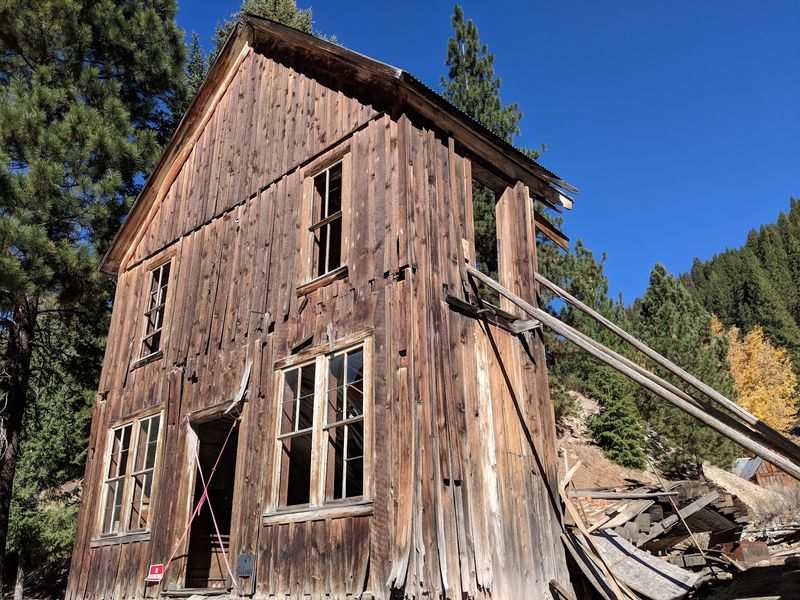
County seat is a big title for a place that now has more pine trees than people. Rocky Bar once held that honor, back when the 1860s gold rush packed this corner of the Boise National Forest with miners.
Getting there is half the adventure. Dirt routes along the Feather River and Steel Mountain corridors carry you deep into the backcountry, far from pavement and cell signal.
Once you arrive, rustic ruins and weathered cabins sit among the trees. Old mine workings dot the surrounding slopes, hinting at how much digging went on during the camp’s busiest days.
Rocky Bar is a great pick for travelers who want a ghost town without crowds. There are no shops or visitor centers, just the quiet remains of a once important Idaho camp.
Plan carefully before heading out. A high-clearance vehicle helps, and the roads are usually only open in summer and early fall once snow melts.
Bring a paper map, extra water, and a spare tire. Treat everything as historic and leave it as you found it, so the next visitors get the same experience.
Address: Rocky Bar, Idaho 83716.
9. Placerville
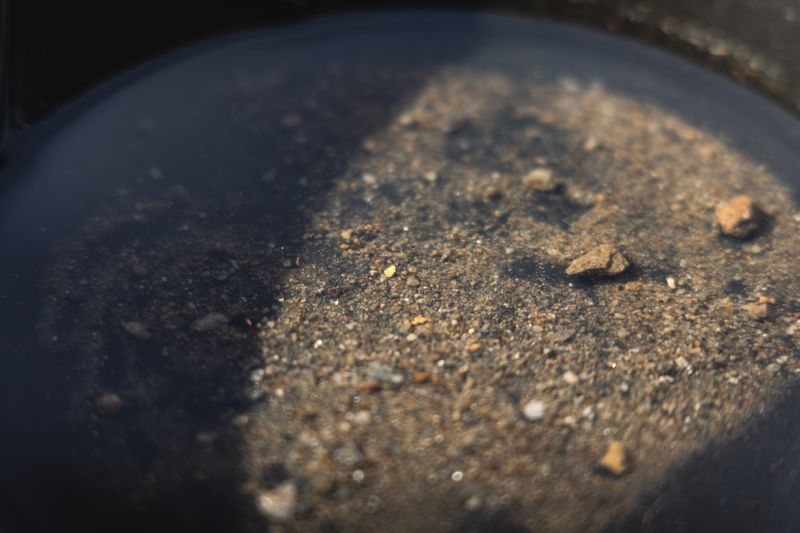
A town square in the middle of the woods makes Placerville stand out right away. While most mining camps grew in a messy line along a creek, this Boise Basin settlement was laid out around a central plaza.
Placerville sprang up during the 1862 gold boom, when miners poured into the hills northeast of Boise. It quickly became one of the busiest camps in the basin, with placer gold drawing crowds of hopeful newcomers.
Many historic camp structures still stand around that original plaza. Strolling the square feels a bit like stepping into an old photograph, with weathered wood siding and simple storefronts facing each other.
Rustic walking paths lead out through old mining ground, where you can see how the land was dug and reshaped in search of gold. It is an easy, low-key walk that works well for families.
Placerville makes a great pairing with nearby Idaho City for a full Boise Basin day. The drive from the Treasure Valley is manageable, though the final stretch is gravel, so go slow.
Visit in summer or early fall for the best road conditions.
Address: Placerville, Idaho.