These Beautiful 19th-Century Churches In North Carolina Are Worth Seeing
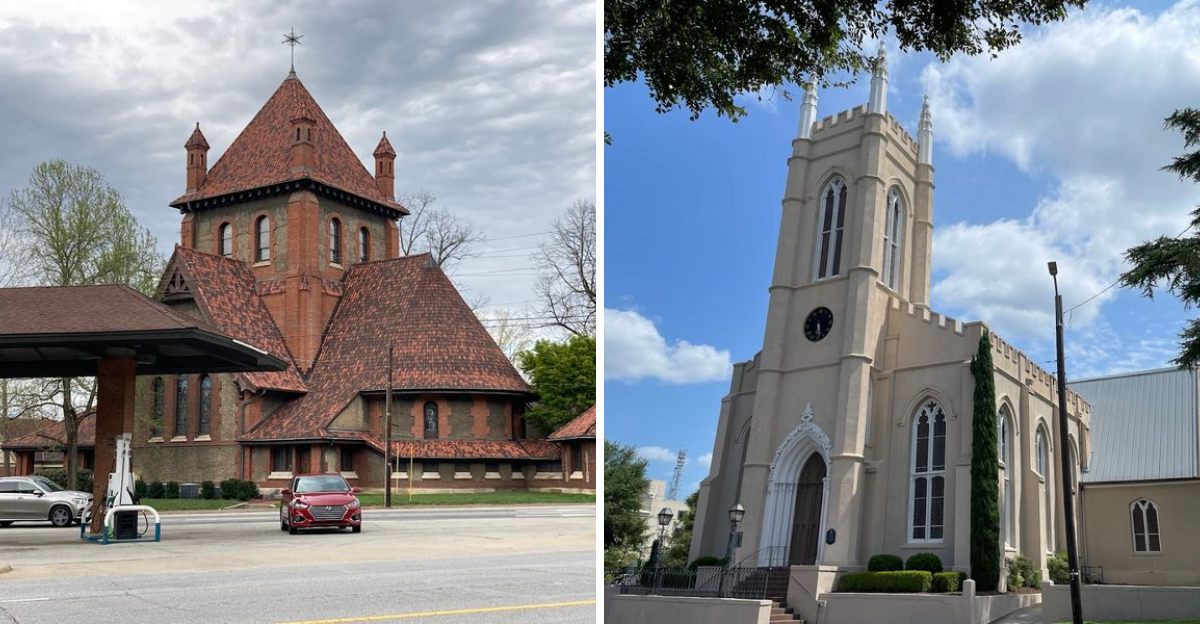
Road trips love showing off with overlooks, but old churches know how to steal attention without raising their voices.
Somewhere along a quiet North Carolina route, a stone tower appears, a brick wall catches the sun, and suddenly the drive feels like it just found better manners.
That is the surprise here.
Historic churches can sound sleepy until the architecture starts doing all the talking.
A pointed arch, a peaceful churchyard, or a century-old facade can turn a quick stop into the kind of pause nobody regrets.
The beauty is calm, but it is not boring.
These sanctuaries bring history with style, and the towns around them make lingering feel easy.
Add a good coffee nearby, a scenic road between stops, and enough old-world charm to make the whole trip feel unusually well dressed.
North Carolina does not need every landmark to shout.
Some of its prettiest stops simply wait by the roadside and let the steeples handle the drama.
1. Christ Episcopal Church
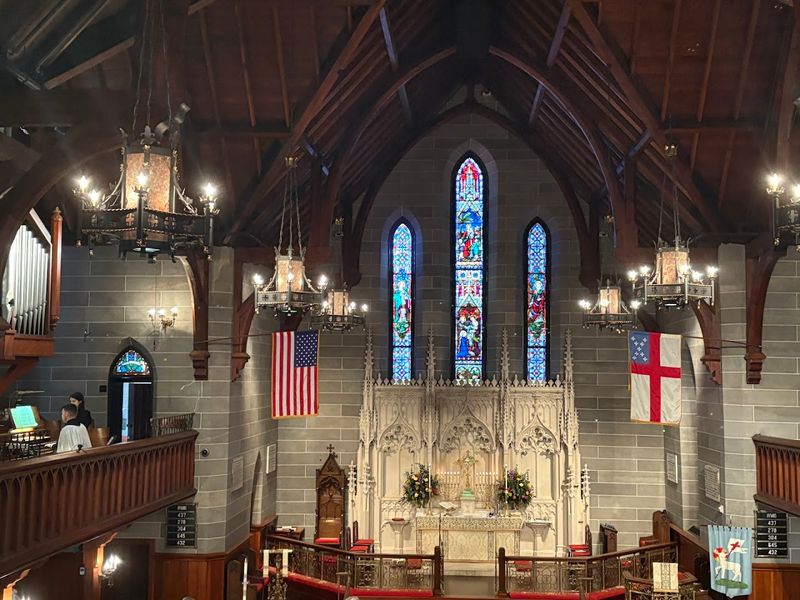
Few capital-city landmarks announce themselves with such steady grace as Christ Episcopal Church on Capitol Square. Rugged stonework, pointed Gothic details, and a compact urban setting give the building presence without making it feel remote.
At 120 E Edenton St, Raleigh, NC 27601, the church sits close to government buildings and downtown sidewalks, so a visit can fit naturally into a Capitol-area walk.
Construction began in 1848, and the church is widely recognized for its Gothic Revival design by Richard Upjohn, a major figure in American ecclesiastical architecture.
Sunlight brings out texture in the stone, while the windows and roofline give the exterior a composed, almost storybook rhythm. Raleigh’s busier blocks stay close, yet the grounds encourage a slower pace once you step near the entrance.
Coffee shops, museums, and lunch spots nearby make the stop easy to fold into a broader city outing. What lingers most is the balance between civic importance and approachable beauty.
Christ Episcopal Church feels historic without seeming frozen, polished without losing warmth, and visually strong enough to begin any North Carolina church route with confidence.
Architectural travelers also get an easy lesson in how sacred design can shape a streetscape, making the stop rewarding even before stepping inside.
2. St. James Parish Episcopal Church
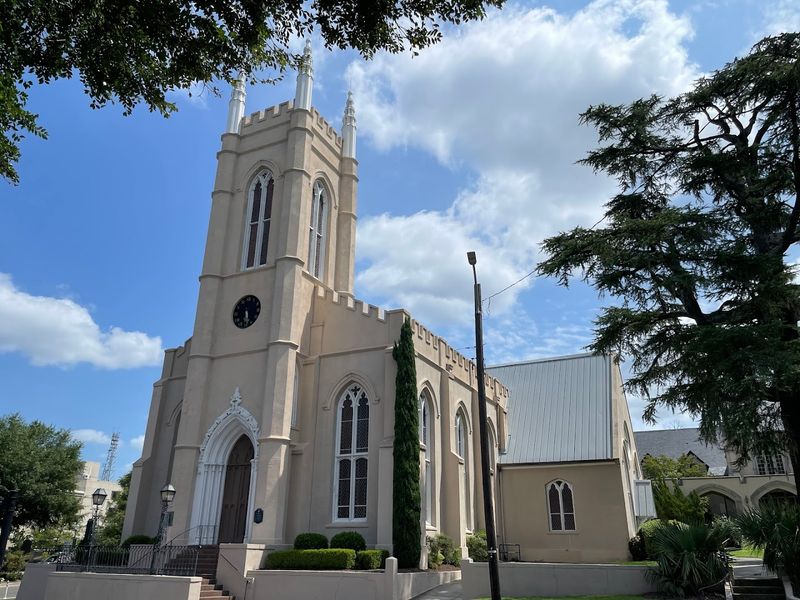
Downtown Wilmington gives St. James Parish Episcopal Church a setting full of movement, salt air, and old-city texture. Brick walls and balanced proportions help the church stand apart without overwhelming the surrounding historic district.
At 25 S 3rd St, Wilmington, NC 28401, it rests within walking distance of riverfront streets, shops, and shaded blocks where the coastal light changes the look of every facade.
Present-day St. James was completed and consecrated on March 29, 1840, after an earlier building was removed and some of its bricks were reused for the new church.
Such continuity gives the sanctuary more than architectural charm; it feels tied into Wilmington’s long civic memory. Brief time outside lets you notice the clean vertical lines, brick texture, and calm dignity of a church still active in the city’s daily life.
Nearby cafes and restaurants make the stop practical for travelers who want history without turning the day stiff. St. James works especially well because its beauty feels lived in.
Riverfront energy sits close by, yet the church offers a quieter counterpoint, making the visit feel grounded, graceful, and unmistakably Wilmington.
Brief pauses along Third Street reveal how naturally this sanctuary belongs to the city, with history and coastal atmosphere strengthening each other.
3. St. John’s Episcopal Church
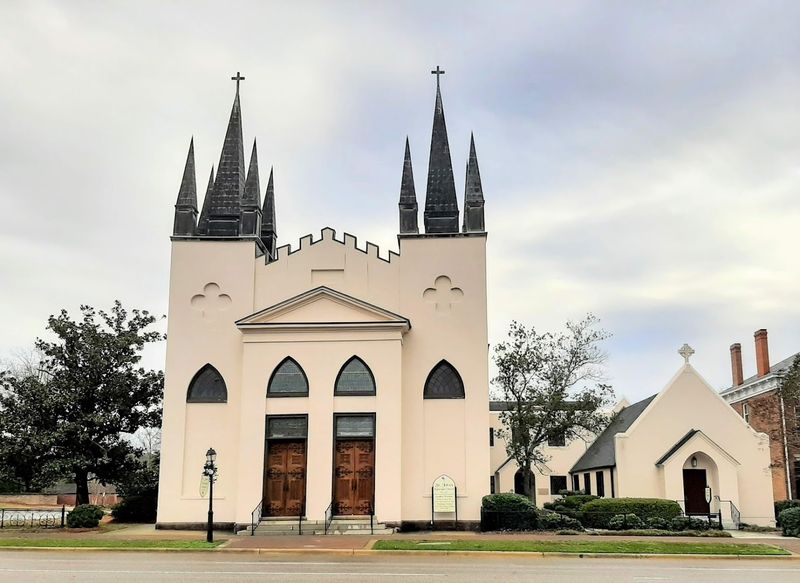
Early 19th-century history feels close to the sidewalk at St. John’s Episcopal Church. At 302 Green St, Fayetteville, NC 28301, the church stands near the historic core, making it easy to pair with a walk, a museum stop, or a relaxed meal nearby.
Earlier worship life on the site reached back to the 1810s, while the current building rose in 1832 after the Great Fire of 1831 damaged much of downtown Fayetteville.
Gothic Revival elements give the exterior height and poise, yet the overall scale remains friendly rather than imposing.
Green Street adds another layer of appeal, since the church feels connected to city life instead of set apart like a museum piece. Slow down near the grounds and the building’s age begins to show in the best way, through proportion, restraint, and details shaped by long use.
St. John’s earns its place on this route because beauty here is not only decorative. History, survival, and downtown continuity all meet in one handsome landmark that still feels naturally woven into Fayetteville.
Details feel especially meaningful when you remember the church rose again after disaster, giving the stop a quiet sense of recovery.
4. St. Matthew’s Episcopal Church
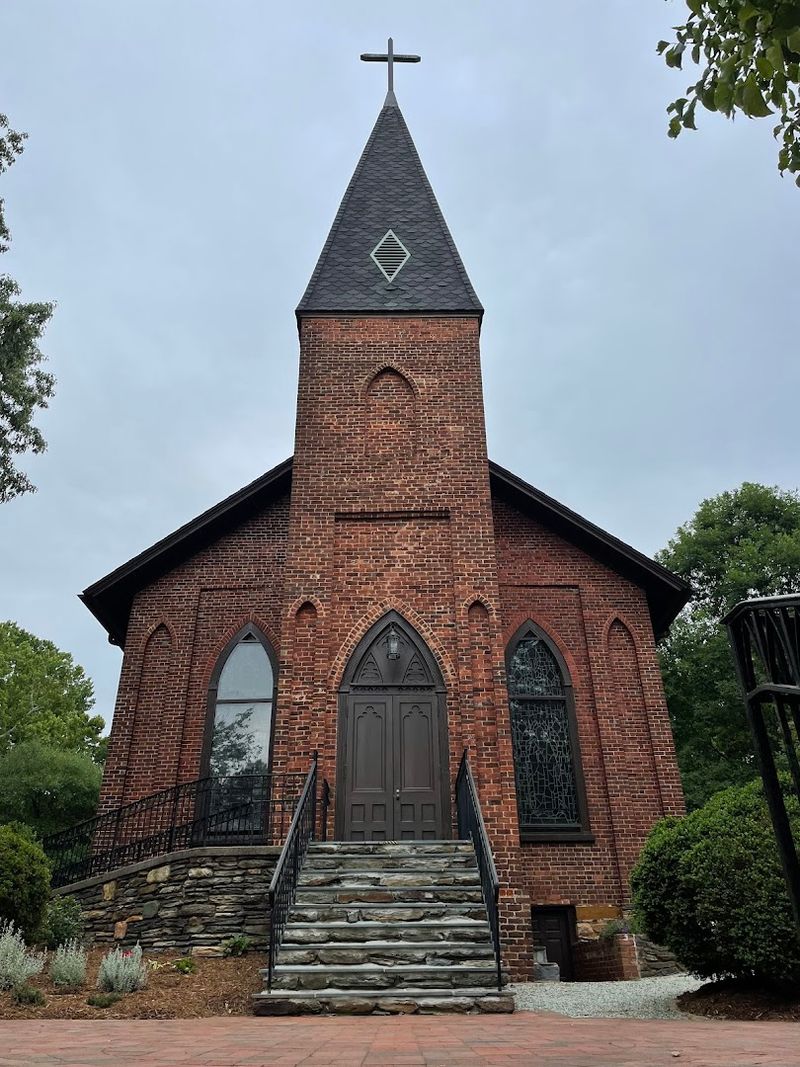
Slow wandering feels almost mandatory once St. Matthew’s Episcopal Church comes into view. Brickwork, a modest tower, and Gothic Revival details give the church a composed beauty that feels perfectly matched to one of North Carolina’s most rewarding historic towns.
At 210 St. Mary’s Rd, Hillsborough, NC 27278, the site sits close to walkable streets, small shops, and inviting places for coffee or lunch.
Earliest sections of the church date to 1825 and 1826, with later 19th-century additions helping the building grow without erasing its original character.
Nothing about the stop needs heavy drama to work. Proportion, age, and setting do most of the talking.
Trees and quiet streets soften the approach, while the brick exterior gives the church a settled, deeply local presence.
Hillsborough’s historic rhythm makes the visit especially satisfying, since architecture, town life, and landscape feel connected instead of staged.
St. Matthew’s stands out because it rewards patience. Rather than asking for awe all at once, it invites close looking and leaves you with a stronger sense of how gracefully 19th-century design can age.
Small discoveries around the churchyard add to that impression, giving the visit texture without needing grand claims or flashy storytelling.
5. St. Paul’s Episcopal Church
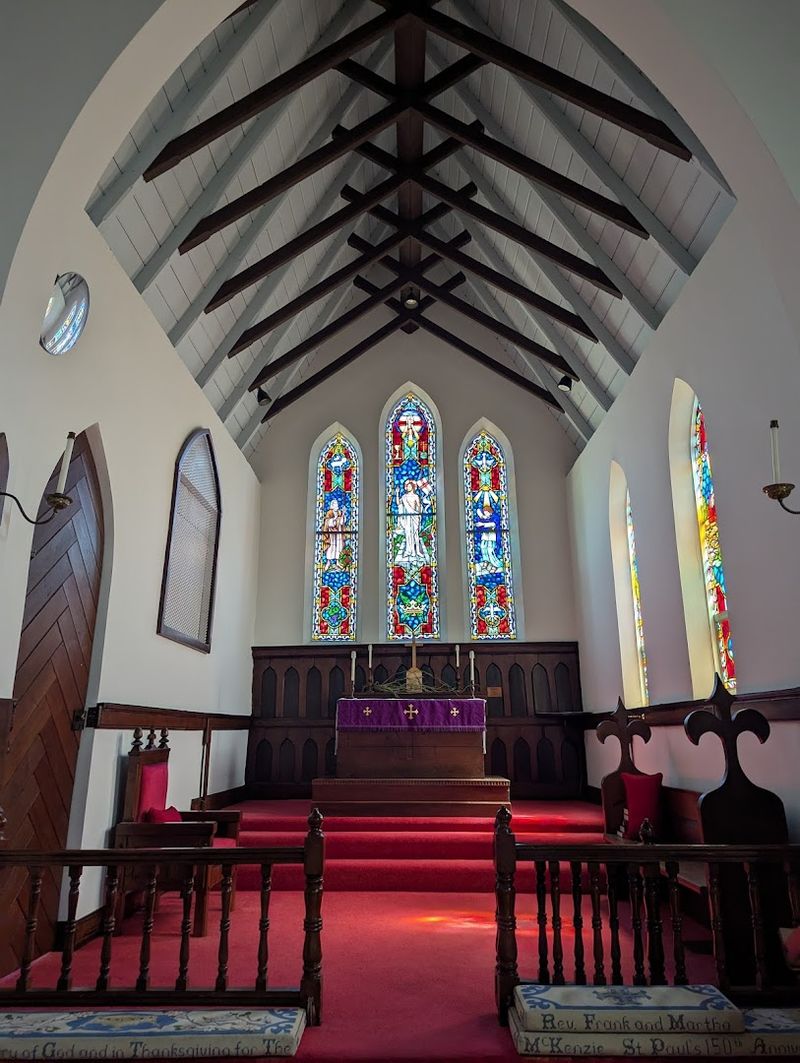
High ground gives St. Paul’s Episcopal Church in Wilkesboro a presence you notice before studying any architectural detail.
Built in 1848, the church combines Gothic Revival character with a churchyard setting that makes the stop feel peaceful, textured, and distinctly tied to the foothills.
At 200 W Cowles St, Wilkesboro, NC 28697, it remains close to town while still feeling slightly lifted away from everyday rush.
Steep rooflines, pointed openings, and a compact form create a sense of vertical movement without turning the building into something overly formal.
Western North Carolina scenery helps, especially when shifting light catches the brick and surrounding grounds. Travelers can make this an easy pause between scenic drives, local bakeries, or a relaxed meal in town.
St. Paul’s does not need size to make an impression. Its strength comes through placement, proportion, and the quiet confidence of a building that has watched Wilkesboro change around it for generations.
For anyone drawn to historic churches with atmosphere, this stop offers a rewarding mix of architecture, landscape, and calm. It feels like a breath held gently.
Quiet churchyard views add to the pause, giving road-trippers a place where architecture and foothill stillness meet naturally. Small details reward the stop.
6. Grace Episcopal Church
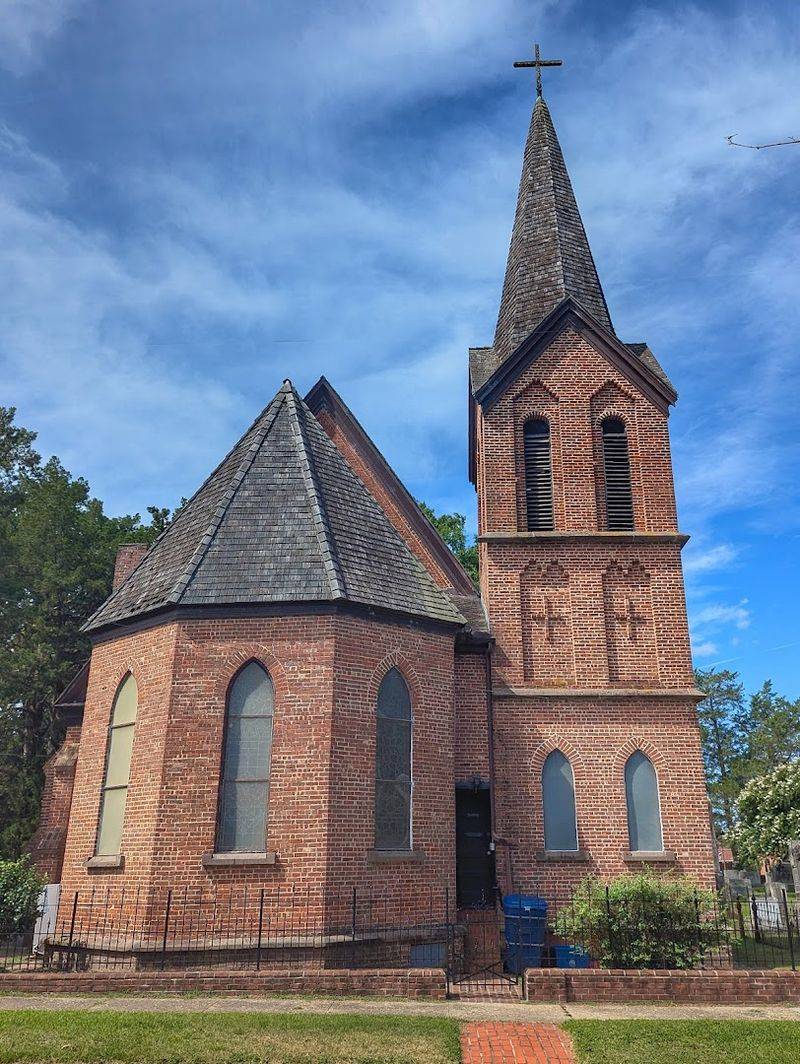
Small-town eastern North Carolina gives Grace Episcopal Church enough quiet to let its layered history come forward.
At 106 Madison St, Plymouth, NC 27962, the church sits near the center of town, close enough to local streets and the waterfront to make a short architectural detour feel natural.
Architectural records note the building’s 1860 to 1861 origins, followed by rebuilding in 1892 and 1893, which gives the site a layered 19th-century story rather than a single frozen moment.
Brick, proportion, and a compact footprint create a dignified look suited to a small town where landmarks often speak softly.
Plymouth’s slower pace helps the church shine, because you can approach without crowds or hurry and give the details a careful look.
Nearby waterside scenery and local lunch options add an easy rhythm to the visit.
Grace stands out for endurance as much as beauty. The damage, rebuilding, and continued use all give the building a sense of resilience.
Anyone who enjoys underappreciated towns will find this church especially memorable, since its appeal comes through patience, history, and quiet visual strength.
Small-town surroundings keep the experience approachable, while the church’s rebuilding history gives every measured detail a little more weight.
7. St. Matthias Episcopal Church
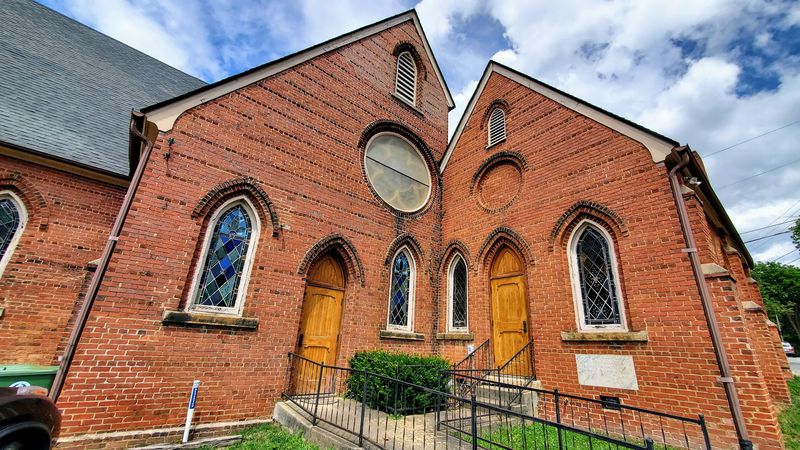
Mountain-city beauty takes on deeper meaning at St. Matthias Episcopal Church. Founded after the Civil War as a congregation connected to Asheville’s Black community, St. Matthias is widely described as one of the city’s oldest historically African American congregations.
At 1 Dundee St, Asheville, NC 28801, the church sits within an urban setting that makes its story feel present rather than distant.
Historic records place the brick Gothic Revival building in the 1890s, with many sources listing construction around 1894 to 1896.
Pointed windows, sturdy brickwork, and a cruciform plan give the exterior elegance, but the deeper impression comes from the church’s long role in education, worship, and community life.
Asheville can easily pull attention toward grander attractions, yet St. Matthias rewards travelers willing to look for quieter landmarks with substance.
Nearby neighborhood walks, local food, and mountain glimpses can round out the visit without overshadowing the church itself. St. Matthias feels important because it connects architecture to lived experience.
Beauty here comes through craft, continuity, and a history still visible in place. Such context gives the building uncommon depth, especially for travelers interested in landmarks tied to community, education, and perseverance.
8. The Cathedral Of All Souls
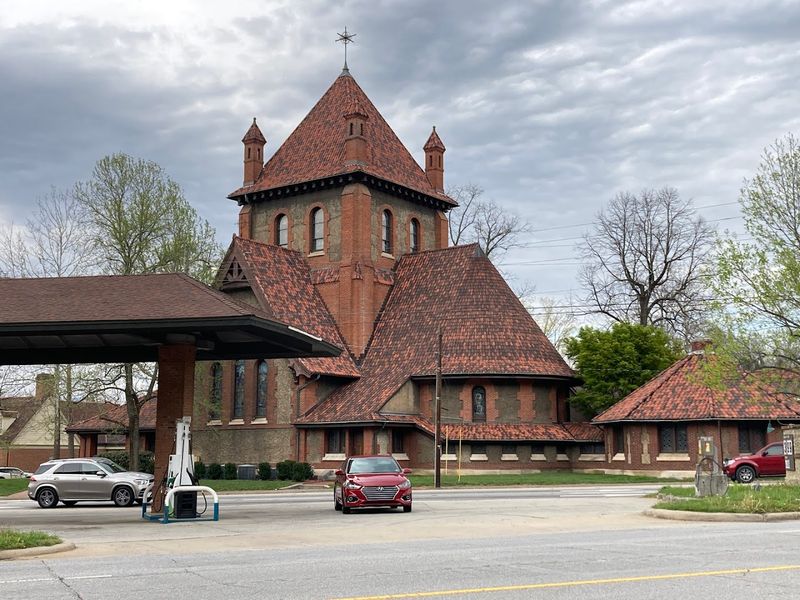
Biltmore Village frames the Cathedral of All Souls so well that the first view feels almost composed.
Commissioned by George Vanderbilt and designed by Richard Morris Hunt, the church was consecrated in 1896 and remains one of Asheville’s most distinctive late 19th-century religious landmarks.
At 9 Swan St, Asheville, NC 28803, it sits among walkable streets, textured buildings, gardens, and cafes that make the whole stop feel complete without much planning.
Rounded arches, rich stonework, and a dramatic roofline create a Romanesque Revival presence rather than a plain Gothic profile, so the building brings variety to this church route.
Scale matters here, but craftsmanship matters more. Look closely and the cathedral’s details reward lingering, especially when natural light softens the stone and gives the exterior a warm depth.
Biltmore Village makes it easy to pair the visit with pastries, lunch, or a slow browse through nearby shops. All Souls earns its reputation because it feels carefully composed, not merely grand.
Every angle seems considered, and the surrounding village helps the building feel both impressive and welcoming.
For travelers who enjoy architecture with a strong sense of intention, All Souls provides one of Asheville’s most rewarding pauses.
9. Houk’s Chapel
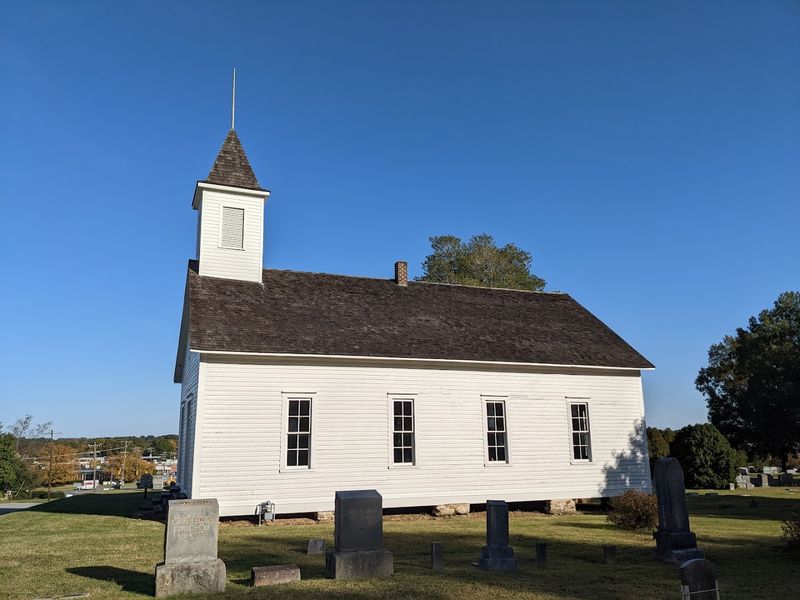
Intimacy, not spectacle, gives Houk’s Chapel its lasting appeal.
Preserved by Hickory Landmarks Society, the chapel is described locally as the city’s oldest standing house of worship and stands at 1741 Ninth Street NW in Hickory, surrounded by Fairgrove City Cemetery.
Historical sources differ on whether the building dates to 1888 or 1893, so a careful rewrite should avoid pretending the record is perfectly simple.
Either way, Houk’s Chapel belongs firmly to the late 19th century and offers a humble counterpoint to larger stone and brick churches elsewhere on this list.
Its frame construction, small footprint, and quiet cemetery setting create the kind of stop that asks for a slower eye. Hickory’s local restaurants, shops, and foothill setting make it easy to fold the chapel into a gentle afternoon.
No dramatic tower is needed here. Character comes through preservation, scale, and the sense of a community landmark kept visible for future visitors.
Houk’s Chapel lingers because it feels personal, modest, and sincere, a fitting final note for a North Carolina church route. Ending with this chapel brings the route back to ordinary community life, where preservation often feels most intimate and human.
Disclaimer: This article is intended for general informational and entertainment purposes.
While the churches, addresses, architectural details, and historical notes were written with care, readers should verify current visitor access, service schedules, preservation details, photography rules, and opening hours with official church, tourism, or historic preservation sources before making travel plans.
Historic dates and architectural attributions can vary by source, so travelers may wish to confirm details directly when planning a visit.