These Brilliant Purple Birds Are Appearing In North Carolina, And Scientists Are Paying Attention
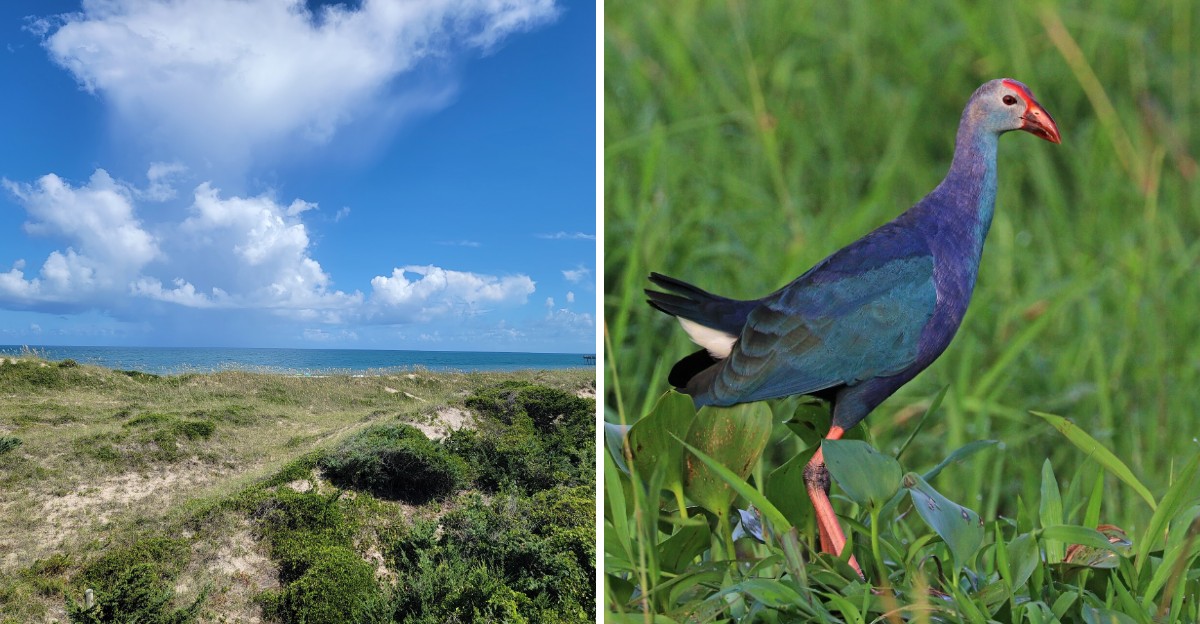
Up to 100,000 birds squeeze under one old bridge on the North Carolina coast each summer. The flock gets so huge that weather radar picks it up like a passing summer storm.
These flashy visitors are Purple Martins, the largest swallows in all of North America. Their feathers flash bright blue, green, and deep purple as the light changes at sunset.
I like how one quiet beach village on Hatteras Island makes a perfect home base for chasing this show. You get calm sound-side sunsets, a classic old fishing pier, and an easy scenic drive north to the roost.
I believe these birds deserve a top spot on your summer plans. Scientists track them across two continents, so why do so many choose this one stretch of North Carolina water?
Your Front-Row Base Camp Sits On A Skinny Strip Of Sand
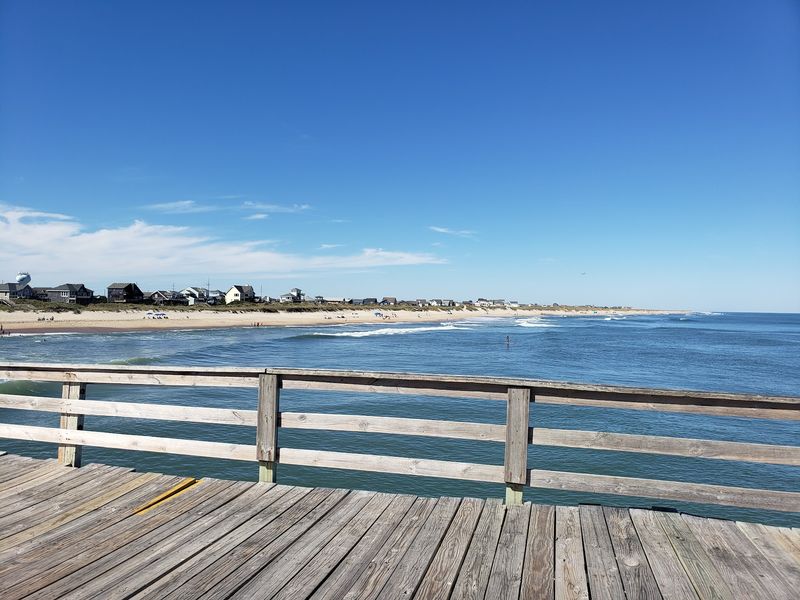
Avon, North Carolina, sits on a slim ribbon of Hatteras Island with the ocean on one side and Pamlico Sound on the other. Few towns let you pick between two shorelines before breakfast.
The community is small, with a population of 832 in the 2020 census. That size keeps things relaxed, which suits a trip built around wildlife and sunsets.
Avon sits in Dare County, the same county as the famous Purple Martin roost. That makes it a smart home base for a summer bird adventure on the Outer Banks.
The roost itself sits farther north, near Roanoke Island. Plan on a scenic drive up Highway 12 through Pea Island before you reach the bridge.
Why stay in Avon instead of closer to the birds? You get quieter beaches, wide sound views, and an easygoing island pace after the excitement.
Think of it as a two-part day. Morning belongs to the beach in Avon, and evening belongs to the martins.
Pack a cooler, binoculars, and patience for traffic on summer weekends. Your reward is one of the wildest sky shows on the East Coast.
The Purple Part Depends Entirely On The Light
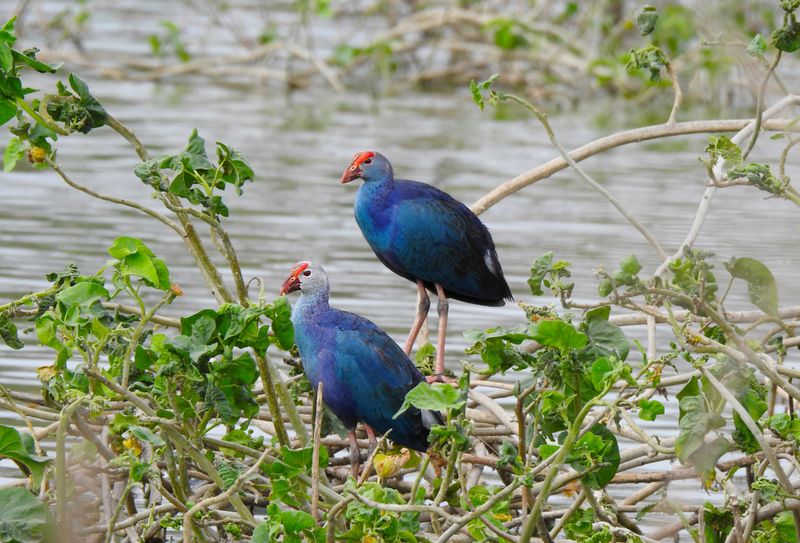
Funny thing about Purple Martins: they are not exactly purple. Adult males wear dark blue-black feathers with a shiny, glossy sheen.
Sunlight does the magic trick. Depending on the angle, those feathers can flash bright blue, navy, green, or a rich deep purple.
So the bird you see at noon might look different at sunset. That shifting color is part of the fun for anyone holding binoculars.
Purple Martins are also the largest swallows in North America. They are strong fliers with pointed wings, built for snatching insects out of the air.
Here is a tip for new birders near Avon and the rest of the Outer Banks. Watch for that swallow-style flight, with quick turns, glides, and sudden swoops.
Young birds and females look a bit duller, with grayer chests. Spotting the difference turns a pretty evening into a fun little puzzle.
A camera helps too. Snap a burst of photos as the light drops, then compare the colors later.
You may find a whole rainbow hiding in one dark bird.
A Bird Party So Big That Radar Notices
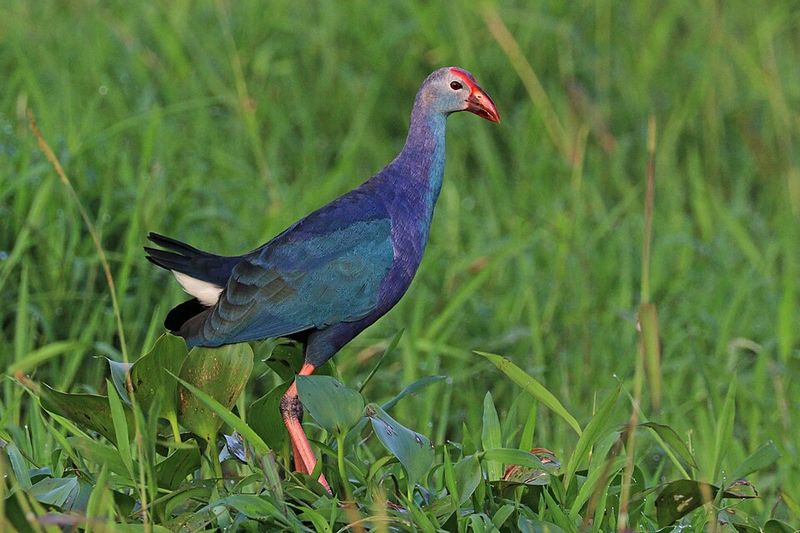
Tens of thousands of birds, and sometimes close to 100,000, pile under the William B. Umstead Bridge each summer.
That is a lot of roommates under one roof.
The bridge crosses Croatan Sound between Manns Harbor and Roanoke Island. Many people simply call it the Old US 64 Bridge or the Manns Harbor Bridge.
Constructed in 1955 and 1956, the William B. Umstead Bridge opened to traffic in December 1956.
For decades, its structure has provided a summer gathering place for Purple Martins preparing for their southward migration.
At sunset, the flock forms swirling clouds above the water. The shapes twist and stretch like a moving landscape painted across the sky.
Doppler weather radar has even detected the roost. Picture a forecaster spotting a strange ring on the screen that turns out to be birds, not rain.
From Avon, North Carolina, the drive north is part of the experience. You cross Oregon Inlet and pass wide marsh views on the way.
Arrive before sunset so you can settle into a viewing spot. The birds tend to stream in as the light fades, and the show builds fast.
Slow Down, Because The Birds Have Right Of Way
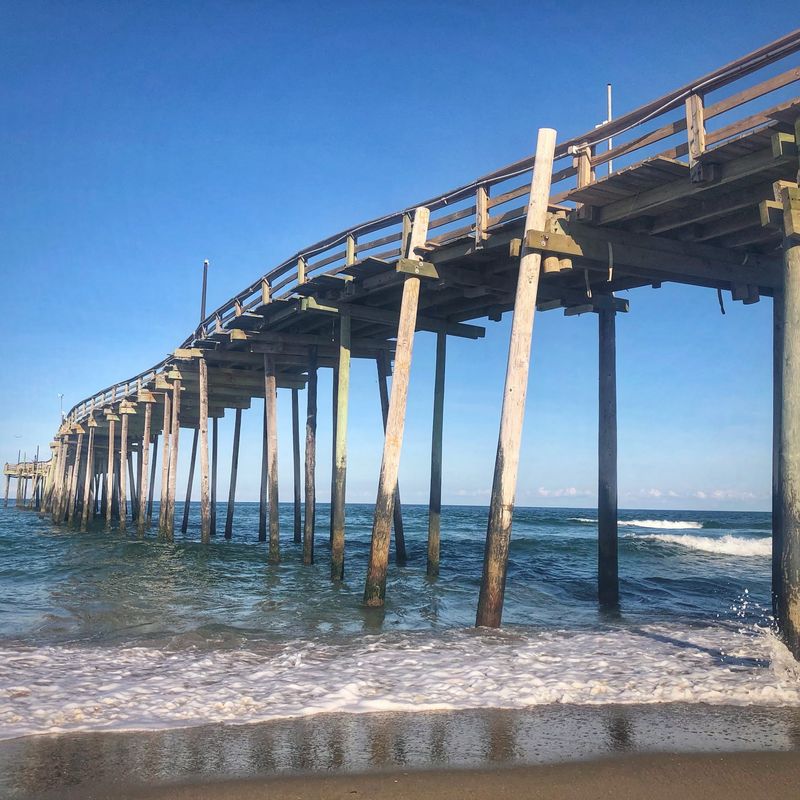
Twenty miles per hour on a highway bridge sounds strange until you see the reason. During July and August, the west end of the Umstead Bridge drops from 55 to 20 mph at dawn and dusk.
The rule began in 2007 to protect the martins. Thousands of birds fly low over the road as they head in and out of the roost.
The North Carolina Department of Transportation also added special signs. They warn drivers about low-flying birds, which is not a sign you see every day.
The lower speed limit protects the birds and drivers alike. For a closer look at the flock, use the designated observation pier rather than watching from behind the wheel.
Still, keep your eyes on the road and leave photos to passengers. Pulling over safely at a proper viewing area beats any drive-by snapshot.
Drivers heading back toward Avon have another option too. The newer Virginia Dare Memorial Bridge, opened in 2002, also crosses Croatan Sound.
Choose the route that fits your plans. If birds are the goal, though, the old bridge is where the action happens each evening.
Grab A Spot On The Pier Built For Bird Lovers
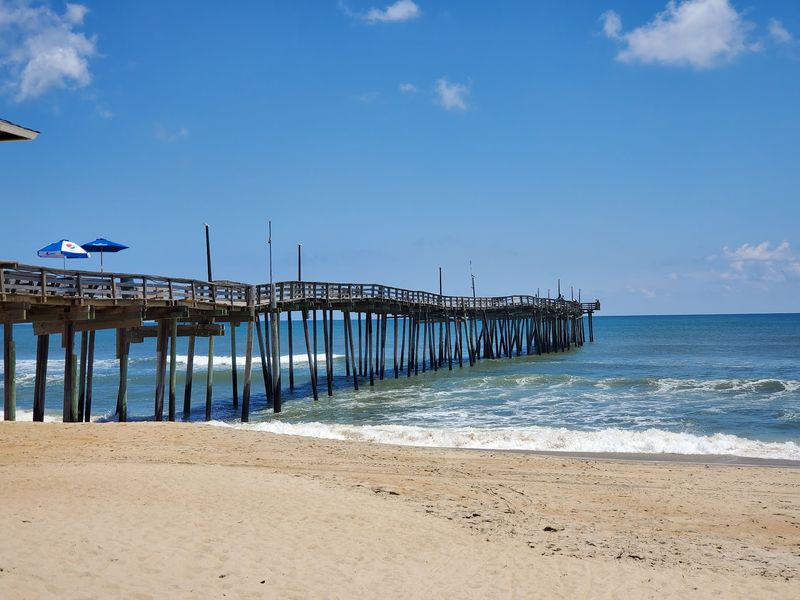
Bird watchers here get their very own pier. The BeBops Memorial Pier stretches into the sound from the west end of the Umstead Bridge.
Dare County maintains BeBop’s Multi-Purpose Pier, a public waterfront viewing area that gives birdwatchers a safe place to observe the enormous summer roost.
Bring a folding chair if you like, plus bug spray for the marsh air. Binoculars help, though the flock is big enough to enjoy with bare eyes.
Crystal Dawn has offered Purple Martin viewing cruises in past summers. Travelers interested in seeing the roost from the water should check whether any dedicated birdwatching excursions are scheduled for their visit.
A boat puts you right on Croatan Sound as the birds gather. It is a fun choice for families who want a little adventure with their nature lesson.
Roadside viewing works too, near the northwest foot of the bridge. Just park safely and stay well off the road.
Visitors staying in Avon should time the drive carefully. Leave early enough to grab a good view before the sky starts to fill with wings.
Scientists Follow These Birds All The Way To Brazil
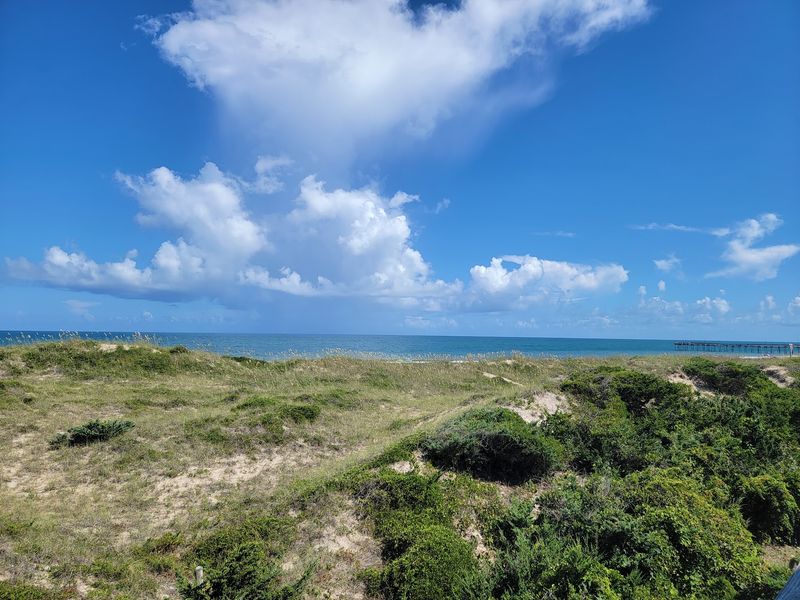
Thousands of miles separate the Umstead Bridge from the birds’ winter homes in Brazil. Scientists want to know exactly how the martins make that trip.
Researchers use tools like satellite tracking to follow migration routes. Each data point helps map stops, timing, and the dangers birds face along the way.
Why the extra attention? Purple Martins have been declining, and experts point to several causes.
Habitat loss is one big problem. Competition from invasive European Starlings and House Sparrows is another, since both fight martins for nesting spots.
Fewer flying insects and a changing climate also put pressure on the birds. That mix of threats makes a large, healthy roost extra valuable to study.
The Coastal Carolina Purple Martin Society formed in 2006 to help protect the enormous roost beneath the Umstead Bridge. It formally incorporated as a nonprofit organization in 2008.
The nonprofit also promotes martin conservation across the coastal plain of North Carolina.
So when you watch the flock from the pier, you are seeing more than a pretty sunset. You are watching a living research project that scientists hope will keep thriving for years.
Mosquito Myth Busted, And Backyard Help Explained
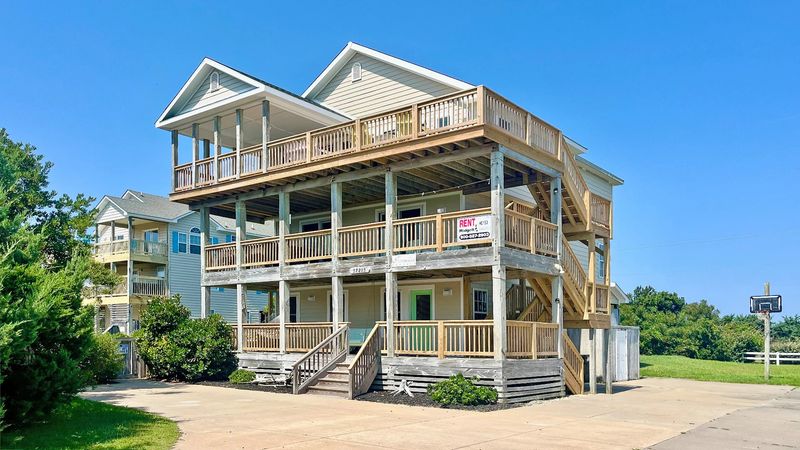
Plenty of folks believe Purple Martins gobble mountains of mosquitoes. Sadly for anyone swatting bugs, that is a common misconception.
Martins mostly catch other flying insects. Their menu includes dragonflies, moths, gnats, and flies, all snagged in midair.
Here is a surprising fact. In eastern North America, these birds rely almost entirely on human-made housing for nesting.
That means multi-compartment birdhouses and hanging gourds matter a lot. Without people putting them up, eastern martins would struggle to raise their young.
Want to help? A proper martin house placed in an open area can give a colony a fresh start.
Keeping starlings and House Sparrows out of the housing is part of the job too. Groups like the Coastal Carolina Purple Martin Society share guidance for landlords.
Kids especially enjoy this kind of project. Watching a family of martins move in turns science class into something real and exciting.
Even if you only visit Avon for a week, you can carry the idea home. A backyard birdhouse might be your own small piece of this story.
Spend Your Daylight Hours Enjoying Island Life
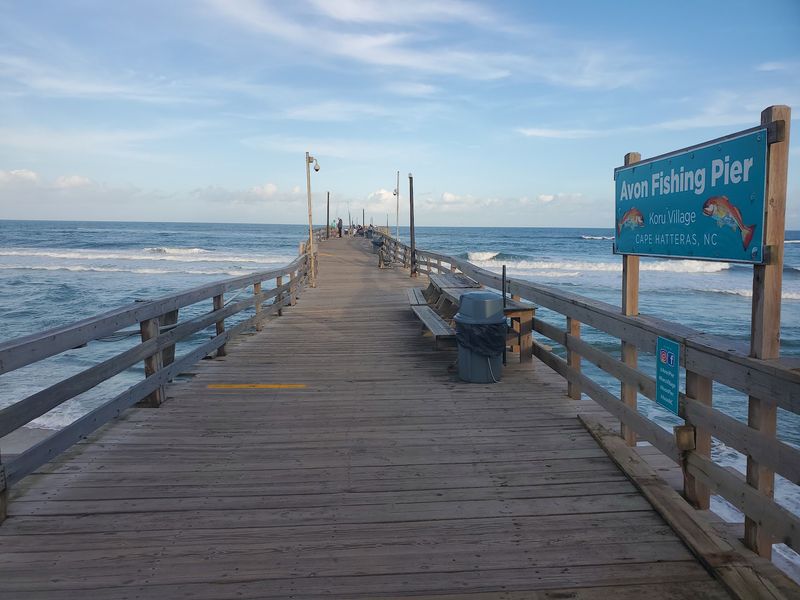
Long before the bird crowds roll in each evening, Avon offers plenty to fill a sunny day. The village sits at Avon, NC 27915, right in the middle of Hatteras Island.
Fun history bit: Avon was once known as Kinnakeet. You will still spot that old name around the village today.
The historic Avon Fishing Pier stretches into the Atlantic, although a September 2026 coastal storm damaged part of the structure. Limited access resumed in October, so visitors should confirm which sections are open before planning a fishing trip or waterfront stroll.
On the other side of town, Pamlico Sound offers calmer, shallower water. That makes the sound side popular for watersports like kiteboarding and windsurfing.
Families can split the day easily. Beach time in the morning, a picnic at lunch, and sound-side views before heading north.
Keep an eye on the sky even here. Avon sits along the Outer Banks, a busy route for many migrating birds.
When afternoon rolls around, check the time and pack up. You will want a head start on the drive to catch the martins at their best.
Timing Is Everything, So Mark These Weeks Now
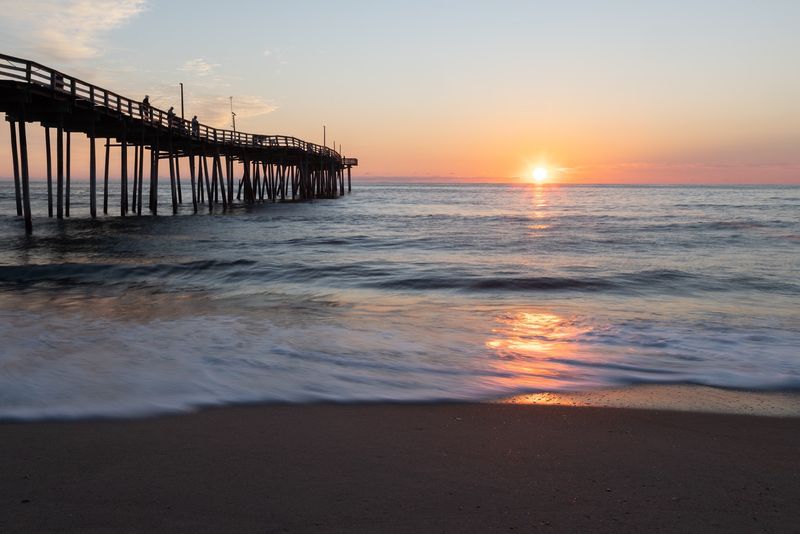
Late June through mid-September is the window for the Purple Martin roost. Miss it, and the bridge is just a bridge.
For the biggest crowds of birds, aim for mid-July through mid-August. That is when numbers usually peak, sometimes reaching close to 100,000.
Dawn and dusk are showtime. At sunset, the birds return to the roost, and at sunrise, they scatter out to feed.
Sunrise watchers get a quieter scene with fewer people. Sunset watchers get warmer colors and the dramatic arrival as the sky dims.
Staying in Avon, North Carolina, means planning your drive around the sun. Check sunset times before you leave so you are not racing the clock.
Pack water, snacks, and a light jacket for breezy evenings on the sound. A small flashlight helps for the walk back to the car.
One last bit of advice: go more than once if you can. Every evening brings different clouds, different light, and new shapes in the swirling flock.
Good luck picking a favorite night.