These California Beach Towns Feel Almost Too Perfect To Be Real
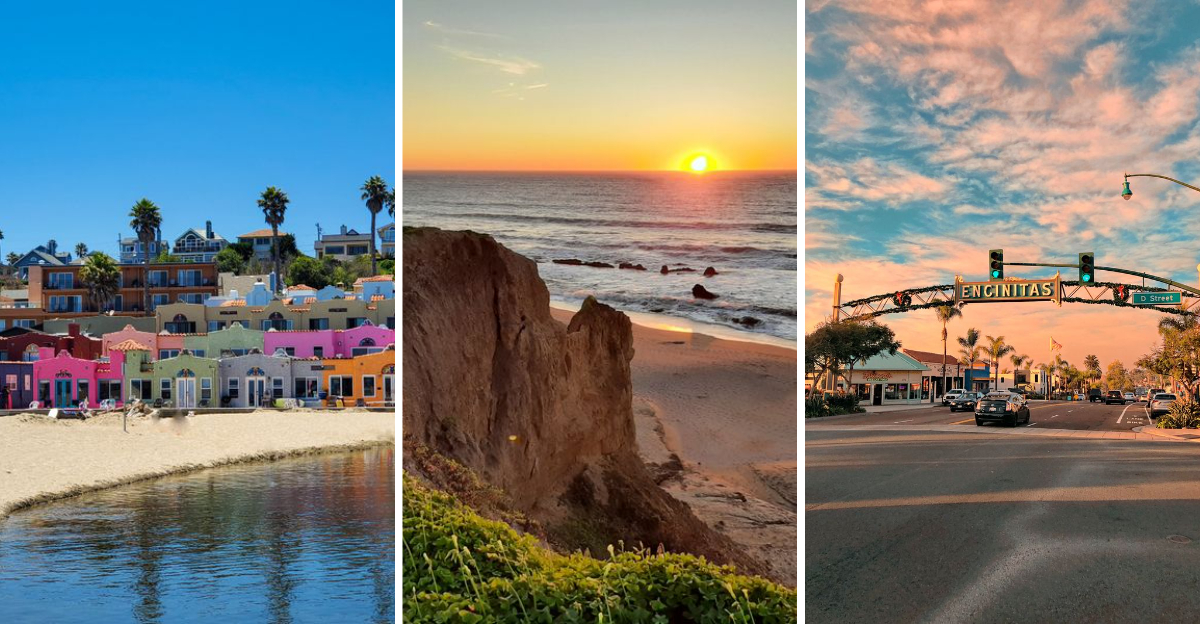
The moment the coastline comes into view, it feels almost unreal. Blue water stretches endlessly alongside cliffs, coves, and beaches that look carefully arranged rather than naturally formed.
Every stretch of road reveals another beach town that seems too perfect to exist outside a postcard. One turn brings pastel cottages perched above the Pacific. The next opens onto a wide sandy shore framed by palm trees and lively main streets.
These places are not just towns by the sea. They feel like small worlds built around rhythm, light, and atmosphere.
Salt rides the breeze. Waves set the pace. Trails wind through foggy forests while galleries and cafés glow with local character.
California beach towns appear one after another, each offering its own version of coastal perfection. Some feel peaceful and untouched. Others feel vibrant and alive. All of them make the same impression – they feel almost too perfect to be real.
1. Carmel-By-The-Sea
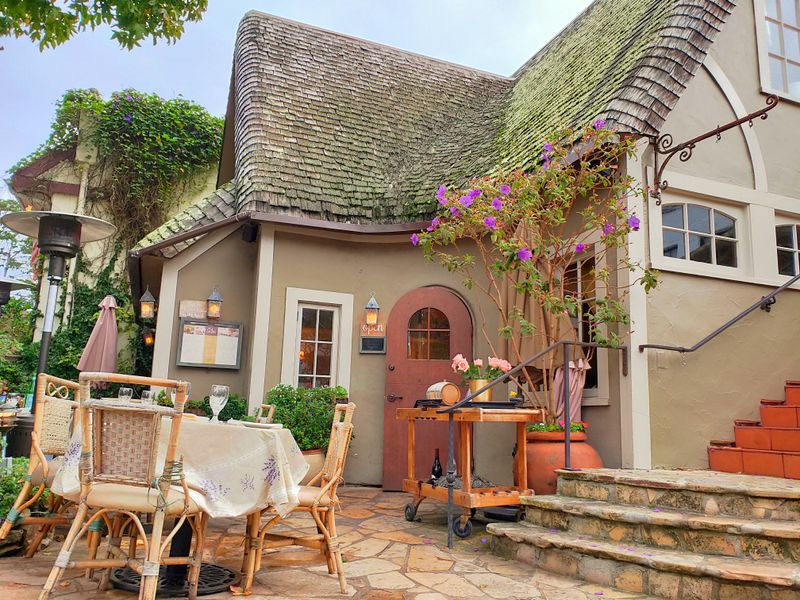
Fairy-tale cottages line winding streets in this artistic haven where European charm meets California coastal beauty.
The architecture feels like something from a storybook, with stone chimneys, curved doorways, and gardens overflowing with colorful blooms.
Walking through the residential areas reveals homes that seem designed by imagination rather than blueprints.
Downtown offers dozens of art galleries showcasing everything from contemporary paintings to handcrafted jewelry.
The shops range from cozy bookstores to boutiques selling locally made goods. Visitors often spend hours browsing without feeling rushed.
Carmel Beach sits at the end of Ocean Avenue, where white sand meets turquoise water and cypress trees frame the view.
Dogs run off-leash here, adding to the relaxed atmosphere. The beach stays accessible year-round, though mornings tend to be quieter than afternoons.
Parking can be challenging on weekends, so arriving early or on weekdays makes exploration easier. The town remains walkable once a spot is found.
Many visitors combine a beach visit with lunch downtown and gallery browsing for a full day.
2. Laguna Beach
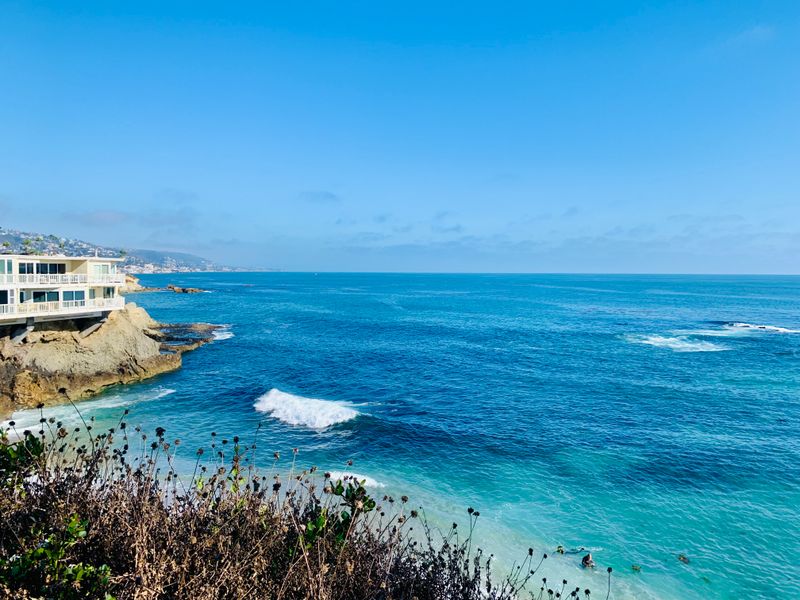
Art thrives in every corner of this coastal city, where creativity and natural beauty blend seamlessly. Galleries occupy storefronts along Pacific Coast Highway, displaying works from established and emerging artists.
Summer brings the Festival of Arts and Pageant of the Masters, where performers recreate famous paintings in living tableaux.
Coves and beaches tuck between rocky outcrops, creating intimate spaces for swimming and tide pooling.
Heisler Park runs along the bluffs, offering paved walking paths with ocean views and benches for resting. Stairs lead down to several beach access points.
Downtown features restaurants with outdoor patios and shops selling everything from surfboards to handmade ceramics.
The atmosphere shifts between laid-back beach culture and upscale sophistication. Visitors can easily spend a day moving between beach time and exploring the town.
Parking fills quickly during summer weekends, so arriving before midday helps secure a spot. Weekdays and off-season visits offer more breathing room.
The town maintains its charm year-round, with mild temperatures making visits comfortable in any season.
3. Santa Barbara
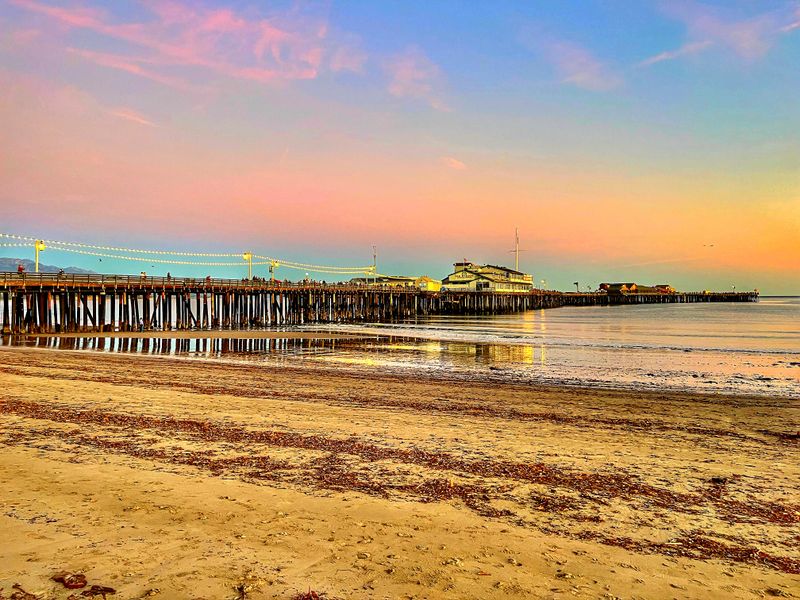
Red-tile roofs and white stucco buildings give this coastal city a distinctly Mediterranean feel that earned it the nickname American Riviera.
Spanish colonial architecture dominates downtown, creating visual consistency that makes the entire area feel cohesive. Palm trees line streets, and bougainvillea spills over walls in vibrant cascades.
State Street runs from the mountains to the ocean, packed with shops, restaurants, and historic buildings.
The pace feels relaxed despite the urban setting. People stroll rather than rush, stopping to browse or sit at sidewalk cafes.
East Beach and West Beach flank Stearns Wharf, a wooden pier that extends into the Pacific and houses casual dining spots and the small Sea Center aquarium.
The beaches offer gentle waves suitable for swimming and long stretches of sand for walking. Volleyball nets dot the shore, and a paved path connects the beach areas.
Parking near the beach can require patience on weekends, but several lots and street parking exist within walking distance.
The Funk Zone neighborhood near the waterfront has become popular for wine tasting rooms and creative eateries. Visiting midweek provides a calmer experience.
4. Malibu
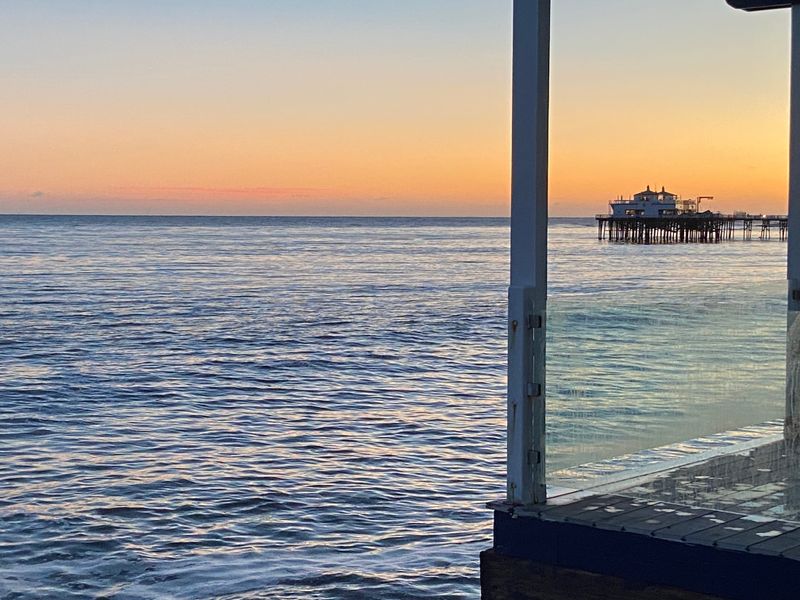
Dramatic coastline defines this famous stretch where the Santa Monica Mountains meet the Pacific Ocean.
Cliffs drop sharply to narrow beaches, and homes cling to hillsides with views that command premium prices.
Pacific Coast Highway winds through town, offering glimpses of the ocean between properties. Surfrider Beach attracts wave riders year-round, with consistent breaks that work for various skill levels.
Zuma Beach provides more space, with wide sand and less crowded conditions than beaches closer to Los Angeles. Point Dume offers hiking trails with panoramic views and seasonal whale watching opportunities.
The Malibu Pier extends into the water, providing a vantage point for watching surfers and spotting marine life. A casual restaurant sits at the end.
The pier area includes a small parking lot that fills early on nice days.
Shopping and dining options concentrate in a few commercial areas along the highway rather than a traditional downtown.
Traffic can slow significantly during peak times, especially on summer weekends. Early morning visits provide the best chance for parking and quieter beach experiences.
5. La Jolla
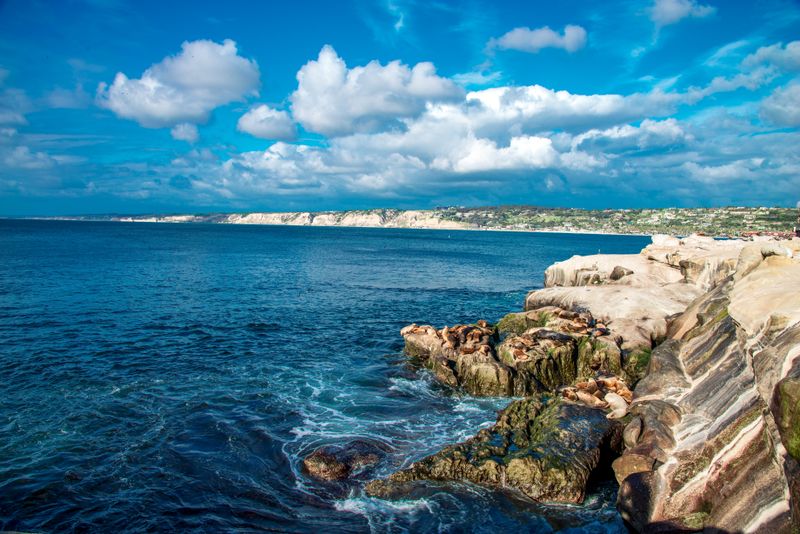
Seals and sea lions lounge on rocks at Children’s Pool, unbothered by the crowds that gather to watch them.
This upscale coastal neighborhood within San Diego offers natural beauty alongside refined shopping and dining.
Sandstone cliffs frame beaches and coves, creating protected swimming areas and tide pools worth exploring.
La Jolla Cove draws snorkelers and kayakers to its clear water, where garibaldi fish and other marine life swim among kelp forests.
The small beach fills quickly, but nearby areas provide additional access. A grassy park above the cove offers picnic spots with ocean views.
Prospect Street and Girard Avenue form the commercial heart, lined with boutiques, galleries, and restaurants ranging from casual to upscale.
The architecture leans toward Mediterranean revival, with arches and tile details. Walking remains the easiest way to explore once parking is secured.
The Birch Aquarium sits on a hillside north of the village, operated by Scripps Institution of Oceanography.
Parking throughout La Jolla requires patience, especially on weekends. Meters and paid lots serve most areas, and walking distances between attractions stay manageable.
6. Mendocino
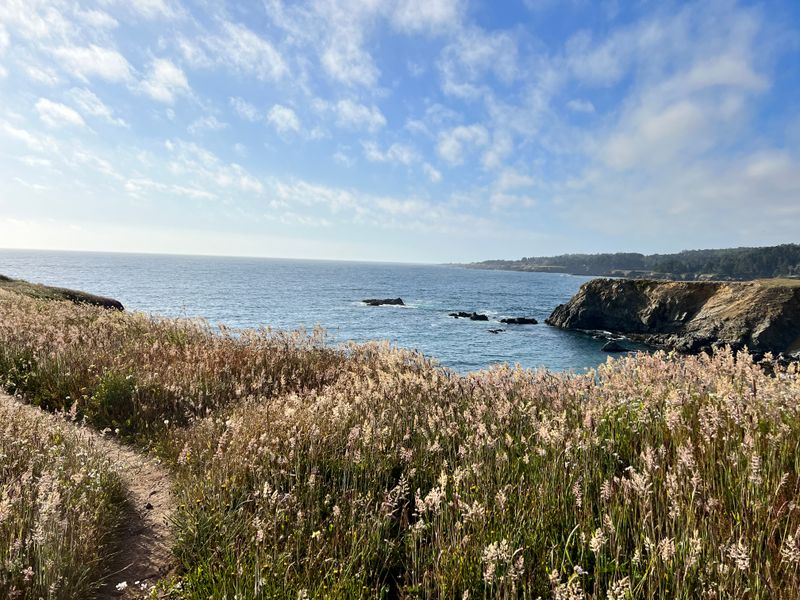
Perched on rugged headlands where waves crash against rocky shores, this northern California village feels transported from coastal New England.
Victorian homes and weathered cottages cluster together, many now serving as inns, galleries, or shops. Fog rolls in frequently, adding atmospheric mystery to the dramatic scenery.
Artists have long been drawn here, and their presence shows in the numerous galleries displaying paintings, sculptures, and crafts. The Mendocino Art Center offers classes and exhibitions.
Walking the residential streets reveals gardens adapted to coastal winds and creative architectural details.
Mendocino Headlands State Park surrounds the village, providing trails along clifftops with views of sea stacks and blowholes.
The trails stay relatively easy and accessible. Wildflowers bloom in spring, adding color to the coastal grasslands.
Main Street holds most of the shops and restaurants, all within easy walking distance. The pace feels unhurried, matching the small-town atmosphere.
Weekends bring more visitors, but the town never feels overcrowded. Winter storms create dramatic wave action, though some businesses reduce hours during the quieter season.
7. Capitola
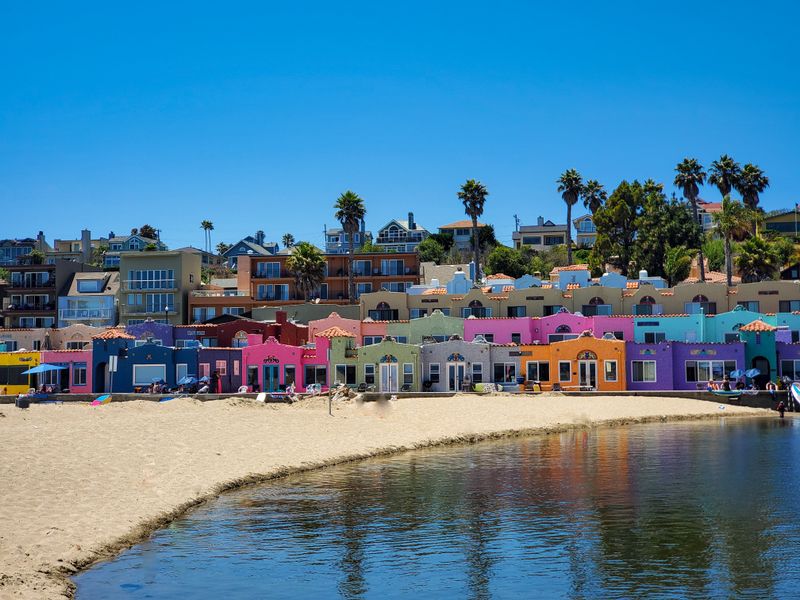
Brightly painted houses line the beach in shades of pink, yellow, and turquoise, creating a cheerful backdrop for this small seaside village.
The Venetian Hotel, with its colorful facade, anchors the beachfront and has welcomed guests since 1924. A short pier extends into Monterey Bay, popular with fishermen and evening strollers.
Capitola Beach offers gentle waves suitable for families, with the shelter of the bay providing calmer conditions than open ocean beaches.
The Esplanade runs along the sand, lined with restaurants and shops in a compact, walkable area. Outdoor patios allow for dining with ocean views. The village area feels intimate, with everything concentrated within a few blocks.
Capitola Creek flows through town, and colorful umbrellas often dot the beach during summer. The atmosphere leans casual and welcoming rather than upscale.
Parking presents the main challenge, especially on warm weekends when the beach draws crowds from nearby areas.
A parking structure serves the village, but it fills quickly. Arriving early or visiting on weekdays provides easier access. The town maintains its appeal year-round, though summer brings the liveliest scene.
8. Avila Beach
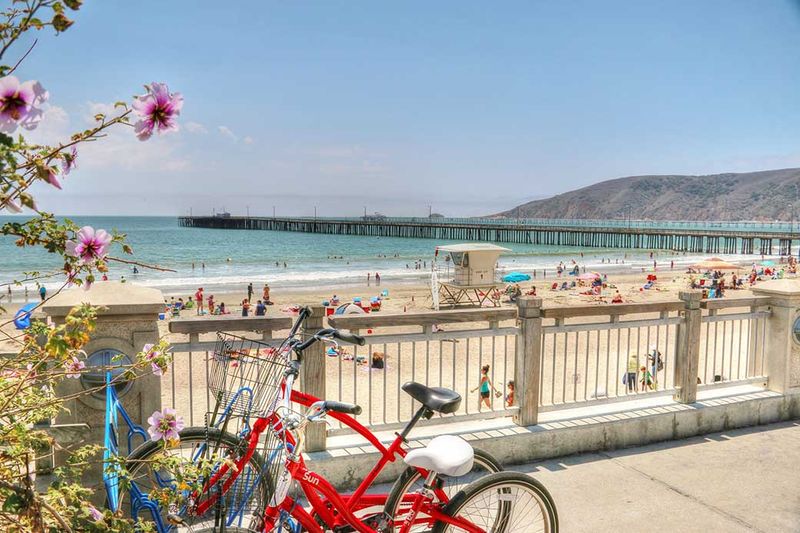
Sheltered by hills on three sides, this small beach town enjoys warmer temperatures and sunnier weather than many Central Coast locations.
The microclimate means beach days stay comfortable even when fog blankets nearby areas. A wide, sandy beach curves along the bay, backed by a promenade perfect for walking or biking.
Front Street runs parallel to the beach, lined with restaurants, ice cream shops, and casual eateries. The scale remains small, with everything within a short walk. Outdoor seating allows visitors to enjoy the mild climate while people-watching.
Avila Pier stretches into the water, free to walk and popular with fishermen hoping to catch halibut or rockfish. The pier provides views back toward the town and out across the bay. Benches along its length offer spots to rest and watch the water.
Port San Luis Harbor sits adjacent to the town, where fishing boats dock and Harford Pier extends much farther into the ocean.
A waterfront walkway connects the areas. Parking lots serve the beach and downtown, with fees during peak season.
The town stays relatively quiet compared to busier coastal destinations, making it appealing for a relaxed visit.
9. Half Moon Bay
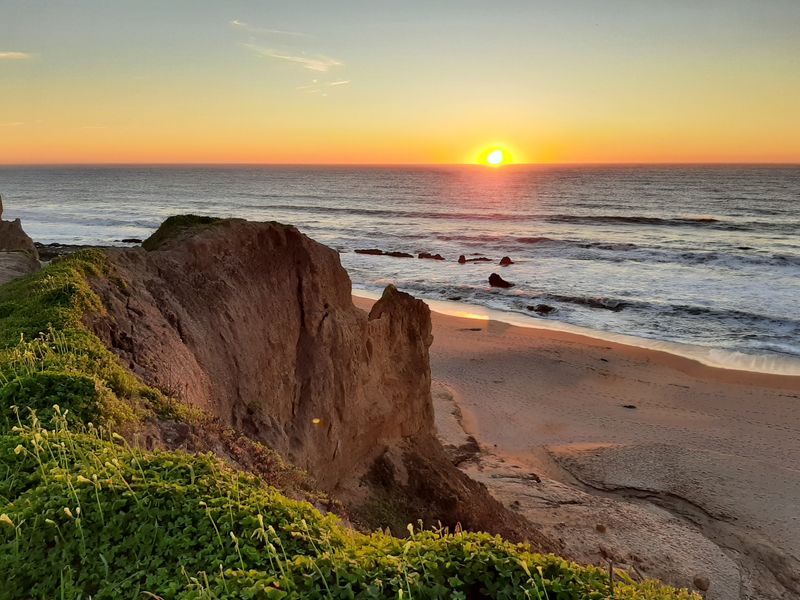
Pumpkin patches and flower farms dot the countryside surrounding this coastal town, which celebrates its agricultural heritage with festivals throughout the year.
The famous Art and Pumpkin Festival draws huge crowds each October.
Beyond the harvest season, the area maintains a rural, agricultural character that contrasts with more developed coastal areas.
Downtown Half Moon Bay sits inland from the coast, with Main Street offering antique shops, cafes, and locally owned businesses.
The historic buildings and small-town feel create a pleasant environment for strolling. Several restaurants serve fresh seafood and locally grown produce.
The coast itself features several state beaches, including Half Moon Bay State Beach with miles of sandy shoreline.
Strong currents and cold water make swimming challenging, but the beaches work well for walking, picnicking, and watching surfers tackle the waves.
Mavericks, famous for massive winter surf, lies offshore to the north. The Coastal Trail provides paved and unpaved paths for walking and biking along the bluffs.
Harbor facilities at Pillar Point offer fishing charters and a waterfront restaurant. Fog remains common, especially in summer, so layers help with changing conditions. Parking at beaches requires day-use fees.
10. Sausalito
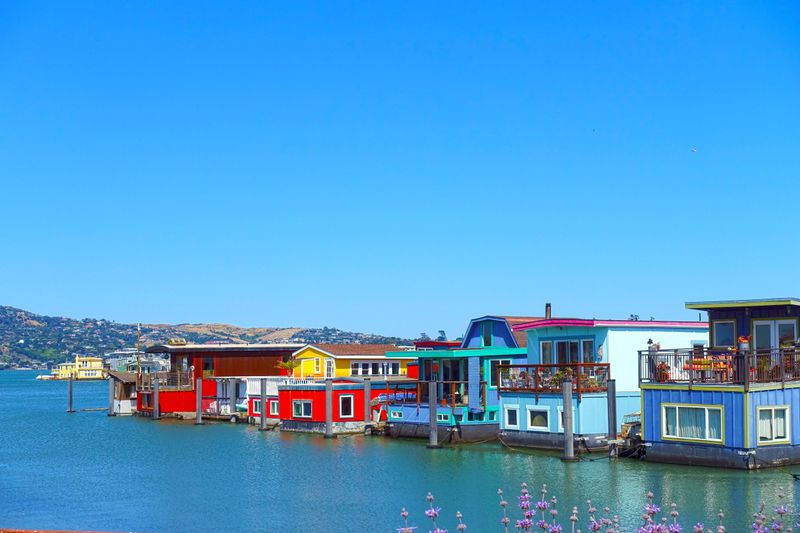
Across the Golden Gate Bridge from San Francisco, this hillside town cascades down to Richardson Bay with views that capture the city skyline and the iconic bridge.
Ferries connect Sausalito to San Francisco, making it accessible for a day trip without driving. The waterfront feels like a Mediterranean village, with restaurants and shops facing the marina.
Houseboats line the northern shoreline in colorful clusters, creating a unique community that has become a tourist attraction in itself.
Bridgeway, the main street, runs along the water with shops, galleries, and dining options.
The town feels compact and walkable, though hills can be steep in residential areas. Art galleries and boutiques occupy many storefronts, reflecting the town’s creative community.
The Bay Model Visitor Center, operated by the U.S. Army Corps of Engineers, features a massive hydraulic model of San Francisco Bay. Admission remains free.
Parking in town can be limited and expensive, making the ferry an attractive option for visitors. Weekends bring crowds, especially during good weather.
The waterfront promenade provides excellent views for walking, and benches offer spots to sit and watch sailboats. Fog can roll in quickly, so bringing layers makes sense even on sunny days.
11. Pismo Beach
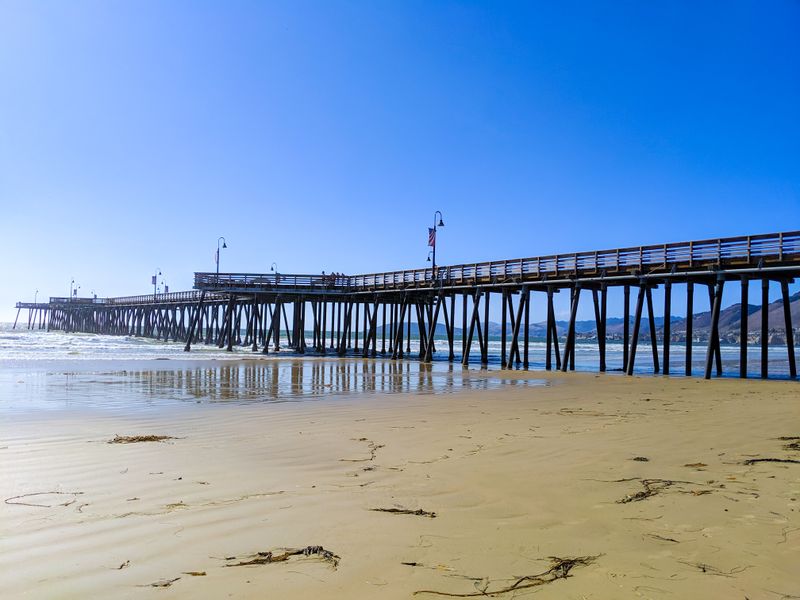
Classic California beach culture thrives in this Central Coast town where the pier extends over consistent surf breaks and wide sand stretches for miles.
The beach allows vehicle access in designated areas, a rare feature along the California coast. Families set up camps with canopies and coolers, spending entire days by the water.
Pismo Beach Pier, built in 1928, provides a vantage point for watching surfers, fishermen trying their luck, and occasional dolphins swimming past.
A restaurant sits at the pier’s base. The surrounding area includes a playground and grassy spaces for picnicking.
Downtown Pismo Beach centers on a few blocks of shops and restaurants within walking distance of the beach.
Clam chowder appears on many menus, honoring the town’s history as a clamming destination, though the famous Pismo clams are now protected. The atmosphere stays casual and family-friendly.
The Monarch Butterfly Grove, located in a eucalyptus grove, hosts thousands of monarchs from October through February. Rangers provide information during peak season.
Parking near the beach includes metered street spots and paid lots. The town maintains consistent appeal throughout the year, with mild temperatures making visits comfortable in any season.
12. Encinitas
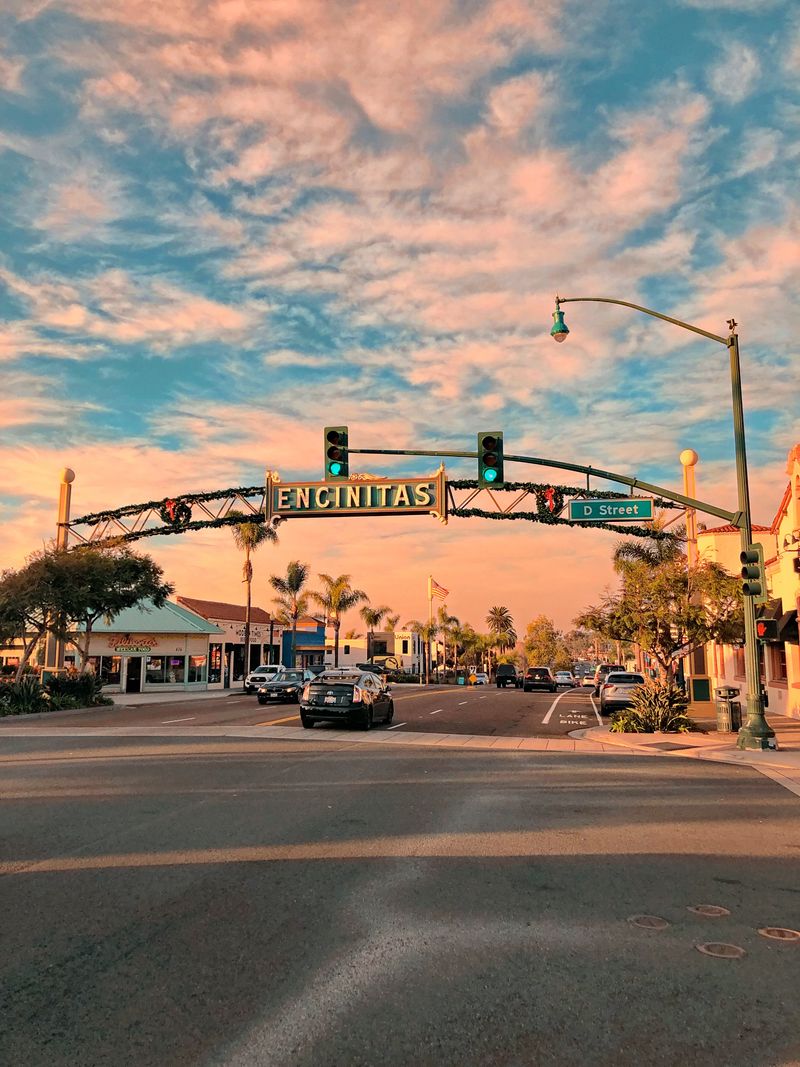
Surf culture runs deep in this North County San Diego beach town, home to some of the most consistent waves in Southern California.
Swami’s Beach, named for the Self-Realization Fellowship temple on the bluff above, draws experienced surfers to its reef break.
The golden-domed temple adds an unexpected architectural element to the coastal landscape.
Downtown Encinitas stretches along Highway 101, packed with surf shops, yoga studios, health food stores, and casual eateries.
The vibe leans toward wellness and outdoor activity. Sidewalk cafes and outdoor patios make the most of the coastal climate.
Multiple beach access points dot the coastline, each with its own character.
Moonlight State Beach offers the most amenities, including volleyball courts, fire rings, and a snack bar. Stairs and paths lead down from street level to the sand.
The San Diego Botanic Garden sits inland from the coast, featuring 37 acres of plants from around the world. Parking throughout town mixes metered street spots with small lots.
Weekend mornings see the heaviest beach traffic, with surfers claiming spots early. The town maintains a laid-back atmosphere that feels authentically local rather than tourist-oriented.
13. Manhattan Beach
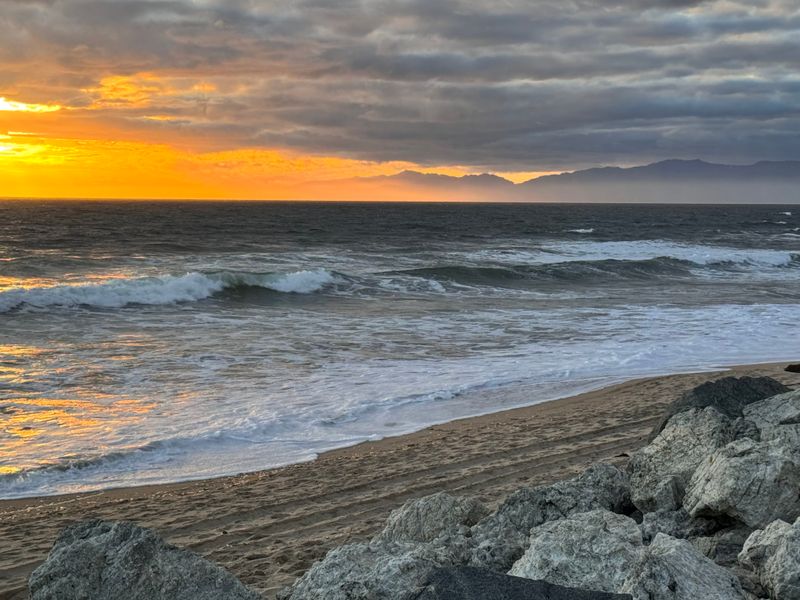
Beach volleyball nets line the sand in this South Bay community where fitness and outdoor activity shape daily life.
The Strand, a paved path running along the beach, fills with runners, cyclists, and rollerbladers throughout the day.
Homes facing the beach command some of the highest property values in the Los Angeles area.
Manhattan Beach Pier extends into the ocean with an aquarium at its end, the Roundhouse Marine Studies Lab and Aquarium, which offers free admission.
The pier area serves as a gathering spot, with benches and a small plaza. Surfers ride waves on both sides of the pier.
Downtown Manhattan Beach centers on Manhattan Beach Boulevard, which runs from the inland areas straight to the pier.
Shops, restaurants, and bars create a lively scene, especially on weekend evenings. The atmosphere blends beach casual with upscale dining and shopping options.
Parking remains challenging throughout the area, with meters, residential permit zones, and limited public lots. Arriving early helps secure a spot near the beach.
The town maintains a family-friendly atmosphere during the day, while evenings bring a more adult social scene. Year-round mild weather keeps the beach active in all seasons.
14. Coronado
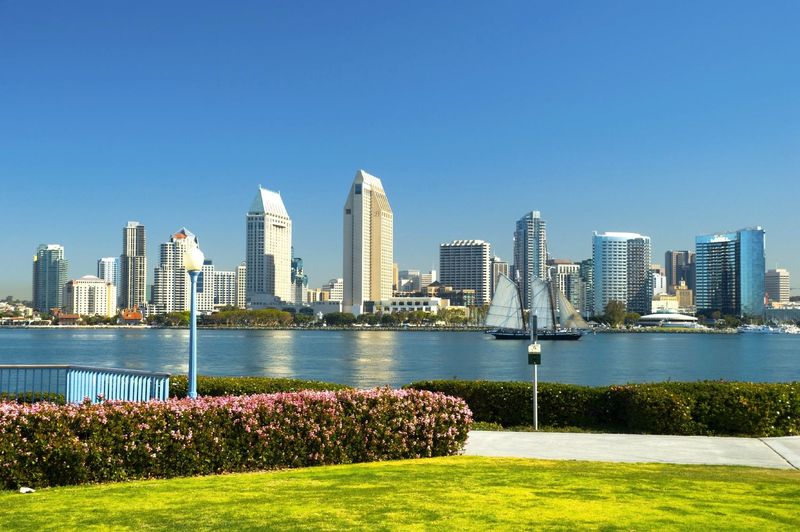
Connected to San Diego by a graceful bridge that curves across the bay, this island community feels like a separate world despite its proximity to the city.
The Hotel del Coronado, a Victorian masterpiece built in 1888, dominates the beachfront with its distinctive red-roofed turrets.
The hotel remains operational, and visitors can walk through its public areas and along the beach it fronts.
Coronado Beach consistently ranks among the best beaches in the country, with soft sand that sparkles due to its mica content.
The beach stretches wide and long, providing ample space even on busy days. Gentle waves make it suitable for families, and the water temperature stays relatively mild.
Orange Avenue serves as the main street through downtown Coronado, lined with shops, restaurants, and the historic Coronado Playhouse.
The scale remains walkable, and the atmosphere feels relaxed. Tree-lined residential streets showcase well-maintained homes and manicured gardens.
The Coronado Ferry provides passenger service between the island and downtown San Diego, offering an alternative to driving.
Parking near the beach includes metered spots and lots. The island maintains a quiet, upscale atmosphere that contrasts with busier beach communities. Biking remains popular, with flat terrain and bike-friendly streets.
15. Cambria
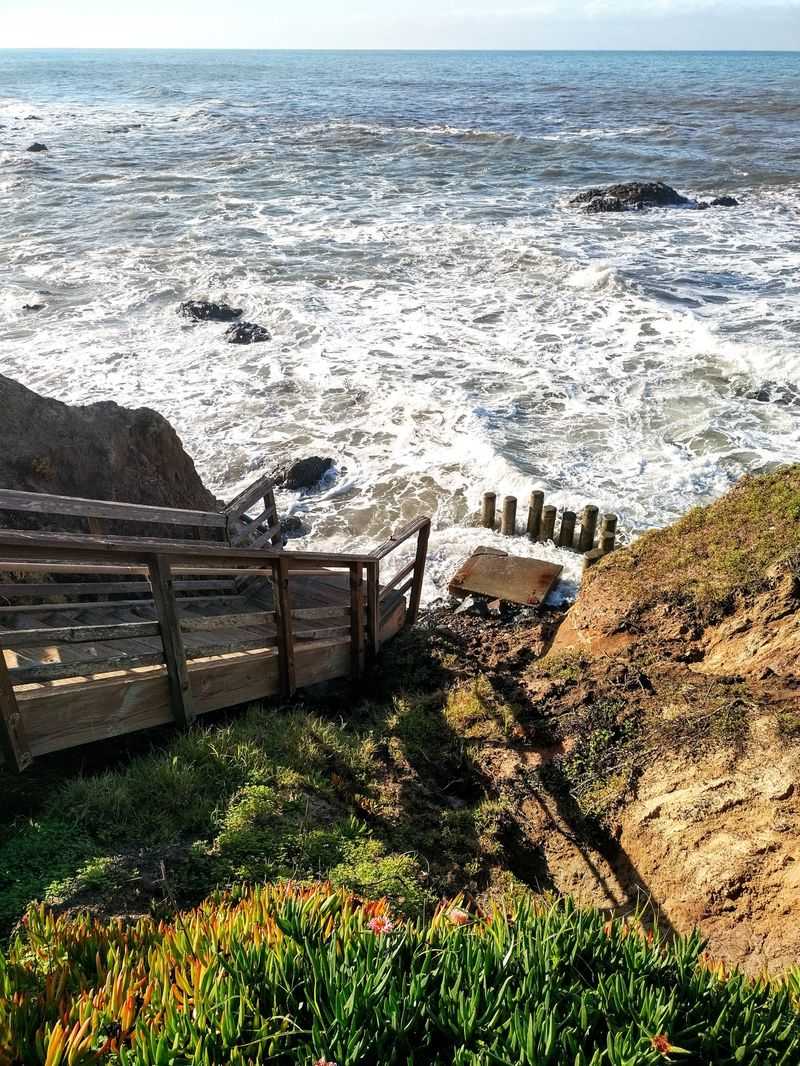
Pine forests meet rocky coastline in this Central Coast village that serves as a gateway to Hearst Castle. The town splits into East Village and West Village, each with distinct character.
East Village offers most of the lodging and some dining, while West Village features the main shopping district with galleries, boutiques, and restaurants.
Moonstone Beach Drive runs along the coast north of town, with a boardwalk trail providing access to tide pools and coastal views.
Moonstones, smooth translucent pebbles, wash up on the beach and give the area its name. The walk stays relatively flat and accessible, popular for sunset strolls.
Downtown Cambria maintains a village atmosphere with locally owned businesses rather than chain stores. Antique shops, art galleries, and specialty stores occupy historic buildings. The pace feels unhurried, and browsing can easily fill an afternoon.
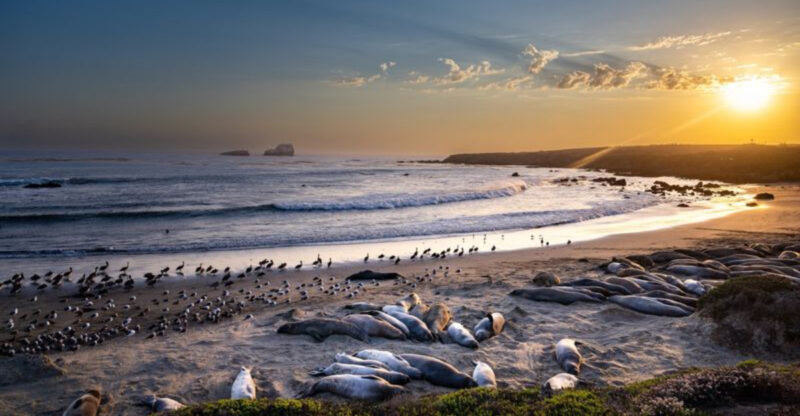
Elephant seals gather at a rookery north of town at Piedras Blancas, visible from Highway 1 pullouts.
The viewing area allows close observation of these massive marine mammals, especially during breeding season from December through March.
Parking in town includes street spots and small lots. The area stays relatively quiet compared to busier coastal destinations, though Hearst Castle visitors add traffic along Highway 1.
16. Pacific Grove
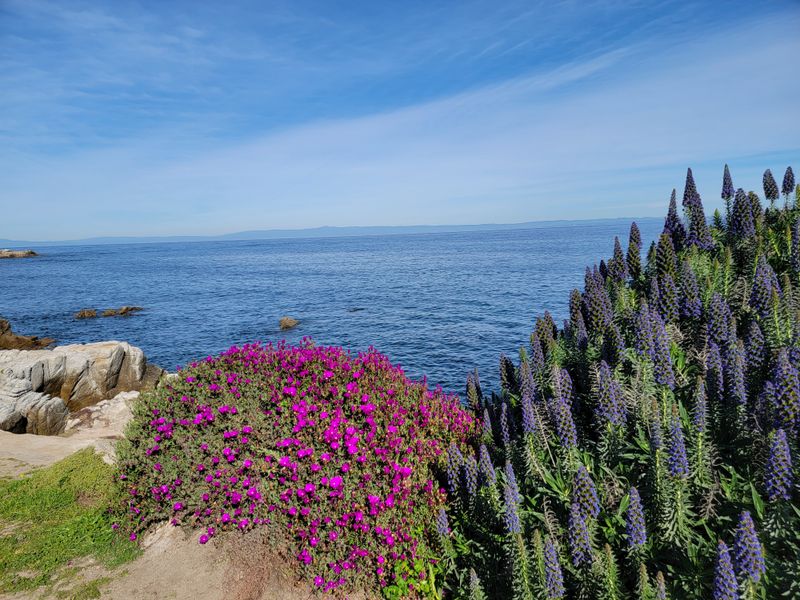
Victorian homes painted in cheerful colors line streets in this quiet community at the tip of the Monterey Peninsula.
The town earned the nickname Butterfly Town USA for the thousands of monarch butterflies that overwinter in a protected grove.
The Monarch Grove Sanctuary provides viewing areas and information from October through February when the butterflies cluster in eucalyptus and pine trees.
The coastline along Pacific Grove offers dramatic rocky shores rather than sandy beaches.
Ocean View Boulevard follows the coast, providing pullouts for watching waves crash against granite outcrops. Sea otters often float in the kelp beds just offshore, visible from the road and coastal paths.
Lovers Point Park includes a small protected beach, grassy areas for picnicking, and a historic bathhouse building. The park offers one of the few swimming areas along this stretch of coast.
Tide pools at nearby Asilomar State Beach teem with marine life during low tides. Downtown Pacific Grove centers on Lighthouse Avenue, with cafes, restaurants, and small shops.
The atmosphere feels residential and relaxed rather than touristy. The Point Pinos Lighthouse, the oldest continuously operating lighthouse on the West Coast, offers tours on weekends.
Parking throughout town remains relatively easy compared to neighboring Monterey and Carmel.