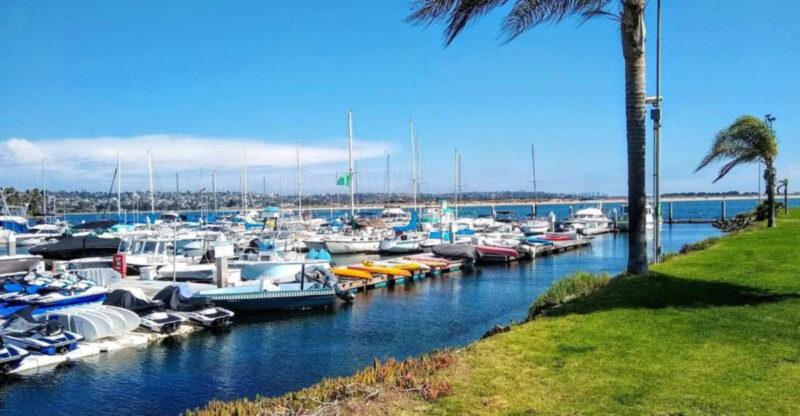
These 12 California Beach Towns Feel Best In The Middle Of Summer
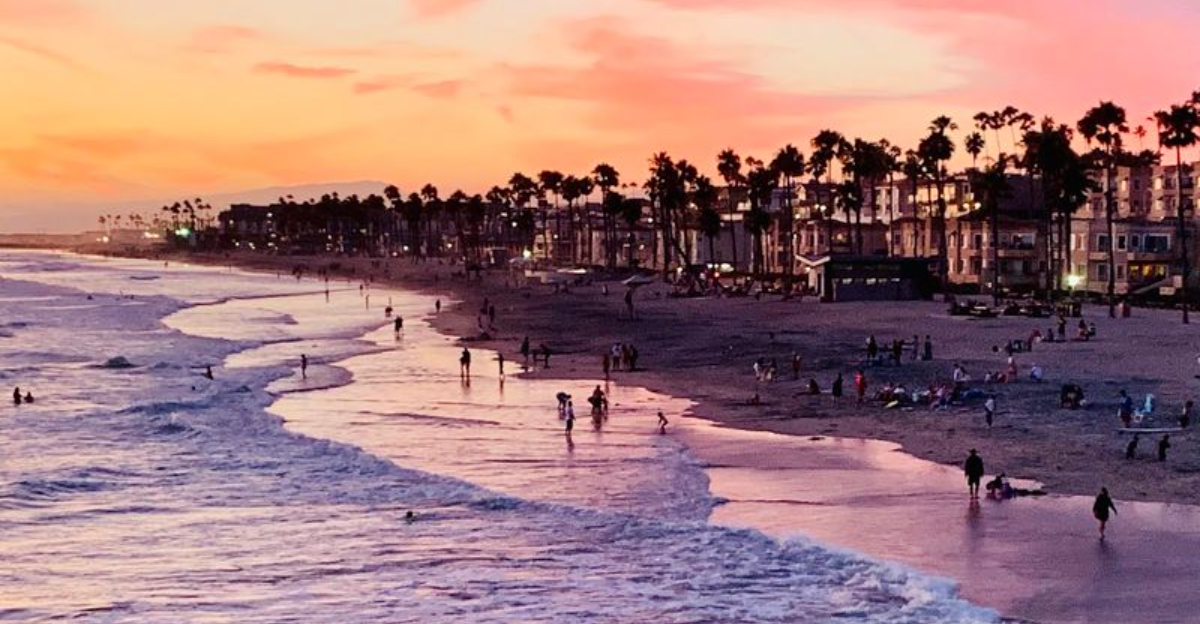
Middle-of-summer beach towns have their own little logic.
Parking gets trickier. Ice cream melts faster. Sand follows everyone home like it signed a lease. Still, the season makes certain coastal places feel fully awake.
The boardwalks, piers, surf shops, patio tables, and sunset crowds all seem to click into place at once.
A California beach town in July does not apologize for being busy. It just hands you sunscreen and keeps moving.
These spots feel best when summer is doing the most.
Mornings start with fog, coffee, or early surfers. Afternoons belong to towels, tacos, bike paths, tide pools, and people pretending they are only staying “a little longer.”
By evening, the whole town can shift again, with glowing windows and dinner plans that somehow depend on who saw the best patio first.
1. Capitola, Santa Cruz County
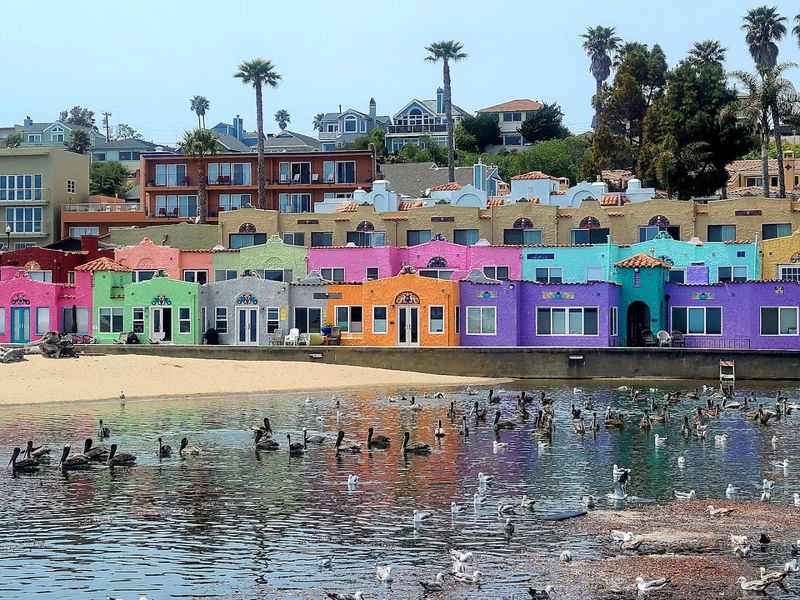
In a crescent-shaped cove south of Santa Cruz, Capitola carries the kind of charm that makes visitors slow down almost immediately upon arrival.
The brightly painted Venetian Court buildings line the beachfront, creating a visual backdrop that feels cheerful and distinctly local.
Few places along the California coast manage to look this photogenic without even trying.
Capitola Beach sits at the heart of the village, offering a wide sandy stretch that fills with families and sunbathers throughout the summer months.
The Capitola Wharf extends out over Monterey Bay and provides sweeping views of the coastline in both directions.
Early morning walks along the wharf tend to be quieter and cooler, making them a pleasant way to start the day.
The Capitola Esplanade runs parallel to the beach, lined with benches and small shops that invite easy, unhurried browsing.
Parking fills up quickly on summer weekends, so arriving before 9 AM tends to make the experience considerably smoother.
The overall pace here rewards those who take their time and simply settle into the village’s easygoing coastal rhythm.
2. Cayucos, San Luis Obispo County
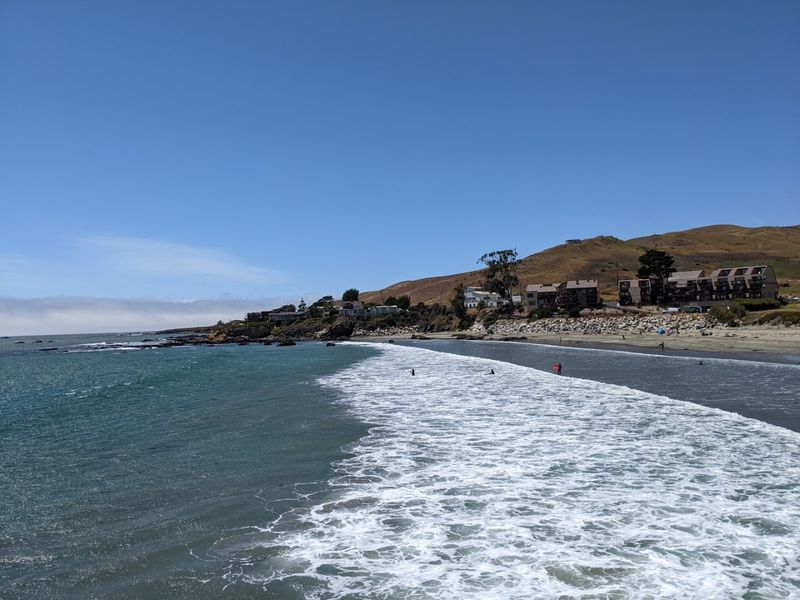
There is something genuinely refreshing about a beach town that has not tried too hard to reinvent itself, and Cayucos is exactly that kind of place.
Situated along the Central Coast between Morro Bay and Cambria, it moves at a pace that feels almost deliberate in the best possible way.
The main street is short, walkable, and lined with locally owned shops and small eateries that give the town its unhurried personality.
The Cayucos Pier stretches out into the Pacific and remains one of the more peaceful piers along the California coast during summer.
Fishing from the pier requires no license, which makes it an accessible activity for visitors of all ages and experience levels.
The pier also provides excellent vantage points for watching pelicans glide low over the water.
Cayucos State Beach offers roughly six miles of white sand, which means it rarely feels overcrowded even on warmer summer days.
Lifeguards are typically on duty during peak season, adding a layer of comfort for families with younger children.
Estero Bluffs State Park sits just north of town and provides scenic bluff-top trails with unobstructed ocean views that reward even a short walk.
3. Avila Beach, San Luis Obispo County
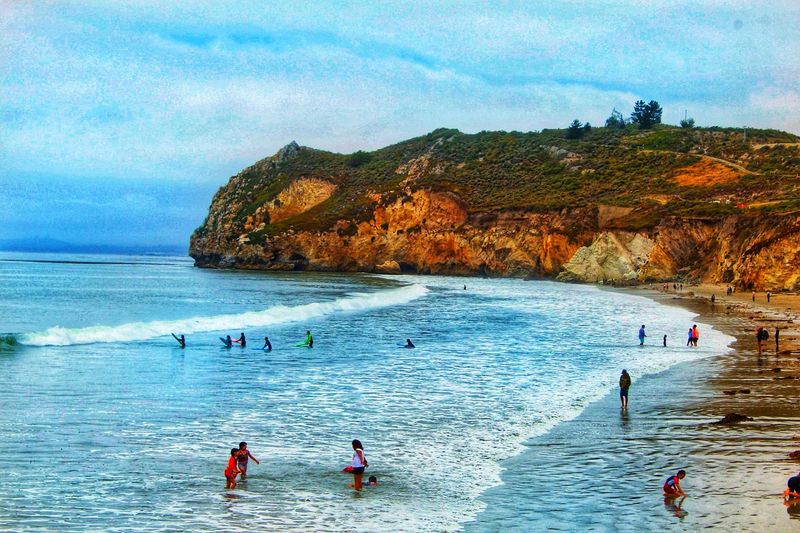
Facing south and sheltered by surrounding hills, Avila Beach tends to run several degrees warmer than neighboring coastal towns during the summer, which gives it a distinct advantage for those seeking reliable sunshine.
The cove setting keeps the water calmer than many open-coast beaches, making it particularly appealing for wading and casual swimming.
That combination of warmth and calm water draws a steady mix of families and day-trippers throughout July and August.
The Avila Beach Promenade runs the length of the main beach, offering a flat, paved path for walking with unobstructed views of the bay.
The Central Coast Aquarium sits just off the main stretch and features interactive exhibits alongside displays of more than 75 local marine species.
It provides an engaging indoor option on days when the beach crowd feels a bit too thick.
The Bob Jones City to Sea Trail connects Avila Beach to San Luis Obispo via a shaded, car-free path that is popular with cyclists and walkers alike.
Parking near the beachfront can get tight on summer weekends, but midweek visits typically allow for much easier access. The overall atmosphere here leans relaxed and genuinely welcoming throughout the season.
4. Pismo Beach, San Luis Obispo County
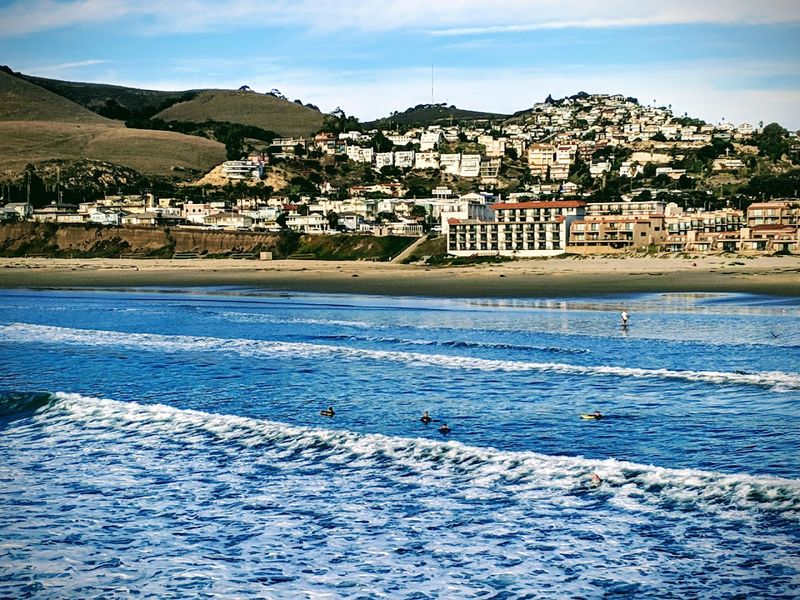
Classic California beach energy is probably the best way to describe what Pismo Beach delivers during the summer, and it delivers it consistently.
The wide sandy shoreline stretches generously in both directions from the pier, giving visitors plenty of room to spread out even on busy days.
There is a comfortable familiarity to the place, like a well-worn favorite that never really goes out of style.
The Pismo Beach Pier serves as the town’s centerpiece, offering free public access for strolling and fishing throughout the summer season.
The surrounding boardwalk area connects the pier to nearby shops and food options, making it easy to spend an entire afternoon without needing to move the car.
Waves here tend to be consistent enough for boogie boarding and beginner surfing, adding an active dimension to the beach experience.
The Oceano Dunes State Vehicular Recreation Area sits just south of the main beach and offers a genuinely unusual coastal experience, where off-road vehicles are permitted to drive directly on the sand dunes.
Public parking is plentiful throughout the Pismo Beach area, with several large lots near the pier.
Summer weekends bring noticeable crowds, but the town is well-set-up to handle the volume without feeling chaotic or overwhelming.
5. Carpinteria, Santa Barbara County
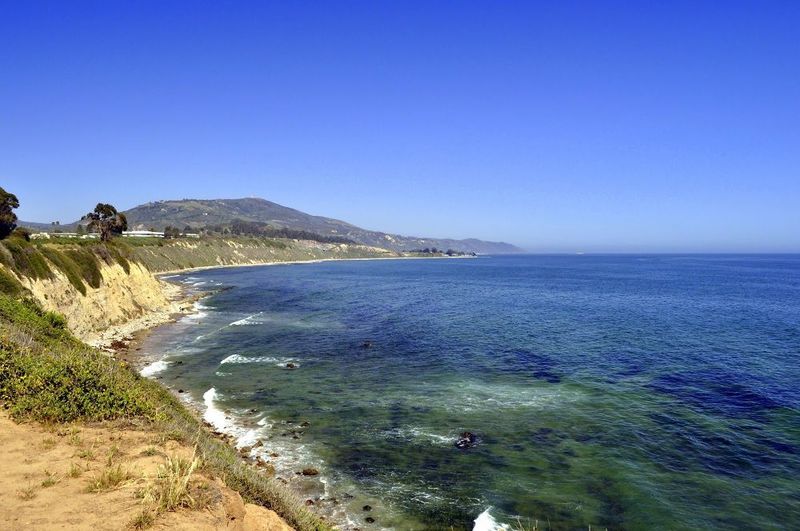
Sandwiched between Santa Barbara and Ventura, Carpinteria has long held a quiet reputation as one of the most genuinely livable beach towns on the Southern California coast.
It lacks the flashiness of some of its neighbors, and that turns out to be one of its strongest qualities.
The pace here is measured and comfortable, with a small-town feel that manages to stay authentic even during peak summer months.
Carpinteria State Beach is widely regarded as one of the calmest swimming beaches in California, thanks to a natural offshore reef that reduces wave intensity.
Families with young children tend to gravitate here for exactly that reason, and the wide sandy shoreline accommodates everyone without feeling packed.
The beach park includes picnic facilities and restrooms, which adds practical convenience for longer visits.
The Carpinteria Seal Sanctuary sits at the south end of the bluffs and offers seasonal viewing opportunities for harbor seals resting on the beach below.
Viewing platforms allow for respectful observation without disturbing the animals.
The Carpinteria Bluffs Nature Preserve connects to scenic walking trails above the ocean, offering a quieter alternative to the main beach for those who prefer a more contemplative summer afternoon along the coast.
6. Morro Bay, San Luis Obispo County
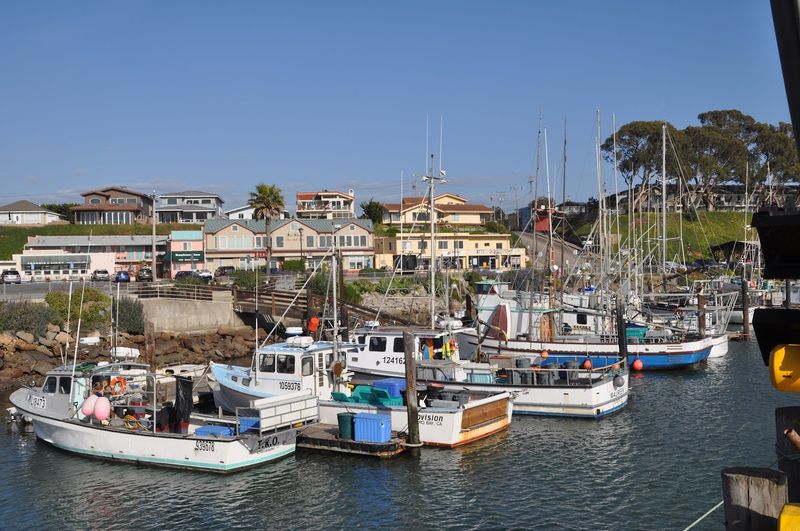
Few coastal towns in California announce themselves quite as dramatically as Morro Bay, where a 576-foot volcanic rock rises directly from the ocean at the entrance to the harbor.
That rock, known as Morro Rock, serves as both a navigational landmark and a nesting site for peregrine falcons, making it genuinely interesting beyond its visual impact.
The Embarcadero stretches along the waterfront and hums with a steady, pleasant energy throughout the summer months.
Walking the Embarcadero is one of the most satisfying free activities in town, with continuous views of the bay, fishing boats, and the resident sea otters that float in the kelp beds just offshore.
The Morro Bay Museum of Natural History is open daily from 10 AM to 5 PM. Its exhibits cover local habitats, coastal geology, and the cultural history of the Central Coast in an approachable and well-organized format.
Morro Bay State Park also encompasses tidal flats and estuary trails that offer excellent bird-watching opportunities, particularly during summer mornings.
Kayak rentals are available along the Embarcadero for those who want to explore the bay from the water.
The overall atmosphere balances natural beauty with just enough activity to keep a full day interesting and varied.
7. Half Moon Bay, San Mateo County
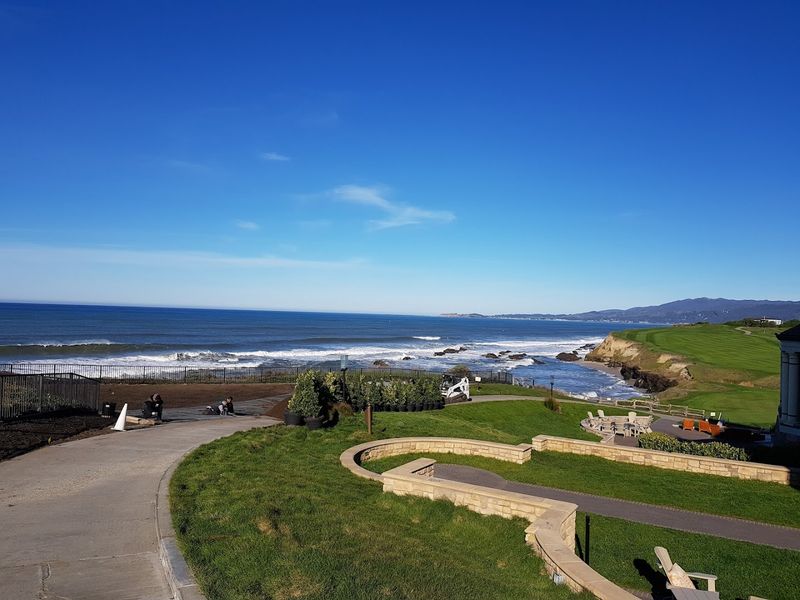
Cooler, moodier, and quieter than most California beach towns, Half Moon Bay offers a summer experience that feels more like a Northern California secret than a mainstream destination.
Morning fog often lingers until midday, keeping temperatures comfortable and the light soft and atmospheric.
That coastal coolness makes it particularly appealing for hikers and cyclists who prefer outdoor activity without the heat that inland areas typically bring in July.
Half Moon Bay State Beach actually encompasses several distinct beach sections, including Francis Beach and Venice Beach, each accessible by car or on foot via the coastal trail.
The Coastal Trail itself runs along the bluffs for several miles and provides sweeping ocean views that reward the effort of even a short walk.
Fitzgerald Marine Reserve, located just north of town, offers exceptional tide pool exploration during low tide, with sea stars, hermit crabs, and anemones visible in the rocky pools.
The downtown area along Main Street provides a walkable stretch of locally owned shops and cafes that feel genuinely rooted in the community.
Summer weekends can bring more visitors than the town’s small footprint might suggest, so weekday trips tend to offer a more spacious and relaxed experience overall.
The Half Moon Bay Harbor area also provides public access to watch working fishing boats come and go throughout the day.
8. Santa Cruz, Santa Cruz County
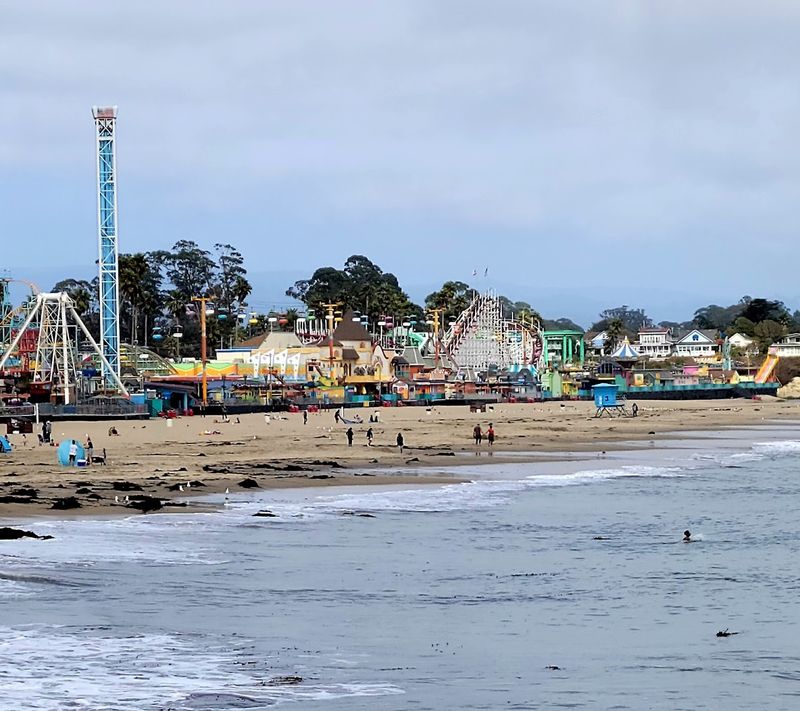
Energy is probably the first thing a visitor notices about Santa Cruz in the summer, and it arrives the moment the Boardwalk comes into view.
The Santa Cruz Beach Boardwalk is one of the last surviving seaside amusement parks on the West Coast, and it operates with a nostalgic enthusiasm that manages to feel both timeless and genuinely fun.
Rides typically run from 11 AM to 10 PM during July, with free admission for those who simply want to walk the grounds and enjoy the atmosphere.
The Santa Cruz Wharf extends over Monterey Bay and offers public strolling access along with views of sea lions resting on the crossbeams beneath the deck.
The Santa Cruz Surfing Museum, housed inside the Mark Abbott Memorial Lighthouse, traces over a century of surfing history through photographs, vintage boards, and rotating exhibits.
Summer hours generally run from 12 PM to 4 PM on Sundays and Mondays and Thursdays through Saturdays.
Natural Bridges State Beach sits just west of the main boardwalk area and showcases striking natural rock arch formations along a wide, sandy shoreline.
Downtown Santa Cruz offers a walkable and eclectic mix of independent shops and public spaces.
Weekday visits tend to be noticeably calmer than weekends, which draw large crowds from the surrounding Bay Area.
9. Laguna Beach, Orange County
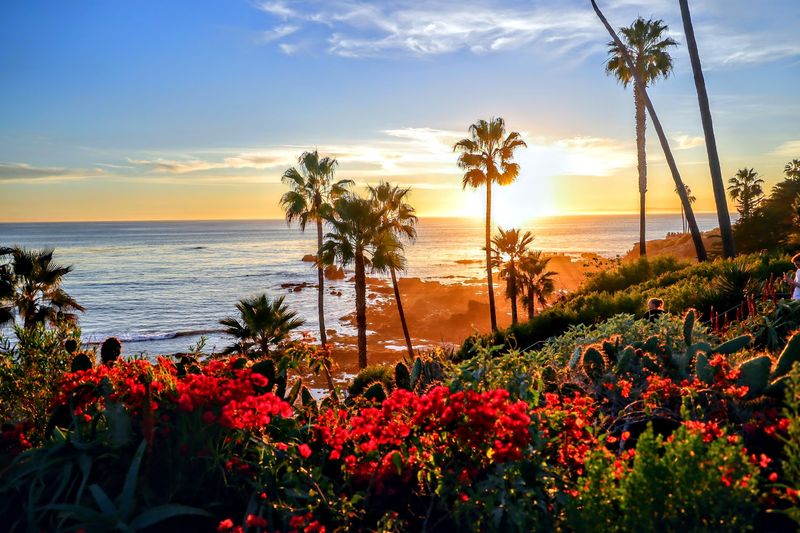
Art galleries, hidden coves, and bluff-top parks give Laguna Beach a layered quality that sets it apart from more straightforward beach destinations along the Southern California coast.
The town has cultivated a strong arts identity over decades, and that creative energy is visible in the architecture, the murals, and the mix of galleries clustered along Pacific Coast Highway and the surrounding side streets.
Summer brings a lively but not overwhelming pace to the downtown area.
Main Beach sits at the center of town and offers a grassy park area adjacent to the sand, making it a natural gathering point for visitors throughout the day.
Heisler Park, situated along the bluffs just north of Main Beach, provides shaded benches and walking paths with dramatic ocean views and easy access to tide pools below.
The free Laguna Beach Trolley operates seasonally and connects remote parking areas to the main beach zones, which helps considerably given how tight parking becomes on summer weekends.
The Laguna Art Museum anchors the cultural side of a summer visit and features rotating exhibitions alongside a permanent collection focused on California art.
Exploring the town’s smaller cove beaches, such as Victoria Beach and Thousand Steps Beach, rewards those willing to do a bit of walking.
Each cove has its own distinct character and tends to attract a slightly different crowd than the main beach area.
10. Encinitas, San Diego County
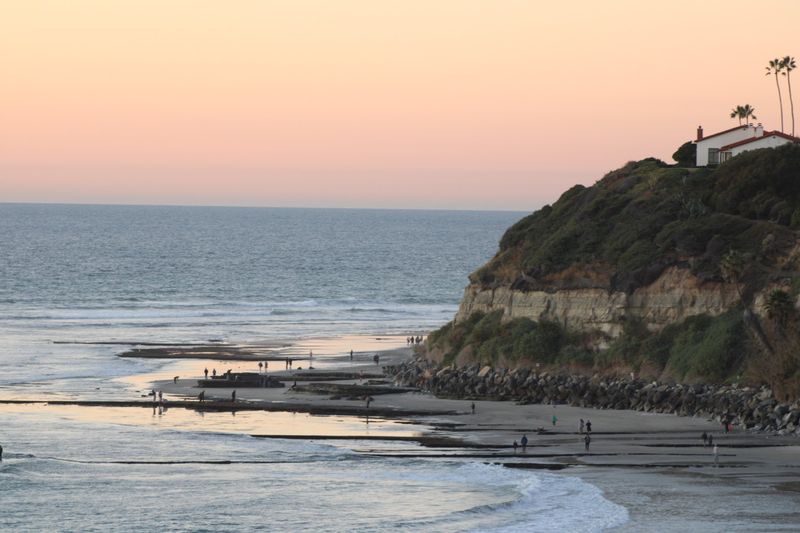
Surfing culture runs deep in Encinitas, and that identity shapes the entire feel of the town in a way that is immediately noticeable to anyone spending time here during the summer.
The vibe leans relaxed and outdoorsy, with an emphasis on being outside rather than inside, and on moving at a pace that matches the rhythm of the tides.
Palm-lined streets and the sound of the ocean just beyond the bluffs create an atmosphere that feels effortlessly coastal.
Swami’s Beach is one of the most recognized surf breaks in Southern California and draws consistent crowds of surfers throughout the summer months.
Just above the beach, the Self-Realization Fellowship Hermitage and Meditation Gardens offer free public access to beautifully maintained grounds with ocean overlooks and a genuinely tranquil atmosphere.
The gardens are open Tuesday through Saturday from 9 AM to 5 PM and on Sundays from 11 AM to 5 PM.
Moonlight Beach sits north of Swami’s and provides a wider, more family-friendly sand area with volleyball nets, a playground, and fire rings available for evening use.
The downtown area along Highway 101 is walkable and lined with surf shops, independent bookstores, and plant-forward cafes.
Summer parking near the beach fills up early on weekends, so morning arrivals before 8 AM tend to secure the best spots.
11. San Clemente, Orange County
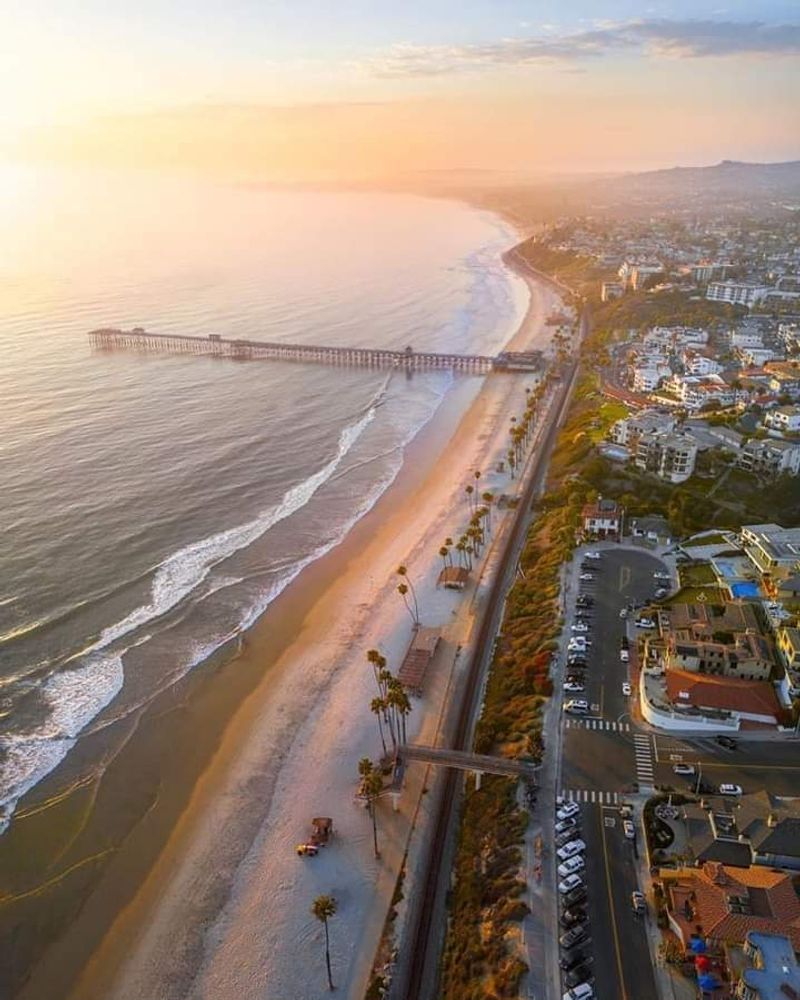
Spanish Colonial architecture spills down the hillside toward the ocean in San Clemente, giving the town a visual coherence and warmth that feels intentional and inviting.
Founded in the 1920s with a specific design vision in mind, the white stucco buildings and red tile roofs create a backdrop that looks striking against the blue summer sky.
That aesthetic consistency makes simply walking the streets here feel like a pleasant activity in itself.
San Clemente State Beach offers a long stretch of sand backed by low bluffs, and the surf here tends to be consistent enough to draw shortboarders and longboarders alike throughout the summer.
The San Clemente Pier, located at the base of Avenida del Mar, is one of the longer wooden piers in California and provides excellent views of the coastline in both directions.
Walking to the end of the pier on a clear summer morning offers an especially clear view of Catalina Island on the horizon.
The downtown area along Avenida del Mar runs downhill toward the beach and is filled with locally owned shops, cafes, and public plazas that encourage slow browsing.
The beach trail running beneath the bluffs connects several beach access points and is popular with cyclists and joggers throughout the day.
Summer weekends bring a noticeable but manageable increase in visitors compared to the quieter midweek pace.
12. Oceanside, San Diego County
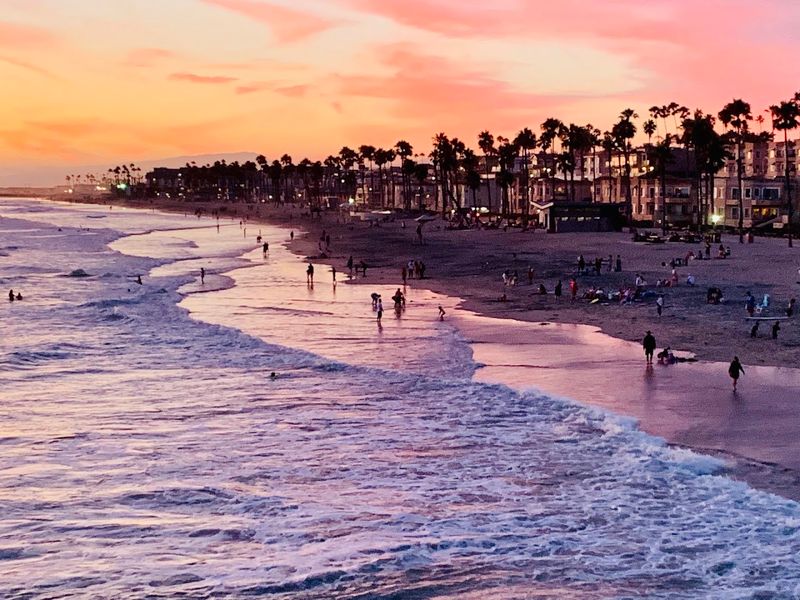
Stretching nearly 1,954 feet into the Pacific, the Oceanside Pier ranks among the longest wooden piers on the West Coast and serves as the defining landmark of this San Diego County beach city.
The pier draws a steady mix of anglers, strollers, and sightseers throughout the summer, and the views from the end reach back toward the coastline in a way that puts the full scale of the beach into satisfying perspective.
The surrounding beach is wide and sandy, with enough space to feel comfortable even on crowded summer days.
The Oceanside Harbor sits just north of the main beach and provides a calmer, more sheltered environment with public access to waterfront paths, boat docks, and a marina village area with shops and dining.
The California Surf Museum offers an engaging look at the history and culture of surfing through rotating exhibitions and a permanent collection of boards and memorabilia.
It is open daily from 10 AM to 4 PM and provides an informative stop for surf enthusiasts of any experience level.
The downtown area near the pier has developed noticeably in recent years, with a walkable stretch of independent businesses and public spaces that complement the beach experience.
Summer mornings along the Strand offer a quieter window for walking or cycling before the midday crowds arrive.
The overall character of Oceanside blends working-class coastal roots with a growing creative energy that feels authentic and unpretentious.