This Dreamy Seaside Village In California Feels Like The Mediterranean Without The Rush
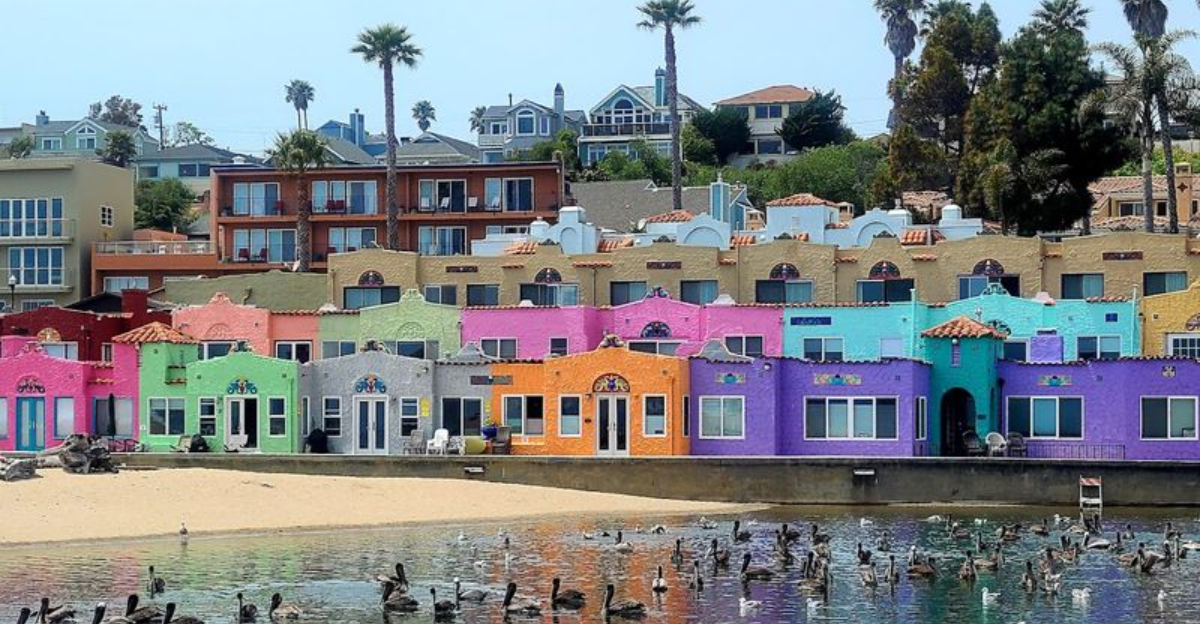
A seaside village can feel far away without making anyone cross an ocean.
Whitewashed charm helps. Blue water helps more. A slow waterfront stroll can make the whole day feel softer around the edges.
One dreamy village gives California a little Mediterranean mood without the packed-postcard chaos.
Everything seems built for lingering there.
Cafés feel more tempting near the water. Boats make the view feel busier in the prettiest way.
Bright buildings, salty air, and gentle coastal light all work together without turning the visit into a rush.
No one needs an overplanned itinerary. A place like this is better when the afternoon gets to stretch.
The magic is in the way the scenery makes people slow down before they even realize they needed it.
The Capitola Venetian Gives The Village Its Postcard Look
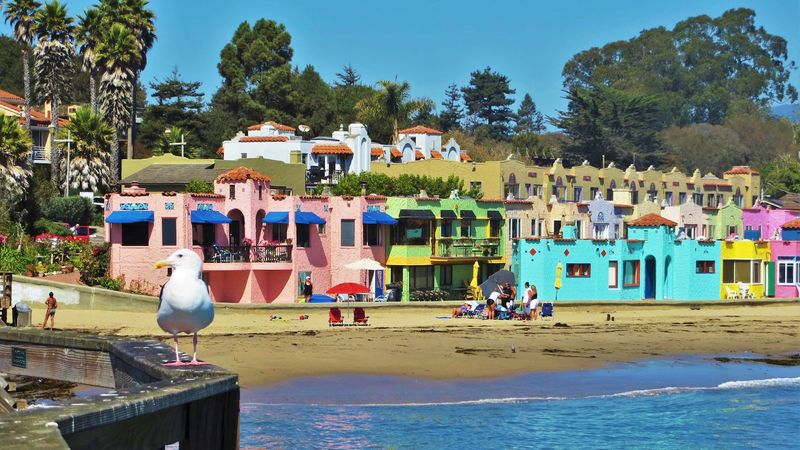
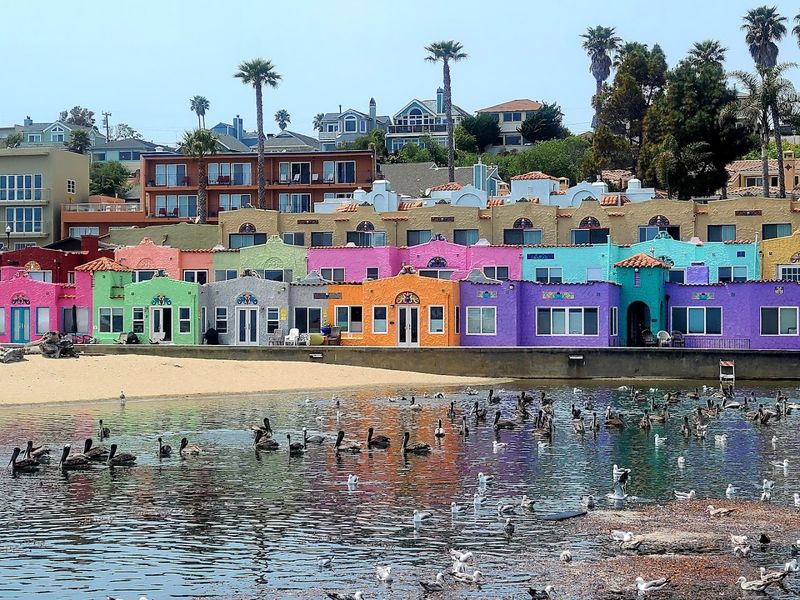
Few places along the California coast can match the visual punch of the Capitola Venetian, a row of brightly painted stucco buildings sitting right on the sand.
Built in the 1920s, the complex was designed with Spanish Colonial Revival and Mediterranean influences, giving it the kind of look that makes visitors stop mid-step to reach for their cameras.
The Venetian Court at Capitola Beach features 24 colorful beachside townhouses alongside a hotel offering 17 vacation rentals, all in a compact waterfront setting.
The pastel palette of the buildings shifts beautifully depending on the light, glowing warm in the morning and softening to cool tones by late afternoon.
Staying here puts guests steps from the water with the village shops and restaurants close by. Even visitors not staying overnight tend to linger along this stretch simply to take in the colors and the view.
The design was inspired by Henry Allen Rispin’s vision of creating a second Venice on the California coast when he purchased the property in 1919.
That ambition resulted in a waterfront row that still earns comparisons to Italian and Mediterranean seaside towns more than a century later.
The Village Is Walkable Enough To Feel Like A Compact Coastal Escape
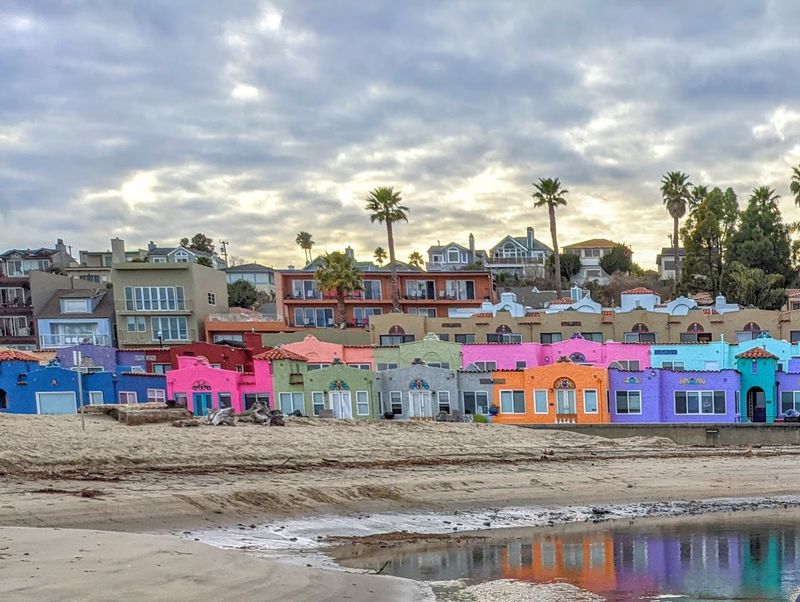
One of the most appealing things about Capitola Village is how little effort it takes to see everything.
The beach, the wharf, the shops, the restaurants, and the waterfront promenade all sit within easy walking distance of each other, making it possible to spend a full day exploring without ever needing to move a car.
Around 90 shops, restaurants, and lodging options are clustered near the beach, creating a self-contained little world that rewards slow exploration on foot.
Streets here are lined with independent boutiques, surf shops, and cafes that feel genuinely local rather than chain-driven.
The compact layout means there is no need to plan a rigid itinerary; it is the kind of place where wandering in any direction tends to lead somewhere pleasant.
Families, couples, and solo travelers all tend to settle into the same easy rhythm fairly quickly.
Walkability also means the village has a social texture that larger resort towns often lose.
People linger on benches, browse shop windows without urgency, and stop to watch the creek or the surf without feeling like they are holding up traffic.
That unhurried quality is central to what makes Capitola Village feel so distinct from the typical California coastal experience.
Capitola Beach Keeps The Setting Soft And Scenic
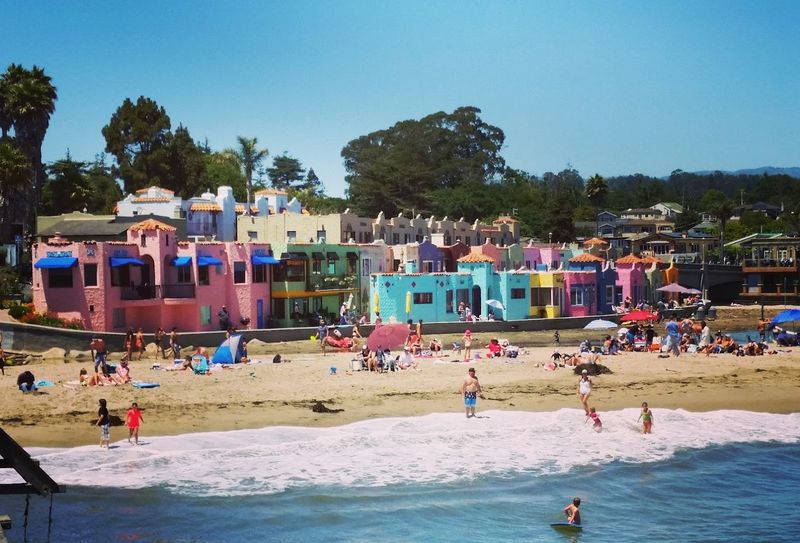
Stretching along the edge of Monterey Bay, Capitola Beach offers the kind of scenery that tends to make people exhale slowly the moment they step onto the sand.
The waves here are generally gentler than at many other Santa Cruz County spots, which makes the beach accessible to families, beginner surfers, and anyone who just wants to sit near the water.
Golden sand, clear bay views, and a backdrop of colorful village buildings create a setting that feels almost too picturesque to be real.
Beyond swimming and sunbathing, the beach connects naturally to the rest of the village experience.
Visitors can walk along the sand toward Capitola Wharf, watch birds around the lagoon that forms behind the beach, or join a beach volleyball game on the sand.
The relatively sheltered position on the bay keeps conditions mellow on most days, which adds to the relaxed atmosphere that defines the whole village.
Mornings at Capitola Beach tend to be quieter and cooler, with soft light hitting the water and the Venetian buildings in ways that feel genuinely cinematic.
Afternoons bring more energy as families and surfers arrive, but the beach rarely feels overwhelmed even during peak summer weekends.
The Wharf Adds A Classic Waterfront Stroll
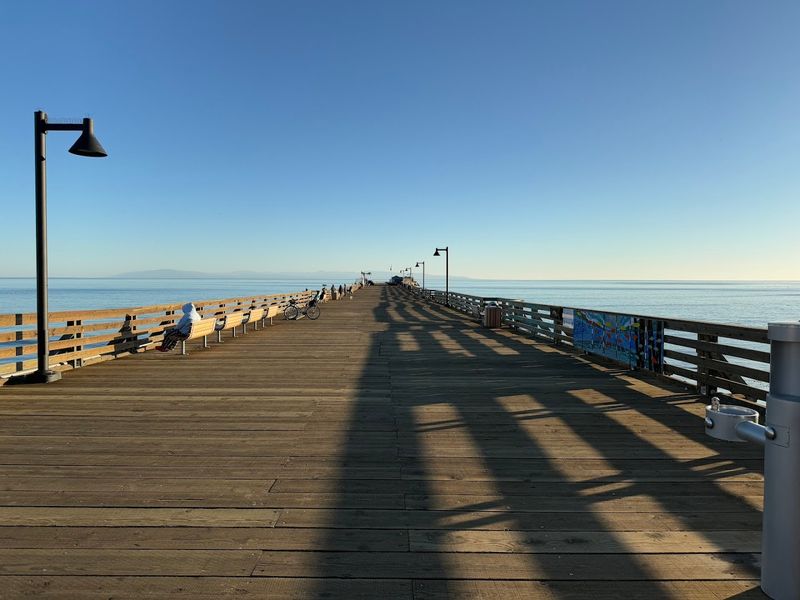
The newly renovated pier extends over Monterey Bay and offers wide-open views of the coastline in both directions, giving visitors a perspective on the village and the surrounding landscape that cannot be matched from the shore.
On calm days the water below the wharf is clear enough to spot sea otters floating on their backs, dolphins passing through, and various seabirds diving for fish.
Fishing from the wharf is a popular and low-key activity that requires no special equipment rental if visitors bring their own gear.
The pace out here is slow and contemplative, with the sound of water, wind, and the occasional gull replacing the background noise of the village streets. It feels like a natural pause point in any visit to Capitola.
The renovation has refreshed the structure while preserving its classic pier character, keeping it functional and safe for visitors of all ages.
Early morning walks along the wharf offer particularly peaceful conditions, with mist sometimes sitting over the bay and the village still quiet behind you.
It is a straightforward experience that consistently delivers something genuinely memorable.
The Waterfront Promenade Feels More Village-Like Than Resort-Like
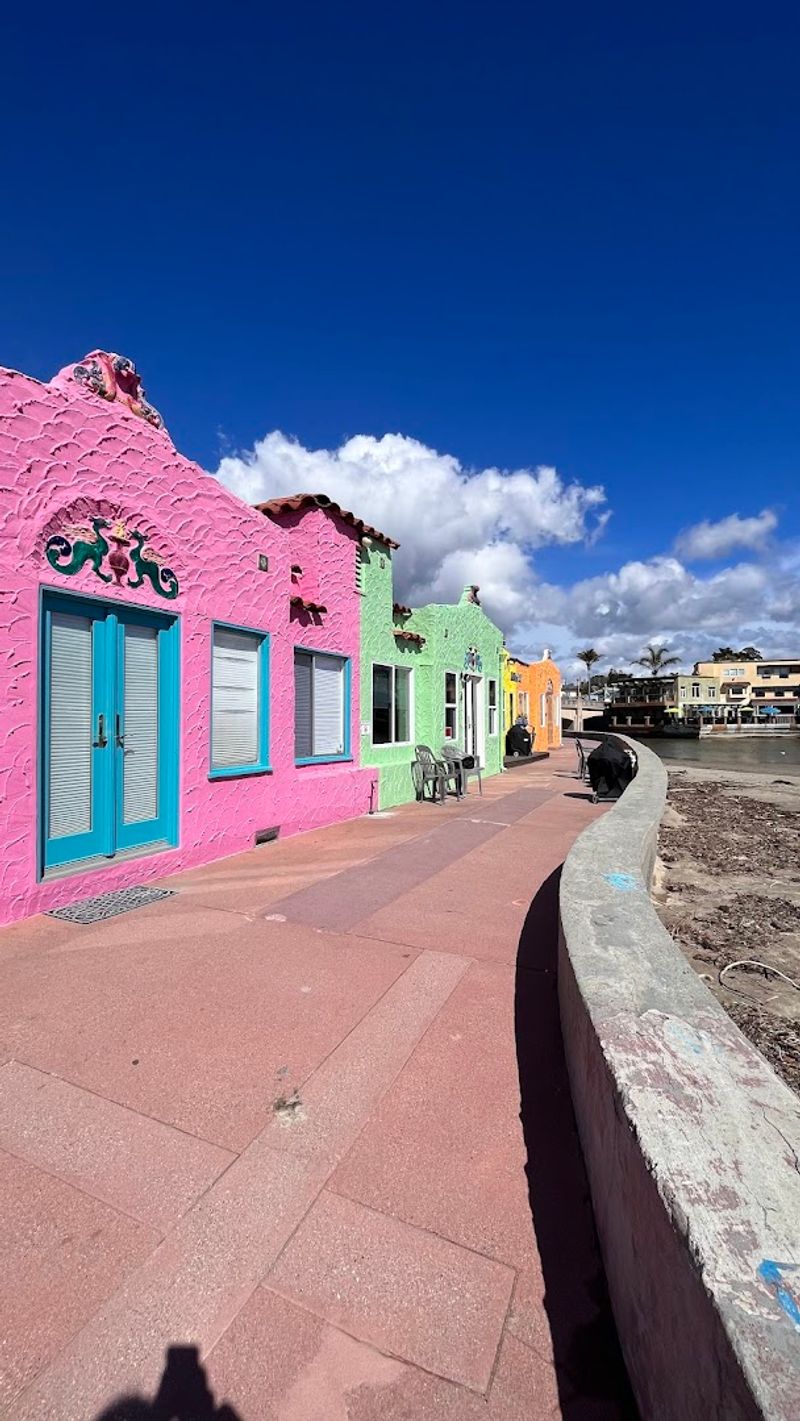
There is a meaningful difference between a resort waterfront and a village waterfront, and Capitola’s bayfront promenade falls firmly in the second category.
Rather than grand hotel facades and manicured tourist plazas, the promenade here is lined with colorful independent shops and casual restaurants that face the water with an easy, unpretentious energy.
Soquel Creek runs through the village and meets the bay near the promenade, adding a quiet visual element that breaks up the shoreline in a way that feels natural and unhurried.
Strolling this stretch is the kind of activity that needs no planning or agenda. People browse, eat, sit on low walls watching the water, and drift in and out of shops without any pressure to follow a particular route.
The scale is intimate enough that the whole promenade can be walked comfortably in either direction without it ever feeling like a chore.
Outdoor seating at several restaurants along the promenade allows for meals with direct bay views, which adds a genuinely Mediterranean quality to the dining experience.
The combination of water on one side, colorful buildings on the other, and a relaxed social atmosphere in between captures exactly the kind of easy coastal mood that draws visitors back.
Soquel Creek Adds A Pretty Break Between Beach And Village
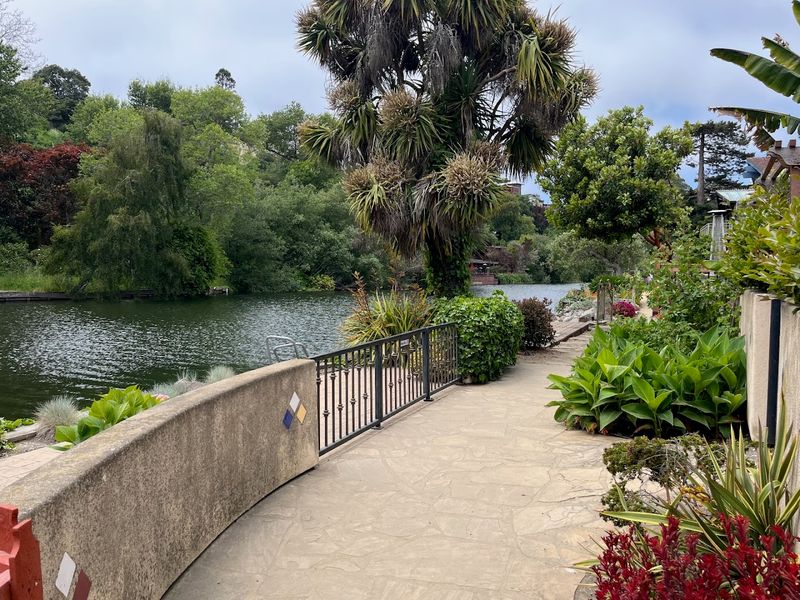
Not every beach town has a creek running through its heart, and Soquel Creek is one of the details that makes Capitola Village feel more layered than a standard coastal strip.
The creek flows through the village and empties into the bay near the beach, creating a natural dividing line between different parts of the village while also adding a calm water element that complements the nearby ocean.
The area around the creek mouth tends to attract birds, making it a quiet spot for casual wildlife watching without any formal setup.
Historically the creek played a practical role in the area’s development, with the mouth of Soquel Creek serving as a shipping point called Soquel Landing after California statehood in the mid-1800s.
That history gives the waterway a sense of purpose beyond its current scenic appeal.
Knowing that goods once moved through this spot adds a layer of context to what might otherwise look like a simple decorative feature.
Today the creek banks offer a pleasant walking route that connects the inland edge of the village to the beach.
The combination of fresh water and colorful surroundings along this corridor creates a sensory experience that feels distinct from the beachfront itself.
The Village Has A Relaxed Food-And-Shopping Setup
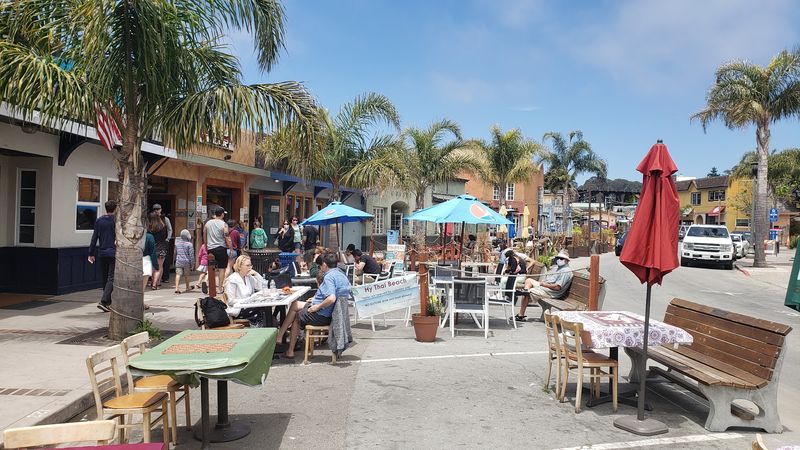
Eating and shopping in Capitola Village happens at a pace that feels genuinely leisurely rather than transactional.
The mix of roughly 90 shops and restaurants clustered near the beach covers a range of styles from casual beachside cafes to slightly more sit-down dining options, all without the scale or density of a major tourist district.
Independent boutiques selling clothing, art, gifts, and surf gear line the village streets, giving the shopping experience a local character that chain-heavy destinations tend to lack.
Outdoor seating is common at restaurants along the waterfront, and al fresco dining with bay views is one of the simple pleasures that Capitola does particularly well.
The food scene reflects the village’s laid-back personality, leaning toward fresh and approachable rather than formal or pretentious.
Dietary options across the village vary, and it is worth checking menus in advance if specific needs apply.
Because everything sits close together, the rhythm of a day in Capitola naturally alternates between browsing, eating, and returning to the beach or promenade without requiring any particular plan.
That casual back-and-forth between activity and rest is part of what gives the village its Mediterranean-adjacent feel, where the goal is simply to enjoy the surroundings rather than check items off a list.
The Monterey Bay Setting Makes The Views Feel Bigger Than The Village
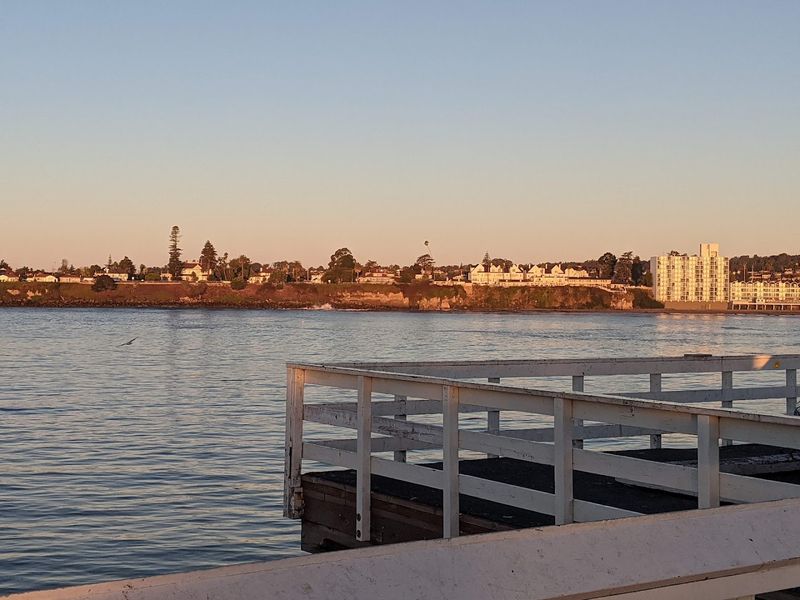
Capitola Village is compact by design, but the backdrop of Monterey Bay gives every view a sense of scale that goes far beyond the village’s modest footprint.
Standing on the wharf or walking along the beach, the bay opens up in a wide arc that takes in miles of coastline, distant headlands, and open water that stretches toward the horizon.
That contrast between the intimate village scale and the expansive bay setting is one of the most striking things about the place.
Marine life in Monterey Bay adds an unpredictable and rewarding element to any visit.
Sea otters, dolphins, and various seabirds are regularly spotted from the wharf and the beach, turning an ordinary afternoon walk into something that feels genuinely connected to the natural world.
The bay is part of the Monterey Bay National Marine Sanctuary, which helps protect the richness of wildlife in the area.
Sunsets over the bay from Capitola tend to be particularly vivid, with the light shifting across the water and catching the colors of the Venetian buildings in ways that feel almost theatrical.
Even on overcast days the bay has a moody, dramatic quality that photographers and casual observers alike tend to find compelling. The setting consistently delivers more than the village’s size would suggest.
The Mediterranean Climate Makes Timing Your Visit Easier
One practical advantage that Capitola Village holds over many other California coastal destinations is its genuinely Mediterranean climate, which makes planning a visit more forgiving than in places with less predictable weather.
Temperatures typically range from the mid-50s to the mid-70s Fahrenheit across the year, with dry and sunny summers and mild wet winters.
The area reportedly enjoys around 300 sunny days per year, which means the odds of arriving to pleasant conditions are fairly high regardless of the month chosen.
Summer brings the warmest and driest conditions, which also brings the highest visitor numbers.
Weekdays in summer tend to be noticeably quieter than weekends, and arriving early in the morning helps secure beach space and easier parking before the midday crowds settle in.
Spring and early fall offer a sweet spot of comfortable temperatures and thinner crowds that many regular visitors consider the best time to experience the village.
Winter visits have their own appeal, with a quieter village, lower lodging rates in some cases, and the kind of moody coastal light that makes the colorful buildings look particularly striking against grey skies.
The mild temperature floor means that even in the coldest months the village remains walkable and enjoyable without requiring heavy gear or significant weather preparation.