These 11 California Places Look Completely Made Up Until You See Them In Person
Some places seem invented by somebody who ignored the word “believable.”
Photos do not help much. They usually make everything look exaggerated or completely out of proportion.
Then you show up and discover the pictures were somehow underselling it.
California has a talent for producing landscapes and attractions that feel more like concepts than actual destinations.
Common sense keeps insisting there must be a catch. There usually is not.
Colors look brighter than expected. Shapes look stranger. Distances feel wrong in the best possible way.
Standing there in person creates a weird little moment where your brain has to update its expectations.
That is what makes places like these so memorable.
Not because they are famous or difficult to reach.
Because they look like something that should only exist in an artist’s sketchbook until suddenly they are right in front of you.
1. Trona Pinnacles, Trona
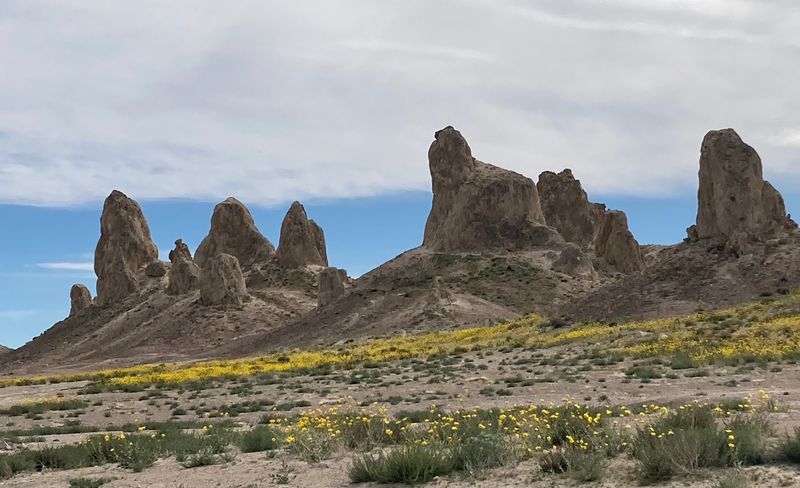
Standing in the middle of a flat, sun-baked lakebed surrounded by hundreds of jagged limestone spires is the kind of experience that feels borrowed from a science fiction film.
The Trona Pinnacles in California’s Mojave Desert are tufa formations that grew underwater in ancient Searles Lake over thousands of years, and today they rise as high as 140 feet from the cracked, pale earth.
There are more than 500 of them scattered across the basin, each one with its own irregular shape and texture.
Visiting early in the morning or near sunset tends to offer the most dramatic lighting, when the spires cast long shadows across the dry lakebed and the sky shifts through shades of orange and pink.
The road leading in is unpaved and can be rough, so a vehicle with decent clearance helps. No entry fee is required to visit, making it an accessible stop for curious travelers.
Star-gazing here after dark is genuinely remarkable because the area sits far from city light pollution.
The pinnacles have also appeared in several films and TV productions, which makes the landscape feel oddly familiar even on a first visit.
2. Mono Lake Tufa State Natural Reserve, Lee Vining
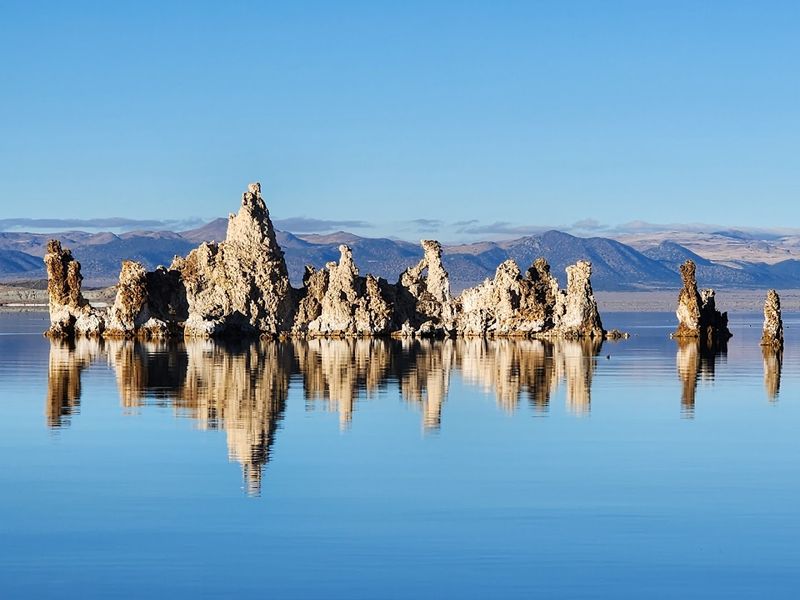
Few sights in California stop people in their tracks quite like Mono Lake at dawn, when the sky turns soft shades of gold and the ancient tufa towers reflect off the glassy water below.
Located near Lee Vining in the Eastern Sierra, Mono Lake is one of the oldest lakes in North America and supports a unique ecosystem built around tiny brine shrimp and alkali flies.
The tufa towers are limestone formations that developed underwater when calcium-rich springs met the lake’s carbonate-rich water.
Water diversions in the mid-20th century caused the lake level to drop significantly, exposing the towers that had formed beneath the surface for centuries.
Conservation efforts since the 1990s have helped stabilize water levels, though the landscape still carries the marks of those changes.
Visitors can walk along boardwalk trails that get close to the formations without disturbing the fragile shoreline.
The reserve is open year-round, though spring and fall tend to bring the most comfortable temperatures for exploring on foot.
Migrating birds stop here in large numbers during those seasons as well, making it a rewarding destination for wildlife observation alongside the geological spectacle.
3. Glass Beach, Fort Bragg
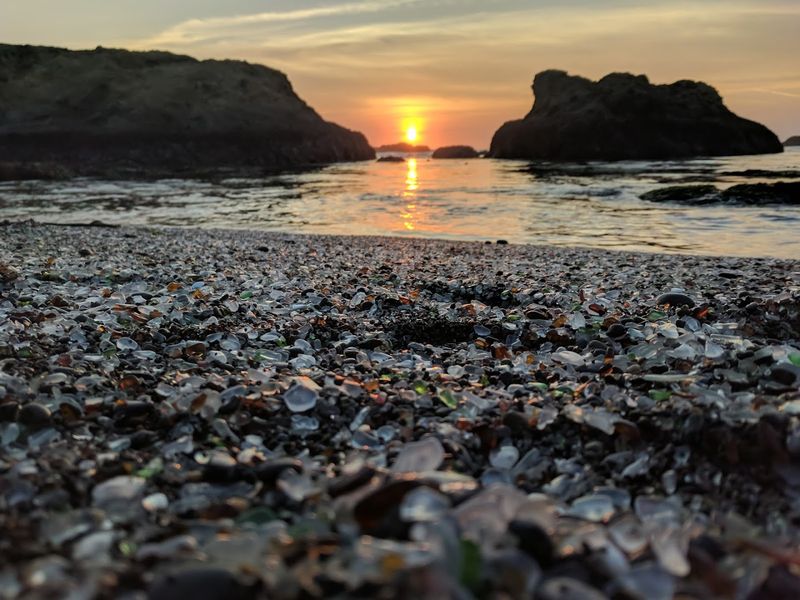
A beach covered in smooth, jewel-toned pieces of glass sounds like something out of a fairy tale, but Glass Beach in Fort Bragg is entirely real and genuinely stunning to walk along.
Located within MacKerricher State Park, the beach gets its name from the sea-polished glass that covers stretches of its rocky shoreline.
The glass originated from a former municipal dump that operated along the bluff from 1906 until 1967, where residents discarded bottles, appliances, and other waste directly into the ocean.
Decades of wave action tumbled the broken glass and pottery into the smooth, frosted pieces now scattered across the beach.
Green, brown, and clear glass are the most common colors, while blue and red pieces are rarer and tend to draw the most attention from visitors.
The glass has decreased in quantity over the years as collecting was common before regulations were put in place.
Collecting glass from the beach is now prohibited under state park rules, so the pieces that remain are meant to be admired in place.
The surrounding area also offers coastal trails with views of the Pacific, and the town of Fort Bragg has restaurants and shops within easy walking distance of the shoreline.
4. Alabama Hills, Lone Pine
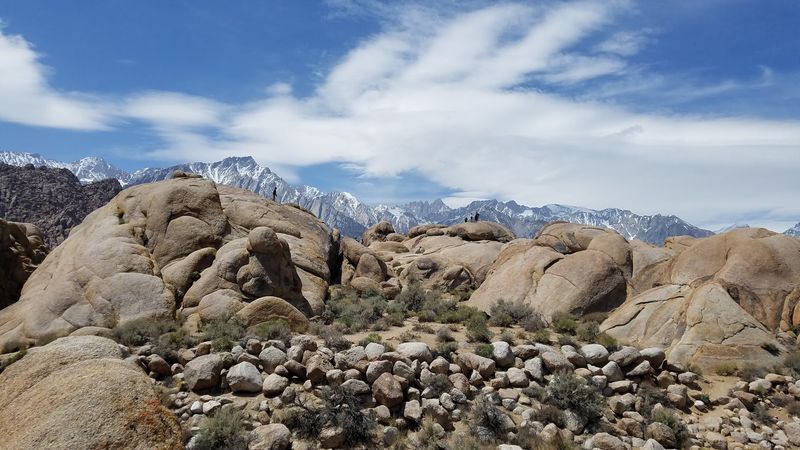
Rounded orange boulders the size of houses scattered across a wide valley floor with snow-capped Sierra Nevada peaks rising sharply behind them create a backdrop so cinematic that it has been used in hundreds of films.
The Alabama Hills near Lone Pine sit at the base of the Eastern Sierra and cover roughly 30,000 acres of public land managed by the Bureau of Land Management.
The rock formations are made of ancient granite that has been shaped by millions of years of erosion into smooth, rounded shapes.
What makes the landscape especially strange is the contrast between the gentle, weathered boulders in the foreground and the jagged, dramatic peaks of the Sierra Nevada just a few miles away.
Mount Whitney, the highest peak in the contiguous United States, is visible from parts of the hills on clear days.
The area is open year-round and free to enter, with numerous dirt roads and trails winding between the formations.
Arch Rock and Mobius Arch are two of the most photographed formations in the area, with Mobius Arch famously framing the Sierra peaks in the distance.
5. Artist’s Palette, Death Valley National Park
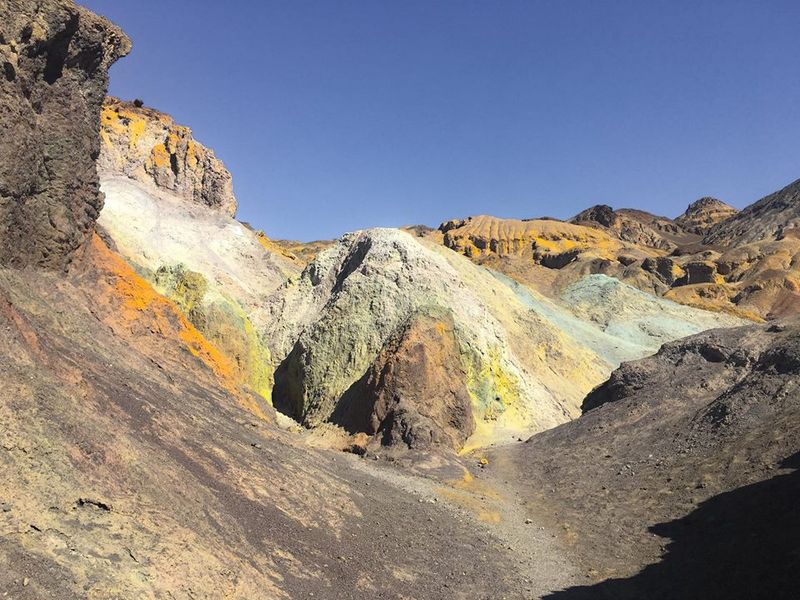
A hillside painted in shades of pink, purple, green, yellow, and deep red sounds like something an artist invented for a backdrop.
However, the colors at Artist’s Palette in Death Valley are entirely natural and the result of millions of years of volcanic and chemical activity.
Along Artist Drive, a one-way scenic loop road in the park, the area gets its vivid coloration from the oxidation of different metals in the volcanic deposits.
Iron compounds produce the reds and pinks, chlorite creates green tones, and manganese contributes the purple hues.
The colors shift noticeably depending on the time of day and the angle of sunlight, with late afternoon tending to bring out the warmest and most saturated tones.
The drive itself winds through a narrow canyon before opening onto the painted hillside, making the reveal feel especially dramatic.
Stopping at the small parking area allows visitors to walk closer to the slope and examine the texture and layering of the colored rock.
Death Valley can reach extreme temperatures during summer, sometimes exceeding 120 degrees Fahrenheit, so visiting between October and April is strongly recommended.
6. Badwater Basin, Death Valley National Park
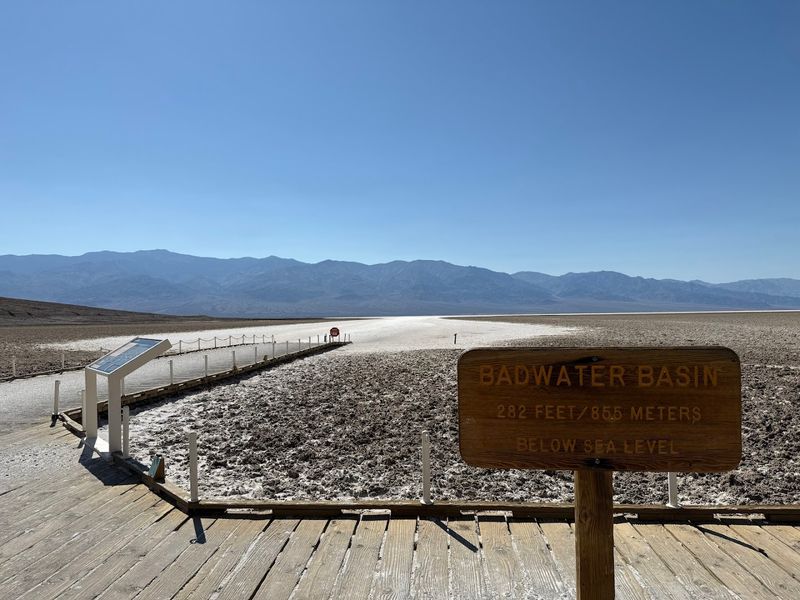
Standing on the lowest point in North America while looking out at a seemingly endless expanse of white salt crust is a genuinely disorienting experience that no photograph fully prepares visitors for.
Badwater Basin sits 282 feet below sea level in Death Valley National Park and stretches across roughly 200 square miles of flat, crystallized salt.
The basin was once part of a large lake that dried up over thousands of years, leaving behind thick deposits of sodium chloride, calcite, and other minerals.
The salt surface forms intricate geometric patterns of raised ridges and polygonal shapes that crunch softly underfoot when walking across them.
A wooden boardwalk leads from the parking area out onto the flats, and visitors can continue walking much farther beyond the boardwalk into the open basin.
The stillness and scale of the place tend to create a sense of quiet that feels unlike most other landscapes.
On the cliff face beside the parking area, a small sign marks the elevation of sea level high above, which helps put the depth of the basin into perspective.
Summer temperatures here can be among the hottest recorded anywhere on Earth, so visiting between November and March is the safest and most comfortable option for most travelers.
7. Devils Postpile National Monument, Mammoth Lakes
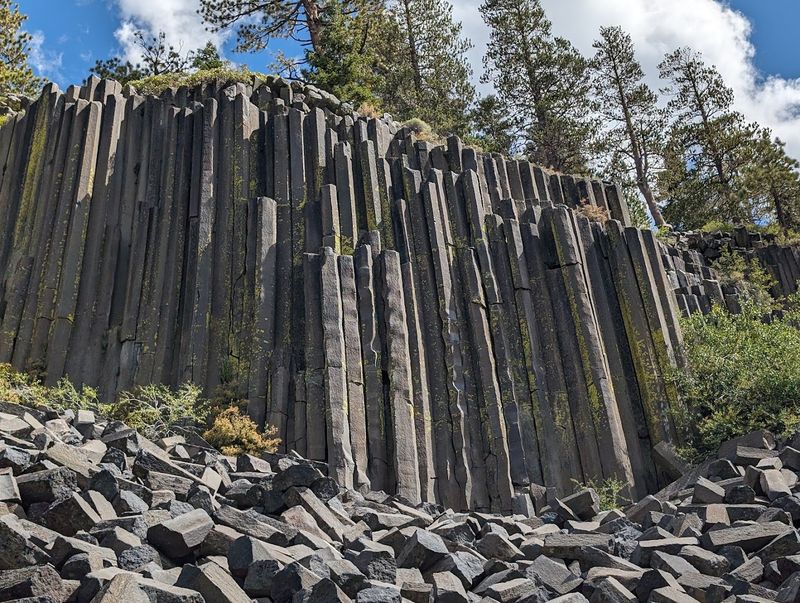
A wall of perfectly symmetrical hexagonal basalt columns rising more than 60 feet from the earth looks more like a giant pipe organ built by an architect than something shaped entirely by volcanic forces.
Devils Postpile National Monument near Mammoth Lakes is one of the finest examples of columnar basalt in the world, formed roughly 100,000 years ago when a thick lava flow cooled slowly and cracked into these shapes.
The columns range from three to seven sides, though six-sided forms are by far the most common.
A short trail leads from the shuttle drop-off point to the base of the columns, where visitors can stand close enough to trace the edges of each individual pillar with their hands.
A second trail continues to the top of the formation, where glacial polishing has left the surface of the columns smooth and tiled like a mosaic floor.
The monument is accessible primarily by a mandatory shuttle system that runs from Mammoth Mountain during summer and early fall.
Rainbow Falls, a 101-foot waterfall located about a mile from the postpile, can be combined into the same visit.
The monument is typically open from mid-June through early November, depending on snowpack and road conditions each year.
8. Lassen Volcanic National Park Painted Dunes, Mineral
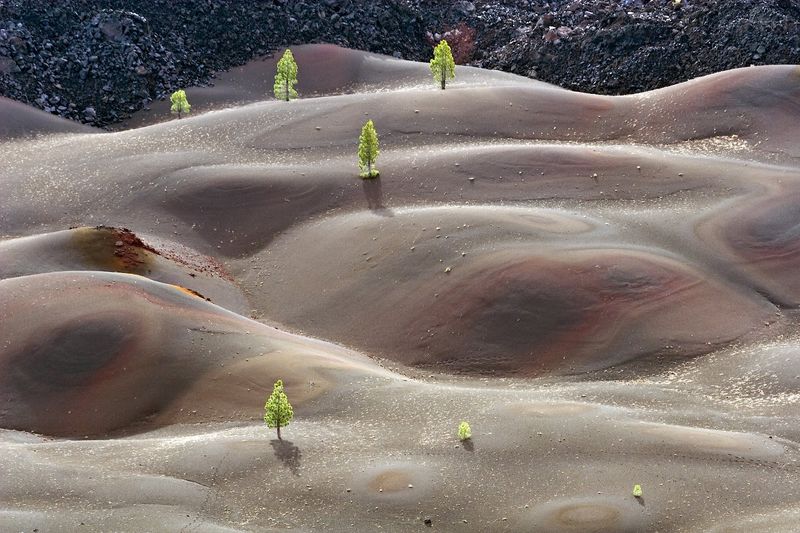
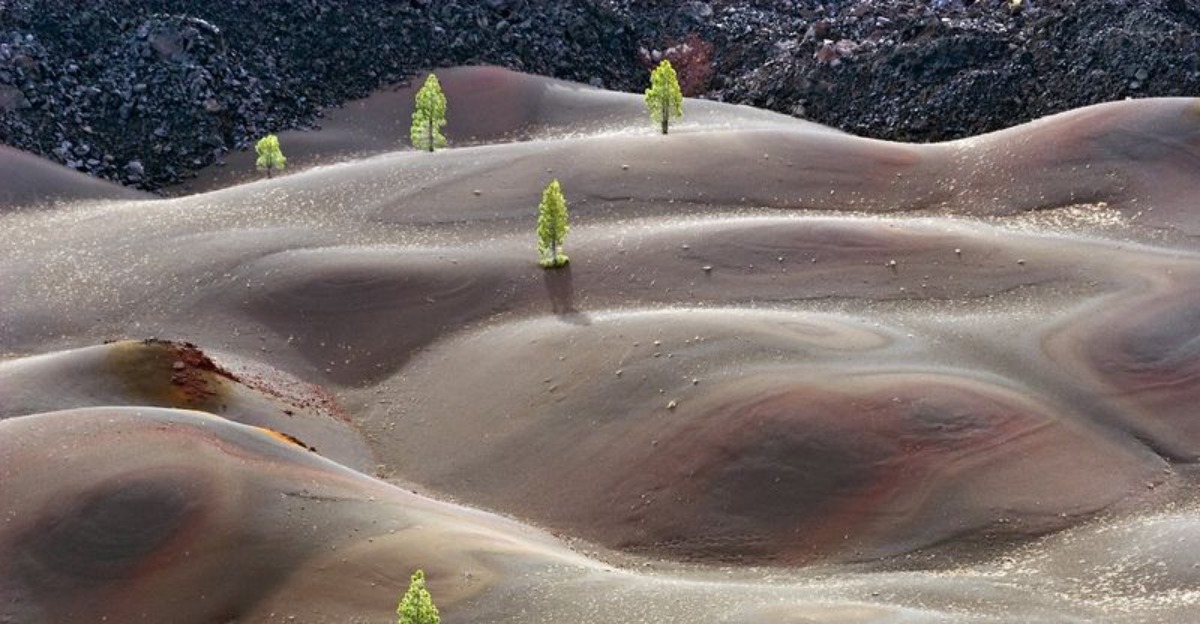
Rolling hills of deep red and orange volcanic cinder stretching across an open plateau with the dark cone of a dormant volcano rising behind them create a landscape that seems to belong on another planet entirely.
The Painted Dunes in Lassen Volcanic National Park get their vivid coloration from oxidized volcanic ash that was deposited during eruptions from Cinder Cone in the 1600s and again in the 1850s.
The hot cinders landed on top of a pre-existing lava flow and baked into a range of rust, ochre, and burnt sienna tones.
Reaching the dunes requires a moderately strenuous hike of about four miles round trip that includes a steep climb up the loose cinder slopes of Cinder Cone itself.
The views from the rim of the cone look down directly onto the Painted Dunes below as well as out across Butte Lake and the surrounding forest.
The contrast between the green tree line and the vivid red and orange dunes makes the scene especially striking from above.
Snow typically closes the Butte Lake area from late fall through late spring, so summer and early fall are the most reliable windows for making this hike.
9. Lava Beds National Monument, Tulelake
Beneath a rugged volcanic plateau in far northern California lies one of the largest concentrations of lava tube caves in the country, and exploring them feels like stepping into a hidden underground world.
Lava Beds National Monument near Tulelake was formed by eruptions from the Medicine Lake Volcano over the past half million years.
The lava tubes developed when the outer crust of flowing lava hardened while molten rock continued moving through the interior and eventually drained away.
More than 800 caves have been identified within the monument, and several are open to the public with varying levels of difficulty.
Mushpot Cave near the visitor center is fully lit and paved, making it accessible for almost any visitor.
Other caves like Catacombs and Golden Dome require headlamps and more physical effort, offering a more adventurous underground experience.
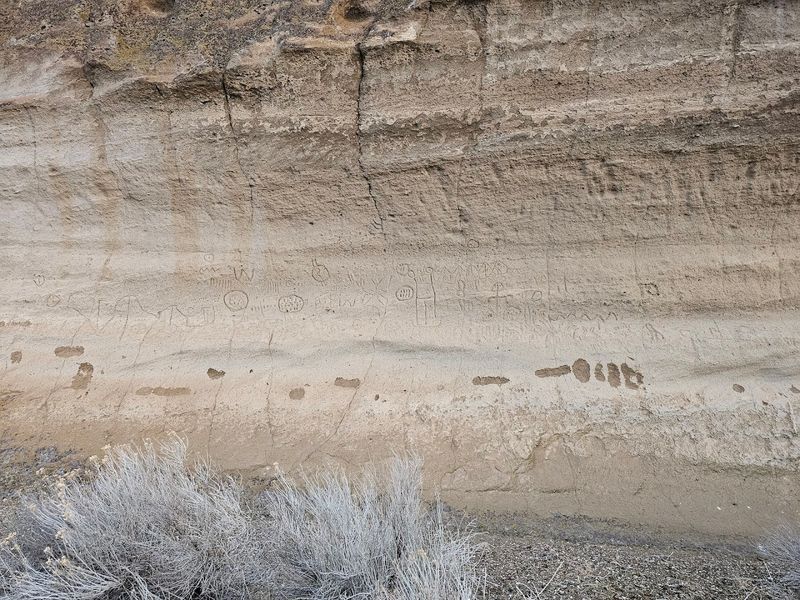
The monument also preserves a significant amount of Native American rock art and the site of the Modoc War of 1872 to 1873.
Admission fees apply, and free headlamp rentals are available at the visitor center for those exploring the darker caves.
Temperatures inside the tubes stay cool year-round, hovering around 55 degrees Fahrenheit regardless of outside conditions.
10. Antelope Valley California Poppy Reserve, Lancaster
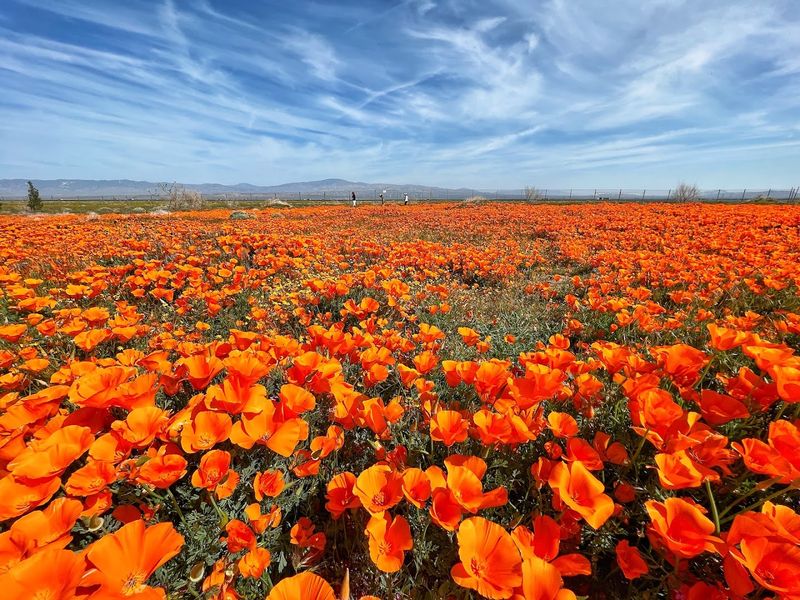
Hillsides that turn completely orange from horizon to horizon during a strong bloom year create one of the most visually dramatic natural spectacles in the entire state.
The Antelope Valley California Poppy Reserve near Lancaster is the most reliable place to witness it.
The reserve covers about 1,800 acres of rolling terrain in the western Mojave Desert and protects one of the largest remaining natural habitats for the California poppy, which is the state flower.
Peak bloom typically falls between late February and mid-April, depending on rainfall and temperatures during the preceding winter.
Trails wind through the reserve and across the surrounding hills, offering close-up views of the flowers as well as sweeping panoramic perspectives from higher ground.
The Jane S. Pinheiro Interpretive Center at the reserve entrance provides information about the ecology of the area and the factors that influence each year’s bloom.
Bloom conditions vary significantly from year to year, and light rainfall winters may produce sparse displays while wet winters can trigger extraordinary coverage.
Parking at the reserve fills quickly during peak bloom weekends, so arriving early in the morning on a weekday is the best way to avoid long lines.
An entrance fee applies, and the California Department of Parks and Recreation updates bloom conditions regularly on its website.
11. Crowley Lake Columns, Mono County
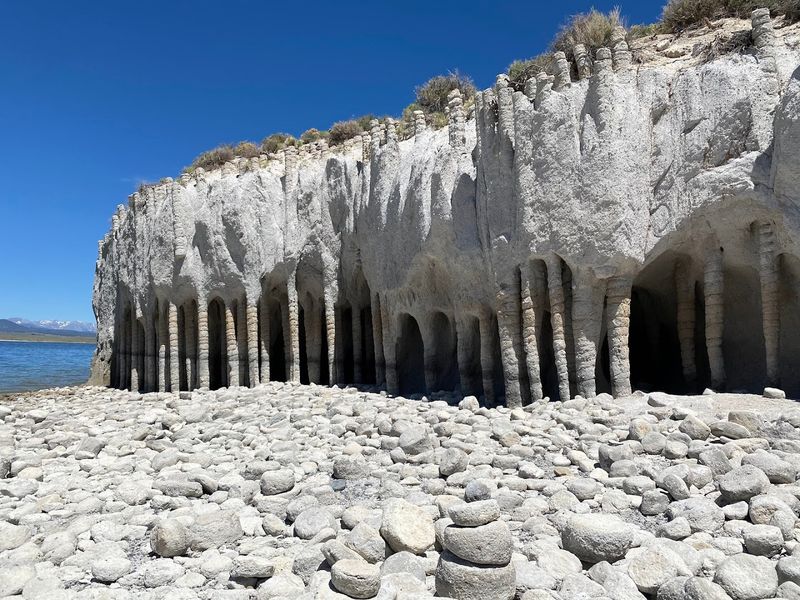
Rows of tall, narrow stone columns rising from the shoreline of a high-desert reservoir look so precisely arranged that it is genuinely hard to believe they formed without any human involvement.
The Crowley Lake Columns in Mono County were hidden underwater for decades before low water levels in the reservoir began exposing them, and their existence was not widely known until relatively recently.
Scientists believe the formations developed around 760,000 years ago when volcanic ash from the Long Valley eruption interacted with lake sediments and groundwater to create these tightly clustered pillars.
The columns vary in height and texture, with some displaying layered banding and others showing rough, porous surfaces that reflect the chaotic energy of their volcanic origins.
Reaching the columns requires a hike of roughly one to two miles across open terrain from the nearest parking area, and the path is not formally maintained.
Sturdy footwear and plenty of water are essential since the terrain can be uneven and exposed.
The site sits on land managed by the Los Angeles Department of Water and Power, and access conditions can change depending on water levels and land management decisions.
Visiting during late summer or fall tends to offer the best chance of seeing the columns fully exposed above the waterline.