These 16 California Road Trips Are Even More Beautiful During The Rainy Season
Rain has a way of changing everything, and in California, it completely rewrites the scenery. The first storms of the season awaken landscapes that spend most of the year in quiet stillness.
Dry hills soften into rolling green slopes, rivers swell with fresh energy, and waterfalls surge where bare rock once stood. It feels like watching the state exhale.
Road trips during California’s rainy season carry a different rhythm. The pace slows. The views deepen. And every mile feels more intentional.
Coastal highways disappear into layers of fog and mist, mountain roads wind through moody forests, and desert routes briefly bloom with unexpected color.
Without summer crowds, iconic stops feel more personal, scenic pullouts stay open, and small towns welcome travelers with a warmth that feels genuine.
This is not the California of postcards and peak season. It’s raw. It’s powerful. And it’s endlessly cinematic.
These rainy-season road trips reveal a version of the Golden State that rewards those willing to drive through the drizzle.
1. Big Sur Coast Highway
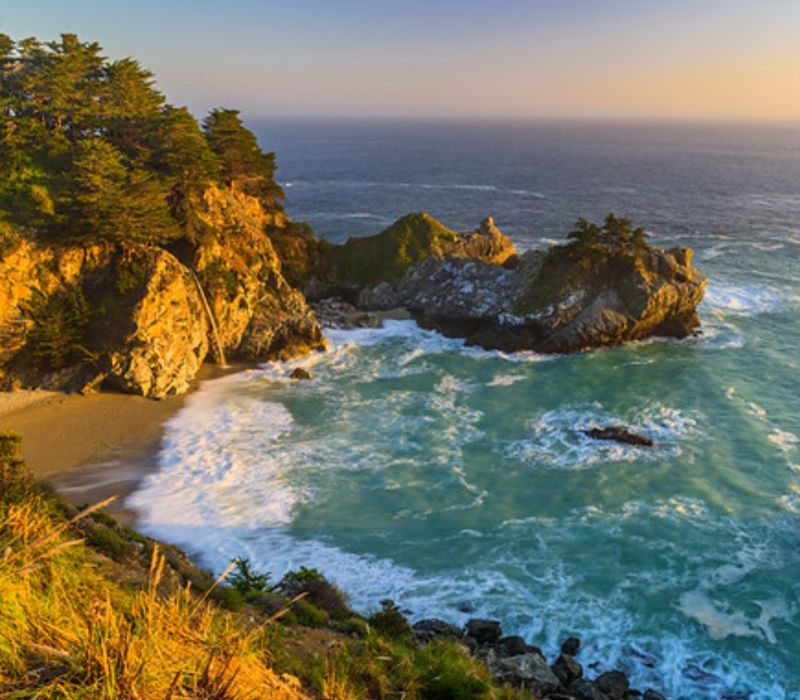
Dramatic cliffs meet crashing waves along one of America’s most legendary coastal drives. Highway 1 through Big Sur winds for 90 miles between Carmel and San Simeon, hugging the edge of the continent where the Santa Lucia Mountains plunge into the Pacific Ocean.
Rain transforms this route into a moody masterpiece, with mist swirling around rocky outcrops and waves exploding against the shore with extra force.
Winter storms bring out the raw power of the coastline, and waterfalls appear seemingly from nowhere, cascading down cliffsides directly onto the highway or into the sea below.
The recently reopened section after extensive repairs means travelers can once again experience the full majesty of this iconic journey.
Pullouts like McWay Falls and Bixby Bridge become even more photogenic when wrapped in fog and drizzle. Pack layers and waterproof gear, and be prepared for slower travel as the road can be slick.
Check Caltrans for current conditions before heading out, as storms can occasionally close sections temporarily.
2. Marin Headlands Loop
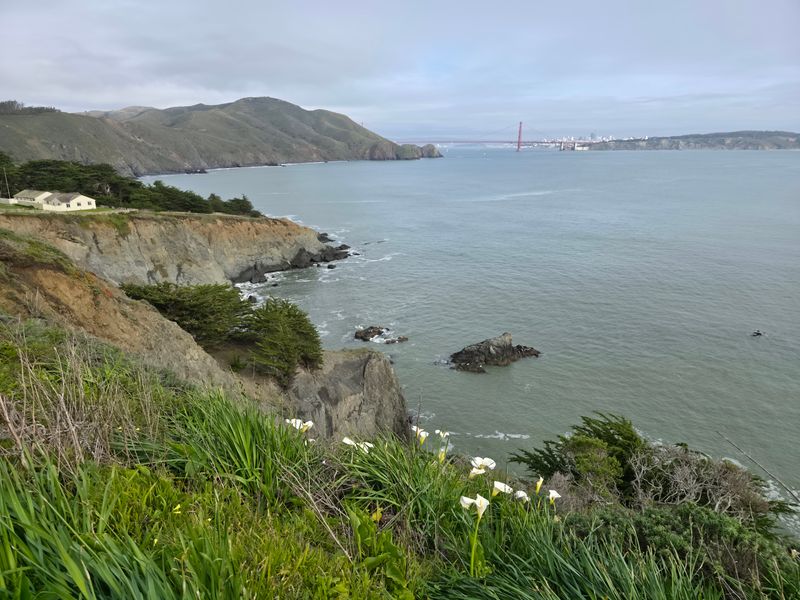
Just north of the Golden Gate Bridge, the Marin Headlands offer some of the Bay Area’s most stunning vistas, especially when rain and fog roll in.
Conzelman Road and Hawk Hill provide sweeping views of San Francisco, the bridge, and the Pacific, all enhanced by the ethereal quality of winter weather.
Located at Fort Barry Chapel, Building 1065, Sausalito, CA 94965, the Marin Headlands Visitor Center serves as a great starting point for exploring this dramatic landscape.
Rainy days create a mystical atmosphere as low clouds weave between the hills and the bridge towers emerge from the mist like giants.
The headlands’ serpentine grasslands turn brilliant green after the first rains, contrasting beautifully with the rust-red bridge.
Battery Spencer and Point Bonita Lighthouse become even more atmospheric when shrouded in fog. Bring a camera with weather protection, as the combination of rain, fog, and iconic landmarks creates unforgettable photo opportunities.
The roads can be narrow and winding, so drive carefully and watch for cyclists even in wet weather.
3. Yosemite Valley Floor Drive
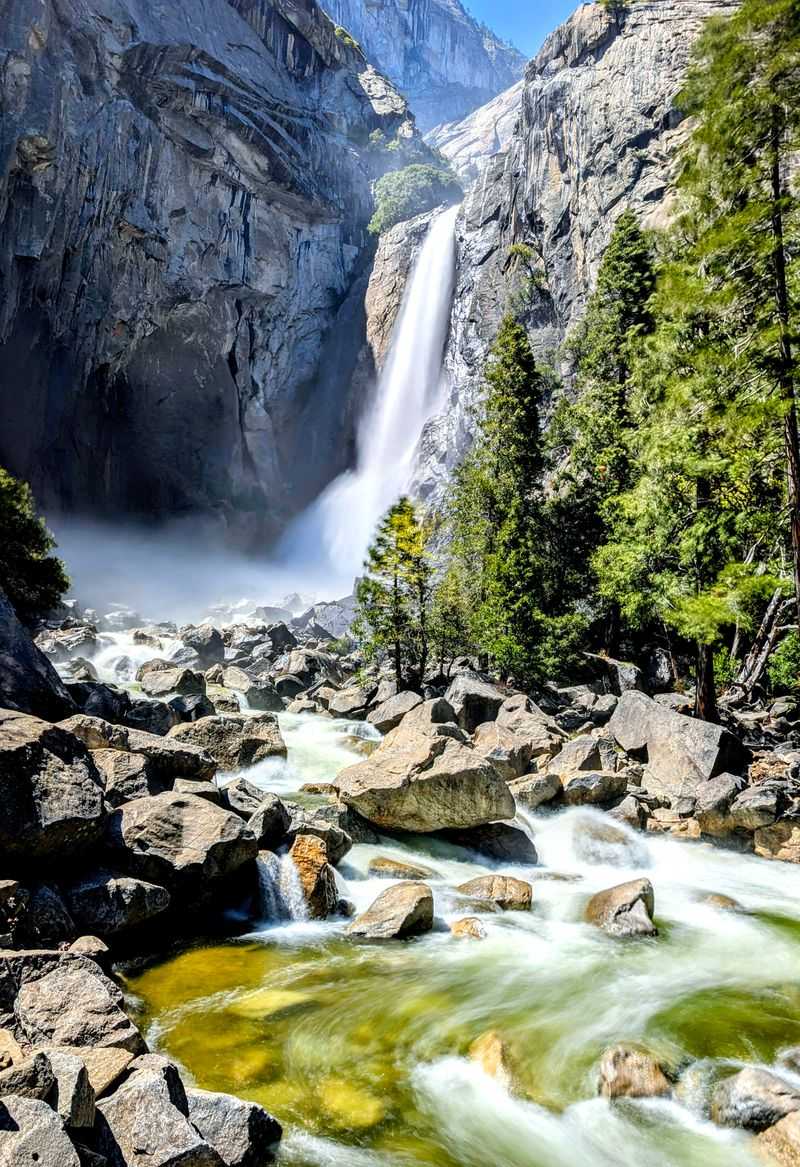
Yosemite’s waterfalls reach peak drama during and after winter rains, making the valley floor drive an absolutely spectacular experience.
Yosemite Valley, CA 95389, becomes a thundering showcase of water power as Yosemite Falls, Bridalveil Fall, and dozens of seasonal cascades roar to life.
Rain and snowmelt swell the Merced River, and the granite cliffs glisten with moisture.
Clouds often hang low in the valley during rainy periods, creating a cathedral-like atmosphere as mist swirls around Half Dome and El Capitan.
The valley loop road offers easy access to numerous viewpoints, and the wet season means far fewer crowds than summer.
Photographers love the moody lighting and dramatic skies that storms bring. Tunnel View becomes especially magnificent when rain clears just enough to reveal the valley draped in clouds.
Be aware that Tioga Road and Glacier Point Road typically close in winter, but the valley itself remains accessible and absolutely worth visiting. Chains may be required, so check park alerts before your trip.
4. Napa Valley Wine Country
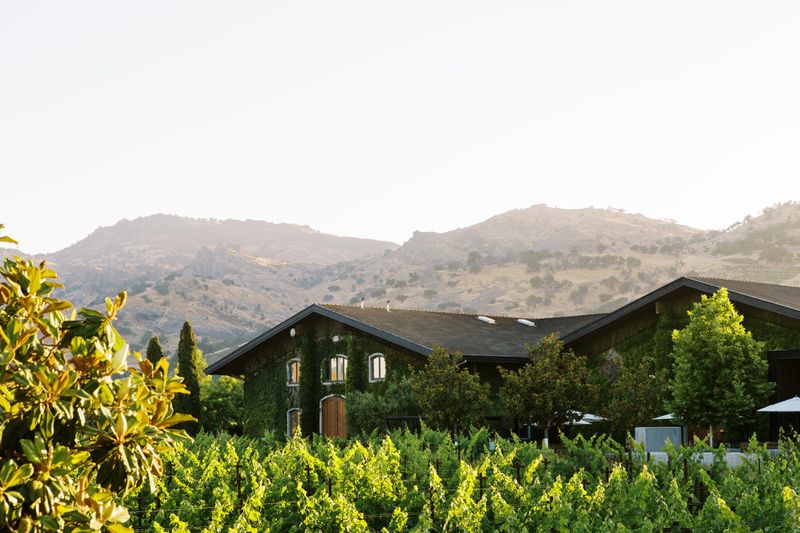
Rolling vineyards take on a completely different character when winter rains arrive, transforming Napa Valley into a lush, romantic landscape.
The vines rest during winter, but the hills explode with green grass, and mustard flowers often bloom between the rows, creating golden carpets against emerald backdrops.
Silverado Trail and Highway 29 wind through the heart of wine country, passing countless wineries and picturesque estates.
Rainy season means cozy tasting rooms with fireplaces, fewer tourists, and a more intimate wine-tasting experience. The misty mornings and dramatic cloud formations add atmosphere to every view.
Many wineries welcome visitors year-round, and the cooler weather makes indoor tastings especially appealing.
The town of Yountville, located along Washington Street, offers excellent dining options to complement your wine explorations.
Pack an umbrella and enjoy the quieter pace of winter wine country. The rain-soaked landscape provides a stunning backdrop for a leisurely drive, with plenty of opportunities to stop and savor both the views and the vintages.
5. Avenue Of The Giants
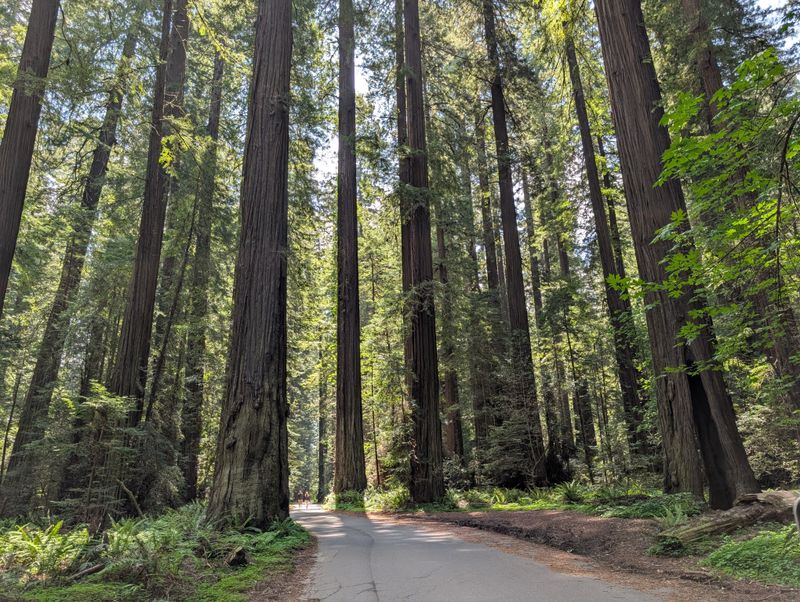
Ancient redwood forests feel even more primeval when rain drips from their towering canopies.
The Avenue of the Giants, a 31-mile scenic alternative to Highway 101 through Humboldt Redwoods State Park, takes travelers through some of the world’s most magnificent old-growth forests. the visitor center provides maps and information about this incredible route.
Rain intensifies the earthy, rich scent of the forest and makes the massive tree trunks glisten. Ferns and moss glow brilliant green, and the forest floor comes alive with moisture.
The redwoods themselves seem to reach even higher into the gray sky, and the quiet patter of rain on leaves creates a peaceful soundtrack.
Founders Grove and Rockefeller Forest offer easy walks among giants that have stood for over a thousand years.
Drive slowly and pull over frequently to simply stand among these magnificent trees. The rain enhances the sense of being in a lost world, untouched by time.
6. Sequoia National Park Giant Forest
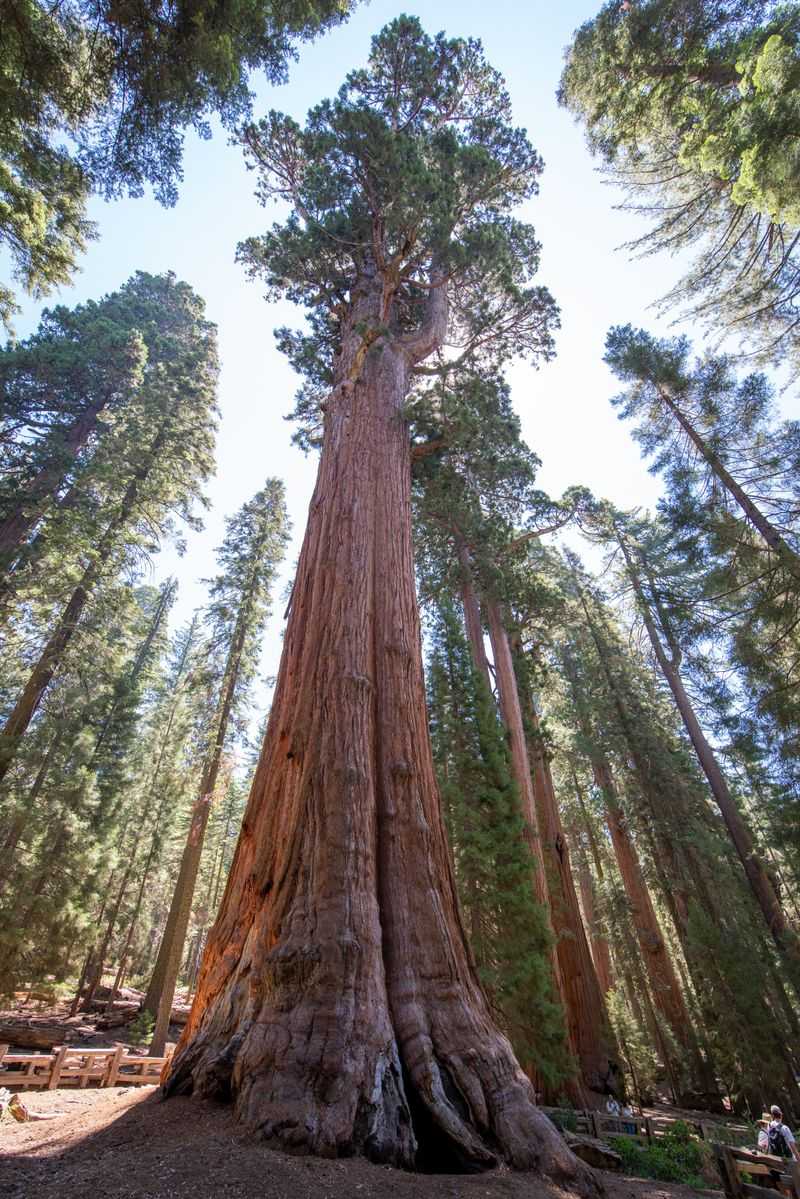
The world’s largest trees become even more awe-inspiring when surrounded by winter weather. Generals Highway winds through Sequoia National Park, passing groves of giant sequoias that dwarf everything around them.
The park entrance provides access to these incredible forests.
Rain and snow dust the massive cinnamon-colored trunks, and the forest takes on a hushed, reverent quality.
The Giant Forest Museum area offers access to the General Sherman Tree, the largest tree on earth by volume, which looks even more impressive against stormy skies.
Moro Rock, when accessible, provides dramatic views of the snow-dusted Sierra Nevada. The quieter winter season means you might have entire groves nearly to yourself.
Winter conditions require preparation – chains are often mandatory, and some roads close seasonally.
Check park conditions before traveling, but if roads are open, the experience of these giants in winter weather is absolutely magical and worth the extra planning.
7. Pacific Coast Highway Through Mendocino
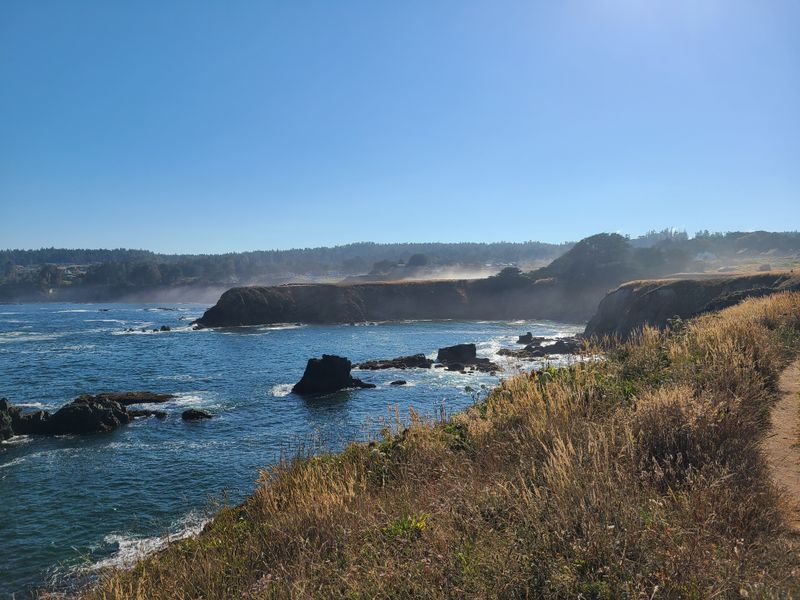
Rugged coastal beauty reaches peak drama along the Mendocino Coast when winter storms roll in. Highway 1 north of San Francisco passes through charming coastal villages and dramatic headlands where waves crash spectacularly against rocky shores.
The town of Mendocino perches on bluffs overlooking the Pacific, offering Victorian architecture and stunning ocean views.
Storm-watching becomes a favorite activity as massive waves pound the coastline and sea spray fills the air. The headlands around Mendocino offer safe viewing spots where you can witness the ocean’s raw power.
Rain brings out deeper colors in the coastal bluffs and makes the historic buildings of Mendocino even more picturesque.
Fort Bragg’s Glass Beach and the Skunk Train depot add interesting stops along the route. Coastal fog and rain create moody, atmospheric conditions perfect for photography.
Cozy inns and restaurants provide warm refuges between storm-watching sessions, making this a perfect winter escape for those who love dramatic weather and wild coastlines.
8. Sonoma Coast State Park Route
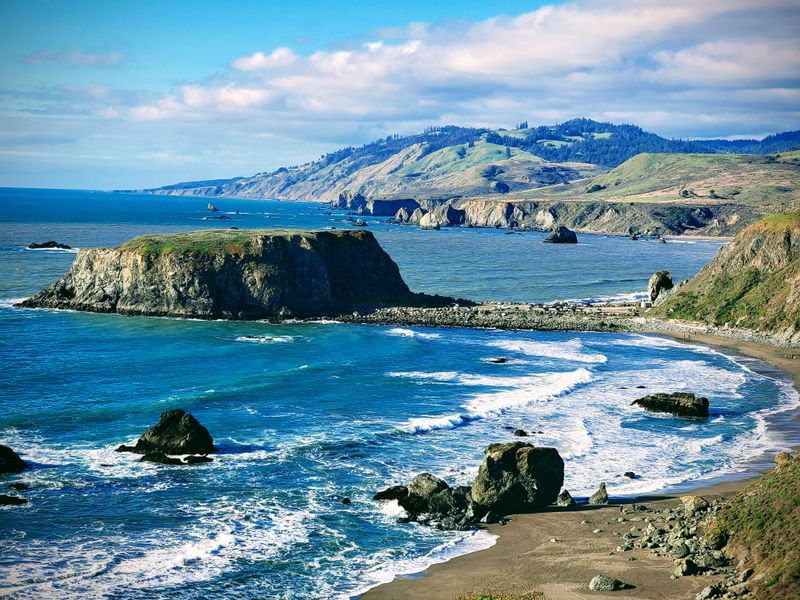
Wild beaches and windswept bluffs define the Sonoma Coast, which becomes absolutely spectacular during rainy season.
Highway 1 through Sonoma Coast State Park passes numerous beaches and vista points where winter storms create unforgettable scenes.
Bodega Bay serves as a charming base for exploring this dramatic coastline.
Goat Rock Beach, where the Russian River meets the Pacific, offers incredible storm-watching opportunities as waves collide with river current.
Harbor seals often haul out on the beach, seemingly unbothered by the wild weather. Shell Beach and Blind Beach provide stunning viewpoints where rain and sea spray mingle in the air.
The coastal prairie turns emerald green after the first rains, dotted with winter wildflowers. This stretch of coast feels wild and remote, with dramatic rock formations and sea stacks rising from the churning water.
Bring waterproof gear and respect the ocean’s power – sneaker waves are a real danger, so observe from safe distances and never turn your back on the water.
9. Mount Tamalpais Loop
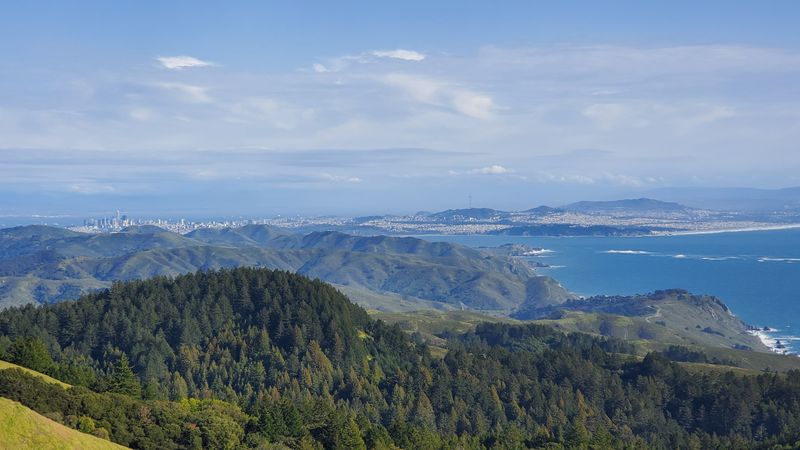
Panoramic views of the Bay Area reach their most dramatic during rainy weather when clouds dance around mountain peaks.
Panoramic Highway and Ridgecrest Boulevard loop around Mount Tamalpais, offering constantly changing vistas of San Francisco, the Pacific, and Marin County.
The park entrance provides access to numerous trails and viewpoints.
Rain transforms the mountain’s grasslands into brilliant green, and fog creates an ever-shifting landscape where views appear and disappear mysteriously.
The summit, when clear, provides 360-degree views that stretch for miles. Mountain Theater and the fire lookout tower become especially atmospheric when surrounded by swirling mist.
The drive itself winds through redwood groves and oak woodlands that glisten with moisture. Muir Woods, accessible via a side road, offers a chance to walk among ancient coast redwoods.
The combination of mountain, forest, and ocean views makes this loop endlessly interesting, and rainy conditions add drama without making the well-maintained roads dangerous.
10. Santa Cruz Mountains Skyline Boulevard
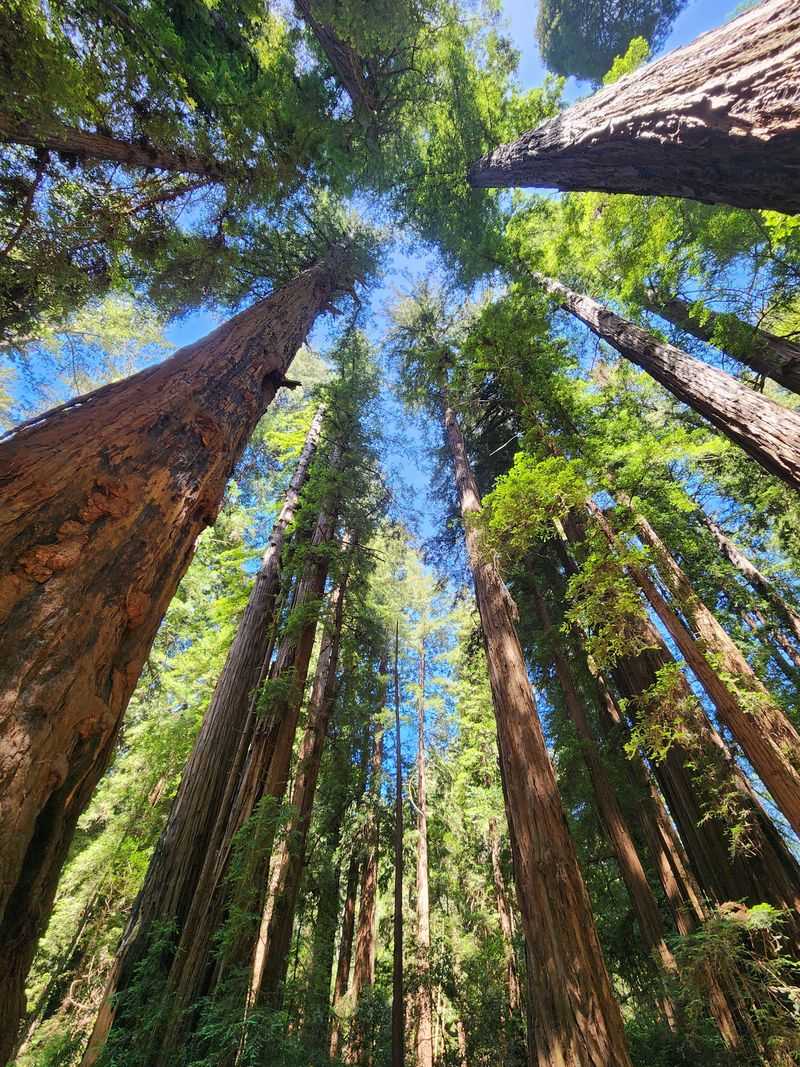
Winding mountain roads through redwood forests offer a peaceful escape when rain brings the forest to life.
Skyline Boulevard (Highway 35) runs along the spine of the Santa Cruz Mountains between San Francisco and Santa Cruz, passing through dense forests and offering occasional ocean and bay views.
Castle Rock State Park, located at 15451 CA-35, Los Gatos, CA 95033, provides hiking opportunities among dramatic rock formations.
Rain intensifies the forest scent and makes the redwoods and Douglas firs appear even more majestic.
The road winds past small mountain communities and numerous parks where you can stop and explore.
Big Basin Redwoods State Park (when open) and Butano State Park offer deeper forest experiences with waterfalls and ancient trees.
The elevation means you might drive through multiple weather zones in a single trip – sunshine, fog, and rain all in one afternoon.
This route feels remote despite being close to major cities, offering a true mountain driving experience.
The curves require attention, but the peaceful forest setting and dramatic weather make this a favorite for those seeking tranquility.
11. Point Reyes National Seashore
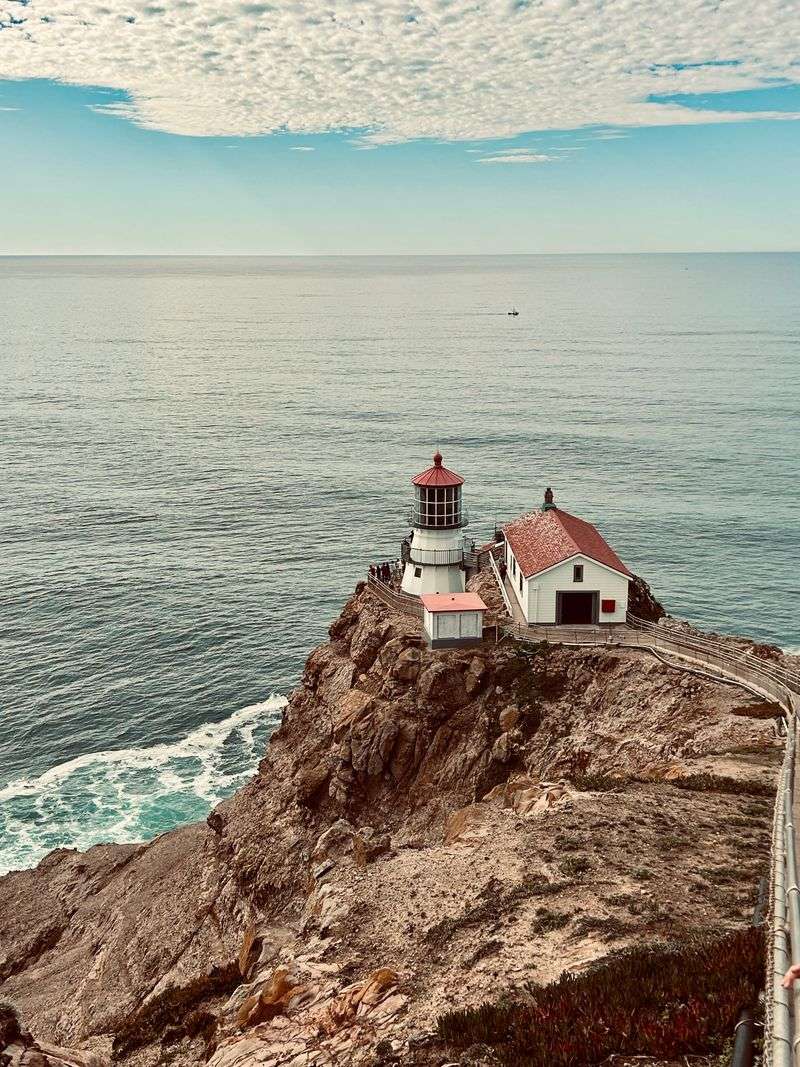
Windswept coastal wilderness becomes even more dramatic when winter storms batter the Point Reyes peninsula.
Sir Francis Drake Boulevard leads to the Point Reyes Lighthouse and numerous beaches and trailheads throughout the national seashore.
The Bear Valley Visitor Center, located at 1 Bear Valley Road, Point Reyes Station, CA 94956, offers maps and information about this spectacular coastal area.
The lighthouse, perched on a cliff 300 steps below the parking area, provides front-row seats to incredible storm-watching as waves explode against the rocks below.
Point Reyes is one of the foggiest and windiest places on the California coast, and rain only adds to the wild atmosphere.
Elephant seals haul out at Chimney Rock during winter breeding season, seemingly unconcerned by the weather. Drakes Beach and Limantour Beach offer stunning views of white cliffs and wild surf.
The pastoral landscape inland, with dairy ranches and rolling hills, turns emerald green after rain. This feels like the edge of the world, where nature rules and weather creates the show.
12. Monterey Peninsula 17-Mile Drive
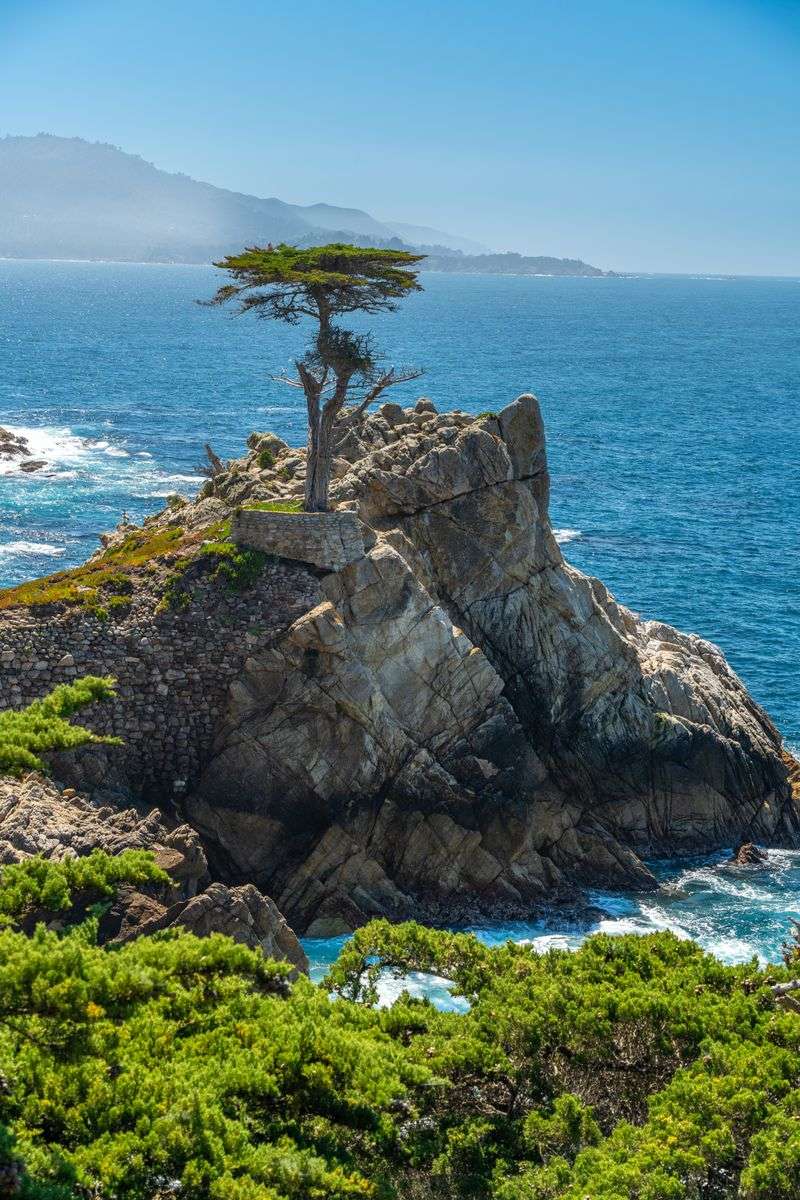
Iconic coastal scenery becomes hauntingly beautiful when fog and rain sweep across the Monterey Peninsula.
The famous 17-Mile Drive winds through Pebble Beach, passing Cypress Point, the Lone Cypress, and numerous stunning ocean vistas. At the entrance gate, a small fee grants access to this private scenic route.
Rainy conditions create moody lighting that makes the windswept cypress trees and crashing waves even more photogenic.
The Lone Cypress, clinging to its rocky perch for over 250 years, looks especially dramatic against stormy skies. Seal and Bird Rocks offer wildlife viewing opportunities as sea lions bark from offshore rocks.
The drive passes world-famous golf courses that take on a different character in winter weather, with fewer golfers braving the elements.
Carmel-by-the-Sea, at the southern end, provides charming shops and restaurants for warming up after the coastal drive.
The combination of natural beauty and refined coastal living makes this route special in any weather, but rain adds an extra layer of atmosphere.
13. Lake Tahoe Emerald Bay Scenic Drive
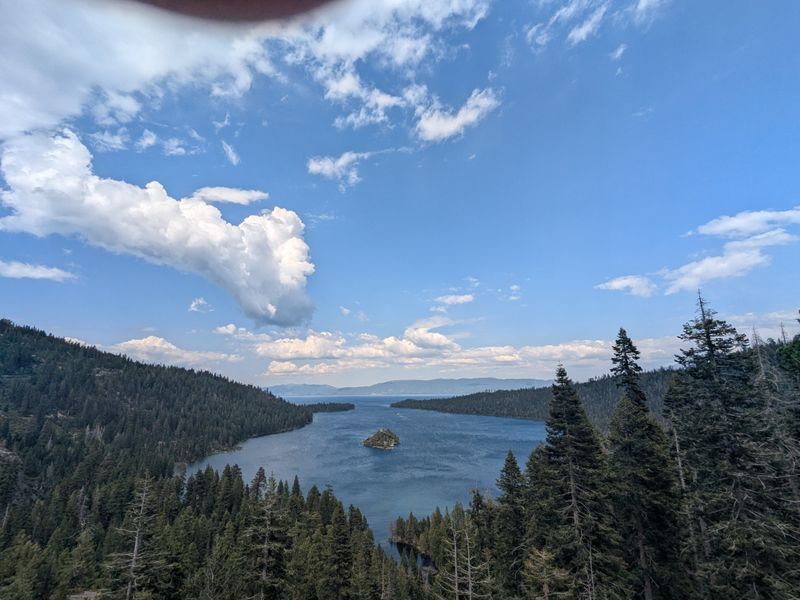
Alpine beauty reaches peak drama when winter storms dust the mountains with snow and rain churns the famous blue waters. Highway 89 along Tahoe’s west shore passes through some of the lake’s most spectacular scenery, with Emerald Bay State Park being the undisputed highlight.
The Emerald Bay overlook provides breathtaking views of the bay, Fannette Island, and the surrounding peaks.
Winter weather transforms the scene into something almost Nordic, with snow-covered pines framing the impossibly blue water.
The contrast between dark storm clouds and the lake’s brilliant color creates stunning photo opportunities.
Vikingsholm Castle, accessible via a steep trail, looks like something from a fairy tale when dusted with snow. The drive continues past D.L. Bliss State Park and through the charming town of Tahoe City.
Winter driving requires caution and often chains, but the reward is seeing Tahoe at its most beautiful, without summer crowds and with dramatic weather adding spectacle to every view.
14. Russian River Valley Wine Route
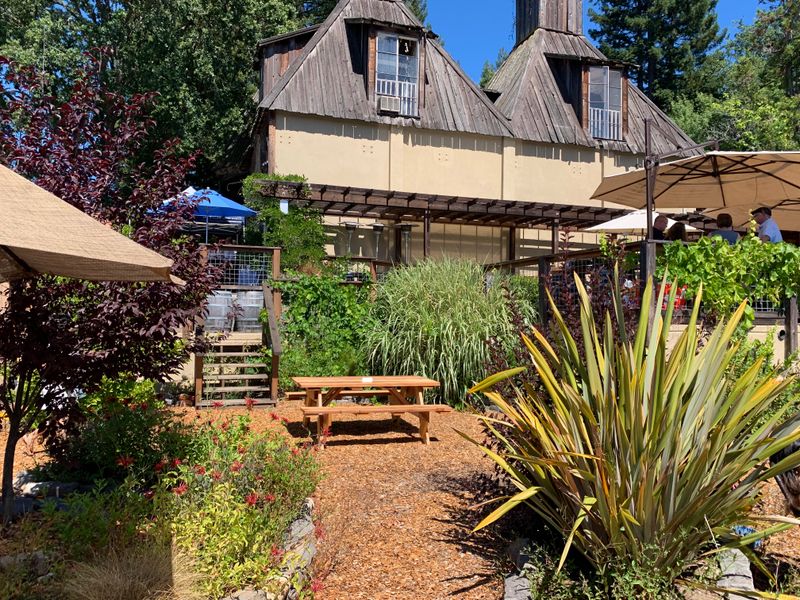
Meandering country roads through wine country take on a romantic, peaceful quality when rain brings everything to life.
River Road and Westside Road wind through the Russian River Valley, passing dozens of wineries set among vineyards, redwood groves, and rolling hills.
The town of Healdsburg serves as the perfect base for exploring this beautiful region. Winter rains turn the valley emerald green, and the Russian River flows full and swift.
The dormant vines create geometric patterns across the hillsides, and the atmosphere in tasting rooms becomes cozy and intimate.
Many wineries focus on Pinot Noir and Chardonnay, varieties that thrive in this cool climate. The combination of wine tasting, scenic drives, and charming small towns makes this area perfect for a relaxed winter getaway.
Guerneville offers riverside dining and walks among towering redwoods at nearby Armstrong Redwoods State Natural Reserve.
The rainy season means fewer visitors and more personal attention at wineries, plus the landscape at its most lush and beautiful.
15. Highway 49 Gold Country
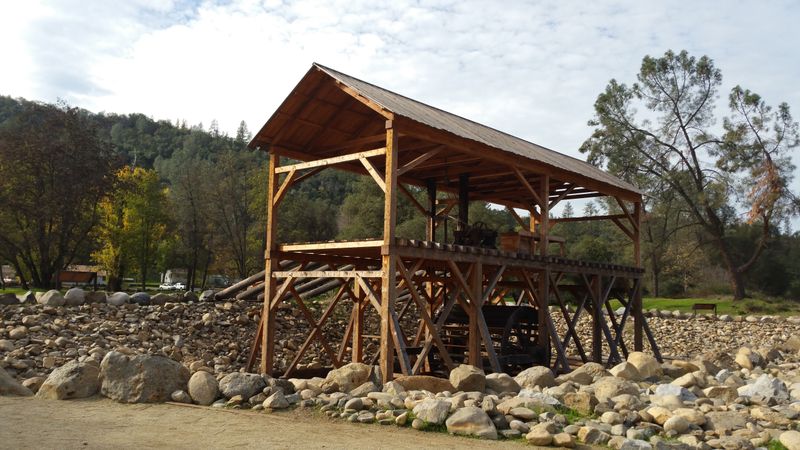
Historic mining towns and Sierra Nevada foothills reveal their beauty when winter rains wash the summer dust away.
Highway 49 winds through California’s Gold Country, connecting charming towns like Nevada City, Grass Valley, and Sutter Creek.
Nevada City’s historic downtown features beautiful Victorian architecture that looks especially picturesque when rain glistens on the old buildings.
The foothills turn brilliant green after the first rains, and oak trees dot the rolling landscape. Rivers and creeks that trickle in summer flow robustly in winter, and waterfalls appear in unexpected places.
The historic towns offer antique shops, galleries, and restaurants housed in Gold Rush-era buildings. Empire Mine State Historic Park in Grass Valley provides fascinating glimpses into mining history.
The drive itself winds through beautiful countryside, with elevation changes providing varied scenery.
Winter weather adds atmosphere to these historic towns, making it easy to imagine the Gold Rush days when these hills were alive with prospectors seeking fortune.
16. Cambria To San Simeon Coastal Drive
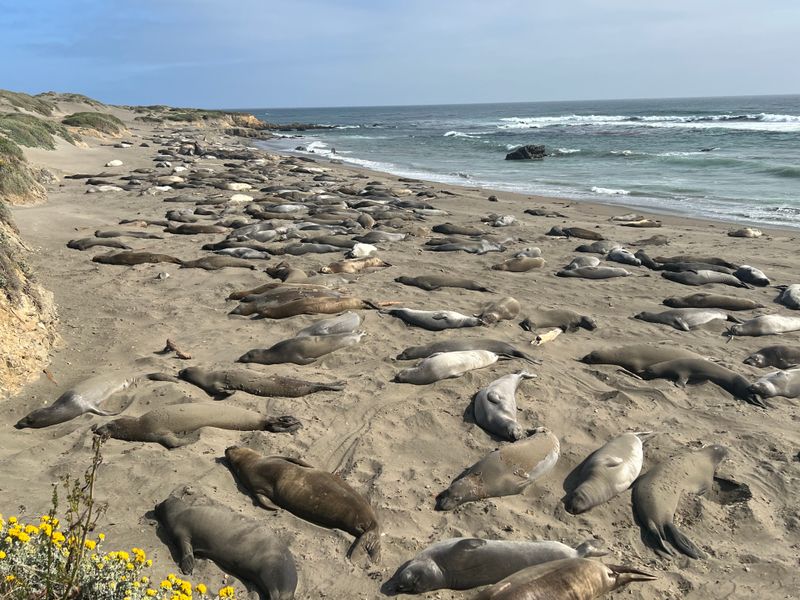
Elephant seals, dramatic coastline, and Hearst Castle create a memorable combination along this beautiful stretch of Highway 1. The drive between Cambria and San Simeon offers stunning ocean views and unique wildlife viewing opportunities.
The Piedras Blancas Elephant Seal Rookery provides viewing platforms where thousands of elephant seals can be observed during winter breeding season.
Rain and stormy weather don’t deter the seals, who haul out on the beaches to give birth and mate regardless of conditions. Watching these massive animals in wild weather adds to the experience.
Hearst Castle, perched on a hill above San Simeon, looks especially dramatic when framed by storm clouds. The castle offers tours year-round, and winter means fewer crowds.
Moonstone Beach in Cambria provides a perfect spot for storm-watching and beachcombing after the rain. The boardwalk along the beach offers safe viewing of crashing waves.
This short but spectacular drive combines natural wonders with historic grandeur, all enhanced by winter’s dramatic weather.