These 14 California Sea Caves Look Straight Out Of A Coastal Fairytale In Spring
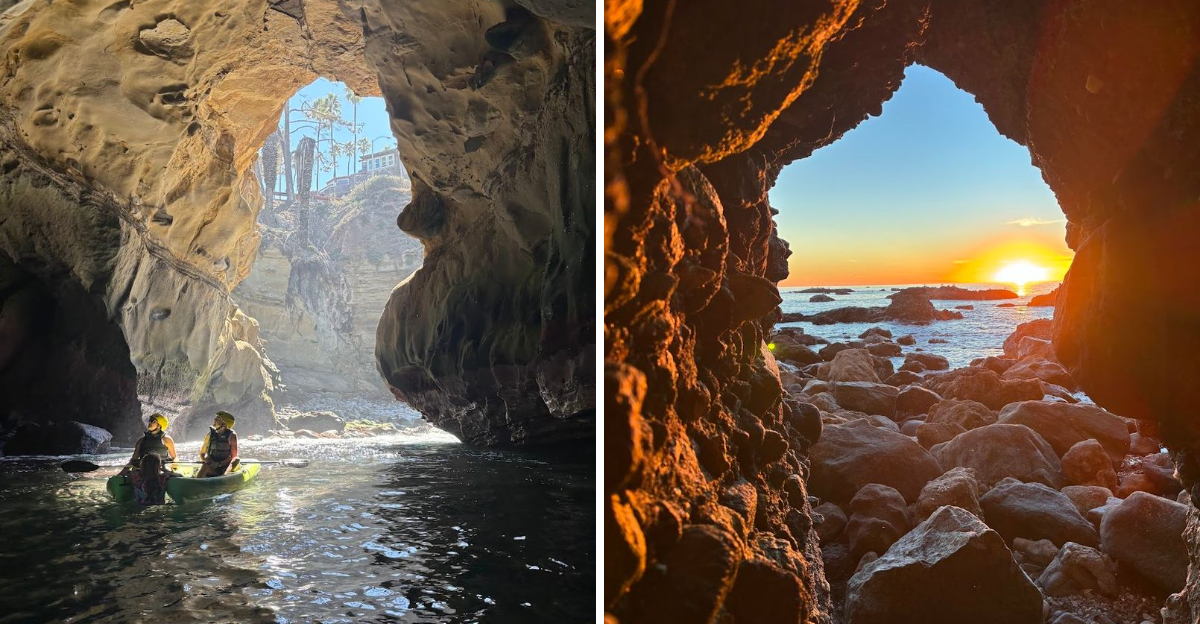
The coastline feels different in spring. Wilder. Softer. Almost secretive.
Along the cliffs and rocky edges, the ocean has been carving hidden chambers for thousands of years – and most people drive right past them without ever knowing what’s below.
Sea caves wait in the shadows, tucked beneath towering bluffs, revealed only to those willing to time the tides and go looking.
Spring changes everything. Wildflowers spill over the clifftops. The water calms just enough. Sunlight slips through cave openings in glowing beams, turning dark stone walls into gold and making turquoise pools shimmer like something unreal.
Step inside and the outside world fades fast. The air cools. The waves echo. It feels ancient. Untouched.
Some caves open up at low tide, letting you walk straight into another world. Others demand a kayak, a narrow passage, and just a little courage as water meets stone. That’s part of the magic. You don’t just see them. You earn them.
This is the kind of spring adventure that makes you fall in love with California all over again.
Every cave has its own personality. Different shapes. Different light. Different sounds. And the moment you step inside, it feels like you’ve discovered something that was waiting just for you.
1. Thousand Steps Sea Cave
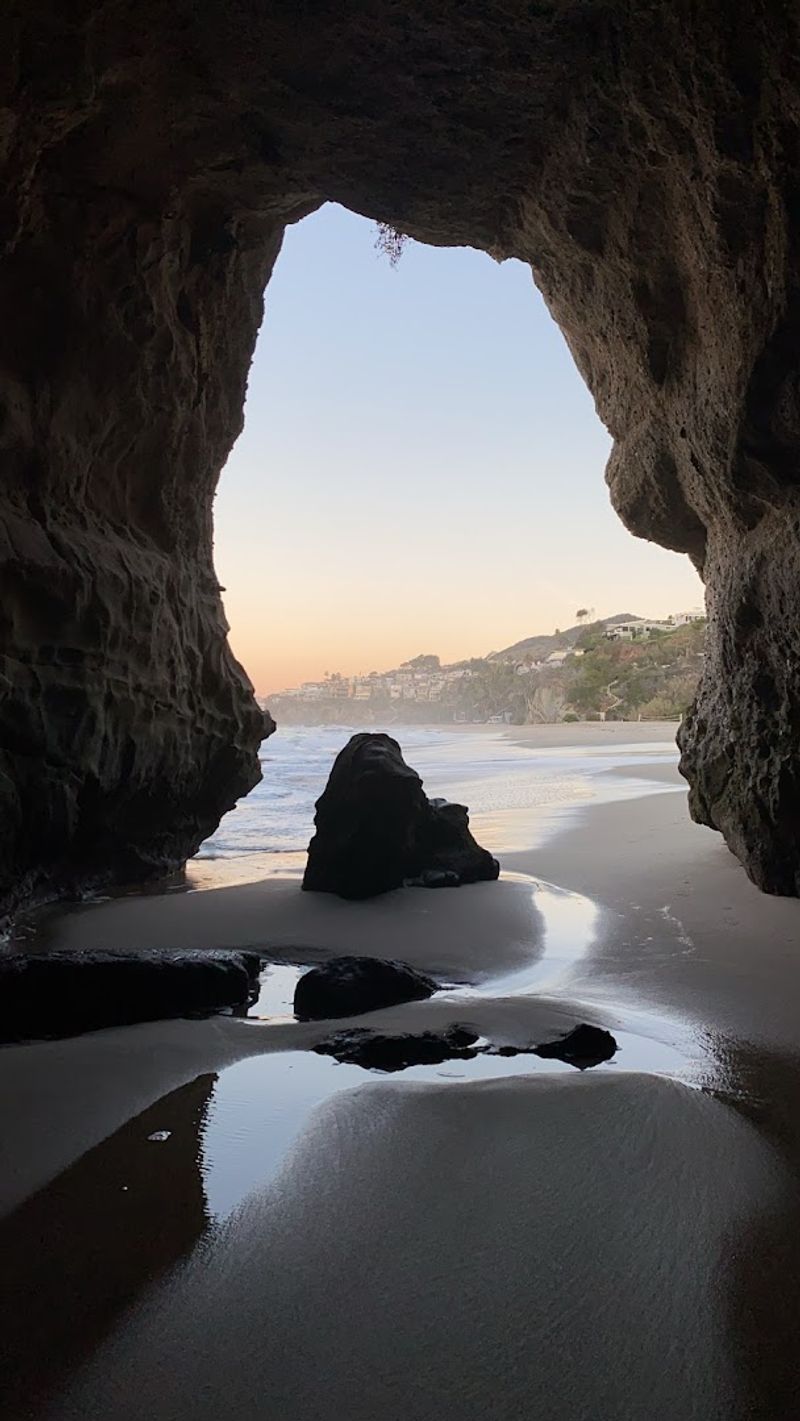
Reaching this hidden gem requires descending a staircase that locals insist has far fewer than a thousand steps, though the journey down feels significant enough to earn its name.
The cave sits tucked beneath the cliffs at Thousand Steps Beach in Laguna Beach, accessible only when the tide pulls back to reveal smooth sand and scattered tide pools.
Spring low tides create the best windows for exploration, typically during early morning hours when the light filters through the cave opening in soft angles.
The interior space opens wider than expected, with walls smoothed by centuries of wave action and scattered with barnacles that mark the high-tide line.
Visitors should wear water shoes since the approach involves crossing slick rocks and shallow pools where small crabs dart between crevices.
The cave stays cool even on warm days, and the sound of water echoing off stone creates a rhythm that changes with each incoming wave.
Timing matters more than anything when planning a visit here.
Checking tide charts becomes essential, and arriving two hours before the lowest tide provides the safest exploration window.
The climb back up those steps feels longer than the descent, so pacing the visit and leaving before the tide turns prevents any rushed scrambles up the staircase.
2. Treasure Island Beach Sea Cave California
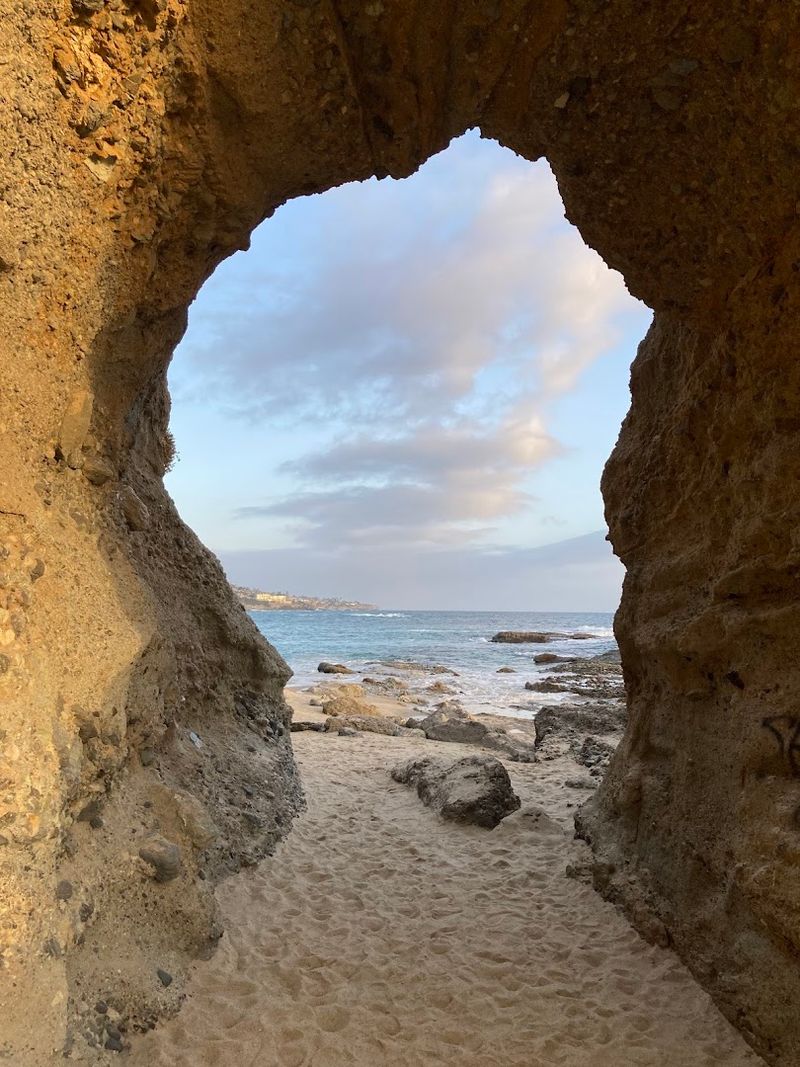
The name suggests buried gold and adventure stories, but the real treasure here comes from the peaceful atmosphere and the cave’s manageable size for first-time explorers.
Located just north of the main Laguna Beach area, this cave forms part of a rocky outcropping that becomes fully accessible during lower tide cycles.
The entrance sits low to the sand, requiring visitors to duck slightly before the ceiling height increases inside.
Spring brings calm water conditions that make wading through the shallow approach much easier than during winter storm seasons.
The cave extends back about thirty feet, with natural light reaching most of the interior space through the main opening.
Families often visit here because the cave feels less intimidating than deeper coastal caverns, and children can explore safely when supervised during appropriate tide levels.
The surrounding beach area offers tide pool exploration between cave visits, with starfish and anemones visible in the rocky depressions that fill with seawater.
Parking can be found along residential streets nearby, though spaces fill quickly on weekend mornings.
The cave walls show layers of sedimentary rock in shades of tan and rust, creating natural patterns that shift in appearance as the sun moves across the sky throughout the day.
3. Sunny Jim Sea Cave
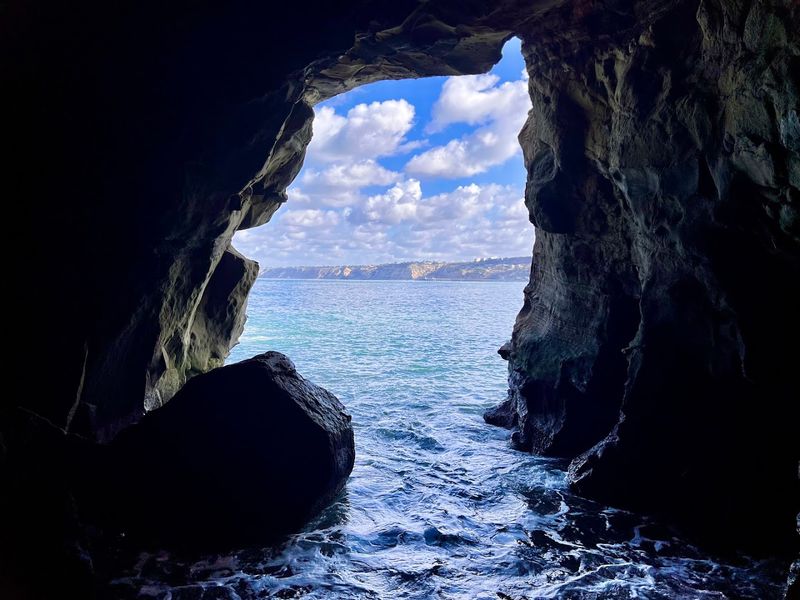
Unlike most coastal caves that require tidal timing and beach access, this La Jolla landmark can be reached by descending 145 steps through a hand-carved tunnel that starts inside a gift shop.
The Cave Store sits at 1325 Coast Boulevard in La Jolla, and visitors pay a small entrance fee before beginning the descent through the passageway dug in 1902.
The tunnel walls show chisel marks from the original excavation, and the temperature drops noticeably as the stairs wind downward toward sea level.
The cave earned its name from its profile, which supposedly resembles a British cartoon character popular when the tunnel opened.
Standing at the bottom platform, the cave opening frames a view of the Pacific that changes with each wave, and the sound of water rushing into the chamber creates an immersive experience.
Spring mornings bring the best light for photography, when sunbeams pierce through the opening and illuminate the green-tinted water below.
The experience feels more controlled than wild cave exploration, making it suitable for visitors who want to see a sea cave without getting wet or timing tides.
The gift shop above sells local art and souvenirs, and staff members can answer questions about the cave’s history and formation.
The entire visit typically takes about thirty minutes, including the descent, time in the cave, and the climb back up to street level.
4. El Matador State Beach Sea Caves
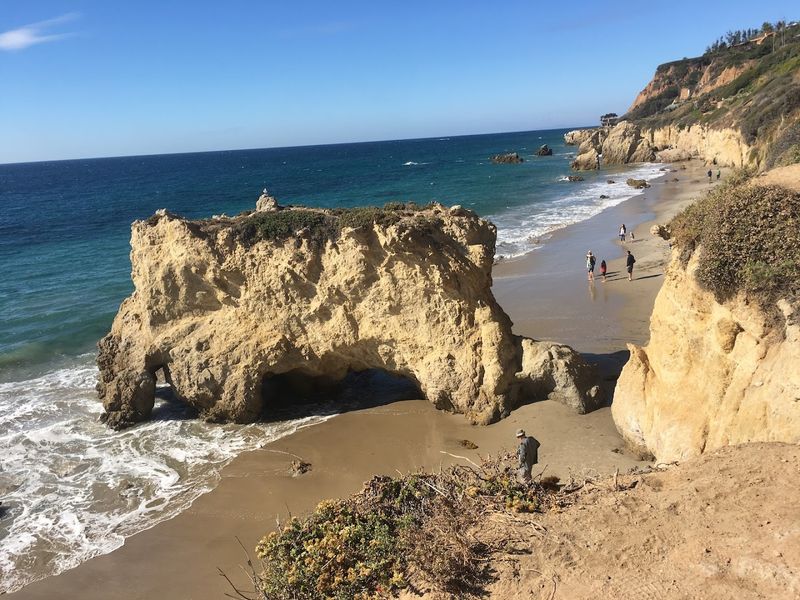
Steep trails lead down from clifftop parking areas to one of Malibu’s most photographed beaches, where caves puncture the base of towering rock formations.
The beach sits along Pacific Coast Highway about ten miles north of Malibu proper, and the parking lot holds only a few dozen vehicles, so arriving early prevents disappointment.
The descent requires using rope handrails and navigating uneven steps, but the effort pays off when the beach reveals itself below.
Multiple caves dot the shoreline, varying in size from small alcoves to chambers large enough to walk through when tides allow.
The sandstone cliffs display dramatic erosion patterns, with holes worn completely through some rock walls to create natural windows and arches.
Spring wildflowers bloom on the clifftops above, adding splashes of purple and yellow to the golden rock tones.
Photography enthusiasts flock here during golden hour, when the setting sun illuminates the caves and creates long shadows across the sand.
The beach faces west, making sunset the prime time for both light and exploration since afternoon low tides coincide with the best lighting.
Sneaker waves can surprise visitors near the waterline, so staying aware of wave patterns prevents getting soaked unexpectedly.
The caves stay accessible most of the year, though winter storms occasionally deposit too much debris for safe exploration.
5. Leo Carrillo State Beach Sea Caves
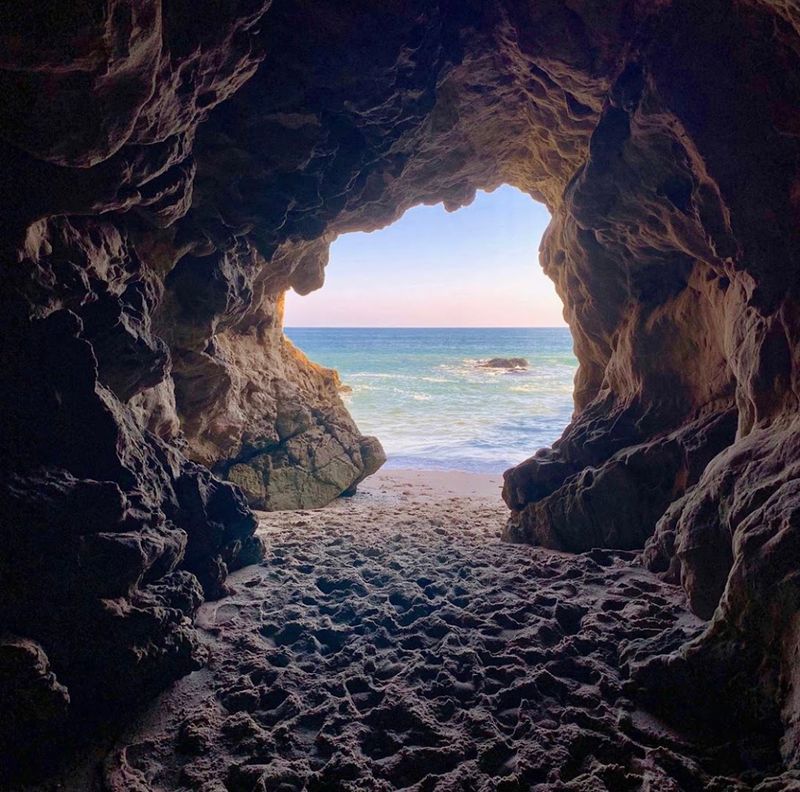
This state beach north of Malibu offers some of the most accessible cave exploration on the Southern California coast, with a large tunnel cave that connects two beach sections during low tide.
The main cave sits about a quarter mile north of the parking area, reached by walking along firm sand past scattered rock outcroppings.
Families frequent this spot because the cave feels safe and spacious, with a sandy floor and high ceiling that doesn’t require crouching.
The tunnel extends roughly fifty feet through solid rock, and light from both openings illuminates the interior even at the center point.
Tide pools surround the cave entrance, filled with hermit crabs, small fish, and the occasional sea anemone.
Spring brings the most predictable low tides, and the beach provides posted tide information near the entrance kiosk.
Camping facilities exist at Leo Carrillo for visitors wanting to explore caves during multiple tide cycles, and the campground sits just inland from the beach.
The surrounding area includes hiking trails that climb into the Santa Monica Mountains, offering elevated views of the coastline.
Rangers patrol regularly and can provide current information about cave access and safety conditions.
The beach charges a parking fee, and weekends see significantly more visitors than weekdays, especially during spring break periods when families vacation along the coast.
6. Smugglers Cave Laguna BEach, California
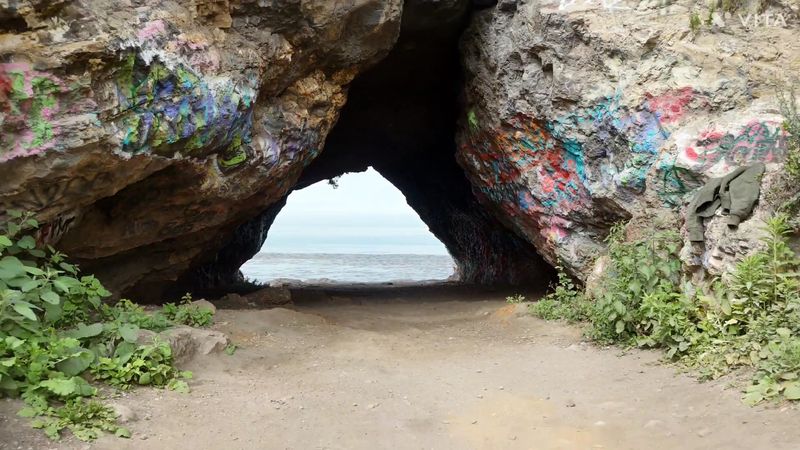
Local legends claim this cave once served as a hiding spot for bootleggers during Prohibition, though historians debate whether the stories hold truth or simply add romance to a natural formation.
The cave sits beneath the cliffs at Moss Point in Laguna Beach, accessible during lower tides by scrambling over rocks slick with algae.
The entrance appears as a dark opening in the cliff face, partially hidden by a rocky overhang.
Inside, the cave narrows quickly, with the ceiling dropping low enough that most adults need to bend forward while moving deeper into the space.
The floor consists of smooth stones worn by constant wave action, and water pools in depressions near the back wall.
Spring tides determine how far visitors can safely explore, and the cave can fill completely during high tide or storm surge.
The romantic history makes this cave popular despite its modest size and sometimes difficult access.
Bringing a flashlight helps illuminate the interior, though natural light reaches several feet inside during midday hours.
The rocks leading to the entrance require careful footing, and wearing shoes with good grip prevents slipping on wet surfaces.
Local tide charts should be consulted before attempting a visit, and leaving at least an hour before high tide provides a safe buffer for the return walk along the beach.
7. Painted Cave
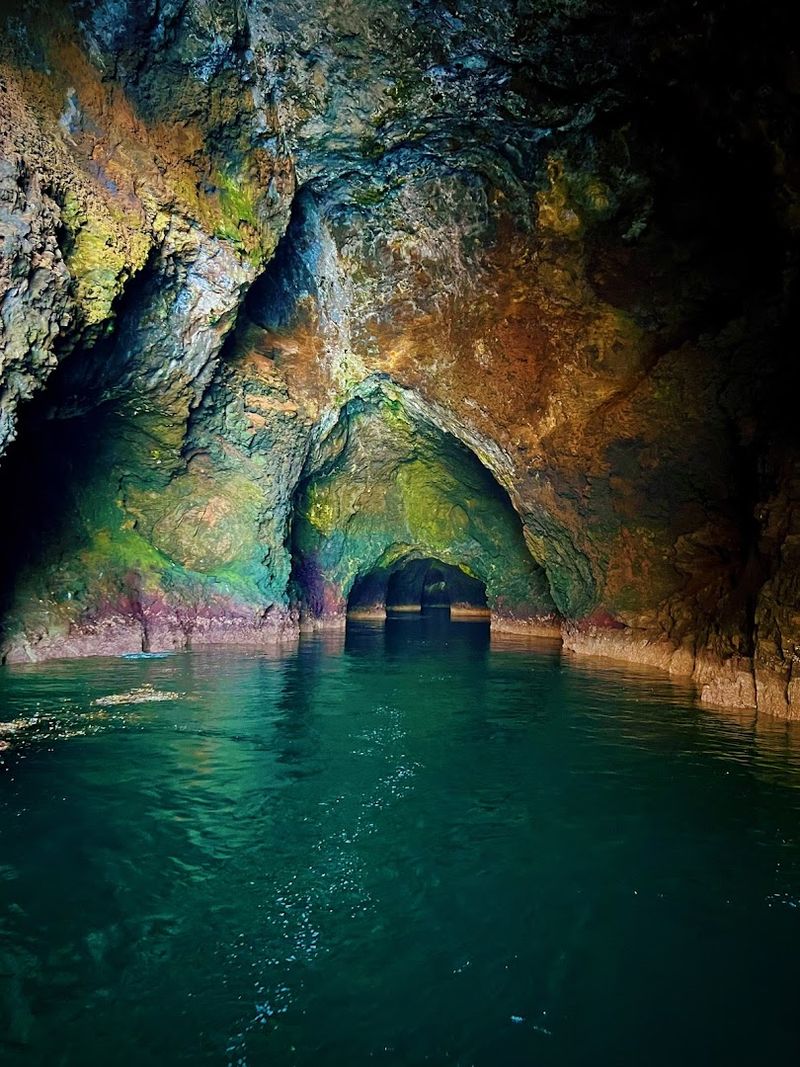
Located on Santa Cruz Island within Channel Islands National Park, this cave ranks among the largest and most colorful sea caves in the world, stretching nearly a quarter mile into the island’s volcanic rock.
The cave earned its name from the vibrant colors created by mineral deposits, algae, and lichen that stain the walls in shades of purple, green, orange, and red.
Access requires a boat trip to the island followed by kayaking along the coast, making this an adventure that demands more planning than mainland caves.
Tour companies operating from Ventura and Santa Barbara offer day trips that include transportation to the island and guided kayak exploration of Painted Cave.
The cave entrance towers about 100 feet high, and the interior opens into a massive chamber where waves echo off the walls in deep, resonant tones.
Spring provides some of the best conditions for entering the cave, though swells must remain below a certain height for safe paddling inside.
The experience feels otherworldly, with shafts of light penetrating the darkness and illuminating the colored walls in sections.
Marine life including sea stars and anemones cling to rocks near the entrance, visible in the clear water.
The full tour from harbor departure to return typically takes eight to ten hours, and visitors should prepare for a long day on the water with sun protection and seasick remedies if needed.
8. Dana Point Sea Caves
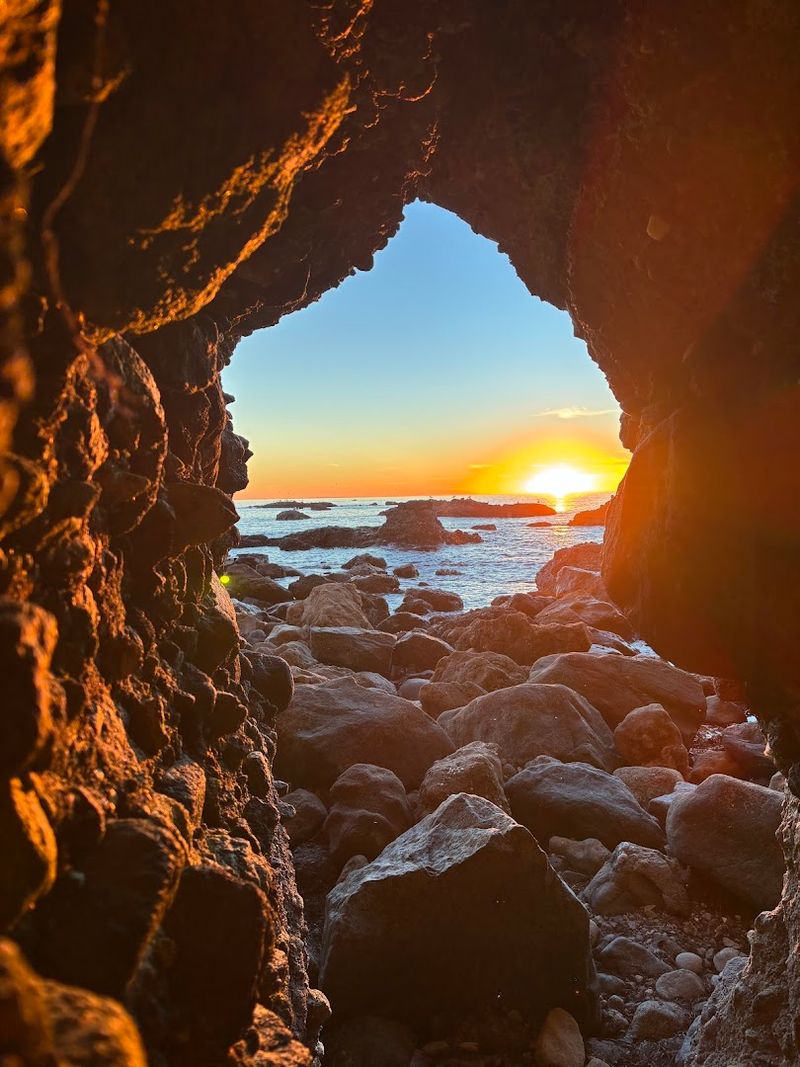
The headlands at Dana Point hide several caves within their sedimentary rock layers, best explored by kayak since land access remains limited by private property and steep cliffs.
Local outfitters offer guided kayak tours that launch from Dana Point Harbor and paddle along the coast toward the caves.
The tours typically last two to three hours and include instruction for beginners who may not have kayaked in ocean conditions before.
The caves here vary in size and depth, with some allowing paddlers to enter while others serve as scenic viewing points from the water.
Seabirds nest in crevices along the cliff faces, and harbor seals occasionally haul out on rocks near cave entrances.
The water in this area tends to stay calmer than exposed coastline farther north, making it suitable for less experienced kayakers during spring months.
The harbor area includes restaurants and shops for before or after the kayaking experience, and parking can be found in several public lots near the marina.
Tour guides provide information about local geology and marine life throughout the paddle, and some tours include snorkeling opportunities in protected coves.
The best conditions occur during morning hours before afternoon winds pick up, and booking tours in advance during spring weekends prevents missing out on available spots.
9. Scorpion Anchorage Sea Caves
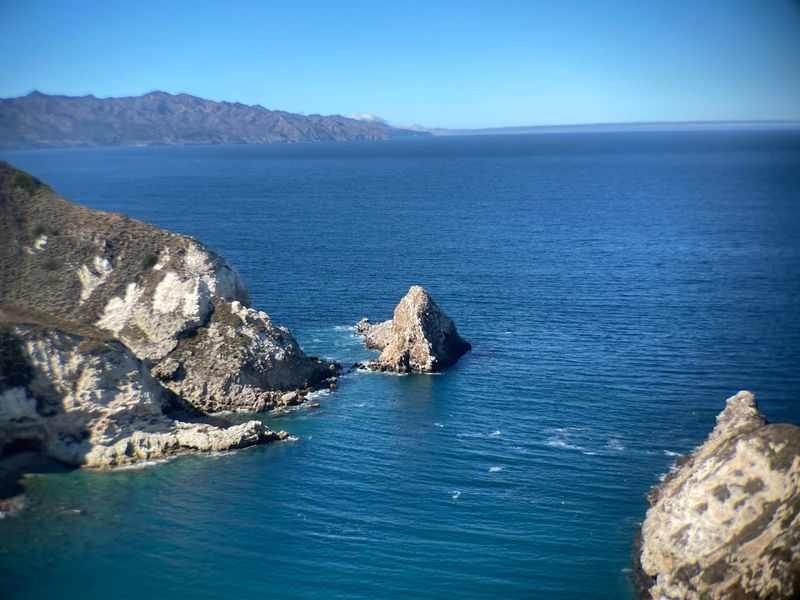
Scorpion Anchorage serves as the main landing point for visitors to Santa Cruz Island, and several sea caves lie within kayaking distance of the beach.
The anchorage itself offers camping facilities for those wanting to spend multiple days exploring the island’s coastline and caves.
Kayak rentals can be arranged through the park concessionaire, and paddling experience helps since ocean conditions can change quickly even in protected waters.
The caves near Scorpion vary in size, with some barely large enough to fit a kayak and others opening into sizeable chambers.
The water here displays remarkable clarity, allowing paddlers to see kelp forests and fish swimming below the surface. Sea lions frequent the area, and their barking echoes from rocks and caves along the shore.
Spring brings wildflower blooms to the island’s hills, visible from the water as splashes of color against the golden grass.
The caves require paddling about a mile from the anchorage, and the round trip takes two to three hours depending on how much time is spent exploring each cave.
Island foxes often appear near the campground and beach areas, and visitors should secure all food since the foxes have learned to investigate campsites.
Camping reservations fill months in advance for spring weekends, so planning early becomes necessary for overnight trips.
10. Pearl Street Beach Sea Caves Laguna Beach, California
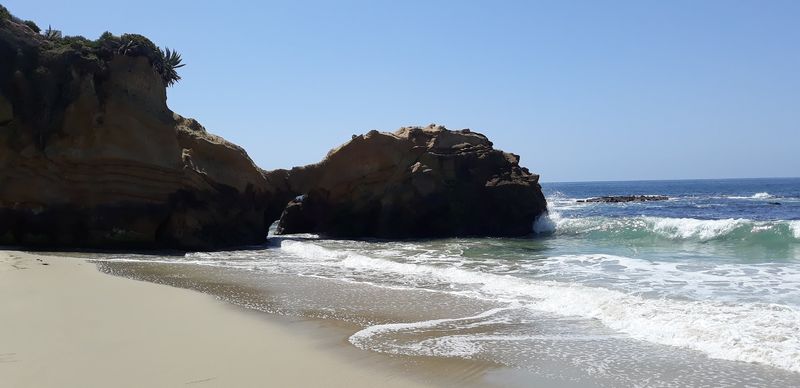
This neighborhood beach in Laguna Beach provides access to a small cave system that rewards visitors willing to time their visit with low tides.
The beach sits at the end of Pearl Street, where a staircase descends from the roadway to the sand below.
Parking along residential streets requires attention to posted signs and time limits, and the neighborhood stays quiet compared to the main beach areas in downtown Laguna.
The caves here remain modest in size but offer interesting rock formations and tide pool exploration opportunities.
The sandstone walls show clear layering from sediment deposits over millennia, and erosion has created interesting textures and patterns.
Spring low tides typically occur during morning hours, making this a good option for early visitors who want to explore before crowds arrive at larger beaches.
The beach itself stays relatively narrow, with most of the sand disappearing during high tide. Visitors should keep track of time and tide levels to avoid getting cut off from the stairs by rising water.
The cave interiors stay cool and damp, with water dripping from ceilings in spots where waves have created channels through the rock.
Local residents walk dogs here during permitted hours, and the atmosphere feels more relaxed than tourist-focused beaches.
The caves can be explored in thirty minutes to an hour, leaving time to visit other Laguna Beach caves on the same low tide cycle.
11. Crystal Cove State Park Sea Caves
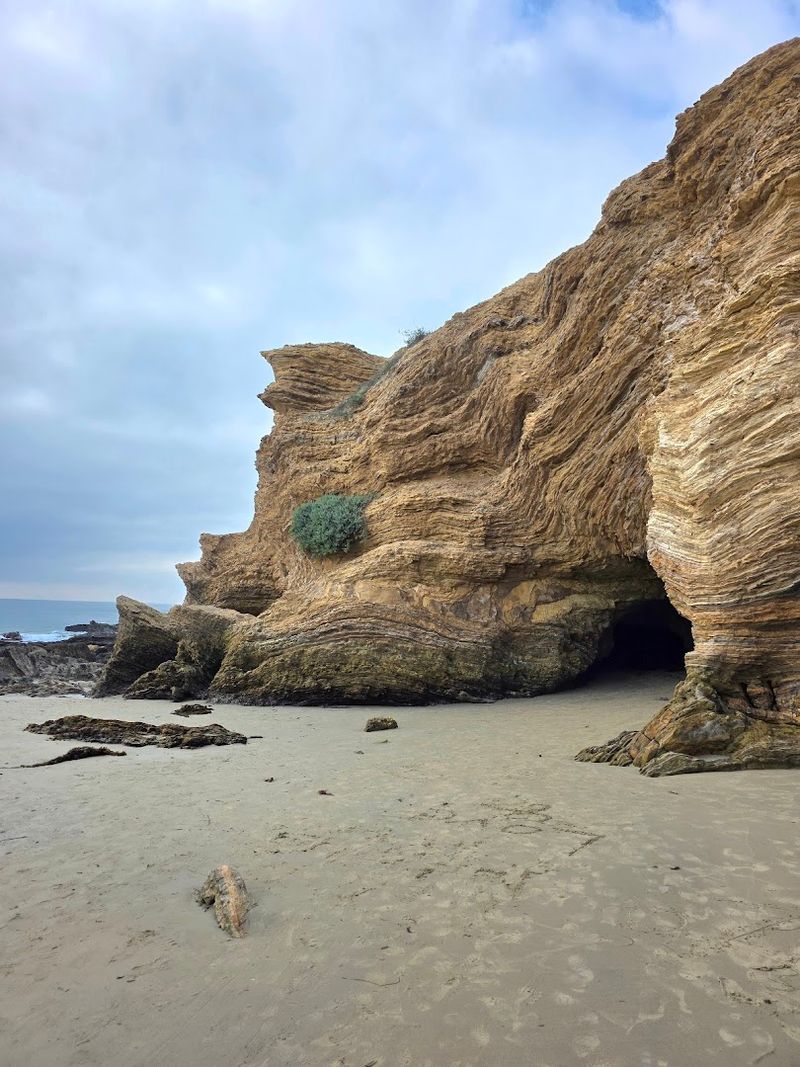
This state park between Laguna Beach and Newport Beach preserves miles of coastline including several caves accessible during low tides.
The park charges an entrance fee, and parking fills quickly on weekends when beachgoers arrive to enjoy the protected cove and historic beach cottages.
The caves sit scattered along the rocky sections of shoreline, requiring walks of varying distances from parking areas.
One notable cave can be reached by walking south from the main beach area during lower tides, where the coastline transitions from sand to rock.
The cave entrance sits partially hidden behind a large boulder, and the interior extends back about twenty feet with a sandy floor.
The ceiling height allows most visitors to stand upright, and natural light illuminates the space through the main opening.
The park includes hiking trails that climb into the coastal hills, offering elevated views of the ocean and chances to see dolphins or migrating gray whales in spring.
The beach cottages can be rented for overnight stays, providing a unique lodging option steps from the sand.
Rangers lead nature walks and tide pool programs during spring months, and the visitor center provides information about cave locations and current access conditions.
Bringing a tide chart helps plan the visit, and checking with rangers before heading out ensures the caves remain safe to explore given current ocean conditions.
12. La Jolla Sea Caves
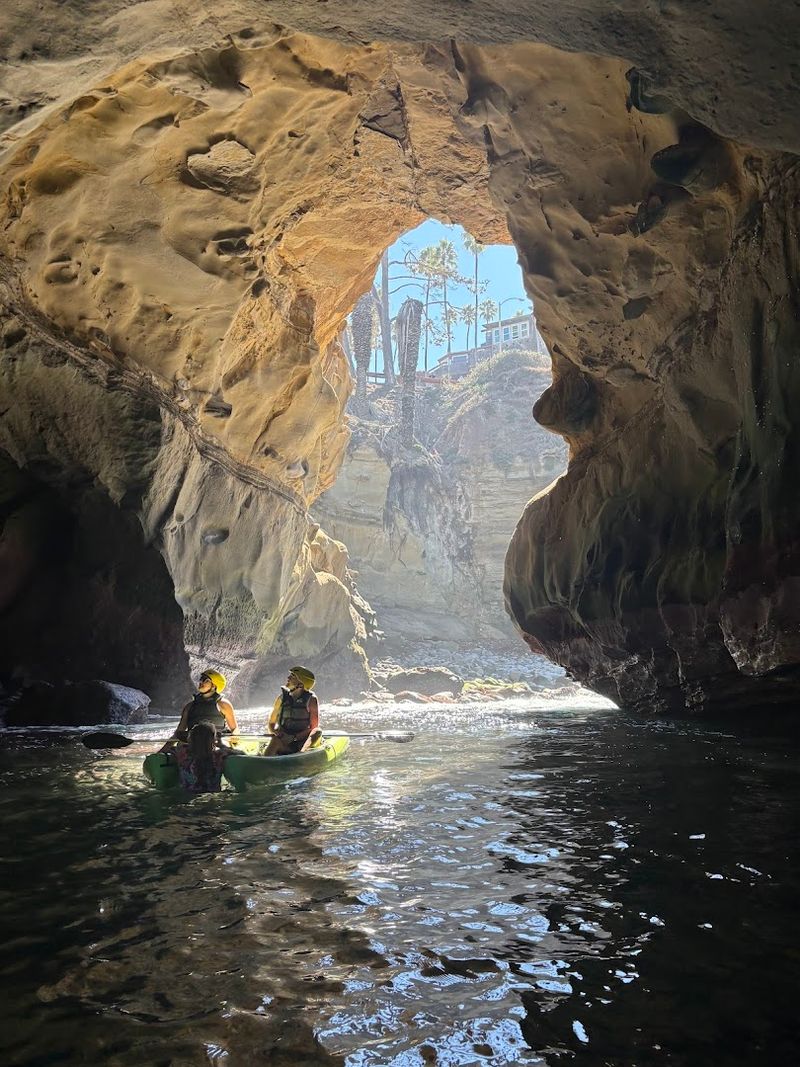
Seven distinct caves form a network along the sandstone cliffs of La Jolla Cove, creating one of the most popular kayaking destinations on the California coast.
The caves bear names like Clam’s Cave, White Lady, and Arch Cave, each with different entrance sizes and interior characteristics.
Kayak rental companies operate near La Jolla Shores, and guided tours provide the safest way to explore since conditions change with swells and tides.
Spring offers calmer ocean conditions compared to winter, though mornings typically provide the smoothest water for paddling.
The sandstone formations glow in shades of gold and orange when sunlight hits them at certain angles, and the contrast against the deep blue water creates striking visual moments.
Some caves allow kayakers to paddle inside, while others stay too narrow or rough for safe entry depending on current conditions.
Marine life thrives in the area, with sea lions often visible on rocks near cave entrances and occasional dolphins passing by offshore.
The kayaking route covers about two miles roundtrip from launch points at La Jolla Shores, taking roughly two hours with time for cave exploration.
Rental shops provide dry bags for phones and cameras, and wetsuits are recommended even in spring since the Pacific stays cold year-round in this region.
13. Pirates Cove Sea Cave Malibu, California
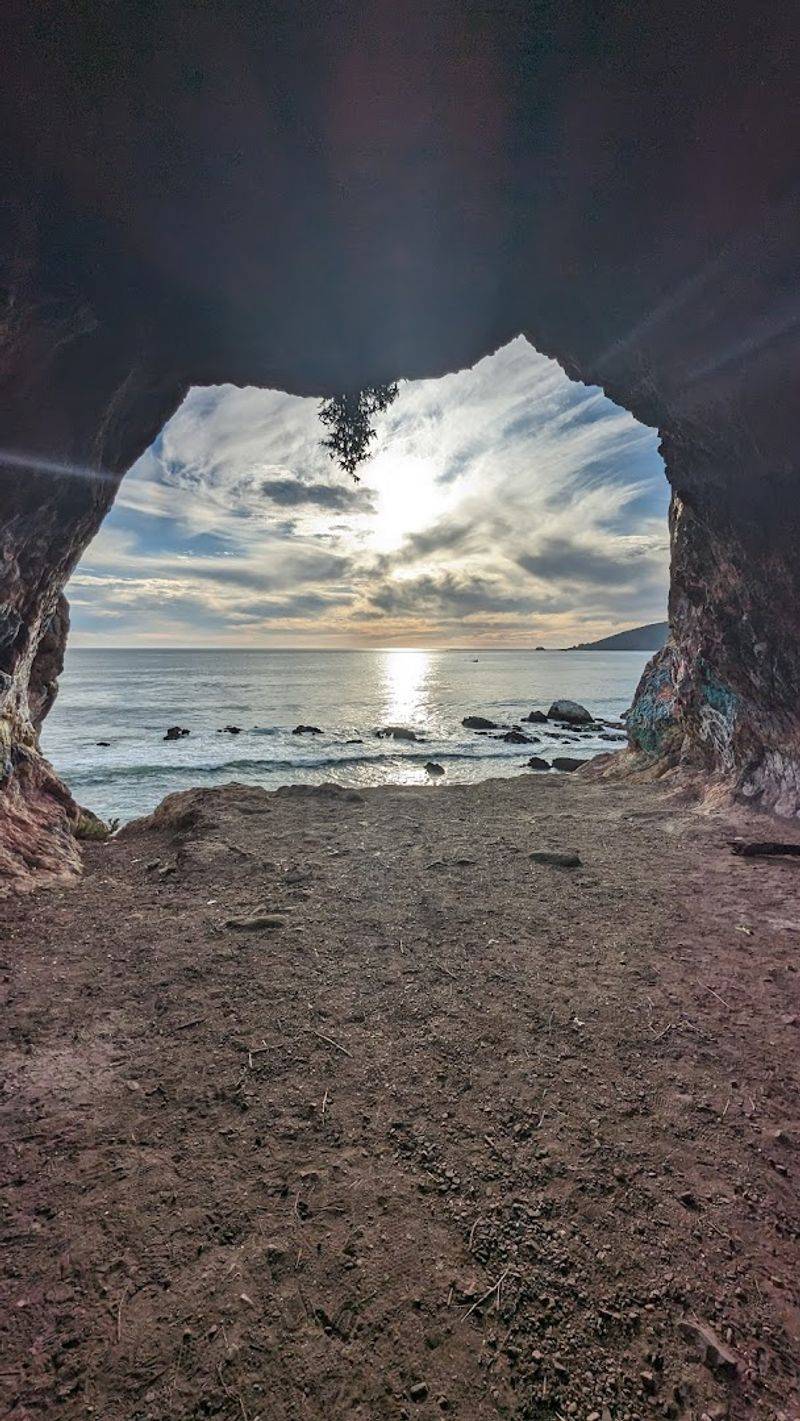
Steep golden cliffs rise above a small, curved stretch of sand where this well-known Malibu cove feels surprisingly secluded once you make the descent.
A short but rugged trail leads down from the bluffs near Point Dume Natural Preserve, with loose dirt and uneven footing that make sturdy shoes a smart choice over sandals.
Often referred to locally as Pirates Cove, this beach is not a vast hidden cavern but rather a compact shoreline framed by dramatic sandstone formations.
During low tide, rocky pockets and small sea cave openings become accessible along the edges, especially near the base of the cliffs. The layered rock reveals years of erosion, with shallow recesses and textured walls sculpted by steady wave action.
The cove’s curved shape and surrounding cliffs create a sense of privacy, even though it sits within one of Malibu’s most recognizable coastal areas. Spring adds to the atmosphere, with wildflowers blooming along the bluffs and clear skies brightening the ocean below.
While the beach is popular, its smaller size keeps it feeling intimate rather than expansive. Timing your visit around low tide allows for safer exploration of the rocky sections, and keeping an eye on the water is essential since rising tides can quickly narrow the shoreline.
14. Sea Caves La Jolla, California
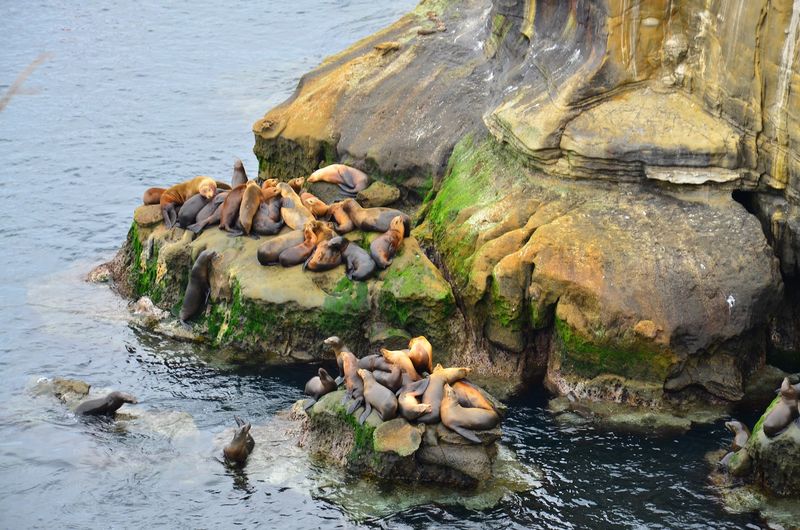
The sea caves in La Jolla are some of the most iconic along the California coast, known not just for their dramatic sandstone formations but also for the wildlife that surrounds them.
Sea lions frequently haul out on the rocks near the cave entrances, especially around La Jolla Cove. Their loud barking echoes off the cave walls, creating a wild coastal soundtrack that adds to the adventure.
Spring is an especially fascinating time to visit, as it coincides with pupping season for California sea lions.
During this period, mothers and their pups can often be seen resting on protected beaches and rocky outcrops. Kayaking is one of the most popular ways to explore the caves.
Guided tours paddle through kelp forests and along the cave openings, often passing near sea lion colonies while sharing insights about their behavior and marine ecosystem.
In the water, sea lions move with impressive speed and agility, diving for fish and weaving through the kelp despite their bulky appearance on land.
For those staying on shore, binoculars offer a safe and respectful way to observe the animals from coastal viewpoints. Regulations require visitors to keep a proper distance to protect both wildlife and people.
Early mornings tend to be the best time to spot active sea lions before they settle in for afternoon naps on sun-warmed rocks.