These 15 California Small Towns Are Too Gorgeous To Stay A Secret
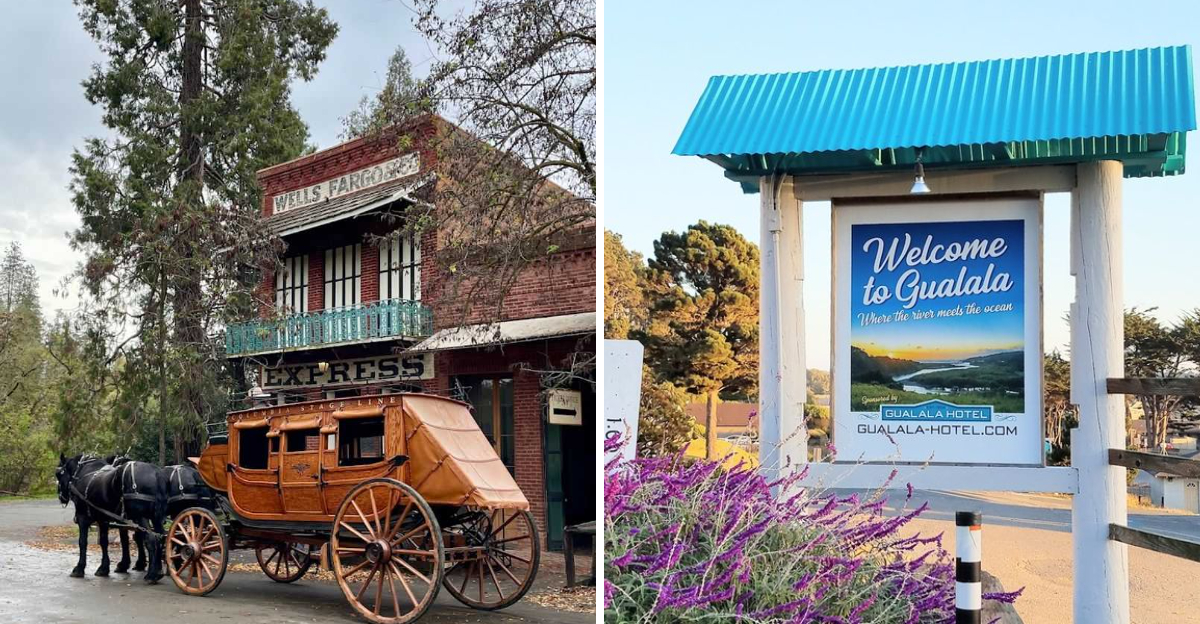
You pass right through it. No stop. No second thought. Then something makes you turn around.
The road didn’t change much. Still quiet. Still out of the way. But there’s a pull that wasn’t there a minute ago. A main street appears. A view opens up. A small detail catches your eye just enough to make leaving feel like a mistake.
Plans start shifting fast. A quick drive turns into parking the car. A short stop turns into walking longer than expected. Shops, old buildings, overlooks, places that don’t rush you in or out. Time stretches without asking.
Across California, towns like these keep slipping past people who don’t realize what they’re missing.
What begins as a pass-through becomes the reason for the trip.
Each stop brings something different, something grounded, something that stays with you longer than planned. That shift is exactly why turning around ends up being the best decision of the day.
1. Sierra City
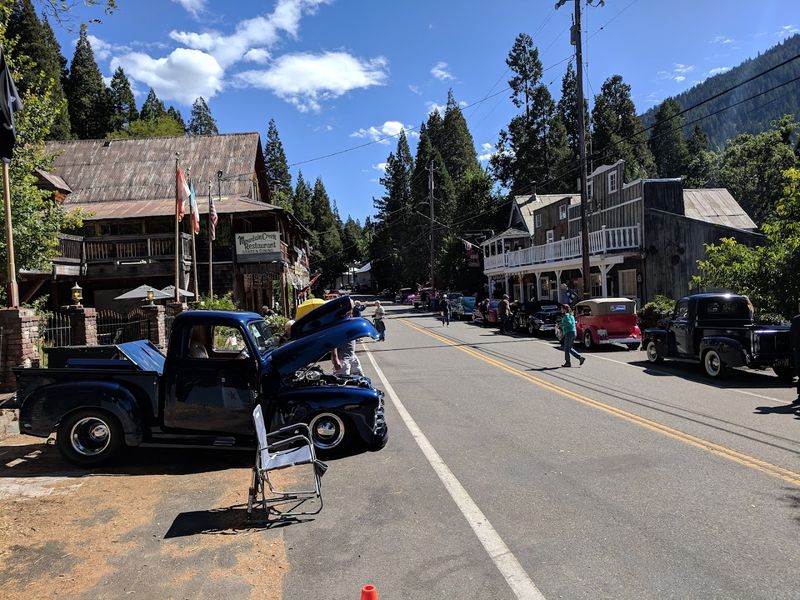
Tucked beneath the dramatic Sierra Buttes in the northern Sierra Nevada range, Sierra City is one of those places that genuinely earns the word breathtaking.
The jagged peaks rise so steeply above the town that on clear mornings the rocky summits seem close enough to touch.
Gold was discovered here in the 1850s, and the town has held onto that history without turning it into a theme park.
The Kentucky Mine Historic Park sits just outside town and offers a real look at hard-rock mining equipment and local gold rush artifacts.
Hiking trails around the area lead through dense pine forests and past cold rushing creeks, with routes suitable for both casual walkers and more experienced hikers.
The Pacific Crest Trail passes nearby, which draws backpackers during the warmer months.
Summers tend to be the busiest season, but even then the crowds stay manageable compared to more well-known Sierra destinations.
The town itself is small, with just a handful of businesses, which adds to the feeling of genuine quietness rather than manufactured charm.
Visiting during the shoulder seasons of late spring or early fall can offer cooler temperatures and noticeably fewer visitors along the trails and roadways.
2. Quincy
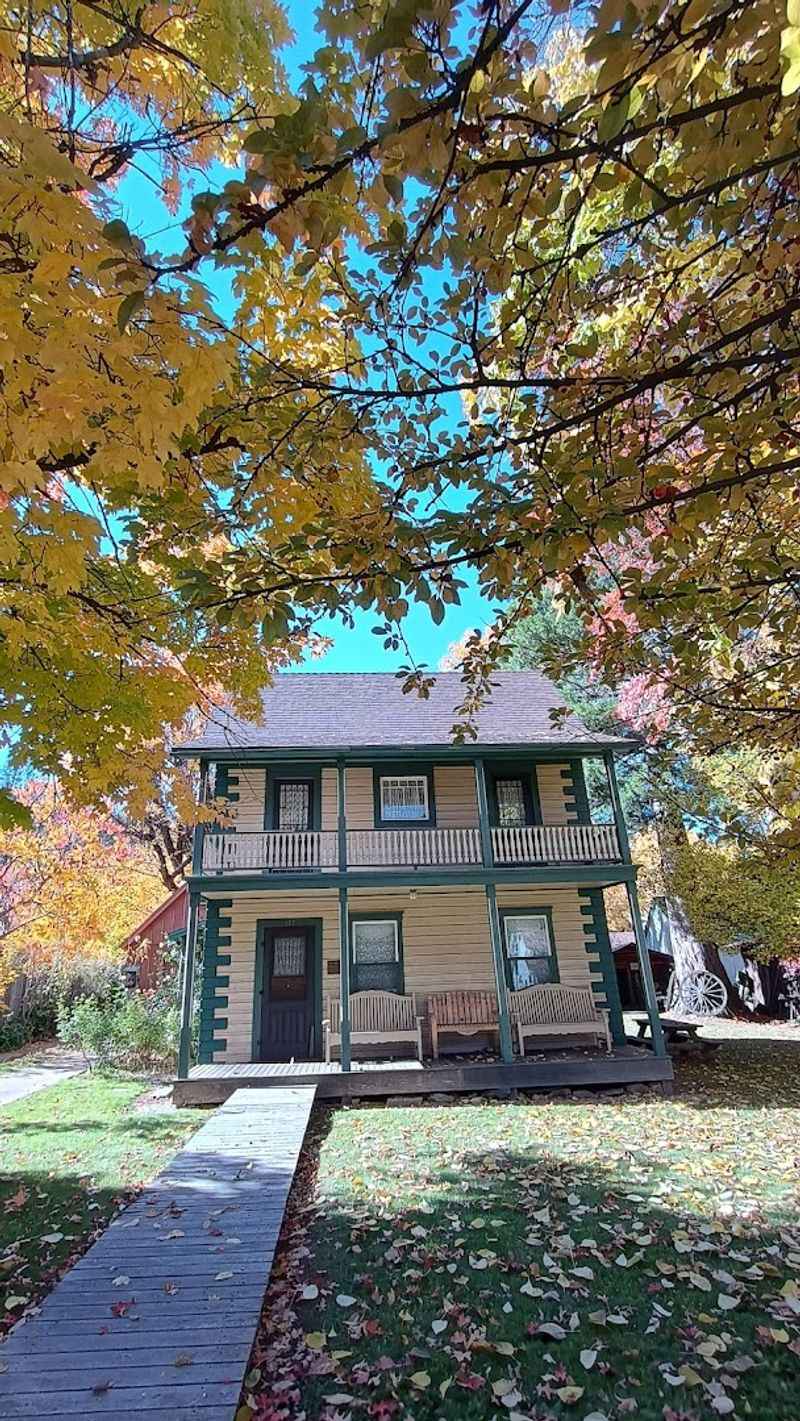
Sitting at roughly 3,400 feet elevation in Plumas County, Quincy has the kind of unhurried pace that makes a few days feel like a genuine reset.
The surrounding Plumas National Forest frames the town with dense conifers and open meadows that shift colors beautifully as seasons change.
Mornings here tend to be cool and crisp even in midsummer, which makes early walks around town especially pleasant.
The Plumas County Museum on Jackson Street holds a well-organized collection of local history including Native American artifacts, pioneer tools, and photographs from the logging and mining eras.
Downtown Quincy has a small but genuine commercial strip with local restaurants, a hardware store, and independent shops that reflect the working character of the community rather than a curated tourist aesthetic.
Bucks Lake, located about seventeen miles from town, is a popular spot for fishing, camping, and kayaking during warmer months.
Roads leading out of Quincy pass through wide valleys and open ranch land that give the landscape a spacious, unhurried quality.
Fall brings golden aspens and cooler air that make the drives around Plumas County particularly scenic for anyone passing through on a longer road trip.
3. Greenville
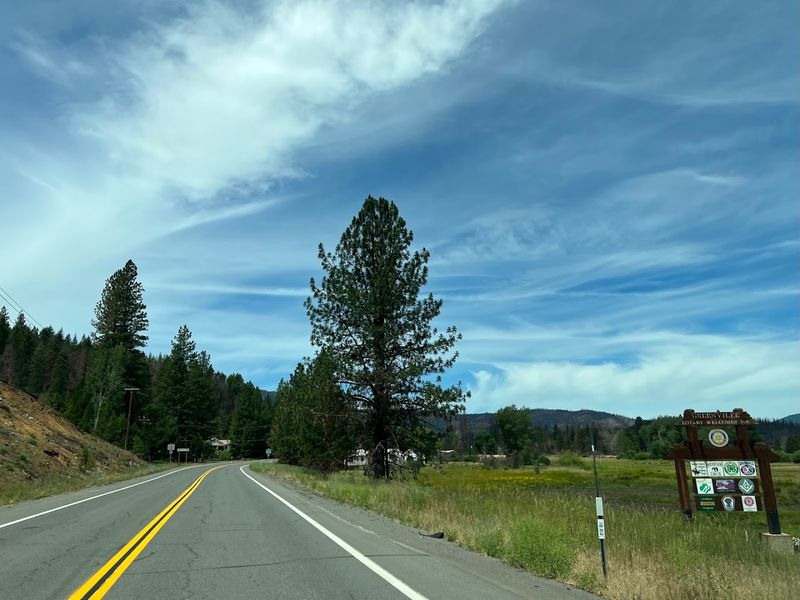
Nestled in the wide and peaceful Indian Valley, Greenville carries a quiet resilience that makes it worth knowing about.
The town sits surrounded by forested ridgelines and open pasture land, giving it a genuinely rural atmosphere that feels far removed from California’s busier corridors.
Indian Valley itself is broad and open, with the kind of sky that feels bigger than usual because the terrain allows it.
The area around Greenville offers access to hiking, fishing, and wildlife watching in Plumas National Forest, which borders much of the valley.
Deer, black bears, and a wide variety of birds are commonly spotted in the surrounding forest and meadow areas.
Visitors who enjoy quiet outdoor exploration without heavy foot traffic tend to find the region especially rewarding.
The community has been working steadily on rebuilding and recovery efforts following the Dixie Fire, and the spirit of the town remains present in the people and the landscape around it.
Checking locally before visiting is always a good idea to understand current conditions and which services are available.
The valley’s natural setting continues to draw visitors who appreciate wide open spaces and genuine mountain scenery without the crowds typically found at more marketed California destinations.
4. Etna
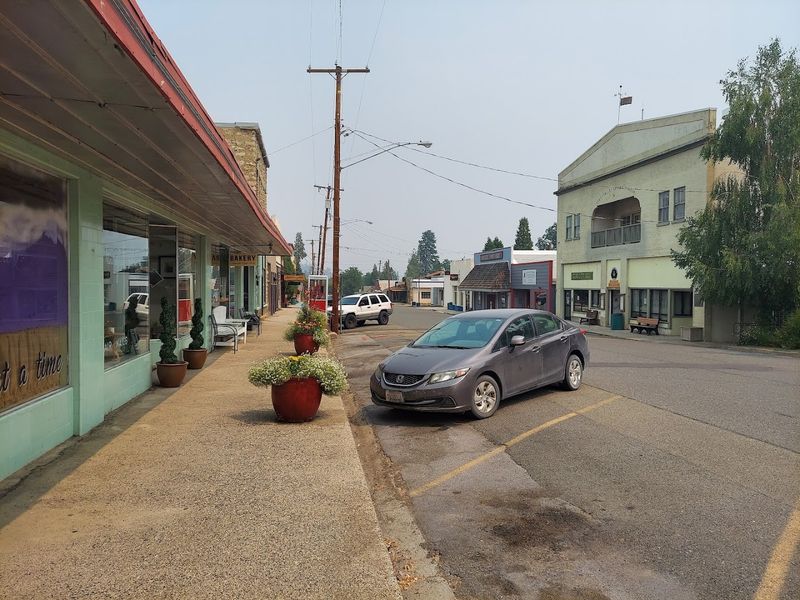
Few places in California feel as genuinely off the beaten path as Etna, a small town sitting in the middle of Scott Valley in Siskiyou County.
The valley stretches out wide and flat between mountain ranges, giving Etna a dramatic natural frame that visitors tend to notice immediately upon arrival.
The Marble Mountain Wilderness begins not far from town, making the area a solid base for hikers and backpackers who want access to remote trails.
Etna Brewing Company has become a local landmark and is one of the oldest craft breweries in the state, operating in a building with genuine historical character.
The town’s compact main street has a hardware store, a diner, and a few small businesses that serve both locals and passing travelers on Highway 3.
The overall atmosphere is relaxed and functional rather than designed around tourism.
Scott Valley itself is worth exploring slowly, with ranches, wetlands, and open farmland creating a landscape that feels honest and unpolished in the best way.
Wildlife is common throughout the valley, and the night skies above Etna rank among the darkest and clearest in Northern California due to the low population density.
Visiting in late spring or early fall tends to offer the most comfortable temperatures for outdoor activity.
5. Weaverville
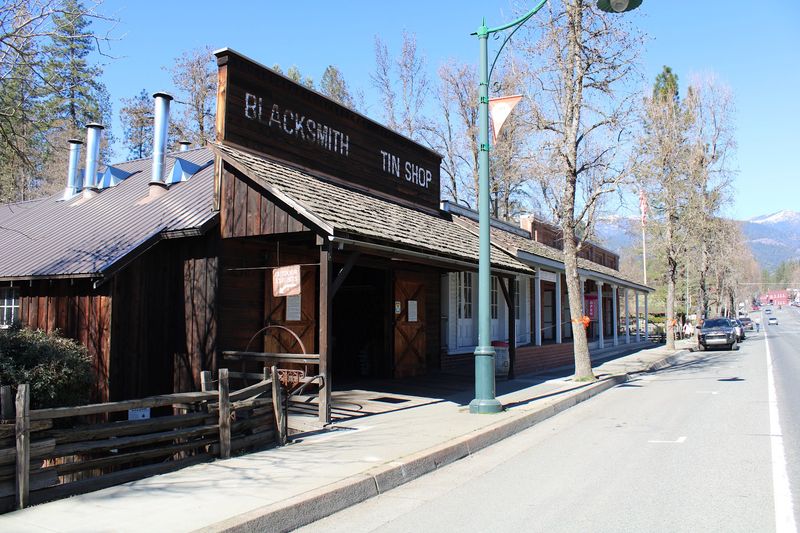
History has a strong presence in Weaverville, the seat of Trinity County and one of the better-preserved gold rush towns in Northern California.
The streets here are lined with 19th-century brick buildings that have been maintained without being over-restored, giving the town a texture that feels earned rather than staged.
Trinity County as a whole remains one of the least populated counties in California, which keeps Weaverville refreshingly quiet year-round.
The Joss House State Historic Park on Main Street is one of the most significant Chinese Taoist temples still standing in California, dating back to 1874.
The building itself is open for guided tours and offers a detailed look at the history of Chinese immigrants who played a central role in the region’s gold rush economy.
It stands as one of the most distinctive historical sites in the entire state.
Trinity Lake, located just a short drive from town, provides boating, fishing, and camping opportunities across a large reservoir surrounded by forested hills.
Weaverville also serves as a gateway to the Trinity Alps Wilderness, which offers extensive hiking and backpacking terrain.
The combination of accessible history, nearby wilderness, and a genuinely small-town feel makes Weaverville one of the most well-rounded stops in Northern California.
6. Point Arena
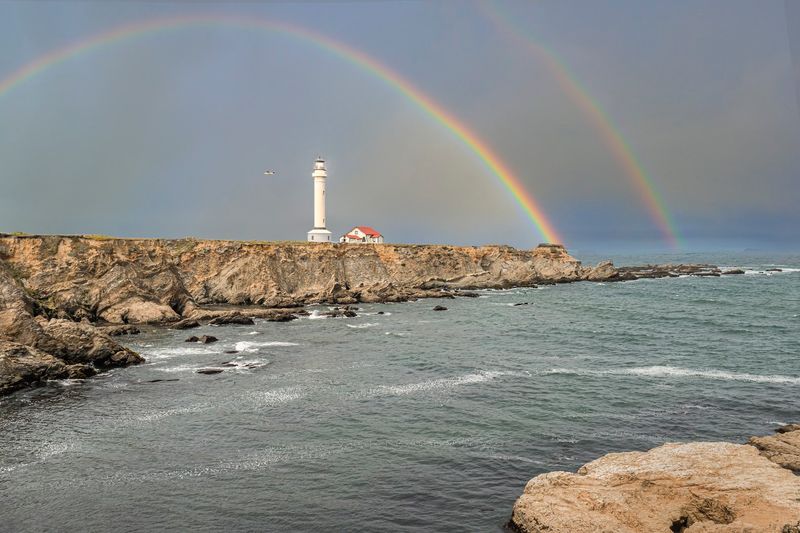
Perched on a narrow stretch of the Mendocino Coast, Point Arena is a small town with an outsized sense of place.
The coastline here is raw and dramatic, with rocky headlands, tide pools, and long stretches of beach that receive far fewer visitors than the more advertised sections of the California coast.
The town itself is modest in size but has a character shaped by fishing, farming, and a long-standing artistic community.
Point Arena Lighthouse stands at the edge of the headland and is one of the tallest lighthouses on the West Coast, rising 115 feet above the surrounding bluff.
The lighthouse is open to the public for tours, and the views from the top extend far out over the Pacific on clear days.
Keeper cottages on the property can also be rented for overnight stays, which makes it a memorable base for exploring the coast.
The town’s main street has a small grocery, a handful of eateries, and local shops that reflect the community’s independent spirit.
Garcia River access nearby provides opportunities for fishing and wildlife observation including birds and river otters.
Visiting midweek tends to offer the quietest experience, especially during the summer months when coastal areas along Highway 1 see increased weekend traffic.
7. Gualala
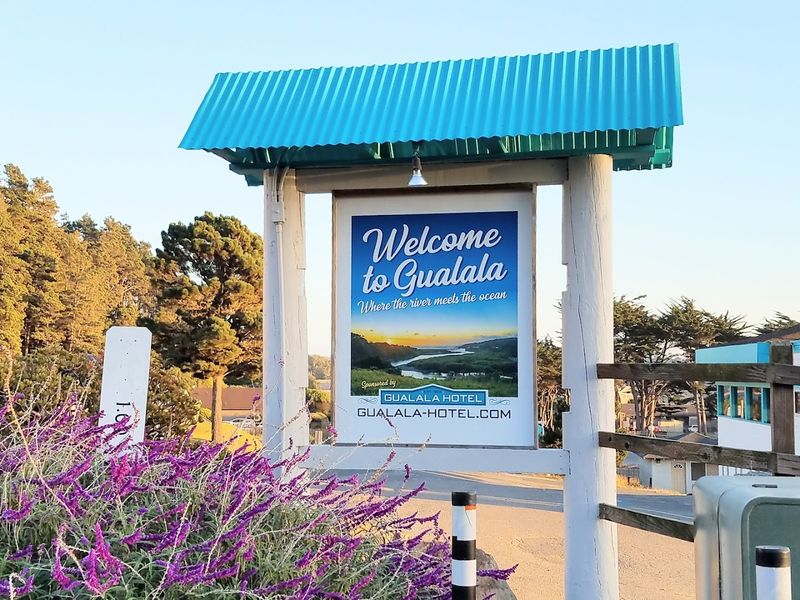
Sitting right at the Mendocino and Sonoma county line, Gualala occupies a stretch of coastline where the Gualala River meets the Pacific Ocean in a wide, calm estuary.
The name itself comes from a Coast Miwok word and the landscape around the town has a wild, unmanicured quality that makes it feel genuinely coastal rather than polished.
Fog rolls in regularly from the ocean, softening the light and giving the mornings a quiet, contemplative atmosphere.
Gualala Point Regional Park sits just south of town and offers trails through coastal prairie, redwood groves, and along the river’s edge where egrets and herons are commonly spotted.
The beach at the park is accessible and wide, with driftwood-covered sand and dramatic rock formations visible offshore.
Camping is available within the park for visitors who want to extend their stay along the coast.
The town has a small commercial center with a grocery store, a few restaurants, and local art galleries that reflect the creative community that has gathered here over the decades.
The Arts Center on the highway hosts rotating exhibitions from regional artists and is worth stopping into.
Highway 1 through this stretch is winding and scenic, so allowing extra time for the drive is a practical consideration for anyone planning a coastal road trip.
8. Bolinas
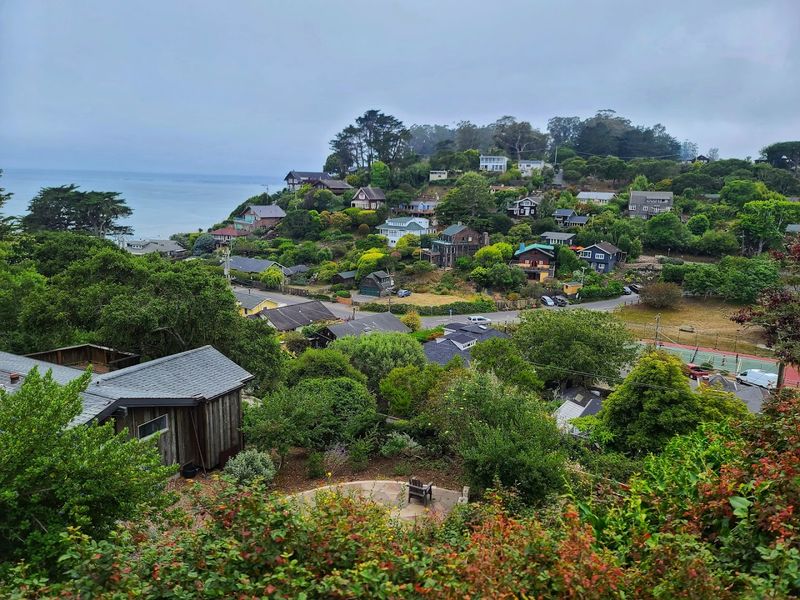
Bolinas has a reputation for being one of the most deliberately low-key towns in California, and spending even a few hours there makes that reputation easy to understand.
The community sits on a mesa above the Pacific just north of Point Reyes National Seashore, and residents have historically removed highway signs pointing to the town as a way of discouraging heavy tourist traffic.
The roads are narrow and mostly unpaved in places, and the overall atmosphere leans toward the intentionally unhurried.
The Bolinas Lagoon, which separates the town from Highway 1, is a protected tidal estuary that supports harbor seals, shorebirds, and migratory waterfowl throughout the year.
Audubon Canyon Ranch manages conservation efforts in the area and the lagoon is a recognized birding destination during migration season.
The scenery along the lagoon’s edge is quietly stunning in a way that rewards slow observation rather than a quick drive-by.
The town has a small market, a community center, and a few locally run businesses that keep things functional without any commercial buildup.
The beach at Bolinas is accessible and popular with surfers who appreciate the consistent swells along this stretch of coast.
Arriving with a relaxed mindset and no firm schedule tends to match the rhythm of the place far better than a tightly planned itinerary.
9. San Juan Bautista
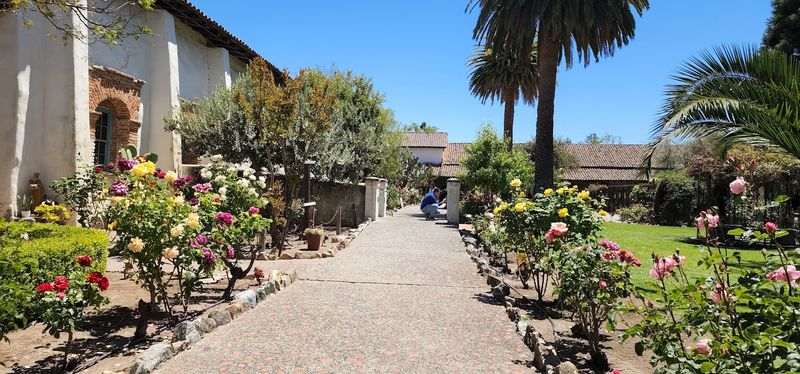
Founded in 1797, the mission at the heart of San Juan Bautista is one of the largest and best-preserved Spanish colonial missions in California, and the plaza surrounding it has changed remarkably little over the past two centuries.
The town sits along the old El Camino Real in San Benito County and has a compact historic district that can be explored comfortably on foot in a single afternoon.
The pace of life here is genuinely slow, and the architecture gives the streets an almost cinematic quality.
San Juan Bautista State Historic Park surrounds the mission plaza and includes restored adobe buildings such as a hotel, a stable, and a castro-era headquarters, all open to visitors.
The park provides a layered look at California history spanning the Spanish, Mexican, and American periods without feeling like a performance.
A fault line visible along the edge of the park marks the San Andreas Fault, which adds a geological dimension to the visit.
The town’s small commercial street has local restaurants, antique shops, and bakeries that operate at a relaxed pace suited to the surroundings.
Weekend visits can be livelier due to local events and day-trippers from the Bay Area, while weekdays tend to be noticeably quieter.
The surrounding farmland in San Benito County adds to the rural, grounded feeling that defines the town’s character.
10. Locke
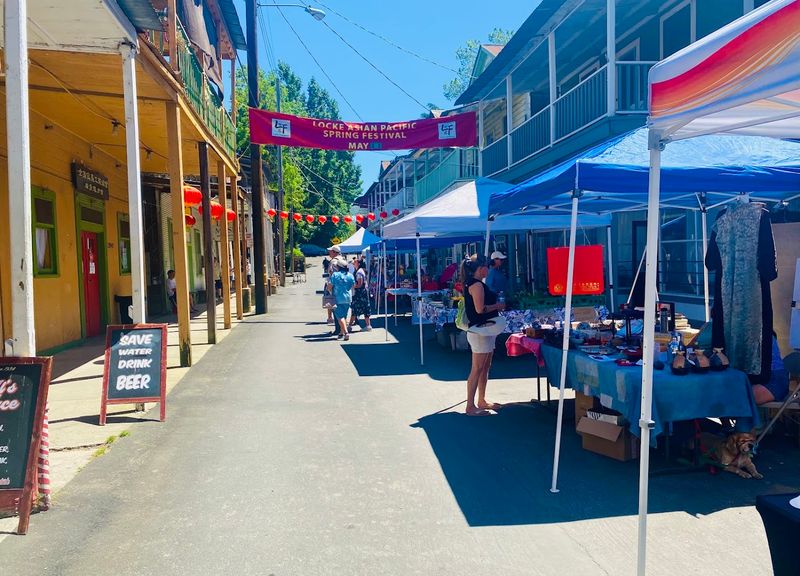
Locke is unlike any other town in California, and possibly unlike any other town in the country.
Built almost entirely by Chinese immigrants in 1915 on the banks of the Sacramento River, the town was constructed as a place where Chinese workers and their families could live and operate businesses during an era of severe legal discrimination.
The wooden buildings lean slightly with age and the raised boardwalks along the main street have the texture of genuine history rather than reconstruction.
The town is now a California Historical Landmark and part of the Sacramento-San Joaquin Delta, which adds a watery, atmospheric quality to the setting.
The Dai Loy Museum on Main Street occupies a former gambling hall and provides context for the community’s history and daily life during its most active period.
The building itself is spare and honest in its presentation, which suits the tone of the town well.
Al the Wop’s, a long-standing restaurant and bar in the main building row, has been serving food in Locke for decades and contributes to the town’s lived-in quality.
The delta landscape surrounding Locke is flat and open with levee roads that make for peaceful cycling or slow drives.
Visiting on a weekday offers the quietest experience since weekend visitors tend to arrive in greater numbers from the Sacramento area.
11. Murphys
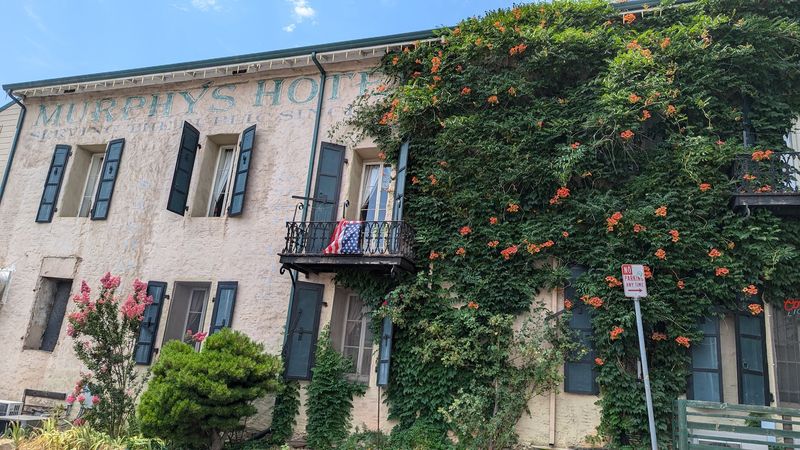
Gold Country has no shortage of historic towns, but Murphys manages to stand out with a main street that combines genuine 19th-century architecture with a lively but not overwhelming present-day energy.
The stone and brick buildings that line Main Street were built during the gold rush era and have been adapted into shops, tasting rooms, and restaurants without losing their structural character.
Large sycamore and locust trees shade the sidewalks and give the street a comfortable, walkable quality even on warm afternoons.
The surrounding Calaveras County foothills are dotted with cavern systems including Mercer Caverns and Moaning Cavern, both of which are open for guided tours and offer a cool underground contrast to the sun-warmed surface landscape.
Families and geology enthusiasts tend to find both stops genuinely engaging rather than gimmicky.
The combination of above-ground history and below-ground geology makes the area around Murphys unusually layered for a small town.
Murphys Hotel on Main Street has been operating since 1856 and counts several notable historical figures among its past guests, making it one of the more storied lodging options in the Sierra Nevada foothills.
The town draws visitors throughout the year but tends to be most active during spring and fall when temperatures are mild and the surrounding landscape looks its best.
Arriving early on weekend mornings allows for a quieter walk along Main Street before the day-trippers arrive.
12. Columbia
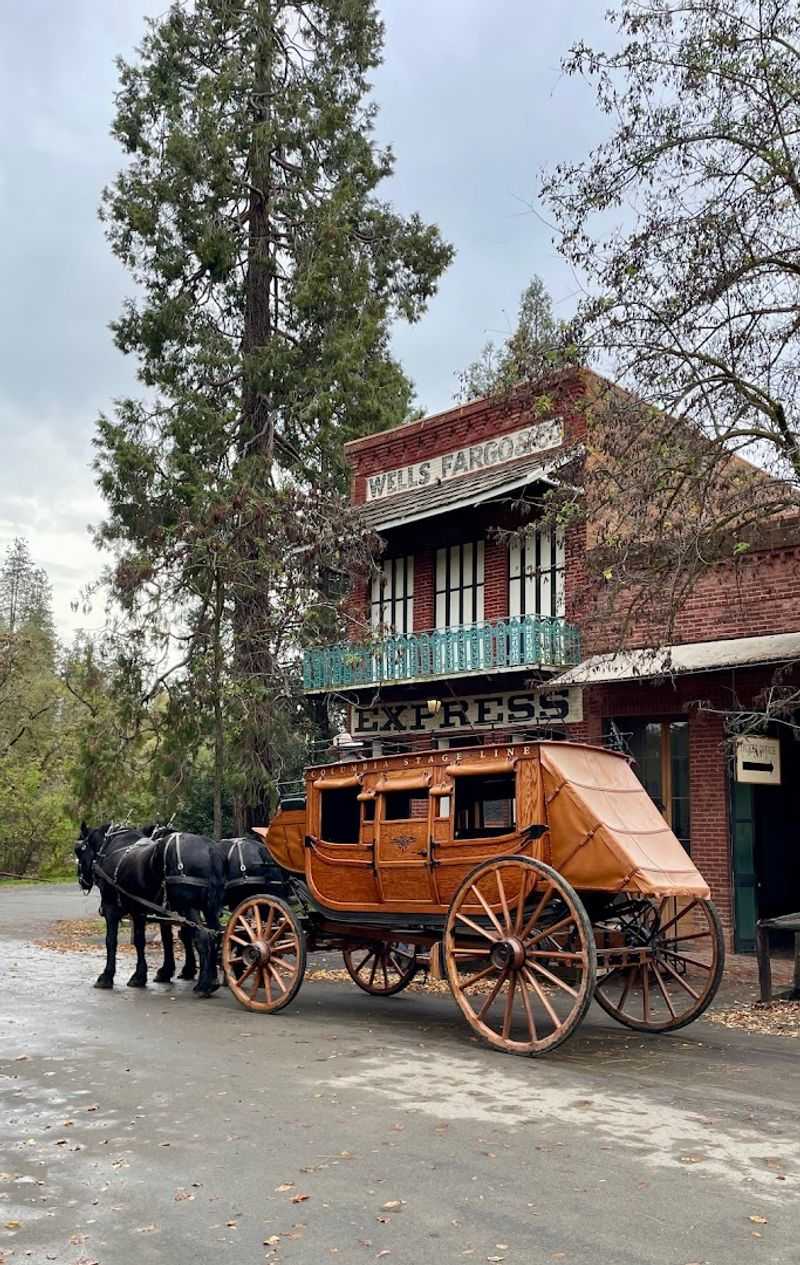
Stepping into Columbia feels like the calendar has rolled back to the 1850s, and that quality is entirely intentional.
Columbia State Historic Park preserves one of the most complete gold rush-era commercial districts in California, with unpaved streets, restored brick and adobe buildings, and working businesses that operate within the historic framework of the park.
Costumed interpreters walk the streets and engage visitors in ways that make the history feel active rather than archived.
The park is managed by California State Parks and sits in Tuolumne County just a few miles north of Sonora.
Stagecoach rides, gold panning demonstrations, and tours of period-accurate buildings give visitors multiple ways to engage with the 1850s setting.
The blacksmith shop, the Wells Fargo office, and the restored saloon buildings are among the most visually compelling stops within the park.
Unlike many state parks, Columbia allows working businesses to operate inside the historic district, so visitors can purchase candy, baked goods, and handmade items from shops that maintain a period aesthetic.
The park is open year-round and admission to the grounds is free, though some activities and demonstrations have separate fees.
Spring and fall tend to offer the most comfortable visiting conditions, with mild temperatures and smaller crowds than the peak summer season typically brings.
13. Downieville
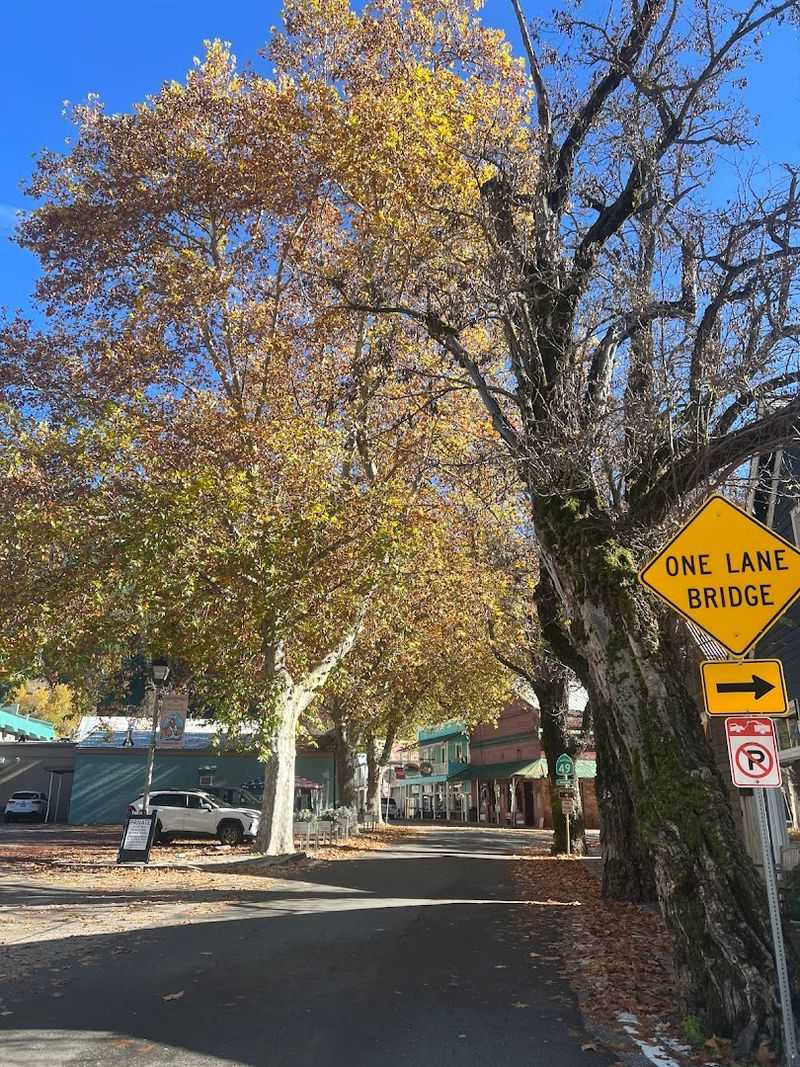
Few towns in California feel as dramatically situated as Downieville, which sits at the confluence of the North Yuba River and the Downie River at the bottom of a steep canyon in Sierra County.
The mountains rise sharply on all sides, the river runs cold and clear through the center of town, and the historic buildings cling to the narrow canyon floor in a way that makes the whole place feel both precarious and permanent.
Sierra County is the least populous county in California, which means Downieville remains genuinely quiet even during the busier summer months.
The town has a well-documented gold rush history and the Sierra County Historical Park and Museum offers a thorough look at that era, including a restored gallows that serves as a sobering reminder of frontier justice.
The museum is housed in a building that dates to the 1850s and the collection inside is carefully maintained.
Walking the few blocks of Downieville’s main street takes less than ten minutes but rewards careful attention to the architectural details.
Mountain biking has become a significant draw in recent years, with the Downieville Downhill trail considered one of the premier single-track descents in the western United States.
The trail drops thousands of feet through forested terrain and typically requires a shuttle to the top.
Fishing, swimming holes, and riverside camping round out the outdoor options available to visitors exploring this remote but rewarding corner of the Sierra Nevada.
14. Bridgeport
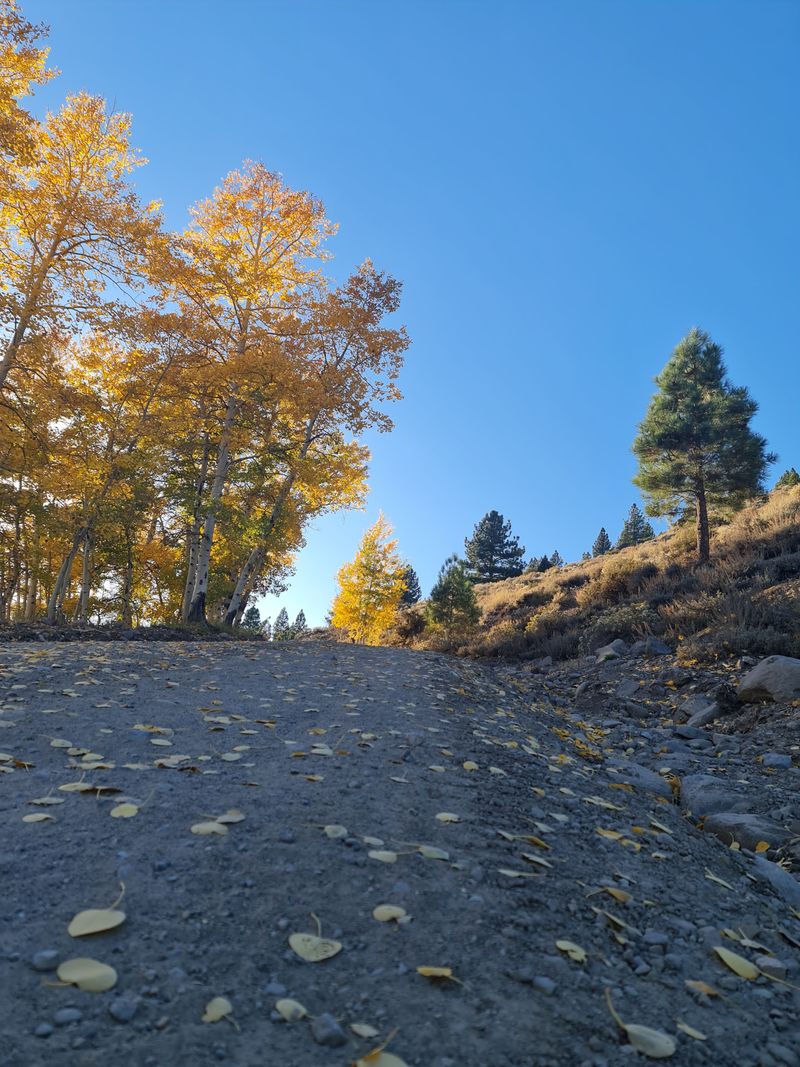
Sitting at over 6,400 feet in the high desert of the Eastern Sierra, Bridgeport is the kind of town where the landscape does most of the talking.
The wide valley it occupies is ringed by mountain ranges and the open sagebrush terrain gives the area a stark, expansive quality that differs sharply from the forested towns on the western slope of the Sierra Nevada.
The air is noticeably thin and dry compared to coastal California, and the temperature can swing dramatically between day and night even in midsummer.
The Mono County Courthouse, built in 1880, is one of the oldest active courthouses in California and its Victorian architecture stands out vividly against the surrounding landscape of sage and open sky.
Bridgeport Reservoir just north of town is a well-known fishing destination, particularly for brown and rainbow trout, and attracts anglers from across the region during the spring and summer seasons.
The reservoir also supports a variety of shorebirds and waterfowl that make the area appealing for wildlife observation.
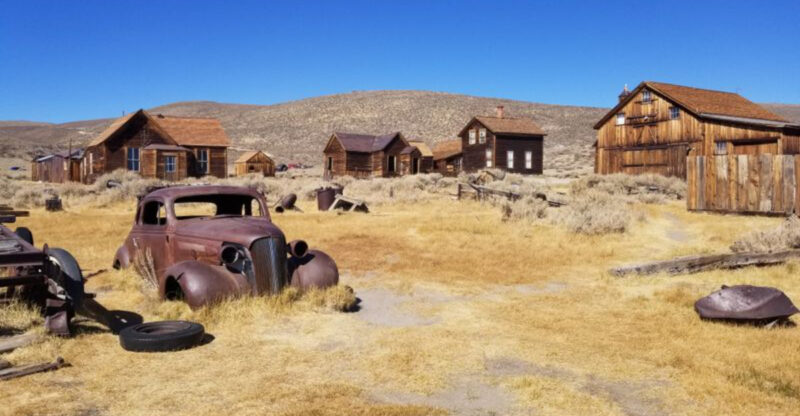
Bodie State Historic Park, a preserved ghost town from the gold rush era, is located about thirteen miles east of Bridgeport on a dirt road and is one of the most authentic ghost towns open to the public in the United States.
The drive to Bodie passes through wide-open high desert terrain that adds to the sense of remoteness.
Bridgeport itself has basic lodging and dining options that serve as a comfortable base for exploring the surrounding Eastern Sierra landscape.
15. Trinidad
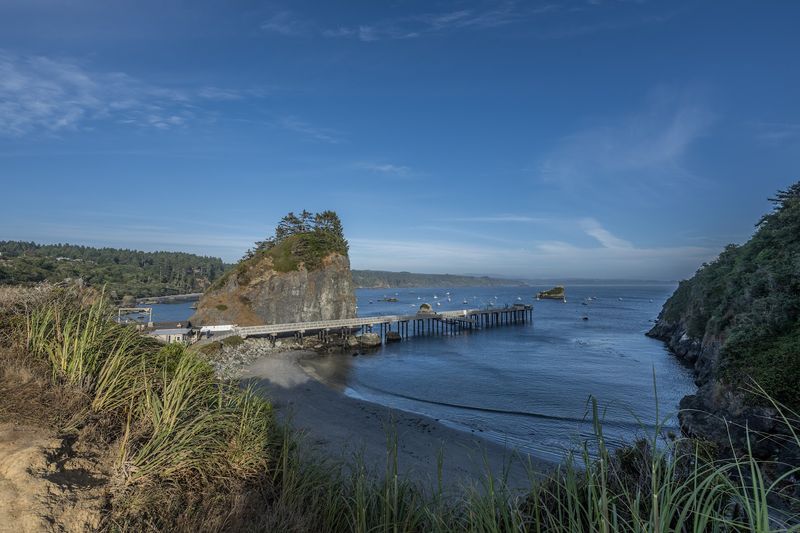
Clinging to a rugged stretch of the Humboldt Coast, Trinidad is one of the smallest incorporated cities in California and one of the most visually striking.
The town sits on a bluff above a small natural harbor, with Trinidad Head rising dramatically to the west and the Pacific stretching out beyond it in every direction.
The combination of old-growth redwood forest behind the town and rocky ocean shoreline in front of it creates a setting that is genuinely hard to match anywhere along the California coast.
Trinidad State Beach and Humboldt Lagoons State Park are both easily accessible from town and offer tide pool exploration, beachcombing, and wildlife watching along a coastline that remains largely undeveloped.
Sea lions and harbor seals are commonly spotted near the harbor rocks, and the bluff trails above the beach provide open views of the Pacific that stretch for miles on clear days.
The Trinidad Memorial Lighthouse replica near the harbor is a small but photogenic landmark that has become one of the town’s most recognized images.
The fishing harbor at the base of the bluff is a working port where commercial fishing boats dock alongside recreational vessels, giving the waterfront an authentic rather than decorative quality.
A few restaurants and a small market serve both locals and visitors without the town feeling crowded or over-commercialized.
Fog is a regular presence along this stretch of coast, especially in summer mornings, which adds a moody atmospheric quality to the views from the bluff.