These 12 Central California Mountain Towns Feel Like A Secret Worth Finding
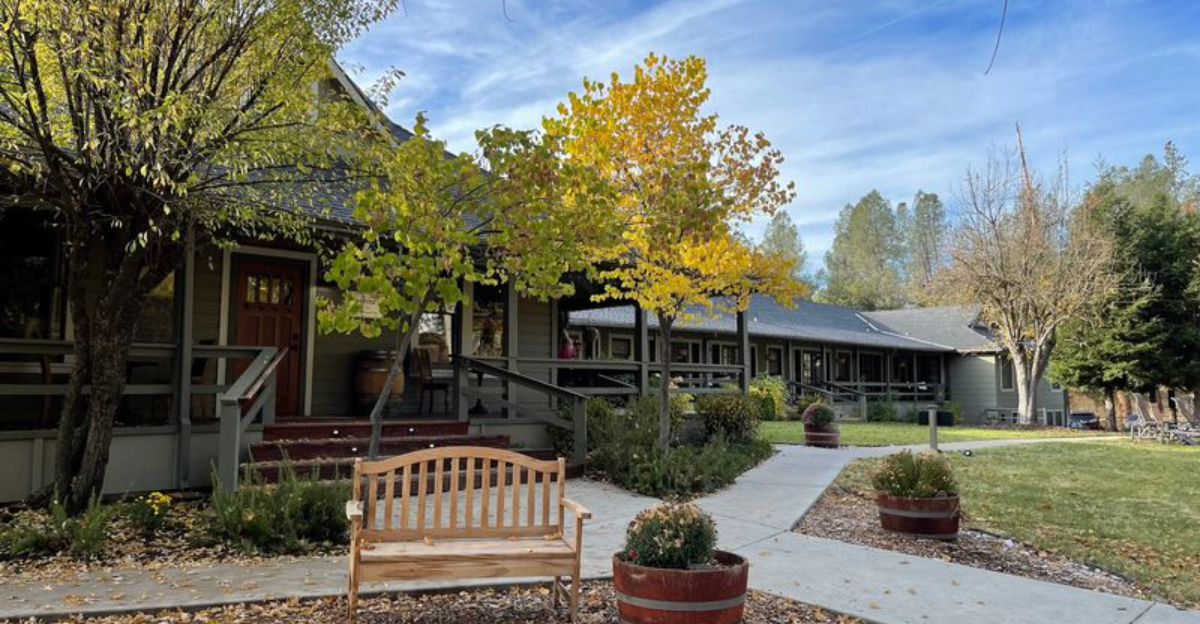
Take the road that climbs past the last familiar gas station. That is often where things get interesting.
The air cools, pine trees close in, and suddenly the busy valley feels much farther away than the mileage suggests.
A tiny downtown appears around the bend. Maybe there is a bakery, a trailhead, or a café with exactly three tables outside.
Central California’s mountain towns reward travelers who are willing to trade speed for curiosity.
Do not rush through them. Park once. Walk slowly. Follow the side street that looks promising.
Ask where locals go when they want coffee or a quiet view. If the town feels almost too peaceful to share, you are probably understanding the appeal.
These 12 places are not trying to compete with famous resort destinations.
They offer something better for the right traveler: cool air, small-town character, and the satisfying feeling that you found somewhere everyone else drove past.
1. Shaver Lake, California
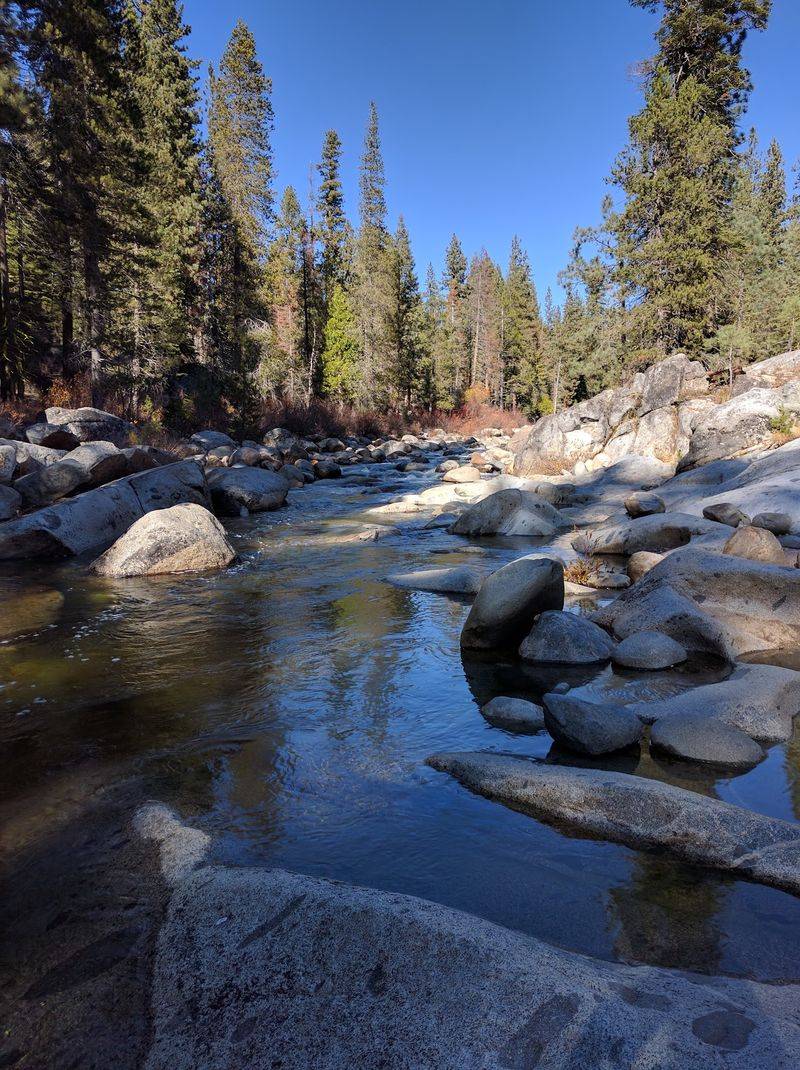
Sitting at roughly 5,400 feet in the Sierra Nevada, Shaver Lake draws visitors who want water access without the crowds of more famous California lakes.
The lake itself stretches across a wide basin, and the surrounding forest gives it a tucked-away quality that feels genuinely restorative.
Fishing, kayaking, and motorized boating are all available through the three marinas operating on the water.
Sierra Marina, Shaver Lake Marina, and Shaver Lake Watersports each offer rental options including kayaks, pontoon boats, and wave runners, making it accessible for visitors who arrive without their own gear.
Dorabelle Campground and Camp Edison Campground both provide accessible facilities for overnight stays, and the Camp Edison location includes a general store stocked with groceries and camping supplies.
During winter months, approximately twelve miles of Nordic ski trails become available around the area, giving the lake a completely different seasonal identity.
The village along Tollhouse Road offers a walkable stretch of small businesses, a deli, and a coffee spot, making it easy to spend a morning exploring on foot before heading to the water.
2. Twain Harte, California
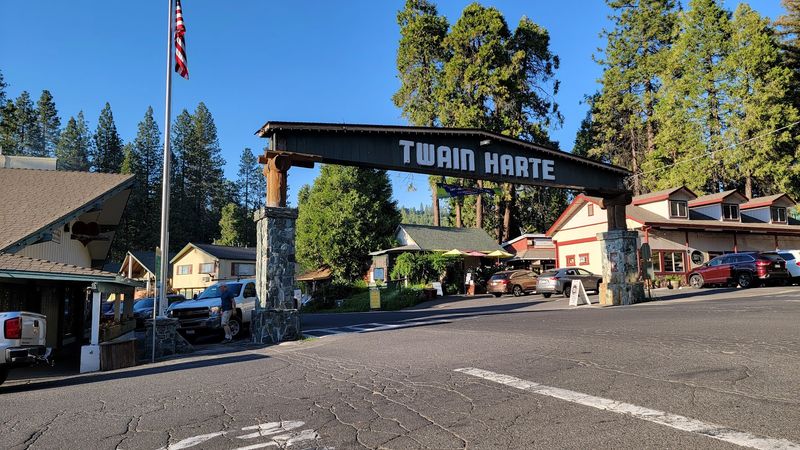
Named after two famous American writers, Twain Harte sits in the Sierra Nevada foothills at an elevation that keeps summer temperatures noticeably cooler than the valley below.
The town center is compact and walkable, with a relaxed pace that suits visitors looking to decompress rather than check off a list of attractions.
Pine trees line most of the streets, and the overall atmosphere leans toward quiet rather than busy.
Eproson Park, located downtown off Meadow Lane, serves as a community hub with a baseball field, playground, picnic area, bocce courts, and a skate park.
Families tend to gravitate here on weekends, and the outdoor stage occasionally hosts local events that give the park a lively energy.
Twain Harte Lake operates as a private lake accessible to members and their guests, offering swimming areas and fishing opportunities for younger visitors.
Tennis and pickleball courts on Marquis Drive provide another outdoor option for active travelers.
The overall experience here rewards those who prefer wandering without a strict agenda, letting the forest backdrop set the tone for the day.
3. Groveland, California
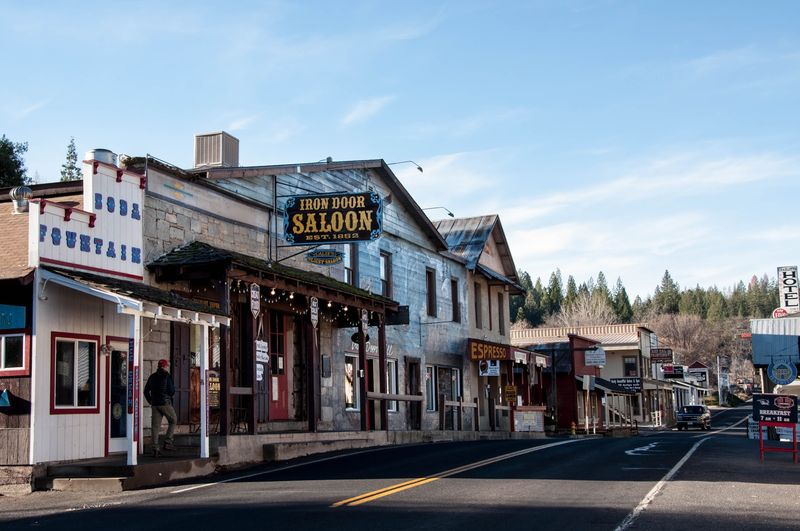
Positioned along Highway 120, the main route into Yosemite National Park from the west, Groveland tends to catch travelers at a natural pause point before the park gates.
The town has deep Gold Rush roots, and several of its historic buildings along Main Street have been standing since the mid-1800s.
That sense of layered history gives the streetscape a character that newer mountain towns simply cannot replicate.
The Iron Door Saloon, often cited as one of California’s oldest continuously operating establishments, anchors the historic district and adds to the town’s authentic Western feel.
Visitors exploring the main drag will find a handful of shops, a local hotel, and views of surrounding hills that frame the street in a way that feels almost cinematic.
The pace is unhurried, and foot traffic rarely feels overwhelming.
For outdoor pursuits, the Stanislaus National Forest surrounds the area and offers trails, fishing spots, and camping within a short drive.
Don Pedro Reservoir also sits nearby, providing boating and swimming options during warmer months.
Groveland works well as either a destination on its own or a strategic stop for anyone planning a multi-day trip through the Sierra Nevada corridor heading toward Yosemite.
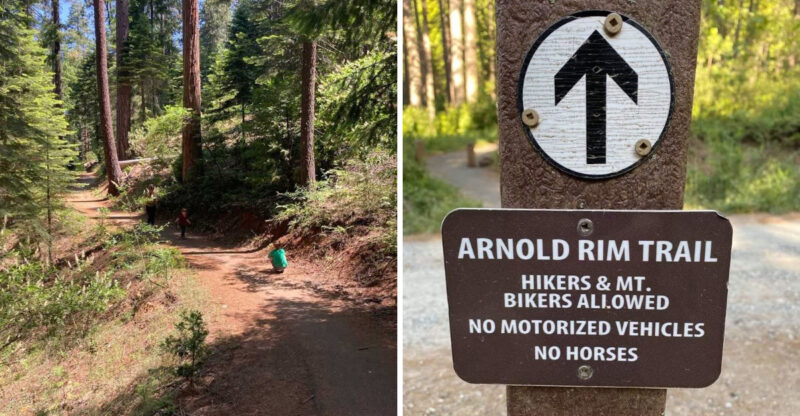
4. Arnold, California
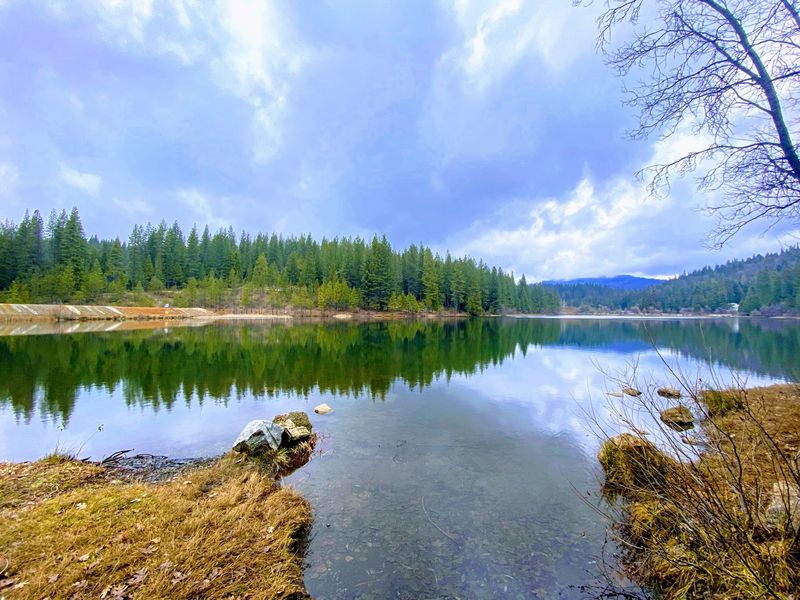
Calaveras County holds many surprises, and Arnold is one of the quieter ones.
Sitting at around 4,000 feet in elevation, the town serves as a base camp for visitors heading to Calaveras Big Trees State Park, which protects some of the largest living trees on Earth.
The park’s North Grove Trail offers an accessible walk among giant sequoias that creates a lasting impression on anyone who experiences it.
Calaveras Big Trees State Park features two groves of giant sequoias along with camping facilities, a visitor center, and picnic areas.
The South Grove trail is longer and less trafficked, giving visitors a more solitary encounter with the trees.
Both groves are open to the public, though seasonal conditions can affect road access to the South Grove.
The town of Arnold itself has a small commercial strip with a grocery store, local eateries, and a gas station, making it practical for stocking up before a day in the park.
Bear Valley Ski Resort sits just a short drive up the road, adding a winter dimension to the area that draws a different crowd entirely.
5. Murphys, California
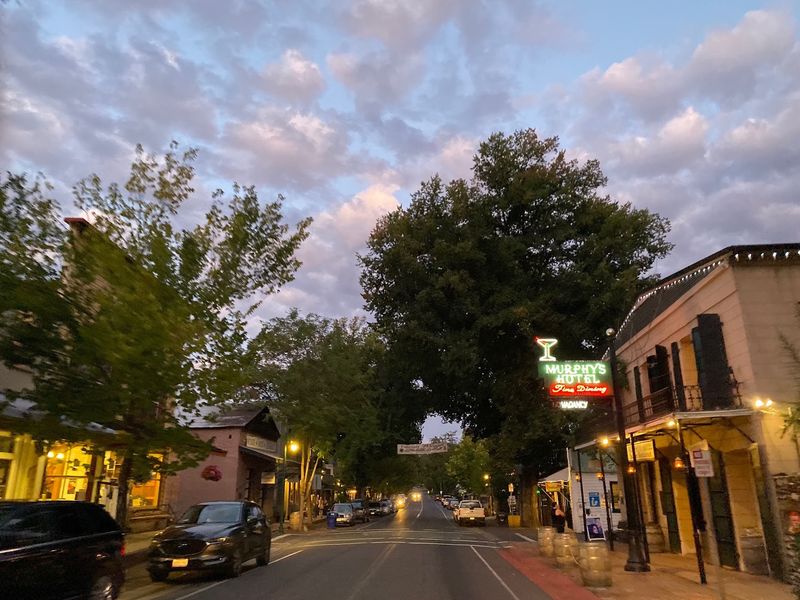
Few mountain towns in California pack as much personality into a single street as Murphys does.
Main Street here runs through a compact historic district lined with stone buildings, boutique shops, tasting rooms, and cafes that make an afternoon of wandering feel genuinely rewarding.
The town sits in the Sierra Nevada foothills at around 2,170 feet, giving it a mild climate that stays pleasant through much of the year.
Mercer Caverns offers guided underground tours through limestone chambers filled with stalactites and other geological formations.
The caverns have been open to the public since 1885 and remain one of the more unique natural attractions in the region.
Tours are available on a scheduled basis, and the experience suits visitors of various age groups.
Ironstone Vineyards also operates in the area and features a museum with a notable gold specimen on display, adding a historical dimension to a visit.
The town has a strong community identity, and events throughout the year bring locals and visitors together in a way that feels organic rather than staged.
Murphys rewards slow exploration, and most of what makes it special is found simply by walking its main corridor.
6. Oakhurst, California
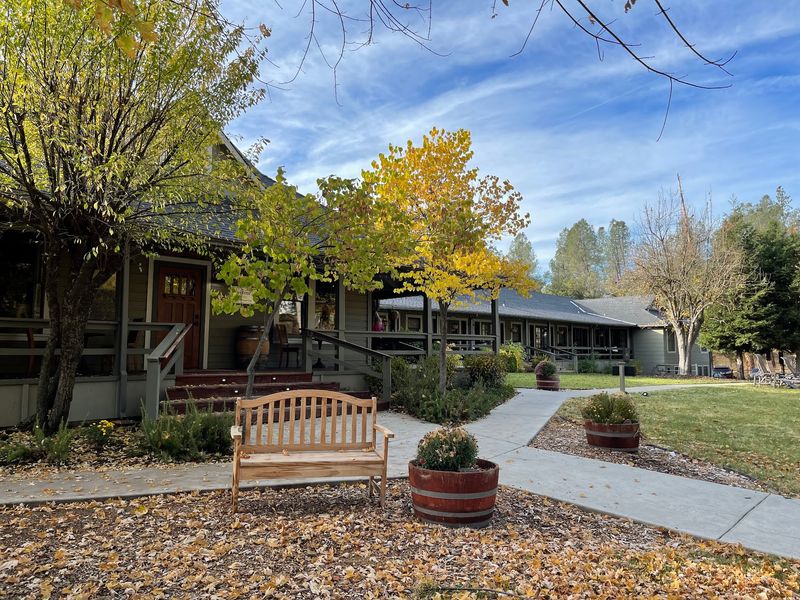
Sitting at the southern entrance to Yosemite National Park, Oakhurst functions as a practical and surprisingly pleasant base for park visitors.
The town has a full range of services including grocery stores, restaurants, and lodging options, which makes it a reliable stopping point for travelers arriving from the San Joaquin Valley.
At roughly 2,300 feet in elevation, it experiences milder temperatures than higher Sierra towns while still maintaining a mountain character.
The Fresno Flats Historical Park preserves a collection of historic structures including log cabins and a schoolhouse that tell the story of early settlement in the area.
The park is open to visitors and offers a grounded look at what life looked like in this part of California during the 19th century. Entry is generally low-cost, making it an accessible stop for families.
Sierra Vista Scenic Byway begins near Oakhurst and winds through the Sierra National Forest, offering dramatic views and access to hiking trails without requiring a Yosemite permit.
The byway is best traveled during late spring through early fall when road conditions are most favorable.
Oakhurst also has a small but active arts community, with local galleries adding a creative dimension to what might otherwise feel like a purely functional stop.
7. Kernville, California
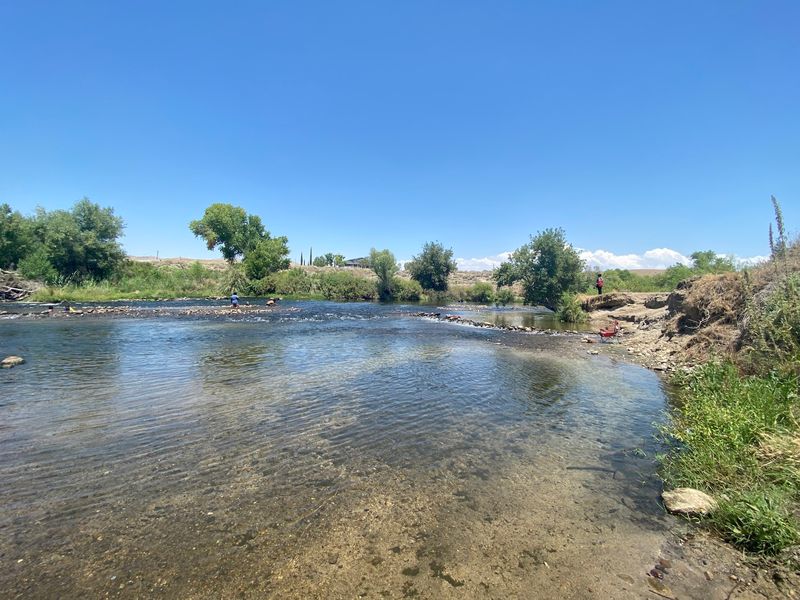
Built along the banks of the Kern River, Kernville carries an adventurous energy that sets it apart from quieter Sierra foothill towns.
The river here is well known among whitewater enthusiasts, and outfitters in town offer guided rafting trips ranging from beginner-friendly floats to more technical runs through faster rapids.
That outdoor focus gives the town a lively atmosphere during warmer months without feeling overcrowded.
The Kern River Valley sits in Tulare County, and the town itself has a compact historic district with a small museum, local shops, and casual dining options along its main streets.
The Kern Valley Museum, located at 49 Big Blue Rd, Kernville, CA 93238, documents the history of the area including the original town of Kernville, which was relocated when Isabella Lake was created by a dam in the 1950s.
The museum provides context that makes the landscape feel even more layered.
Lake Isabella, just a short drive from town, adds boating, fishing, and swimming to the list of available activities.
Mountain biking trails wind through the surrounding Sequoia National Forest, and the area also attracts rock climbers seeking less crowded routes than those found in more famous California climbing destinations.
8. Mariposa, California
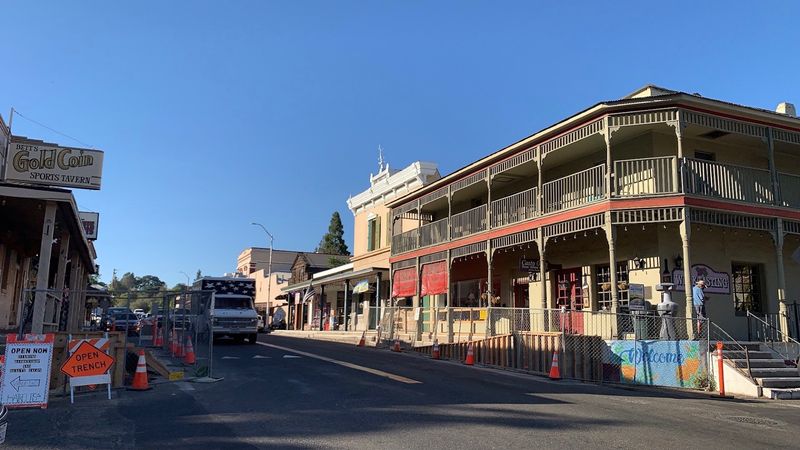
At the heart of Mariposa County, the town of Mariposa holds the distinction of being home to the oldest courthouse still in operation west of the Mississippi River.
That building, constructed in 1854, anchors a historic downtown that has preserved much of its Gold Rush-era character through careful stewardship rather than heavy commercialization.
Walking through the main street here feels like a genuine encounter with California history.
The California State Mining and Mineral Museum houses an impressive collection of gold specimens and gemstones along with exhibits on the state’s mining heritage.
The museum is part of the Mariposa County Fairgrounds complex and draws visitors interested in geology, history, and the story of California’s Gold Rush period.
Mariposa sits along Highway 140, one of the main corridors into Yosemite National Park, placing it in a natural position for travelers planning a park visit.
The surrounding Sierra Nevada foothills offer hiking and wildlife viewing opportunities throughout the year.
9. Sonora, California
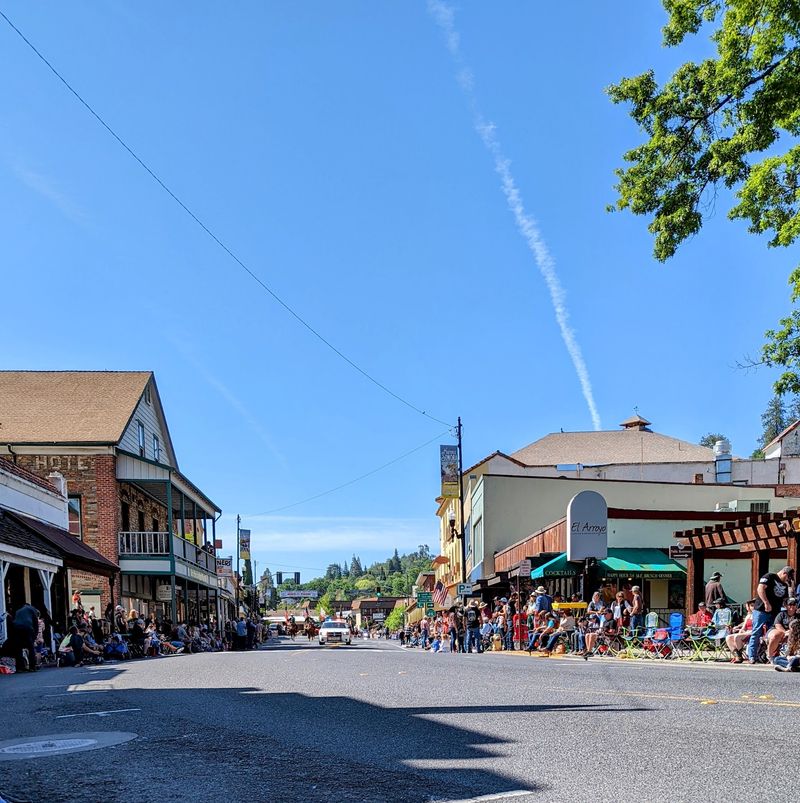
As the county seat of Tuolumne County, Sonora carries a level of energy and infrastructure that makes it feel more complete than many small mountain towns without losing its historic character.
Washington Street, the main commercial corridor, is lined with Victorian-era buildings that house restaurants, boutiques, antique shops, and local businesses.
The street has an inviting walkability that encourages visitors to slow down and explore at their own pace.
Columbia State Historic Park sits just a few miles north of Sonora and preserves an entire Gold Rush-era town in remarkable condition, adding considerable depth to a visit to the broader area.
Sonora also benefits from its elevation of around 1,800 feet, which keeps summer temperatures relatively comfortable compared to the valley floor.
Weekend mornings tend to bring farmers markets and local foot traffic that give the downtown a lively but unhurried atmosphere.
10. Jamestown, California
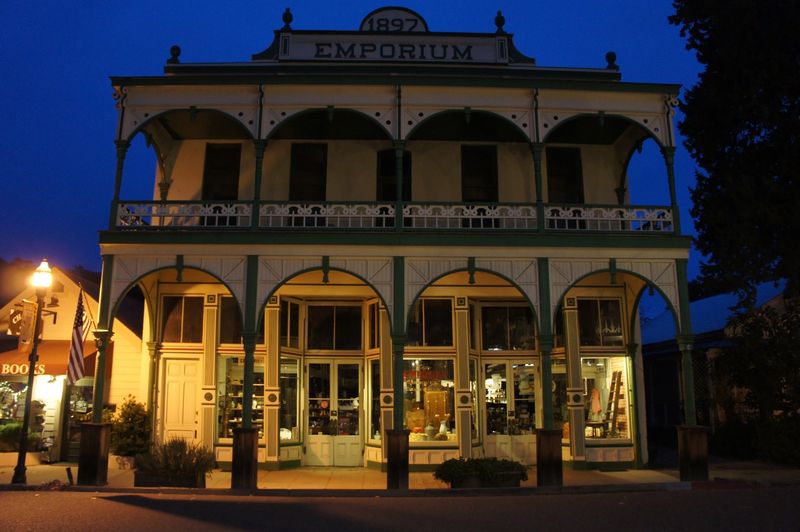
Railtown 1897 State Historic Park is the kind of place that makes Jamestown worth a dedicated stop rather than just a passing glance.
The park preserves a working roundhouse and collection of historic locomotives and railcars that have been used in numerous film and television productions over the decades.
Steam train rides are offered on a seasonal schedule, giving visitors a tangible connection to California’s railroad history.
Railtown 1897 State Historic Park and the roundhouse is open for guided tours even on days when train rides are not running.
Photography opportunities throughout the park are plentiful, particularly around the historic locomotives.
Main Street in Jamestown runs through a compact historic district with antique shops, a handful of casual restaurants, and Gold Rush-era storefronts that have been maintained in good condition.
The town sits just a few miles south of Sonora, making it easy to combine both into a single day of exploration.
Jamestown tends to attract a mix of history enthusiasts, train fans, and visitors simply passing through the Sierra Nevada foothills in search of something authentic.
11. Angels Camp, California
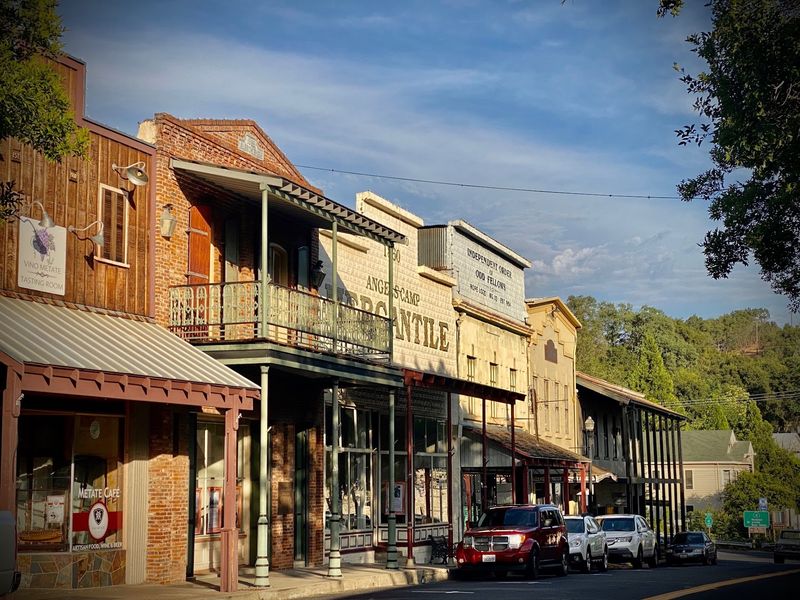
Mark Twain set his famous short story here, and Angels Camp has embraced that literary connection with a warmth that feels genuine rather than forced.
The Jumping Frog Jubilee, held annually at the Calaveras County Fairgrounds, draws visitors from across the country and keeps the town’s identity tied to its most famous cultural moment.
Even outside of festival season, the town has a distinct personality that rewards a leisurely visit.
The Angels Camp Museum and Carriage House holds an extensive collection of Gold Rush-era artifacts including mining equipment, historic photographs, and a remarkable display of antique carriages.
The carriage house portion of the museum is particularly impressive in scale, and the overall collection reflects careful preservation over many decades.
Main Street runs through a historic district with shops, local eateries, and well-preserved 19th-century architecture that gives the town a grounded sense of place.
New Melones Lake sits nearby and offers boating, fishing, and hiking trails along its shoreline, adding an outdoor dimension to a visit.
Angels Camp tends to be quieter on weekday mornings, which is often the most comfortable time to explore the historic district without competing for sidewalk space.
12. Pinecrest, California
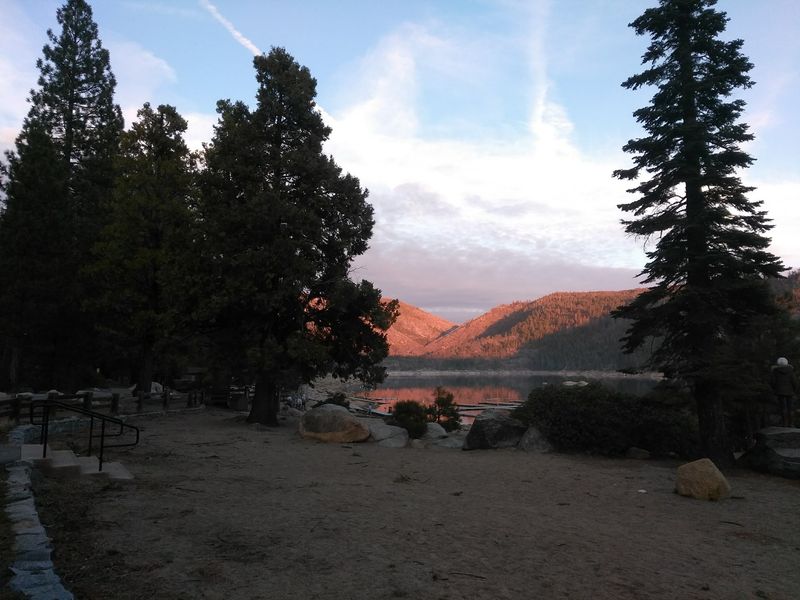
Pinecrest Lake sits at about 5,600 feet in the Stanislaus National Forest and offers one of the more accessible high-elevation lake experiences in Central California.
The lake has a sandy beach area that fills up on summer weekends but remains genuinely pleasant during weekday visits when the pace is noticeably slower.
Swimming, non-motorized boating, and fishing are the primary draws, and the surrounding forest provides a cool, shaded backdrop throughout the day.
A paved trail circles the lake and covers roughly one mile, making it suitable for visitors of varying fitness levels and ages.
The trail offers consistent views of the water and the granite ridges visible in the distance, giving even a short walk a sense of scenic reward.
Pinecrest Campground operates nearby and allows for overnight stays within easy walking distance of the lake.
The Pinecrest Lake Resort area includes a marina with kayak and paddleboard rentals, a small store, and a snack bar, providing enough amenities to support a full day without needing to drive elsewhere.
The surrounding Stanislaus National Forest also offers access to longer hiking trails for those wanting more elevation gain and solitude.
Pinecrest tends to feel particularly magical in early morning before the day-use crowds arrive, when the lake surface is calm and the light filters through the pines at low angles.