These 23 Central Coast California Museums Offer Discounts This March Through Museums-For-All
Exploring a museum doesn’t have to mean stretching your budget.
Along California’s Central Coast, families can step into aquariums, historic landmarks, science centers, and art galleries without the high price tag – especially in March.
Through the Museums For All program, families who receive food assistance benefits can access reduced admission at participating institutions, making cultural experiences more affordable and inclusive.
Many Central Coast museums also offer special free admission days throughout the month, creating even more opportunities to visit.
March is an ideal time to plan these outings.
The weather is mild, spring blooms are beginning to appear, and school breaks give families extra flexibility to explore together.
Whether your interests lean toward marine life along the coast, hands-on science experiments, California history, or contemporary art, there’s something nearby waiting to be discovered.
This guide highlights Central Coast museums offering free or reduced admission this March – making it easier than ever to turn a simple day out into a meaningful, memorable experience.
1. Art, Design & Architecture Museum, UC Santa Barbara
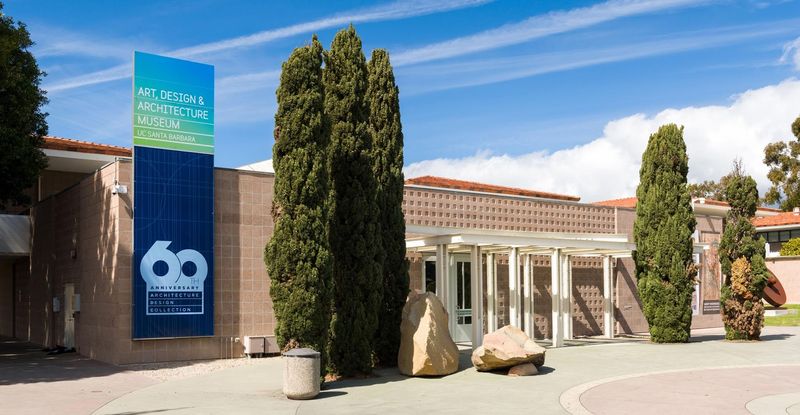
Located on the UC Santa Barbara campus, this museum showcases contemporary art, design, and architectural exhibitions that change throughout the year.
The museum is at 552 University Rd, Santa Barbara, CA 93106, and offers free parking in nearby campus lots on weekends.
Admission through Museums For All costs just $2 when you present your SNAP EBT card at the front desk.
The galleries feature rotating exhibitions that highlight both established and emerging artists from California and beyond.
Natural light fills the exhibition spaces through large windows that overlook the campus landscape.
Visitors can spend about an hour exploring the current shows, which often include multimedia installations and interactive design pieces.
Weekday mornings tend to be quieter than afternoons when students visit between classes. The museum provides benches in each gallery for comfortable viewing.
Educational labels accompany most artworks, explaining the creative process and historical context in accessible language.
March exhibitions often celebrate themes of renewal and transformation, reflecting the spring season.
The museum staff can answer questions about the collections and upcoming programs.
Free guided tours are sometimes available on weekend afternoons, though schedules vary.
2. Casa Del Herrero
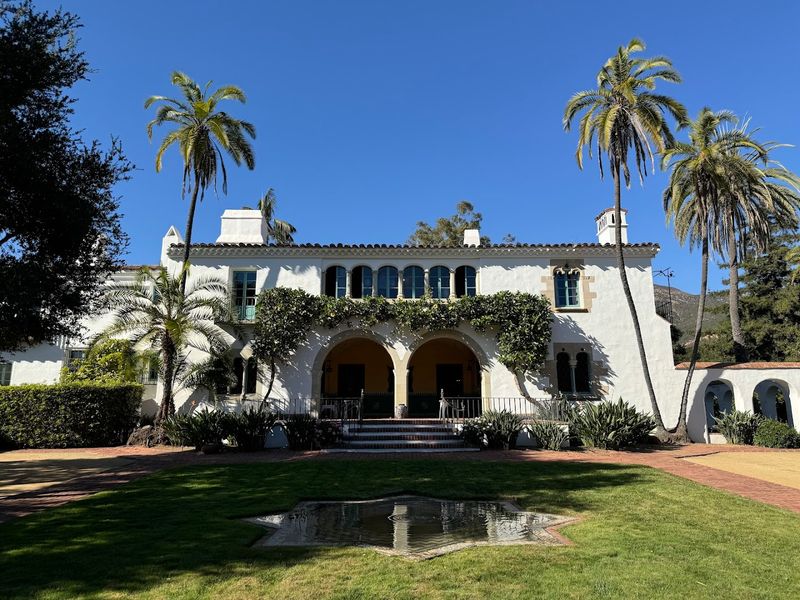
This 1920s Spanish Colonial Revival estate preserves the vision of George Fox Steedman, who designed every detail of the house and gardens.
Casa del Herrero is located at 1387 East Valley Road, Montecito, CA 93108, nestled in a residential neighborhood near the foothills.
The property includes the main house, workshop, and eleven acres of gardens filled with Mediterranean plants. Tours last about two hours and require advance reservations, even during Museums For All days.
Guides explain the craftsmanship of the hand-forged ironwork, decorative tiles, and custom furniture throughout the home.
The gardens feature fountains, walkways, and sitting areas that demonstrate early California landscape design.
Comfortable walking shoes are recommended because the tour involves stairs and uneven outdoor paths.
Photography is allowed in the gardens but restricted inside the house to protect the historic furnishings. Visitors often comment on the peaceful atmosphere and attention to detail in every room.
March weather makes garden touring especially pleasant, with blooming flowers and mild temperatures.
The property remains cooler than surrounding areas thanks to mature trees and strategic landscaping.
Children over ten are welcome on tours, though the experience appeals most to adults interested in history and design.
3. Dunes Center
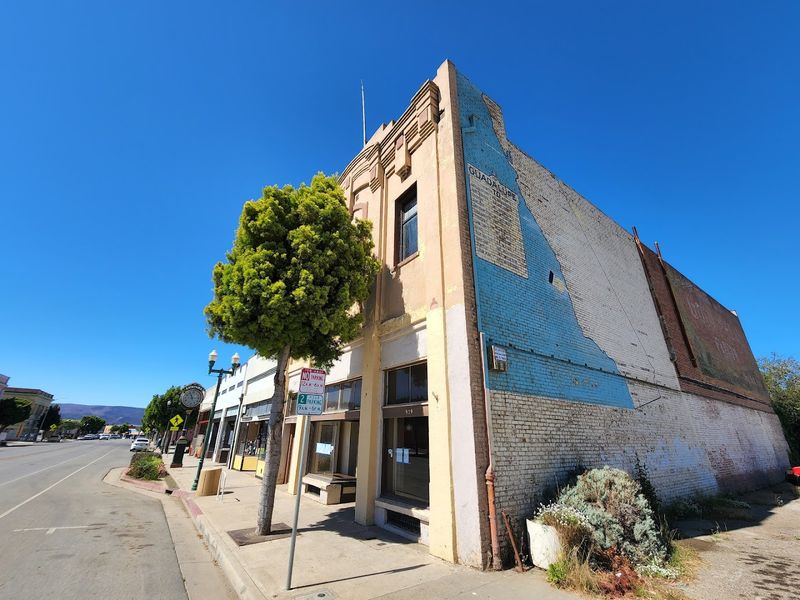
Situated near the Guadalupe-Nipomo Dunes, this environmental education center focuses on coastal ecology and conservation.
The Dunes Center is at 1065 Guadalupe Street, Guadalupe, CA 93434, in a renovated historic building downtown.
Exhibits explore the unique ecosystem of the dunes, including rare plants, nesting birds, and the area’s film history.
Interactive displays let visitors touch sand samples and learn about wind patterns that shape the dunes. A large relief map shows the entire dune system stretching along the coast.
The center also houses artifacts from old Hollywood movies filmed in the area, including the famous buried set from a 1920s biblical epic.
Staff members can provide directions to nearby beach access points for those who want to see the dunes firsthand. The center itself takes about 45 minutes to explore thoroughly.
Educational programs for families happen on some weekends, featuring nature walks and hands-on activities.
Parking is available on the street in front of the building or in a small lot behind it. The museum stays comfortably warm on foggy coastal days.
March visitors might spot migrating birds in the dunes or early wildflowers beginning to bloom in protected areas.
4. Elverhoj Museum Of History & Art
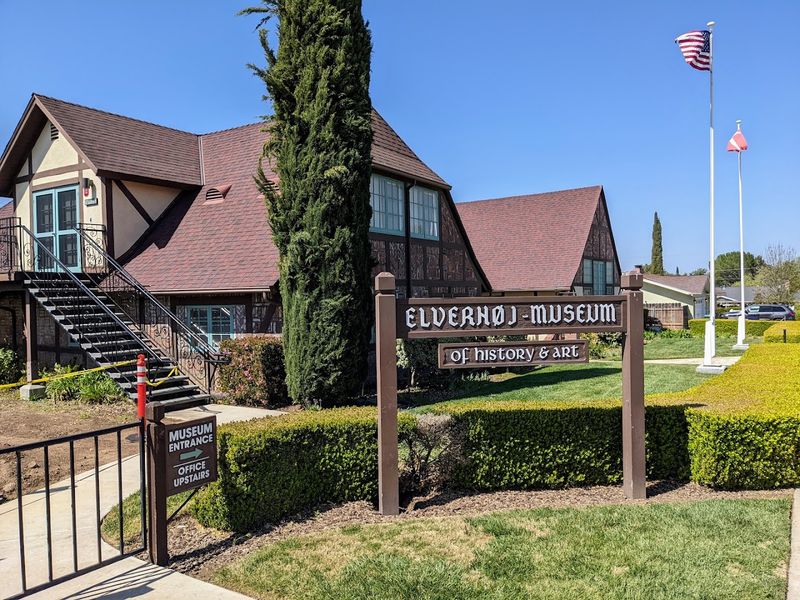
This museum celebrates the Danish heritage of Solvang through historical exhibits and rotating art shows.
Located at 1624 Elverhoy Way, Solvang, CA 93463, the building itself reflects traditional Danish design with timber framing and painted details.
Permanent displays include immigrant stories, traditional crafts, and photographs documenting the town’s founding in 1911. The upper gallery hosts changing art exhibitions featuring local and regional artists.
Visitors can see examples of Danish folk art, including paper cutting and embroidery, alongside contemporary paintings and sculptures.
The museum takes about an hour to visit, depending on interest in reading the detailed historical panels.
A small gift shop near the entrance sells books about Danish culture and locally made crafts. The museum sits in a quiet residential area just off the main tourist streets.
Parking is available in a small lot adjacent to the building or along nearby residential streets. Staff members are knowledgeable about Solvang’s history and can recommend other Danish sites in town to visit.
The museum feels especially relevant during March when Solvang is less crowded than summer months. Natural light from large windows makes the galleries bright and welcoming throughout the day.
5. Goleta Valley Historical Society
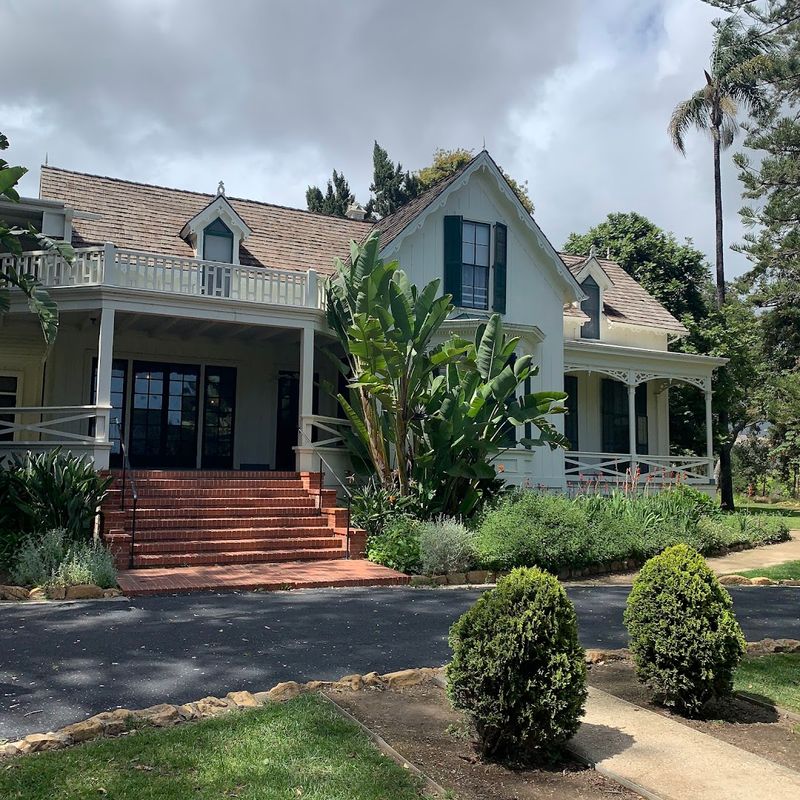
Housed in several historic buildings, this museum complex preserves the agricultural and ranching history of the Goleta Valley.
The society maintains buildings at 304 North Los Carneros Road, Goleta, CA 93117, on a property that once served as a working ranch.
Exhibits include vintage farm equipment, household items from early settlers, and photographs showing the valley’s transformation over time.
The main house features furnished rooms that recreate life in the late 1800s and early 1900s. A separate barn building displays wagons, plows, and tools used in lemon and walnut orchards.
Docents often share stories about specific families who lived in the area and shaped local development.
The grounds include heritage fruit trees and a small garden with plants typical of early homesteads. Visitors can walk around the property at their own pace, spending anywhere from 30 minutes to an hour.
The museum offers a quieter, more intimate experience than larger institutions. Parking is available in a gravel lot near the entrance.
March weather usually allows for comfortable outdoor exploration of the barn and grounds.
The museum appeals particularly to visitors interested in California’s agricultural past and rural life before suburban development.
6. Monterey History And Art At Stanton Center
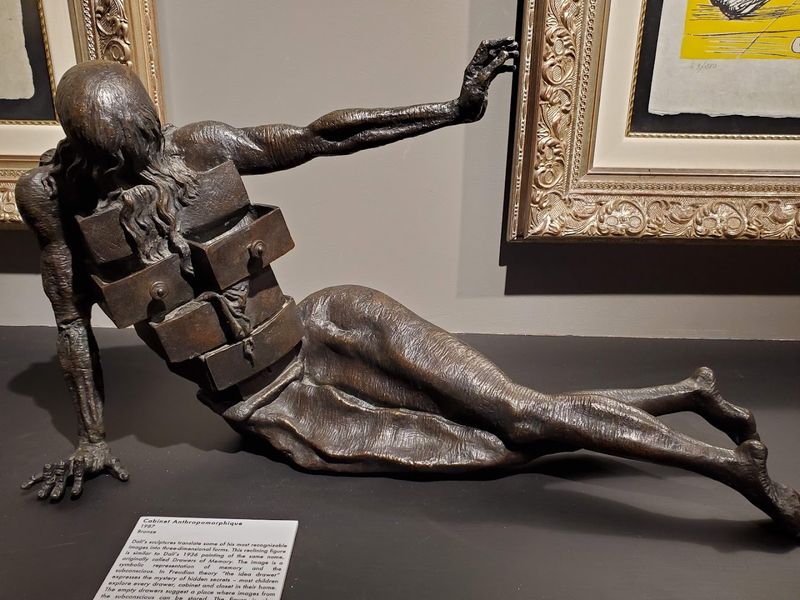
This cultural center combines local history exhibits with rotating art galleries in a central Monterey location.
The Stanton Center is at 5 Custom House Plaza, Monterey, CA 93940, near the waterfront and historic district.
Exhibits cover Monterey’s role as California’s first capital, the fishing industry, and the area’s diverse cultural communities.
Art galleries on the upper floor feature works by Central Coast artists in various media. The museum regularly changes exhibitions, so repeat visitors often find something new.
Historical displays include artifacts, documents, and photographs that tell stories of Cannery Row, the sardine industry, and early California government.
The building itself has architectural interest, with restored details reflecting its historic use. Visitors typically spend about an hour exploring both the history and art sections.
Staff can provide context about how Monterey’s history influenced its development as an arts community.
The location makes it easy to combine a museum visit with a walk through the historic district. Parking is available in nearby public lots, though spaces can be limited on busy weekends.
March often brings fewer tourists than summer months, making museum viewing more relaxed and allowing more time to read exhibit labels carefully.
7. Lompoc Museum
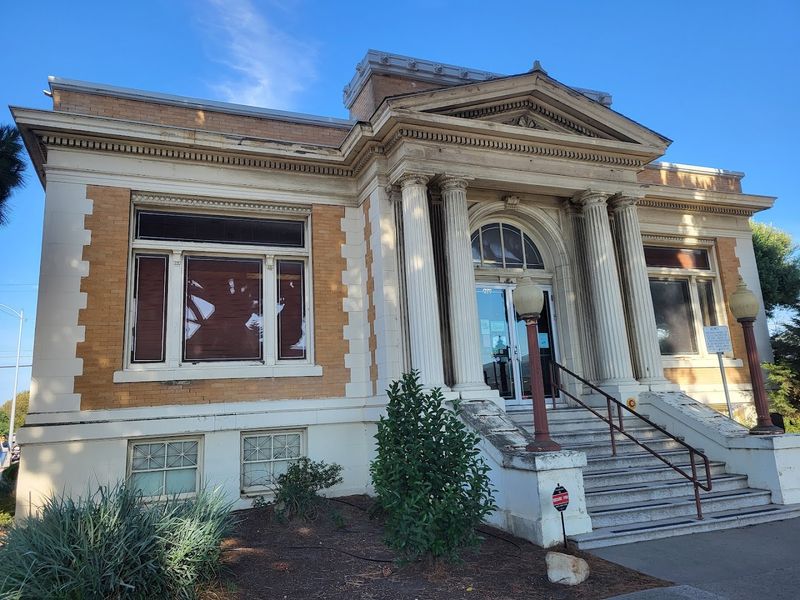
Dedicated to preserving Lompoc Valley history, this museum features exhibits on Chumash culture, early settlers, and the area’s flower seed industry.
The museum is located at 200 South H Street, Lompoc, CA 93436, in a historic building downtown. Collections include Native American artifacts, vintage photographs, and objects from daily life in the valley over the past 150 years.
One gallery focuses on the flower seed farms that made Lompoc famous, with colorful displays and explanations of the industry’s importance.
Another section explores the impact of nearby Vandenberg Air Force Base on the community. The museum takes about 45 minutes to tour thoroughly.
Volunteer docents often staff the front desk and enjoy sharing stories about local history. The museum hosts special exhibits that change several times per year, highlighting different aspects of valley life.
A small research library is available for visitors interested in genealogy or deeper historical study. Street parking is usually available near the museum.
The building stays cool even on warm days, making it a comfortable stop during afternoon explorations.
March visitors might learn about the history of local flower fields, which begin blooming later in spring and attract visitors from around the region.
8. Ganna Walska Lotusland
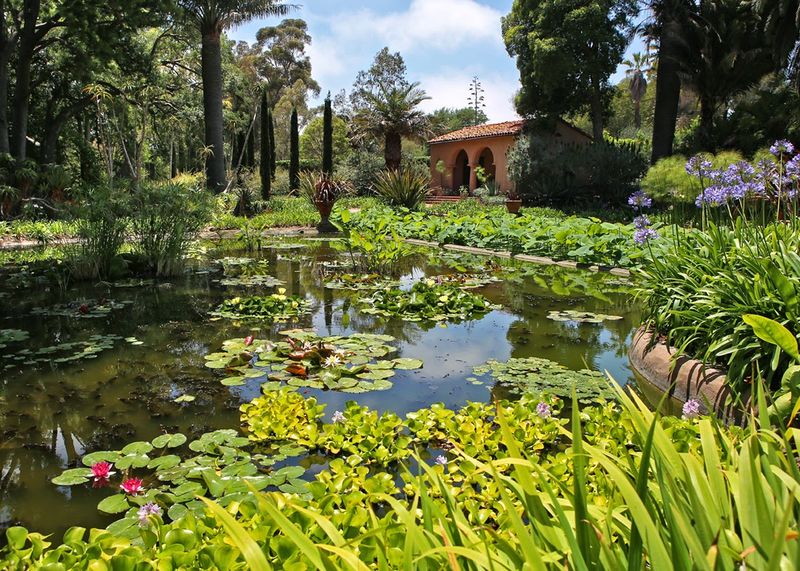
This 37-acre estate features extraordinary botanical collections arranged in themed gardens that reflect the vision of opera singer and horticulturist Ganna Walska.
Lotusland is at Cold Spring Rd, Montecito, CA 93108, in a residential area that limits daily visitor numbers.
Advance reservations are required even for Museums For All admission, and tours follow a set schedule.
The gardens include rare cycads, succulents, cacti, palms, and water plants arranged in dramatic compositions.
Each garden area has a distinct character, from the formal Japanese garden to the wild fern garden. Guides lead two-hour walking tours that cover about a mile of paths through the property.
Comfortable walking shoes and weather-appropriate clothing are essential because tours proceed regardless of light rain.
The estate includes historic buildings, fountains, and sculptures integrated into the landscape design. Photography is encouraged, and many visitors find the gardens endlessly photogenic.
March weather is ideal for touring because temperatures remain mild and many plants are actively growing. The lotus pond may not yet be in full bloom, but other collections show off their best features.
Children under ten are not permitted on regular tours, though special family days occur occasionally throughout the year.
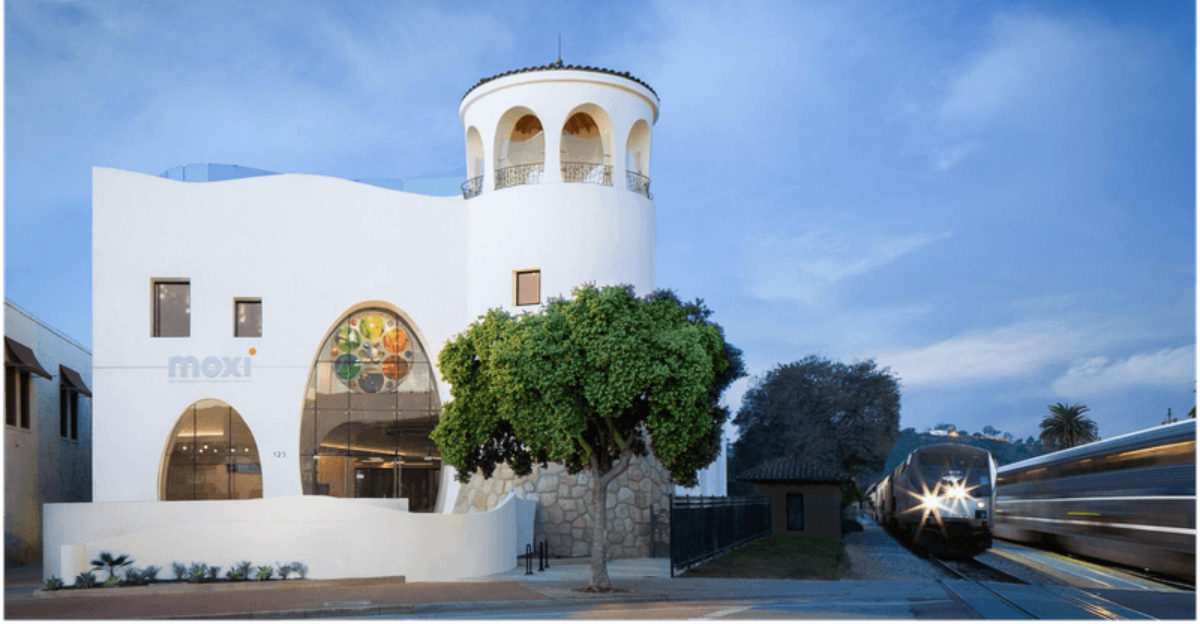
9. MOXI, The Wolf Museum Of Exploration + Innovation
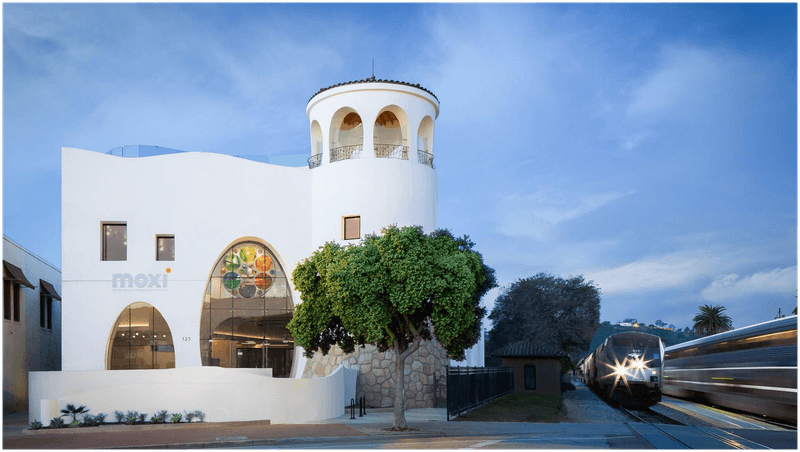
This hands-on science museum encourages visitors to explore physics, technology, and creative problem-solving through interactive exhibits.
MOXI is located at 125 State Street, Santa Barbara, CA 93101, right in the heart of downtown. Three floors of exhibits cover topics from sound and light to engineering and robotics.
Every exhibit invites touching, building, or experimenting rather than just observing.
The rooftop features a sky garden with outdoor science activities and views of the city and mountains.
Families with children can easily spend two to three hours exploring all the floors and participating in hands-on activities.
The museum gets busier in the afternoons, especially on weekends and during school breaks. Weekday mornings offer the most space to experiment with exhibits without waiting.
Staff members circulate through the galleries to explain concepts and help with more complex interactive stations.
The building includes an elevator for accessibility to all floors. A small cafe on the ground floor sells snacks and drinks, though outside food is not permitted inside.
March visitors will find the rooftop garden comfortable for outdoor exploration, with mild temperatures and occasional breezes from the nearby ocean making science experiments feel like outdoor play.
10. Pacific Grove Museum Of Natural History
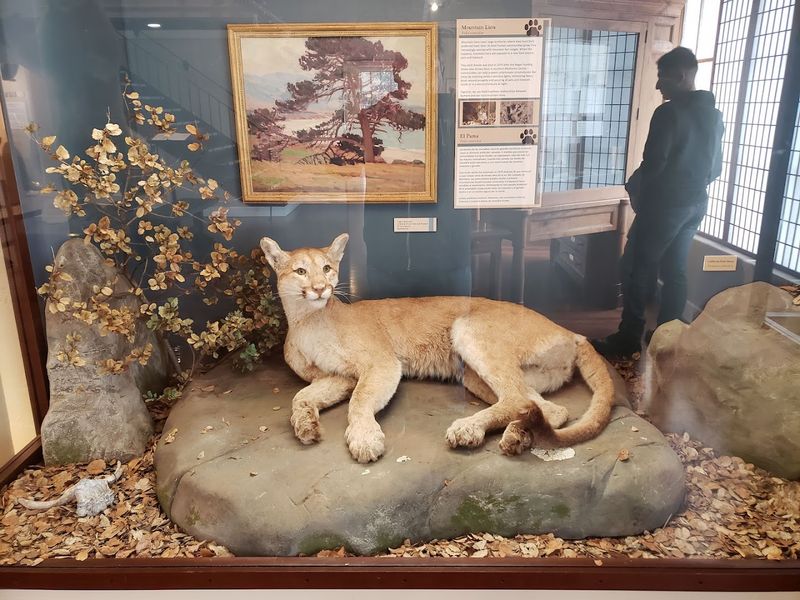
Focusing on the natural history of the Monterey Peninsula, this museum features exhibits on local wildlife, geology, and Native American culture.
The museum is at 165 Forest Avenue, Pacific Grove, CA 93950, in a residential neighborhood near the coast.
Collections include preserved birds, marine mammals, insects, and a relief map showing the underwater Monterey Canyon.
The museum offers free admission on the first Friday of every month, including March 6, 2026. Regular admission through Museums For All is $2 with SNAP EBT card presentation.
Exhibits explain the unique ecosystems of the peninsula, from tide pools to monarch butterfly groves.
A native plant garden surrounds the building, demonstrating species that thrive in the coastal climate. The museum takes about 45 minutes to explore thoroughly.
Educational programs for families happen on some weekends, often featuring live animal presentations or guided nature walks.
Parking is available on the street in front of the museum and on adjacent residential streets. The museum stays comfortably cool even on warm days.
March visitors might see early monarch butterflies beginning their migration from nearby overwintering sites, though peak butterfly season occurs earlier in the year at this location.
11. Museum Of Contemporary Art Santa Barbara
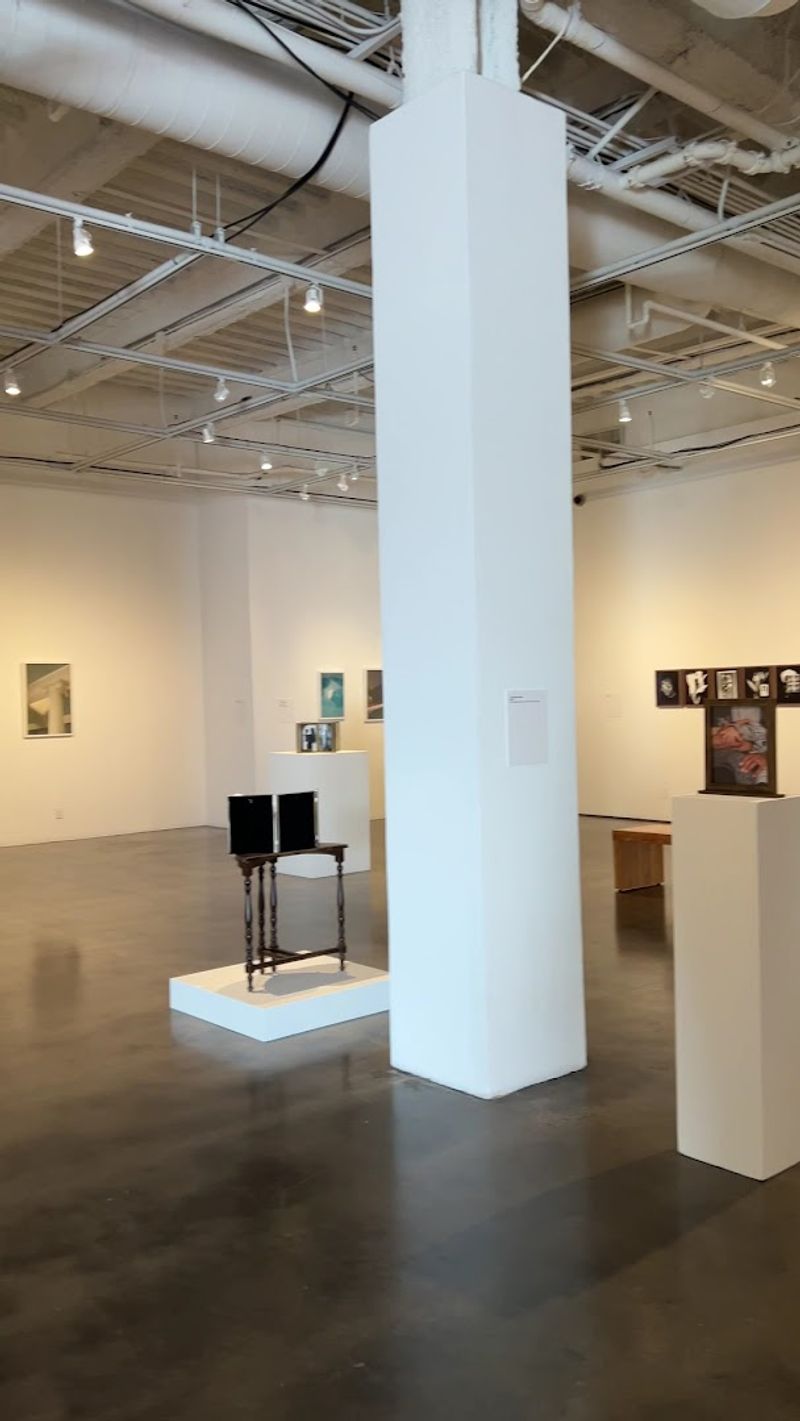
Dedicated to contemporary art in all media, this museum presents changing exhibitions of regional, national, and international artists.
The museum is located at 653 Paseo Nuevo, Santa Barbara, CA 93101, in an indoor shopping center downtown.
Despite its unconventional location, the museum maintains professional gallery spaces across two levels.
Exhibitions rotate every few months, showcasing painting, sculpture, photography, video, and installation art. The museum emphasizes California artists while also bringing in significant works from elsewhere.
Educational programming includes artist talks, workshops, and guided tours that help visitors understand contemporary art practices.
The galleries take about an hour to explore, depending on the current exhibitions and your level of interest in contemporary art.
The museum stays open later than many cultural institutions, with evening hours several days per week.
Natural and artificial lighting is carefully controlled to protect artworks while creating an inviting viewing environment.
Parking is available in the Paseo Nuevo parking structure, though rates apply. The museum location makes it easy to combine an art visit with shopping or dining downtown.
March exhibitions often feature thought-provoking themes that challenge viewers to see familiar subjects in new ways, making each visit a fresh experience.
12. Santa Cruz Museum Of Natural History
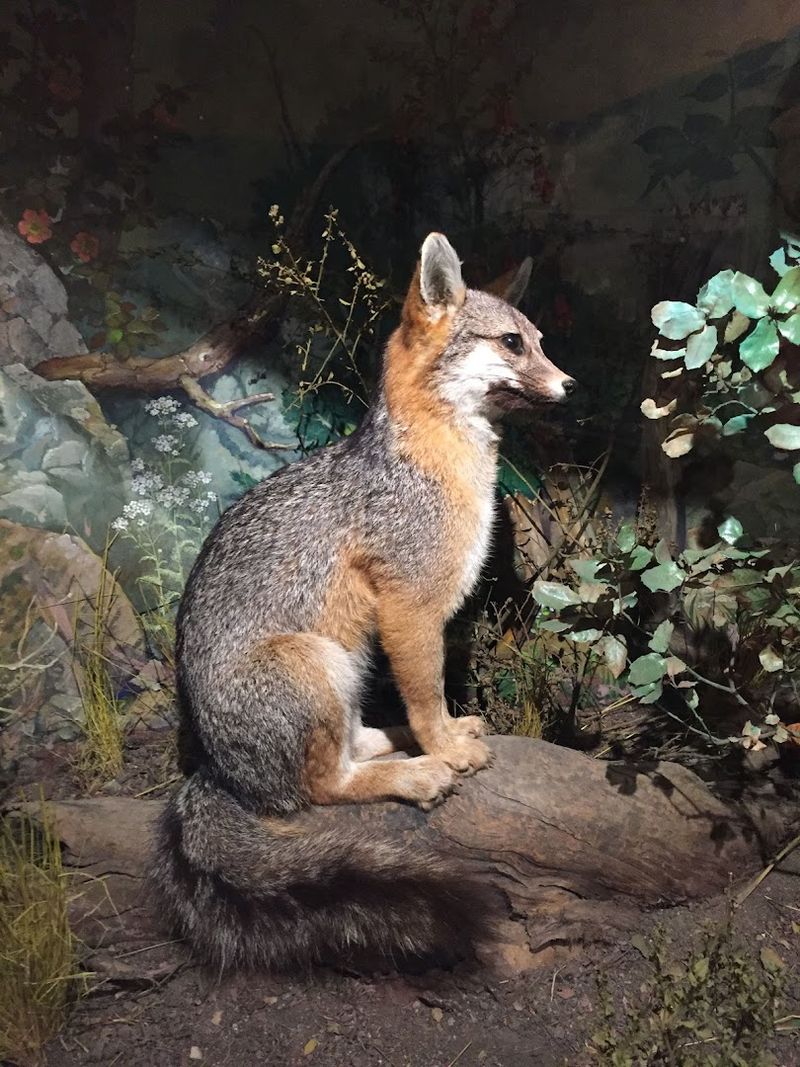
Established in 1904, this museum explores the natural history of the Monterey Bay region through geology, marine biology, and Native American culture exhibits.
The museum is at 1305 East Cliff Drive, Santa Cruz, CA 95062, overlooking the ocean near the lighthouse.
Permanent collections include fossils, minerals, preserved animals, and Ohlone cultural artifacts. Free admission is offered on the first Friday of each month, including March 6, 2026.
The museum participates in Museums For All year-round, providing $2 admission with SNAP EBT card.
Interactive exhibits let children touch tide pool animals in a small aquarium and examine rocks under magnifying glasses.
The museum takes about an hour to explore thoroughly. A native plant garden outside demonstrates species important to Ohlone people for food and materials.
The museum shop sells educational books, toys, and locally themed gifts. Street parking is available near the museum, though spaces fill quickly on sunny weekend days.
The location offers beautiful ocean views and easy access to coastal walking paths.
March weather can be foggy in the mornings but often clears by afternoon, making it a good time to combine a museum visit with a walk along the nearby cliffs and beaches.
13. Old Mission Santa Barbara
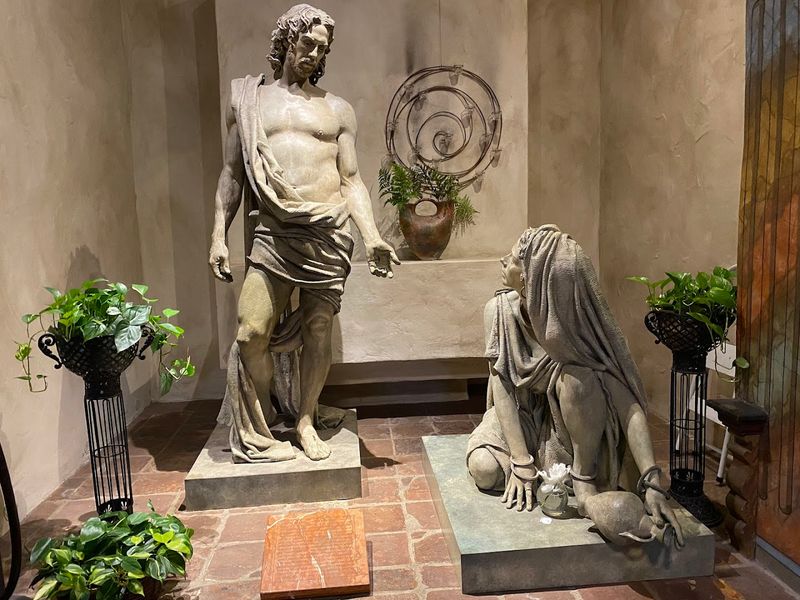
Founded in 1786, this active parish church and museum preserves one of California’s most architecturally significant missions.
Old Mission Santa Barbara is at 2201 Laguna Street, Santa Barbara, CA 93105, on a hillside overlooking the city.
The mission includes the church, museum rooms, cemetery, and gardens that demonstrate Spanish colonial life.
Self-guided tours allow visitors to explore the museum rooms at their own pace, viewing religious art, vestments, and artifacts from mission history.
The church itself remains an active place of worship, so respectful behavior is expected. Gardens feature fountains, walkways, and plants typical of mission landscaping throughout California.
The mission takes about an hour to explore thoroughly. A gift shop near the entrance sells books about mission history and California culture.
The cemetery includes graves of early settlers and Native Americans who lived at the mission. Parking is available in a lot near the entrance.
The mission sits at a higher elevation than downtown, so temperatures can be slightly cooler and breezes more noticeable.
March visitors will find the gardens beginning to show spring growth, with roses and other flowering plants starting their seasonal display that peaks later in spring and early summer.
14. Santa Barbara Botanic Garden
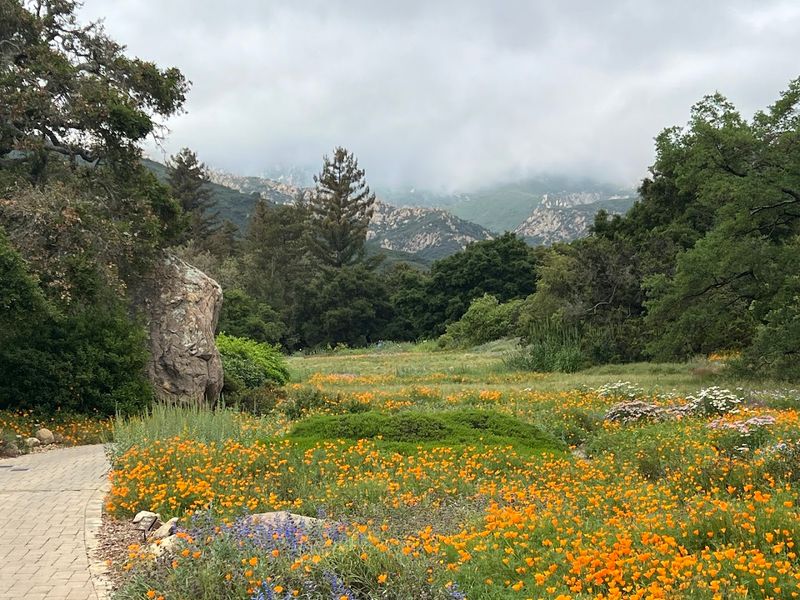
Spanning 78 acres in Mission Canyon, this garden showcases California native plants in natural and cultivated settings.
The garden is located at 1212 Mission Canyon Road, Santa Barbara, CA 93105, in the foothills above the city.
Five miles of trails wind through different habitat zones, from desert to redwood forest. Each section demonstrates plants adapted to specific California ecosystems.
Labels identify plants and explain their ecological roles and traditional uses. The garden takes two to three hours to explore if you walk most of the trails, though shorter visits are possible.
A meadow area near the entrance provides open space for children to run safely. The garden includes historic structures like a mission-era dam and aqueduct.
Docents lead guided walks on some days, offering deeper insights into California botany and ecology.
Comfortable walking shoes are essential because trails include hills and uneven surfaces. The garden provides benches at scenic viewpoints for resting.
March brings fresh growth to many plants, with some early wildflowers beginning to bloom in the meadow and woodland areas, making it an excellent time to see the garden awakening from winter dormancy.
15. Monterey Bay Aquarium
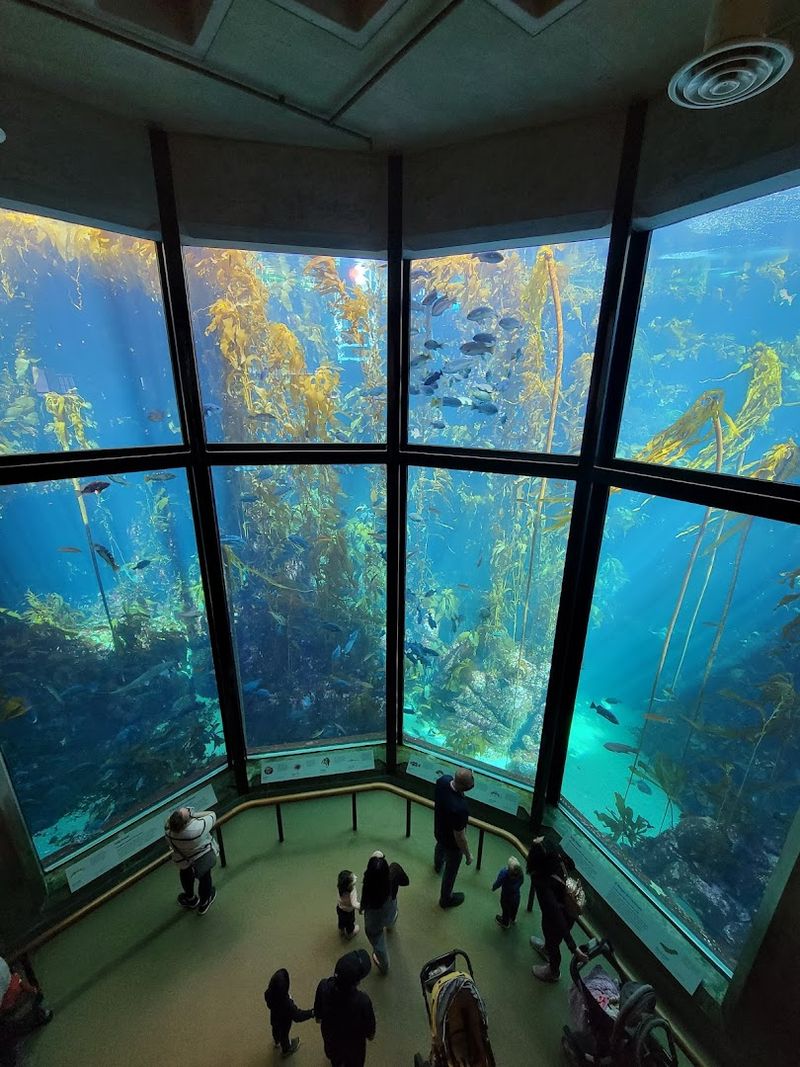
One of the world’s leading aquariums, this institution focuses on marine life of the Monterey Bay and Pacific Ocean.
The aquarium is at 886 Cannery Row, Monterey, CA 93940, built on the site of a former sardine cannery.
Exhibits include kelp forest, open sea, rocky shore, and deep sea galleries with thousands of marine animals.
The kelp forest exhibit rises three stories, creating an immersive underwater forest experience. Sea otters, penguins, and jellies draw crowds throughout the day.
Touch pools let visitors gently interact with sea stars, anemones, and other tide pool creatures under staff supervision.
Most visitors spend three to four hours at the aquarium to see all exhibits thoroughly. Feeding times and presentations happen throughout the day, adding educational value to the visit.
The aquarium gets busiest in the afternoon, so morning arrival provides a better experience with smaller crowds.
Parking is available in nearby lots and garages, though spaces can be limited on weekends. The aquarium includes a cafe with ocean views, though outside food is not permitted inside.
March weather may bring fog or wind, making the indoor aquarium experience comfortable while still offering dramatic ocean views through large windows in several galleries.
16. Santa Barbara Historical Museum
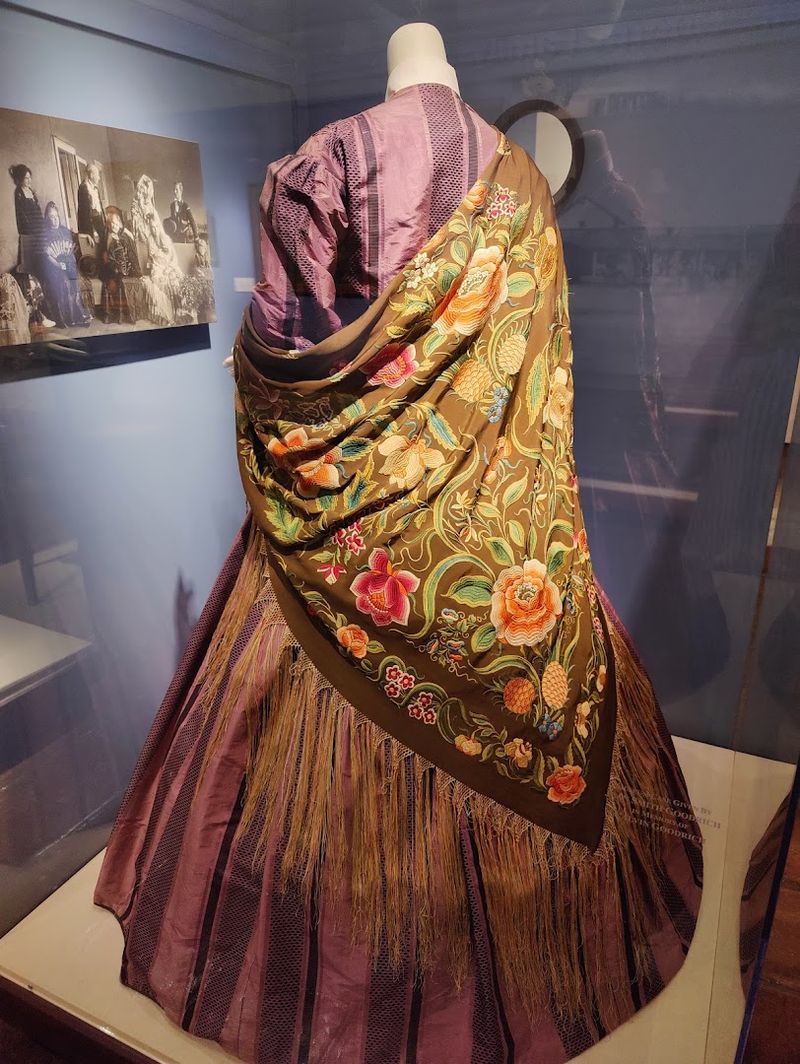
Located in the heart of downtown, this museum preserves and presents Santa Barbara history through artifacts, documents, and photographs.
The museum is at 136 East De la Guerra Street, Santa Barbara, CA 93101, in a complex that includes historic adobe buildings.
Collections cover Native American life, Spanish and Mexican periods, American settlement, and the development of modern Santa Barbara.
Exhibits include period rooms, vintage clothing, furniture, and objects from daily life across different eras.
The museum also houses an extensive research library and archives open to the public. Outdoor courtyards connect the buildings, providing quiet spaces with gardens and fountains.
The museum takes about an hour to explore thoroughly. Docents are often available to answer questions and provide context for exhibits.
Special exhibitions change several times per year, highlighting specific aspects of local history or significant anniversaries.
Street parking is available nearby, though metered spaces may be limited during business hours. The museum stays comfortably cool even on warm days.
March visitors will find the courtyards pleasant for outdoor exploration, with blooming plants and comfortable seating areas that invite lingering between gallery visits to absorb the historical atmosphere of downtown Santa Barbara’s oldest neighborhood.
17. Santa Barbara Maritime Museum
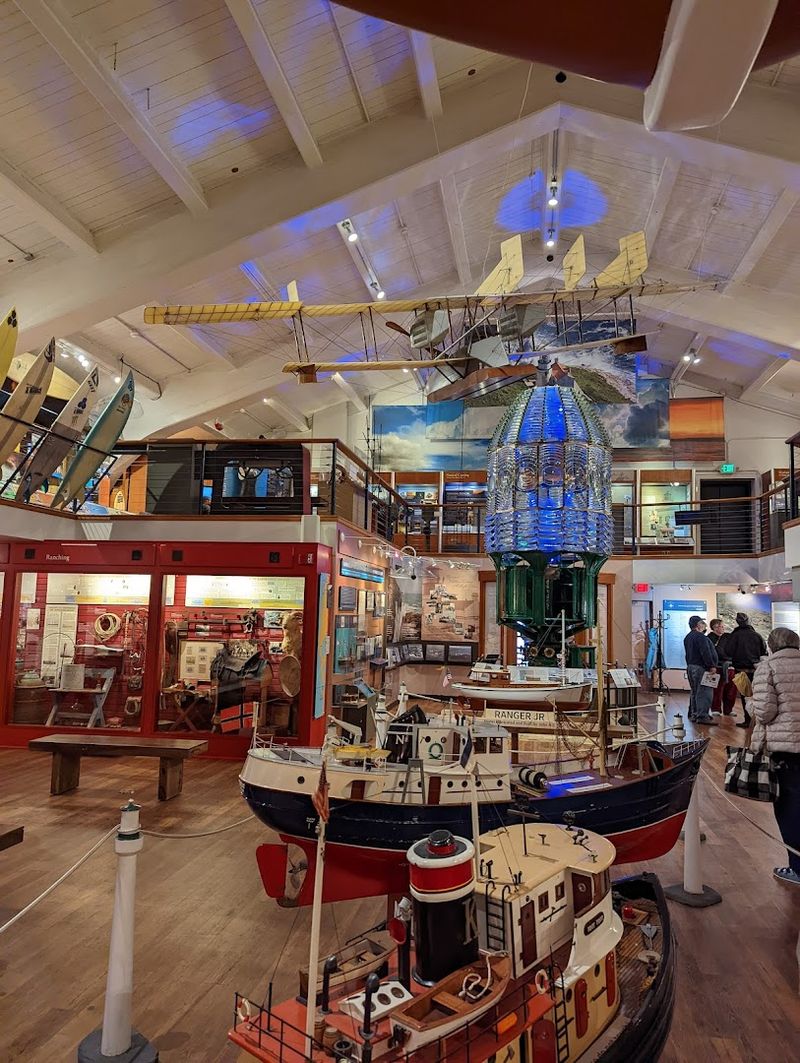
Celebrating Santa Barbara’s relationship with the ocean, this museum features exhibits on fishing, shipping, surfing, and marine science.
The museum is located at 113 Harbor Way STE 190, Santa Barbara, CA 93109, at the harbor near the breakwater.
Collections include ship models, fishing equipment, vintage diving gear, and interactive displays about ocean navigation.
A highlight is the working periscope that rises through the roof, offering 360-degree views of the harbor.
Exhibits explain the Chumash people’s maritime traditions, the development of commercial fishing, and the evolution of recreational ocean activities.
The museum takes about an hour to explore thoroughly.
Educational programs for families happen on some weekends, often featuring hands-on activities related to ocean science.
The museum shop sells nautical-themed books, toys, and gifts. Large windows throughout the building provide views of the harbor and Channel Islands.
Parking is available in the harbor parking lots, though rates apply and spaces can be limited on busy weekends. The museum location makes it easy to combine a visit with a harbor walk or boat watching.
March weather brings occasional rain, making the indoor museum a comfortable activity while still offering dramatic ocean views when storms move through the channel or clear days showcase the islands.
18. Monterey County Youth Museum (MY Museum)
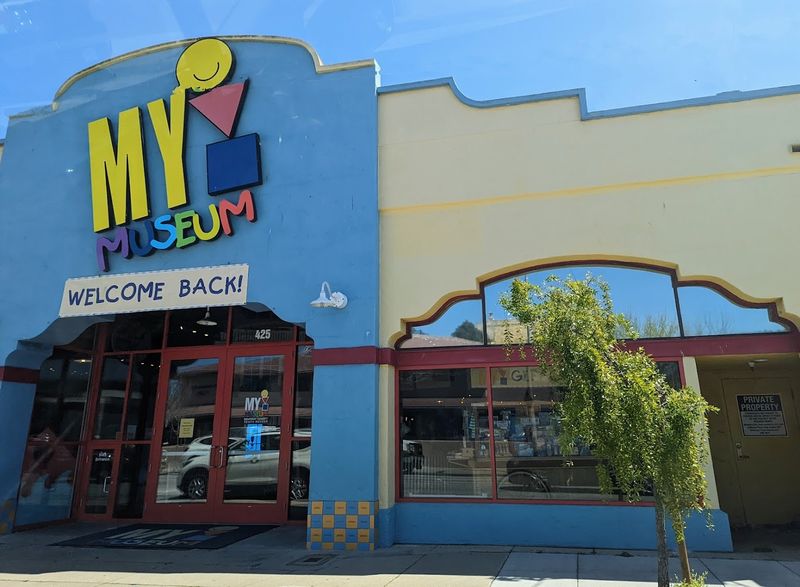
Designed specifically for children, this hands-on museum provides interactive exhibits that encourage learning through play.
MY Museum is at 425 Washington Street, Monterey, CA 93940, in downtown Monterey near other historic sites.
Exhibits cover topics from community helpers to science and nature, all scaled for young learners. Children can explore a kid-sized grocery store, veterinary clinic, fire truck, and other role-playing areas.
A construction zone lets kids build with foam blocks and other materials. Art stations provide opportunities for creative expression with various media.
Most families spend one to two hours at the museum, depending on their children’s ages and interests.
The museum targets children from toddlers through early elementary school.
Staff members circulate to help children engage with exhibits and maintain a safe, positive environment.
The museum can get crowded during afternoon hours and school breaks. Weekday mornings offer the most space for children to explore freely.
Museums For All participants receive reduced admission with SNAP EBT card presentation.
March weather makes indoor play appealing when coastal areas experience typical morning fog, and the museum provides an engaging option for families with young children visiting the Monterey Peninsula regardless of weather conditions.
19. Santa Barbara Museum Of Natural History & Sea Center
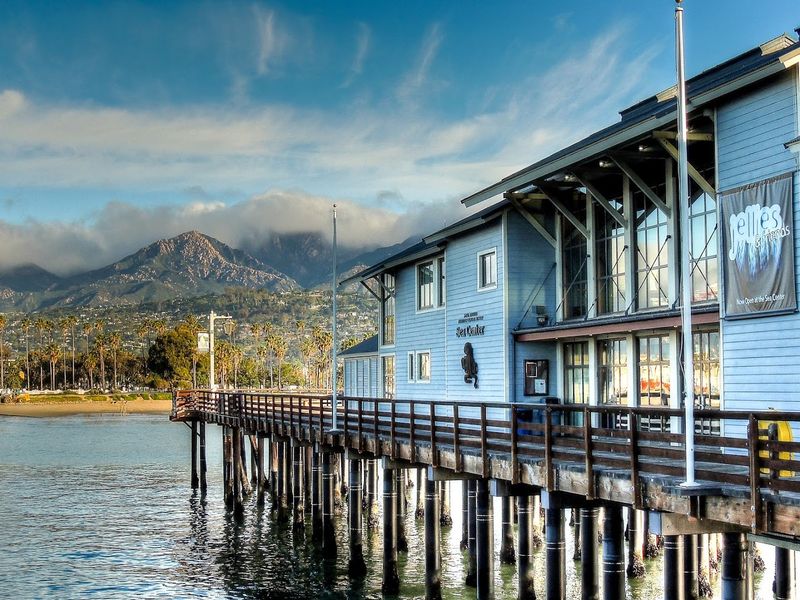
This museum complex includes natural history exhibits in Mission Canyon and the Sea Center on Stearns Wharf.
The main museum is at 2559 Puesta del Sol, Santa Barbara, CA 93105, while the Sea Center is located at 211 Stearns Wharf, Santa Barbara, CA 93101.
Both locations participate in Museums For All with reduced $2 admission.
The main museum features exhibits on local geology, paleontology, birds, mammals, and Native American culture. A planetarium presents shows about astronomy and space science.
The Sea Center focuses on marine life of the Santa Barbara Channel, with touch tanks, aquariums, and interactive displays.
Visiting both locations takes three to four hours total. The main museum sits in a canyon setting with outdoor nature trails through oak woodland.
The Sea Center offers ocean views from a historic wharf location surrounded by restaurants and shops. Parking is available at both locations, though Stearns Wharf parking can be challenging on busy days.
The museums appeal to different interests, so families might choose one or both depending on time and preferences.
March weather makes the canyon location comfortable for outdoor trail walking, while the Sea Center provides shelter from wind that often affects the waterfront during spring months.
20. Monterey Museum Of Art – Pacific Street
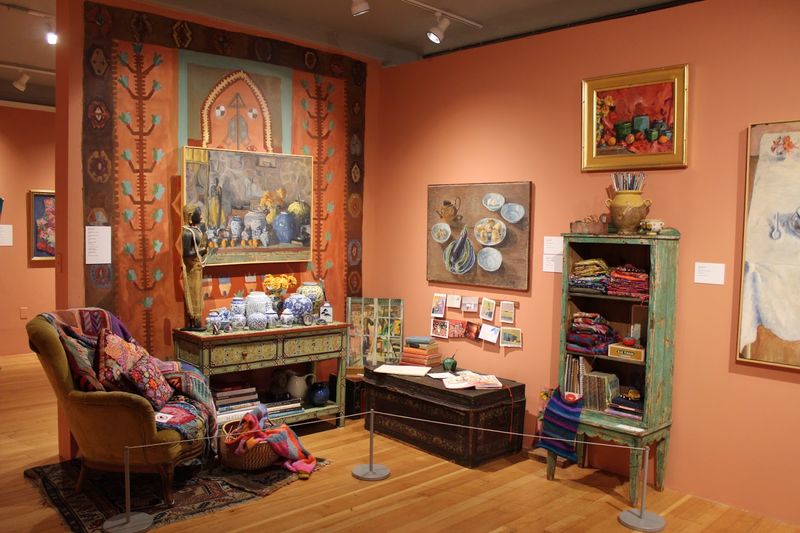
One of two locations for the Monterey Museum of Art, this site focuses on California art and Asian art collections. The museum is at 559 Pacific Street, Monterey, CA 93940, in a historic building downtown.
Collections include paintings, sculptures, photographs, and decorative arts by California artists from the 19th century to present.
Galleries showcase works by artists who lived in or depicted California, with particular strength in Monterey Peninsula artists.
The Asian art collection includes ceramics, textiles, and sculptures from China, Japan, and other regions.
Temporary exhibitions rotate several times per year, highlighting specific artists or themes. The museum takes about an hour to explore thoroughly.
Gallery lighting is carefully controlled to protect artworks while creating comfortable viewing conditions.
Docents sometimes lead tours that provide insights into the collections and individual works. Street parking is available nearby, though spaces may be limited during business hours.
March exhibitions often feature works that celebrate California’s landscape and cultural diversity, making it an ideal time to see how artists have interpreted the state’s natural beauty and social history through various artistic movements and personal visions.
21. California Nature Art Museum
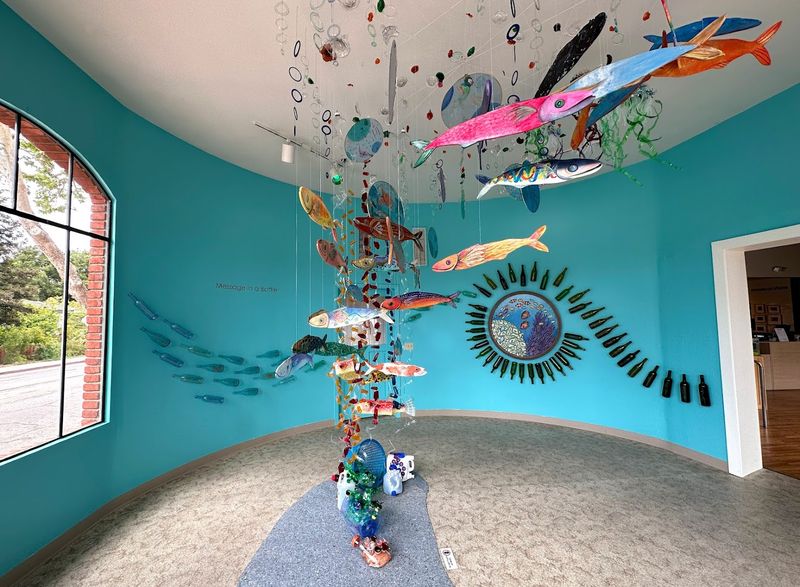
Dedicated to art inspired by nature and wilderness, this museum features paintings, photographs, and sculptures celebrating the natural world.
California Nature Art Museum is at 1511-B Mission Drive, Solvang, CA 93463, in a building designed to blend with the surrounding landscape.
Collections emphasize California wilderness and the relationship between humans and nature.
Exhibitions rotate regularly, showcasing both historical and contemporary artists who work with nature themes.
Educational programs include artist talks, workshops, and guided nature walks that connect art with direct observation of the environment.
The museum takes about an hour to explore thoroughly. A sculpture garden outside features works integrated into native plantings.
The museum shop sells nature-themed books, prints, and gifts.
Gallery spaces provide comfortable seating for contemplating individual artworks. Parking is available in a small lot next to the museum. The museum stays comfortably cool even on warm days.
March visitors will find exhibitions that often celebrate themes of renewal and seasonal change, reflecting the spring season when California wilderness begins showing fresh growth after winter rains, making it an especially meaningful time to explore artistic interpretations of nature’s cycles and the state’s diverse ecosystems.
22. Santa Barbara Zoo
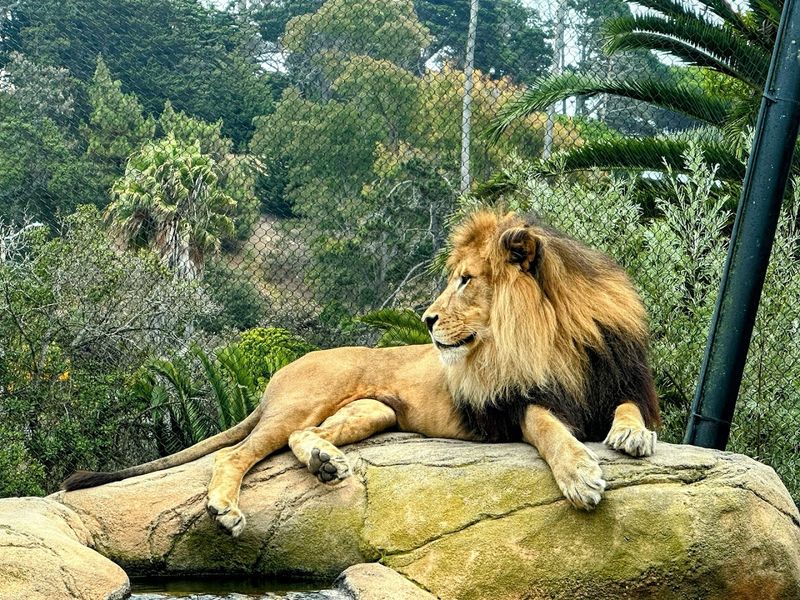
Situated on a hillside overlooking the Pacific Ocean, this zoo houses more than 500 animals representing 146 species.
The zoo is located at 500 Niños Drive, Santa Barbara, CA 93103, near the beach and harbor. Exhibits include African savanna, California wildlife, primates, big cats, and a children’s discovery area.
The compact size makes it possible to see the entire zoo in two to three hours. Pathways wind through landscaped grounds with ocean views from several vantage points.
Animal feedings and keeper talks happen throughout the day, providing educational insights into animal behavior and care.
A train ride circles part of the zoo, offering a different perspective on the grounds. Playgrounds provide spaces for children to burn energy between animal exhibits.
The zoo includes a cafe and picnic areas, though outside food is also permitted. Parking is available in a lot at the entrance.
The hillside location means some paths involve slopes, though most are manageable for strollers and wheelchairs.
March weather is ideal for zoo visiting, with mild temperatures comfortable for both visitors and animals, and fewer crowds than summer months making it easier to see exhibits and participate in educational programs without long waits or crowded viewing areas.
23. SLO Children’s Museum
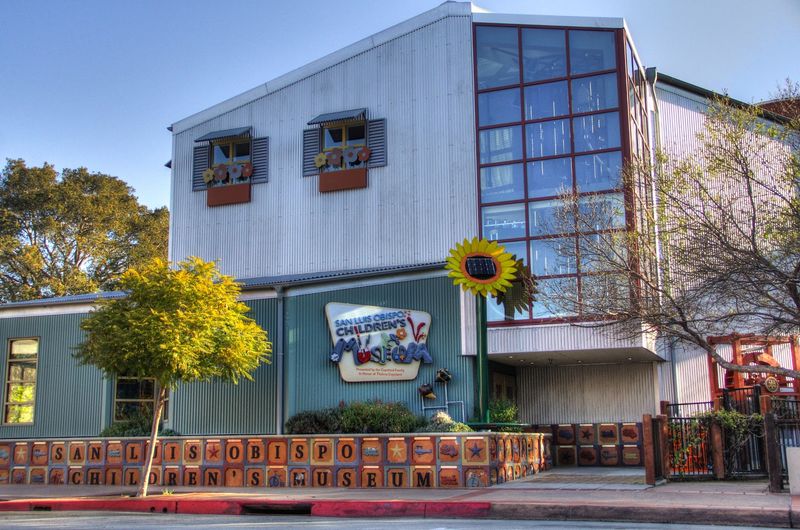
Designed for children up to age 12, this museum offers hands-on exhibits that encourage learning through play and exploration.
The museum at 1010 Nipomo St, San Luis Obispo, CA 93401 features areas dedicated to science, art, music, and imaginative play.
Each exhibit invites children to touch, build, experiment, and create rather than just observe.
Popular areas include a music room with instruments, an art studio with rotating projects, and a construction zone with building materials.
A younger children’s area provides age-appropriate activities for toddlers and preschoolers. Most families spend one to two hours at the museum.
The museum hosts special programs and events throughout the month, often tied to themes like science, culture, or seasonal celebrations.
Staff members help children engage with exhibits and maintain a safe, positive environment. The museum can get crowded during afternoon hours and school breaks.
Museums For All participants receive reduced admission with SNAP EBT card presentation.
The museum location in San Luis Obispo makes it accessible to families throughout the Central Coast region.
March weather makes indoor play appealing when rain or wind affects the area, and the museum provides an engaging option for families with children of various ages who want interactive learning experiences that complement more traditional museum visits in the region.