These 10 Charming Villages In California’s Gold Country Feel Like Europe This May
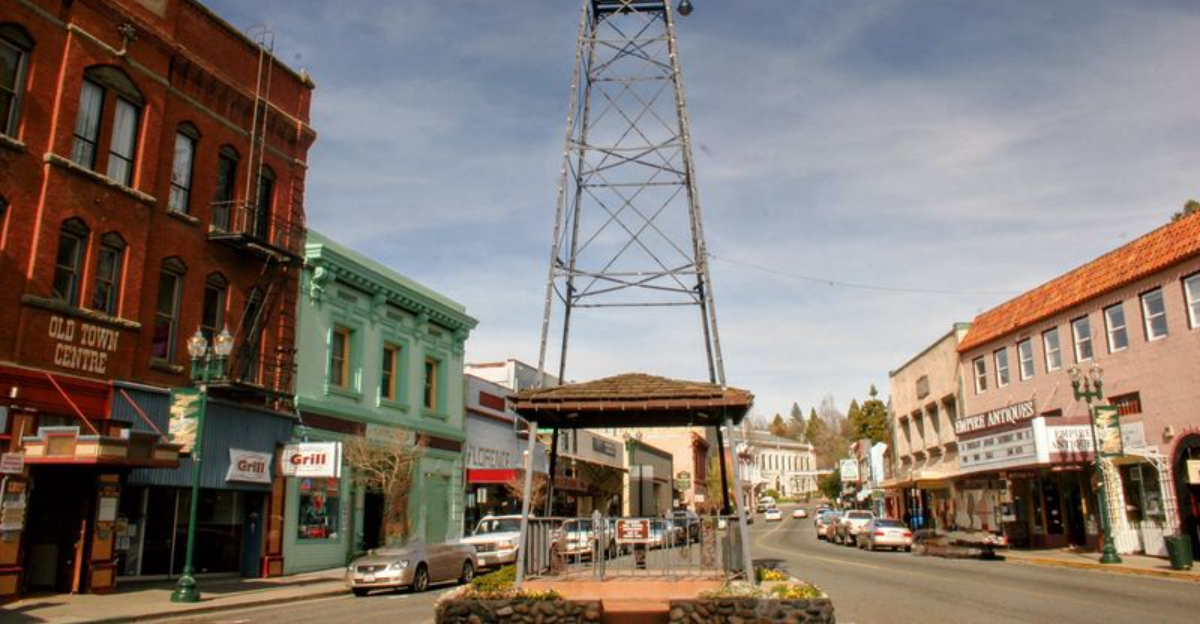
May seems to soften California’s Gold Country in all the right ways.
Hills turn gentler, historic streets feel a little more romantic, and the smaller villages begin to carry that old-world mood people usually chase much farther from home.
Beauty here does not arrive in a flashy way. It slips in through stone facades and the kind of streets that invite wandering without any real plan.
Spring gives everything an extra glow, making these places feel especially lovely and just a little transportive.
After a few hours in these places, it becomes easy to forget you are still in California at all.
These charming Gold Country villages bring that European feeling to May with warmth and just enough magic to make the season feel even sweeter.
1. Sutter Creek
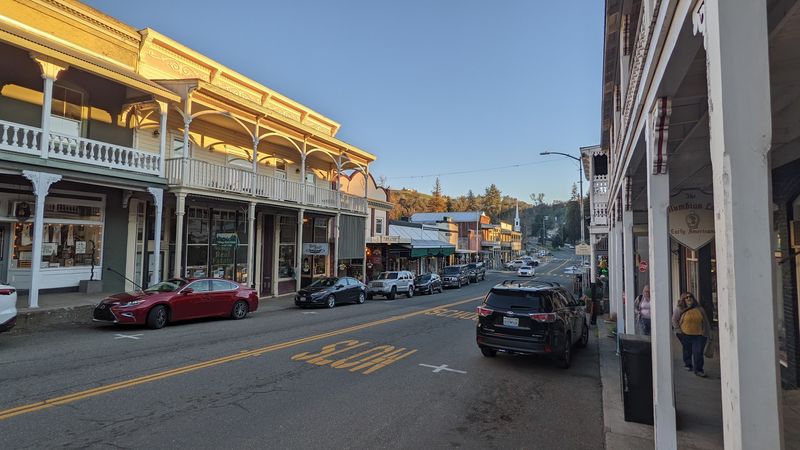
Called the Jewel of the Mother Lode by Visit California, Sutter Creek earns that nickname with a Main Street that looks like it was lifted from a European village postcard.
The storefronts are low and close together, with decorative balconies and wooden facades that cast lovely shadows in the soft May light.
Antique shops, wine tasting rooms, and cozy inns line the walkable stretch, making it easy to spend a full afternoon without rushing.
The scale here is what makes it feel so approachable. Nothing towers over you, and the sidewalks are wide enough to browse at a slow, wandering pace.
Historic buildings from the mid-1800s still stand in remarkably good shape, giving the town a texture that feels earned rather than staged.
May tends to bring mild temperatures and clear skies to this part of Amador County, which makes outdoor strolling genuinely pleasant.
The surrounding hills are still green from spring rains, adding a softness to the landscape that deepens the old-world impression.
Parking is generally available on side streets, and the town is compact enough to explore entirely on foot without needing a map.
2. Nevada City
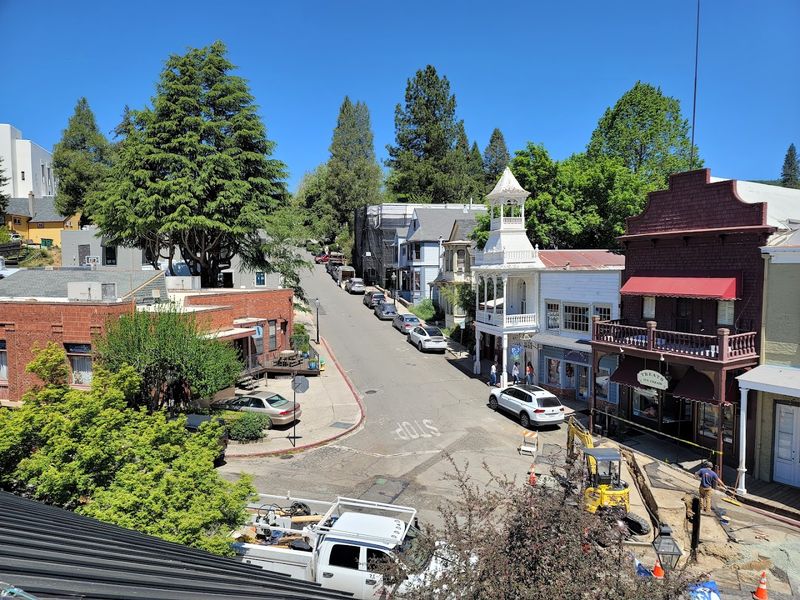
Few towns in Gold Country feel as genuinely cultured as Nevada City, where the downtown historic district has been kept so intact that walking through it feels like stepping into a well-maintained past.
The streets are narrow and slightly hilly, which gives the whole area a European urban quality that flat, gridded towns simply cannot replicate.
Brick facades, ornate cornices, and gas-style lampposts line the main corridor, and small galleries and bookshops fill the ground floors.
The town also has one of California’s oldest performance venues still in operation, which signals that this is a place with layers beyond its Gold Rush origins.
Arts events and live performances happen regularly, giving visitors a reason to stay into the evening rather than just passing through.
May is a particularly good month to visit because the surrounding forests are lush and the temperatures are comfortable for walking.
The weekly farmers market tends to draw locals and visitors together in a relaxed, unhurried way that adds to the village atmosphere.
Weekday visits are generally quieter than weekends, which can make the experience feel even more like discovering a hidden European town rather than a well-known tourist stop.
3. Murphys
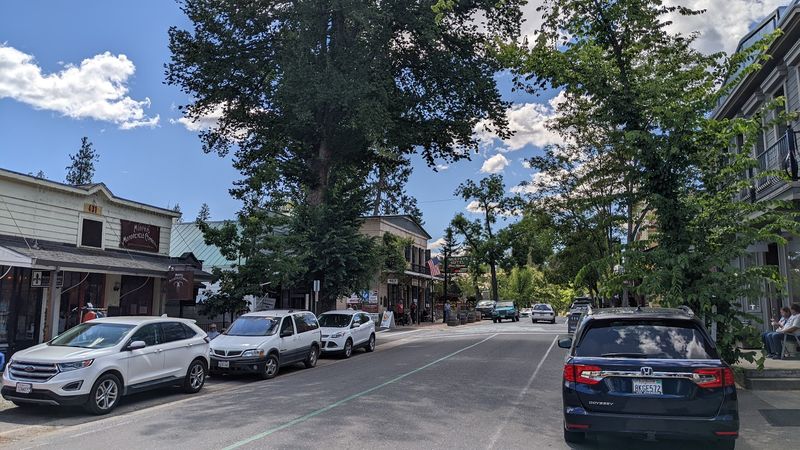
There is a softness to Murphys that sets it apart from the more theatrical Gold Rush towns.
The stone-walled buildings along Main Street were built during the Gold Rush era and have a quiet solidity that reads more like a French village than a Western frontier outpost.
The pace here is genuinely slow, and that is part of the appeal.
Often called the Queen of the Sierra, Murphys sits at a comfortable elevation that keeps May temperatures mild and breezy.
The surrounding landscape includes ponderosa pines and rolling hills that frame the town in a way that feels almost cinematic without being overdone.
Tasting rooms, local shops, and a handful of well-regarded restaurants occupy the historic storefronts, giving visitors plenty of reasons to linger.
The Murphys Historic Hotel, located at 457 Main St in Murphys, is one of the most recognizable landmarks in town and has been welcoming guests since 1856.
Its long wooden porch and old-fashioned interior give it a storybook quality that pairs well with the rest of the streetscape.
Exploring the area on foot takes no more than an hour or two, but the atmosphere tends to make people stay much longer than they originally planned.
4. Sonora
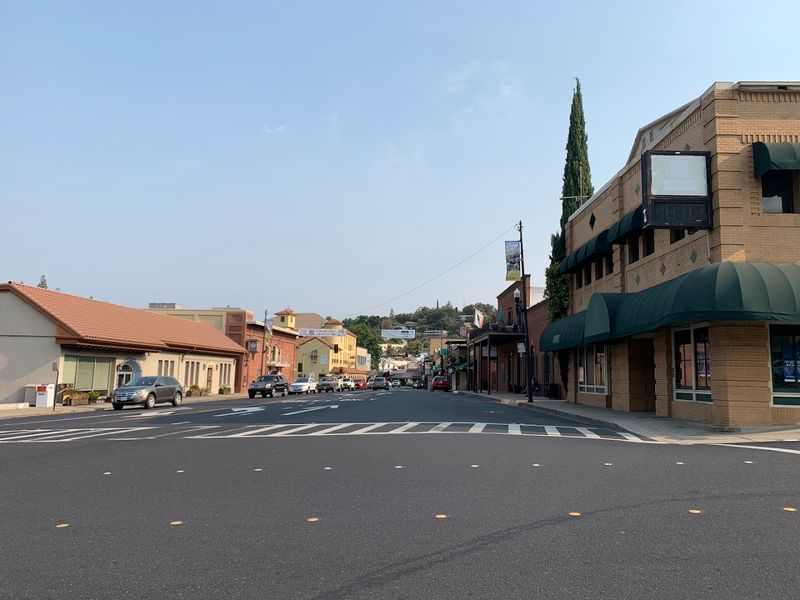
Sonora has the kind of downtown that rewards slow walkers.
Church steeples rise above the roofline, brick-paved streets curve gently through the commercial core, and Washington Street is lined with Victorian-era buildings that house everything from local boutiques to family-owned restaurants.
The architectural variety here is genuinely impressive for a town of its size.
As the county seat of Tuolumne County, Sonora has a slightly more active civic energy than some of the smaller villages on this list.
That means there are well-maintained public spaces, a lively farmers market scene in spring, and a calendar of local events that makes a May visit feel particularly well-timed.
The mix of working-town practicality and historic beauty gives Sonora a grounded, lived-in quality that feels more European than frontier.
The historic St. James Episcopal Church, located at 37 Washington St in Sonora, is one of the most photographed landmarks in Gold Country and dates back to 1860.
Its red paint and white trim stand out vividly against the blue May sky.
Parking along the main streets is generally straightforward, and the compact downtown can be covered comfortably in an afternoon stroll without backtracking.
5. Grass Valley
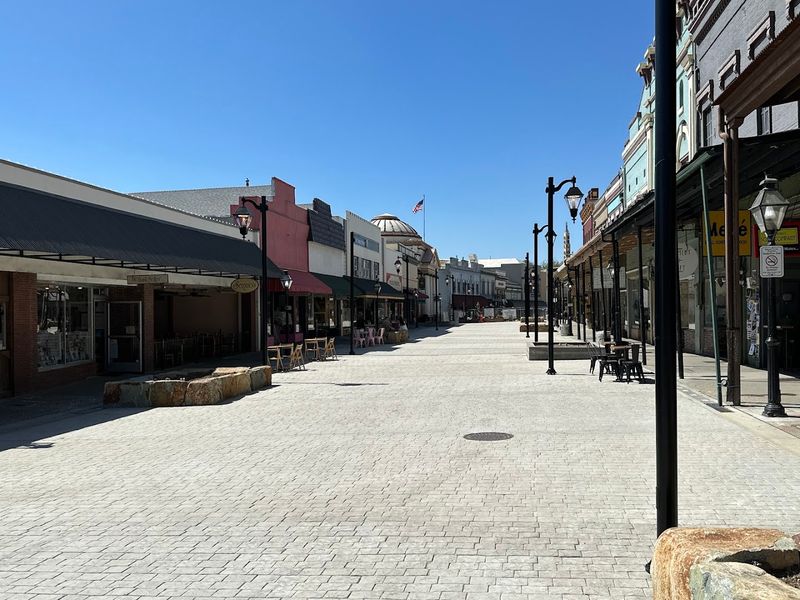
While it does carry more scale than some of the tinier villages on this list, its extra size brings a certain sophistication that actually strengthens the European comparison.
The downtown core is anchored by well-preserved Gold Rush-era brick buildings, and the streetscape has a polished, cared-for quality that suggests genuine civic pride rather than tourist-driven restoration.
Visit California notes that Grass Valley blends Gold Rush history with the sensibility of a modern wine-country town, and that crossover is exactly what gives it an old-world edge.
Mill Street and Neal Street are both worth walking, with local shops, cafes, and galleries occupying buildings that have stood for well over a century.
The rhythm of the place feels unhurried even on busy weekends.
The Empire Mine State Historic Park, located at 10791 E Empire St in Grass Valley, is one of the most compelling historic sites in all of Gold Country and offers a fascinating look at the region’s mining past through preserved structures and gardens.
May is a particularly good time to visit the park because the gardens tend to be in full bloom.
The combination of the park and the downtown makes Grass Valley one of the most complete day-trip destinations in the region.
6. Jackson
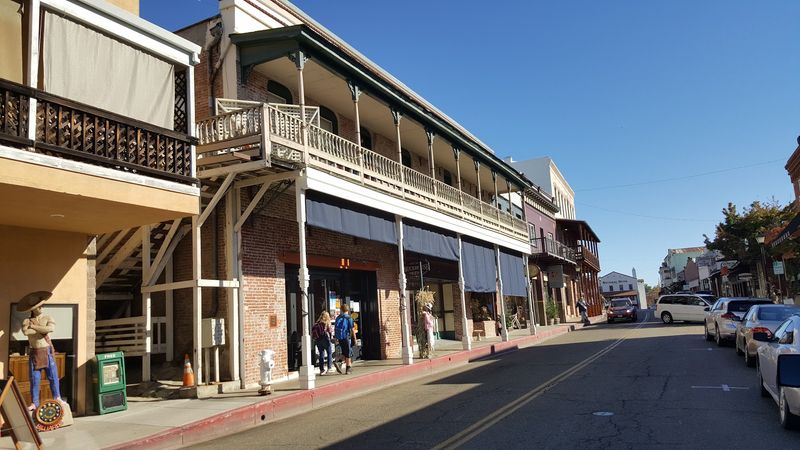
The main street has been preserved for roughly 150 years and still reads like a working Gold Rush town that simply never stopped.
The storefronts are compact and varied, with a mix of local businesses and historic structures that give the street a genuine layered quality rather than a curated museum feel.
Amador County designated much of the downtown area as a national historic district, which means the architectural integrity has been legally protected and thoughtfully maintained.
That level of care shows in the details: the cornices, the painted wood trim, and the old hotel facades that anchor the main corridor.
Walking through Jackson in May feels like a quiet discovery rather than a planned itinerary item.
The National Hotel in Jackson, located at 2 Water St in Jackson, is one of the oldest continuously operating hotels in California and adds a strong sense of continuity to the historic streetscape.
The building itself is a visual anchor for the downtown area and worth a closer look even for visitors not staying overnight.
Spring weather in this part of Amador County tends to be warm enough for comfortable walking but cool enough to avoid the summer heat that can make midday exploring less enjoyable.
7. Amador City
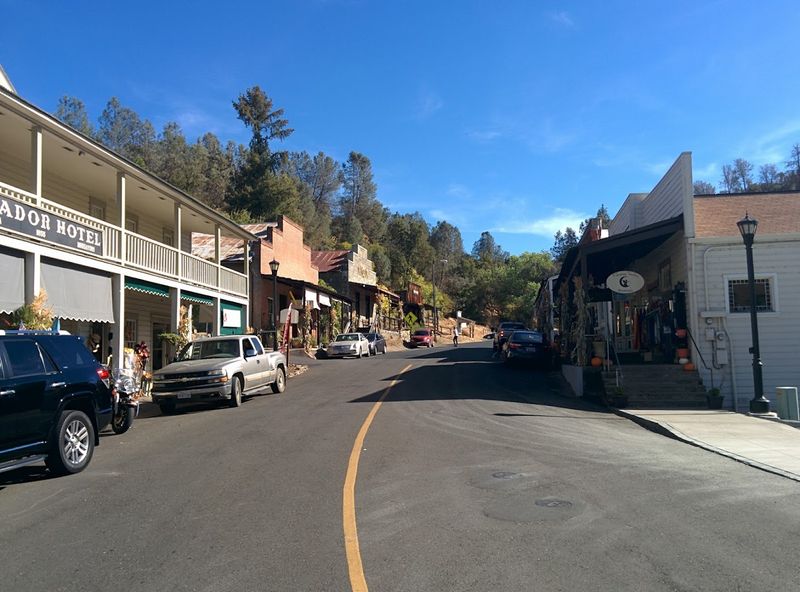
This might be one of the smallest incorporated cities in California, but what it lacks in size it more than makes up for in atmosphere.
The entire town fits along a single stretch of road, and that intimacy is precisely what makes it feel like a European hamlet rather than a tourist destination.
Everything is within easy walking distance, and the scale encourages a slower, more observant kind of travel.
The buildings here are old and unpretentious, with a worn elegance that comes from genuine age rather than deliberate staging.
A handful of galleries, antique dealers, and small shops occupy the historic structures, and the surrounding Amador wine country adds a French countryside quality to the overall experience.
The hills roll gently around the town, and in May they are still green and dotted with wildflowers.
Because Amador City sits close to Sutter Creek, many visitors combine both towns in a single afternoon loop, which makes for a satisfying and unhurried day.
The lack of crowds is one of the town’s most appealing qualities, especially in early May before summer tourism picks up.
8. Plymouth
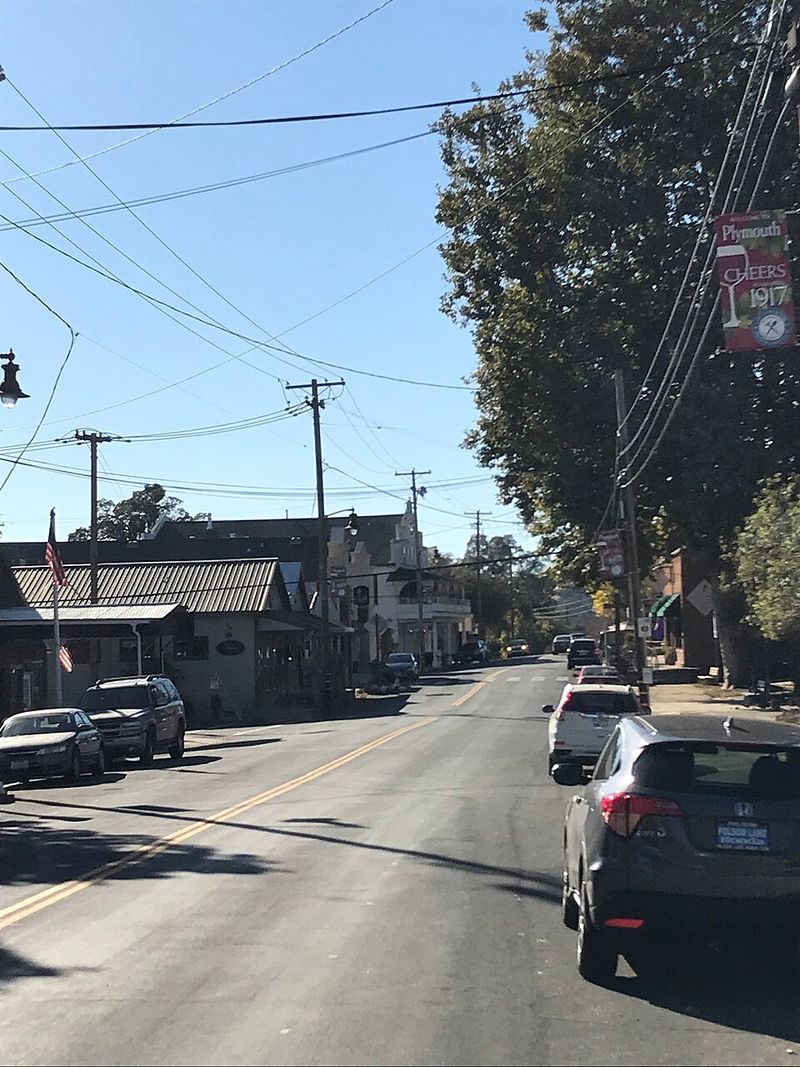
Plymouth sits at the edge of the Shenandoah Valley wine region, and that position gives it a character that leans more toward wine village than classic mining showpiece.
It’s a tiny town of fewer than 1,000 residents, which immediately signals the kind of quiet, uncrowded experience that makes a May visit feel genuinely restorative rather than rushed.
The surrounding Shenandoah Valley is home to dozens of family-owned wineries, and several of them have tasting rooms that evoke the kind of small-scale French or Italian estate experience that wine lovers travel across the world to find.
One winery in the area even features a French chateau-style building, which deepens the old-world impression considerably.
The rolling vineyard landscape visible from the roads around Plymouth adds a pastoral quality that pairs beautifully with the mild spring weather.
The town itself is modest and unassuming, which is part of its appeal. There are no crowds pushing through a polished main street, just a small community going about its day surrounded by beautiful countryside.
Visitors who appreciate a slower, more contemplative kind of travel tend to find Plymouth especially rewarding, particularly in May when the vines are just beginning to leaf out and the hills are still lush and green.
9. Columbia
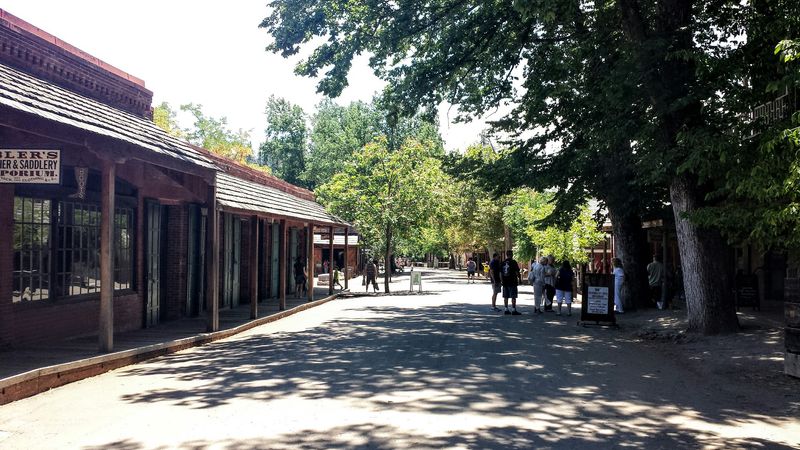
Although it leans more Gold Rush than European, its storybook quality earns it a place on this list without any hesitation.
Columbia State Historic Park preserves an entire Mother Lode town with a level of authenticity that few historic sites anywhere in the country can match.
The wooden sidewalks, period storefronts, and horse-drawn stagecoaches create a sensory experience that feels genuinely immersive rather than simply decorative.
Visit California describes the park as a preserved Mother Lode town brought to life with stagecoaches, working period shops, and historic buildings that still function as active businesses.
That living-history quality is what sets Columbia apart from a standard museum.
Visitors can step into a functioning blacksmith shop, browse goods in a dry goods store, or ride a stagecoach through the dusty streets, all of which add texture to the experience.
Columbia State Historic Park is located at 11255 Jackson St in Columbia, and admission to the park grounds is generally free though some activities carry a small fee.
May is an excellent month to visit because the temperatures are comfortable and the park tends to be less crowded than during summer school holidays.
The surrounding Tuolumne County countryside adds a picturesque backdrop that makes the whole visit feel like a step into a well-preserved chapter of California history.
10. Placerville
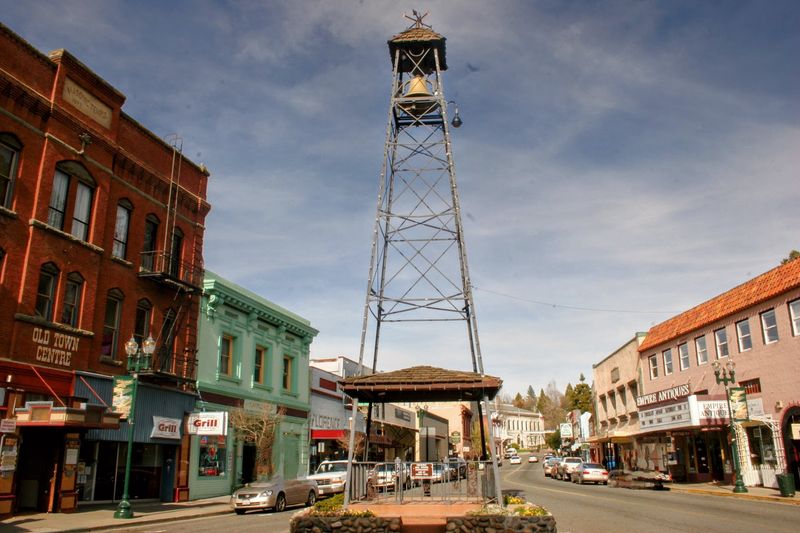
The energy of a real working town gives Placerville a grounded authenticity that some of the more polished villages on this list can only approximate.
The historic Main Street runs through the center of El Dorado County and is lined with 19th-century brick buildings that have housed businesses continuously for well over a century.
That kind of unbroken commercial history gives the street a lived-in warmth that is hard to manufacture.
Visit California notes that the 19th-century architecture and historic downtown have a way of transporting visitors back to Gold Rush days, and that effect is strongest in May.
The surrounding El Dorado wine country also adds a European agricultural quality to the broader area, making Placerville a useful base for exploring the region.
The Placerville Hardware store, one of the oldest hardware stores in California still in operation, sits along the main corridor and is worth a stop for the sheer novelty of browsing a business that has been serving the community since the Gold Rush era.
The downtown also has a handful of well-regarded local restaurants and cafes that make it easy to turn a quick visit into a full afternoon. Parking is generally available in public lots just off the main street.