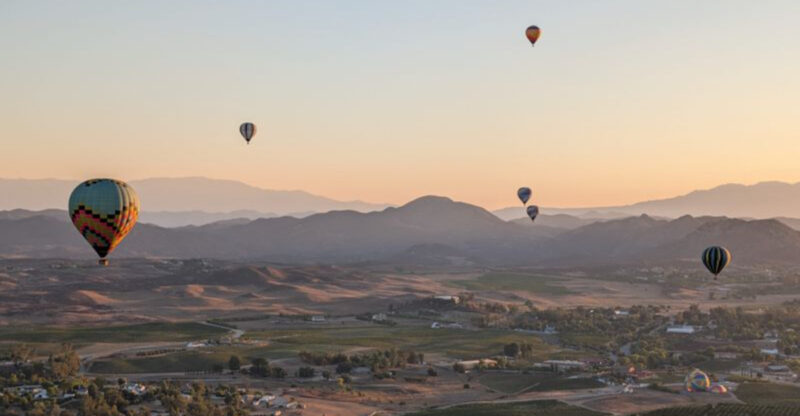
These Desert Ghost Towns In Arizona Still Have People Living In Them
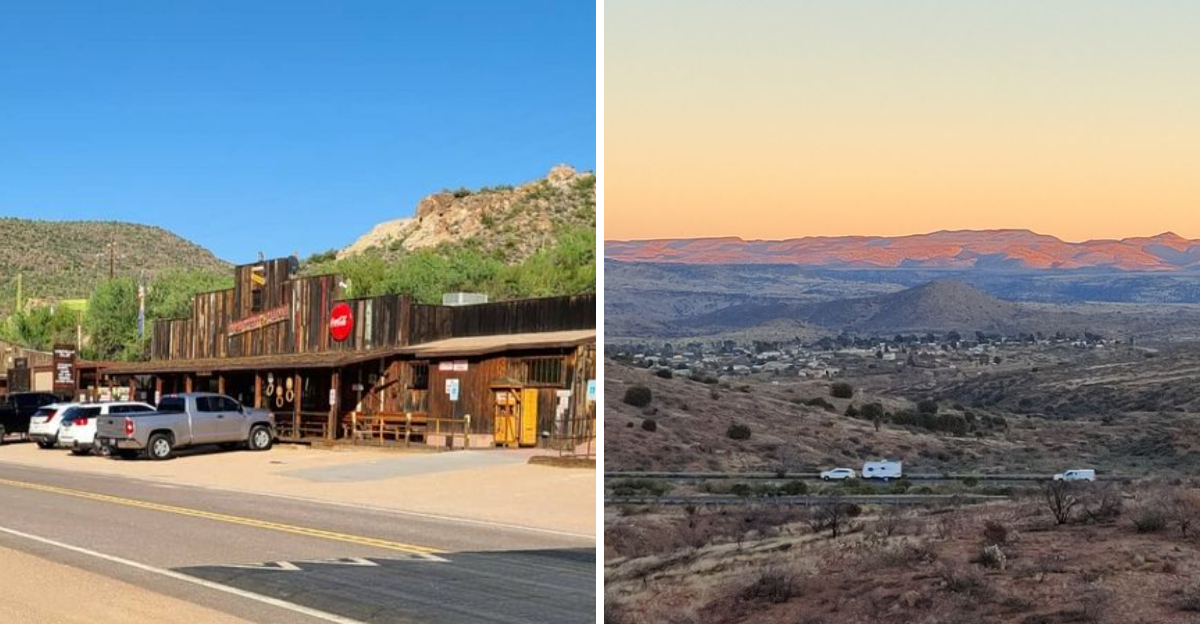
Arizona has a particular talent for making you feel like you’ve wandered onto the set of a Western film, except nothing here is staged and nobody is acting.
The crumbling storefronts are real, the abandoned mines are real, and in some of these towns, so are the people who never left.
Ghost towns in this state exist on a fascinating spectrum.
Find them in places that are genuinely empty and silent and towns that technically qualify as ghost towns but still have a handful of stubborn, wonderful residents who will tell you exactly why they stayed.
Some of these spots look completely unremarkable from the highway, which is precisely why most drivers never stop.
That is their loss and your gain. Arizona’s ghost towns reward the curious, the patient, and anyone willing to take an unmarked exit and see what’s waiting at the end of a dusty road.
1. Chloride
Chloride is Arizona’s oldest continuously inhabited mining town, and it wears that title like a well-earned badge.
Founded in the 1860s, this little community in Mohave County has roughly 200 residents who genuinely love the quirky reputation their town carries. The post office still runs.
The general store still sells cold drinks. Life moves slowly here, and that is exactly the point.
What really sets Chloride apart are the painted murals on the rocks outside of town, created by artist Roy Purcell back in 1975.
They are massive, colorful, and completely unexpected in the middle of the Sonoran Desert. Locals call them a landmark.
First-time visitors call them jaw-dropping.
On the first and third Saturday of every month, the town hosts mock gunfights right on the main street. It sounds touristy, but the community spirit behind it is completely genuine.
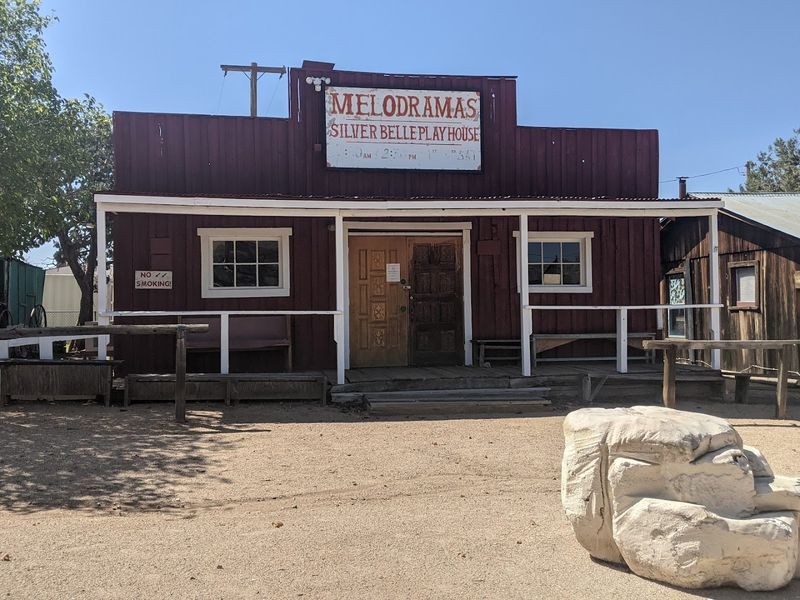
Stop by the old Silver Belle Saloon building for a photo, then chat with a local. They will tell you more history in ten minutes than any guidebook ever could.
Chloride is absolutely worth the detour.
2. Jerome
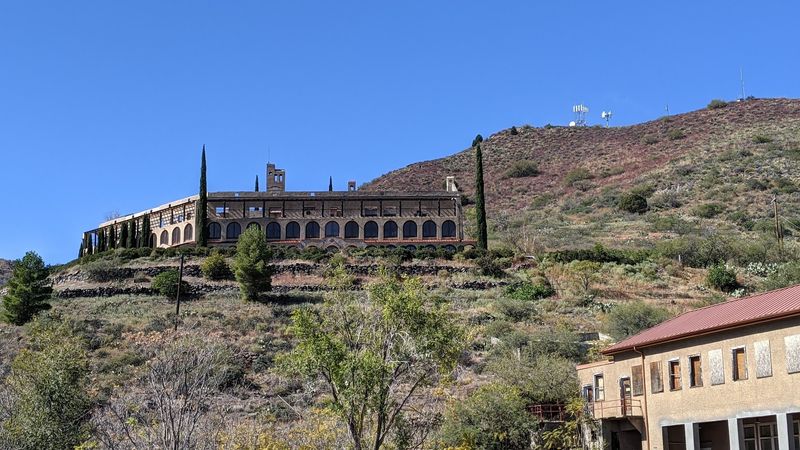
Perched dramatically on the side of Cleopatra Hill, Jerome defies gravity and expectations in equal measure. At its peak in the early 1900s, this copper mining town had nearly 15,000 residents.
Today, around 450 people call it home, and they have turned this vertical village into one of the most talked-about spots in all of Arizona.
Jerome is not frozen in time. It breathes.
Artists, shop owners, and longtime locals fill the narrow winding streets with energy that feels genuine rather than performed.
The buildings are old, yes, but the conversations happening inside them are very much current. Galleries, bakeries, and small boutiques sit in structures that have been standing since the 1890s.
One fun fact: Jerome was once called the wickedest town in the West. These days, it is better known for stunning panoramic views of the Verde Valley and a thriving creative community.
The Jerome State Historic Park, located at 100 Douglas Road, Jerome, sits inside the old Douglas Mansion and offers a fascinating look at the town’s copper-fueled past.
Jerome proves that a town can nearly die and come back stronger, stranger, and far more interesting than before.
3. Oatman
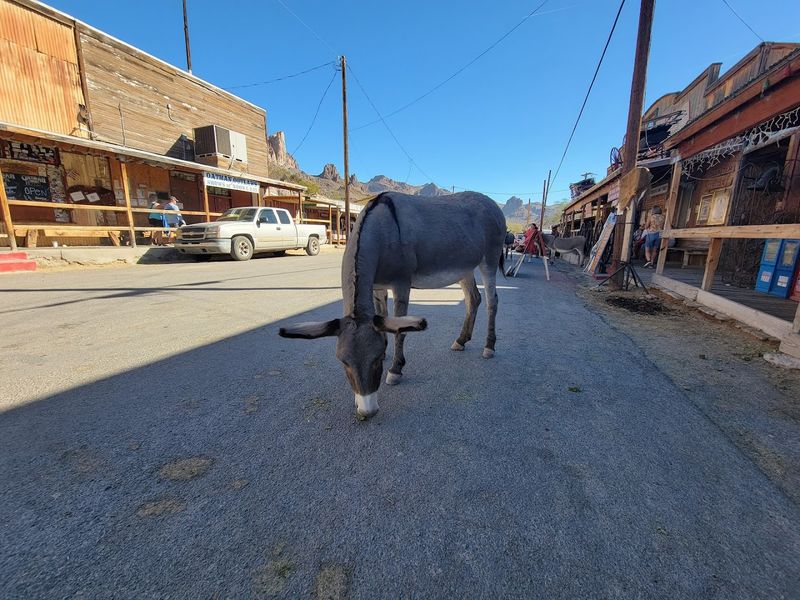
Imagine pulling up to a small desert town and being greeted not by a welcome sign, but by a herd of wild burros standing in the middle of the road. That is Oatman on a regular Tuesday.
This Route 66 town in western Arizona has about 150 permanent residents, but the burros outnumber them on most days.
The burros are descendants of animals left behind by gold miners in the early 1900s. They roam freely, they approach cars without hesitation, and they will absolutely eat your snacks if given the chance.
Locals sell bags of carrots near the main drag, and feeding the burros is practically a civic duty here.
Oatman sits along what used to be a critical stretch of Route 66, and the town has leaned fully into that history.
The Oatman Hotel, located at 181 Main Street, Oatman, is where Clark Gable and Carole Lombard reportedly spent their honeymoon in 1939.
The building still stands, still welcomes visitors, and still has the kind of creaky charm that makes you feel like you stepped back into another era. Oatman is wild, wonderful, and unlike anywhere else on earth.
4. Tombstone
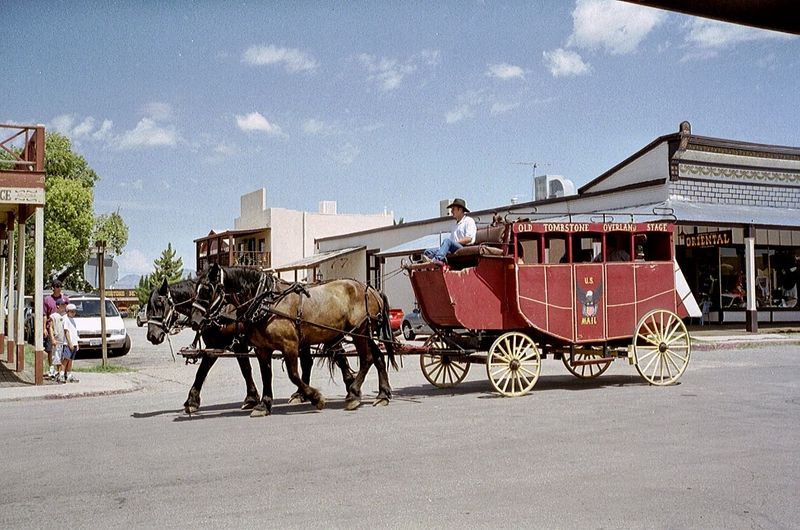
Tombstone is the town too tough to die, and that slogan is not just clever marketing. Founded in 1879 after a silver strike, Tombstone grew fast, burned twice, flooded repeatedly, and still refused to quit.
Today, a few hundred permanent residents keep the spirit of one of America’s most legendary frontier towns very much alive.
The OK Corral is the obvious draw, and yes, the reenactments are fun. But Tombstone has more going on beneath the surface than most visitors realize.
Boot Hill Graveyard at the north end of town holds real stories from real people, told through epitaphs that range from heartbreaking to genuinely hilarious. Reading them feels like flipping through a very strange history book.
Allen Street, the main drag, is lined with wooden boardwalks and storefronts that look almost exactly as they did in the 1880s.
Local shops, historic courthouses, and the Tombstone Epitaph newspaper office all sit within easy walking distance.
The newspaper, located at 9 South 5th Street, Tombstone, has been publishing continuously since 1880, making it the oldest continuously published newspaper in Arizona.
Tombstone earns every bit of its legendary reputation, and then some.
5. Congress
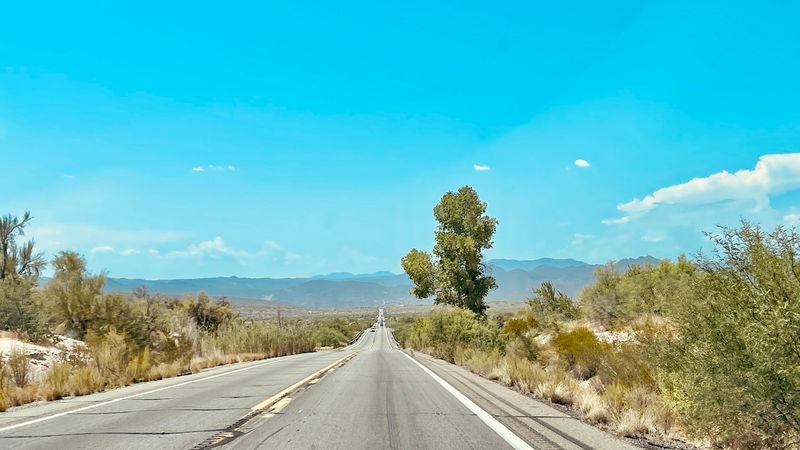
Congress does not try to impress anyone, and somehow that makes it more impressive. Tucked into Yavapai County along Highway 89, this small community was once home to one of Arizona’s richest gold mines.
The Congress Mine operated from the 1880s all the way into the 1930s, pulling millions of dollars worth of gold out of the desert floor.
These days, the population hovers around 1,800, which makes Congress a bit larger than most entries on this list. But the vibe is unmistakably old Arizona.
Vintage buildings, wide open spaces, and a community that operates at its own comfortable pace define daily life here.
There is no pretense, no performance for tourists, just real people living in a place with serious historical bones.
The old Congress Hotel building and the remnants of the mining operation are still visible near the center of town. Local residents take quiet pride in the history surrounding them, even if most passing drivers never think to stop.
Congress is located near the intersection of Congress Road and Highway 89, Congress. It rewards the curious traveler who pulls off the main road and actually looks around for a few minutes.
That curiosity almost always pays off.
6. Tortilla Flat
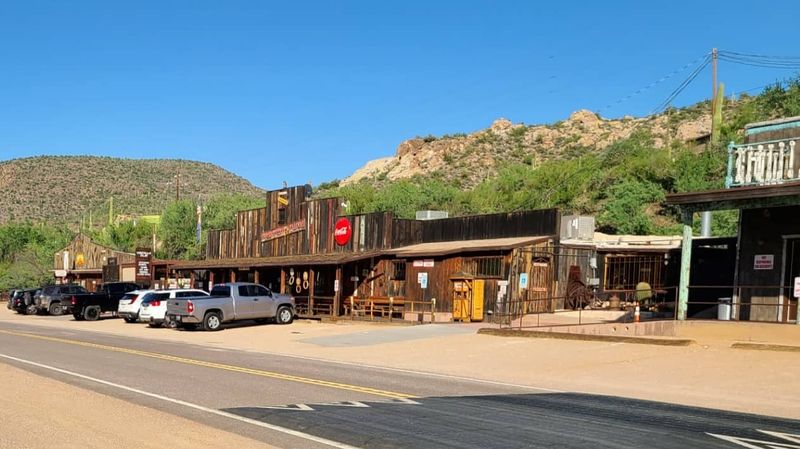
With a population of exactly six people, Tortilla Flat might be the smallest incorporated community in the entire United States. That number is not an exaggeration.
Six residents. One restaurant.
One gift shop.
And an absolutely staggering amount of personality packed into a very small space along the Apache Trail.
The Tortilla Flat Restaurant and Country Store is the heartbeat of this tiny community, and the walls inside are plastered floor to ceiling with dollar bills left by visitors from around the world.
It started as a quirky tradition years ago and has grown into something genuinely remarkable. The sheer volume of currency stapled to every surface is both absurd and oddly beautiful.
Tortilla Flat sits at 1 Main Street, Tortilla Flat, nestled between Canyon Lake and Roosevelt Lake along the historic Apache Trail.
The drive to get here is half the experience, winding through canyon walls and desert scenery that looks almost too dramatic to be real.
Locals here do not just tolerate visitors; they seem to genuinely enjoy the parade of surprised faces that roll through daily. For a place with six residents, Tortilla Flat generates an outsized amount of good energy and great stories.
7. Gleeson
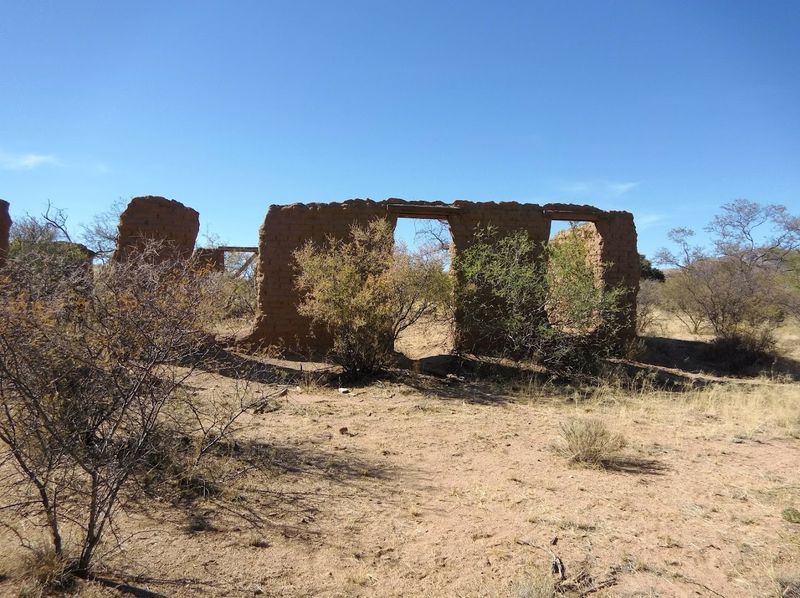
Gleeson sits quietly in the high desert of Cochise County, and quiet is the operative word.
This former copper and turquoise mining community never fully recovered after its mines closed in the 1930s, but a handful of residents never left, and a few more have trickled back over the decades.
The population today is estimated at just over 100 people, though counting is tricky when everyone has a lot of land.
What remains of Gleeson is genuinely atmospheric. The old jail still stands in partial ruin, and the adobe walls of several historic structures rise from the desert floor like something out of a forgotten novel.
There is no gift shop, no reenactment schedule, no curated experience. Just history sitting out in the open air, available to anyone patient enough to look.
Gleeson Road connects the town to nearby Tombstone, making it an easy side trip for anyone already exploring Cochise County.
The old Gleeson school and hospital ruins are accessible and worth a slow walk around.
Located near Gleeson Road, Gleeson, this is the kind of place that rewards visitors who prefer their history unpolished and unvarnished. Gleeson is not trying to be a tourist attraction, which somehow makes it a very good one.
8. Pearce
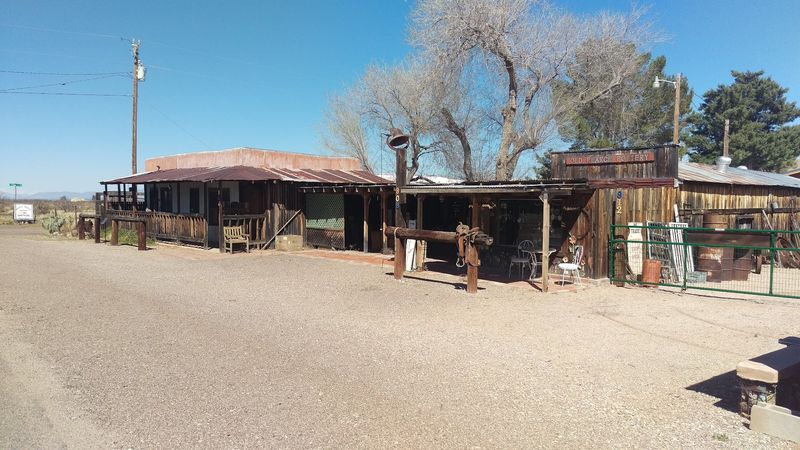
This is a place where history did not get cleaned up for company. Founded in 1894 after James Pearce discovered gold on his cattle ranch, the town grew quickly and then contracted just as fast when the ore ran thin.
What remained was a scattered community of resilient residents who simply decided this patch of high desert was worth staying for.
The most iconic structure in Pearce is the old Pearce General Store, a thick-walled adobe building that has been standing since the late 1800s.
It is not open for business in the traditional sense, but it stands as a remarkable physical reminder of what this community once was. Driving past it feels like catching a glimpse of something the modern world forgot to erase.
Roughly 1,500 people live in the broader Pearce area today, many of them on ranches and rural properties spread across the rolling grasslands of Cochise County.
The community has a post office, a few local businesses, and the kind of neighborly atmosphere that cities spend millions trying to manufacture.
It is not on most tourist itineraries, and the people who live there probably prefer it that way.
9. Cleator
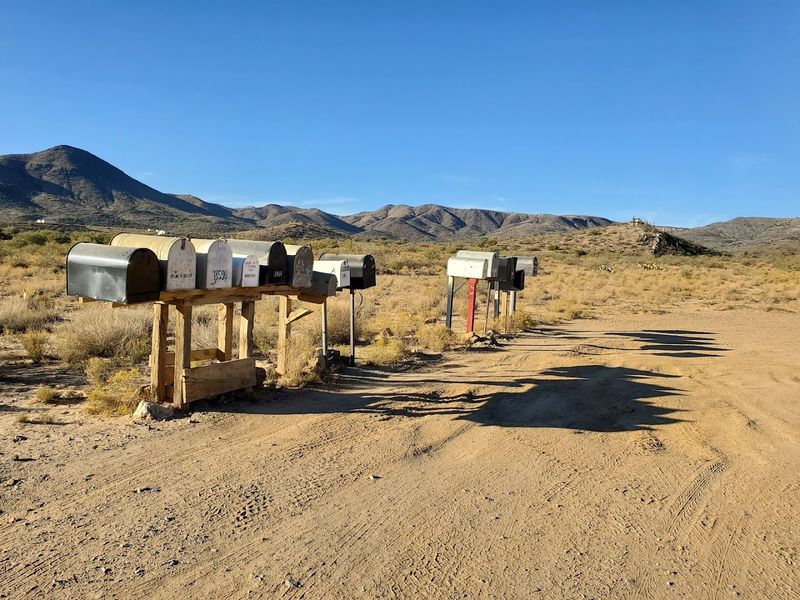
Cleator has a population of around two people, depending on the season and who you ask. That is not a typo.
This tiny community in Yavapai County sits along the Crown King Road and has been slowly shedding residents since its mining days ended decades ago.
The few people who remain are not there by accident. They chose Cleator, and Cleator is better for it.
The Cleator Bar and General Store is essentially the entire town, and it has become something of a legend among off-road enthusiasts and curious road-trippers.
The building is old, the signs are faded, and the vibe is completely unfiltered. Visitors who stop here often describe it as one of the most memorable stops on any Arizona road trip, precisely because nothing about it is staged.
Reaching it requires a bit of commitment on unpaved roads. That barrier keeps the casual crowds away, which is probably fine with the locals.
The surrounding landscape is stunning, with the Bradshaw Mountains rising dramatically in the background. Cleator is proof that a community does not need a large population to have a large personality.
Sometimes two people and a good general store are more than enough.
10. Mayer
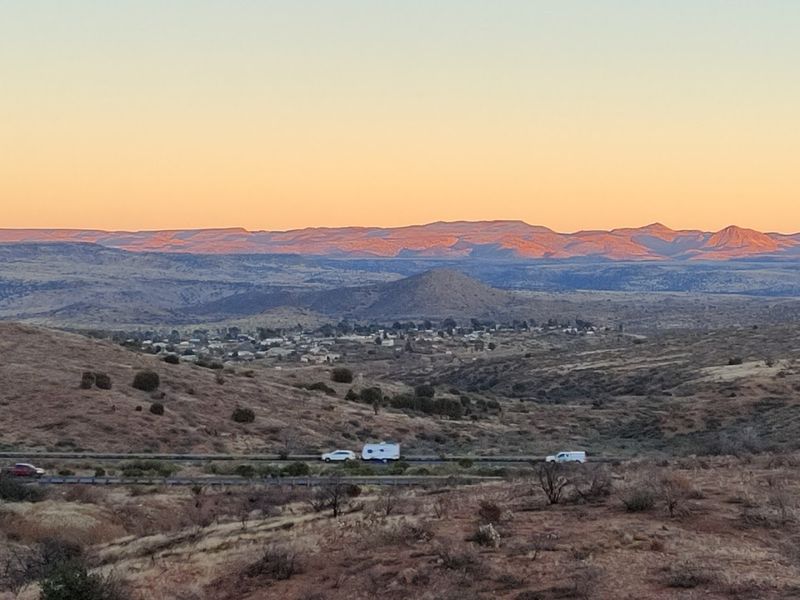
Mayer sits in the Agua Fria River valley and carries the quiet confidence of a town that has outlasted every prediction of its demise.
Founded in the 1880s as a supply stop for nearby mining operations, Mayer grew into a modest community that never quite became a boomtown and never quite became a ghost town either.
It found its own comfortable middle ground.
Today, around 1,400 people call Mayer home, making it one of the more populated entries on this list. The town has a school, a community center, and the kind of local businesses that serve actual residents rather than tourists.
There is something refreshing about a historic Arizona community that exists primarily for the people who live in it rather than the people passing through.
The historic Mayer Depot building is a local point of pride, representing the era when the railroad connected this valley to the wider world.
Mayer is located along State Route 69, Mayer, Arizona, roughly halfway between Prescott and Phoenix.
It is an easy stop on a road trip between those two cities, and the surrounding Agua Fria valley scenery is genuinely beautiful. Mayer does not shout for attention, but once you stop, it has plenty to say.