These 10 Georgia Beaches Are Worth Exploring For Shells, Shark Teeth, And Coastal Treasures
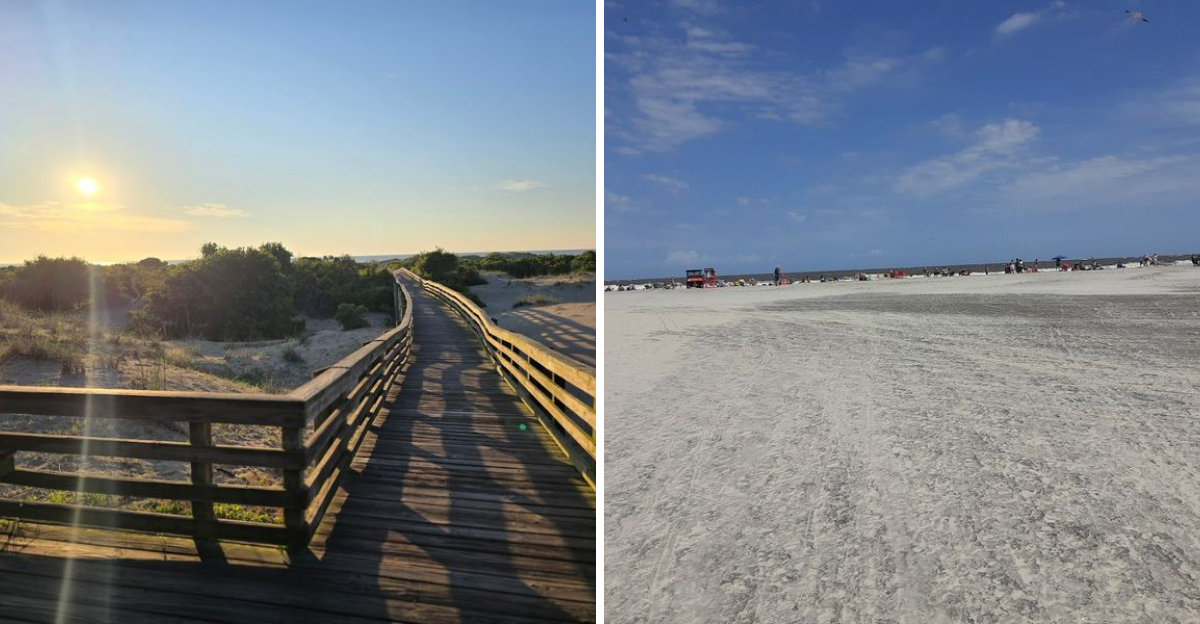
My daughter found her first shark tooth before I found my sunscreen. She was six.
She held up a small black triangle, asked if it was real, and screamed loud enough to scare the seagulls when I said yes. That tooth now lives in a jewelry box like a diamond.
Since that morning, our family has combed beaches all over Georgia with zip-top bags and competitive attitudes. We have found teeth older than the pyramids, sand dollars the size of cookies, and one piece of sea glass so blue it looks fake.
The trick is knowing which stretches of sand actually deliver. Georgia’s barrier islands have been collecting ocean treasures for thousands of years, and a few spots give them up freely.
Check the tide chart, bring patience, and start looking down.
1. North Beach, Tybee Island
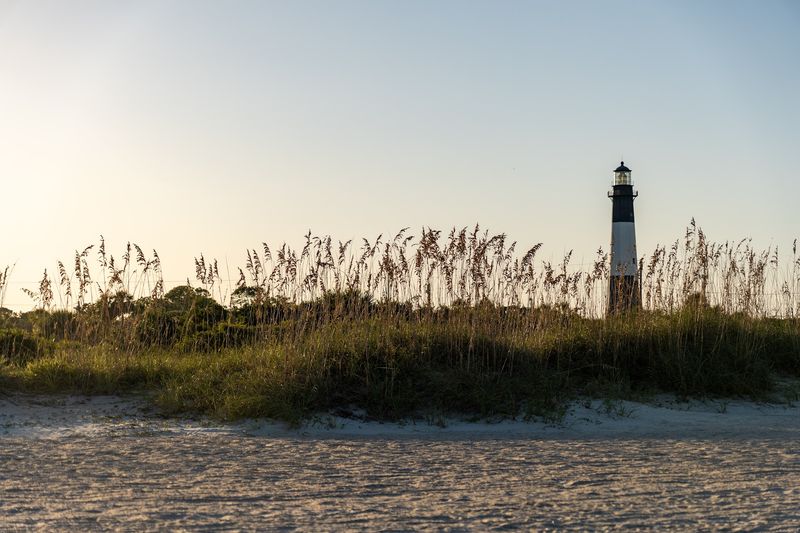
Quiet beaches have a way of rewarding patience, and North Beach proves that every single time. Fewer crowds mean more shells left untouched on the sand.
That alone makes the trip to Meddin Dr and Gulick St worth every minute of the drive.
This stretch of beach sits near a calm inlet, which slows the water just enough to deposit fragile shells without breaking them. You will find whole coquinas, small whelks, and the occasional shark tooth resting in the wet sand.
Low tide is when the magic really happens here.
The beach expands noticeably as the water pulls back, revealing a wider search zone full of surprises. I once found three shark teeth within ten minutes of arriving at low tide.
Bring a small mesh bag to sift through the sand more efficiently.
Families love this end of the island because it feels relaxed and unhurried. Kids can roam freely without fighting beach umbrellas and crowds.
The soft, pale sand also makes spotting dark shark teeth much easier against the light background.
Go an hour before low tide for the best results. The wrack line, that dark ribbon of debris left by the last wave, is your best friend here.
Follow it down the shoreline and let it lead you to your next great find.
2. South Beach At The Tybee Pier And Pavilion, Tybee Island
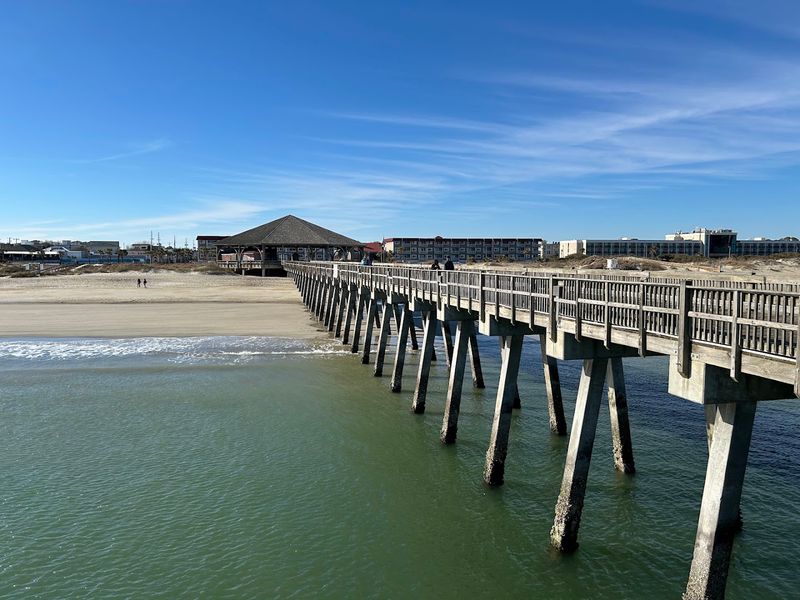
There is something electric about a beach with a pier stretching out over the water. South Beach at 1 Tybrisa St buzzes with energy, color, and the faint hope that today might be the day you find something spectacular.
The pier itself frames the whole scene beautifully.
Most visitors come here for the atmosphere, but the sharper-eyed ones come for the shells. The wave action near the pier creates a natural sorting effect, pushing shells and debris along the waterline.
Walk the edge of the surf and keep your eyes low.
Shark teeth do show up here, especially after a storm churns the seafloor. Sea glass hunters have also scored some nice frosted pieces near the pier pilings.
The variety of finds keeps every visit feeling fresh and unpredictable.
The beach is wide and the amenities are close, so you can search comfortably without worrying about where to eat or use the restroom. That convenience makes it a solid choice for first-time beachcombers.
Bring sunscreen, because the sun hits this stretch hard in the afternoon.
Low tide is still your best window, even on a busy beach like this one. Fewer people wade into the surf zone at that hour, leaving more ground uncovered for you.
Check the tide chart the night before and plan your morning accordingly.
3. Back River Beach, Tybee Island
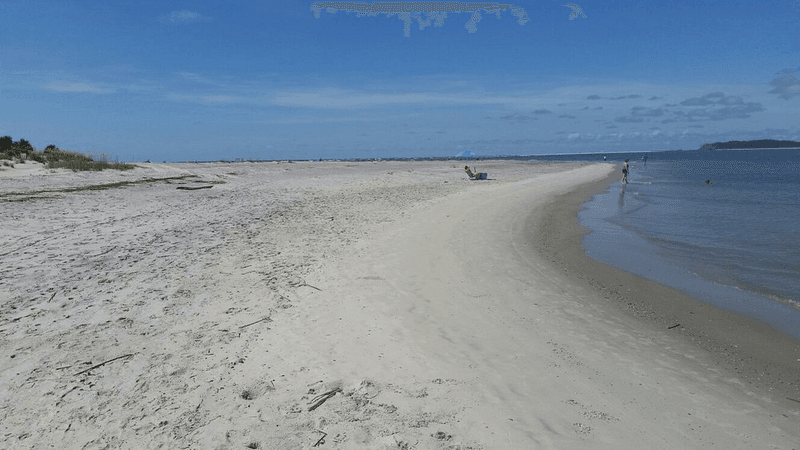
Locals call it the secret beach, and after one visit, you will completely understand why. Back River Beach at Chatham Ave and 18th St feels like a place the rest of the world forgot to put on the map.
That is very much a good thing.
The sand here is noticeably softer and whiter than on the other Tybee beaches. Dark shark teeth stand out dramatically against that pale background, making them easier to spot.
It is one of those details that actually changes your success rate.
The calm river-side setting means gentler waves, which preserves more fragile shells as they wash ashore. Whole sand dollars and unbroken moon snail shells are more common here than you might expect.
Take your time walking slowly along the waterline.
I visited on a weekday morning and had long stretches of beach entirely to myself. The silence made the whole experience feel more focused and surprisingly meditative.
You notice things when there is no noise competing for your attention.
The beach expands beautifully at low tide, giving you a wider zone to explore. That extra real estate along the shoreline means more ground and more potential finds.
Arrive early, walk the wrack line methodically, and do not rush the process.
4. Driftwood Beach, Jekyll Island
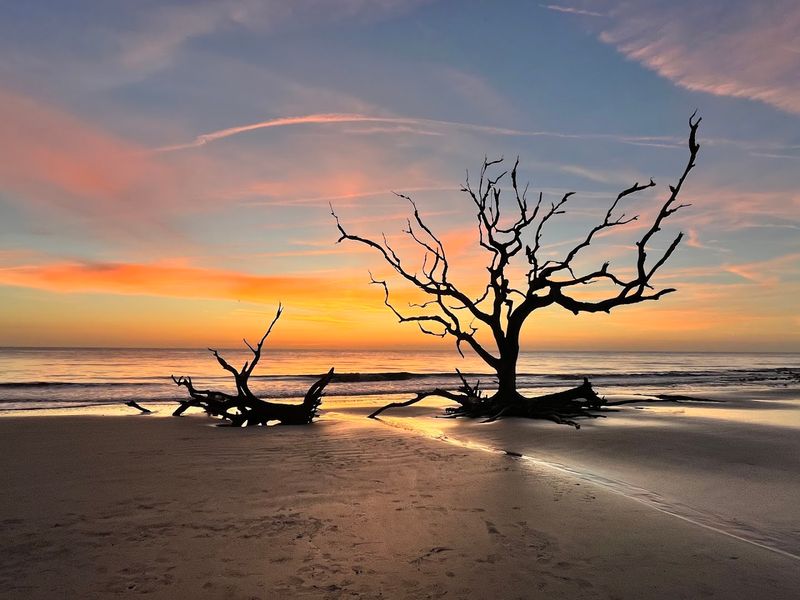
No beach in the coastal South looks quite like this one. Driftwood Beach on N Beachview Dr is draped in bleached, twisted trees that rise straight out of the sand like sculptures nobody commissioned.
It is eerie, stunning, and completely unforgettable.
The driftwood creates natural traps where shells and sea glass collect in the soft sand below. Coquina shells, moon snails, and worn fragments of sea glass pool around the base of the fallen trees.
Shark teeth also turn up here with satisfying regularity.
One tip worth knowing: you can collect shells freely, but taking any driftwood is prohibited. Leave the wood where it stands so the beach keeps its famous character.
Pocketing a shark tooth, however, is completely fair game.
Low tide opens up the best searching zones along this shoreline. The exposed sand between the tree clusters reveals all kinds of treasures that the tide has been sorting for you overnight.
Walk slowly and look carefully in the wet patches.
The atmosphere here is unlike anywhere else on the Georgia coast. The combination of ancient-looking wood, soft sand, and ocean light makes every visit feel cinematic.
Bring a camera alongside your collection bag, because you will want both.
5. St. Andrews Beach Park, Jekyll Island
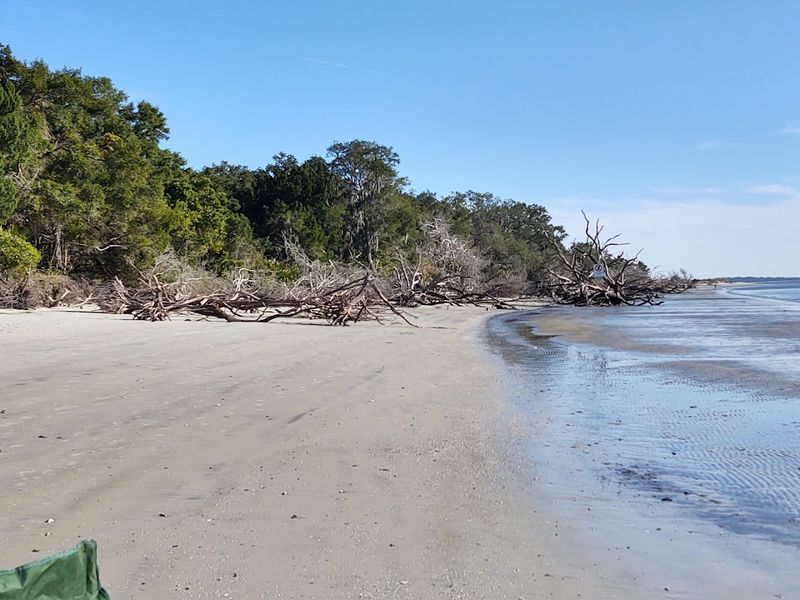
Beachcombers who have done their homework already know about this spot. St. Andrews Beach at 1 St Andrews Beach Rd is widely considered one of Jekyll Island’s most productive shelling destinations.
The reputation is well earned and very much still accurate.
Sand dollars are the big draw here, and visitors regularly find sun-bleached ones along the waterline. The southern tip of the island funnels shells from multiple directions, concentrating them in a relatively small stretch of shoreline.
That natural funneling effect is a real advantage.
Planning your visit around low tide is practically mandatory at this beach. The exposed shoreline nearly doubles in width as the water retreats, revealing a fresh layer of shells that have been deposited overnight.
Arrive early before other collectors work the same ground.
The beach also features a two-story wildlife viewing platform that overlooks the marsh and coastal landscape. Take a few minutes to climb up and scan the area before you start searching.
You might spot shorebirds working the same tidal zones you are about to explore.
Shark teeth do appear here, though they require a bit more patience than sand dollars. Sift through the coarser sand near the water’s edge with your fingers.
The dark triangular shape of a tooth is unmistakable once you train your eye to see it.
6. Great Dunes Beach Park, Jekyll Island
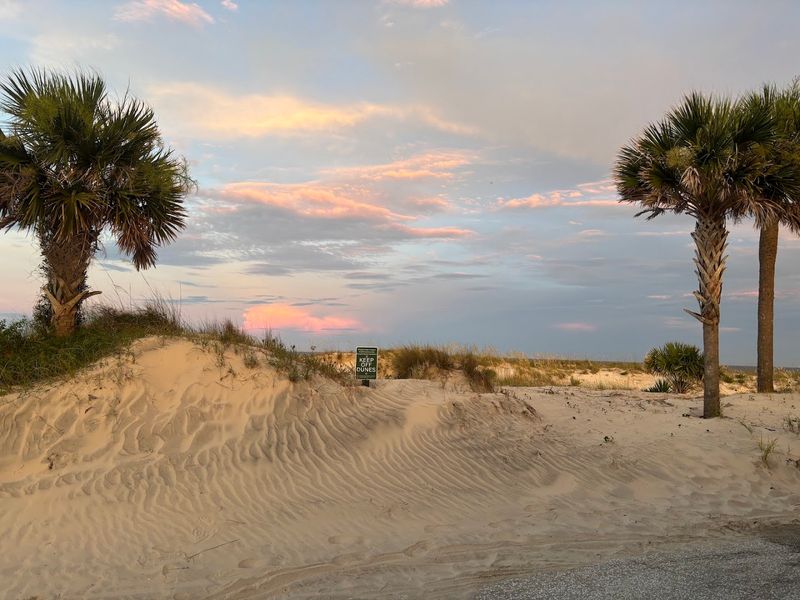
Wide open beaches with steady shell traffic are rare, and Great Dunes Beach Park delivers exactly that. Located on S Beachview Dr, this broad shoreline gets a consistent flow of shells, driftwood, and sea glass pushed in by longshore currents.
Patient beachcombers thrive here.
The wrack line at this beach is particularly productive after a strong tide. That dark ribbon of debris running parallel to the surf is where olive shells, lightning whelks, and moon snail casings tend to cluster.
Walk it from one end to the other before doing anything else.
After a coastal storm rolls through, white and amber sea glass pieces appear along the shoreline. Sea glass hunters consider post-storm visits almost mandatory for the best results.
The frosted texture and rounded edges make each piece feel like a small victory.
The dunes behind the beach are impressive and worth a look on their own. They provide natural wind protection and help shape the shell-collecting conditions on the beach below.
The park itself is clean, accessible, and easy to navigate even with young kids in tow.
Shark teeth are possible here, especially if you work the coarser sand near the surf zone. Sift slowly and look for the dark triangular shapes that stand out against the lighter sand.
A small sifting scoop from a beach shop can seriously improve your haul.
7. East Beach At The Old Coast Guard Station, St. Simons Island
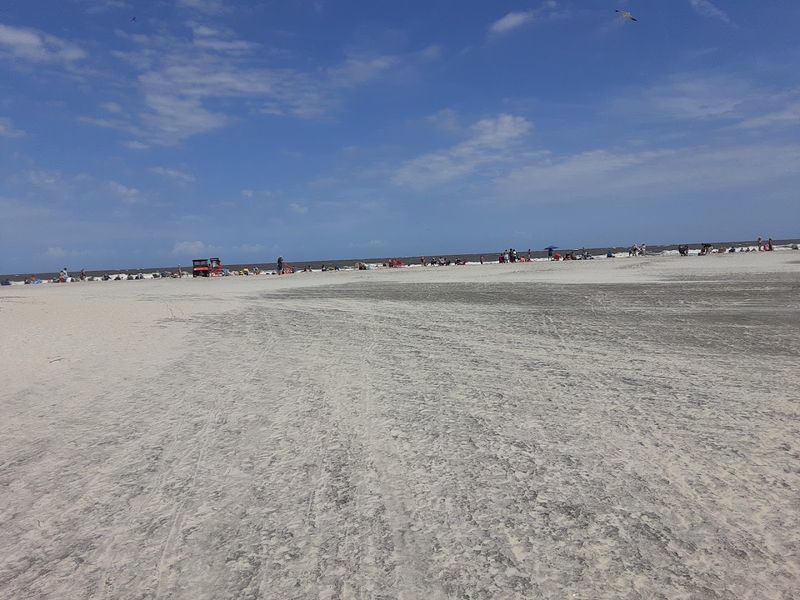
Strong tides are a beachcomber’s best friend, and East Beach has them in abundance. Located near the historic Old Coast Guard Station at 4201 First St, this stretch of sand sees serious tidal action that regularly deposits new material along the shore.
Every visit feels like opening a fresh batch of surprises.
Knobbed whelks, angel wings, and scotch bonnets have all been reported finds along this shoreline. Those are not common everyday shells, which tells you something about the quality of what the tides bring in here.
Keep your eyes sharp near the surf zone.
The hard-packed sand is a practical bonus for collectors. You can walk or even bike long distances without sinking into soft sand, which means you can cover more ground during a single low-tide window.
More ground covered equals more chances to find something great.
East Beach is one of the primary public beaches on the island, so amenities are close and parking is straightforward. That accessibility makes it a smart choice for families bringing younger treasure hunters along.
Kids who find their first shark tooth here tend to become lifelong collectors.
Arrive at least an hour before low tide and work the waterline systematically. Move slowly, scan the wet sand carefully, and check around any clusters of debris.
The best finds are often sitting right on top, waiting for someone observant enough to notice them.
8. Gould’s Inlet, St. Simons Island
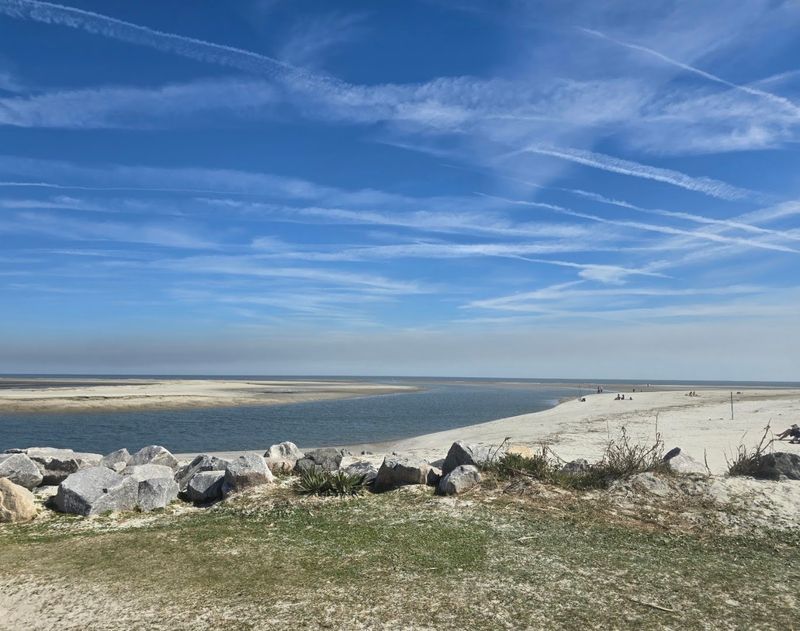
Sandbars and shifting channels make Gould’s Inlet one of the most dynamic shelling spots on the entire Georgia coast. The inlet at 2313 Bruce Dr rewards collectors who understand tides and are willing to time their visits carefully.
Whole sand dollars are the headline find here.
Strong currents funnel shells and other materials into concentrated pockets along the sandbars. When those bars emerge at low tide, they reveal fresh deposits that have not been picked over yet.
That window of opportunity is narrow, so arriving early matters.
The shifting nature of the inlet means no two visits look exactly alike. Channels move, sandbars appear in new locations, and different shells show up depending on recent weather and tidal patterns.
That unpredictability is actually a big part of the appeal.
Birdwatchers also love this spot, so you might share the inlet with people pointing binoculars at shorebirds while you scan the sand for teeth and shells. It is a peaceful coexistence that gives the whole area a relaxed, natural energy.
Nobody is in a rush here.
Shark teeth do appear at the inlet, particularly in the coarser sand near the channel edges. Sift through the wet sand with your fingers and feel for the hard, triangular shape.
The dark coloring of fossilized teeth makes them easier to identify once you know what to look for.
9. Massengale Park, St. Simons Island
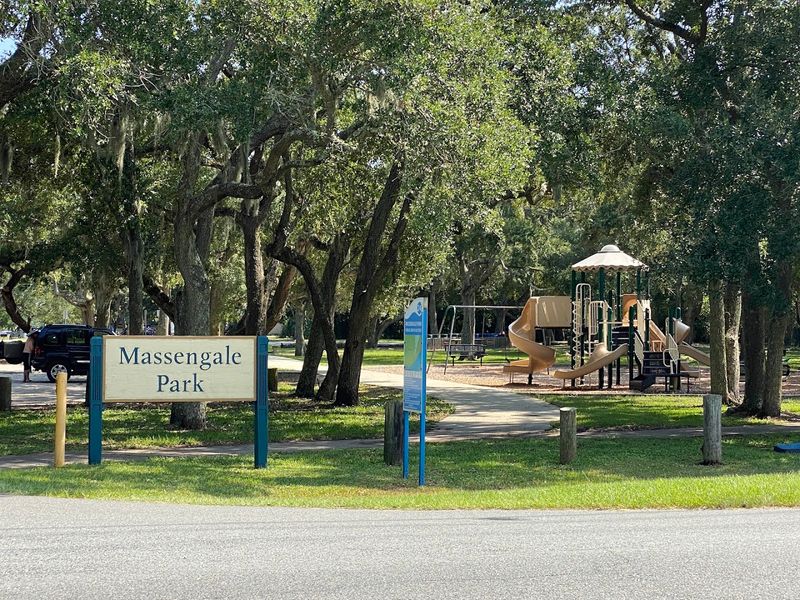
Cobalt blue sea glass is the kind of find that makes you stop walking and stare at it for a solid ten seconds. Massengale Park at 1350 Ocean Blvd has produced exactly that for lucky visitors who work the shoreline at the right time.
That alone puts it on the must-visit list.
The beach here shares the same productive tidal patterns as East Beach nearby, which means a reliable supply of shells and sea glass washes through regularly. Olive shells and sand dollars are common finds along the surf line.
The quality of material here consistently impresses first-time visitors.
Fewer people use this access point compared to other spots on the island. That lower foot traffic means shells sit undisturbed longer between tidal cycles.
You are not racing a crowd for the same patch of sand.
The park itself is family-friendly with solid amenities, including restrooms and parking that does not require a long walk to the beach. Bringing younger kids is easy and practical here.
They can search the sand while adults cover more ground along the waterline.
Shark teeth are possible at Massengale, especially after strong tides push coarser material ashore. Check the wet sand closest to the water for dark triangular shapes.
Pair your visit with a low tide window and you will leave with something worth showing off.
10. Sea Camp Beach, Cumberland Island
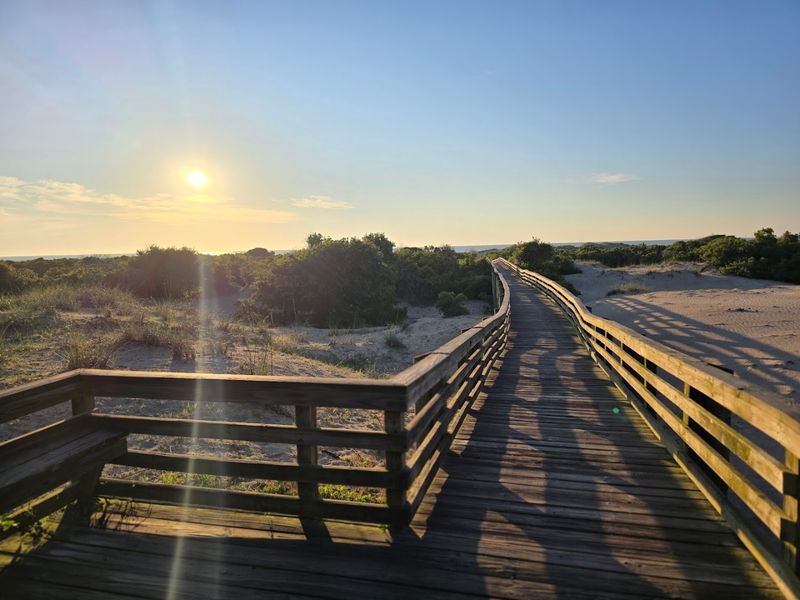
Getting to this beach requires a ferry, and that effort alone filters out most casual visitors. Sea Camp Beach on Cumberland Island is reached via ferry from 113 St Marys St W in St. Marys, and the remoteness is exactly what makes it so remarkable.
Wild horses on the island greet you before you even reach the sand.
Cumberland Island is a federally protected National Seashore, which means the beach has never been developed or heavily disturbed. That untouched quality creates natural conditions for finding shells, shark teeth, and other ocean-deposited treasures.
The seafloor here has been accumulating fossils for a very long time.
Before you collect anything, check the current regulations for the National Seashore. Rules about what can be taken may differ from standard state beaches.
Empty shells are generally fine, but confirming the specifics before your visit is a smart move.
The sheer length of undisturbed shoreline gives you enormous ground to cover. Most visitors cluster near the ferry landing, which means walking further down the beach significantly improves your odds of finding untouched deposits.
Bring water and comfortable shoes for the distance.
Low tide on Cumberland Island reveals stretches of exposed sand that rarely see human footprints. That is a genuinely rare experience on the East Coast.
Plan your ferry timing around the tide schedule and you will arrive at exactly the right moment.