These 15 Georgia Birdwatching Spots Feel Like Hidden Premium Seats To Nature
Patience rewards the most attentive observers. Georgia’s birdwatching locations announce themselves quietly to people willing to listen.
Coastal marshes shelter migratory species. Mountain ridges host year-round residents.
Urban preserves surprise casual visitors constantly. The state’s habitat diversity proves genuinely remarkable.
Seasoned birders discover new species regularly. Beginners find encouragement and wonder easily.
Life lists expand naturally through exploration. Georgia destinations deliver experiences feeling genuinely special.
Early morning alarms become worthwhile here. Binoculars reveal detail impossible from distance.
Photography opportunities emerge constantly. Seasonal changes transform familiar locations repeatedly.
The entire experience rewards patience and observation skill.
1. Clyde Shepherd Nature Preserve
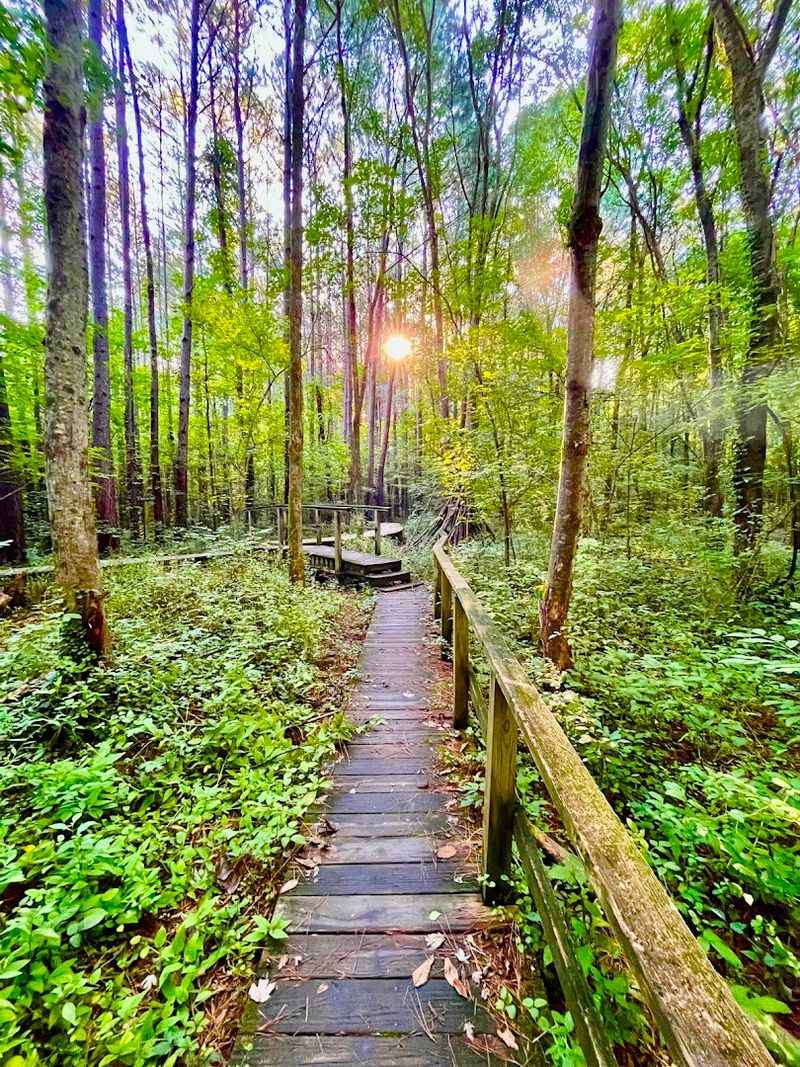
Few people expect a suburban neighborhood in Decatur to hide one of the metro area’s most rewarding birdwatching spots, but Clyde Shepherd Nature Preserve proves that surprises exist everywhere.
Located at 2580 Pine Bluff Dr, Decatur, GA 30033, this 26-acre preserve features forested wetlands, a creek corridor, and looping trails that feel genuinely removed from city life.
Wood Ducks are a reliable sighting here, especially near the water’s edge in quieter morning hours.
The preserve is managed by volunteers and kept in excellent natural condition, which helps attract a healthy variety of songbirds, woodpeckers, and wading birds throughout the seasons. Spring migration brings warblers in waves, making April and May particularly exciting.
Parking is limited, so arriving early on weekends is a smart move. Bring waterproof shoes since some trail sections can get muddy after rain, and always carry binoculars for the best views through the dense canopy.
2. McDaniel Branch Wetlands
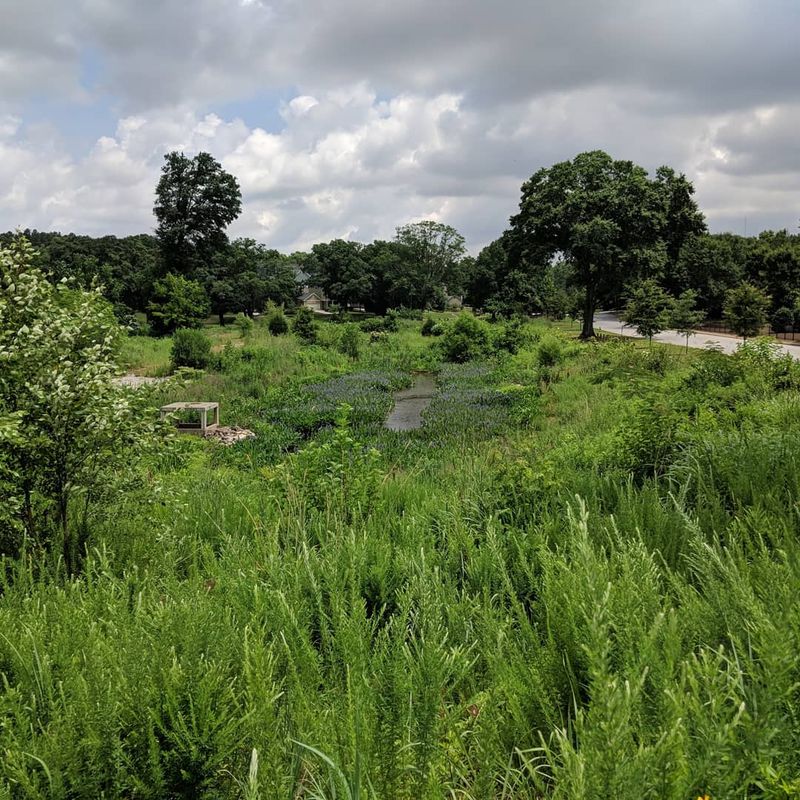
Right inside Atlanta city limits, McDaniel Branch Wetlands quietly delivers a birdwatching experience that most residents have no idea exists.
The site is located at 441 Bowen Cir SW, Atlanta, GA 30315, within a restored greenspace that has become a magnet for migratory and resident waterbirds.
Great Blue Herons, Killdeer, and various shorebirds have all been recorded here during the right seasons.
The wetlands were created as part of a stormwater management project, which shows how ecological restoration can serve both nature and community. Visiting during fall migration offers the best shorebird diversity, while spring brings nesting activity from several species.
The area is accessible and walkable, making it a practical stop even for a short visit between other commitments. Binoculars are helpful since open water views can stretch across a distance.
Weekday mornings tend to be much quieter than weekends, which means more undisturbed bird activity for patient visitors.
3. Harris Neck National Wildlife Refuge
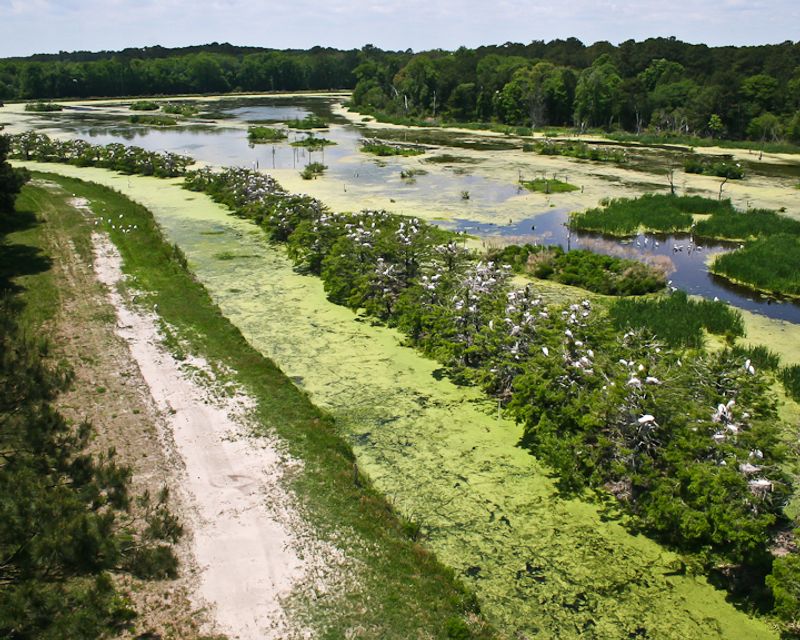
Harris Neck National Wildlife Refuge has a reputation among serious birders as one of Georgia’s crown jewels, and a single visit makes it easy to understand why.
Situated at 5000 Wildlife Dr NW, Townsend, GA 31331, this coastal refuge covers over 2,800 acres of marsh, forest, and freshwater impoundments along the Georgia coast.
The nesting colony of Wood Storks here is one of the most accessible and impressive in the entire country.
A driving loop allows visitors to cover the refuge at their own pace, which is especially helpful during hot summer months when walking long distances in coastal Georgia heat can be exhausting. Anhingas, Painted Buntings, and Purple Gallinules are among the standout species that draw photographers and birders from across the region.
The best time to visit is spring through early summer when nesting activity peaks. Bring sunscreen, water, and a telephoto lens for the most rewarding experience possible.
4. Wassaw National Wildlife Refuge
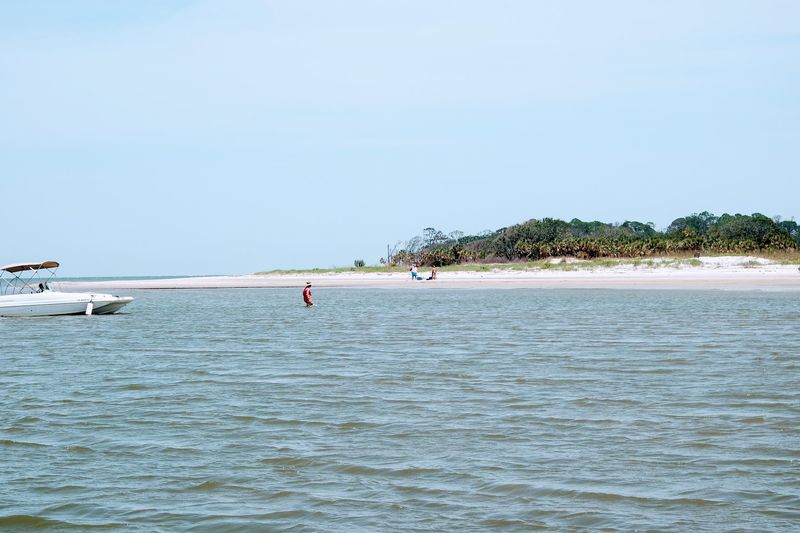
Getting to Wassaw National Wildlife Refuge requires a boat, and that small effort is exactly what keeps this barrier island feeling like a truly wild place.
Located near Savannah, GA 31411, Wassaw is accessible only by private watercraft or charter, which naturally limits crowds and preserves the habitat quality that birds depend on.
Loggerhead shrike, painted buntings, and a remarkable variety of shorebirds use this island as a critical stopover and nesting ground.
The island’s maritime forest and undeveloped beach make it one of the most ecologically intact spots on the Georgia coast. Visiting during spring and fall migration dramatically increases species variety, while summer brings nesting shorebirds and wading birds to the shoreline and interior marshes.
Planning ahead is essential since boat access requires coordination with a licensed charter or personal vessel. Bringing a field guide specific to coastal Georgia birds helps identify the impressive range of species that show up unexpectedly throughout the year.
5. Chattahoochee Nature Center
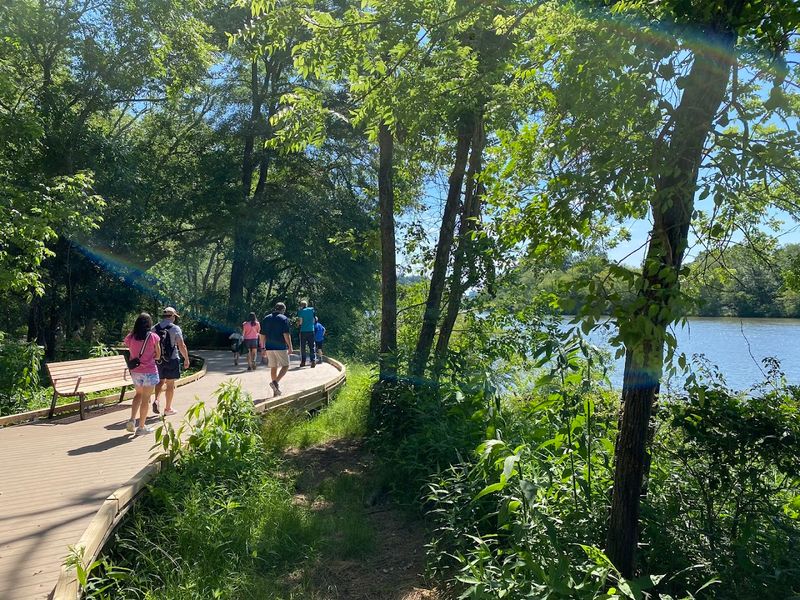
The Chattahoochee Nature Center has been connecting people with Georgia wildlife since 1976, and its riverfront location makes every visit feel like a quiet retreat from suburban life.
Found at 9135 Willeo Rd, Roswell, GA 30075, this 127-acre nonprofit nature center sits along the Chattahoochee River and offers trails, boardwalks, and live animal exhibits that complement any birdwatching outing.
Osprey, Belted Kingfishers, and several duck species are regularly spotted along the river corridor.
The center also runs guided birdwatching programs and seasonal events that help beginners build identification skills in a supportive setting. Admission is required, which helps fund conservation and educational programming throughout the year.
Mornings on the boardwalk tend to produce the most bird activity, especially in spring when warblers pass through in large numbers. Families with children find the combination of structured exhibits and natural exploration especially satisfying.
Parking is available on site and the terrain is manageable for most fitness levels.
6. Songbird Habitat Trailhead And Wildlife Sanctuary
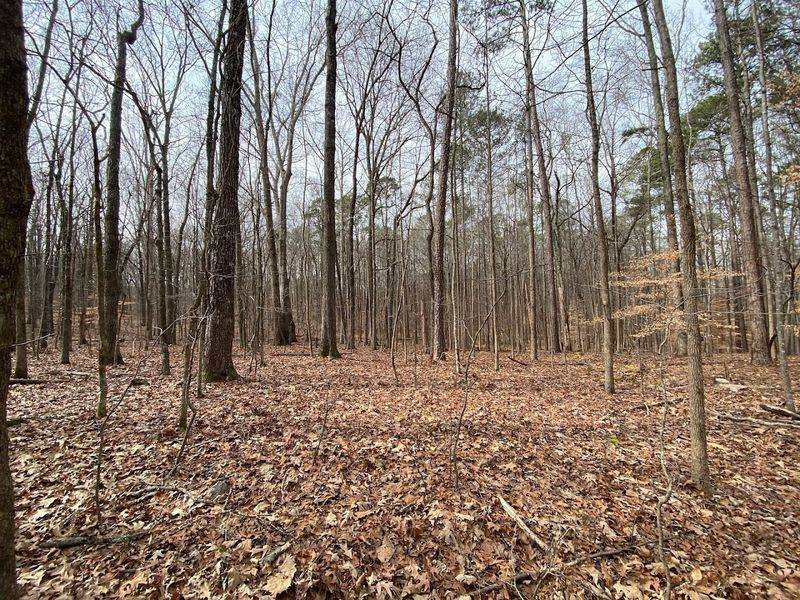
Stone Mountain Park is well known for its massive granite dome, but the Songbird Habitat Trailhead and Wildlife Sanctuary offers a completely different kind of experience for those willing to look past the obvious attraction.
Located in Stone Mountain, GA 30087, this dedicated sanctuary within the park was specifically designed to attract native songbirds through habitat plantings and natural landscaping.
The result is a surprisingly productive birding area that rewards visitors who slow down and listen carefully.
Brown-headed Nuthatches, Eastern Towhees, and various warblers frequent the area depending on the season. The trail system is relatively short and easy to navigate, making it accessible for birders of all experience levels.
Visiting in early morning before park crowds arrive gives the best chance of undisturbed bird activity. Park admission fees apply, so planning a full day at Stone Mountain Park can help make the most of the entry cost while exploring multiple natural areas.
7. Sams Lake Bird Sanctuary
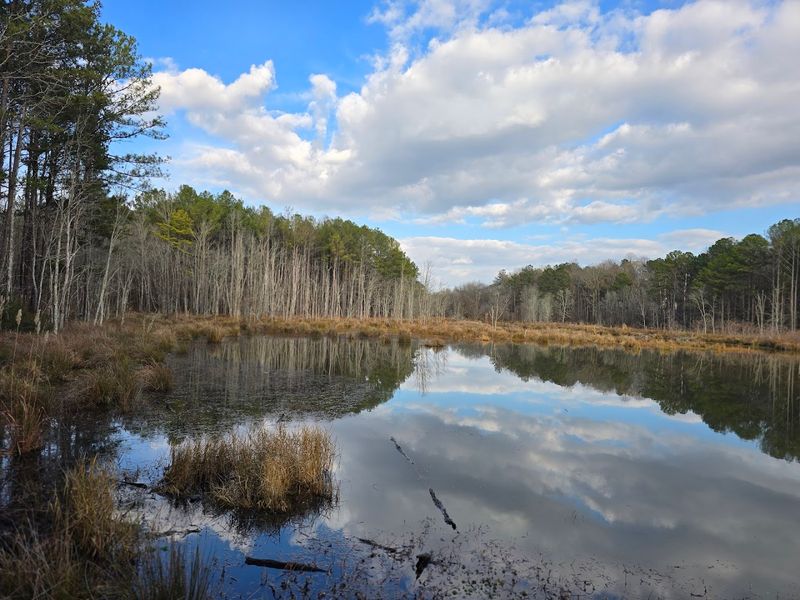
Sams Lake Bird Sanctuary in Fayetteville is one of those genuinely local treasures that birders guard with quiet pride.
Located at 260 Old Senoia Rd, Fayetteville, GA 30215, this small sanctuary centers on a peaceful lake that attracts an impressive variety of waterfowl, wading birds, and songbirds throughout the year.
The calm water and mature surrounding trees create a habitat that feels far removed from the surrounding suburban landscape.
Great Egrets, Great Blue Herons, and various duck species are commonly seen here, while spring migration brings a rotating cast of warblers and other passerines through the tree canopy.
The sanctuary is free to visit and maintained as a community resource, which keeps the atmosphere relaxed and welcoming.
Early morning visits are strongly recommended since bird activity drops noticeably as the day warms. Bring binoculars and a field guide, and plan to spend at least an hour walking slowly around the lake perimeter for the most complete experience.
8. Hardigree Wildlife Sanctuary
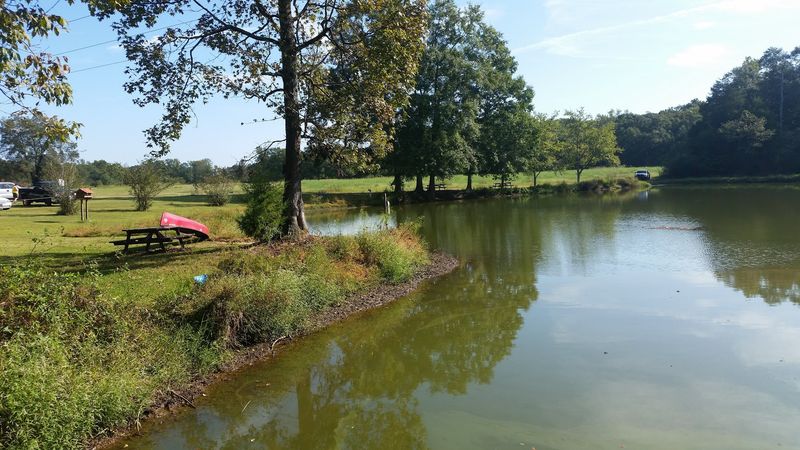
Hardigree Wildlife Sanctuary operates with a mission that goes beyond passive preservation, actively managing habitat to benefit native Georgia wildlife including a remarkable diversity of bird species.
The sanctuary is located at 1110 Old Greensboro Rd, Watkinsville, GA 30677, in Oconee County, which sits in Georgia’s Piedmont region where forest and farmland habitats intersect productively.
Red-headed Woodpeckers, which are increasingly uncommon across much of the state, have been recorded here with some regularity.
The property features managed grasslands, forest edges, and maintained feeding stations that attract both common and less frequently seen species. Visiting during winter months can be especially rewarding since sparrow diversity peaks and open habitat birds become easier to spot without leaf cover.
The sanctuary welcomes visitors and is maintained by a dedicated volunteer community. Wearing muted, earth-toned clothing and moving slowly through the property significantly improves the quality of sightings throughout any season of the year.
9. Okefenokee National Wildlife Refuge
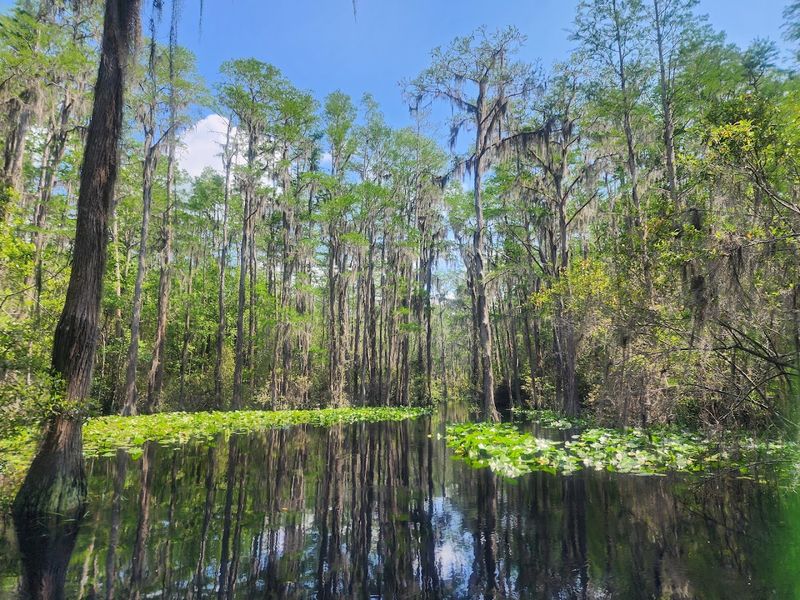
Okefenokee National Wildlife Refuge is one of the largest intact freshwater ecosystems in North America, and for birds, it functions as an irreplaceable sanctuary of extraordinary scale.
Found at 4155 Suwannee Canal Road, Folkston, GA 31537, this 402,000-acre refuge is home to Sandhill Cranes, Red-cockaded Woodpeckers, Swallow-tailed Kites, and dozens of other species that depend on its undisturbed wetland habitat.
The sheer size of the refuge means that no two visits ever feel exactly the same.
Canoe trails wind through open prairies and cypress forests, offering birdwatchers an immersive experience that simply cannot be replicated from a road or parking lot. Guided boat tours are also available for visitors who prefer a less physically demanding option.
Spring and fall are the most species-rich seasons, though winter brings impressive numbers of waterfowl to the open water areas. Insect repellent is an absolute necessity, and water shoes or waterproof boots will make the experience significantly more comfortable.
10. Red Top Mountain State Park
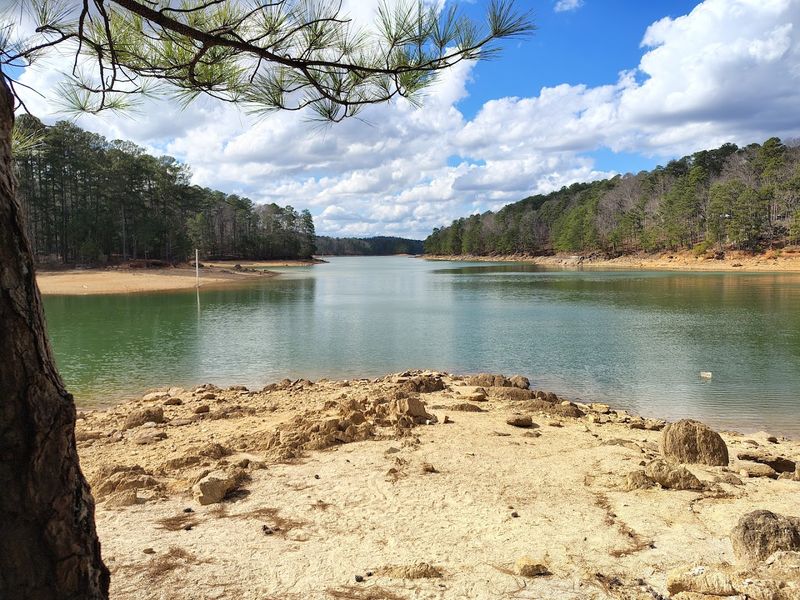
Red Top Mountain State Park sits on a peninsula jutting into Lake Allatoona, and that combination of forest and open water creates a habitat mosaic that birds find genuinely attractive across all four seasons.
The park is located at 50 Lodge Rd SE, Acworth, GA 30102, roughly an hour north of Atlanta, making it a very practical destination for day trips from the metro area.
Bald Eagles have been spotted here during winter months, which always generates excitement among visiting birders.
The park’s trail network covers over 15 miles of varied terrain, from lakeside paths to upland forest loops that each attract different bird communities.
Loons, grebes, and diving ducks use the lake during winter, while breeding season brings a full complement of forest songbirds to the wooded interior.
Camping is available for those who want to experience dawn chorus birding, which is often the most productive time of any given day. Weekdays offer noticeably quieter conditions than weekends at this popular park.
11. Oconee National Forest
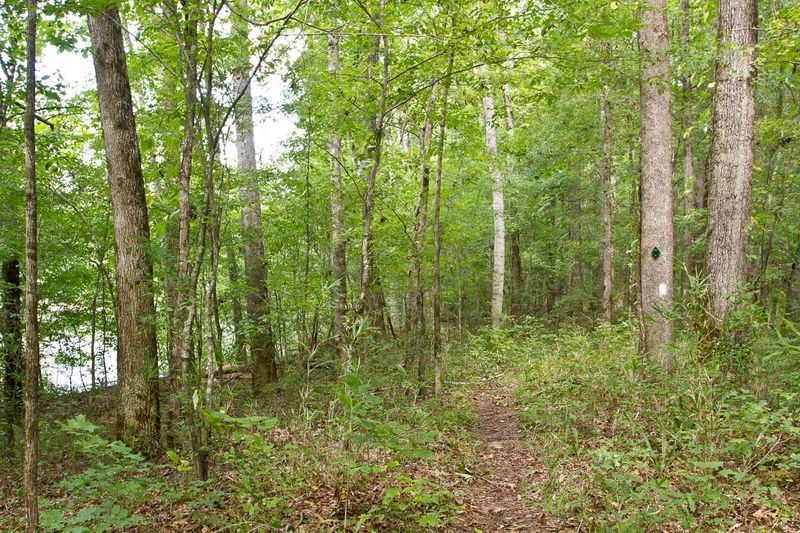
Oconee National Forest covers roughly 115,000 acres of Georgia Piedmont landscape and provides critical habitat for a wide range of forest-dependent bird species that require large, undisturbed woodland blocks to thrive.
The forest is centered near Crawfordville, GA 30631, and its mix of upland pine, hardwood, and riparian corridor habitats supports species like the Brown-headed Nuthatch, Pine Warbler, and Red-cockaded Woodpecker.
Exploring the forest requires a bit more self-sufficiency than visiting a managed preserve.
Downloading offline maps before arrival is strongly recommended since cell service can be unreliable in the more remote sections of the forest. Spring mornings bring a full dawn chorus that experienced birders describe as genuinely overwhelming in the best possible way.
The forest is also open to hunting during certain seasons, so wearing bright orange during those periods is a practical safety measure. Primitive camping options allow dedicated birders to stay overnight and maximize early morning access to some of the most productive habitat sections.
12. Tallulah Gorge State Park
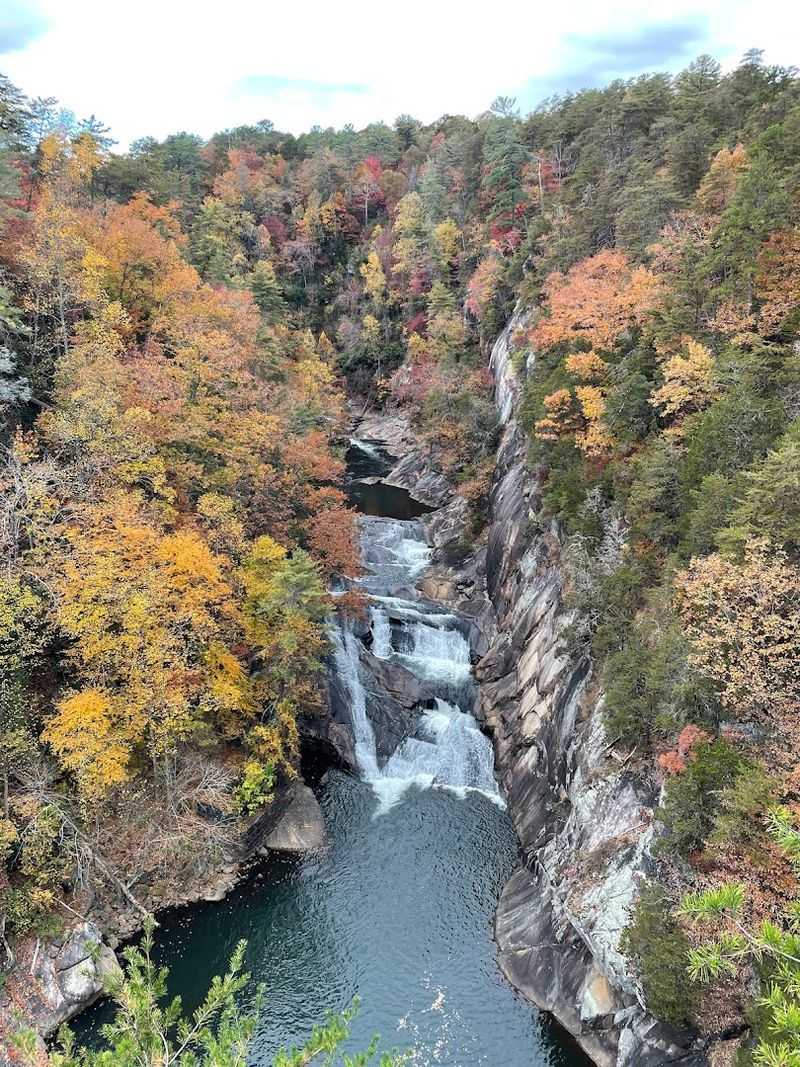
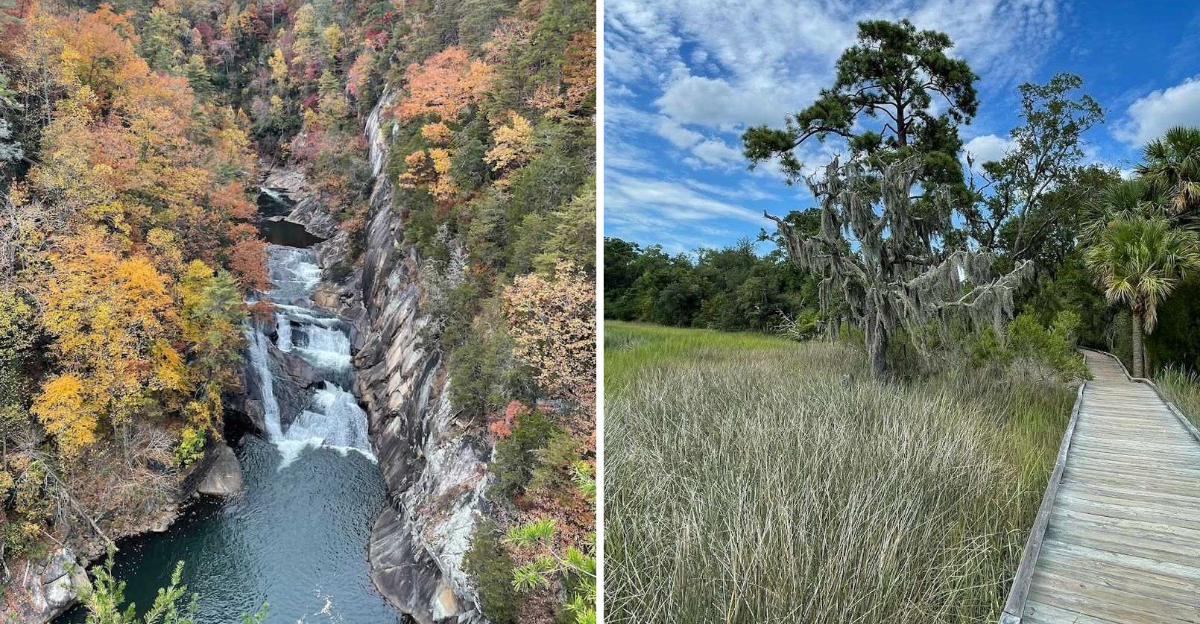
Tallulah Gorge is one of the most visually dramatic natural features in the entire eastern United States, and the birds that have adapted to its cliff faces and rushing water make it a genuinely unique birdwatching destination.
Located at 338 Jane Hurt Yarn Rd, Tallulah Falls, GA 30573, the park protects a gorge that drops nearly 1,000 feet over about two miles, creating microhabitats found nowhere else in Georgia.
Peregrine Falcons nest on the gorge walls and can sometimes be spotted from the rim trail.
The surrounding forest also supports Ruffed Grouse, Winter Wrens, and other species more commonly associated with the Appalachian highlands than with Georgia.
The gorge rim trails are accessible with moderate fitness, though the descent into the gorge requires a permit and physical preparation.
Spring and fall offer the most comfortable temperatures for extended hiking and birding. Arriving at opening time gives the best chance of seeing raptors actively hunting along the cliff edges before midday thermals shift their behavior.
13. Georgia Audubon
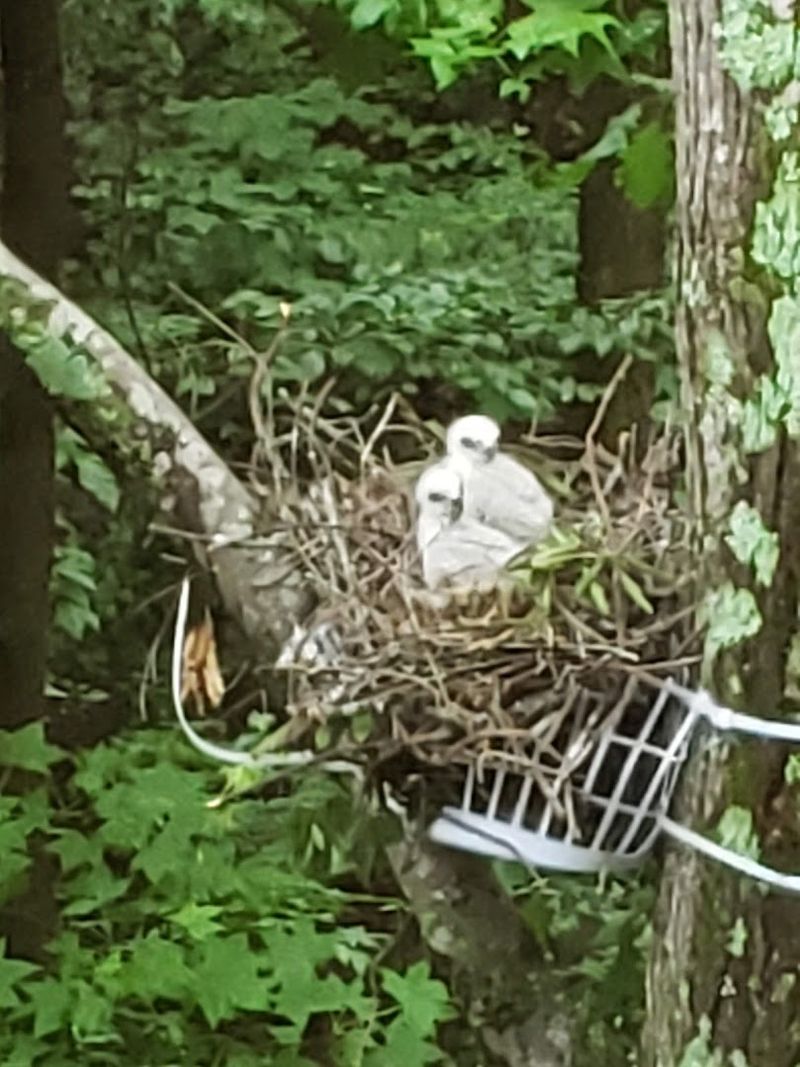
Georgia Audubon functions as both an advocacy organization and a practical community resource for birders across the entire state, and its Atlanta headquarters serves as a hub for programs, guided walks, and conservation education. The organization is based at 825 Warner St SW, Atlanta, GA 30310, in the West End neighborhood, and it regularly hosts free and low-cost birdwatching events at various locations throughout metro Atlanta and beyond.
Beginners especially benefit from the structured guidance that Audubon-led walks provide.
The organization also runs habitat certification programs that help homeowners create bird-friendly yards, extending the conservation impact well beyond any single birdwatching site. Seasonal events tied to migration peaks are among the most popular offerings and often fill up quickly, so checking the event calendar in advance is a smart habit.
Georgia Audubon’s network connects birders with local expertise and current sighting information that no field guide can fully replicate. Membership supports ongoing conservation work across the state.
14. Piedmont National Wildlife Refuge
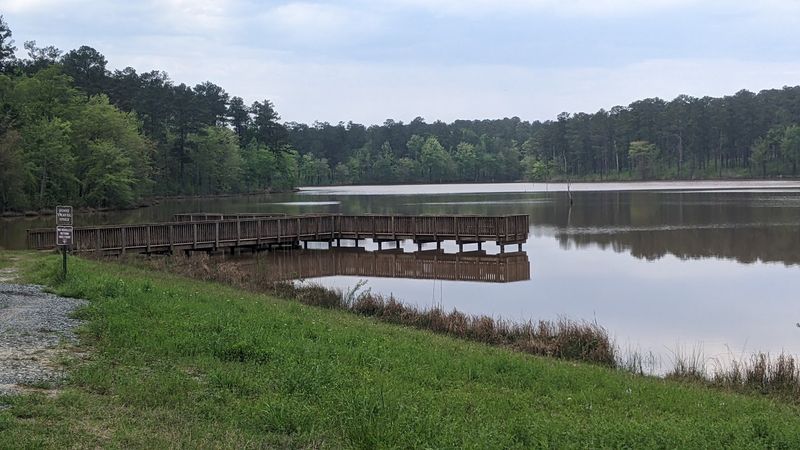
Piedmont National Wildlife Refuge holds a special place in Georgia conservation history as the site of one of the most successful Red-cockaded Woodpecker recovery efforts in the southeastern United States. Located at 718 Round Oak Juliette Rd, Hillsboro, GA 31038, this 35,000-acre refuge in middle Georgia protects managed longleaf pine habitat that this endangered woodpecker depends on for nesting.
Seeing a Red-cockaded Woodpecker here feels like witnessing a conservation success story in real time.
The refuge also supports Brown-headed Nuthatches, Bachman’s Sparrows, and an impressive variety of other pine-dependent species that are increasingly difficult to find elsewhere in the region. Wildlife viewing roads allow visitors to explore the habitat by car, which is especially useful during extreme summer heat.
The best viewing windows for woodpecker activity are early morning and late afternoon near known cavity trees. Refuge staff occasionally post current sighting information that helps visitors plan productive trips during peak activity periods throughout the year.
15. Oatland Island Wildlife Center
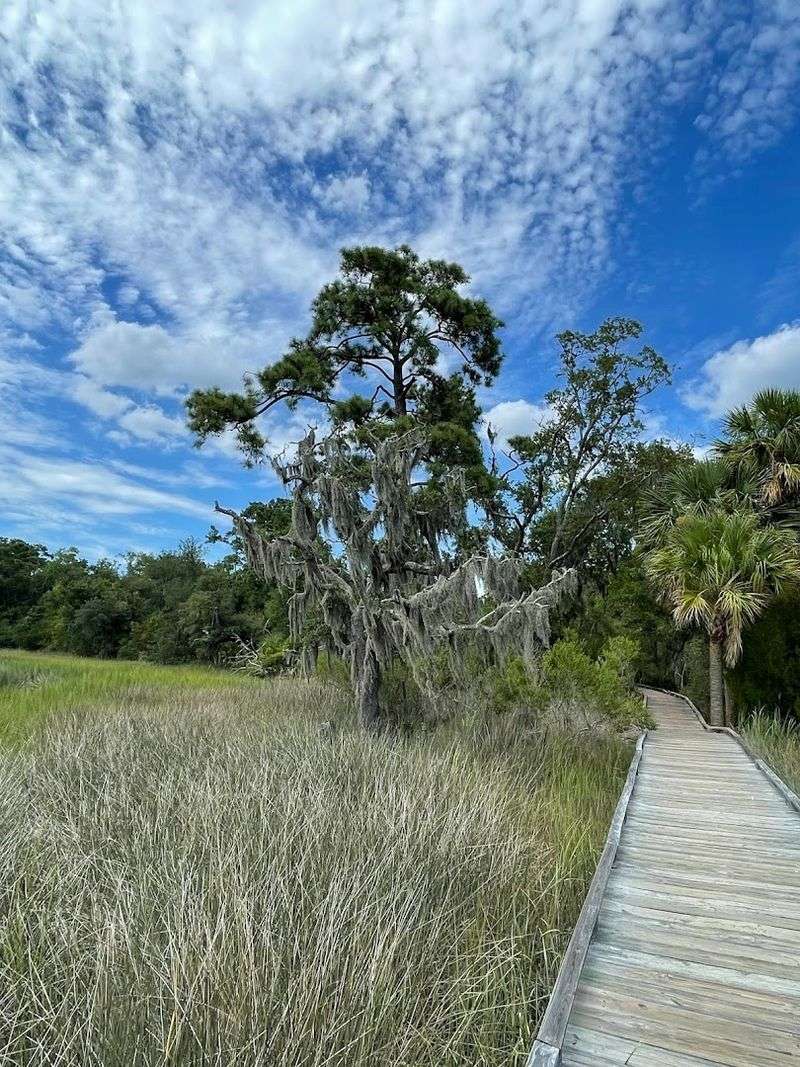
Oatland Island Wildlife Center combines wildlife education with genuine natural habitat in a way that makes it productive for birdwatchers even while serving as a family-friendly attraction. Located at 711 Sandtown Rd, Savannah, GA 31410, the center sits within a coastal maritime forest environment on the outskirts of Savannah, and the surrounding habitat draws a wide variety of native birds beyond the resident animal exhibits.
Painted Buntings, which are among the most visually stunning birds in North America, have been spotted in the area during spring and summer.
The trails wind through live oak hammocks and open meadows that provide excellent birding opportunities independent of the center’s formal programming. Admission fees are modest and help support the center’s educational mission.
Visiting on weekday mornings keeps the experience calmer and more conducive to birding than busy weekend afternoons. The combination of managed wildlife exhibits and natural habitat makes Oatland Island a genuinely flexible destination that works well for both dedicated birders and casual nature enthusiasts exploring coastal Georgia.