These 8 Hikes Are Less Than 30 Minutes From Downtown Asheville, North Carolina, And Most Locals Haven’t Done Them All
Asheville has a dangerous little secret: some of its best hikes are close enough to make “I do not have time” sound like a very weak excuse.
Before North Carolina turns the summer heat all the way up, this is the moment to trade another indoor morning for shaded trails, mountain air, and legs that may complain but will survive.
These eight hikes sit less than 30 minutes from downtown, which means the adventure does not need a packed itinerary, a heroic alarm clock, or dramatic wilderness preparation.
Go now, while the breeze still feels friendly and the trees are doing their best work.
A short drive can turn into a ridge view, a creekside pause, or the kind of walk that makes the rest of the day feel less annoying.
Coffee shops will still be there later. The canopy has better timing right now.
1. Asheville Botanical Garden Trail
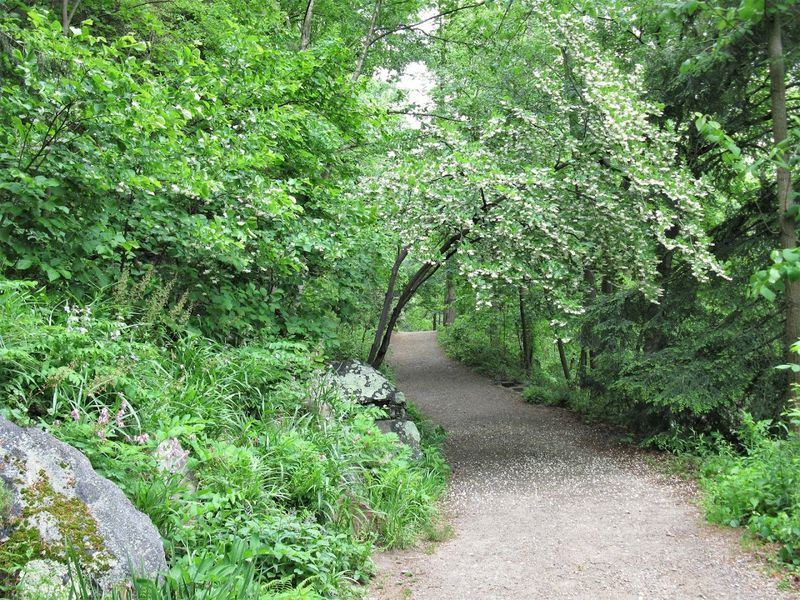
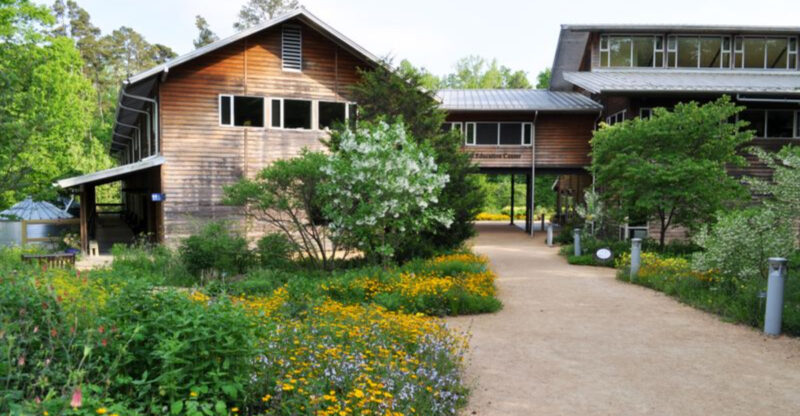
Tiny trails can still make a big case for slowing down, and the Asheville Botanical Garden proves it without needing a summit or overlook.
This 10-acre garden focuses on native plants of the Southern Appalachians, which makes the walk feel more like stepping into a living field guide than simply circling a pretty park.
The path stays gentle, short, and approachable. Families with young kids, visiting relatives, beginner walkers, and anyone craving a low-effort nature reset can enjoy it without treating the outing like a training plan.
Spring brings wildflowers and fresh green growth, while fall adds leaf color and winter reveals moss, rock, branches, and creekside texture that are easier to miss when everything is lush.
The best part is how quickly the city noise fades, even with UNC Asheville nearby and downtown only a short drive away. Interpretive signs help visitors notice plants they might otherwise pass without a second glance, turning the walk into something quietly educational.
This is not the hike for someone chasing sweat, mileage, or bragging rights. It is the hike for someone who wants Asheville’s mountain ecology in miniature, with enough shade and calm to feel restored afterward.
The garden’s official address is 151 W.T. Weaver Blvd., Asheville, NC 28804, and admission is free.
2. Reed Creek Greenway
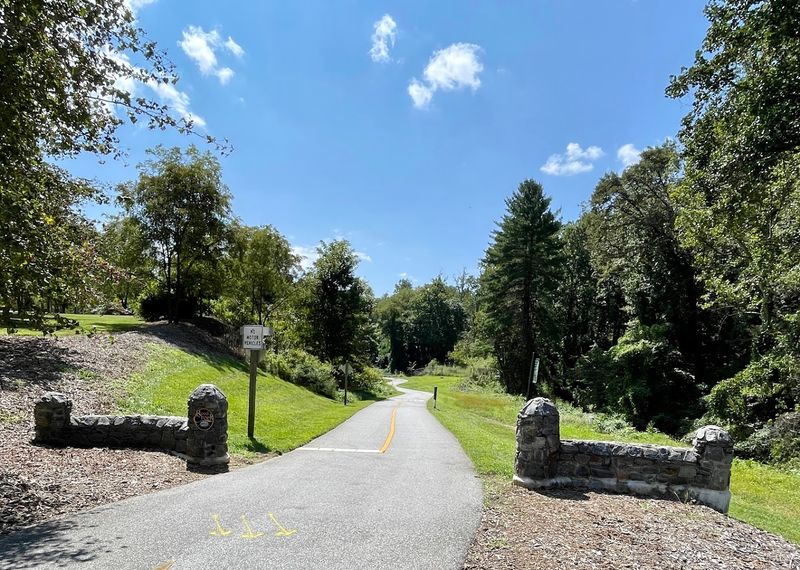
Creekside paths have a sneaky way of making a city feel softer, and Reed Creek Greenway does that almost immediately.
This short Asheville greenway follows Reed Creek through a riparian corridor near Broadway Street, giving walkers, joggers, dog owners, and casual birders a simple route that feels greener than its urban setting suggests.
The City of Asheville says Reed Creek Greenway begins at the Botanical Gardens at Asheville on W.T. Weaver Boulevard and runs parallel to Broadway Street along creek and riparian terrain. The city’s greenway information lists the Reed Creek segment at about 0.75 miles.
That modest length is part of the appeal. Nobody has to block out half a day or pack like they are crossing the Smokies.
A quick walk can still include water sounds, tree cover, birds, and the pleasant feeling of having stepped out of traffic’s grip for a moment. Pairing it with the Asheville Botanical Garden makes the outing feel fuller without adding much difficulty.
Morning visits tend to feel calmer, especially when the creek corridor is still cool and quieter. The route works well for locals who want a short reset before work, after errands, or during a lunch break that desperately needs fewer screens.
Access is easiest near the Botanical Gardens at Asheville on W.T. Weaver Boulevard, with the greenway corridor linking toward Broadway and Magnolia Avenue.
3. Beaver Lake Bird Sanctuary Boardwalk
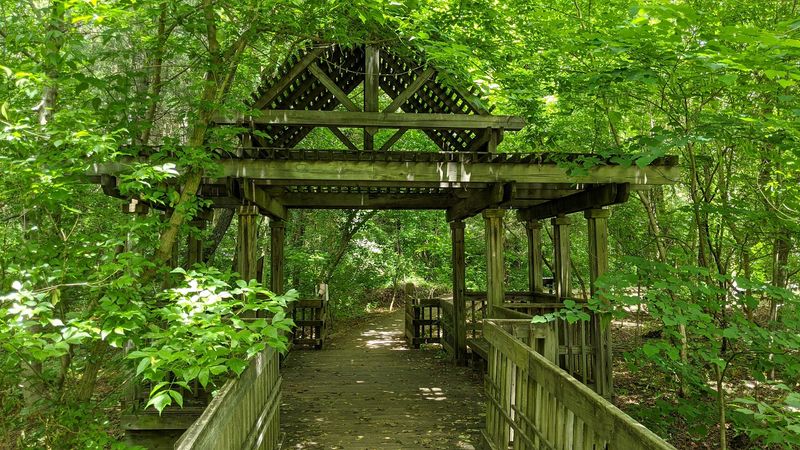
Still water changes the mood of a walk, especially when every few steps offer the chance to spot a heron, turtle, songbird, or duck doing something more interesting than any phone notification.
Beaver Lake Bird Sanctuary sits only minutes north of downtown Asheville, yet the boardwalk atmosphere feels hushed enough for visitors to instinctively slow down.
The sanctuary is associated with Blue Ridge Audubon, and local directions commonly point visitors to 1056 Merrimon Ave., Asheville, NC 28804, near the lake and a small parking area. This is not a mileage-heavy hike, and that is exactly why it works.
The reward comes through patience rather than distance. Walk softly, pause often, and the wetland begins to reveal itself in layers.
Great blue herons may stand nearly motionless at the edge of the water. Wood ducks can appear among the reeds, and smaller birds move through shrubs and branches so quickly that binoculars feel like a brilliant idea.
Families like the boardwalk because it is flat and manageable, while nature lovers appreciate how much wildlife can fit into such a compact urban sanctuary.
Early morning usually brings the best combination of bird activity, soft light, and fewer people. This stop is ideal for anyone who wants a quiet walk rather than a workout, with the added bonus that every visit can feel different depending on season, weather, and what decides to fly by.
4. Richmond Hill Park Trails
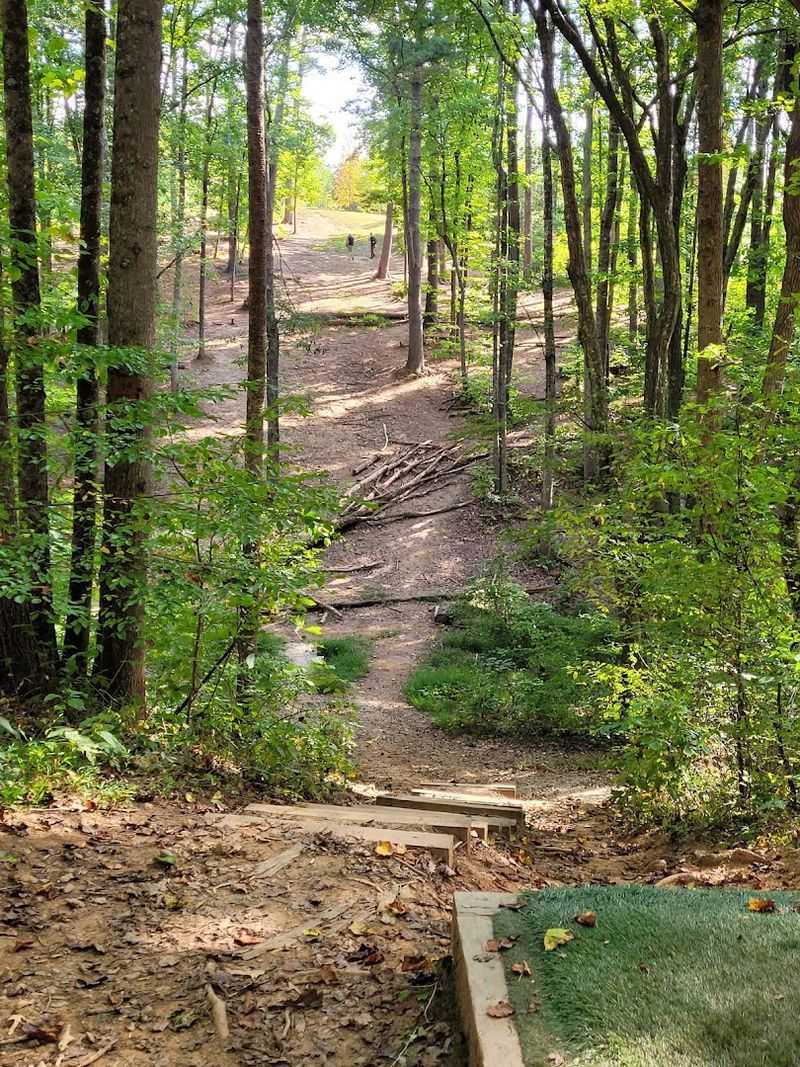
Forest trails inside city limits feel like a small Asheville miracle, especially at Richmond Hill Park.
This wooded park on the west side of town offers unpaved trails, river-adjacent terrain, disc golf, and mountain-bike use. It also has enough twists and climbs to make a short outing feel more adventurous than a neighborhood walk.
The City of Asheville notes that some Richmond Hill hiking trails have reopened during normal park hours after storm damage, with access during the park’s regular 6 a.m. to 10 p.m. hours.
That current-status detail matters because western North Carolina trails have seen changing conditions after Hurricane Helene. Visitors should check updates before assuming every crossing or trail segment is open.
The park’s appeal comes through variety. One walk may stay mellow under mature trees, while another can add punchier climbs and rougher footing.
Mountain bikers also use parts of the trail network, so hikers should stay aware, keep dogs leashed where required, and listen at blind turns. Compared with the flatter city greenways, Richmond Hill feels more like a real woodland escape, with enough roots, slopes, and shade to make shoes matter.
After rain, mud can linger, so waterproof footwear helps. The park is commonly reached around Richmond Hill Drive, with local listings giving 280 Richmond Hill Dr. or the city entrance area near 300 Richmond Hill Drive in Asheville.
5. Hard Times Loop Trail
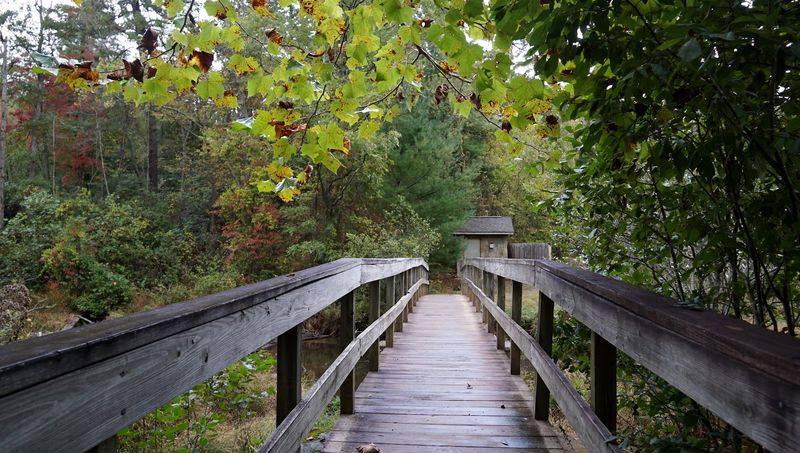
Bent Creek has a way of making Asheville hikers feel like they drove much farther than they did.
The Hard Times area sits near Lake Powhatan and the North Carolina Arboretum. It places forest roads, bike-friendly corridors, creek crossings, and shaded loops within an easy trip of downtown when traffic behaves.
Explore Asheville’s directions send visitors toward Lake Powhatan Recreation Area, then onto Wesley Branch Road, with the Hard Times Trailhead parking area just over two miles down on the right.
A 2026 local hiking write-up gives 375 Wesley Branch Road as a navigation point for the Hardtimes Trailhead, while noting that parking can be competitive.
That last part deserves attention. Bent Creek is popular with hikers, runners, dog walkers, and mountain bikers, especially on weekends.
Starting early helps with parking and makes the forest feel calmer before the midday crowd rolls in.
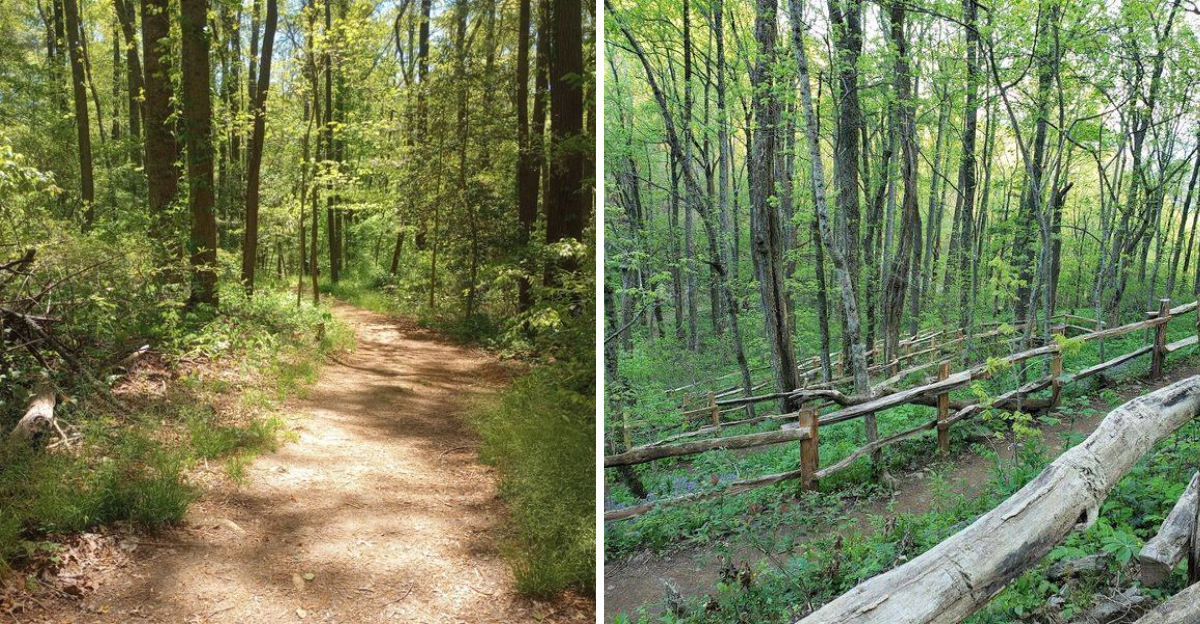
Shifting terrain shapes the Hard Times Loop experience depending on route choices. Consistent appeal remains through steady forest walking, moderate effort, streamside moments, and access to a larger trail system that invites repeat visits.
Shared-use etiquette matters here, so hikers should stay alert for bikes and avoid blocking trail corridors. Fall color can be beautiful, spring brings new growth and creek energy, and summer shade makes the trail more forgiving than exposed Parkway walks.
This is a strong pick for locals who think they know Bent Creek but have not explored every corner.
6. North Carolina Arboretum Trails
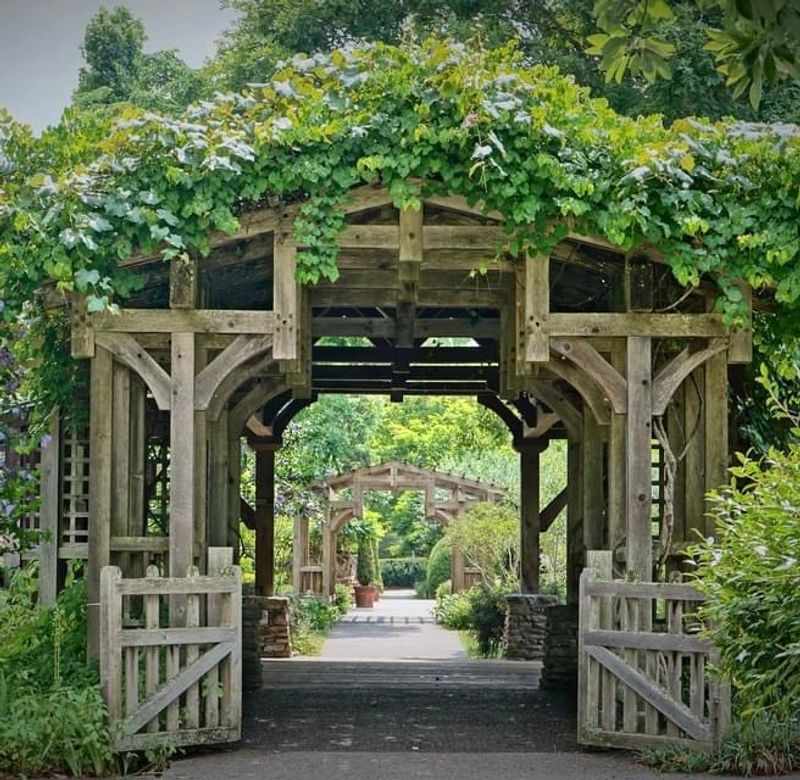
Garden paths and forest trails meet beautifully at the North Carolina Arboretum, which gives visitors a more curated version of Asheville’s outdoor personality without removing the mountain setting.
The Arboretum’s official trail information highlights more than 10 miles of hiking and biking trails. These routes connect with nearby attractions such as Lake Powhatan, Bent Creek Experimental Forest, Pisgah National Forest, and the Blue Ridge Parkway.
That network makes the property useful for a wide range of walkers. Someone can stay close to cultivated gardens and enjoy a gentle stroll, while another visitor can choose a longer forested route with more movement and a stronger trail feel.
Seasonal plantings, the Bonsai Exhibition Garden, educational programs, and carefully maintained grounds add interest before or after the hike. That mix makes the stop appealing for families, plant lovers, photographers, and travelers who want nature paired with helpful infrastructure nearby.
Unlike a rougher trailhead, the Arboretum has a planned visitor experience, so it feels easier for people who want bathrooms, maps, gardens, and clear route options.
A parking fee may apply, but the variety inside the property makes the visit feel substantial. Dogs are allowed on many outdoor trails when leashed, which adds to the local appeal.
The official address listed by the Arboretum is 20 Frederick Law Olmsted Way, Asheville, NC 28806-9315.
7. Mountains-To-Sea Trail At Craven Gap
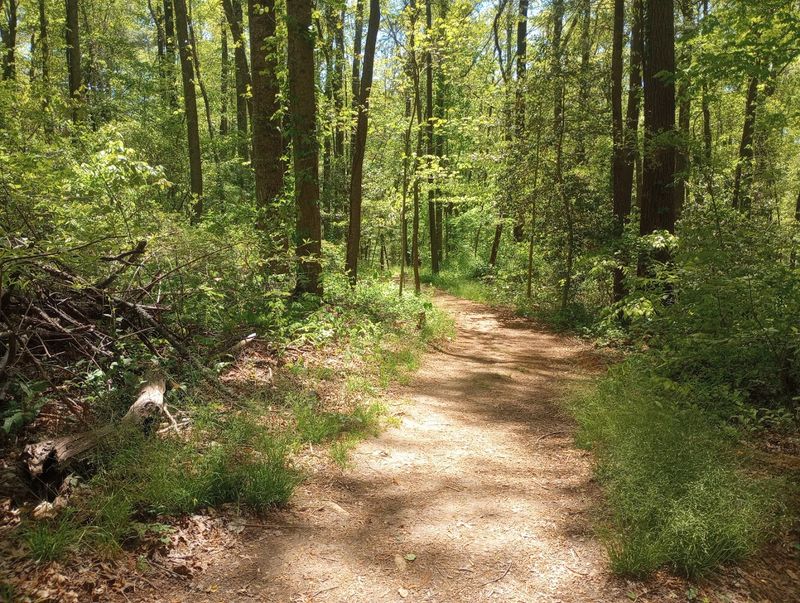
Big-trail energy hits quickly at Craven Gap because the path underfoot belongs to the Mountains-to-Sea Trail, a route that spans roughly 1,200 miles across North Carolina.
The National Park Service describes the MST as stretching across the state, with the Craven Gap section running near Asheville and often used by hikers and leashed dogs.
For locals, that can make a quick outing feel oddly epic. Nobody has to hike across the state to enjoy a short section, but knowing the trail continues far beyond the day’s turnaround point gives the walk extra meaning.
Craven Gap is reached along the Blue Ridge Parkway near milepost 377.4 at the Town Mountain Road access area.
Because Blue Ridge Parkway and Mountains-to-Sea Trail access has changed during post-Helene recovery, visitors should check the latest NPS road status and Friends of the MST trail status before going.
Trail status can still change after storms, construction, or Parkway closures, so checking current conditions before leaving downtown is wise.
The hike itself offers forest, moderate elevation changes, and the satisfying feeling of stepping into the mountains without committing to a long drive. This section can be busy because of its proximity to Asheville, but early mornings or weekdays usually feel quieter.
Footing may be rocky or damp after rain, so decent shoes help. Use the Blue Ridge Parkway’s Craven Gap area near milepost 377.4 as the access point, close to the Town Mountain Road intersection.
8. Rattlesnake Lodge Trail
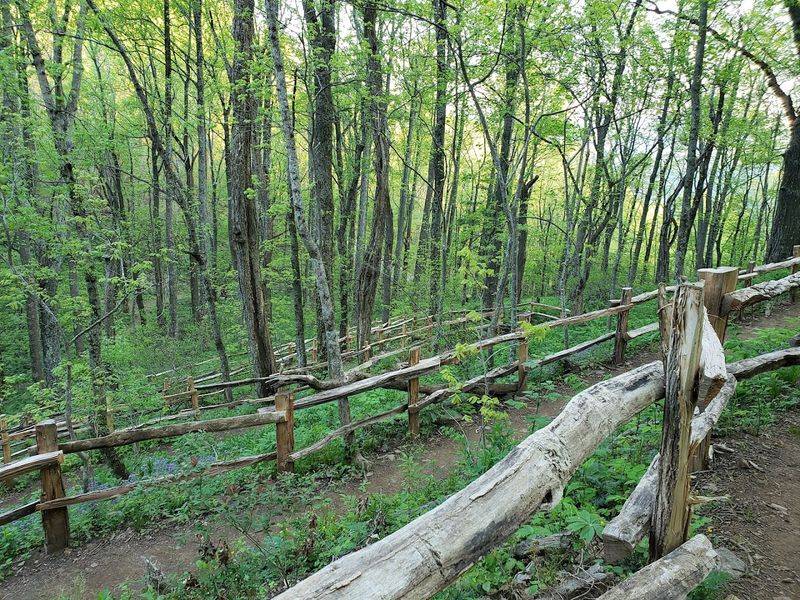
Ruins in the woods give Rattlesnake Lodge Trail a story most short hikes cannot match.
The National Park Service places the Rattlesnake Lodge Trailhead at Blue Ridge Parkway milepost 374.4, near the Tanbark Ridge Tunnel. Dirt pull-offs serve as parking, and the trail begins beside a small cascading creek.
The trail climbs steadily toward the former Rattlesnake Lodge site, where stone foundations, walls, and remnants tied to Dr. Chase P. Ambler’s early 1900s summer retreat slowly blend into the forest.
That mix of history and mountain scenery makes the hike feel more mysterious than a simple out-and-back walk.
Explore Asheville lists the Rattlesnake Lodge Trail as reopened after post-Hurricane Helene closures. It describes the hike as about 3 miles round trip with roughly 600 feet of elevation gain, while still advising hikers to check updated conditions before going.
The climb is not huge by mountain standards, but it is enough to make water and sturdy shoes worthwhile. Kids who like ruins may find the destination especially exciting, while adults can appreciate how quickly the forest reclaims old human plans.
Parking is limited, so arriving early prevents the first part of the hike from becoming a parking-lot scavenger hunt. Use the Blue Ridge Parkway access near milepost 374.4 at the Tanbark Ridge Tunnel, close to Asheville, and check Parkway conditions before the drive.