These 10 Historic Alabama Towns Feel Frozen In Another Era
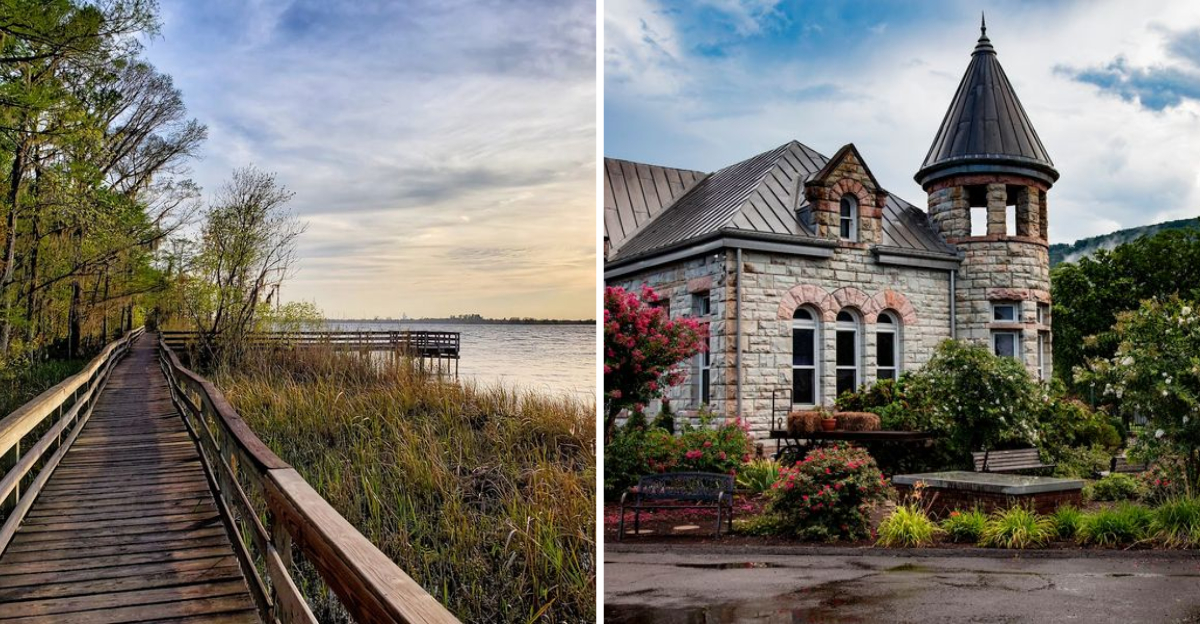
Certain towns hold time differently and Alabama has ten that prove it. Brick storefronts, courthouses, and old rail depots still define these streets here.
History did not leave these towns so much as never finish arriving. Each carries the character of an era that modern development never reached.
Every one of these produces a disorientation that feels genuinely welcome. I turned a corner there and forgot what decade I was in.
Alabama preserves its past with quiet commitment that deserves far more recognition.
Visit just one and the other will rise on your personal list. History here is not displayed but genuinely and fully inhabited.
1. Mooresville
Can you believe an entire town can look almost exactly as it did in the 1800s?
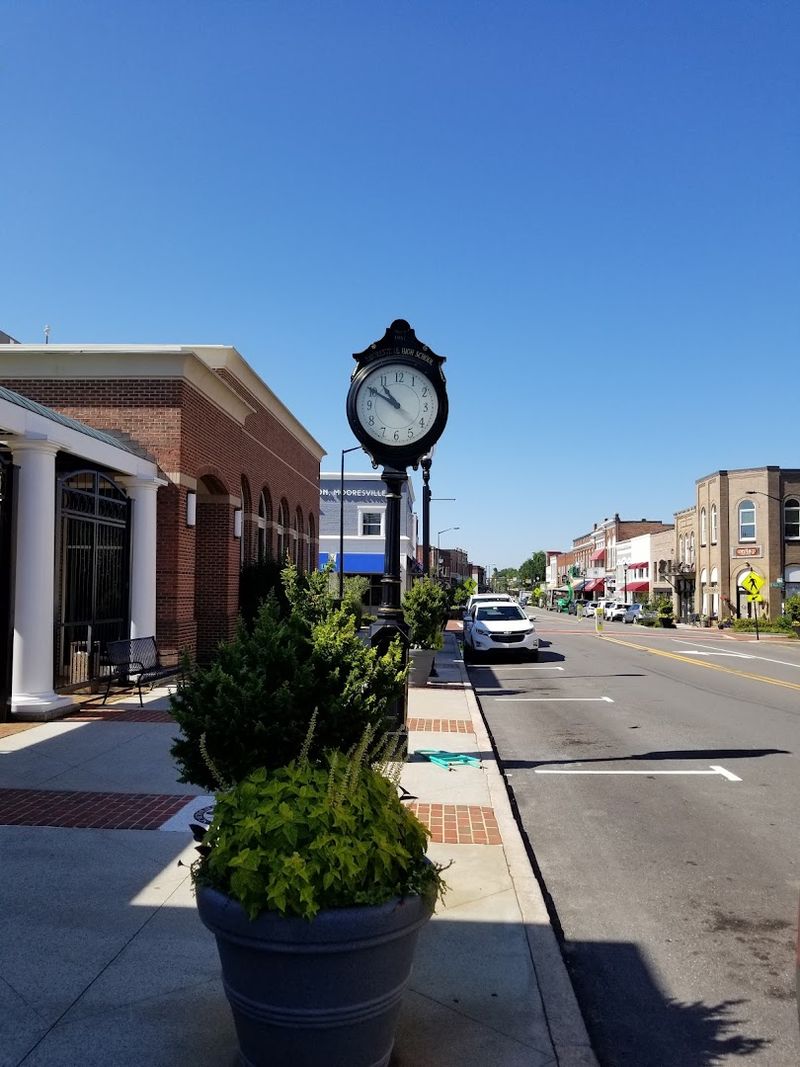
Mooresville is one of the oldest incorporated towns in the state, founded back in 1818. It sits quietly in Limestone County, tucked away as if the modern world simply forgot to knock on its door.
The post office here is one of the oldest still-operating post offices in the United States. The building is small, brick, and wonderfully stubborn about staying exactly the way it has always been.
Walking the unpaved lanes seems like thumbing through a living history book.
There are no traffic lights in Mooresville. No chain restaurants, no big-box stores, just old homes and old stories.
The stagecoach inn still stands along the main road, and the tiny church nearby has roots going back nearly two centuries.
Local history buffs absolutely love this town for its rare authenticity. Every structure seems to carry a memory worth uncovering.
In case you are the kind of traveler who gets excited by genuinely preserved American history, Mooresville will completely steal your heart and slow your pace.
2. Old Cahawba
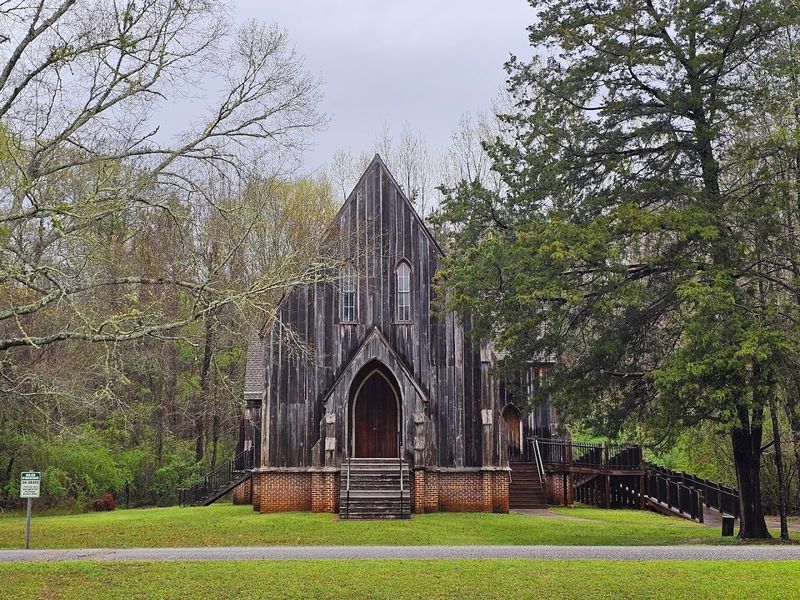
I must admit, there are ghost towns, and then there is Old Cahawba, which operates on a completely different level of haunting beauty.
This town at the junction of the Cahaba and Alabama Rivers in Dallas County, it served as state’s first state capital starting in 1820. Then the river floods came, and the politicians left.
What remains today is a remarkable archaeological park managed by the Alabama Historical Commission. Brick ruins rise out of the earth like quiet reminders of ambition and loss.
Spanish moss drips from old oak trees, and the silence here feels almost sacred.
Cahawba Archaeological Park preserves the outlines of streets, homes, and public buildings. You can still trace the original town grid just by following the landscape.
It is one of those rare places where nature and history have agreed to coexist without either one winning.
Spring brings wildflowers that bloom among the ruins, making the whole scene look like something from a painting. Guided tours are available and highly worth your time.
Trust me, once you stand at the confluence of those two rivers and imagine an entire capital city rising and falling right beneath your feet, you will not forget it anytime soon.
3. Eufaula
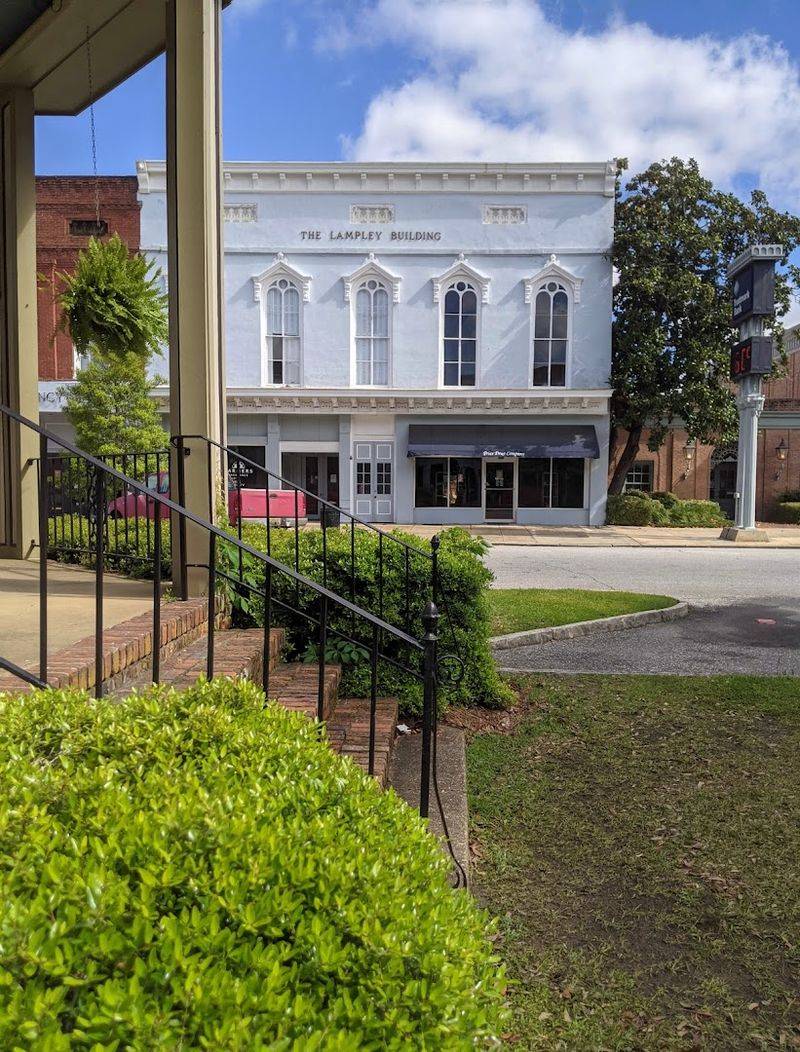
Believe me, no amount of reading prepares you for your first look at Eufaula’s historic district.
Sitting along the Chattahoochee River in Barbour County, this town is home to one of the largest collections of antebellum architecture in the entire American South.
Over hundreds of historic structures here are listed on the National Register of Historic Places.
The grand mansions along North Eufaula Avenue are breathtaking in the most understated way. Wide porches, towering white columns, and manicured gardens line the street as if the 1850s simply refused to leave.
The Shorter Mansion at 340 N Eufaula Ave, now home to the Eufaula Heritage Association, is among the most photographed buildings in Alabama.
Eufaula also sits right on Lake Eufaula, one of the largest reservoirs in the Southeast. So beyond the history, there is genuine outdoor beauty to enjoy as well.
Fishing, boating, and birdwatching are all popular activities among those who come to linger a little longer.
Spring is the best time to explore, especially during the Eufaula Pilgrimage, when many of the historic homes open their doors to the public.
The whole town comes alive in a way that seems deeply personal and proud. Every street corner here seems to whisper something worth stopping to hear.
4. Tuscumbia
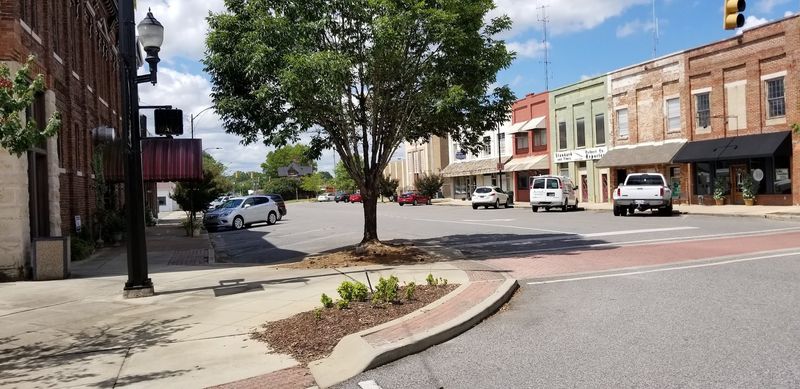
Who would have thought that a small town in northwestern Alabama would hold such a powerful place in American history?
Tuscumbia, the seat of Colbert County, is best known as the birthplace of Helen Keller, one of the most remarkable figures this country has ever produced. Her childhood home, Ivy Green, still stands at 300 North Commons Street West.
The house and grounds are open for tours and have been carefully preserved to reflect life in the late 1800s. A working water pump in the yard marks the famous spot where young Helen first connected a word to a meaning.
Beyond its famous connection, Tuscumbia itself is a town worth savoring slowly. The Spring Park downtown features natural springs that have flowed for centuries, surrounded by gentle green landscapes.
The park hosts the annual Helen Keller Festival each June, drawing crowds who come to celebrate her legacy with music, art, and community spirit.
The downtown square has been thoughtfully maintained, with independent shops and historic buildings giving the area a lived-in warmth.
Railroad history also runs deep here, since Tuscumbia was home to one of the first railroads in the United States. Every block of this town carries a story that deserves to be told out loud.
5. Blakeley
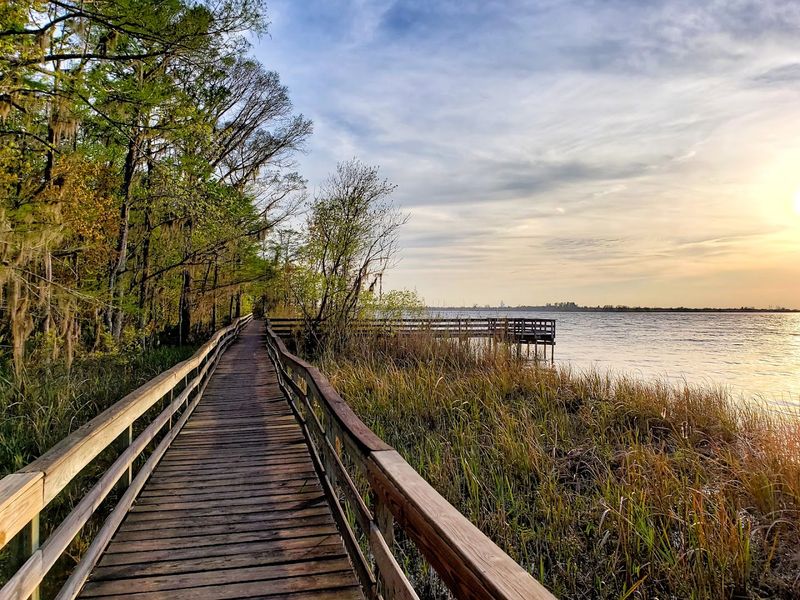
I never would have guessed that one of the most significant Civil War battlefields in the South would be swallowed so completely by wilderness.
Historic Blakeley State Park, located in Baldwin County near Spanish Fort, preserves the site of the last major battle of the Civil War, fought on April 9, 1865. That date, if you recognize it, is the same day Lee surrendered at Appomattox.
The park covers thousands of acres of forest, wetlands, and old earthworks. Hiking trails wind through terrain that has barely changed since soldiers moved through it over 150 years ago.
Cannons still sit in their original positions along the defensive lines, half-hidden by roots and vines.
Blakeley was also once a thriving town in the early 1800s, briefly rivaling Mobile in size and ambition. Yellow fever epidemics and shifting commerce routes eventually emptied it out.
What you find now is a ghost town wrapped inside a nature park, which is a combination that is almost too cinematic to be real.
Spring wildflower blooms along the trails are genuinely stunning. Birders love this park for its rich population of migratory species passing through the Mobile-Tensaw Delta region.
If you want history and raw natural beauty in the same afternoon, Blakeley delivers both without ever asking you to choose.
6. Monroeville
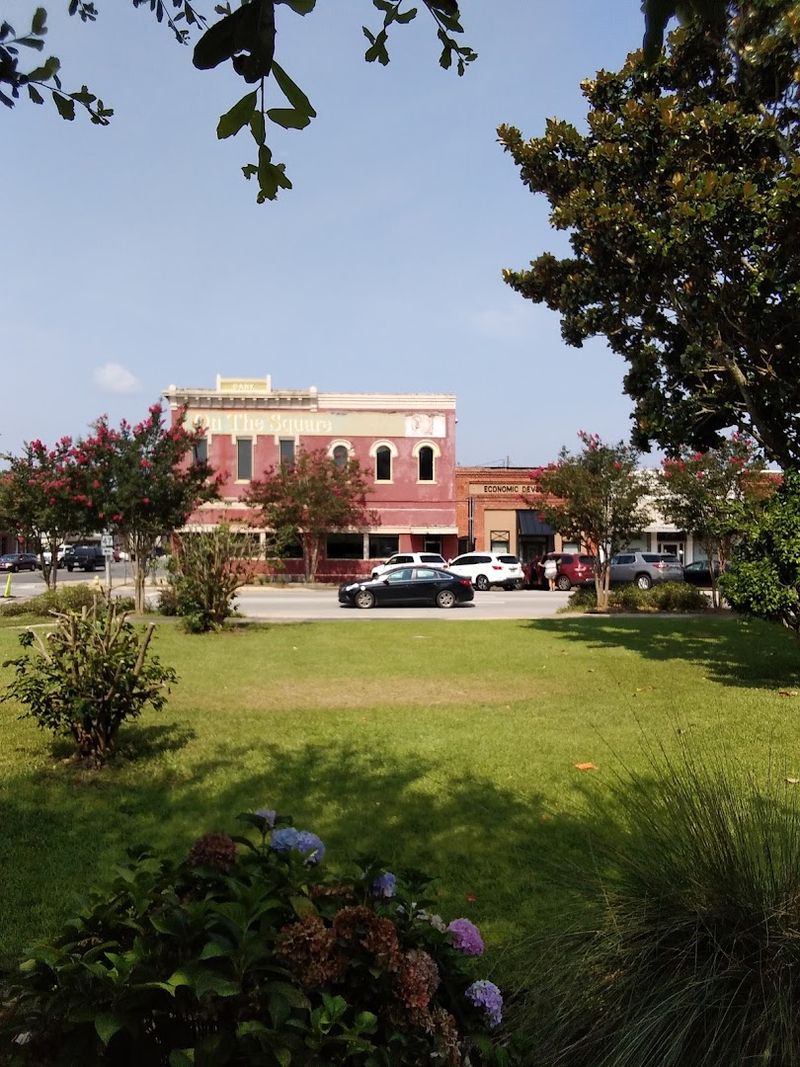
You might not believe me, but this quiet little town in Monroe County, shaped American literature in ways that still echo today.
Monroeville is the hometown of Harper Lee, author of one of the most celebrated novels in American history. The old Monroe County Courthouse, which inspired the courtroom in her famous book, still anchors the town square.
The courthouse has been converted into the Old Courthouse Museum and is a genuine treasure for anyone who loves American literary history.
Each spring, a theatrical production of the story is performed inside the actual courtroom, using the original space as its stage. The effect is quietly powerful in a way that no replica could ever replicate.
Monroeville itself is a modest, unhurried town with a deep sense of community pride. Small shops and local businesses line the square, and the pace of life here feels genuinely relaxed.
People here are warm and happy to share the town’s story with anyone curious enough to ask.
The surrounding Monroe County landscape is classic rural Alabama, with pine forests, farmland, and winding back roads.
Visiting in spring means blooming dogwoods and mild temperatures that make walking the town square a real pleasure. Monroeville may be small, but its cultural footprint stretches far beyond the county line.
7. Selma
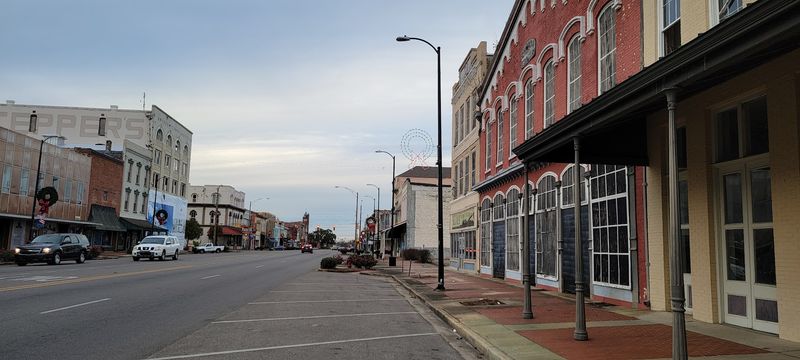
Doesn’t it seem remarkable that a single bridge can carry the weight of an entire nation’s conscience?
Selma, located along the Alabama River in Dallas County, is one of the most historically significant cities in American history. The Edmund Pettus Bridge, completed in 1940, became the site of the 1965 Voting Rights marches that changed the country forever.
The National Voting Rights Museum and Institute at 6 US-80 East sits near the foot of the bridge and tells that story with honesty and depth.
Walking across the bridge yourself is a genuinely moving experience that no photograph can fully prepare you for. The river below, the wide arc of the steel structure above, it all comes together in a moment of real reflection.
Beyond its civil rights legacy, Selma holds layers of antebellum and Civil War history as well. Sturdivant Hall Museum at 713 Mabry St is open for tours and remains one of the finest examples of its architectural style in the state.
The historic Water Avenue district along the riverfront features beautifully preserved warehouses and storefronts. Selma rewards slow, thoughtful exploration more than almost any other town on this list.
Every corner holds something worth pausing over. Come with curiosity, leave with a deeper understanding of how one determined community can reshape the course of history.
8. Athens
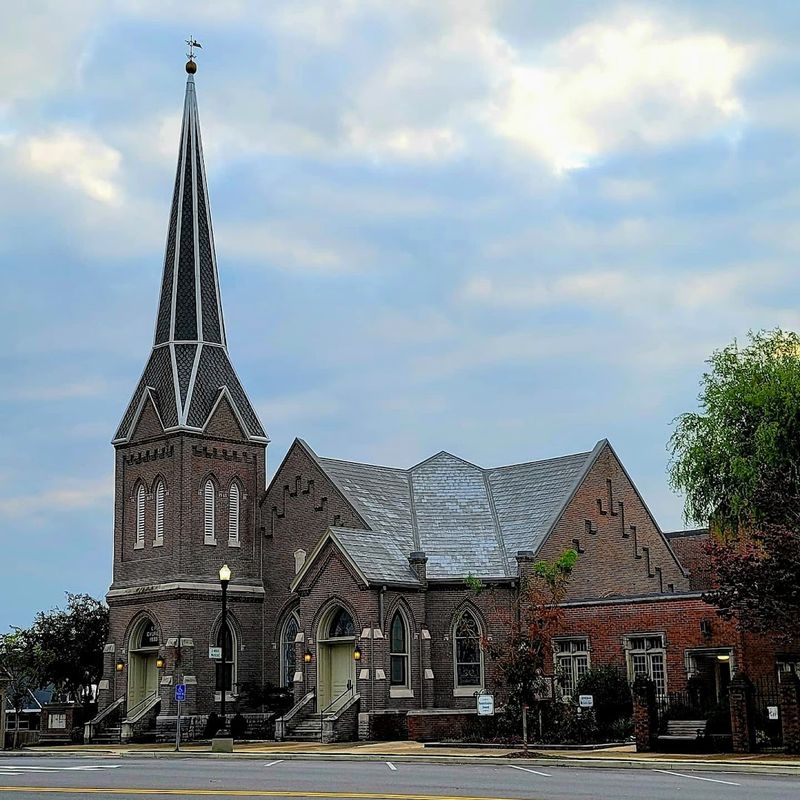
I know, it seems almost too good to be true that a town this charming exists just off a busy interstate in northern Alabama.
Athens, the seat of Limestone County, has one of the most beautifully preserved downtown squares in the entire state. The courthouse, the Carnegie Library, and the surrounding streets feel like a postcard from another century.
The surrounding neighborhood features homes from the antebellum period right through the early twentieth century. Athens is also home to Athens State University at 300 N Beaty St, one of the oldest universities in Alabama, founded in 1822.
The campus adds a layer of academic history to the town’s already rich architectural legacy. Greek Revival buildings on campus blend seamlessly with the wider historic district surrounding them.
The town hosts a popular historical pilgrimage each spring that opens private historic homes to curious travelers.
Local artisan markets and independent restaurants fill the square with energy on weekends without ever overwhelming the town’s quiet character.
Athens strikes a balance between living town and open-air museum that very few places manage to pull off this gracefully.
9. Magnolia Springs
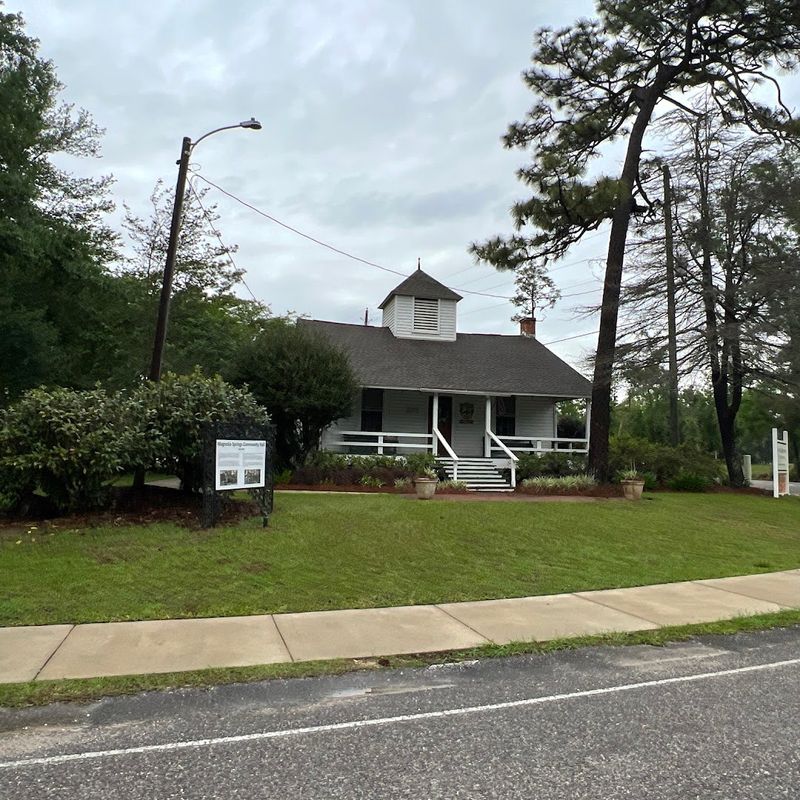
Would you ever think that one of the last remaining water-based mail routes in the United States runs through a tiny Alabama town?
Magnolia Springs, tucked into Baldwin County along the Magnolia River, has been delivering mail by boat since 1915. The river winds through the community beneath a canopy of ancient live oak trees draped in Spanish moss.
The town has no traffic lights and no stoplights, which tells you pretty much everything you need to know about its pace of life.
Roads here are narrow and shaded, with old homes set back behind flowering gardens and centuries-old trees. The whole community feels like it exists slightly outside the normal flow of time.
The Magnolia River itself is the true heart of this place. Kayaking or canoeing along its dark, glassy surface is one of the most peaceful outdoor experiences available anywhere in coastal Alabama.
The surrounding area is rich in natural beauty, with the nearby Gulf Coast just a short drive away. Magnolia Springs also has a small but beloved farmers market that draws locals and out-of-towners alike on weekend mornings.
Once you spend a quiet afternoon here listening to nothing but birdsong and moving water, leaving feels genuinely difficult.
10. Fort Payne
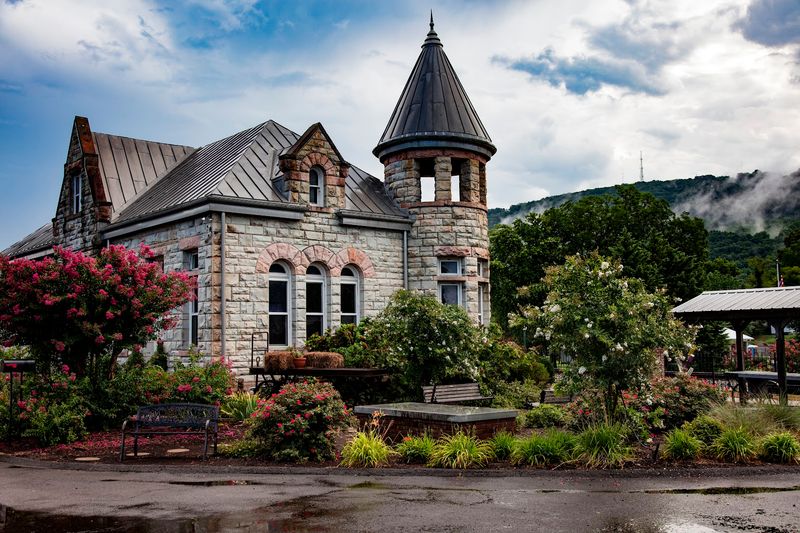
Doesn’t it sound interesting that a town once known as the sock capital of the world sits at the foot of one of Alabama’s most dramatic landscapes?
Fort Payne, the seat of DeKalb County in northeastern Alabama, is perched along the edge of Lookout Mountain and Little River Canyon. The geography alone makes it unlike any other town on this list.
Little River Canyon National Preserve, just outside town, features some of the deepest gorges east of the Mississippi River. Waterfalls tumble down sandstone cliffs, and overlooks along the canyon rim offer views that are genuinely jaw-dropping.
The historic downtown of Fort Payne has been carefully maintained and features the 1891 Fort Payne Opera House at 510 Gault Ave N, a Romanesque Revival building that is now a museum.
The old depot, built in 1891 as well, still stands and adds to the town’s strong sense of architectural continuity. Both buildings reflect the optimism of a late-19th-century boom town that believed in building things to last.
Fort Payne also serves as a gateway to DeSoto State Park accessed at 7104 Desoto Pkwy NE, where trails, waterfalls, and mountain scenery keep outdoor enthusiasts coming back.
The combination of mountain wilderness and preserved small-town history makes Fort Payne one of the most layered and rewarding stops in all of Alabama.