These Idaho Lake Towns That Locals Say Have Been Ruined By Summer Tourists
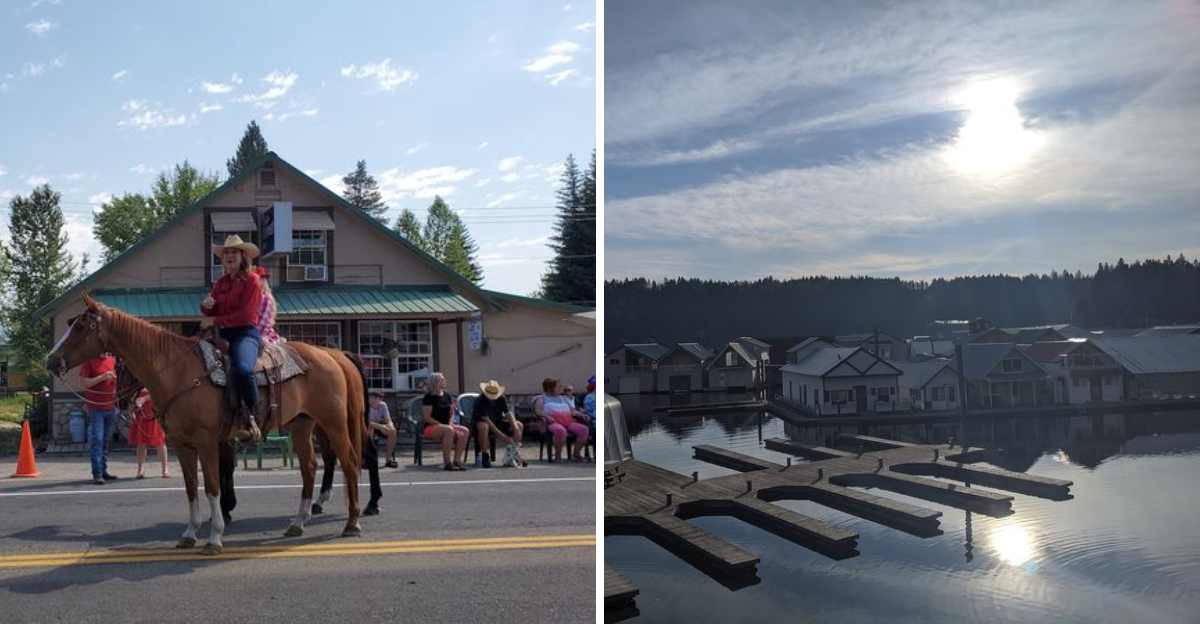
May can make an Idaho lake town look almost abandoned.
July can make locals wonder where everybody found the address.
Once summer gets serious, quiet shorelines start filling up fast and roads that barely required a second thought suddenly demand patience. For year-round residents, the seasonal transformation is impossible to miss.
A peaceful grocery run can become a traffic strategy, while favorite swimming spots feel very different once vacation season hits full speed.
Tourism keeps plenty of local businesses busy, so the story is not simply “visitors bad.”
The harder question is what happens when a tiny community has to absorb several times its normal population every warm weekend.
These ten Idaho lake towns know that feeling well.
They are still beautiful places to visit.
Summer just requires considerably better manners.
10. McCall, Payette Lake
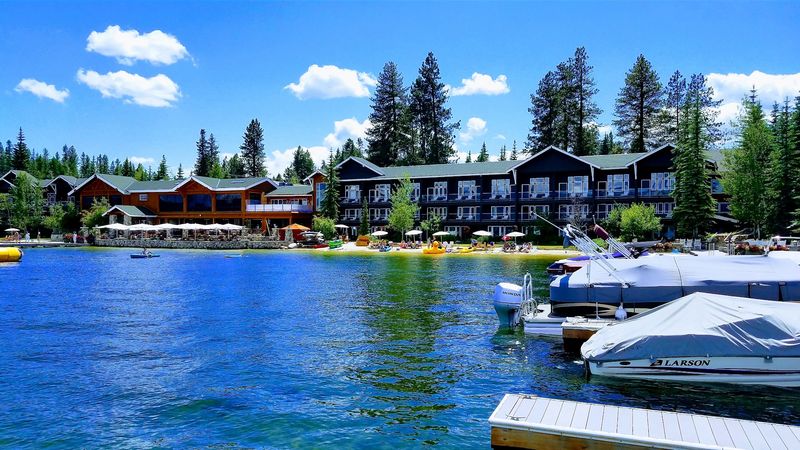
A population of roughly 4,000 has to share a compact downtown, Payette Lake, Highway 55, busy boat launches, and Ponderosa State Park with a much larger seasonal crowd once summer recreation gets going.
That contrast has become significant enough that local transportation planning specifically accounts for tourism surges, while city discussions continue around workforce housing, public access, and protection of the lake itself.
Boat-launch congestion can build during the busiest periods, which is why the city encourages users to purchase launch passes before arriving rather than adding another transaction at an already active ramp.
Highway 55 creates another challenge because it carries residents, delivery traffic, commuters, and visitors through the same central corridor.
Ponderosa State Park adds camping, hiking, beaches, shoreline access, and some of the area’s most popular views only minutes from downtown, concentrating even more recreation close to town.
None of that means McCall feels overwhelmed every day, but the difference between a shoulder-season weekday and a holiday weekend can be dramatic.
Travelers who arrive earlier, park once, follow launch rules, and avoid blocking residential or recreation access can enjoy the lake without adding unnecessary pressure to a community already managing a large seasonal swing.
9. Sandpoint, Lake Pend Oreille
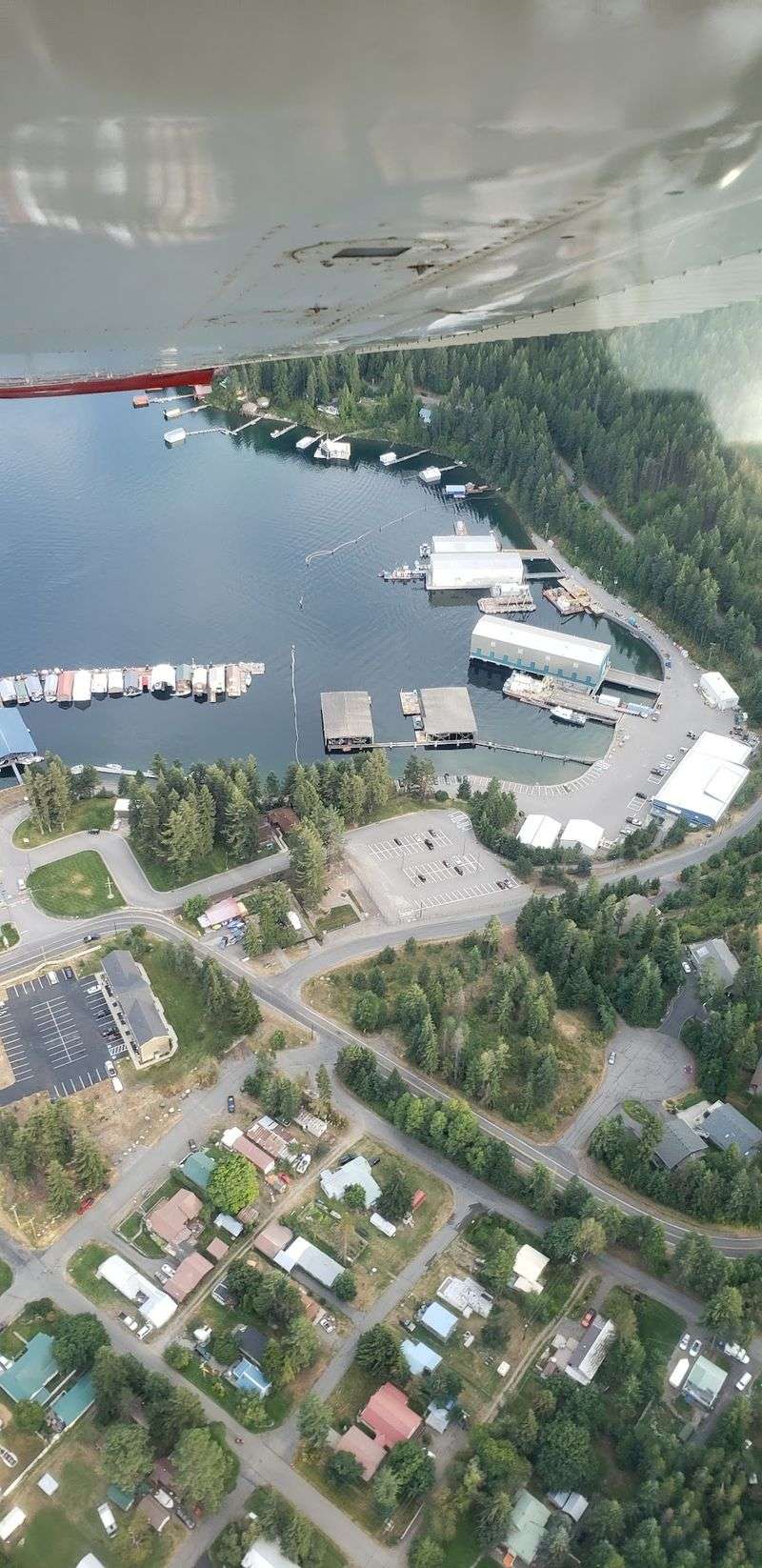
A controversial parking experiment revealed just how sensitive summer traffic has become around this waterfront downtown.
Paid on-street parking kiosks arrived in Sandpoint in July 2026 and quickly became a point of local debate. Some business owners argued that the new system was discouraging customers from spending time downtown.
On August 5, the city council voted to remove those downtown kiosks and restore the previous free two-hour system, while paid parking continued in certain city-owned lots, including areas serving City Beach.
That reversal says a lot about the balancing act in a compact city where downtown shopping, lake access, trails, restaurants, and recreation all overlap.
City Beach alone sees substantial vehicle turnover on summer weekends, and the Pend d’Oreille Bay Trail draws walkers and cyclists along the waterfront without requiring another drive once visitors are parked.
Lake Pend Oreille also brings a separate management issue because water levels can affect boating access, recreation, and tourism revenue.
The easiest way to reduce the crunch is surprisingly simple: leave the car where it is. Much of central Sandpoint works well on foot or by bike, which helps keep a popular lake destination from turning every short errand into another parking search.
8. Coeur d’Alene, Lake Coeur d’Alene
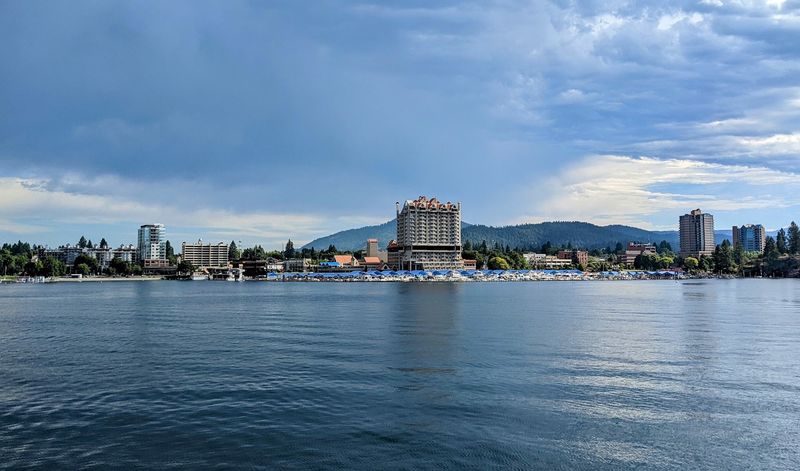
Trail counters tell the story more clearly than any general claim about crowds. Tubbs Hill recorded roughly 387,000 visits in 2024, including more than 6,000 people on July 4 alone, and that level of use has produced visible wear and erosion along some heavily traveled sections.
The upkeep required to protect such a popular waterfront area became even more tangible in May 2026, when a community cleanup removed 1,175 pounds of trash and debris from Tubbs Hill and Lake Coeur d’Alene.
That is a substantial amount of material for a place that often looks pristine in photographs.
The surrounding resort district, public beach, floating boardwalk, marina, parks, and downtown businesses bring additional activity into the same lakefront zone during peak summer weekends.
Coeur d’Alene is much larger than most communities on this list, so it can absorb visitors more easily, but its best-known public spaces still experience concentrated pressure.
Staying on designated trails, using established parking, walking between nearby attractions, and carrying out everything brought in matter more when hundreds of thousands of visits are spread across the year.
The lake remains one of Idaho’s biggest recreation draws, but keeping its most popular shoreline areas in good shape requires constant work from both the city and the people using them.
7. Coolin, Priest Lake
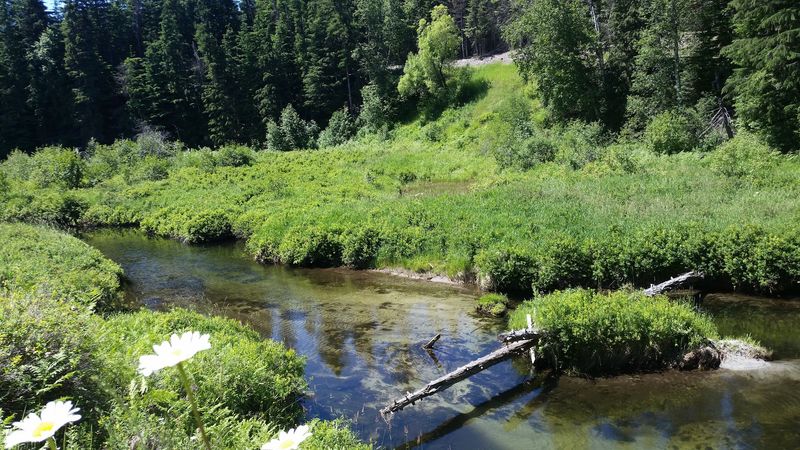
Development pressure near the southern end of Priest Lake centers on how new projects may affect sensitive wetlands and already limited infrastructure.
The nearby Coolin-Chase Lake Wetland Complex covers roughly 60 acres, while concerns about wastewater, drainage, sediment, and water quality have grown alongside proposals for additional development.
The Coolin Sewer District’s moratorium on new connections further limits what existing systems can support.
On July 8, 2026, the Idaho Supreme Court ruled that disputed minor land divisions tied to one project were subject to judicial review and returned the matter for further proceedings.
Other proposed developments in the area have faced their own hearings and objections, so the projects should not be treated as one dispute.
Together, however, they show how quickly growth near a desirable lake can become a question of infrastructure and environmental capacity rather than simply tourism.
Priest Lake still draws visitors for boating, camping, fishing, and forest scenery, but the current debate around Coolin is largely about how much permanent growth the area can absorb without changing the systems and landscapes that make the lake attractive in the first place.
6. Donnelly, Lake Cascade
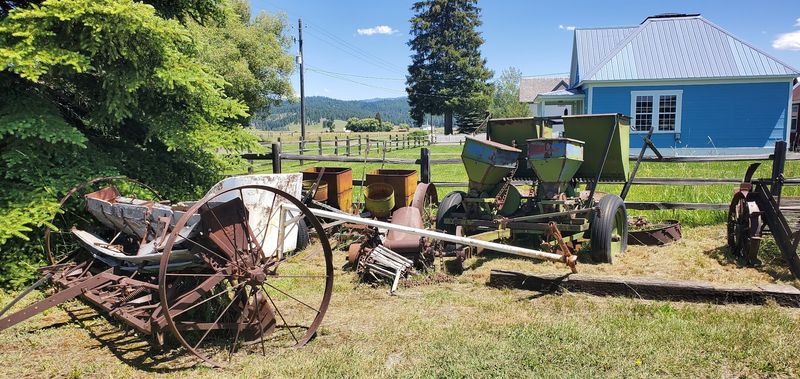
One intersection explains much of the summer problem. Highway 55 meets Roseberry Road here, bringing local traffic together with vehicles headed toward Tamarack Resort, Lake Cascade, and recreation farther north.
Donnelly’s own transportation planning has documented heavier weekend traffic and identified the junction as a location needing significant attention, including a possible future traffic signal subject to state approval.
For a small community, that is a notable sign of how recreation patterns have changed.
Boat trailers, campers, anglers, resort guests, and people continuing toward McCall all move through the same corridor, creating a weekend flow far beyond ordinary local traffic.
Historic Roseberry, just east of town, preserves buildings tied to the area’s early Finnish settlement, while Lake Cascade remains popular for boating and fishing. Tamarack Resort adds another steady draw on the reservoir’s western side.
The larger challenge is transportation.
Roads built around a small permanent population must repeatedly handle concentrated summer recreation traffic, leaving little flexibility when key intersections or highway segments slow down.
5. Cascade, Lake Cascade
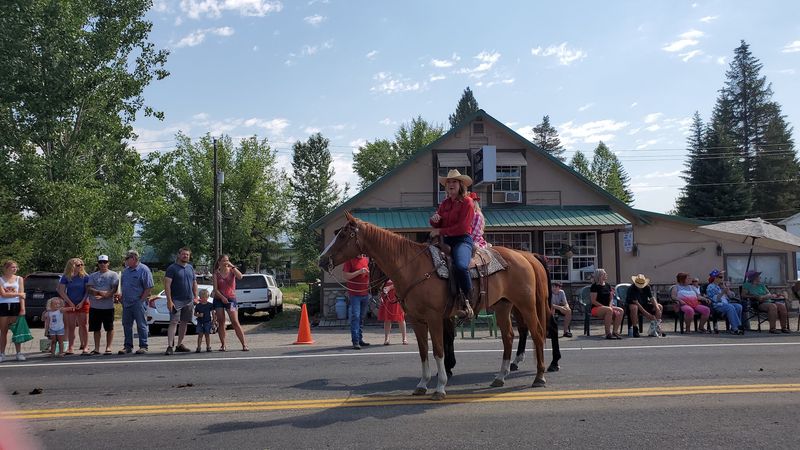
A community can be both a destination and a traffic funnel, and that is exactly what happens near the southern end of Lake Cascade.
Highway 55 runs directly through town on its way toward Donnelly and McCall, but travelers also peel off for local food, fuel, campgrounds, river access, boat launches, and shoreline recreation instead of simply passing through.
Kelly’s Whitewater Park on the Payette River gives kayakers and spectators a reason to stay close to town, while Lake Cascade State Park spreads activity among multiple recreation units around the reservoir.
Fishing, boating, camping, and other outdoor uses pull vehicles in different directions throughout the day, making the traffic pattern more complicated than a single northbound stream.
Holiday weekends are especially noticeable because this is one of the major routes connecting the Treasure Valley with central Idaho’s recreation corridor.
Cascade still has more breathing room than some compact lake towns, but the contrast between a quiet weekday and a heavy summer travel day can be substantial.
Visitors can help by using established recreation access, avoiding roadside improvisation when a parking area is full, and planning stops rather than repeatedly crossing traffic for food, fuel, or supplies.
Those decisions are small individually, but they matter on a highway carrying far more recreational traffic than the town’s population would suggest.
4. Bayview, Lake Pend Oreille
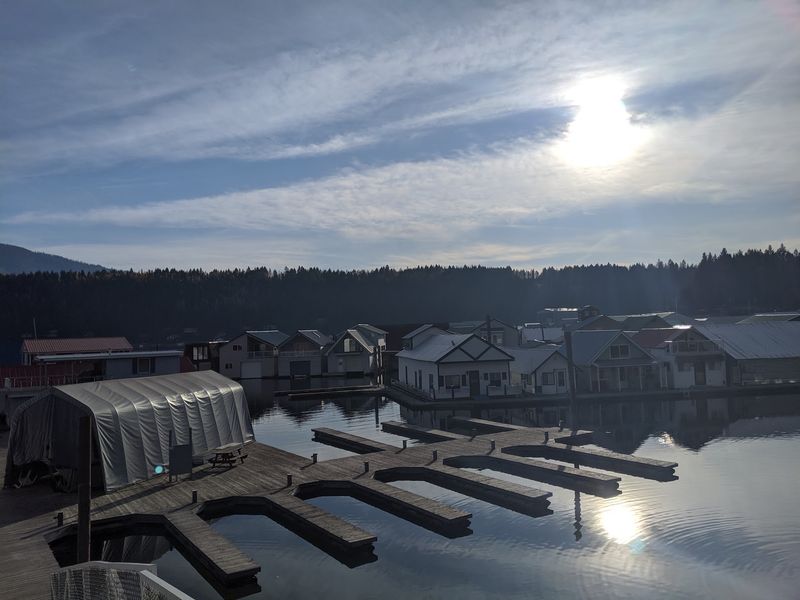
The numbers of people camping nearby can dwarf the scale of this small waterfront community. Farragut State Park, immediately next door, is Idaho’s largest destination camping park, and state planning documents acknowledge strong demand for its campsites.
That demand naturally spills into Bayview, where marinas, restaurants, floating homes, docks, boat access, and a limited commercial district serve people moving between the park and Lake Pend Oreille. The lake’s unusual depth adds another feature found nowhere else on this list: the U.S.
Navy operates its Acoustic Research Detachment here because the deep, quiet water provides useful conditions for underwater research.
Above the surface, summer activity is far more ordinary, with boaters, cyclists, campers, anglers, and day visitors sharing a community that does not have the road network or parking supply of a larger resort city.
Public and private areas also sit close together near the waterfront, making posted access especially important.
Bayview can feel relaxed when demand is light, but a busy recreation weekend changes the scale quickly because so much activity concentrates around a handful of streets and marina areas.
Visitors who arrive with supplies, use designated parking, and respect private docks and residential space make a noticeable difference in a place where there simply is not much extra room to absorb overflow.
3. Hope, Lake Pend Oreille
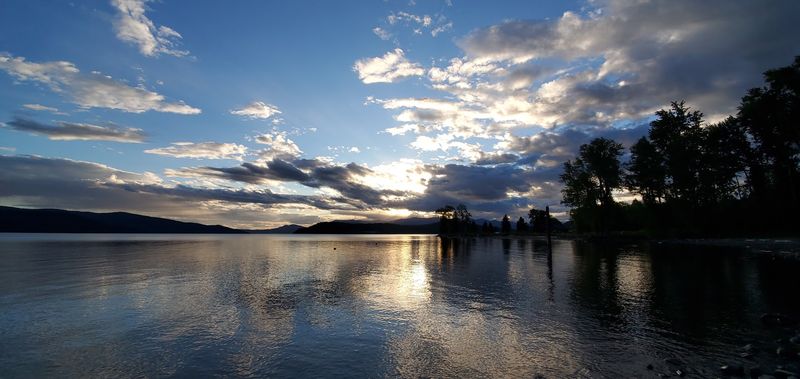
Crowding looks different when there is no central downtown to absorb it. Along the eastern shore of Lake Pend Oreille, summer activity spreads across marinas, vacation properties, lodging, narrow local roads, and hillside access points rather than collecting around one obvious commercial center.
Hope and neighboring East Hope have small permanent populations, so even a moderate increase in overnight guests and visiting boaters can noticeably change traffic and demand for services.
Kramer Marina in East Hope has served as a departure point for Lake Pend Oreille Cruises when low water affected operations elsewhere, showing how lake conditions can shift recreation activity between communities.
The eastern shore offers broad views and convenient boating access, but its quieter setting also comes with more limited infrastructure.
Private homes and visitor destinations often sit close together, so unmarked driveways, shoreline paths, and informal pullouts should not automatically be assumed to provide public access.
Reserving lodging ahead, using established marinas, and keeping vehicles out of residential areas makes summer visits easier to manage.
Hope does not experience the same concentrated pressure as larger destinations, but its smaller scale means seasonal changes do not need to be enormous before residents notice them.
2. Priest River, Priest River And Pend Oreille Region
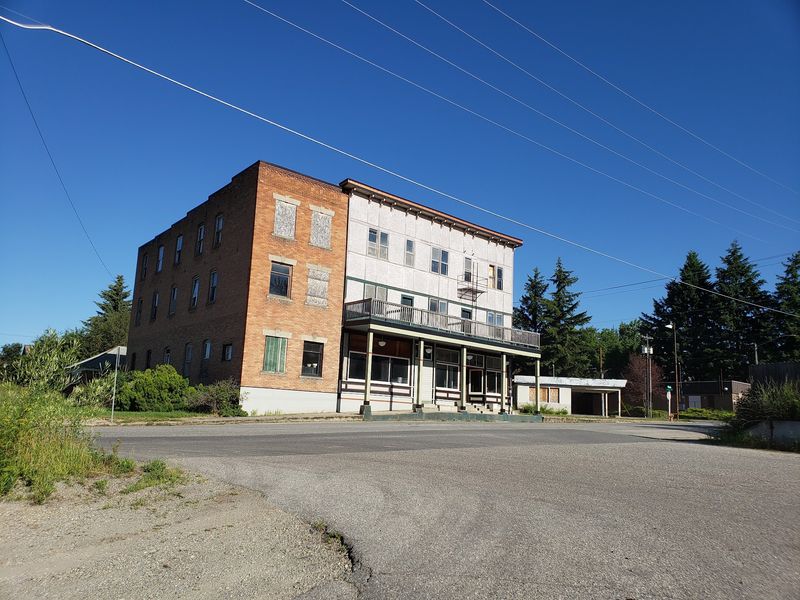
The connection to summer lake recreation begins miles upstream.
Priest River is not directly on the lake, but its location at the confluence of the Priest and Pend Oreille rivers makes it an important gateway for travelers heading toward Priest Lake.
Outlet Dam regulates water leaving the lake, while Idaho Fish and Game notes that lower Priest River temperatures can rise above 70 degrees in mid- to late summer, reducing suitable habitat for coldwater fish.
That has fueled debate over potential changes to water management, including proposals for a cold-water bypass, while state law now places legislative limits on certain modifications at the dam.
The issue is more complicated than recreation versus conservation because lake levels, river temperature, fish habitat, and community priorities all intersect.
Summer visitors may only notice Priest River as a service stop on the way north, but the downstream effects of lake management reveal how recreation pressure can extend beyond beaches and boat ramps.
Riverside public spaces and local businesses still give travelers reasons to stop, yet the community’s role in this story is primarily as a gateway and downstream neighbor rather than a conventional resort town.
1. Harrison, Lake Coeur d’Alene
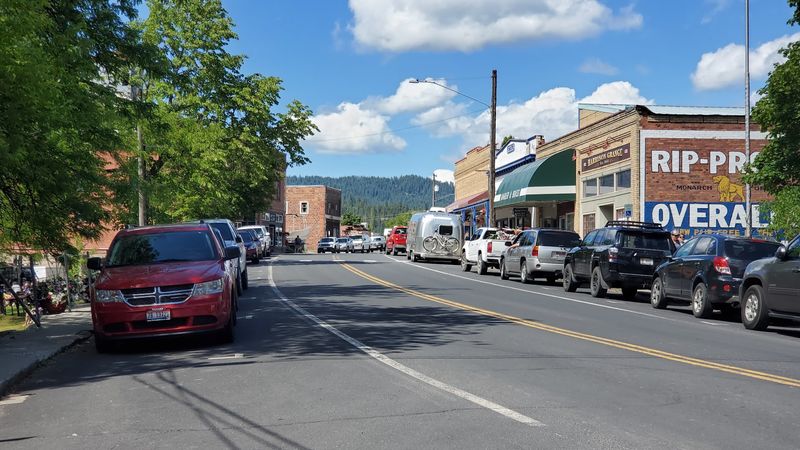
Short-term rentals have become established enough that local government created rules specifically for them.
Harrison requires annual licenses for vacation rentals and follows a Good Neighbor Policy aimed at reducing issues such as parking, noise, and trash.
The local chamber also lists numerous cabins and vacation homes, highlighting the town’s strong seasonal lodging economy.
Because Harrison sits on Lake Coeur d’Alene and along the Trail of the Coeur d’Alenes, marina users, cyclists, beachgoers, overnight guests, and day visitors all share the same compact waterfront area.
Summer activity supports businesses, lodging operators, and recreation services, but it also means neighborhood streets and public spaces have to work harder than they do through much of the year.
The city’s regulations provide a more accurate picture than claiming tourism has simply damaged the town: Harrison is actively trying to manage popularity while preserving normal residential life.
Visitors can help by parking legally, following no-wake rules, respecting neighborhood quiet, carrying out trash, and supporting the businesses that make the waterfront useful to both residents and travelers.