These 13 Kitchen Design Choices Are Aging Washington Homes – Here’s What To Do Instead
Washington kitchens hold so much potential, but certain design choices from past decades can make even the most loved homes feel stuck in time.
Small updates can shift the entire atmosphere, turning a dated space into something fresh and inviting without requiring a complete overhaul.
Recognizing which elements have overstayed their welcome is the first step toward creating a kitchen that feels both current and comfortable.
1. Thin Laminate Countertops With Visible Seams
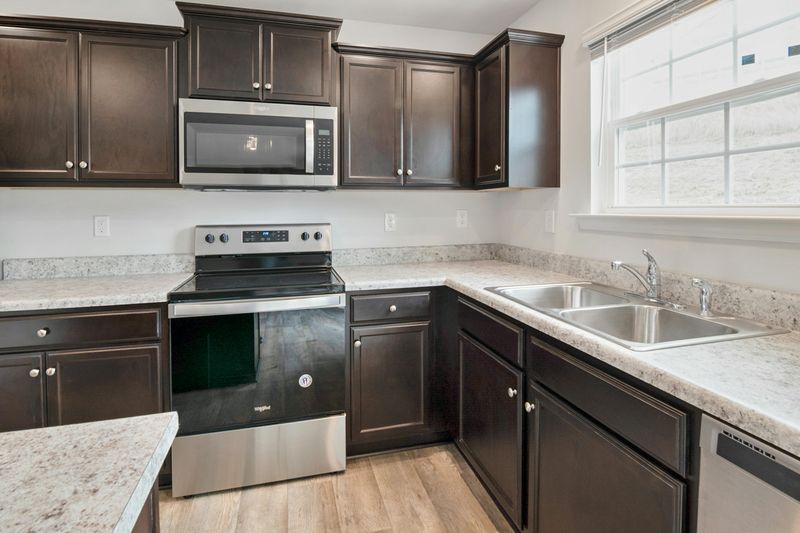
Thin laminate countertops were once the go-to choice for budget-conscious homeowners, but thin versions with obvious seams and busy patterns now broadcast their age loud and clear.
The edges chip easily, and those seams collect crumbs and moisture over time, making cleanup more difficult than it needs to be.
Switching to quartz or butcher block brings immediate visual relief.
Quartz mimics natural stone without the maintenance headaches, resists stains beautifully, and comes in subtle patterns that won’t compete with the rest of your design.
Butcher block adds warmth and texture, perfect for kitchens aiming for a cozy, lived-in feel.
Both materials offer durability that laminate simply can’t match.
They hold up under daily use, from hot pots to meal prep marathons, and they age gracefully rather than looking worn out.
Investing in quality countertops pays off in both function and style, making your kitchen feel polished and current.
2. Busy Multicolored Tile Backsplashes
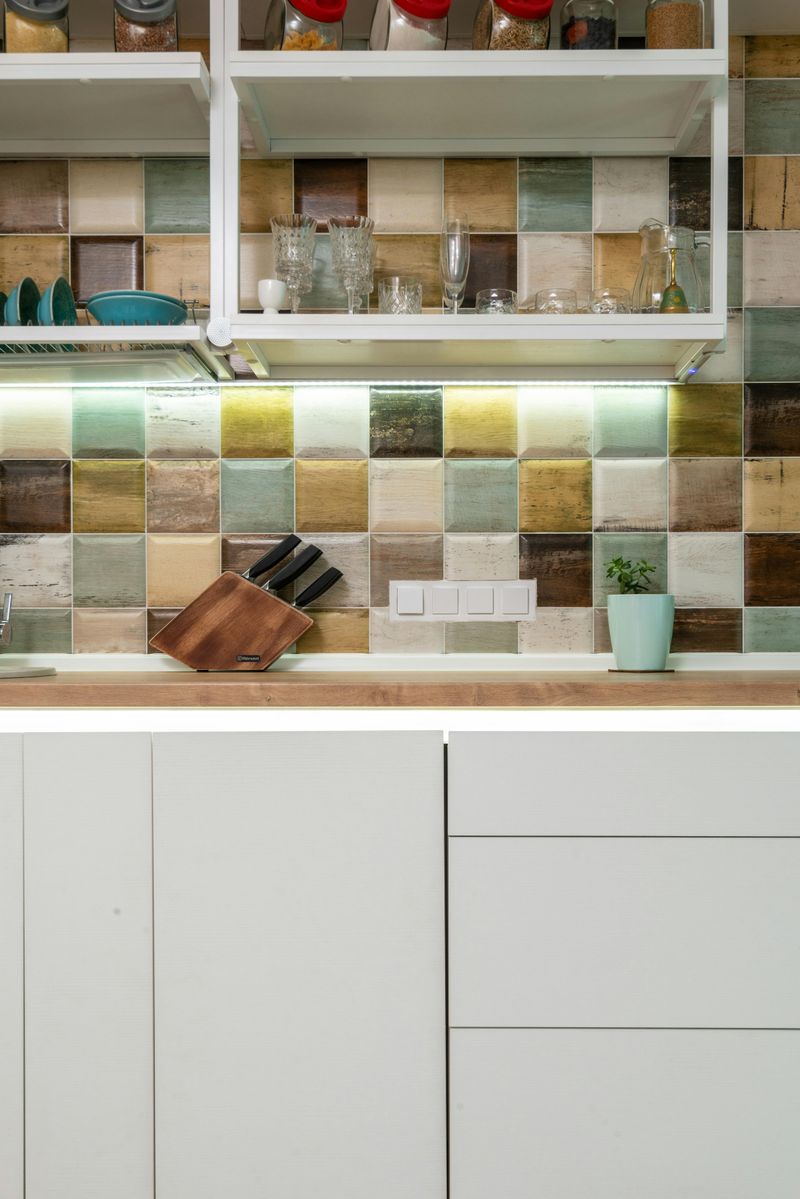
Bold, intricate backsplashes with multiple colors and swirling patterns may have felt exciting years ago, but today they tend to overwhelm the eye and clash with modern cabinetry and appliances.
Cleaning grout lines in complex designs becomes a chore, and the visual noise can make even a spacious kitchen feel cramped.
Simple subway tiles offer a timeless alternative that never goes out of style.
Their clean lines and classic shape work with nearly any cabinet color or countertop material, creating a cohesive backdrop that lets other design elements shine.
White or soft gray subway tiles reflect light beautifully, making kitchens feel brighter and more open.
Installation is straightforward, and maintenance is minimal compared to fussier patterns.
If plain subway feels too safe, consider a herringbone or vertical stack layout for subtle interest without the chaos.
The result is a kitchen that feels fresh, airy, and effortlessly elegant.
3. Harsh Fluorescent Overhead Lighting
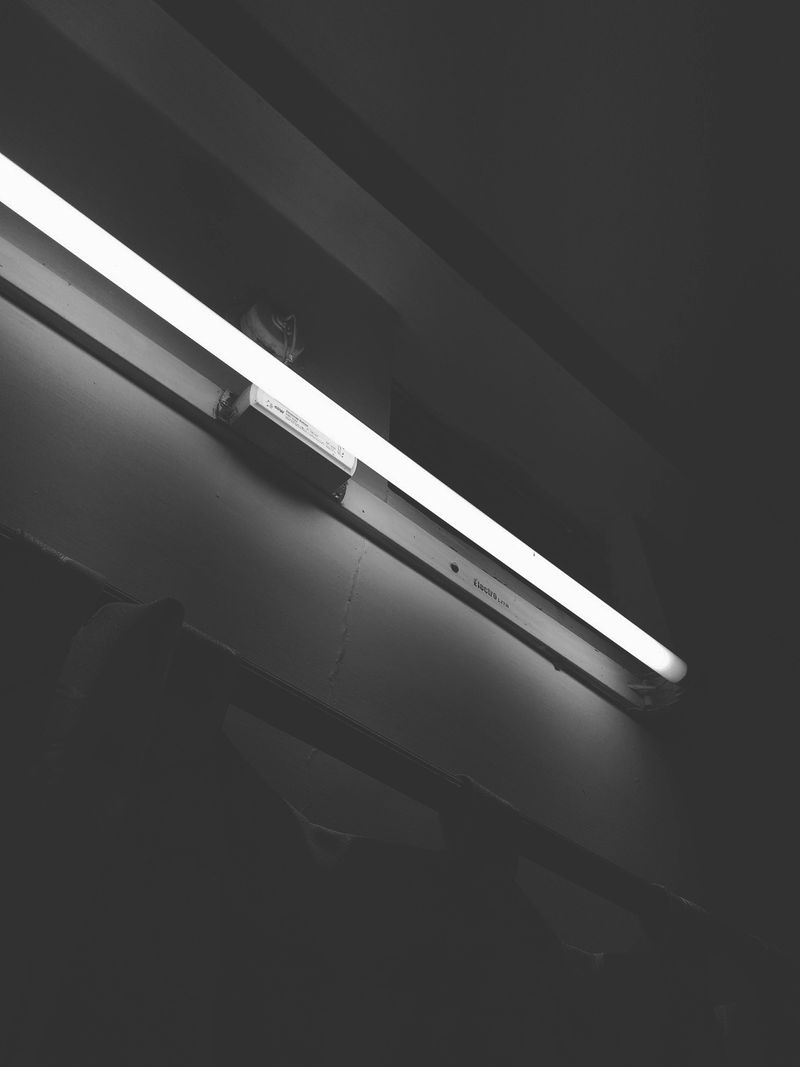
Fluorescent tubes cast a cold, unflattering glow that drains warmth from even the most thoughtfully designed kitchens.
The buzzing hum and occasional flicker add to the unpleasant atmosphere, and the color rendering makes food and finishes look dull and lifeless.
Warm LED lighting transforms the entire mood of a kitchen.
LEDs come in a range of color temperatures, and choosing bulbs in the 2700K to 3000K range brings a cozy, inviting quality that makes time spent cooking and gathering feel more comfortable.
They last far longer than fluorescent tubes and use a fraction of the energy, which means fewer replacements and lower utility bills.
Layering light sources adds even more versatility.
Under-cabinet LEDs illuminate work surfaces beautifully, while pendant lights over an island create focal points and visual interest.
Dimmer switches give control over brightness, allowing the space to shift from task-oriented during meal prep to soft and relaxed during evening conversations.
4. Dark Espresso-Colored Cabinets
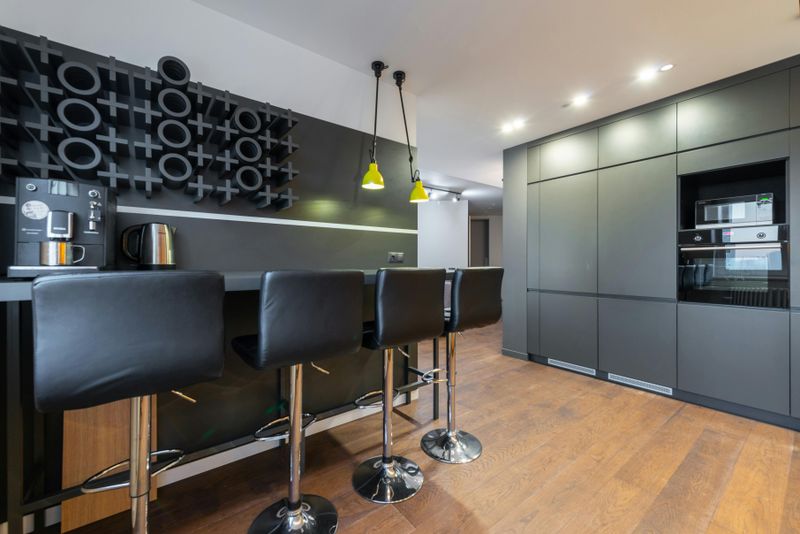
Deep espresso cabinets dominated kitchen trends for years, but their heavy presence can make spaces feel smaller and more enclosed, especially in homes with limited natural light.
Dust and fingerprints show up easily on dark finishes, requiring constant attention to keep them looking clean.
Soft neutrals like warm whites, light grays, and gentle blues open up the room visually and reflect available light, creating an airy, spacious feel.
These shades work beautifully with a wide range of countertop materials and hardware finishes, offering flexibility as other elements in the kitchen evolve over time.
Painting existing cabinets is a budget-friendly way to achieve this transformation without the expense of a full replacement.
Professional painters can achieve a smooth, durable finish that holds up to daily wear, and the process takes just days rather than weeks.
The shift from dark to light instantly modernizes the space and makes it feel more welcoming and functional.
5. Magnet-Covered Refrigerator Doors
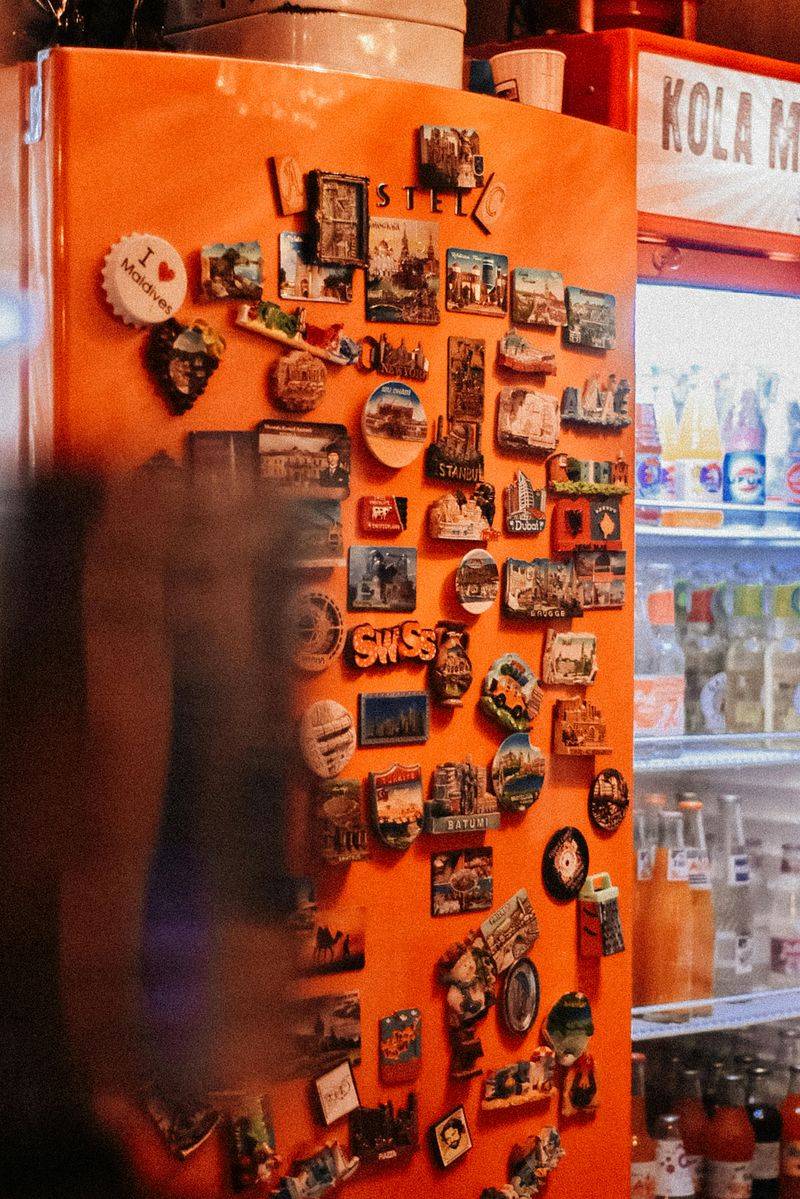
Refrigerator doors often become catch-all bulletin boards, layered with magnets, photos, calendars, and reminders.
While functional, the visual clutter disrupts the clean lines of a modern kitchen and makes the space feel chaotic rather than calm.
Embracing a minimalistic approach to the fridge door creates instant visual relief.
Moving papers and photos to a dedicated command center in a mudroom or hallway keeps information accessible without compromising kitchen aesthetics.
Magnetic boards or clipboards mounted inside cabinet doors offer hidden storage for lists and schedules.
A clean fridge surface allows the appliance to blend into the overall design rather than becoming a distraction.
Stainless steel, matte black, or panel-ready refrigerators shine when their surfaces remain uncluttered, contributing to a streamlined, organized appearance.
Small changes like this cost nothing but deliver significant impact, making the kitchen feel more polished and intentional without sacrificing functionality.
6. Mismatched Cabinet Hardware
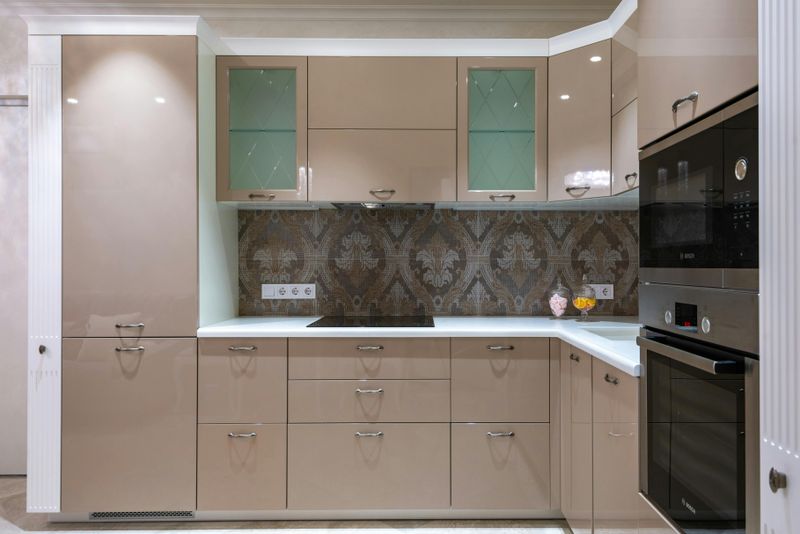
Cabinet hardware often gets overlooked during remodels or gets replaced piecemeal over the years, resulting in a mix of finishes, styles, and sizes that lack cohesion.
Brass pulls next to chrome knobs next to oil-rubbed bronze handles create visual discord that distracts from otherwise lovely cabinetry.
Coordinating hardware throughout the kitchen creates instant visual harmony.
Choosing a single finish – whether matte black, brushed nickel, or warm brass – ties the space together and gives it a more intentional, designed feel.
The style of the hardware should complement the cabinet doors; sleek bar pulls work beautifully on flat-panel doors, while traditional knobs suit raised-panel styles.
Swapping out hardware is one of the easiest and most affordable kitchen updates.
Most pulls and knobs install with just a screwdriver, and the transformation is immediate.
Consistent hardware acts like jewelry for the kitchen, adding polish and personality while helping the eye move smoothly through the space rather than getting caught on mismatched details.
7. Heavy Bulky Overhead Cabinets
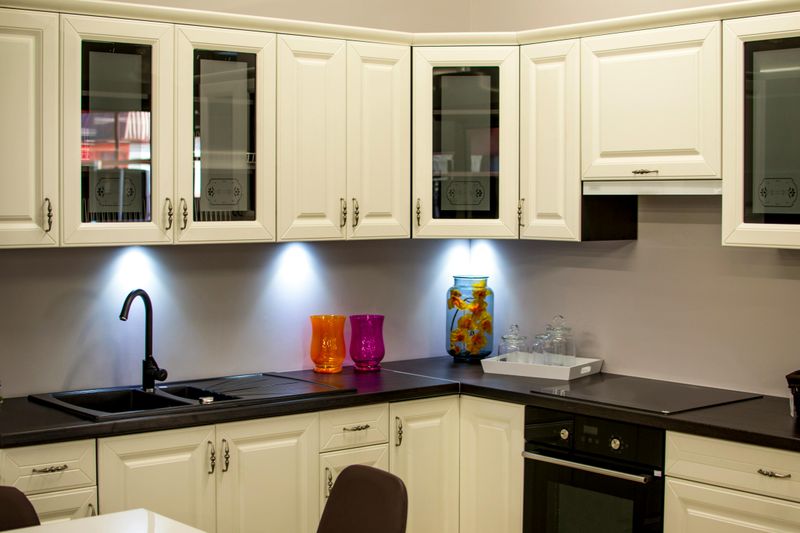
Floor-to-ceiling upper cabinets maximize storage but can make kitchens feel enclosed and cave-like, especially in homes with standard ceiling heights.
The visual weight presses down on the space, and reaching items on the highest shelves often requires a step stool, making that storage less practical than it appears.
Open shelving lightens the visual load dramatically and creates opportunities to display dishware, glassware, and decorative items that add personality to the kitchen.
Floating shelves in wood or metal introduce texture and warmth while keeping frequently used items within easy reach.
The absence of cabinet doors makes the room feel larger and more breathable.
Open shelving does require a bit more tidiness, since everything is on display, but that encourages thoughtful curation rather than hidden clutter.
Mixing open shelves with some closed cabinetry offers the best of both worlds – visual lightness with practical storage for less attractive items.
The shift from heavy uppers to open shelving modernizes the kitchen instantly and makes it feel more spacious and inviting.
8. Flimsy Plastic Drawer Pulls
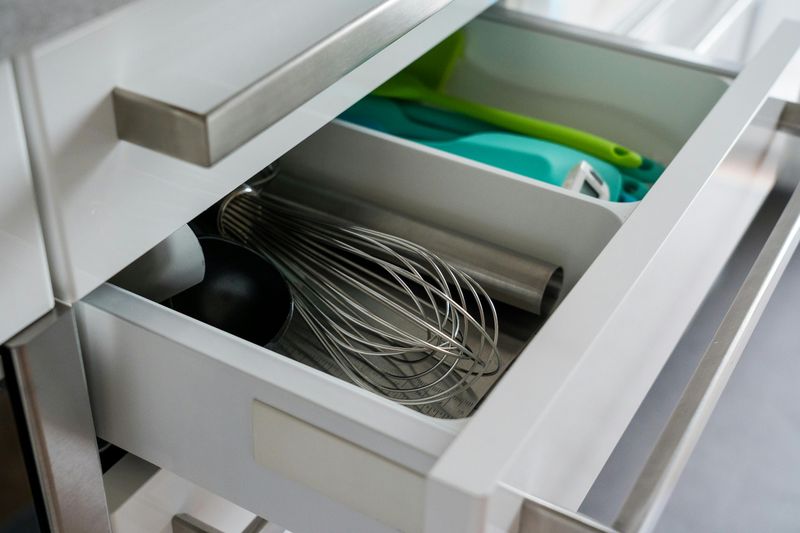
Plastic drawer pulls might save a few dollars upfront, but they feel insubstantial in the hand and wear out quickly under daily use.
They crack, discolor, and lose their finish, broadcasting their low quality every time someone opens a drawer or cabinet door.
Quality metal or wood hardware makes a noticeable difference in both feel and longevity.
Solid brass, stainless steel, or cast iron pulls have satisfying heft and durability, standing up to years of use without showing significant wear.
Wood pulls bring natural warmth and pair beautifully with both modern and traditional cabinet styles.
The tactile experience of opening drawers and cabinets matters more than many people realize.
Substantial hardware feels reassuring and well-made, elevating the perceived quality of the entire kitchen.
Upgrading from plastic to quality materials is a small investment that pays dividends in daily satisfaction and long-term durability, making the kitchen feel more refined and thoughtfully designed.
9. High-Gloss Cabinet Finishes
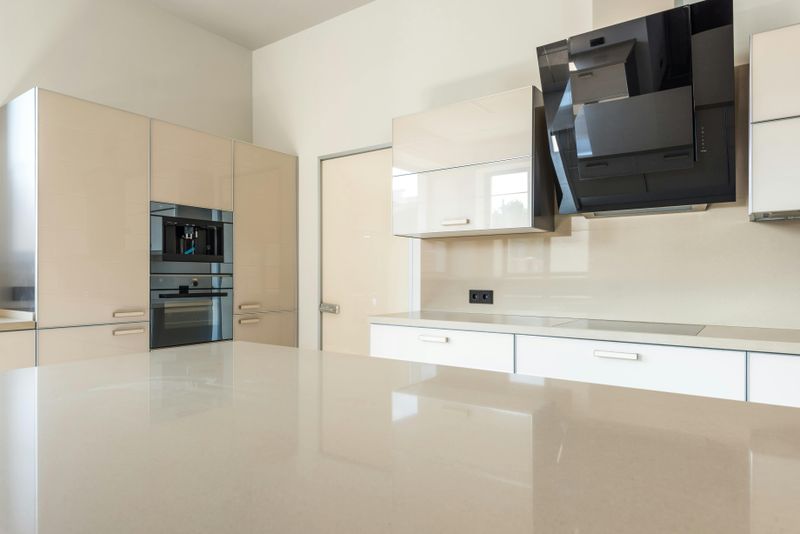
High-gloss cabinets promised a sleek, modern look, but they reveal every fingerprint, smudge, and water spot, requiring constant wiping to maintain their shine.
The reflective surface can feel cold and sterile rather than warm and welcoming, and the glare can be visually tiring, especially under bright lighting.
Matte or satin finishes offer a sophisticated alternative that forgives daily wear and tear much more gracefully.
These finishes hide minor imperfections and create a softer, more approachable aesthetic that feels current without being trendy.
The subtle sheen adds depth without the high-maintenance demands of glossy surfaces.
Matte finishes work beautifully in a range of colors, from crisp whites to deep charcoals, and they pair well with various countertop materials and hardware finishes.
The lack of reflective glare makes kitchens feel calmer and more comfortable, and the reduced cleaning burden is a welcome bonus.
Choosing a matte or satin finish modernizes the space while making it more livable and practical for everyday use.
10. Faux Brick Accent Panels
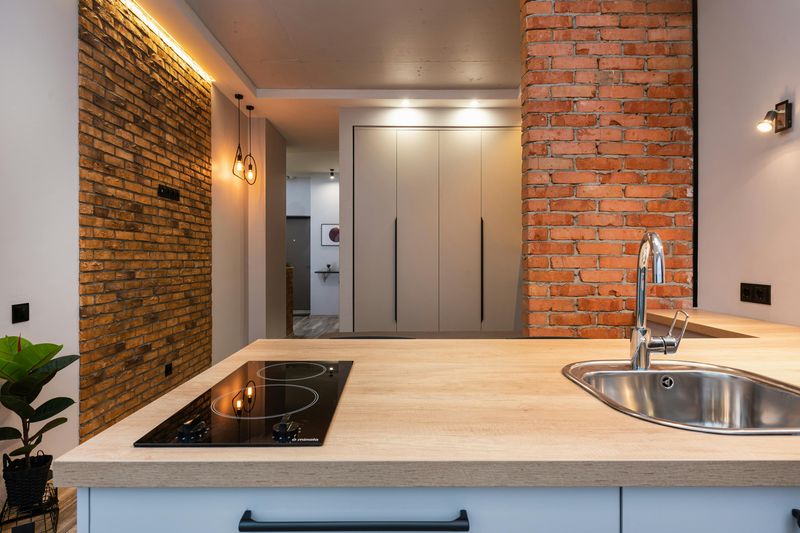
Imitation brick panels promised rustic charm without the weight or cost of real masonry, but their plastic sheen and uniform texture give them away immediately.
They lack the depth and character of authentic materials, and over time they can warp or discolor, especially near heat sources like stoves.
Authentic materials bring genuine warmth and texture that faux versions simply can’t replicate.
Ceramic tile, natural stone, or wood shiplap each offer distinct visual interest and tactile quality that make kitchens feel more grounded and intentional.
Real materials also hold up better under daily use, resisting damage and aging gracefully.
Natural stone adds earthy tones and organic variation, while wood shiplap introduces horizontal lines that can make walls feel wider.
Ceramic tile comes in endless shapes and finishes, from glossy subway to matte hexagons, allowing for personalized expression without sacrificing durability.
Choosing real materials elevates the entire kitchen and creates a foundation that feels solid and lasting.
11. Overly Themed Kitchen Decor
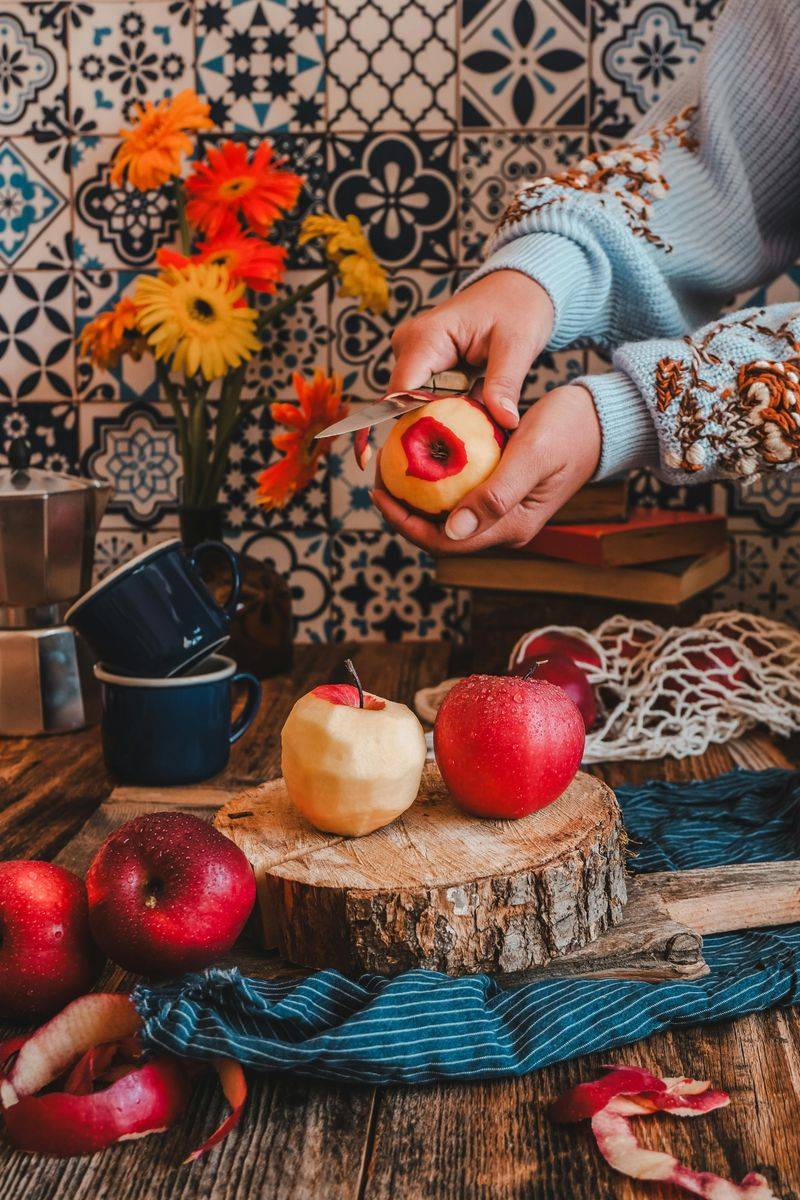
Themed decor – whether roosters, apples, grapes, or coffee motifs – can quickly overwhelm a kitchen and lock it into a specific era.
Matching canisters, towels, wall art, and accessories create visual noise that distracts from the kitchen’s architecture and makes it feel more like a gift shop than a functional cooking space.
Timeless accessories let the kitchen breathe and allow for flexibility as tastes evolve.
Natural wood elements like cutting boards, bowls, and utensil holders add warmth and texture without demanding attention.
Functional items such as ceramic crocks for utensils, woven baskets for produce, or simple glass jars for pantry staples contribute to the aesthetic while serving practical purposes.
A few carefully chosen pieces create personality without overwhelming the space.
A single piece of art, a potted herb, or a vintage scale can add character and interest while leaving room for the eye to rest.
Restraint in decorating makes kitchens feel more sophisticated and allows the materials, finishes, and layout to shine.
12. Loud Multicolored Granite Countertops
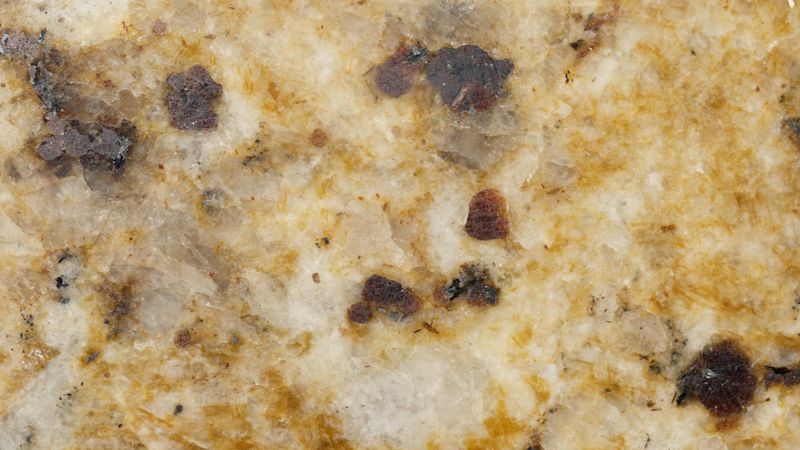
Granite with bold, multicolored patterns and heavy veining dominated kitchen design for years, but these busy surfaces can feel overwhelming and compete with everything else in the room.
The constant visual activity makes it difficult to create a cohesive design, and the patterns can feel dated as trends shift toward simpler, more refined aesthetics.
Subtle solid surfaces like quartz or marble offer a more sophisticated and adaptable backdrop.
Quartz comes in soft, understated patterns that mimic natural stone without the high contrast and busyness of traditional granite.
White or light gray quartz with delicate veining creates elegance without distraction, and the non-porous surface resists stains and bacteria beautifully.
Marble brings timeless luxury with its soft veining and luminous quality, though it requires more care than quartz.
Both materials allow cabinetry, backsplashes, and hardware to take center stage rather than fighting for attention.
Choosing quieter countertops creates a calming foundation that makes the entire kitchen feel more modern, cohesive, and intentionally designed.
13. Textured Popcorn Ceilings
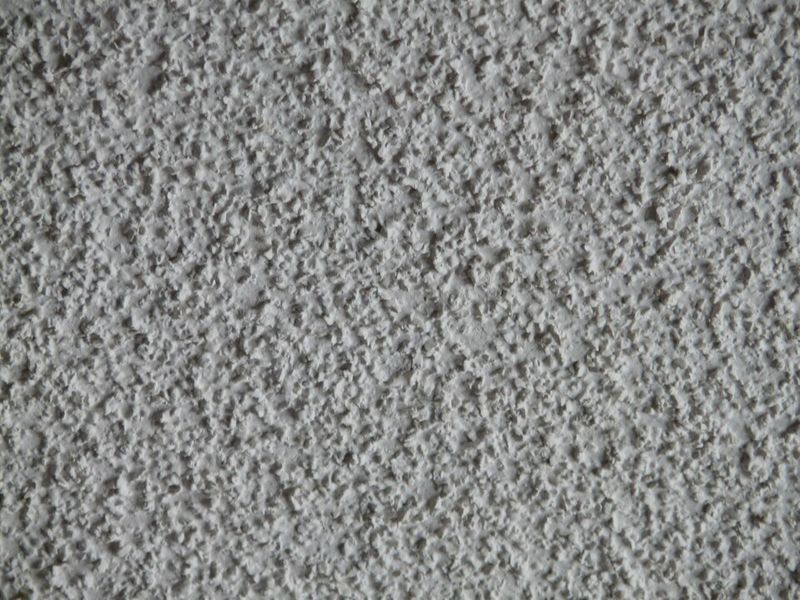
Popcorn ceilings were once used to hide imperfections and provide acoustic dampening, but their bumpy texture collects dust, cobwebs, and cooking grease, making them difficult to clean.
The dated appearance immediately ages a kitchen, and the texture can make ceilings feel lower and rooms more closed in.
Smooth, painted ceilings create clean lines and enhance the overall aesthetic with minimal effort.
Removing popcorn texture is a messy job but not overly complicated for professionals, and the transformation is dramatic.
Once smooth, a fresh coat of paint in bright white or soft cream reflects light and makes the kitchen feel taller and more open.
Smooth ceilings also make it easier to install modern lighting fixtures, from recessed LEDs to statement pendants, without the visual interference of bumpy texture.
The ceiling becomes a clean, unobtrusive surface that lets the rest of the design shine.
This update modernizes the kitchen instantly and contributes to a polished, cohesive look that feels current and well-maintained.