These 14 Kitchen Design Flaws Are Driving Ohio Homebuyers Away
When you’re hunting for your dream home in Ohio, the kitchen can make or break your decision.
I know how frustrating it is to walk into a beautiful house only to find a kitchen that needs major work.
Buyers across the state are getting smarter about spotting design mistakes that cost time and money to fix.
From Cleveland to Cincinnati and everywhere in between, today’s buyers want kitchens that feel bright, functional, and move-in ready.
Renovation fatigue is real, and many shoppers simply don’t want to deal with costly updates after closing.
These are the most common kitchen design flaws Ohio homebuyers actively try to avoid.
1. Dark, Heavy Cabinet Colors

Heavy, dark cabinets can turn your kitchen into a cave.
I’ve seen countless Ohio homes where black or deep brown cabinetry sucks all the light out of the room, making it feel smaller than it actually is.
This problem is especially noticeable during Ohio’s long winter months when natural daylight is already limited.
Dark cabinets also absorb light instead of reflecting it, which can make even large kitchens feel gloomy and closed in.
Buyers often associate these heavy tones with older design trends, even if the cabinets themselves are in good condition.
Another issue is maintenance – dark finishes tend to highlight fingerprints, dust, and scratches more easily.
Many buyers immediately start calculating repainting or refacing costs, which can mentally lower the value of the home before they even reach the living room.
2. Cluttered Countertops

Countertops loaded with toasters, coffee makers, and random décor scream disorganization.
When I visit homes with every inch of counter space occupied, it immediately feels like there’s not enough room to actually cook.
Even beautiful kitchens lose their appeal when surfaces feel crowded.
Ohio buyers want to picture themselves preparing meals, hosting family gatherings, and enjoying everyday routines.
Overloaded counters make that visualization difficult.
Instead of seeing potential, buyers see inconvenience.
Clutter also suggests a lack of storage, even if cabinets are plentiful.
Clear countertops signal functionality, organization, and thoughtful design – all qualities buyers are actively seeking in today’s market.
3. Overly Themed Décor
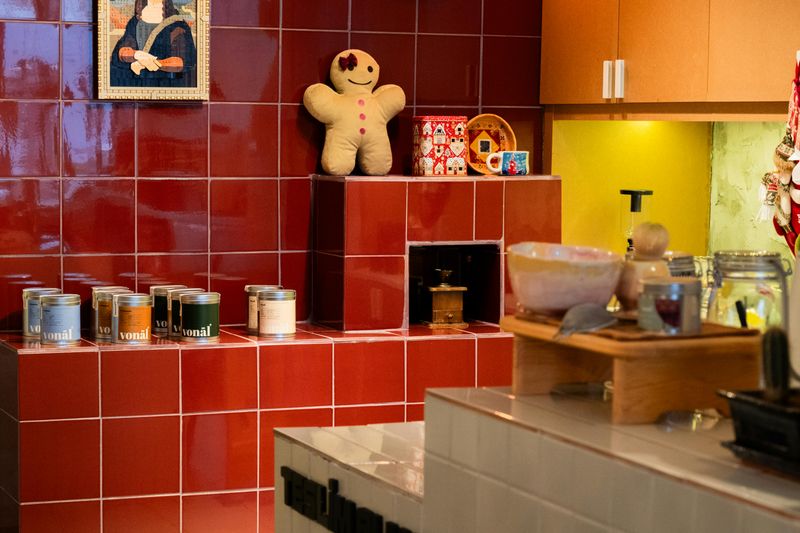
Rooster motifs everywhere or an intense farmhouse theme can feel dated fast.
Personal taste is wonderful, but when every corner shouts one specific style, buyers struggle to see themselves living there.
What feels charming to one homeowner may feel overwhelming to another.
Overly themed kitchens often lock the space into a specific era or trend.
Buyers worry about how quickly the design will feel outdated, especially if the theme is already losing popularity.
Neutral kitchens allow buyers to imagine adding their own touches over time.
When décor is subtle and flexible, the space feels timeless rather than tied to someone else’s personality.
4. Poor Lighting Placement
Shadows falling across your cutting board aren’t just annoying – they’re a deal-breaker.
I always notice when kitchens lack proper task lighting over work areas or rely on a single overhead fixture that leaves corners gloomy.
Poor lighting makes kitchens feel smaller and less functional.
Buyers associate bright, evenly lit kitchens with cleanliness and safety.
Dark corners can make even spotless spaces feel dingy or neglected.
In Ohio homes, where cloudy days are common, artificial lighting plays an even bigger role.
Layered lighting reassures buyers that the kitchen was designed for real use.
When workspaces are clearly visible, the entire kitchen feels more welcoming and modern.
5. Cheap Cabinet Hardware
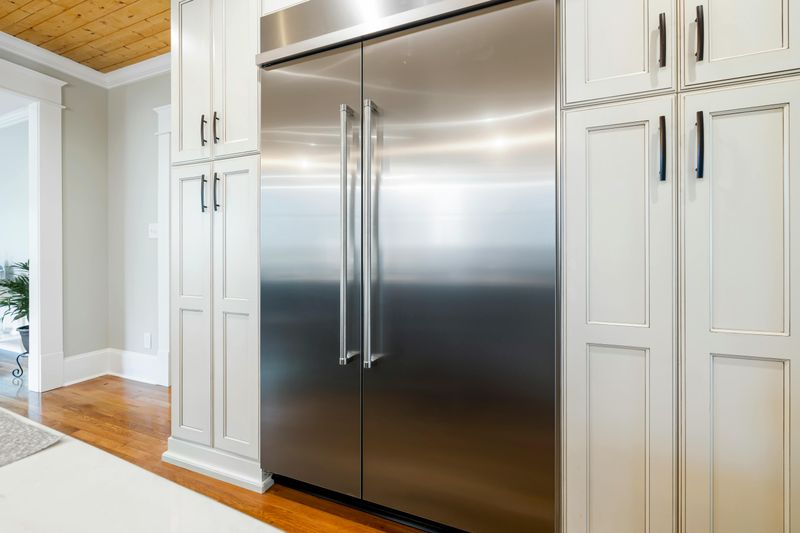
Flimsy handles that wiggle or look like they came from a discount bin hurt your kitchen’s credibility.
Hardware is one of the first things buyers touch, and loose or lightweight pieces create a negative first impression instantly.
Cheap hardware can make solid cabinets feel lower quality than they actually are.
Buyers often interpret this as a sign that corners were cut elsewhere in the home as well.
Well-chosen hardware adds visual weight and durability.
Quality pulls and knobs give buyers confidence that the kitchen was upgraded thoughtfully rather than rushed for resale.
6. Outdated Backsplash Tiles

Busy floral tiles or beige squares from decades past instantly age your kitchen.
Backsplashes are focal points, and outdated styles pull attention away from newer features like countertops or appliances.
Many Ohio buyers don’t want another renovation project after purchasing.
When they see outdated tile, they start thinking about demo work, dust, and extra expenses.
Modern backsplashes feel fresh and neutral, allowing the rest of the kitchen to shine.
Updated tile helps buyers see the kitchen as move-in ready rather than a future project.
7. Wall-To-Wall Carpeting In Kitchen

Carpet belongs in bedrooms, not where you’re cooking spaghetti sauce.
I cringe every time I see kitchen carpeting because it traps spills, odors, and bacteria no matter how often you clean it.
Food stains soak in quickly, and even small spills can leave permanent marks that buyers notice immediately.
Ohio buyers are particularly sensitive to cleanliness due to seasonal mud, snow, salt, and moisture being tracked indoors.
Kitchen carpet raises concerns about allergens, lingering smells, and long-term hygiene issues.
Many buyers mentally add flooring replacement to their list of post-purchase expenses the moment they see carpet.
Hard flooring communicates practicality, durability, and modern standards.
Buyers want surfaces that can handle real life without constant worry or extra maintenance.
8. Low-Quality Laminate Floors

Bargain laminate starts peeling and warping the moment moisture gets underneath.
Ohio’s fluctuating humidity only makes this worse, especially near sinks, dishwashers, and exterior doors.
I’ve seen buyers kneel down to inspect seams and edges because they know cheap flooring fails quickly.
Even small areas of bubbling or lifting raise red flags about water damage.
Damaged floors instantly lower buyer confidence and make kitchens feel neglected.
Buyers often wonder what other materials in the home were chosen based on price instead of quality.
Durable flooring materials signal thoughtful investment and long-term value.
Homes with solid kitchen floors feel safer and more reliable to buyers.
9. Oversized Range Hoods in Small Spaces
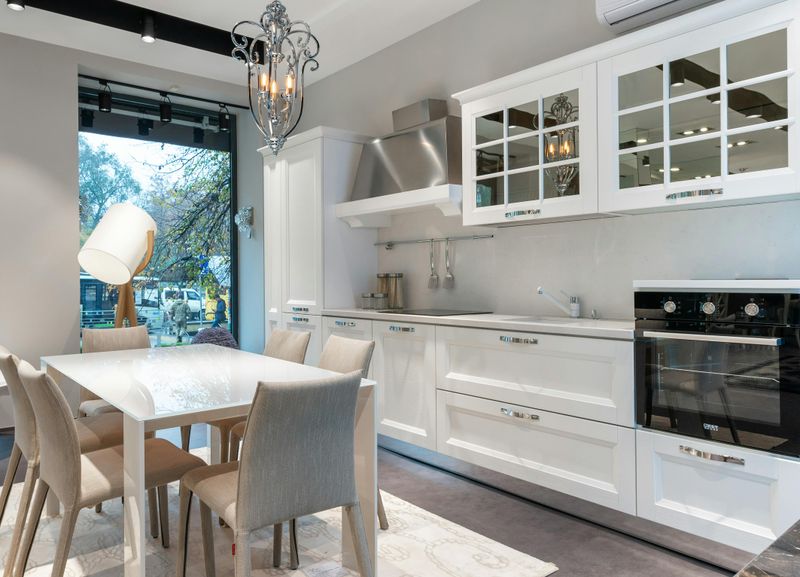
Restaurant-style range hoods look impressive in magazines but overwhelm smaller kitchens in real life.
When scale is off, the kitchen feels cramped, top-heavy, and visually unbalanced.
Buyers often feel the hood dominates the room instead of blending into the design.
Large hoods can also block sightlines and make ceilings feel lower than they actually are.
In compact Ohio kitchens, space efficiency matters more than dramatic statement pieces.
Oversized features can feel impractical rather than luxurious.
Buyers want kitchens that feel comfortable and easy to move around in.
Right-sized ventilation supports functionality without visually taking over the space.
10. Mismatched Appliance Finishes
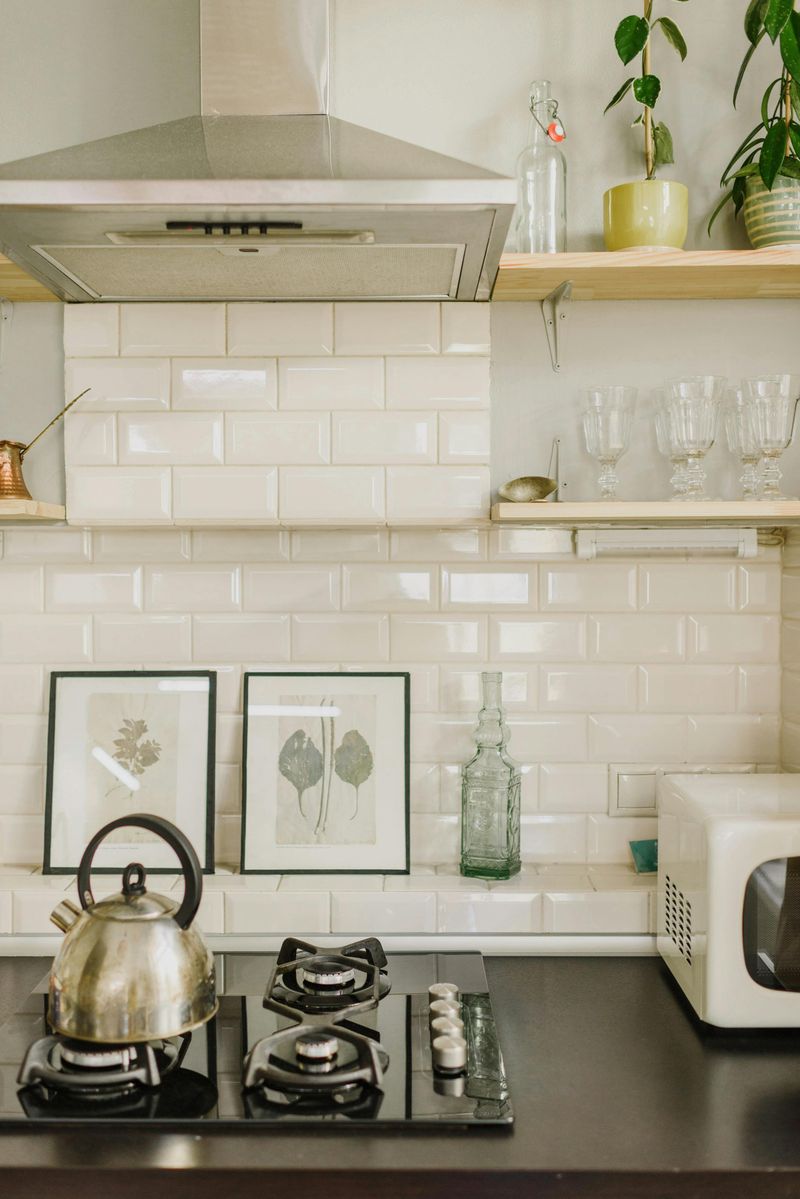
Stainless steel next to black next to white creates visual chaos instantly and makes the kitchen feel visually disjointed rather than cohesive.
Buyers immediately notice when appliances don’t match because the lack of coordination interrupts the natural flow of the space and draws attention for the wrong reasons.
Instead of focusing on the kitchen’s layout or features, their eyes jump from one appliance finish to another, creating a sense of distraction.
The kitchen can feel unfinished or poorly planned rather than intentional and thoughtfully designed.
Mismatched finishes often suggest that appliances were replaced one at a time without an overall design plan in mind.
This raises concerns about the age, condition, and energy efficiency of each individual appliance.
Buyers may worry that some appliances will need replacement much sooner than expected after moving in.
11. Inadequate Ventilation
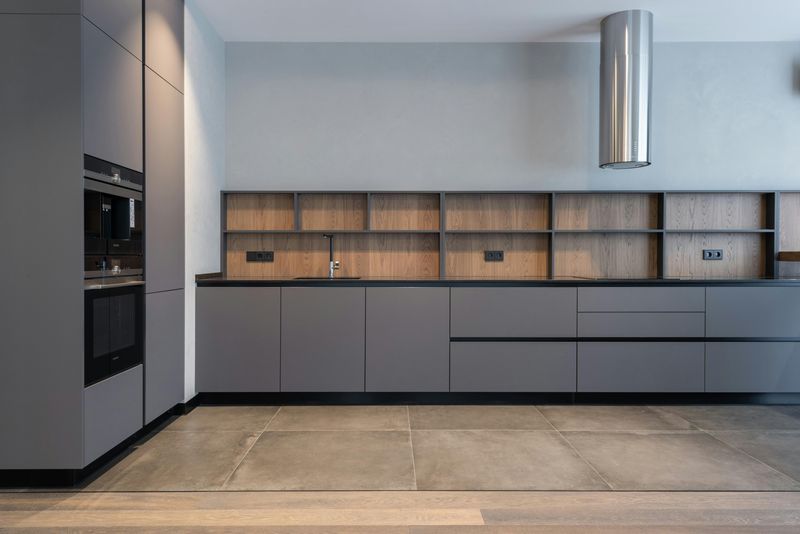
Lingering cooking smells signal poor ventilation right away and create an unpleasant first impression during home tours.
Without proper exhaust, moisture builds up and slowly damages cabinets, walls, ceilings, and surrounding surfaces over time.
Buyers often notice greasy residue near stoves or discoloration above cooking areas, which suggests long-term use without proper airflow.
Over time, trapped humidity can lead to peeling paint, warped materials, or mildew growth in hidden areas.
In Ohio homes, ventilation is especially important due to closed windows during long winter months when fresh air circulation is limited.
Poor airflow can make kitchens feel stuffy, heavy, and uncomfortable even during short showings.
Buyers may worry about lingering odors, smoke, and excess moisture affecting the rest of the home.
Ventilation problems also raise concerns about overall maintenance and air quality.
Proper ventilation helps protect both the home’s structure and the health of the people living in it.
A well-vented kitchen feels fresher, cleaner, and more enjoyable for everyday cooking.
12. Overly Bold Cabinet Colors
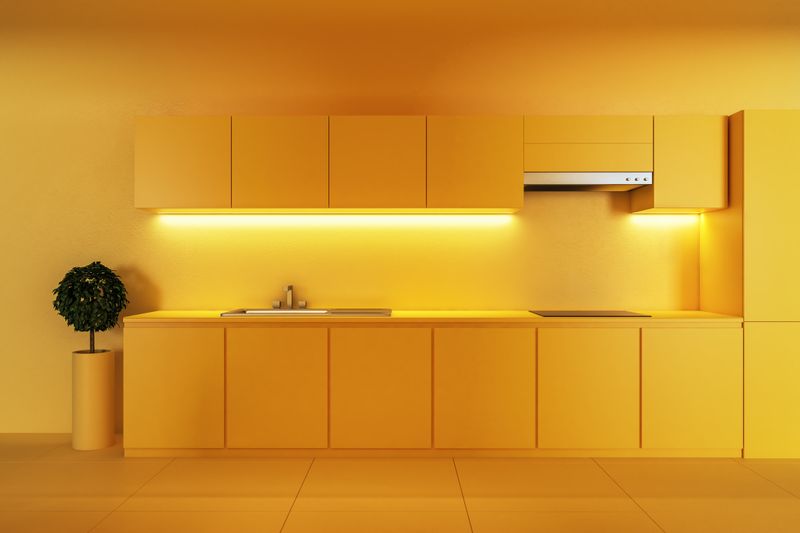
Bright red or electric blue cabinets may feel fun and expressive, but they significantly limit buyer appeal and reduce flexibility.
Many shoppers immediately think about the time, cost, and inconvenience of repainting or replacing cabinets after purchase.
Bold colors tend to dominate the room visually and can make even large kitchens feel smaller and more enclosed.
Buyers often feel distracted by strong color choices instead of focusing on the kitchen’s layout and functionality.
Highly saturated cabinets can clash with flooring, countertops, appliances, and lighting finishes throughout the space.
This lack of visual harmony makes the kitchen feel harder to adapt to different personal styles.
Neutral cabinetry gives buyers a clean slate that feels calm, modern, and easy to personalize.
Soft tones feel safer, more versatile, and better suited for long-term resale value.
13. Excessive Open Shelving

Open shelving looks beautiful in professionally styled photos but can be difficult to maintain in real, everyday living situations.
Buyers often imagine the constant effort required to keep dishes dust-free, organized, and perfectly arranged.
Everyday clutter becomes fully visible during showings, even when the kitchen is otherwise clean and well-maintained.
This exposure can make kitchens feel messy, chaotic, or smaller than they actually are.
Too much open shelving also reduces practical storage space for bulk items, appliances, and pantry goods.
Buyers worry about where they will store less attractive but necessary household items.
A balance of open and closed storage feels more realistic for daily use and long-term living.
Practical kitchens help buyers imagine comfortable routines rather than constant upkeep.
14. Fluorescent Lighting

Harsh fluorescent lighting feels cold, unwelcoming, and overly institutional in a space meant for gathering and cooking.
It drains warmth from the kitchen and creates an atmosphere that feels more like an office than a home.
Many buyers associate fluorescent lights with schools, hospitals, or commercial spaces rather than cozy residential kitchens.
The buzzing sound and occasional flicker can become distracting and irritating during home tours.
Fluorescent lighting also casts unflattering tones on food, skin, and surfaces throughout the room.
This harsh illumination can make even high-end finishes appear dull or dated.
Buyers want kitchens that feel warm, inviting, and comfortable to spend time in.
Lighting strongly influences emotional reactions and overall impressions during showings.