These Michigan Day Trips Are Perfect No Matter What Month You Visit
I have driven these roads in snowstorms and heat waves, and honestly? Both were worth it.
There is something quietly addictive about a state that refuses to be boring, a place that hands you a completely different experience depending on which direction you point the car. Most people think day trips are a warm-weather thing.
They are wrong. This state has perfected the art of being worth the drive in any season, any mood, any forecast.
History around one bend, a waterfall around the next, a tiny diner you will tell everyone about around the one after that. This state does not run out of reasons to explore.
So pick a direction, clear your Saturday, and get ready to discover why locals keep finding new reasons to fall in love with it all over again.
1. Frankenmuth
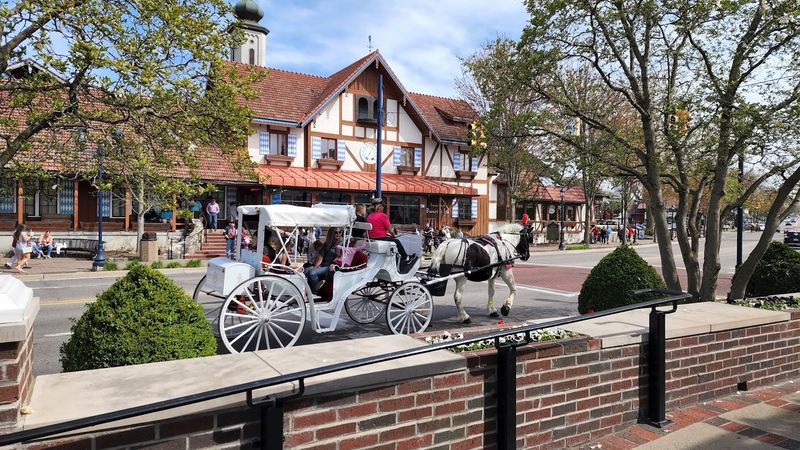
Forget everything you thought you knew about small-town day trips. Frankenmuth delivers a full-on Bavarian cultural experience that feels genuinely unlike anywhere else in the country.
The town is packed with ornate architecture, lively shops, and a warm atmosphere that does not fade when the seasons change.
Bronner’s Christmas Wonderland is open 361 days a year, which is still pretty mind-blowing. Step inside and you will find thousands of ornaments, glittering lights, and decorations stacked floor to ceiling.
It feels festive in August just as much as December.
Horse-drawn carriage rides roll through town in warmer months, and river boat tours offer a relaxing view of the Cass River. The food scene here is legendary too.
Expect generous portions of chicken dinners at family-style restaurants that have been feeding visitors for generations. Frankenmuth earns its reputation every single visit.
2. Henry Ford Museum Of American Innovation

History gets a lot more entertaining when giant machines and iconic inventions start showing up everywhere. Just 18 minutes from Detroit, the Henry Ford Museum of American Innovation spans a massive 250-acre campus packed with more than three centuries of American creativity.
The Driving America exhibit alone easily justifies the trip. Rows of antique automobiles stretch across the gallery, showing how transportation evolved across generations in surprisingly fascinating ways.
Beyond cars, the museum explores aviation, manufacturing, design, and everyday American life through authentic historical artifacts and immersive exhibits. Every section feels different, which keeps the experience engaging even during a long visit.
Greenfield Village sits right next door and works perfectly as an add-on experience for anyone with extra time. The campus is located at 20900 Oakwood Blvd in Dearborn, and rushing through everything in one afternoon is almost impossible.
3. Grand Rapids
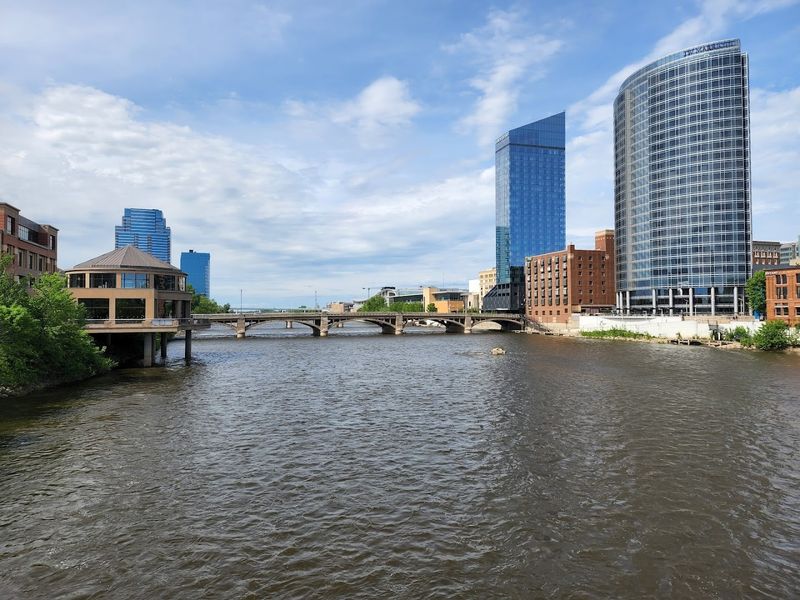
Art, nature, and history somehow all live peacefully in one city, and Grand Rapids pulls it off effortlessly. Frederik Meijer Gardens and Sculpture Park is the crown jewel here, featuring stunning botanical displays and large-scale outdoor sculptures spread across 158 acres.
It is spectacular in every season.
The Gerald R. Ford Presidential Museum sits right along the Grand River and offers a compelling look at the 38th presidency.
Admission is affordable, and the exhibits are engaging even if you are not a history buff. The riverside setting makes a nice backdrop for a post-museum stroll.
Downtown Grand Rapids buzzes with energy year-round. The World of Winter festival lights up the streets through early March with outdoor art installations and activities.
The Grand Rapids Public Museum is another excellent stop, covering local history and natural science with hands-on exhibits.
The city sits about 30 miles from Lake Michigan, so you can easily combine a Grand Rapids stop with a beach visit in warmer months. You will find the Frederik Meijer Gardens at 1000 East Beltline Ave NE.
Grand Rapids rewards curious visitors who take time to explore beyond the obvious highlights.
4. Port Huron
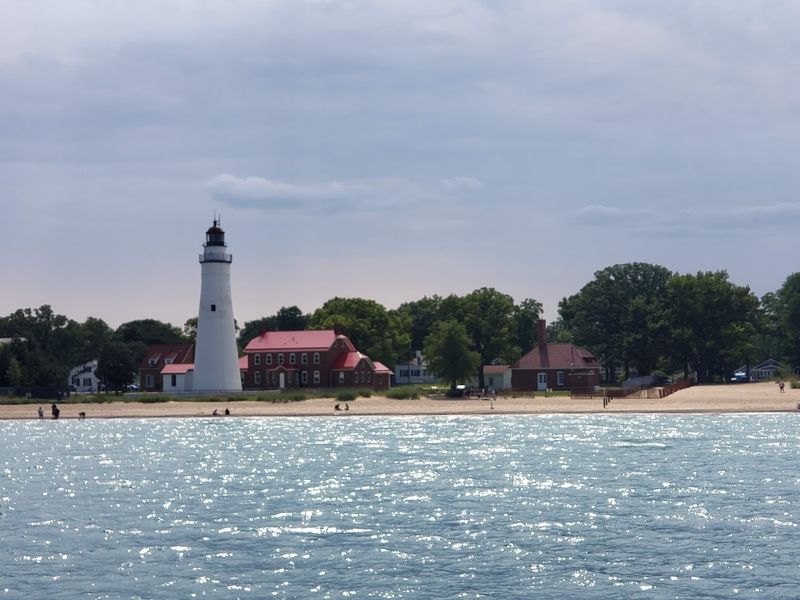
Waterfront towns hit differently when they have real history behind them. Port Huron sits at the southern tip of Lake Huron where it meets the St. Clair River, and the views are genuinely breathtaking at any time of year.
The maritime heritage here runs deep and feels authentic rather than manufactured.
The Fort Gratiot Lighthouse is the oldest lighthouse in the state, originally established in the early 1800s. Standing at its base while watching freighters pass through the river channel is a surprisingly moving experience.
You can photograph it beautifully from the shoreline at any season.
The Blue Water River Walk stretches along the St. Clair River and is ideal for walking or biking. In winter, it offers a peaceful, almost cinematic view of passing ships against a grey sky.
In summer, it turns into a lively waterfront scene with plenty of outdoor seating nearby.
Thomas Edison grew up in Port Huron, and the Blue Water Area is proud of that connection. The Edison Depot Museum at 510 Edison Pkwy tells his early story in a thoughtful and engaging way.
Port Huron is compact enough to explore fully in a single day, making it a genuinely satisfying trip.
5. Traverse City
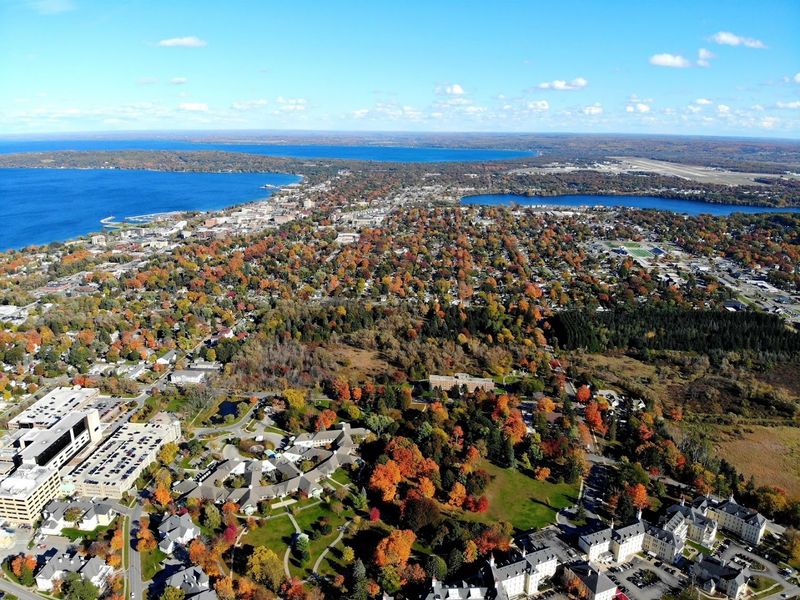
Few places manage to blend city charm with serious outdoor access, but Traverse City does it naturally.
Nestled along the shores of Grand Traverse Bay, this northern destination works beautifully as a basecamp for exploring the surrounding peninsula, lakes, and trails across all four seasons.
Downtown is compact and deeply walkable, lined with independent bookshops, coffee roasters, and locally-owned boutiques. The energy feels relaxed but alive, like a town that takes its quality of life seriously.
Even a slow morning stroll through the streets feels rewarding.
Outdoor options shift with the seasons but never disappear. Summer brings kayaking, paddleboarding, and beach days on the bay.
Fall turns the surrounding hills into a spectacular color display. Winter opens up cross-country ski trails and snowshoe routes that feel genuinely serene.
The National Cherry Festival in July is one of the most beloved events in the entire state, drawing visitors from across the country for parades, concerts, and cherry-themed everything. Traverse City is located about four hours north of Detroit, making it ideal for an overnight trip too.
The combination of scenery, culture, and outdoor access here is hard to beat anywhere in the Midwest.
6. Holland
Not many American cities can claim a 250-year-old working windmill as a landmark, but Holland is not most cities. Windmill Island is home to De Zwaan, a fully restored Dutch windmill that made the journey from the Netherlands to Michigan back in 1964.
It is one of only a handful of authentic working Dutch windmills in the entire country.
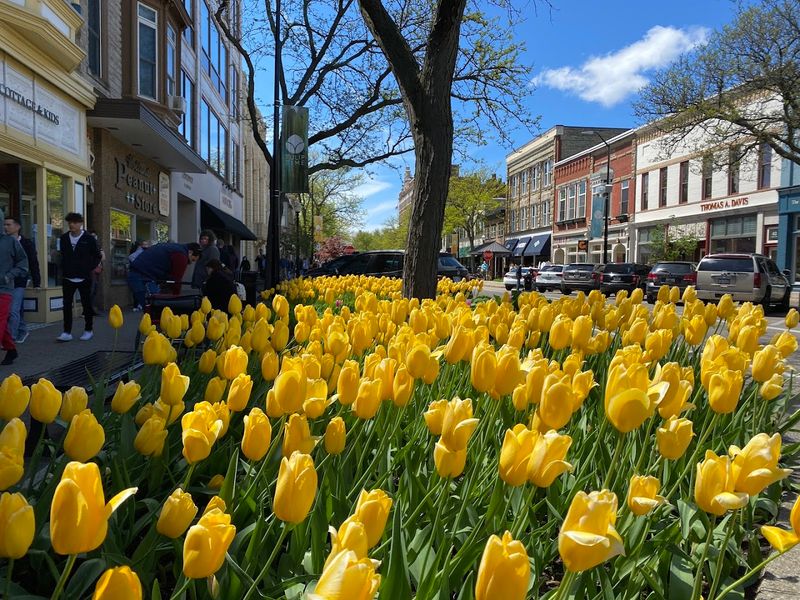
Spring is absolutely magical here when thousands of tulips bloom across Windmill Island Gardens. The Tulip Time Festival in May draws enormous crowds and fills the streets with Dutch costumes, street scrubbing ceremonies, and parades.
But the island stays charming well beyond tulip season.
Winter visits bring a quiet, picturesque quality to the grounds, with snow dusting the windmill blades against a pale sky. The historically-inspired shops on the island carry handmade goods, wooden shoes, and Dutch treats worth bringing home.
Holland’s downtown is also excellent for browsing independent shops and bakeries.
Lake Macatawa sits just south of downtown, offering scenic waterfront views year-round. Windmill Island is located at 1 Lincoln Ave in Holland.
7. Charlevoix
Forbes called it one of America’s prettiest towns, and honestly, the title is hard to argue with. Charlevoix has been drawing visitors since 1881, and the town wears its long history lightly, without feeling stiff or overly curated.
It just looks and feels genuinely beautiful no matter when you show up.
Bridge Street is the beating heart of the downtown experience. Boutiques, fudge shops, clothing stores, and specialty food sellers line the street with enough variety to fill a full afternoon of browsing.
The handcrafted jar goods made from foraged fruits are a particularly interesting find.
Round Lake Marina is the visual centerpiece of town. Watching boats drift in and out while sitting on a bench nearby is one of those simple pleasures that requires zero effort and delivers a lot of calm.
The marina area is equally pretty blanketed in winter snow.
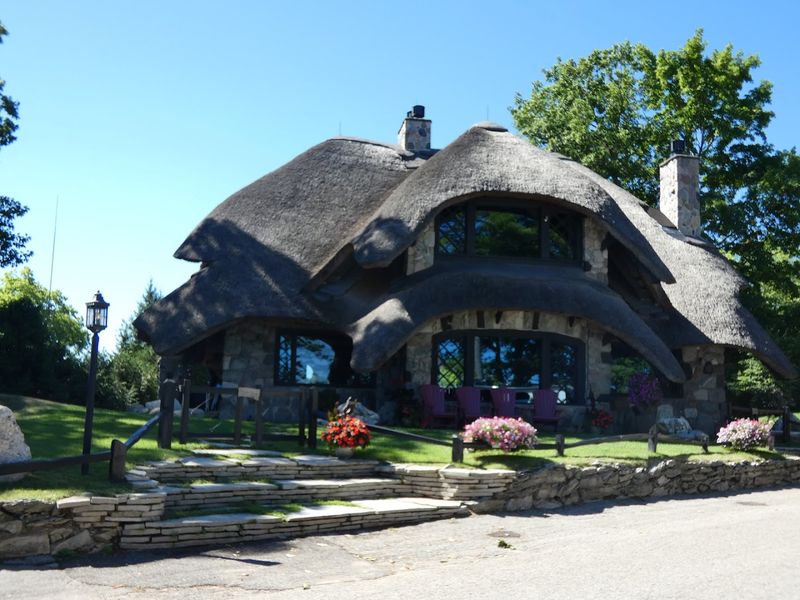
Charlevoix also sits close to Lake Michigan and Lake Charlevoix, giving water lovers plenty of shoreline to explore. The Mushroom Houses, quirky hobbit-like cottages built by local architect Earl Young, are scattered around town and worth tracking down on a self-guided walk.
Charlevoix is located along US-31 in northern Michigan and rewards slow, unhurried exploration every single time.
8. Sault Ste. Marie
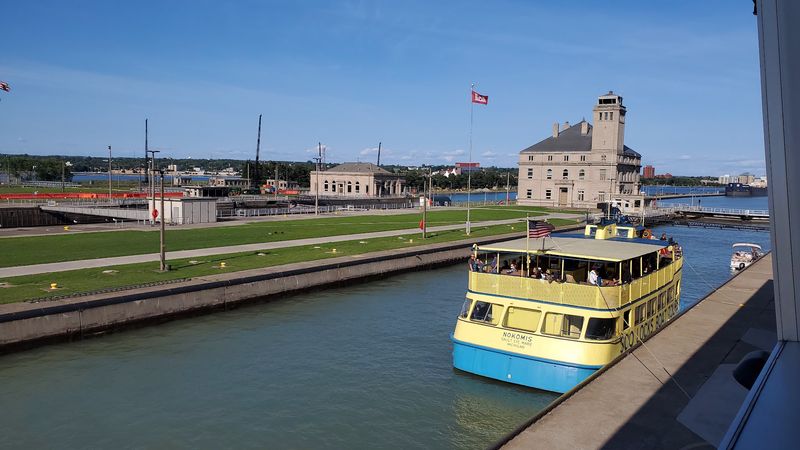
Standing next to a 1,000-foot freighter as it rises or drops through a lock is one of those experiences that makes you feel genuinely small in the best way. Sault Ste.
Marie is the oldest permanent European settlement in the state, and it carries that deep history with real pride and tangible attractions.
The Soo Locks Boat Tours run a two-hour experience that takes you right through the lock system. It is the busiest lock system in the world by cargo tonnage, and watching it operate up close is fascinating for all ages.
The tours typically run from May through mid-October.
The Museum Ship Valley Camp is a decommissioned freighter permanently moored in the St. Marys River. You can walk through the engine room, cargo holds, and crew quarters to get a vivid sense of what life on the Great Lakes looked like for working sailors.
It is surprisingly immersive.
The Tower of History offers panoramic views of the locks and surrounding waterways from 21 stories up. Sault Ste.
Marie sits at the northern tip of the Upper Peninsula along I-75. The combination of living industrial history and deep cultural roots makes this one of the most genuinely educational day trips the state has to offer.
9. Hartwick Pines State Park
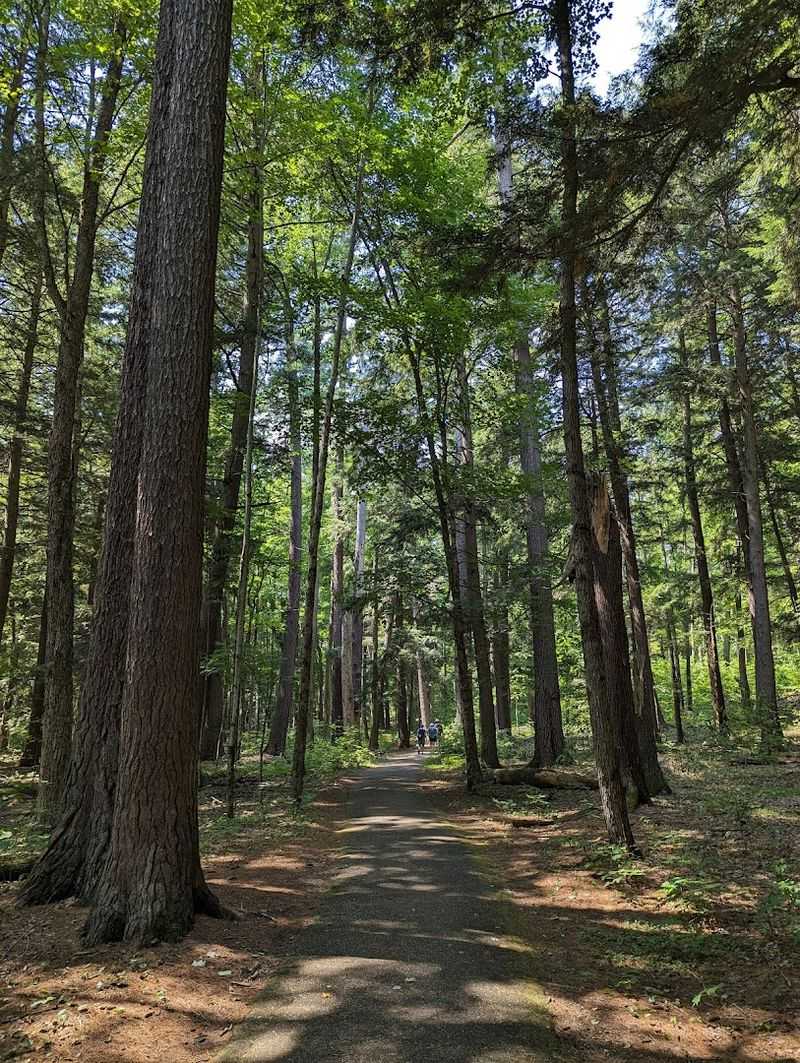
Walking among trees that were already ancient when America was founded is a humbling and quietly extraordinary experience.
Hartwick Pines State Park near Grayling holds the largest remaining stand of old-growth white pines in the Lower Peninsula, and stepping beneath that towering canopy feels like entering a different world entirely.
The old-growth loop trail winds through pines that reach up to 160 feet tall. Some of these trees are over 300 years old, which is genuinely staggering to think about while standing at their base.
The forest floor is soft, fragrant, and remarkably peaceful even on busy weekends.
Year-round activities make this park a true all-season destination. Summer brings hiking, paddling, and birding.
Fall wraps the park in warm amber light that photographers chase from miles away. Winter opens up excellent cross-country ski and snowshoe trails through the quiet forest.
The on-site Logging Museum brings the 19th-century lumber era to life with historic buildings and equipment that tell the story of how this land was once harvested. Hartwick Pines is located at 3612 State Park Dr, Grayling, MI 49738.
Admission requires a Recreation Passport, and the experience is absolutely worth every penny of that small investment in the outdoors.
10. Petoskey
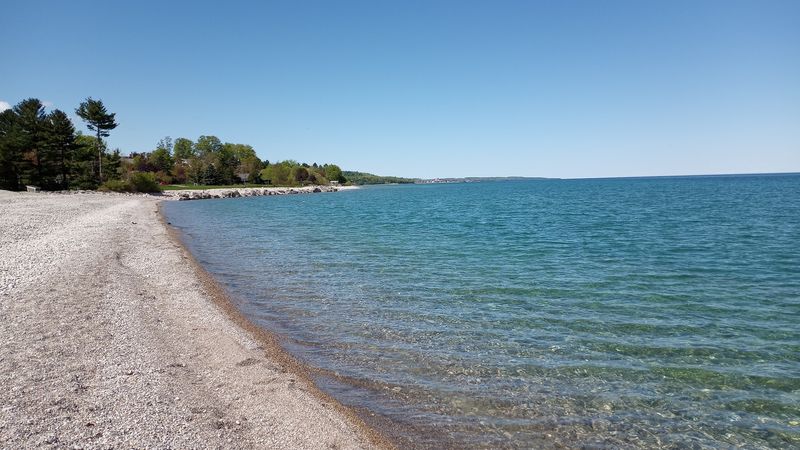
There is a particular joy in finding something beautiful hiding in plain sight, and Petoskey has that feeling built right into its shoreline.
This northern town sits along Little Traverse Bay and blends outdoor adventure with genuine small-town character in a way that feels completely unforced and thoroughly enjoyable.
Hunting for Petoskey Stones on the beach is one of those activities that sounds simple but becomes quietly addictive. These fossilized coral stones are the official state stone, and finding a good one feels like a legitimate victory.
The beaches near Magnus Park are a reliable spot to start searching.
The Gaslight District downtown is a well-preserved stretch of Victorian-era architecture filled with galleries, independent shops, and inviting cafes. Biking the Little Traverse Wheelway trail offers miles of scenic pathway along the bay and through surrounding neighborhoods.
It is accessible and enjoyable for all fitness levels.
Farms and orchards dot the surrounding countryside and welcome visitors throughout the growing season. The town is located along US-31 in Emmet County, roughly 55 miles south of the Mackinac Bridge.
Petoskey is the kind of place that rewards slow exploration, where the best discoveries tend to come when you are not rushing toward anything specific.
11. Leelanau Peninsula
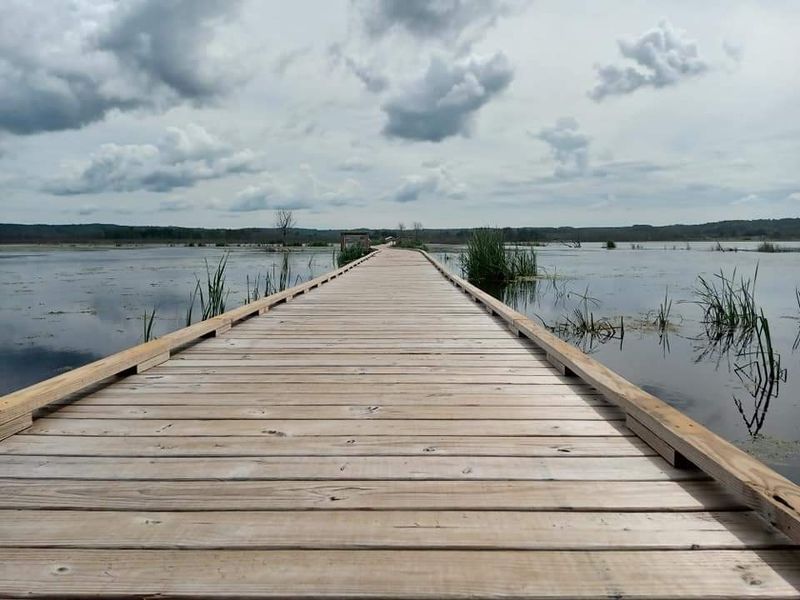
Some roads are worth driving just for the sake of driving them. M22 through the Leelanau Peninsula is one of those roads, winding past cherry orchards, farm stands, and sudden breathtaking views of Lake Michigan that appear around corners without warning.
The drive alone justifies the trip before you even stop anywhere.
Historic Fishtown in Leland is a compact cluster of weathered fishing shanties along the Leland River that have been converted into shops and galleries. It is one of the most photographed spots in northern Michigan, and it earns every shot.
The charm is completely genuine.
The peninsula is home to dozens of family farms and artisan producers, many of whom open their doors to visitors throughout the season. The cool lake climate shapes everything that grows here, and that comes through in every local product you take home.
Lighthouses punctuate the shoreline at multiple points, and several are accessible on foot for close-up views. Beach towns like Empire, Glen Arbor, Northport, and Suttons Bay each carry their own distinct personality worth exploring slowly.
The peninsula stretches northwest of Traverse City and is best explored with a full tank of gas and absolutely no fixed itinerary whatsoever.