These 10 Minnesota State Parks Are So Stunning They Feel Like A Dream
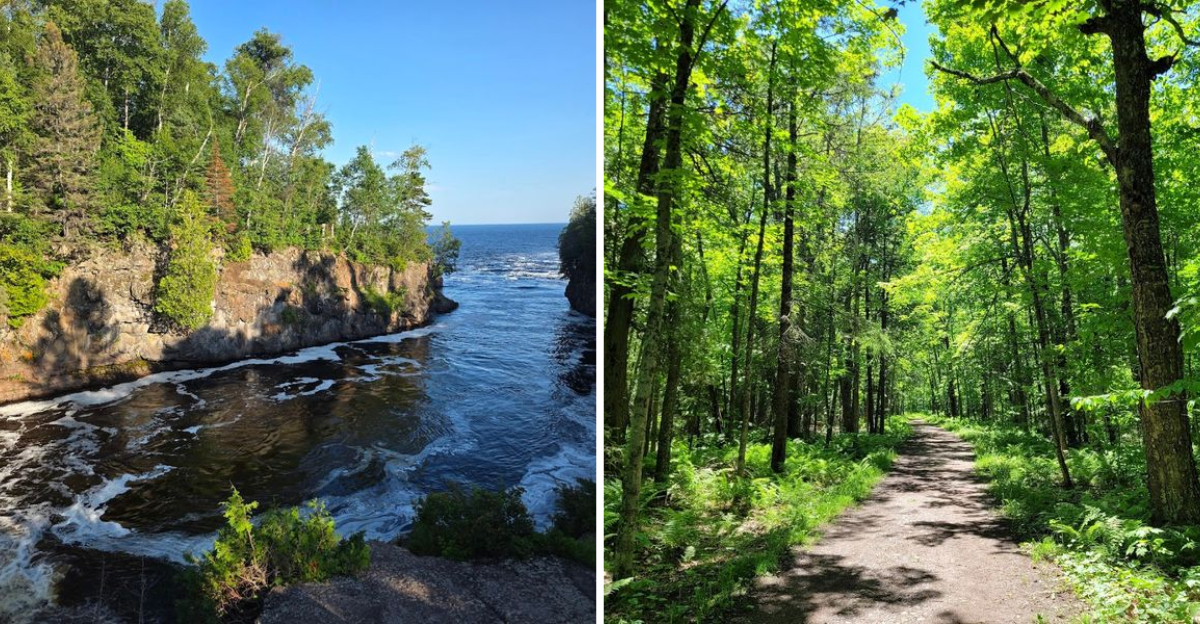
These parks barely feel like the Midwest. You get cliffs, forests, and open prairie.
Some have waterfalls over dark rock. Others hold a lighthouse by cold water. Minnesota packs in more than people expect.
Bison still roam one quiet meadow. I keep a running list of favorites. Glaciers and rivers shaped all of it.
All of these parks feel almost unreal. They are more than green dots on a map. Pack your layers and good boots. The rest takes care of itself. Most sit a short drive apart.
You can hit a few on a weekend. Some stay busy, others empty. Go see them this season.
1. Gooseberry Falls State Park, Two Harbors
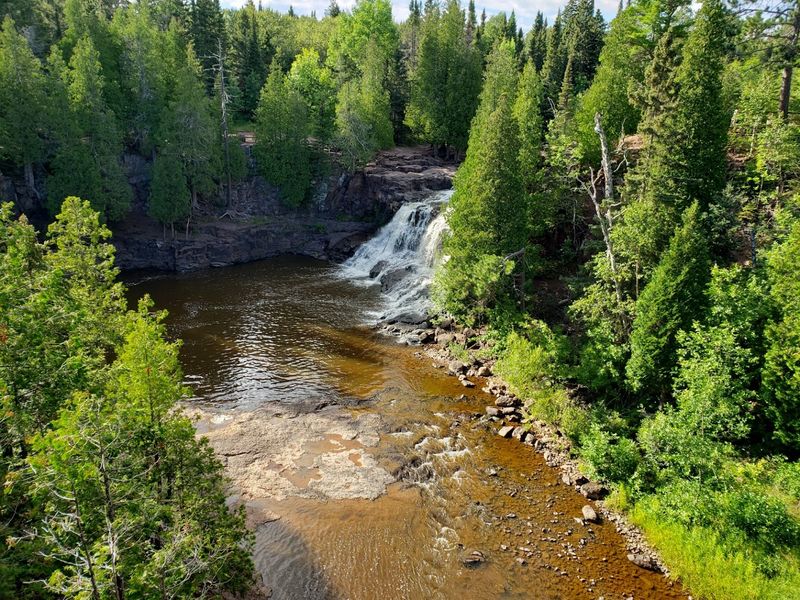
Some waterfalls make you stop mid-step and just stare. Gooseberry Falls does exactly that, and it does it five times over.
The Gooseberry River drops through a series of falls before emptying into Lake Superior, creating a scene that feels almost theatrical.
The dark basalt rock contrasts sharply with the white rushing water. In autumn, the surrounding forest turns amber and rust, making every photograph look almost too good to be real.
Hiking here does not require expert skills, and the well-maintained paths suit most fitness levels.
Wildlife is active throughout the seasons. White-tailed deer move through the birch and spruce trees in early morning. In spring, the snowmelt swells the river into something powerful and loud.
The park sits along the North Shore of Lake Superior, and the lake itself is visible from several overlooks. Cold winds roll off the water even in July, so a light jacket is always a smart idea.
You can find the park at 3206 MN-61 in Two Harbors, tucked right along the shoreline drive. The visitor center has maps, exhibits, and friendly rangers who know every corner of the grounds.
2. Tettegouche State Park, Silver Bay
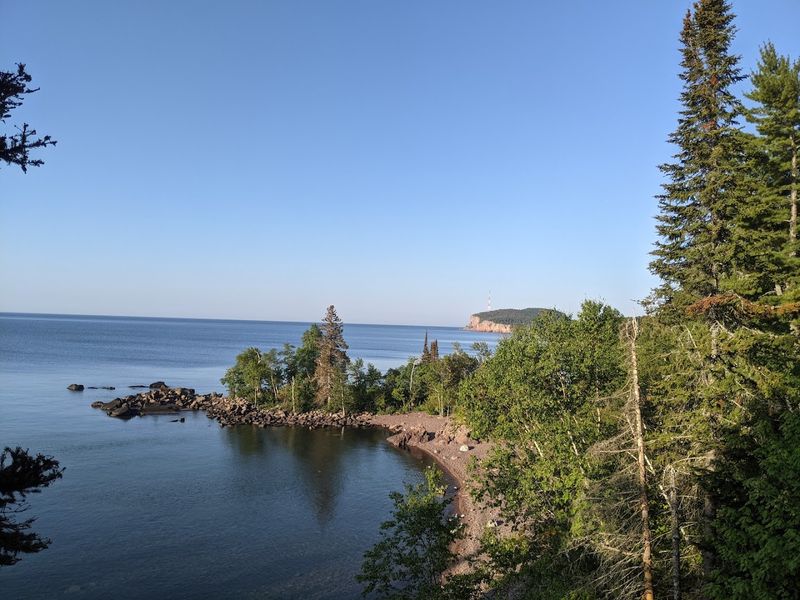
What if a single park held a dozen different days out?
Tettegouche State Park comes close to delivering exactly that. It packs inland lakes, waterfalls, rugged ridgelines, and Lake Superior shoreline into one connected landscape.
The park covers over 9,000 acres of the North Shore highlands. Four inland lakes sit quietly among the hills, each one accessible by trail.
Baptism River runs through the heart of the park and drops over High Falls, the tallest waterfall entirely within Minnesota at 70 feet.
Rocky overlooks reward hikers who push past the easier loops. The Shovel Point trail is especially striking, leading to a volcanic rock headland jutting into Lake Superior.
Waves crash below with real force, and the views stretch far in both directions along the shoreline.
Wildlife sightings here include moose, black bear, and osprey. The park’s remote feel is genuine, even though it is not far from the highway.
Tettegouche Camp, a cluster of historic cabins, can be rented for overnight stays deep in the woods.
The park entrance sits at 5702 MN-61 in Silver Bay, easy to find along the North Shore corridor. Each season changes the character of this park completely, which is exactly why so many people return year after year without hesitation.
3. Split Rock Lighthouse State Park, Two Harbors
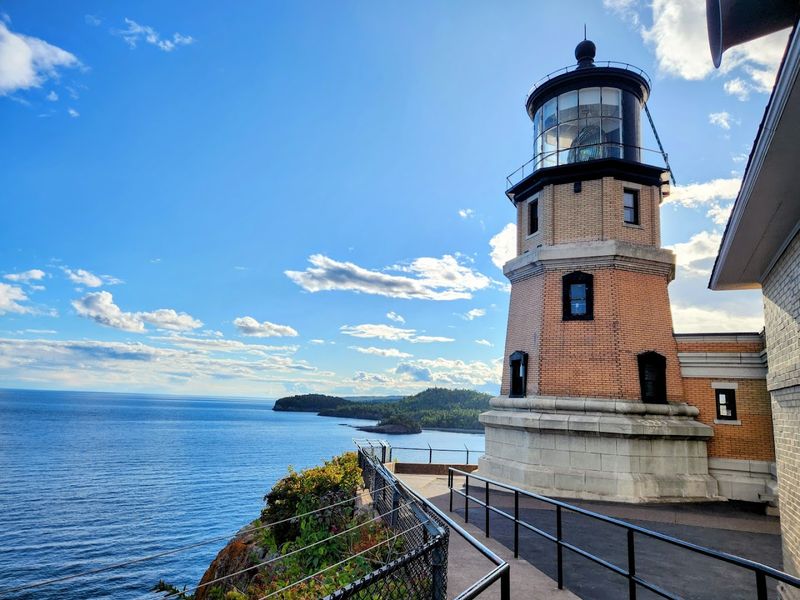
Forget crowded resorts. Here, the best amenity is a century-old lighthouse standing on a 130-foot cliff above the largest freshwater lake in the world.
Split Rock Lighthouse State Park is one of those rare places where history and nature meet without competing.
The lighthouse itself was built in 1910 after a fierce November storm wrecked dozens of ships on Lake Superior. It guided vessels safely for decades before becoming a beloved landmark.
Today, the surrounding park draws hikers, photographers, and anyone who appreciates dramatic scenery without the crowds.
Pebble beaches line the shoreline below the cliffs. The sound of waves against the rocks is constant and calming. On clear days, the lake stretches so far it blurs into the sky at the horizon.
Trails wind through mixed forest and along the cliff edges, offering views that reward every step. The park is open year-round, and winter visits bring a stark, frozen beauty that summer cannot replicate.
You can reach the park at 3713 Split Rock Lighthouse Road in Two Harbors, right along Highway 61. Camping here means falling asleep to the sound of Superior’s waves just below.
The combination of cultural history and raw natural scenery makes this one of Minnesota’s most photographed and revisited outdoor experiences.
4. Itasca State Park, Park Rapids
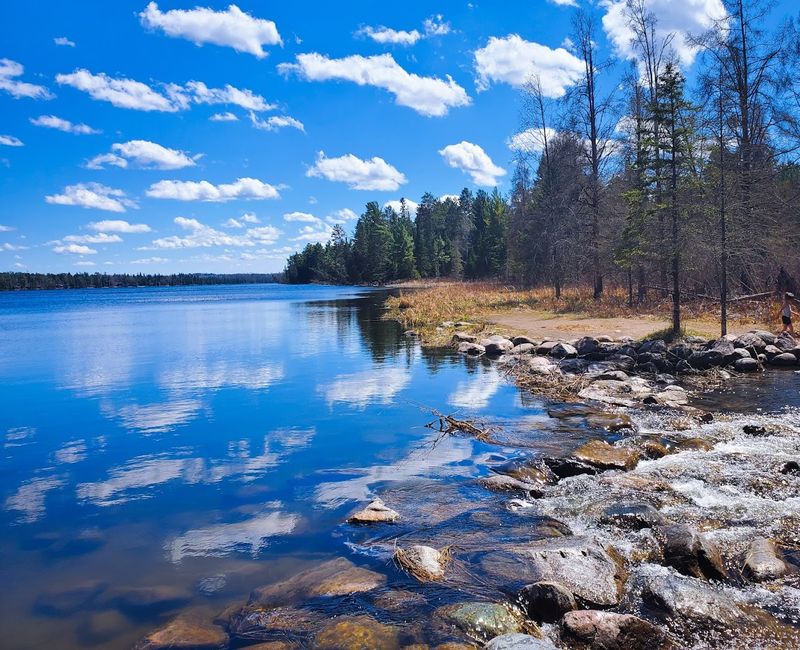
There is a specific peace in land set aside on purpose, and Itasca State Park has been protected since 1891.
It is Minnesota’s oldest state park, and it holds one of the most famous geographical features in North America: the headwaters of the Mississippi River.
Standing at the source of the Mississippi feels surreal. The river begins here as a shallow stream, narrow enough to wade across on stepping stones.
It is hard to connect this quiet trickle with the enormous river that eventually reaches the Gulf of Mexico.
Beyond the headwaters, the park spreads across 32,000 acres of forest, lakes, and wetlands. Ancient pines tower over the roads and trails, some of them over 300 years old.
Wilderness Drive, a scenic road through the park, passes through dense old-growth forest that feels untouched.
Deer, loons, and bald eagles are commonly spotted throughout the year. The park also has a beach on Lake Itasca, a rare treat for a state park this far north. Cyclists love the paved trails, and paddlers can explore the connected lakes by canoe.
The main entrance is at 36750 Main Park Drive in Park Rapids, easy to access from several directions. Itasca rewards slow travelers, the kind who stop often and wander without a strict agenda.
5. Temperance River State Park, Schroeder
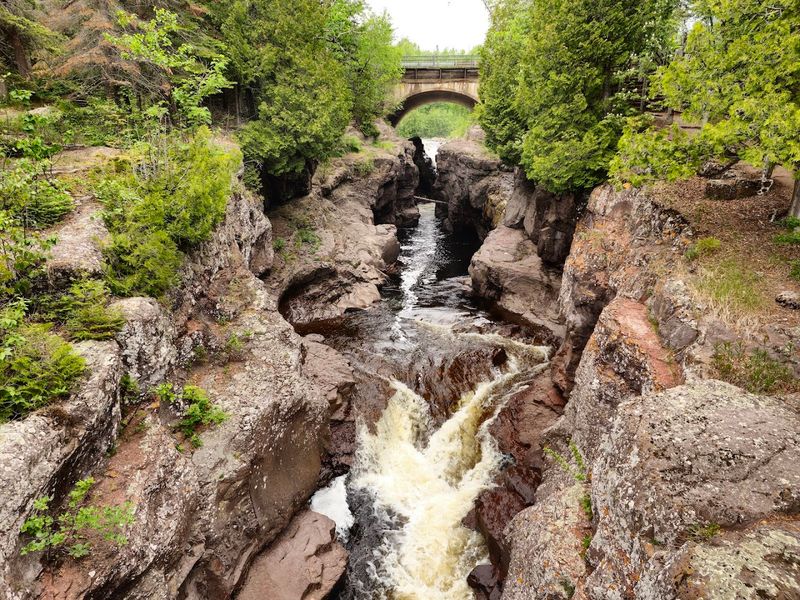
You do not need fancy gear, just a free morning and curiosity. The Temperance River will do the rest.
This compact but striking park along the North Shore is built around a river that carved its way through volcanic rock over thousands of years.
The gorge here is unusually narrow and deep. The river squeezes through slots in the basalt, creating churning pools called cauldrons.
Hikers can follow the river upstream on both banks, crossing bridges and peering down into the carved rock below.
The forest above the gorge is dense with cedar and birch. It stays cool here even in summer, partly because of the shade and partly because of the cold mist rising from the water.
The river empties into Lake Superior at a wide, pebbly delta that is perfect for skipping stones.
The park is smaller than some of its neighbors, but it packs in serious scenery for its size. Backpackers use it as a stop along the Superior Hiking Trail, which passes through the park.
The atmosphere here is intimate rather than grand. You can find the park at 7620 MN-61 in Schroeder, right where the river meets the highway.
Spending a quiet morning here, with just the sound of moving water and birdsong, is something that resets the mind.
6. Interstate State Park, Taylors Falls
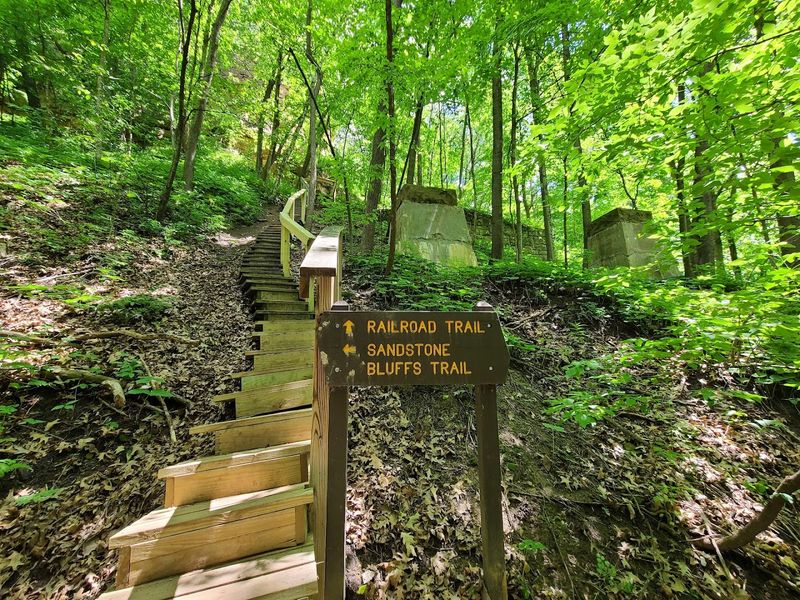
It turns out that the simplest outings make the longest memories.
A morning at Interstate State Park proves that without any fuss. Straddling the Minnesota-Wisconsin border along the St. Croix River, this park offers geology that stops people in their tracks.
The potholes here are world-class, literally. Glacial meltwater drilled these circular holes into the basalt thousands of years ago.
Some are small enough to step over, while others are deep enough to swallow a car. The Pothole Trail takes visitors past dozens of them in a short loop.
The St. Croix River runs along the park’s eastern edge, wide and calm compared to the churning rivers of the North Shore. Canoeists and kayakers launch from here regularly, drifting through a federally protected wild river corridor.
Bald eagles nest in the tall trees along the banks.
The rock walls above the river create natural overlooks that reward the short climb up. Wildflowers push through cracks in the basalt in spring, adding unexpected color to the grey stone.
The park also has a small beach along the river for those who prefer flat ground. You can reach the park at 307 Milltown Road in Taylors Falls, close to the historic downtown area.
This park works beautifully as a half-day outing that somehow stretches into a full afternoon without effort.
7. Jay Cooke State Park, Duluth
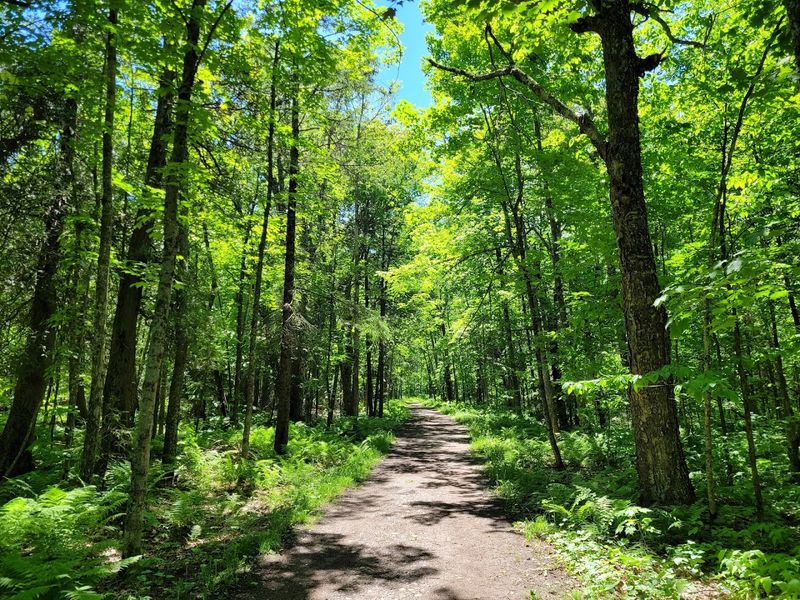
Have you ever planned an hour and stayed until dusk?
Jay Cooke State Park is the kind of place that makes that happen without warning. The swinging bridge over the St. Louis River is often the first thing visitors notice, and it sets the tone immediately.
Below the bridge, the river rushes over tilted slabs of slate in a chaotic, beautiful display. The rock formations here are unlike anything else in Minnesota.
Ancient geological forces pushed the slate at sharp angles, creating a riverbed that looks almost engineered.
The park suffered significant flood damage in 2012, but recovery efforts have restored most of the trail network.
The regrowth has actually added a new layer of interest for hikers. Young birch and aspen now fill gaps where old trees once stood, giving the forest a layered, evolving quality.
Wildlife is abundant throughout the year. River otters, great blue herons, and mink have all been spotted along the St. Louis River corridor.
The park’s location near Duluth makes it an easy escape from the city without requiring much driving.
You can find it at 780 MN-210 in Carlton, just a short drive from Interstate 35. The combination of dramatic geology, recovering forest, and active wildlife makes this one of the most layered and rewarding parks in the state.
8. Cascade River State Park, Lutsen
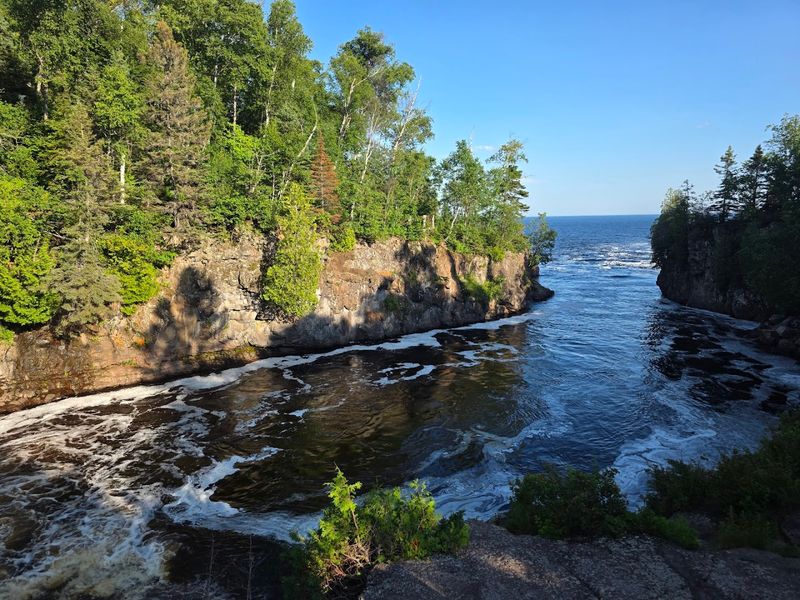
Some parks are passed through. This one asks you to slow down and follow the water.
Cascade River State Park is named for the series of falls that tumble down a narrow gorge before reaching Lake Superior, and the name earns its meaning quickly.
The river drops nearly 900 feet over just three miles before emptying into the lake. That steep descent creates a nearly continuous sequence of falls, chutes, and cascades.
The hiking trails run alongside most of it, keeping the sound of rushing water constant in your ears.
The forest here is classic North Shore boreal, dense with balsam fir, white spruce, and paper birch. Mossy rocks line the riverbanks, and the air carries a cool, clean dampness even on warm days.
In late September, the foliage along the gorge turns vivid shades of orange and yellow.
The park connects to the Superior Hiking Trail, making it a natural stop for long-distance hikers working their way up the shore.
Primitive campsites sit above the gorge, offering a peaceful overnight option away from the main campground. Fishing for brook trout is popular in the upper stretches of the river.
The park entrance is at 3481 W Highway 61 in Lutsen, easy to spot from the main North Shore highway. Every loop here ends with a view worth repeating.
9. Minneopa State Park, Mankato
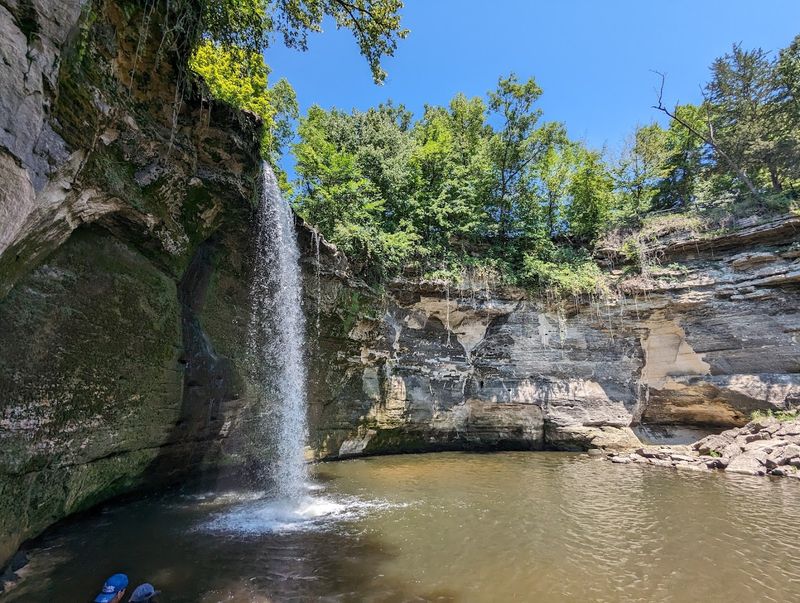
Not every great park sits on a dramatic coastline.
Minneopa State Park proves that southern Minnesota has its own brand of natural beauty, quieter and greener, but no less worth your time. The park is actually two distinct areas connected by a short drive.
The eastern section holds Minneopa Falls, a two-tiered waterfall that drops over limestone ledges into a shaded glen.
The falls are surrounded by dense hardwood forest, and the viewing paths are short and accessible for most ages. It is a peaceful, almost secret-feeling corner of the park.
The western section is something else entirely. A bison herd roams a fenced prairie area, and watching these large animals graze across open grassland is moving.
The herd has grown steadily over the years as part of a broader conservation effort.
Birdwatchers find both sections rewarding. The prairie attracts grassland species like bobolinks and meadowlarks, while the forested falls area draws warblers and woodpeckers.
The contrast between the two halves of this park is part of what makes it so memorable.
You can find the park at 54497 Gadwall Road in Mankato, accessible from Highway 68 west of the city. Minneopa works well as a full-day outing where you can shift between two completely different landscapes without ever leaving the park boundaries.
10. Blue Mounds State Park, Luverne
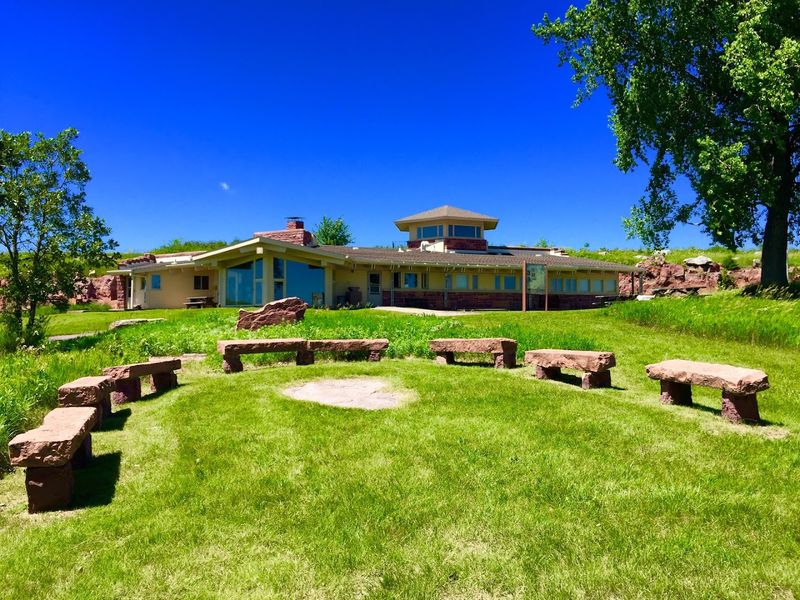
One loop around the grounds resets what counts as rest, and Blue Mounds State Park delivers that reset in a way that feels completely unexpected for Minnesota.
This park sits in the southwest corner of the state, far from the North Shore crowds, and it operates on a different scale entirely.
A massive Sioux quartzite cliff runs for more than a mile across the landscape. The rock glows pink and red in the afternoon sun, especially in late summer when the surrounding prairie is still green.
This geological feature is unlike anything else in the state.
The prairie itself is one of the park’s most underappreciated features. Native wildflowers bloom in waves from May through September, drawing pollinators and photographers alike.
A small bison herd roams the northern section of the park, visible from several overlooks along the cliff.
The park also contains a mysterious alignment of stones that lines up precisely with the sunrise on the spring and fall equinoxes.
No one knows who arranged them or when, which adds a quiet intrigue to the landscape. The swimming lake is popular in summer, and the campground sits beneath scattered oaks near the water.
The park is at 1410 161st Street in Luverne, in the far southwestern corner of Minnesota. Blue Mounds is the kind of discovery that makes you question why you waited so long to explore this part of the state.