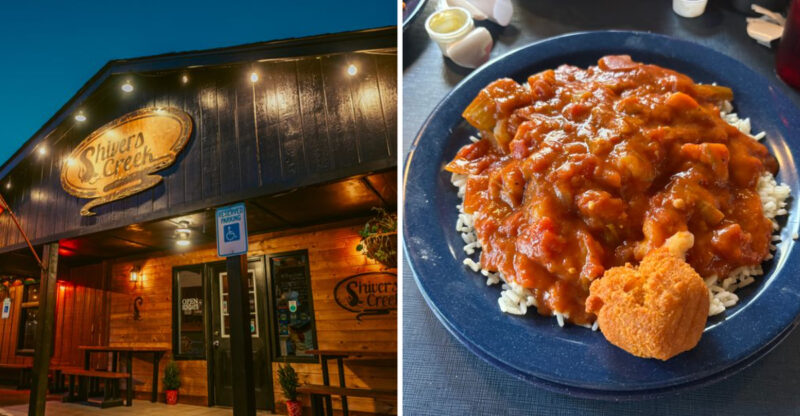
These Mississippi Delta Towns Still Keep The Juke Joint Tradition Alive
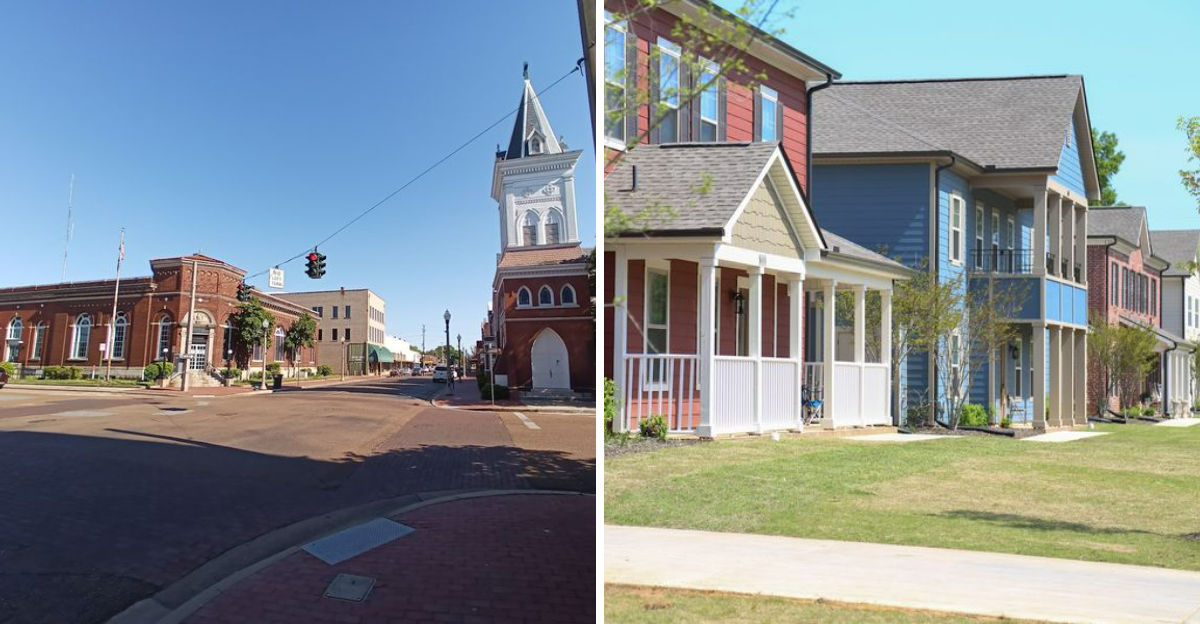
Nobody warned me the floor would be sticky, the speakers blown, and the room packed wall to wall with strangers who all somehow knew each other. Nobody warned me I would never want to leave.
That is the Mississippi Delta doing what it has always done. This flat, unassuming state has a way of pulling you in through the least glamorous door possible and showing you something unforgettable.
The juke joint was born here, in roadside shacks and converted shotgun houses, where sharecroppers needed somewhere to breathe after a brutal week in the fields. State officials never funded it.
Nobody marketed it. It just survived, on Saturday nights and a bassline that hits you somewhere below the ribs.
A few Delta towns are still keeping that tradition alive, and they are doing it without apology.
1. Clarksdale
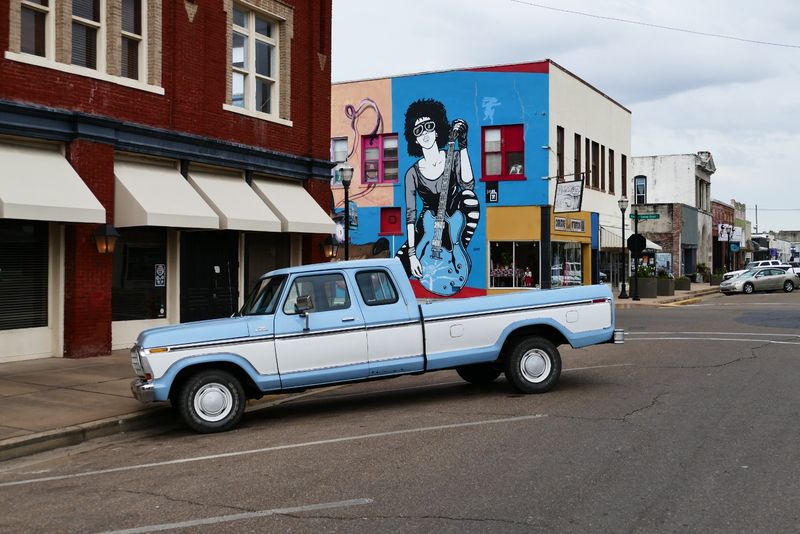
Few towns carry the blues in their bones the way Clarksdale does. Ground Zero Blues Club and Red’s Lounge both operate here, and together they represent two very different expressions of the same truth.
One leans slightly more polished, the other stays stripped down to its core, but neither feels manufactured.
Red’s Lounge is the one that stops people cold. It is a cinderblock room strung with Christmas lights, no frills, no polish, just live blues that cuts straight through you.
Nothing about it has been staged for an audience, and that is exactly why it works. You are not watching a performance.
You are stepping into something that was already happening before you arrived.
Ground Zero offers a slightly wider stage, but the spirit stays honest. Clarksdale hosts the annual Juke Joint Festival, drawing over 100 blues acts across town every April.
That event is a celebration, but the music itself carries on well beyond it, showing up week after week in rooms that never needed a spotlight.
The crossroads mythology attached to this town is well-earned. The Delta Blues Museum sits here too, giving context to everything happening around it.
But museums tell you what happened. Red’s shows you what is still happening.
That distinction matters more than any exhibit ever could. Clarksdale sits at the intersection of US-61 and US-49, right in the heart of Coahoma County.
2. Greenville
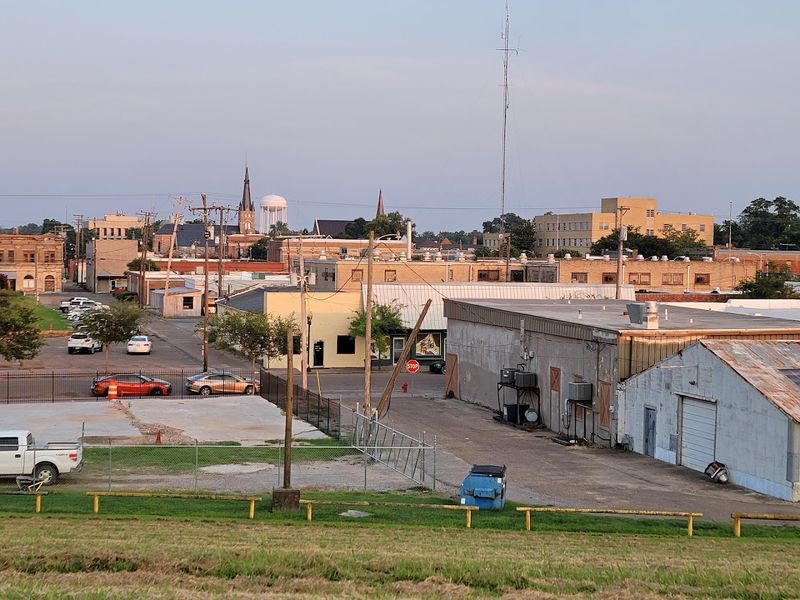
Greenville is the largest city in the Delta, and that size gives it room to hide things worth finding. The juke joint culture here does not advertise itself.
Greenville’s blues culture has long existed beyond its best-known streets, especially around Nelson Street, where history and everyday life still overlap in quiet but meaningful ways.
Weekend nights tend to pull locals into neighborhood spots that have operated on reputation alone for years. Word of mouth still carries more weight than anything written online.
If you know someone, you find your way in. If you do not, it is easy to miss what is happening just a block away.
That low visibility is part of the point. These spaces were built for the community first, not for passing curiosity.
The music inside reflects that priority. It is direct, unfiltered, and shaped by the people in the room rather than by expectations from outside it.
Washington Avenue and Nelson Street form the cultural spine of the city, and the surrounding neighborhoods continue to carry that energy after dark. Greenville proves that authentic culture does not need a spotlight to exist.
Sometimes the most meaningful experiences happen in places that never tried to be found, but leave a lasting impression when they are.
3. Leland
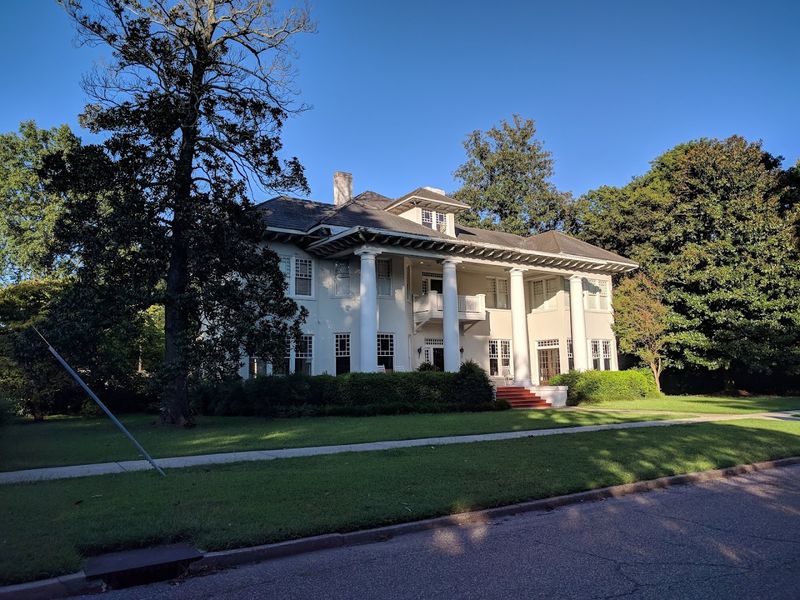
Leland carries a surprising footnote in American pop culture. Jim Henson grew up here, and the town still celebrates that connection.
That fact delights most visitors, but the town’s deeper identity runs through its blues roots and its unbroken Saturday night tradition.
Washington County has always been fertile ground for Delta music culture. Leland sits right in that current.
The local music culture here has never fully faded or shifted toward tourism.
Small towns like this one sustain tradition through consistency. The same families have been gathering on Saturday nights for three and four generations.
The music connects those generations in a way that nothing else quite replicates.
Highway 61 runs nearby, threading through the Delta’s musical geography like a spine. Leland sits just off that corridor, close enough to feel the pulse but far enough to stay itself.
The town is located in Washington County, roughly 10 miles east of Greenville. If you are road-tripping through the area, Leland rewards a slow drive through its neighborhoods after dark.
The sounds coming from those small buildings tell you everything you need to know about why this tradition refuses to fade.
4. Indianola
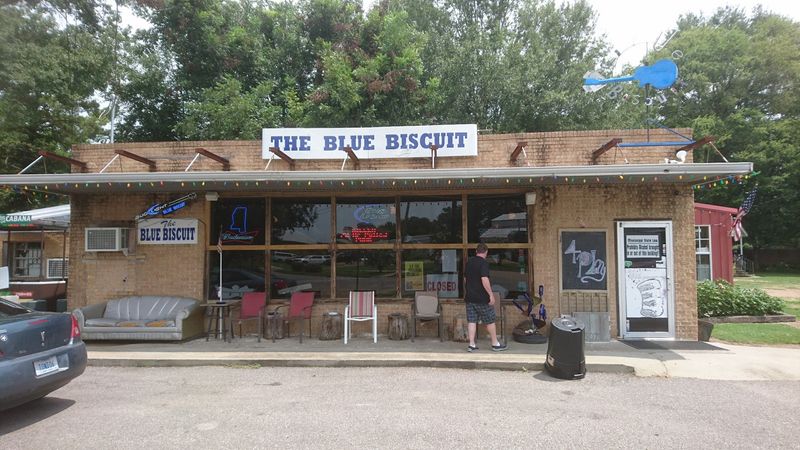
Indianola is closely tied to B.B. King’s legacy, and Indianola has never let anyone forget it.
The B.B. King Museum and Delta Interpretive Center sits on Second Street, doing a thorough job of honoring his legacy with exhibits and artifacts.
But the living version of that legacy still shows up in different parts of town on weekends. The juke joints here are not museum pieces.
They are active community spaces where the tradition B.B. King grew up around is still the main event.
Sunflower County has a deep musical history, and Indianola anchors it. The town is small enough that everyone knows which spots come alive on weekends.
There is a shorthand here that belongs entirely to the people who live it.
The museum is worth your time during daylight hours. The neighborhood gatherings are worth your time after dark.
Both tell the same story from different angles. Indianola sits along US-82 in the heart of the Delta flatlands.
The contrast between the polished museum and the raw Saturday night energy around town is not a contradiction. It is actually the most honest portrait of how blues culture works.
It lives in both places at once, and neither version cancels the other out.
5. Bentonia
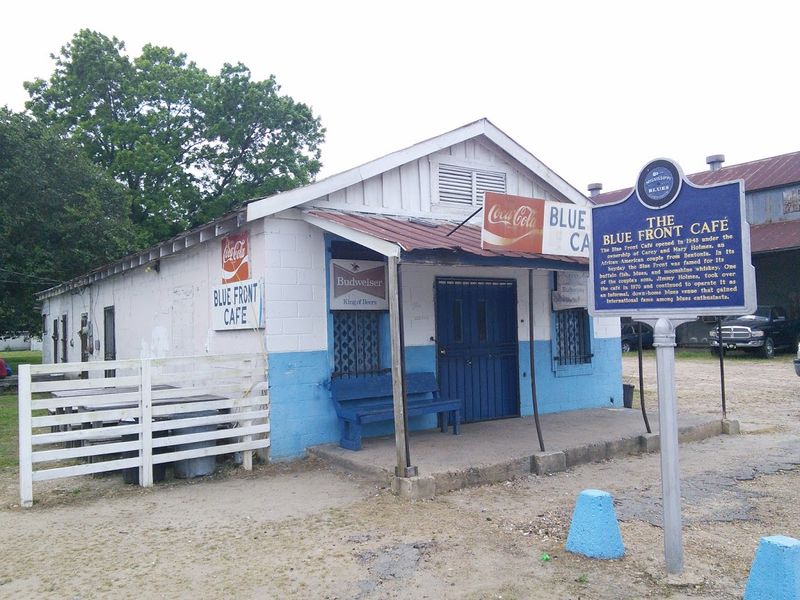
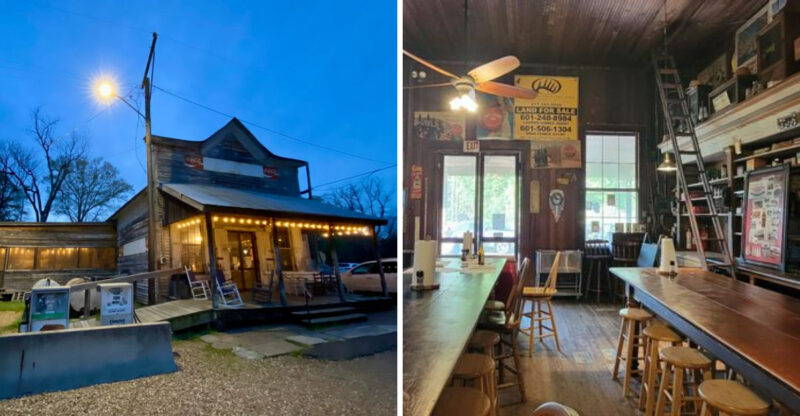
The Blue Front Cafe does not look like a legend from the outside. It is a small, weathered building on a quiet road in Yazoo County, and that modesty is exactly the point.
Established in 1948, it holds the distinction of being the oldest continuously operating juke joint in the state. That is not a marketing claim.
That is a documented fact, and it lands with weight when you are standing inside it.
Jimmy “Duck” Holmes has kept the Blue Front alive with a dedication that goes beyond business. He is a practitioner of the Bentonia blues style, a haunting, minor-key approach that sounds unlike anything else in the Delta tradition.
His commitment to the cafe is inseparable from his commitment to the music.
The Bentonia Blues Festival happens here annually, drawing musicians and listeners who understand what they are coming to witness. But the Saturday night tradition runs year-round, no festival required.
The Blue Front Cafe is located at 116 East Railroad Avenue in Bentonia, Mississippi. Walking through that door, you feel the weight of 70-plus years of uninterrupted community gathering.
Very few places in America can make that claim with a straight face.
6. Greenwood
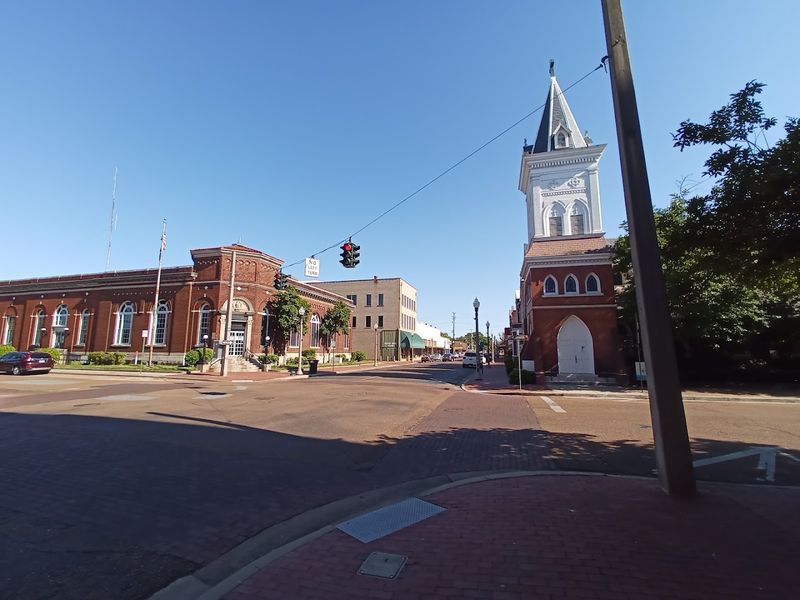
Three rivers meet at Greenwood. The Tallahatchie, the Yalobusha, and the Yazoo converge right here in Leflore County, and that geography has always made the town feel like a crossroads in more ways than one.
The Saturday night culture in Greenwood runs through its neighborhoods with quiet consistency. The juke joint here functions as a community institution, not a tourist stop.
That distinction shapes everything about the experience inside.
Greenwood has a complicated and significant history. The civil rights movement left deep marks on this town.
The community culture that grew from that history is layered, resilient, and deeply rooted in collective identity.
The juke joint tradition here carries all of that weight. Music in this context is not entertainment alone.
It is continuity. It is the Saturday night answer to everything the week threw at you.
Howard Street and the surrounding neighborhoods pulse with that energy after sundown. Greenwood is located along US-82 in the central Delta, roughly 45 miles east of Indianola.
The food scene here is also remarkable, with Lusco’s on Carrollton Avenue serving since 1933. But it is the neighborhood music culture that gives Greenwood its deepest Saturday night character, and that character belongs entirely to the people who built it.
7. Tunica
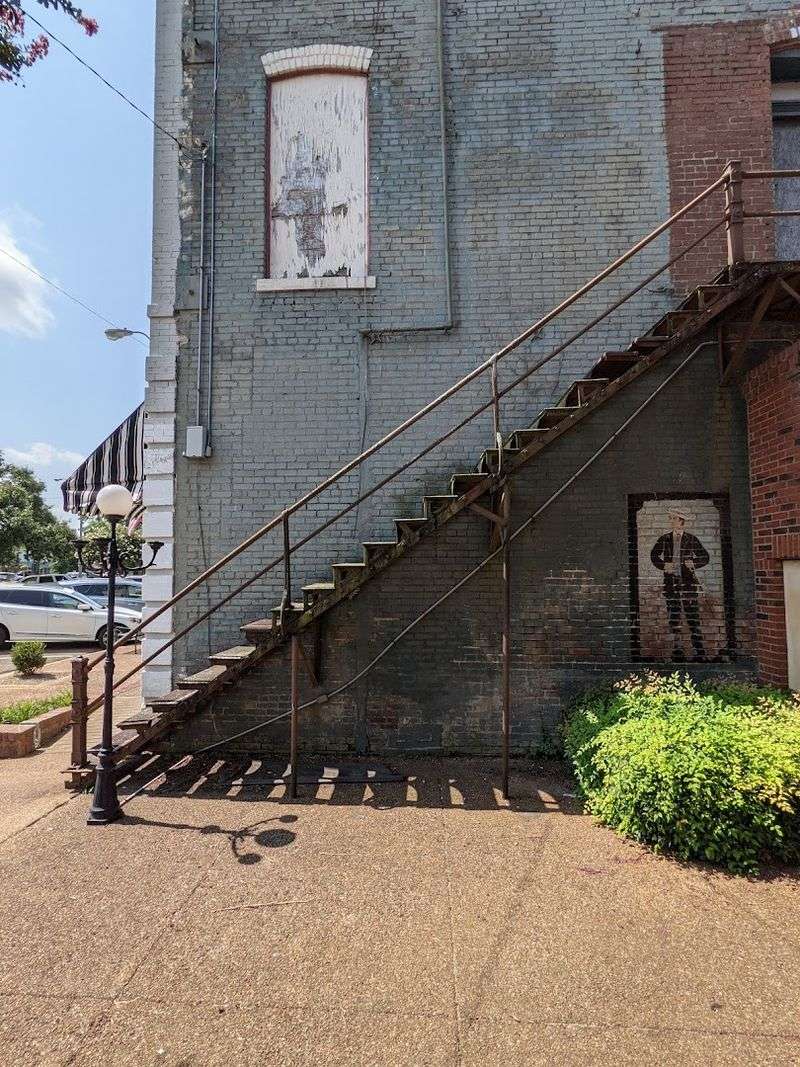
Most people hear Tunica and think casinos. The resort corridor along the river brought a different kind of Saturday night to this county, loud and commercial and built for volume.
But that was never the whole story.
The rural juke joint culture around Tunica County existed long before the first slot machine arrived, and it kept going after the casino boom reshaped the landscape. Weekend gatherings still take place in the flatlands, away from the resort strip entirely.
Tunica County sits at the far northwestern edge of the Delta, pressed against the Mississippi River. The soil here is some of the richest in the world, which meant generations of agricultural workers who needed somewhere to go on Saturday nights.
The juke joint answered that need.
Those spots are not easy to find if you do not know where to look. That difficulty is part of what keeps them intact.
They were never designed for discovery by strangers. Tunica is located along US-61, about 30 miles south of Memphis.
The proximity to Memphis has always flavored the music here. You can hear that influence on a Saturday night in the county’s rural spots, where the blues carries a slightly more urban edge without losing its Delta foundation.
8. Holly Springs
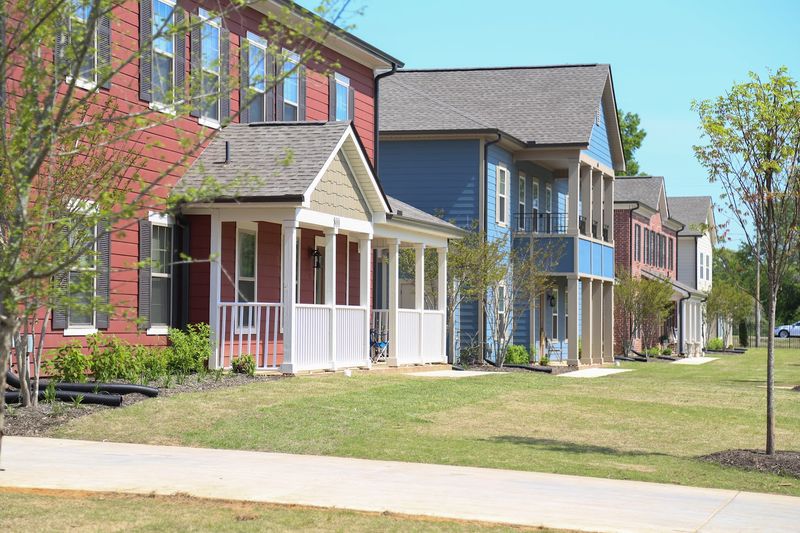
Marshall County has a different texture than the flat Delta counties to the west. Holly Springs sits on rolling terrain, and that geography gives it a slightly different feel without changing its musical soul.
The blues and soul heritage here runs as deep as anywhere in the state. The Saturday night juke tradition in Holly Springs connects directly to a community culture that predates every trend that ever tried to package it for outside consumption.
Holly Springs is also home to Rust College, founded in 1866, making it one of the oldest historically Black colleges in the country. That institutional presence has always fed the town’s cultural identity with something durable and self-sustaining.
The neighborhood gathering spots here operate with the same quiet authority you find across the Delta. No signs, no cover charge advertised online, no Instagram presence.
Just a door that opens on Saturday night and closes when the music stops. Holly Springs is located along US-78, about 35 miles southeast of Memphis in Marshall County.
The town also hosts the Kudzu Festival annually, celebrating local culture with characteristic humor. But the Saturday night tradition in its neighborhood spots is the event that never needs a date on a calendar.
It continues to happen week after week.
9. Ruleville
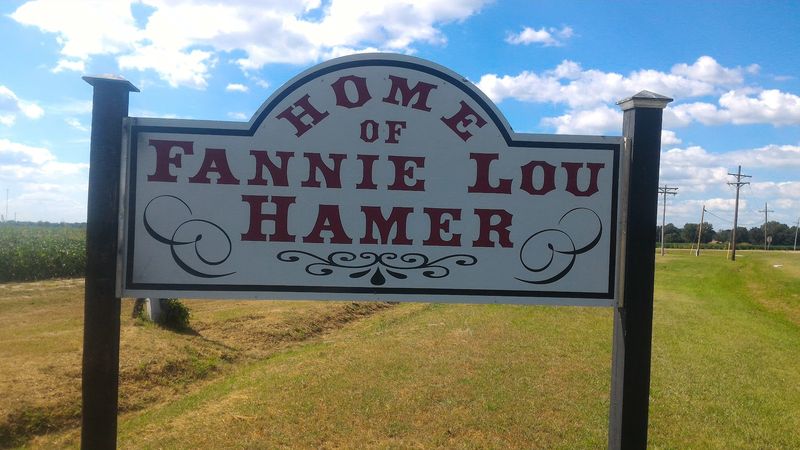
Fannie Lou Hamer was born in Montgomery County but made Ruleville her home, and this town carries her legacy with visible pride. Her community organizing spirit is embedded in the culture here in ways that go beyond monuments.
Sunflower County towns like Ruleville have always understood that community gathering is not trivial. The Saturday night tradition in neighborhood spots here remains a strong thread connecting generations of people who have lived, worked, and stayed in this place.
The juke joint in this context is not just music. It is the room where community identity gets renewed every week.
That renewal matters in a town where the population has shrunk but the culture has not thinned out.
Ruleville sits along US-49W, about 10 miles north of Indianola in the center of the Delta flatlands. The town is small enough that the Saturday night gathering has real weight.
When a significant portion of the community shows up in one room, the energy compounds quickly. The blues played here carries that communal charge.
Fannie Lou Hamer once said that nobody is free until everybody is free. The juke joint tradition in Ruleville has always operated on a version of that principle.
The room is for everyone who belongs to it, and belonging here means showing up.