These Nebraska Agates Glow Under Ultraviolet Light In Ways Most Rock Hunters Never Notice
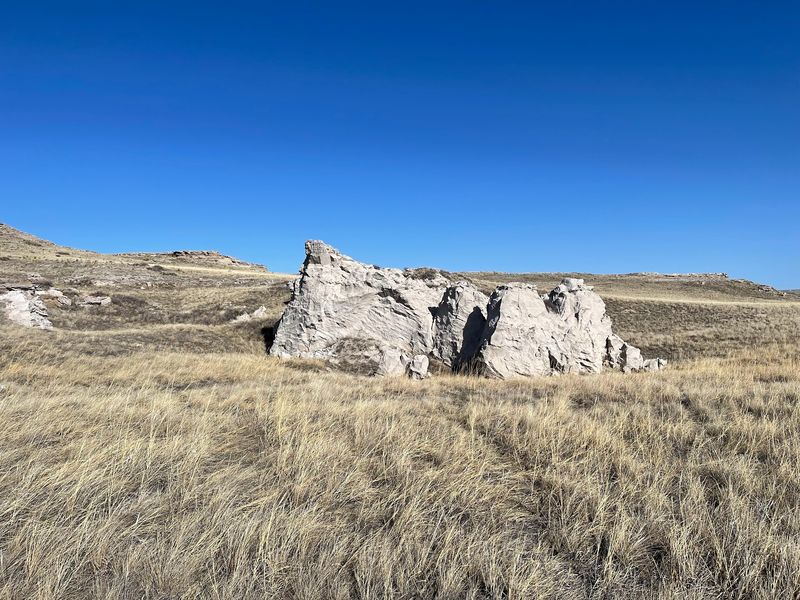
Some agates carry a tiny trace of uranium, and under shortwave ultraviolet light that trace can make them glow an eerie lime green. That’s the same mineral chemistry behind the famous green shine of uranium glass.
I love that detail because agates already look like little works of art in daylight. Swirling bands, dreamy blues, bright fortification lines.
Then you switch off the lamp, flip on a UV light, and some of those same stones start acting like glow sticks.
Nebraska happens to be one of the best places to try this. The state rock and the state gemstone are both agates, and the western grasslands have been coughing them up for collectors for generations.
Most people never think to check. So which Nebraska agates are worth hitting with a black light, and where can you go to see them for yourself?
1. Prairie Agate
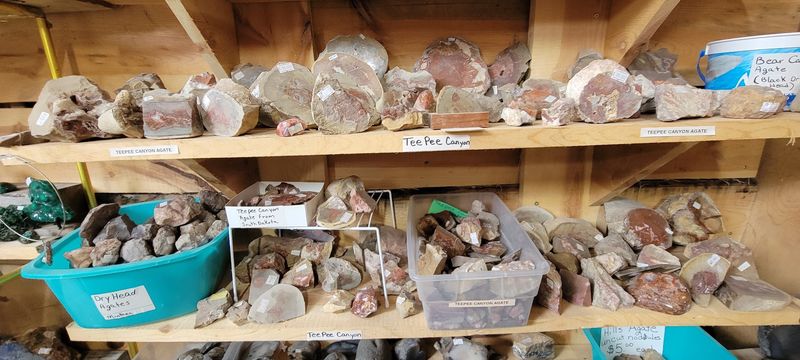
Nebraska didn’t pick a flashy crystal as its state rock. Lawmakers chose the prairie agate in 1967, a humble stone from the northwest corner of the state.
Prairie agates tend to look a bit messy compared to their fancier cousins. You’ll often see blotchy colors, mossy patterns, and bands that wander off like they forgot where they were going.
Here’s why you should carry a UV light anyway. Agates are made of chalcedony, and chalcedony can hold trace uranium that may fluoresce green under shortwave light.
Not every prairie agate will light up, and that’s half the fun. A plain gray chunk that looked like driveway gravel can suddenly show glowing seams and patches you never spotted.
The Oglala National Grassland is the classic hunting ground for these stones. Limited personal collecting of rocks is generally allowed on national grasslands, but rules can change, so check with the forest office before you fill a bucket.
Shortwave UV lamps also deserve respect. Wear UV-blocking glasses and never shine the beam toward your eyes or anyone else’s.
Address: Nebraska National Forests and Grasslands, 125 N Main St, Chadron, NE 69337
2. Fairburn Agate
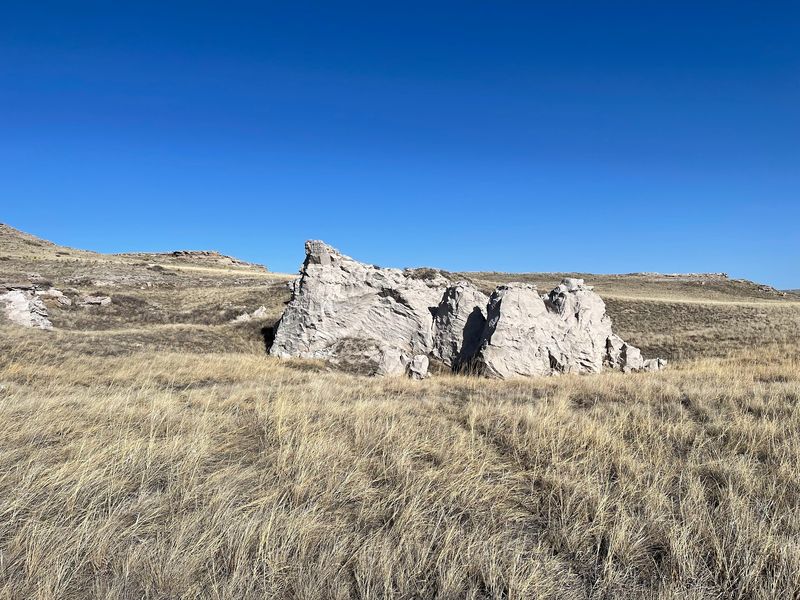
Collectors talk about Fairburn agates the way some folks talk about classic cars. These stones carry tight, sharp fortification bands in reds, oranges, whites, and tans.
The name comes from Fairburn, South Dakota, but don’t let that fool you into skipping Nebraska. Fairburns turn up across the Oglala National Grassland in the far northwest part of the state.
Under ultraviolet light, banded agates can behave in surprising ways. Some layers may glow while neighboring bands stay dark, which turns a familiar pattern into a brand new design.
That’s what makes checking your Fairburns so tempting. You might own a stone you’ve admired for years without knowing it has a second personality.
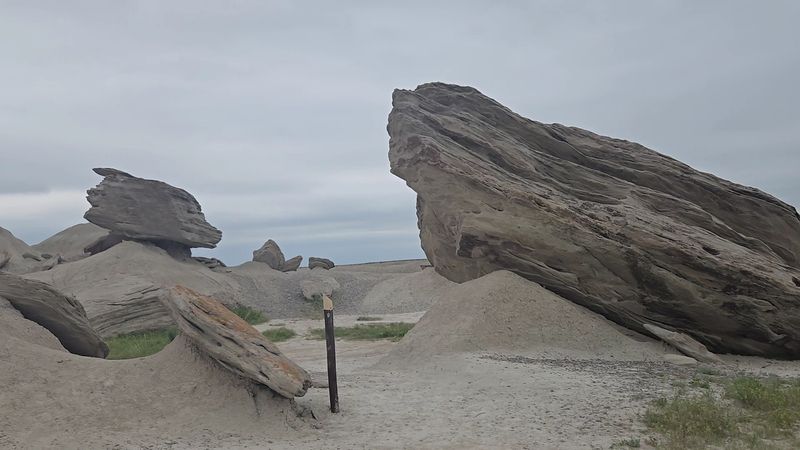
Toadstool Geologic Park makes a great base for exploring this rugged country. Its badlands formations look like giant mushrooms and the scenery alone justifies the long drive.
Bring water, sturdy shoes, and patience. Fairburns are prized because they’re scarce, and finding one is a genuine thrill even before the UV light comes out.
Address: Toadstool Geologic Park, Toadstool Rd, Crawford, NE 69339
3. Bubblegum Agate
Picture a rock that looks like someone chewed gum and left it stuck to a stone. That’s pretty much how bubblegum agates got their nickname.
Little round knobs cover the outside of these Nebraska nodules. The odd bumpy texture makes them easy to recognize once your eyes learn the shape.
The Oglala National Grassland is known for spots where bubblegum agates litter the ground. Plenty of rockhounds go home with pockets full of these knobby oddballs.
So what about the glow? Because they’re chalcedony too, some bubblegum pieces may fluoresce under shortwave light, and the bumps can light up like a cluster of tiny lanterns.
Before heading out, a stop in nearby Crawford can help you understand the landscape. The Trailside Museum at Fort Robinson State Park focuses on the natural history of this region, including its fossils.
It’s a smart way to connect the rocks in your hand to the ancient land around you. Plus, Fort Robinson itself makes the trip feel like a full weekend instead of a quick rock run.
Address: Trailside Museum, 3200 W US Hwy 20, Crawford, NE 69339
4. Blue Agate
Yes, Nebraska has a state gemstone, and it’s soft blue. The blue agate earned that title in 1967, the same year the prairie agate became the state rock.
Blue agates come in gentle shades ranging from sky blue to grayish lavender. Many show delicate bands that look almost like ripples on a pond.
Pale chalcedony can be a strong candidate for UV testing. Light-colored stones sometimes show fluorescence more clearly because there’s less dark color hiding the glow.
That makes your blue agates a great place to start if you’ve just bought your first lamp. Set them on a dark cloth, kill the room lights, and see what happens.
Longwave and shortwave lights can give very different results, so test with both if you can. Some collectors are surprised when a stone ignores one wavelength and glows under the other.
Western Nebraska is where blue agates are most often reported. If you’re hunting there, the Chadron forest office is a handy stop for maps and collecting guidelines.
Address: Nebraska National Forests and Grasslands, 125 N Main St, Chadron, NE 69337
5. Lake Superior Agate
Ancient glaciers turned eastern Nebraska into a surprise agate delivery zone. Lake Superior agates hitched a ride south in glacial ice and ended up in gravel far from their namesake lake.
These stones are famous for rusty reds, oranges, and yellows. Their color comes from iron, and their bands can be strikingly tight.
Iron-rich stones often fluoresce less than pale ones, so don’t expect fireworks from every pebble. Still, white or clear bands inside a Lake Superior agate may surprise you under UV.
Gravel bars and gravel pits in eastern Nebraska have long attracted agate pickers. Just remember that private land and active pits need permission first.
Want to see what the pros find? Morrill Hall, home of the University of Nebraska State Museum in Lincoln, has collections on Nebraska geology and natural history.
Its fossil exhibits, including big mammoths, make it easy to spend a whole afternoon there. You’ll leave with a better sense of how glaciers and time shaped the rocks under your feet.
Address: University of Nebraska State Museum, Morrill Hall, 645 N 14th St, Lincoln, NE 68588
6. Agate Fossil Beds National Monument
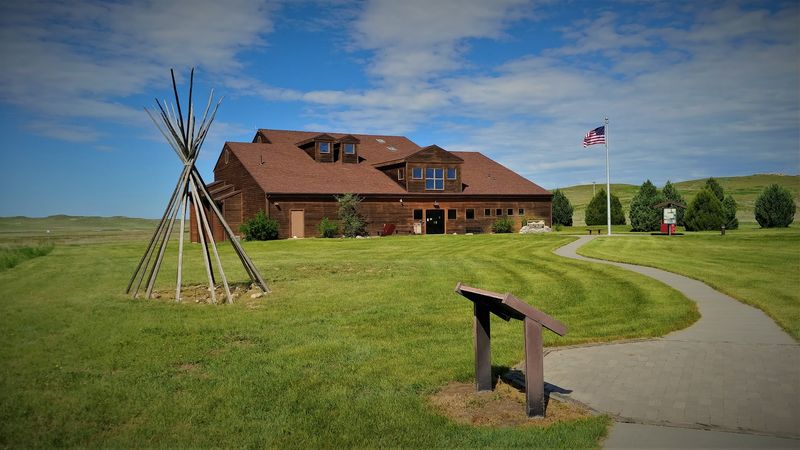
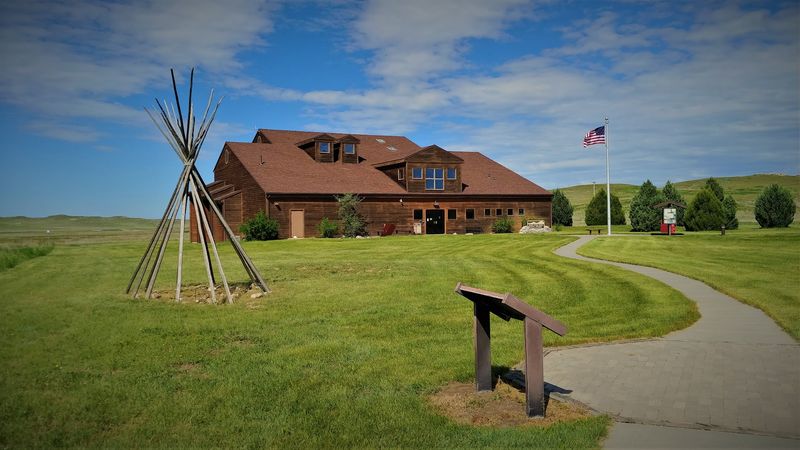
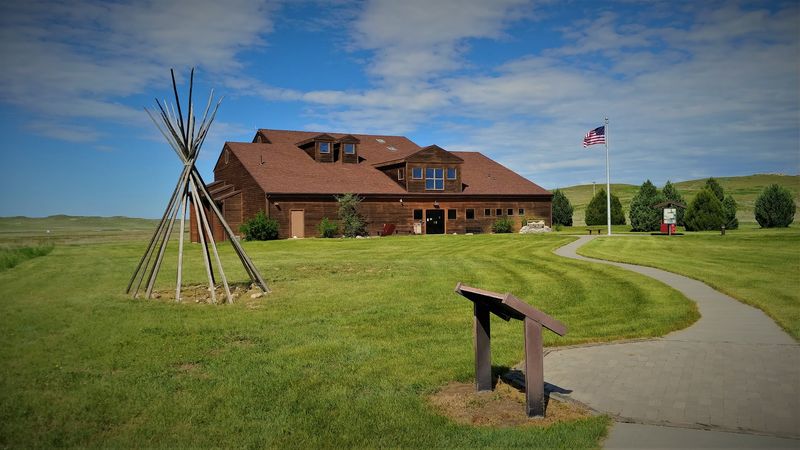
A national monument named for agates sounds like a rockhound’s dream. Agate Fossil Beds National Monument does take its name from the area’s agate, though its real fame comes from fossils.
The monument preserves Miocene fossil beds with remains of ancient mammals. Visitors can learn about creatures like Daemonelix, the corkscrew-shaped burrows sometimes called devil’s corkscrews.
Here’s the important part for anyone carrying a UV lamp in their pocket. Collecting rocks or fossils is not allowed inside the monument, so admire and leave them be.
That doesn’t make the trip any less worthwhile for agate fans. Seeing the land that gave the area its name helps you understand why western Nebraska is such rock country.
The visitor center also displays the James H. Cook collection of Lakota items.
It’s a moving reminder that this landscape holds human stories alongside geological ones.
Trails lead out toward the fossil hills along the Niobrara River. Pack water and enjoy the quiet, wide-open views of the Sioux County prairie.
Address: Agate Fossil Beds National Monument, 301 River Rd, Harrison, NE 69346
7. Eleanor Barbour Cook Museum of Geology
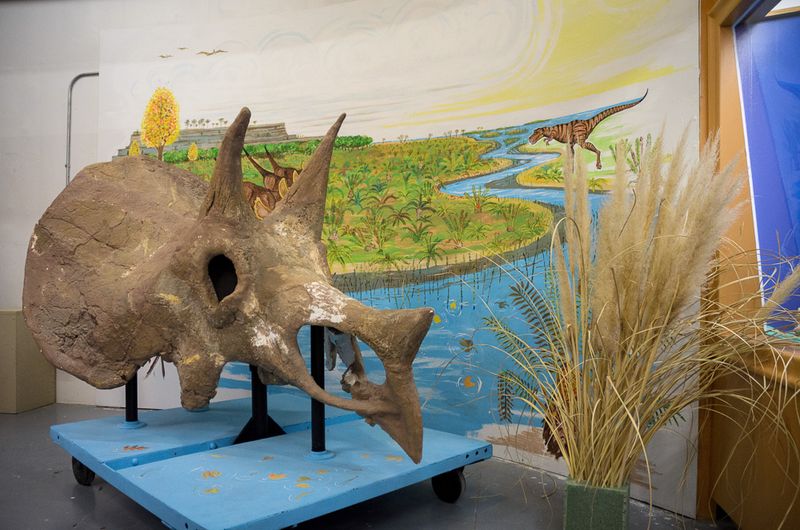
Chadron State College tucks a whole geology museum inside its campus. The Eleanor Barbour Cook Museum of Geology showcases rocks, minerals, and fossils from the region.
For agate fans, the location couldn’t be better. Chadron sits close to the Oglala National Grassland, where many of the agates in this article come from.
Museums like this help you train your eye before you head into the field. Once you know what a Fairburn or prairie agate looks like, spotting one on the ground gets a lot easier.
It’s also a good reality check for your UV hunting. Seeing labeled specimens reminds you that fluorescence varies from stone to stone, even within one type.
Pair a museum stop with a grassland drive and you’ve built a full Nebraska rock weekend. Then save your final reveal for after sunset, when the black light finally gets to shine.
And that’s the best part of this hobby. The stone in your pocket might have been glowing quietly all along, just waiting for you to switch off the lights.
Address: Chadron State College, 1000 Main St, Chadron, NE 69337