These 11 Nebraska Dog Rescues And Animal Shelters Deserve More Support In 2026
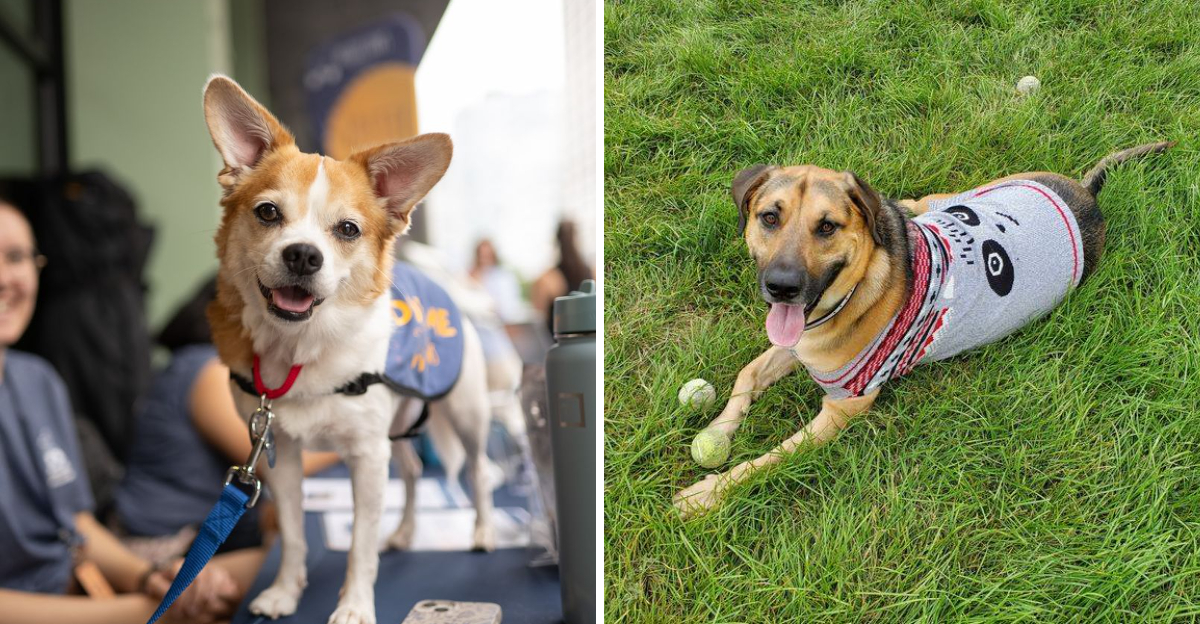
Support does not always have to mean bringing home a new dog.
Maybe you volunteer for an afternoon. Maybe you drop off supplies, cover part of an adoption fee, share a post, or simply point a friend toward the right organization.
Small choices can matter more than they seem when shelters and rescues are working every day to care for animals waiting on their next chapter.
In Nebraska, these groups give people plenty of meaningful ways to help.
Before you scroll past another adoption photo, stop for a second. Read the story. Check the wish list.
See what that shelter actually needs this month. You may discover that helping fits into your life more easily than expected.
And yes, there is always the risk that one hopeful face completely derails your original plan.
These 11 rescues and shelters deserve more attention in 2026, especially from anyone looking for a practical way to make a local difference.
1. Nebraska Humane Society, Omaha
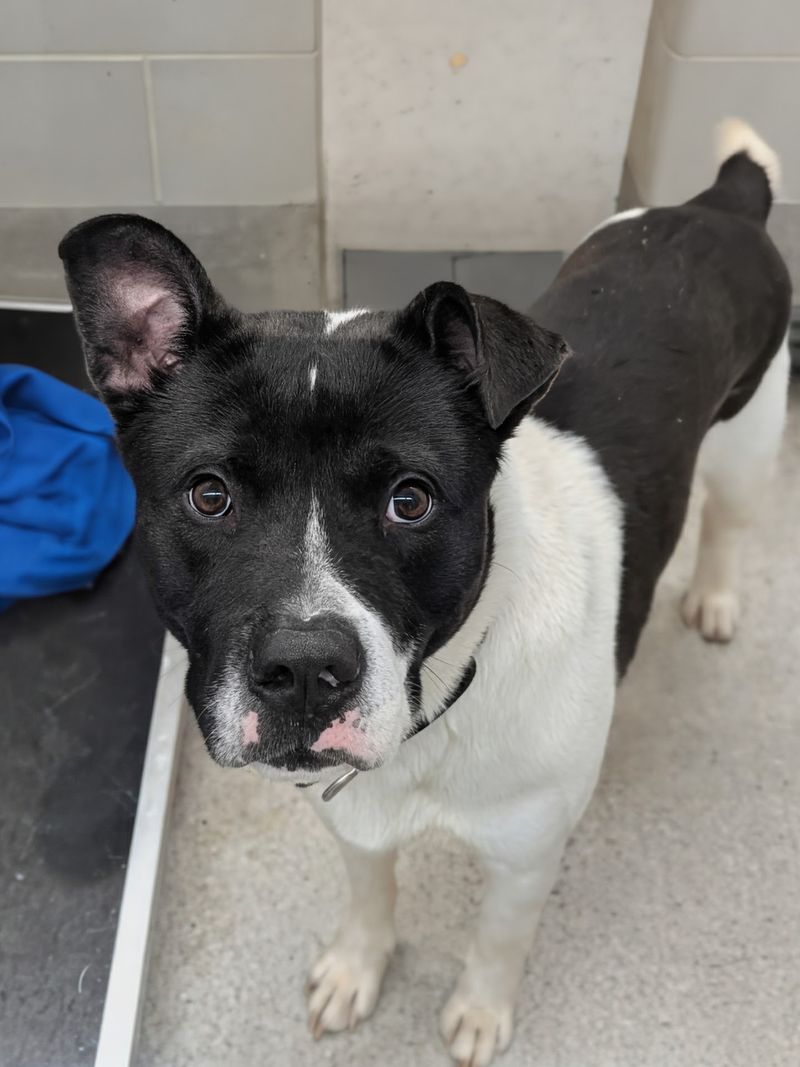
Every busy shelter tells a bigger story about the community around it, and this one has been part of that work for a very long time.
Nebraska Humane Society is located at 8929 Fort Street, Omaha, NE 68134, and it serves as a major animal welfare organization for the area.
Founded in 1875, the group protects, saves, and enriches the lives of animals through sheltering, adoption, and community services.
Same day adoptions are available, and the shelter also runs a lost and found department, which makes it helpful for families searching for missing pets as well as people hoping to adopt.
Support matters here because large shelters face constant needs that can change by the day.
Donations can help cover food, cleaning supplies, and medical care, while volunteers can assist with daily tasks that keep animals safer and calmer.
Checking posted hours before visiting is smart, since adoption and lost and found schedules are not identical.
2. Capital Humane Society, Lincoln
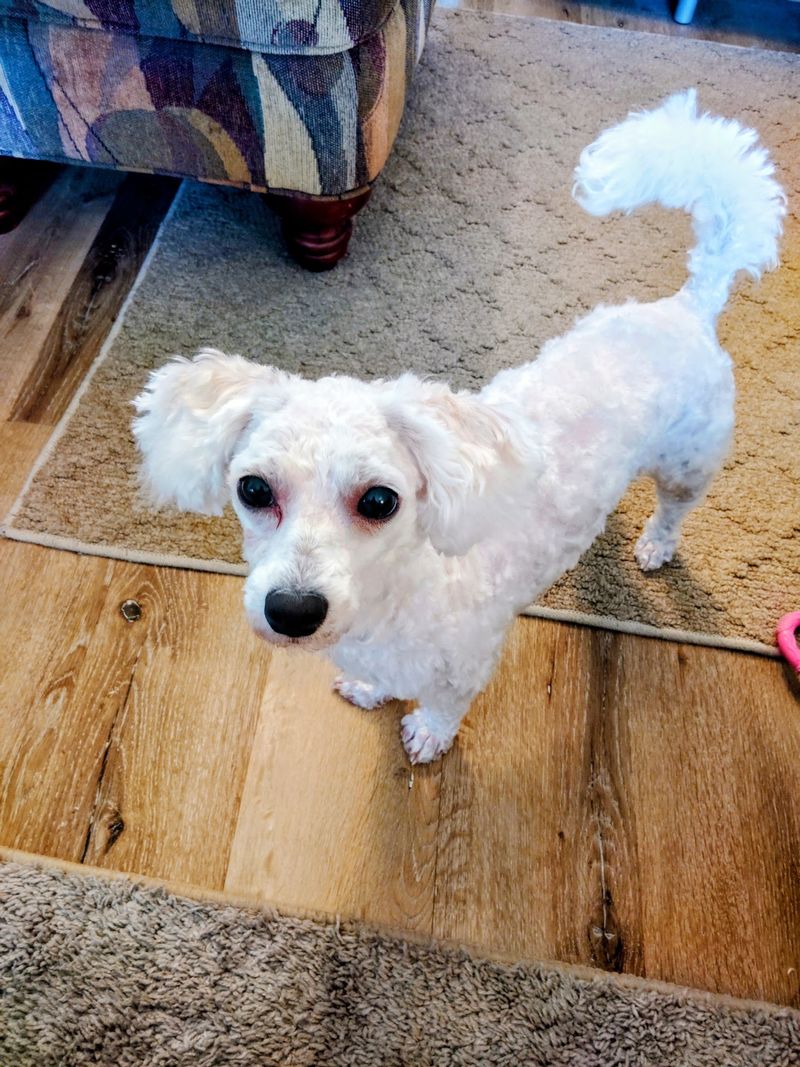
Plenty of shelters focus only on adoptions, but this organization stretches farther by connecting pet care, intake, and community support.
Capital Humane Society operates in Lincoln with the Admissions and Assessment Center at 2320 Park Boulevard, Lincoln, NE 68502, and the Pieloch Pet Adoption Center at 6500 S. 70th Street, Lincoln, NE 68516.
The mission centers on serving and uniting the community by helping pet owners, caring for displaced animals, and matching homeless pets with families.
A low cost clinic adds real value because spay and neuter services, vaccinations, and other basic care can keep pets healthier and help families avoid harder situations later.
Another strong point is the Pawsitive Impact Project, which offers income qualified support such as preventive care access and a pet food and supply pantry.
That kind of help can keep animals in their homes and reduce the number entering shelters in the first place.
Giving support here can take several forms, from donations to volunteer time to spreading the word about clinic resources.
Looking up which location fits a visit best is helpful, since one center handles admissions while the other focuses more on pet adoption and humane education.
3. Hearts United for Animals, Auburn
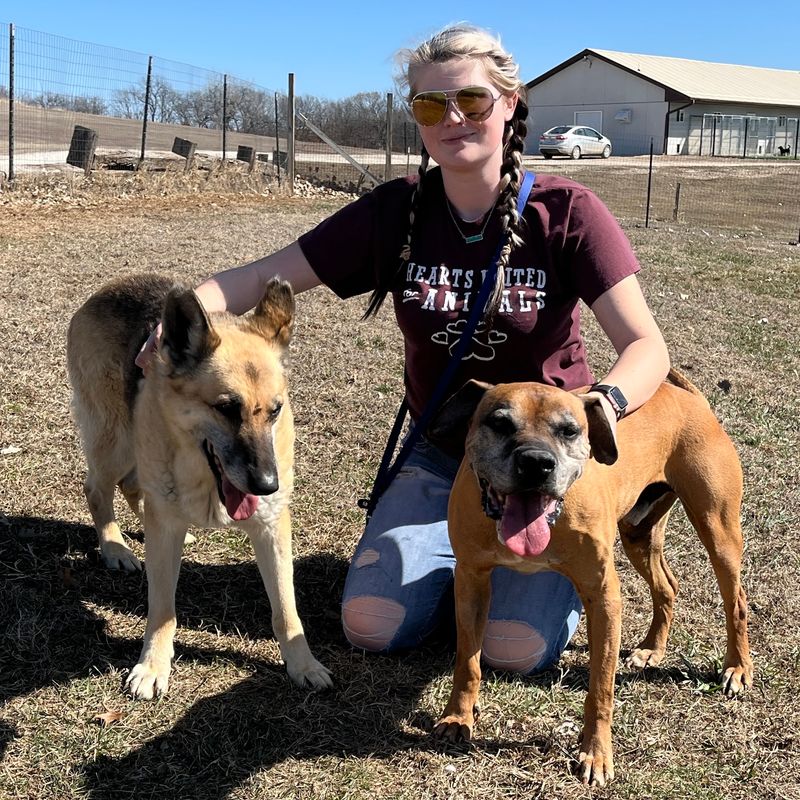
Some rescues stand out because they offer more than a temporary stop, and that long view can change an animal’s whole future.
Hearts United for Animals in Auburn is known as a sanctuary that works with abused, neglected, and abandoned animals.
The group has a reputation for helping animals that need more time, more healing, or more medical care than a quick placement allows.
That mission matters because not every dog arrives ready for adoption, and sanctuary based care can give fragile animals a safe place to recover at a slower pace.
Support is especially important for organizations with ongoing care needs, since long term sheltering requires food, veterinary treatment, clean bedding, and steady daily attention.
Sponsoring animals, donating funds, and helping with foster support can all ease the pressure on a rescue that takes on difficult cases.
Because publicly available visiting details can vary, checking the organization’s current channels before planning a trip is the most responsible step.
Even without an in person visit, readers can still help by following updates, sharing adoptable animals, and backing a rescue that gives many overlooked pets more time and more dignity.
4. Dolly’s Legacy Animal Rescue, Lincoln
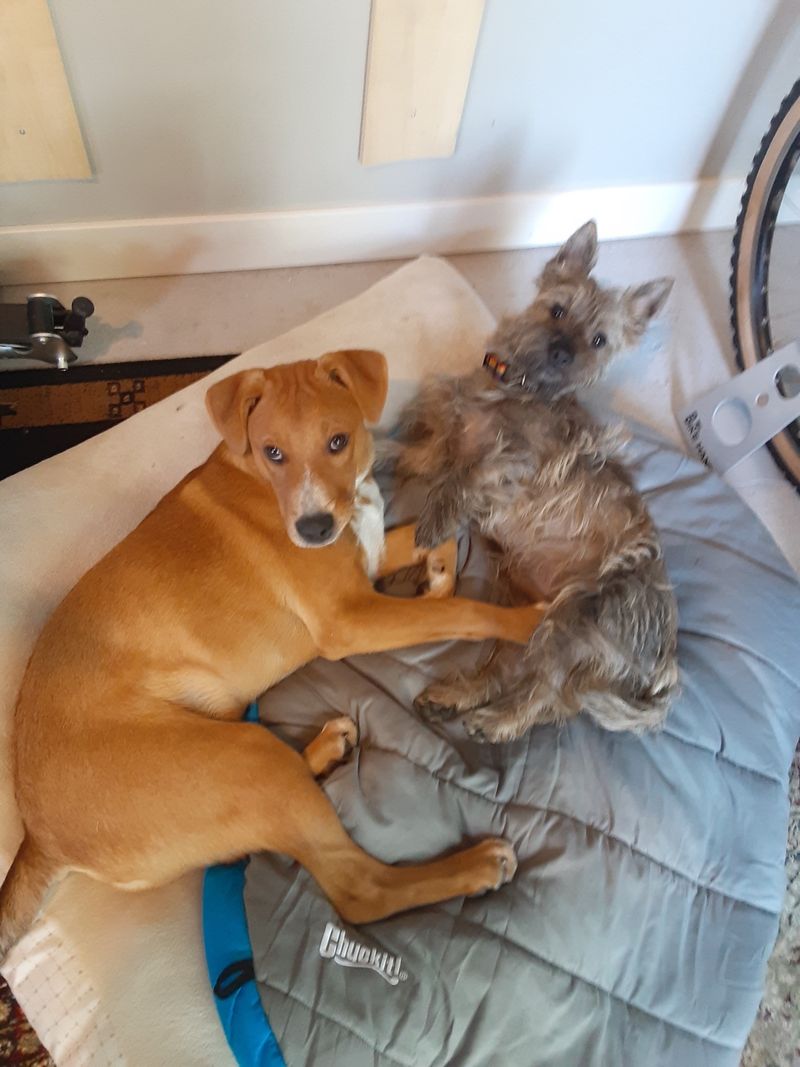
Not every rescue has rows of kennels or a public building, and that can actually be part of its strength.
Dolly’s Legacy Animal Rescue in Lincoln works through foster homes, which means many animals wait for adoption in real household settings instead of a traditional shelter.
That model can help dogs settle into a routine and gives volunteers a better look at behavior, comfort level, and needs.
Foster based care often makes it easier to notice things like house habits, energy level, and how a dog responds to other pets, which can lead to smarter adoption matches.
Support here is often hands on in a different way than at a walk in shelter.
Foster families, transport help, donations, and event volunteers all play a big part because there is no single facility carrying the whole daily workload.
Another reason this rescue deserves attention is its focus on animals that may be overlooked or need extra veterinary care before adoption.
People who cannot foster can still help by sharing adoption posts, giving money for medical bills, or donating basic supplies, since foster networks run best when many small acts of help arrive consistently.
5. Muddy Paws Second Chance Rescue, Omaha
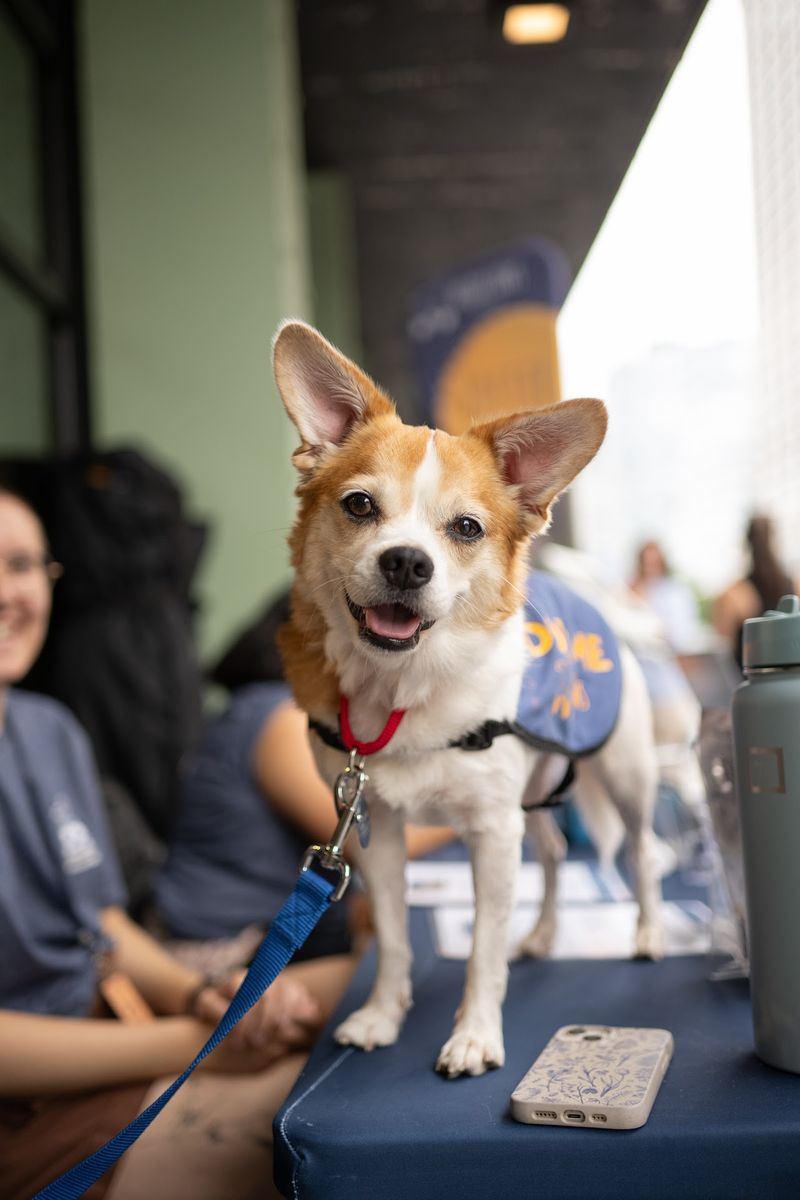
Fresh starts do not always happen inside a shelter building, and that idea sits at the heart of this rescue’s work.
Muddy Paws Second Chance Rescue in Omaha is foster based, so animals live in volunteer homes while waiting for adoption rather than staying in one central public facility.
That home setting can reveal a lot about a dog’s habits, stress level, and comfort around everyday noises and routines.
It also allows the rescue to provide veterinary care, socialization, and a more personal understanding of each animal before making an adoption match.
Second chance rescues need support that is flexible, because their work often includes transport, foster coordination, event help, and medical costs all at once.
People can help by donating money, offering temporary foster space, or volunteering at adoption events where dogs get a better chance to be seen.
The adoption process generally includes an application, an interview, and a home visit, which shows that placement is treated seriously.
For readers looking to make a useful contribution in 2026, rescues like this are a good reminder that some of the most important animal welfare work happens quietly in living rooms and cars headed to vet appointments.
6. Paws and Claws Adoption Center, Columbus
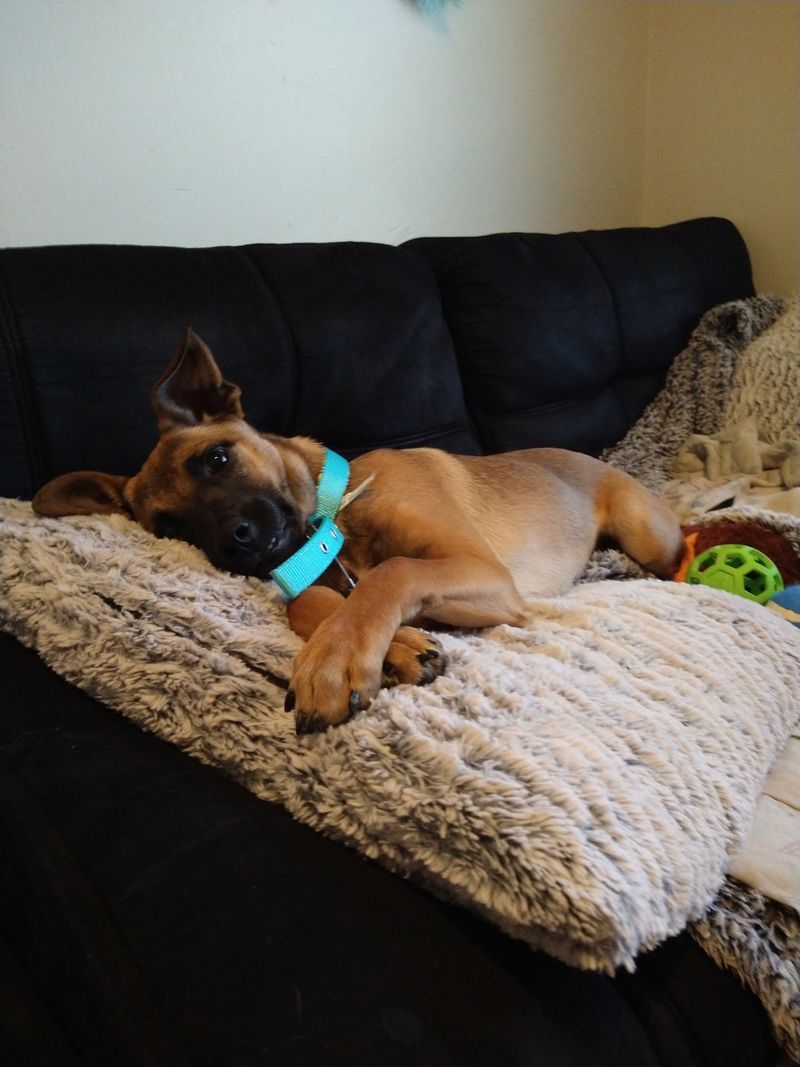
Smaller communities still face big animal care needs, and centers like this often carry a lot on limited resources.
Paws and Claws Adoption Center is at 2124 13th St, Columbus, NE 68601, United States, and it provides shelter, nourishment, medical care, and adoption support for abandoned and surrendered animals.
The center also plays a role in addressing pet overpopulation by encouraging adoption and responsible ownership.
That mission matters because local shelters can become a safety net for both animals and families when pets are lost, unwanted, or no longer safely cared for.
One reason this place deserves more support is simple visibility.
Larger shelters often get more public attention, while smaller adoption centers may rely even more heavily on neighbors who donate, volunteer, and spread the word through schools, churches, workplaces, and local events.
Prospective adopters can usually visit during posted hours to meet available animals and learn about the application process.
People who are not ready to bring home a dog can still be useful by helping with supplies, sharing adoptable pets online, or giving steady monthly donations.
7. Start Over Rover, Hastings
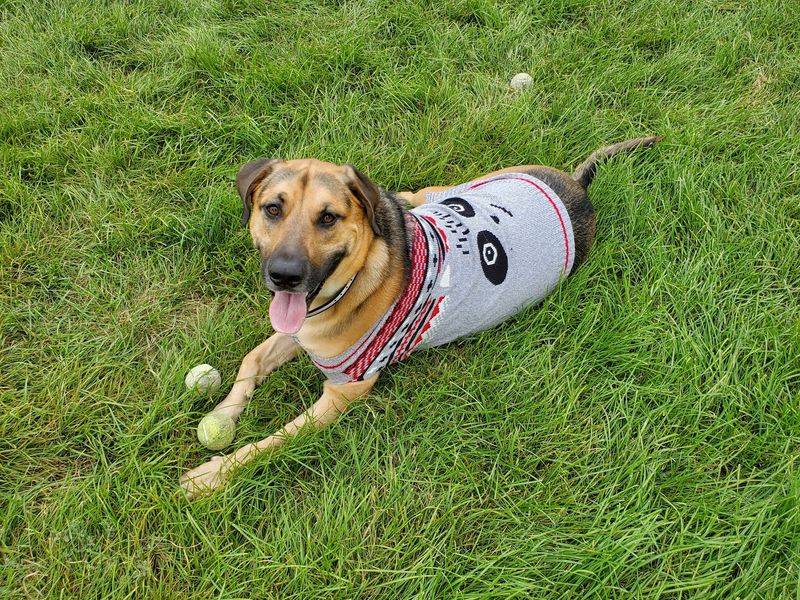
Some rescue names say exactly what matters most, and this one points straight toward second chances.
It can be found at 134 N Barnes Avenue, Hastings, NE 68901, and the nonprofit works to rescue, give sanctuary, provide medical treatment, sterilize, rehabilitate, and rehome animals in need.
The rescue also places emphasis on ending commercial mill style breeding of companion animals, which gives its mission a strong protective edge.
Animals taken in can include strays, relinquished pets, abused or neglected pets, and puppy mill cast offs, all of whom may need time, treatment, and patient daily care.
Visits are by appointment only, so checking current availability before stopping by is important.
Support matters here because the organization relies on donations, grants, and fundraisers rather than government funding.
This means that routine costs like veterinary treatment, food, cleaning products, and shelter upkeep depend on outside help.
Financial gifts, supply donations, and simple awareness can all help maintain the slow, careful work required to move vulnerable animals from crisis situations into stable homes.
8. Central Nebraska Humane Society, Grand Island
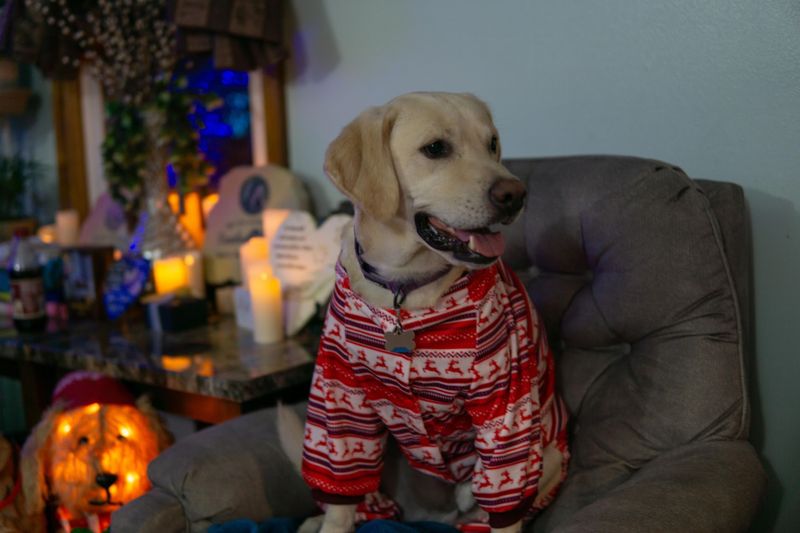
Large regional shelters often carry the hardest mix of hope and pressure, and that reality shows here.
As an open admission facility with local service contracts, the shelter may take in animals regardless of health status or temperament, which makes the work especially demanding and resource heavy.
Sitting at 1312 Sky Park Road, Grand Island, NE 68801, it serves as a major nonprofit animal welfare organization for central Nebraska.
The mission focuses on protecting, enriching, and advocating for animals and the people who love them through compassionate care, meaningful connections, and community partnerships.
Support deserves to grow because open admission shelters often meet urgent needs that cannot be screened for convenience.
Adoption fees help some, but public donations remain essential for vaccinations, flea and tick treatment, deworming, microchips, surgery, daily feeding, and the countless cleaning and comfort supplies needed every week.
The adoption process includes an application and time spent with the animal, which encourages thoughtful decisions instead of rushed choices.
9. Kearney Area Animal Shelter, Kearney
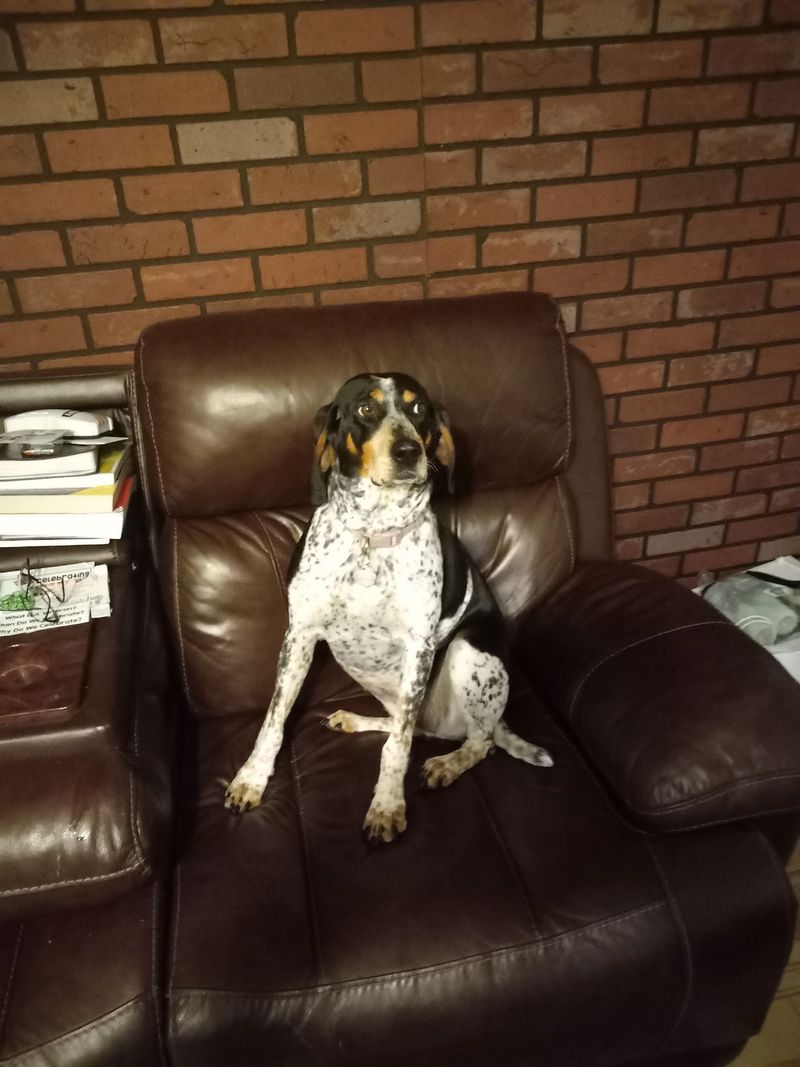
Rules at a shelter can seem strict at first, but they often show how seriously placement is taken.
Kearney Area Animal Shelter, at 3205 US-30, Kearney, NE 68845, operates as a privately owned nonprofit no kill shelter focused on providing a safe, loving, and healthy environment.
No animal is euthanized due to space or time constraints, which gives the shelter an especially meaningful role for pets needing longer stays.
Every adopted animal is spayed or neutered, fully vaccinated, and microchipped, which gives adopters a stronger start and helps reduce future risk.
The adoption process is detailed, asking for age eligibility, veterinarian information, and housing proof when needed.
That careful approach may take a little more effort, yet it can protect both pets and families by making sure the match fits the home situation before anyone heads out the door.
Support is still vital because high standards require steady funding for food, bedding, enrichment, medical care, and cleaning supplies.
10. Animal Shelter of Northeast Nebraska, Norfolk
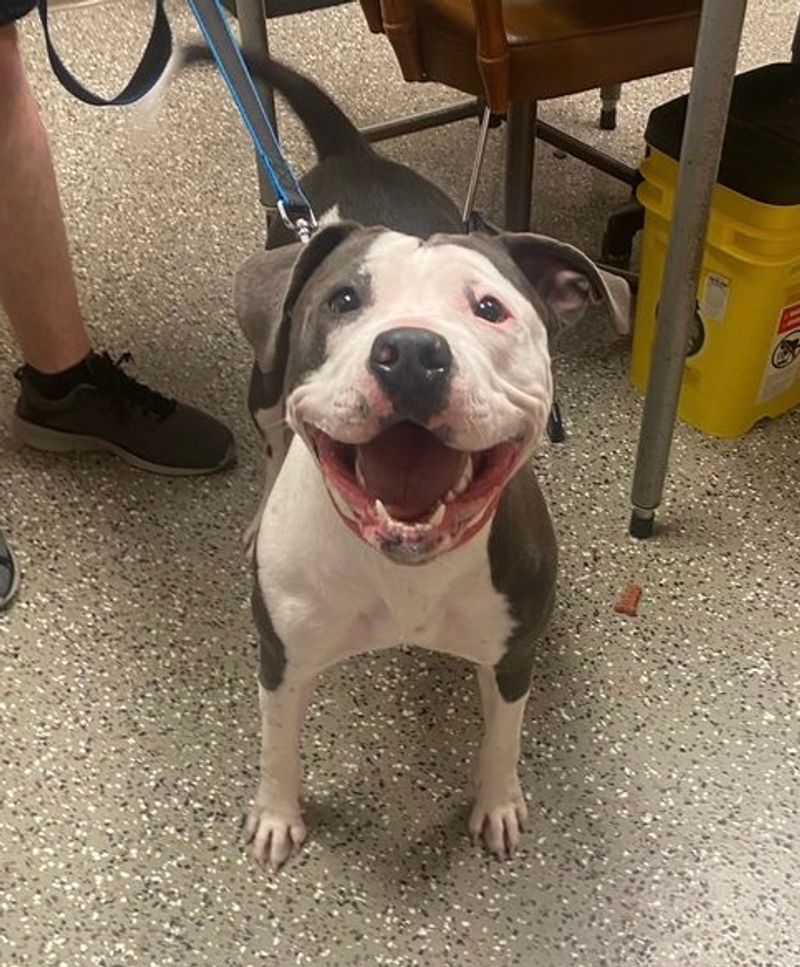
Regional shelters often become the quiet backbone of animal care, stepping in when strays, surrenders, and emergencies leave few easy answers.
Situated at 1000 E Omaha Avenue, Norfolk, NE 68701, it provides humane care while working to rehome animals in the northeastern part of the state.
The mission also includes public education around responsible ownership, spaying and neutering, and microchipping.
That mix of sheltering and education matters because long term progress usually depends on both helping the animals already in care and reducing the number that enter the system later.
Community support keeps that balance possible.
Donations and volunteers help maintain the basics of shelter life, from meals and sanitation to enrichment and day to day handling, while public awareness can increase adoptions and help more people understand available pet care resources.
Prospective adopters should check the shelter’s current website or contact channels for visiting details and application steps before making plans.
11. Panhandle Humane Society, Scottsbluff
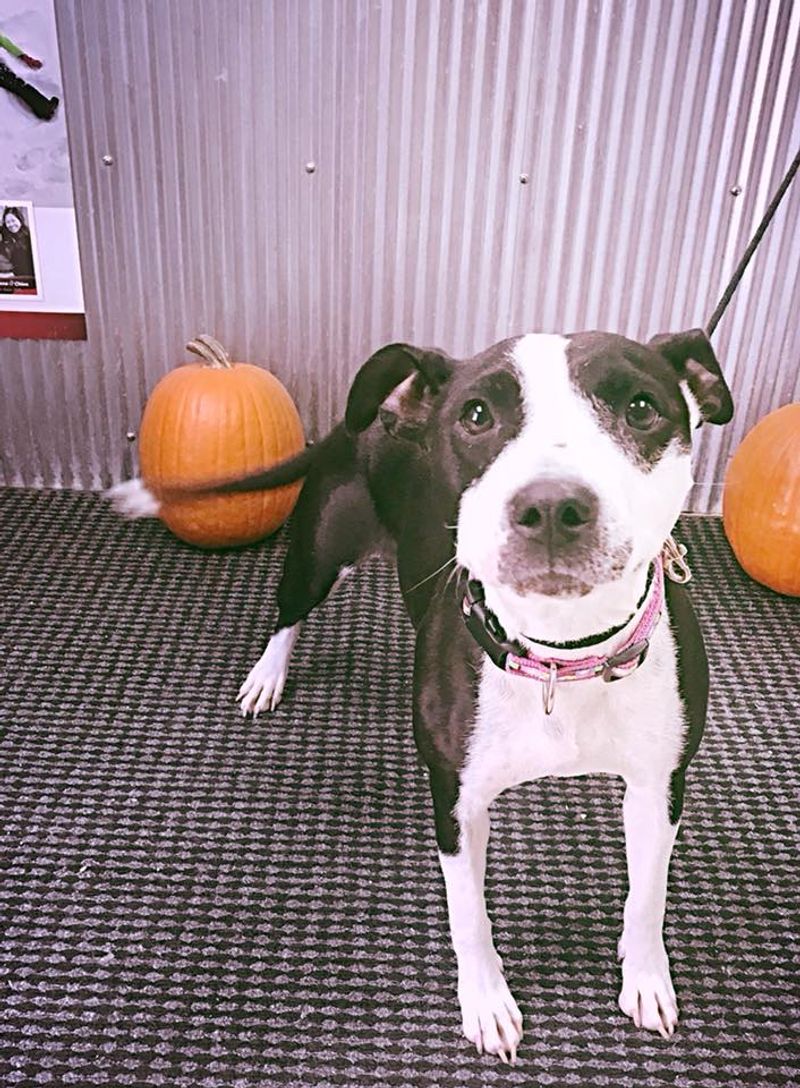
Western shelters can cover wide service areas, which makes steady local support even more important.
The organization uses the Five Freedoms model of animal welfare, focusing on needs such as food, comfort, freedom from pain, normal behavior, and reduced fear.
That framework gives readers a clear sense of how care is approached, not just as housing animals, but as creating safer daily conditions while pets wait for homes.
The society also works to prevent neglect, abuse, cruelty, and pet overpopulation, while serving adopters from Scotts Bluff County and surrounding areas.
Same day adoptions are often possible after meeting the pet and completing the process, although checking current policies before visiting remains the best plan.
Panhandle Humane Society is located at 126 S Beltline Hwy W, Scottsbluff, NE 69361, and it works to provide a nurturing and fear free environment for animals in its care.
Support here can help a shelter that balances humane standards with the practical limits of space and intake.
Donations, volunteer help, and simple public sharing all matter, especially in regions where distance may make transport, outreach, and access to services harder than in larger population centers.