This Nebraska Plant Rescue Is A Secret Goldmine For Cheap Plants, Pots And Garden Finds
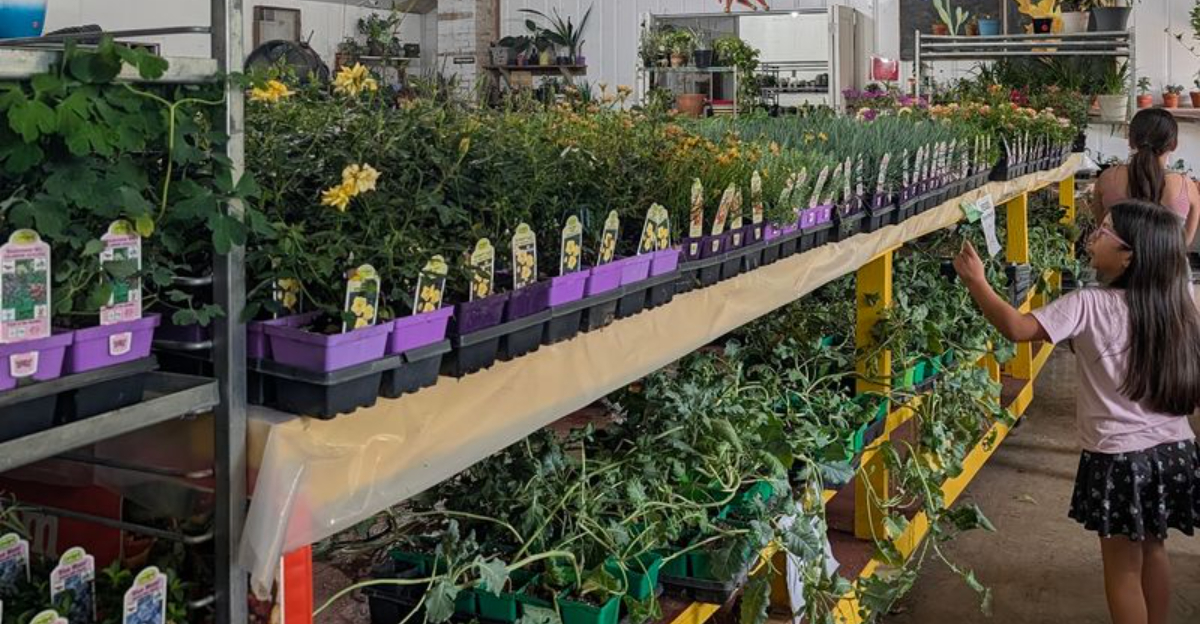
Walk in for one sad little pothos and prepare to lose all sense of restraint.
A shelf of discounted plants turns into a row of pots. Then you spot a rescue with just enough life left in it to trigger the dangerous thought: “I can save that.”
Suddenly, the cart looks like you are opening a greenhouse.
This Nebraska plant rescue gives bargain hunters a second chance at greenery that might otherwise be overlooked.
The smartest finds are not always the prettiest ones.
Look for healthy roots or a plant that only needs a better pot and a little patience. Check the containers too, because a cheap planter can be just as satisfying as a rare leaf.
You do not need to be an expert gardener to enjoy the hunt.
You only need a little optimism and the willingness to bring home something slightly scraggly that might look incredible a month from now.
The Plant Rescue Concept That Makes This Place Different
Most nurseries order their inventory from growers months in advance.
Benson Plant Rescue works backward from that model, taking in plants other people no longer want and finding them new owners instead.
The operation started in 1999, and the basic idea has not changed much since. Plants arrive as donations from households, gardeners and sometimes businesses clearing out stock or event decorations.
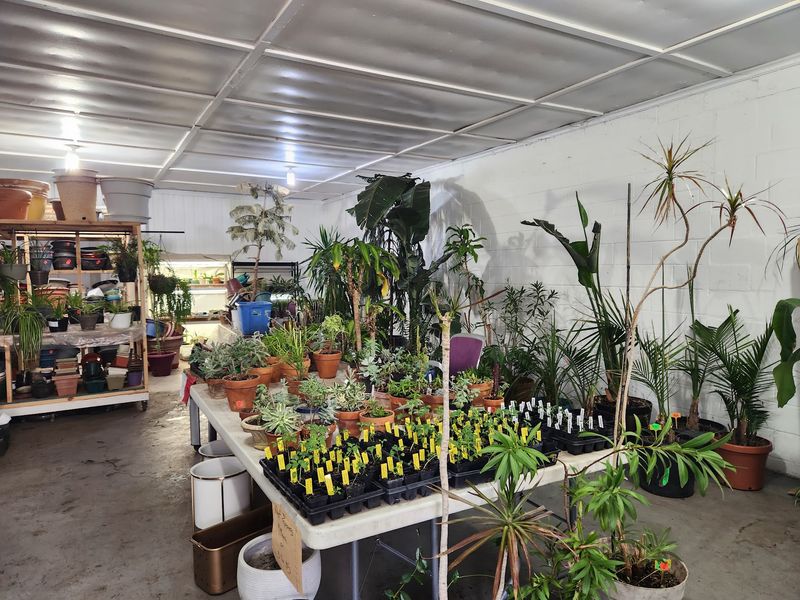
Some come in healthy and ready to sell, while others need water, repotting, trimming or simply a few weeks of attention before they look presentable again.
Because of that, the shop has a working, hands-on feel rather than a polished showroom look. Tables hold plants at different stages of recovery, and containers rarely match.
Volunteers make up a large part of the labor, and the motto the organization has used for years centers on growing community alongside plants.
Shoppers who expect uniform rows of identical nursery pots may need to adjust their thinking.
The trade-off is finding things that a standard garden center would never carry, including older houseplants that have already proven they can survive years of indoor life.
Understanding the rescue model also explains the pricing, the changing stock and the slightly chaotic layout. Everything here follows from the simple choice to save plants first and organize them second.
Hunt For Plants At Prices Below A Typical Nursery
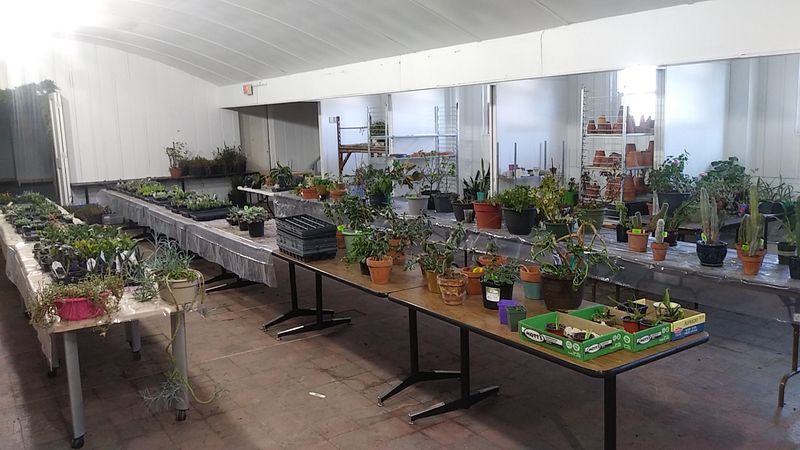
Affordability pulls a lot of people through the door here for the first time.
Rescued plants are frequently sold at prices well under what a conventional nursery charges, which matters when a garden project needs a dozen plants instead of one.
Perennials in gallon pots have long been a highlight, partly because many have already overwintered outdoors in their containers.
Plants that survive a Nebraska winter in a pot tend to be tough, and that toughness is part of what buyers are getting.
The organization also gives some plants away to specific groups, including low-income gardeners, active military members, veterans, first responders, healthcare workers and teachers.
That approach keeps gardening accessible for people who might otherwise skip it entirely.
Prices do vary by item and season, and not every single thing will be dramatically cheaper than elsewhere.
Common vegetable starts, for example, may land closer to regular retail. Shoppers who compare a few options before buying usually get the best value.
Bringing cash and a rough plant list helps, though flexibility helps more. The real savings often show up on items nobody planned to buy, like a mature houseplant or a stack of perennials for a bare spot along a fence.
Browse Houseplants That Are Ready For A Second Home
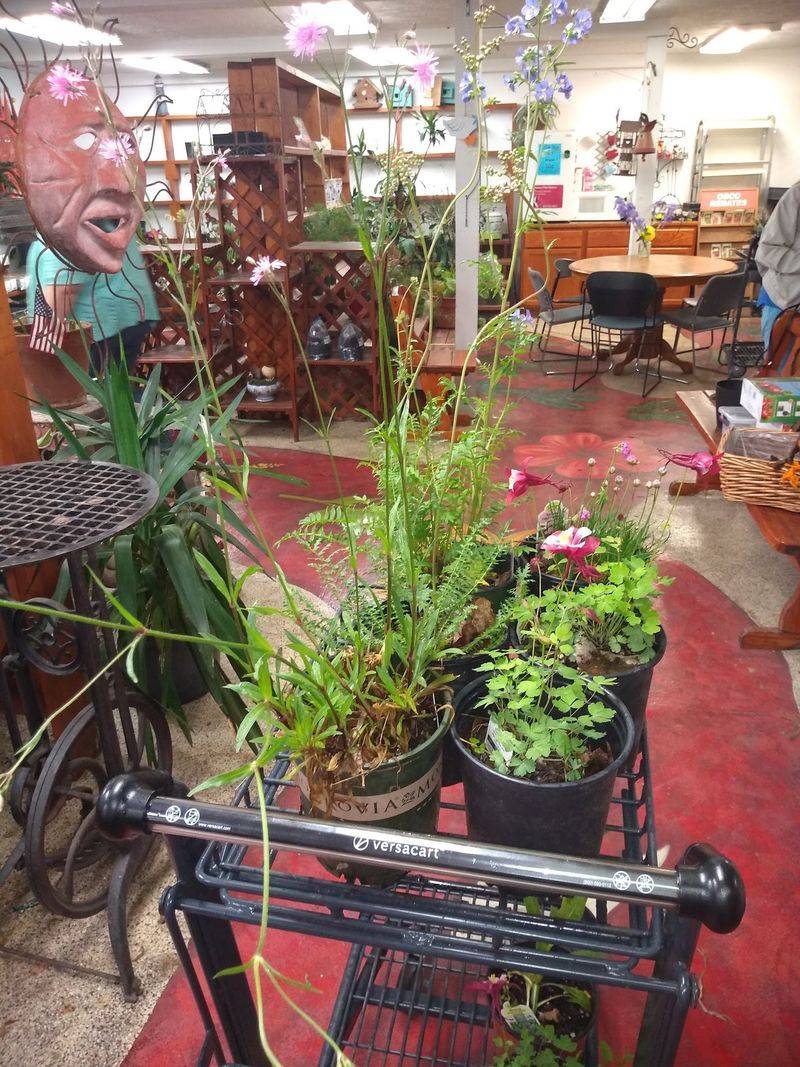
Indoor greenery makes up a big share of what fills the shelves. Selections swing widely from small starts in four-inch pots to large, established specimens that have clearly been living in someone’s living room for years.
Older houseplants carry an advantage that new nursery stock cannot match.
A plant that has already spent several seasons indoors has proven it can handle average light, dry winter air and imperfect watering schedules.
Exact varieties are never guaranteed, since inventory depends entirely on what gets donated and rescued that week.
Trailing vines, leafy tropicals and sturdy old standbys turn up regularly, but nobody can promise a specific plant will be waiting.
That uncertainty rewards repeat visits. Shoppers hunting for something particular may want to call ahead, though even then availability shifts fast once a good plant hits the floor.
Checking leaves and soil before buying is worth the extra minute. Some plants have recently arrived and still show stress from a move, while others have been rehabilitated and look ready to go straight onto a windowsill.
Staff and volunteers are frequently mentioned for being helpful with care questions, so asking about light and watering needs before checkout is normal here.
Check Out The Succulents Before Moving On
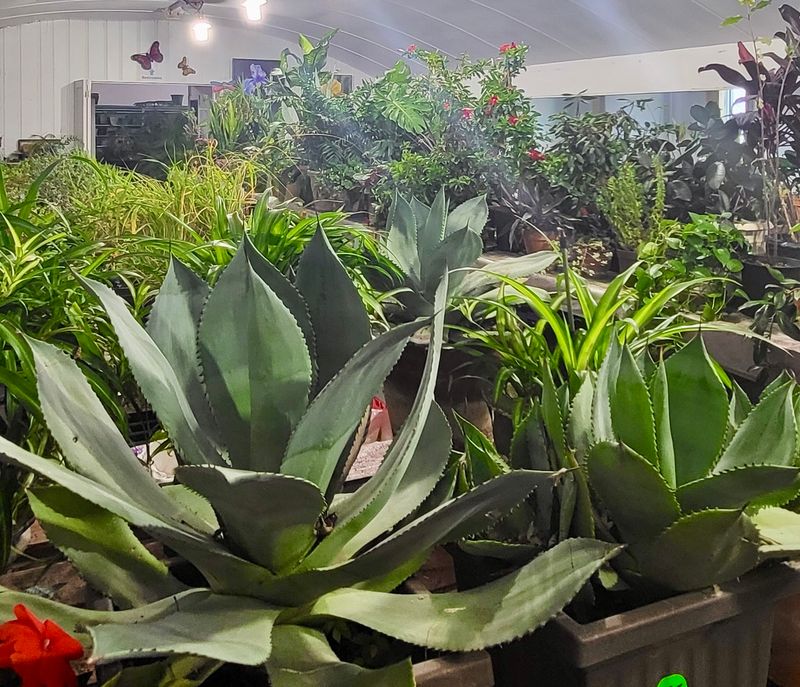
Succulents have their own following at this shop, and they show up often enough that regulars make a point of scanning that section first.
Locally grown succulents have been part of the offerings, alongside donated ones that arrive in all shapes and sizes.
Part of the appeal is practical. Thick-leaved plants like echeveria, jade and haworthia handle neglect better than most tropicals, which makes them forgiving for beginners or anyone with a busy schedule.
Larger cacti have also turned up here, and finding a substantial specimen at a low price is one of those moments that keeps people coming back.
Big cacti are expensive almost everywhere else, so the savings can be significant.
Sizes and varieties change with donations, so the display looks different from month to month. Some weeks bring rows of tiny rosettes, other weeks bring a handful of oddly shaped older plants nobody expected.
Anyone new to succulents should ask about drainage and watering before leaving. Overwatering causes more succulent deaths than anything else, and the staff here field that question constantly.
Small succulents also travel well, which makes them an easy first purchase for someone testing out the shop.
Dig Through Pots, Planters And Unexpected Garden Décor
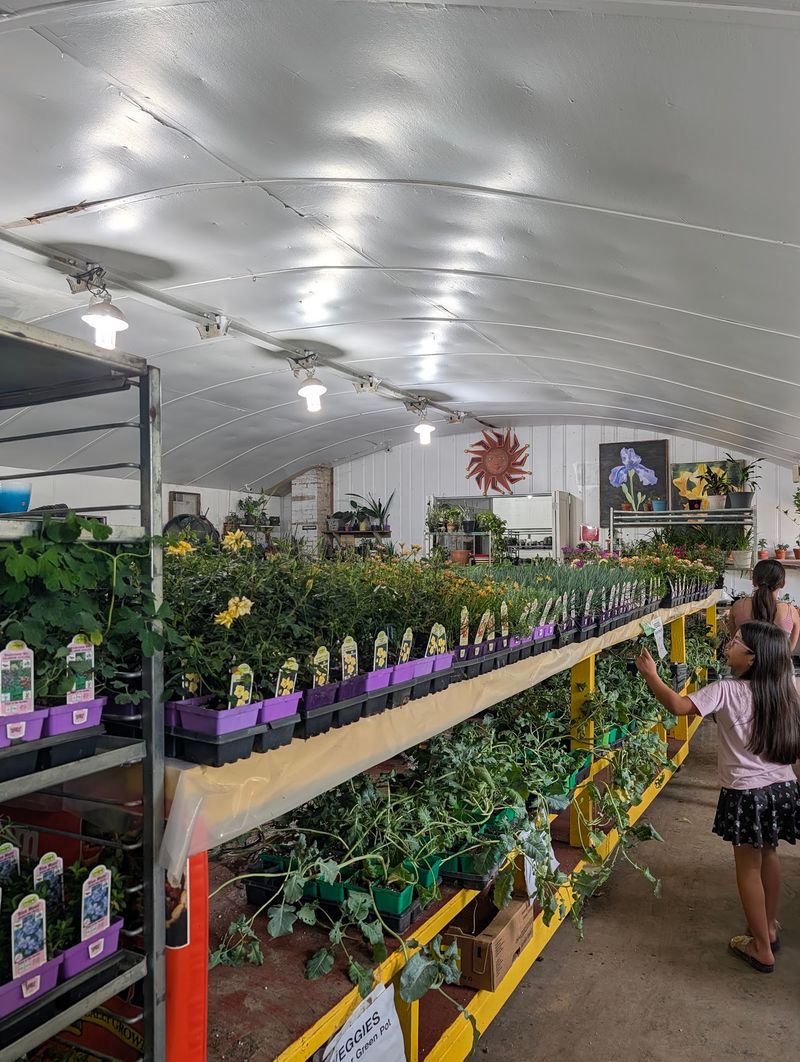
Plants are only half the reason to walk in. Secondhand pots, planters, garden tools and assorted décor fill shelves and corners, and the assortment reflects whatever the community has dropped off recently.
Ceramic pots, plastic nursery containers, hanging baskets and the occasional decorative piece all cycle through.
Prices on used garden gear tend to be low, which makes stocking up on containers far less painful than buying new.
Shopping this section feels much closer to browsing a garden-themed thrift store than walking through a chain retailer. Items sit in groups rather than neat displays, so digging is part of the process.
Practical shoppers often find the best deals here. A large planter that would cost a lot new might turn up for a fraction of the price, sometimes with a small chip that nobody notices once it holds soil.
Checking for drainage holes and cracks before buying saves frustration later. Some pots need a hole drilled, and some work better as cachepots than as direct planters.
Used tools also appear from time to time, which appeals to anyone building a starter kit without spending much.
Bringing a box or reusable bag makes hauling a few finds home much easier, since fragile ceramic and long-handled tools do not travel well loose in a trunk.
Look For Seasonal Flowers And Outdoor Plants
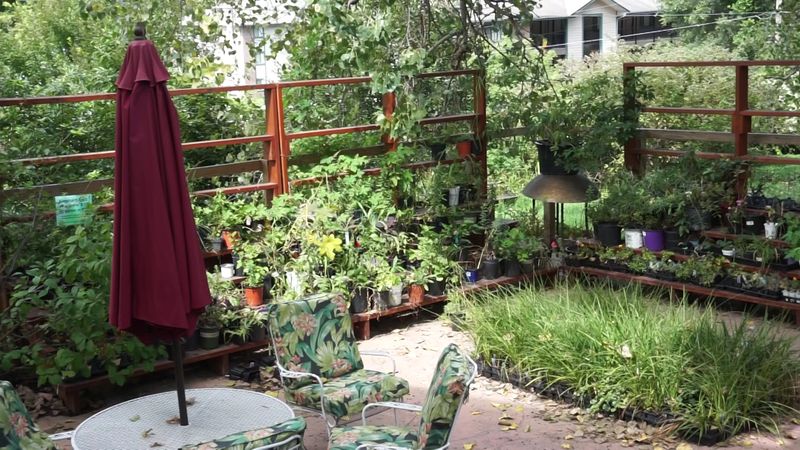
Warm months bring the outdoor side of the operation to life. Flowers, perennials, ornamental grasses and other landscape plants join the indoor greenery, and the mix shifts as the growing season moves along.
Native pollinator plants have shown up in recent offerings, which is good news for anyone trying to support bees and butterflies in a Nebraska yard.
Native species usually need less babying once established, since they already suit the local climate.
Availability depends heavily on donations and the calendar. Early spring looks different from midsummer, and late-season shopping can mean deeper markdowns on plants that need to get in the ground soon.
Gallon perennials have long been a strong point, especially ones that survived winter outdoors in their pots. Those plants come with built-in proof of hardiness that greenhouse-raised stock cannot claim.
Labels are not always detailed on donated material, so asking about sun requirements and mature size helps prevent planting mistakes. Volunteers here are generally happy to talk through where something will thrive.
Shoppers with a specific design plan may need patience, since matching quantities of one variety are not guaranteed. Mixed plantings work better with rescue stock anyway.
Expect The Selection To Be Different Every Time You Visit
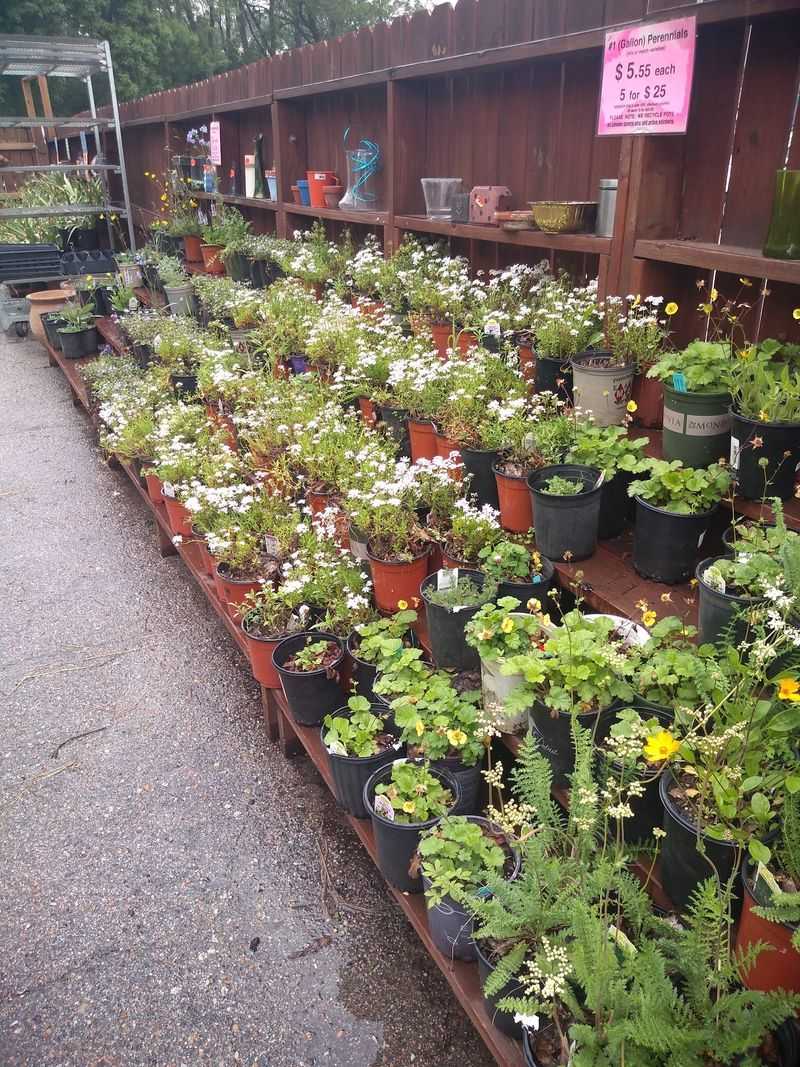
No two trips here look quite the same. A rescue cannot restock predictable inventory, so what sits on the tables reflects whatever arrived in the past few days.
Regulars treat that as the main draw. Something interesting might appear one weekend and be gone the next, which turns a routine errand into a small treasure hunt.
The flip side is obvious. Anyone driving across town for one specific plant may walk out empty-handed, and that disappointment is real.
A better approach is arriving with a general goal rather than a rigid list. Wanting a few shade perennials or a large houseplant leaves room for whatever happens to be available.
Frequent visitors also tend to spot the good stuff first, since popular items move quickly. Stopping by more often, even briefly, usually beats one long visit per season.
Layout can feel a little jumbled during busy stretches, especially when new donations pile up faster than they can be sorted. Walking slowly and looking at lower shelves often turns up things others missed.
Signing up for the shop’s email updates or following its social pages gives a rough sense of what has come in recently.
Going in with an open mind is honestly the single best piece of advice for this place.
Plan A Bargain-Hunting Visit To Its Northwest Radial Highway Shop
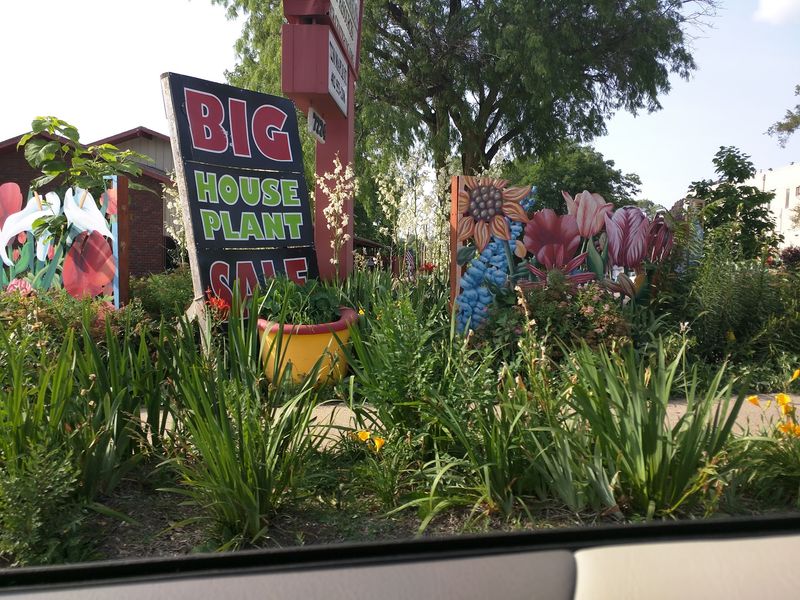
Getting the logistics right makes a first visit much smoother. The shop sits at 5603 NW Radial Hwy, Omaha, NE 68104, on the northwest side of the city.
The entrance is located off an alleyway, which catches some newcomers off guard. Driving slowly and watching for signs helps, since the front door is not where most people expect it.
Hours have shifted over the years and have not always matched what appears on third-party listings. Calling ahead at 402-933-3867 or checking bensonplantrescue.org before heading out is the safest approach.
Mid-morning visits often feel calmer, and weekdays are generally quieter than weekend afternoons. Shoppers who want unhurried browsing and time for questions may prefer those slower stretches.
Wearing shoes that handle a bit of dirt is sensible, since plants sit on gravel and concrete and watering happens throughout the day. Outdoor areas can be damp after rain.
Bringing a wagon, box or a few towels for the car keeps soil off upholstery on the way home. Larger plants fit most vehicles, though a truck helps for bigger hauls.
Setting aside more time than seems necessary is smart. Browsing rescued plants and used pots invites lingering, and rushing through means missing the finds that make the trip worthwhile.