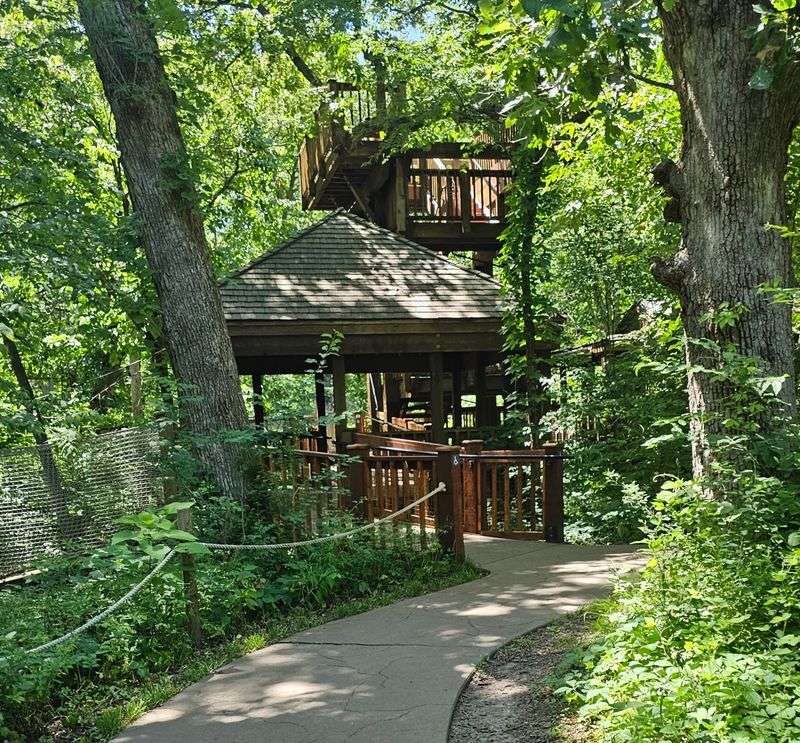
These 11 Nebraska Nature Paths Are Made For Warm Summer Days
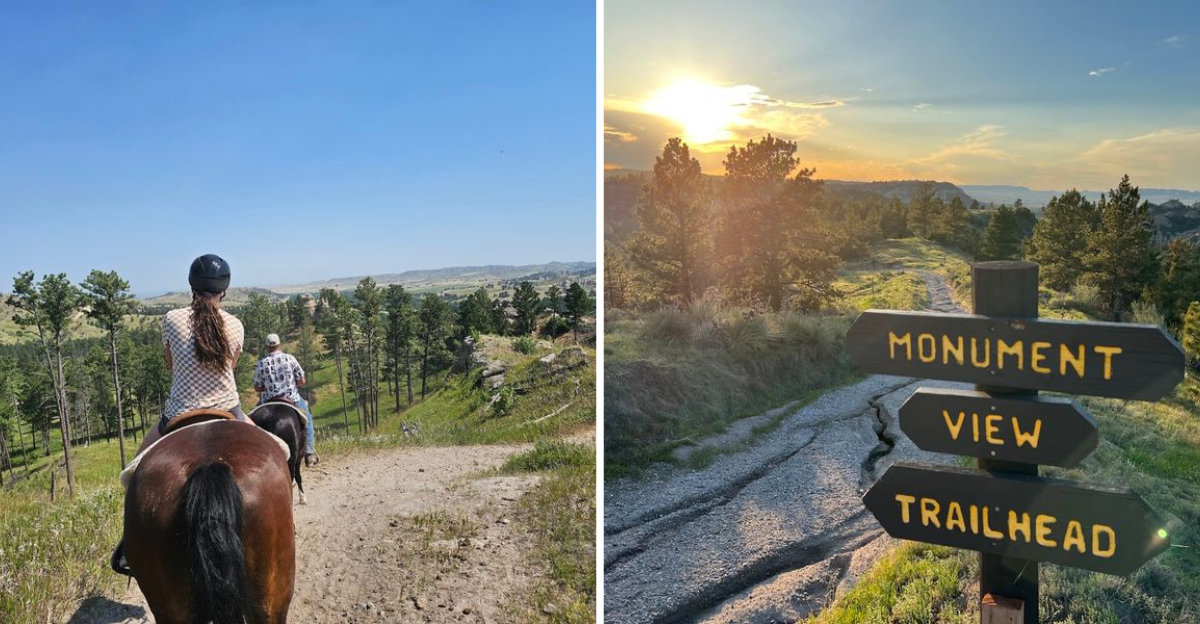
Canyons and rocky bluffs are not what people picture when they think of Nebraska. Yet ancient geology hides behind its reputation for flat cornfields, and summer is the time to find it.
Forested river valleys, pine ridges, and narrow gorges cut across the wide-open middle of the country here.
I have spent hot afternoons on shaded routes beside cool water. Then I climbed to lookouts that many travelers drive right past.
No two paths feel alike. Some end at ancient rock, others at slow riverside stretches.
The variety is the draw, not any single view. These trails tend to rearrange what you assumed about the region.
How does a state this flat hide canyons like these?
1. Fontenelle Forest, Bellevue
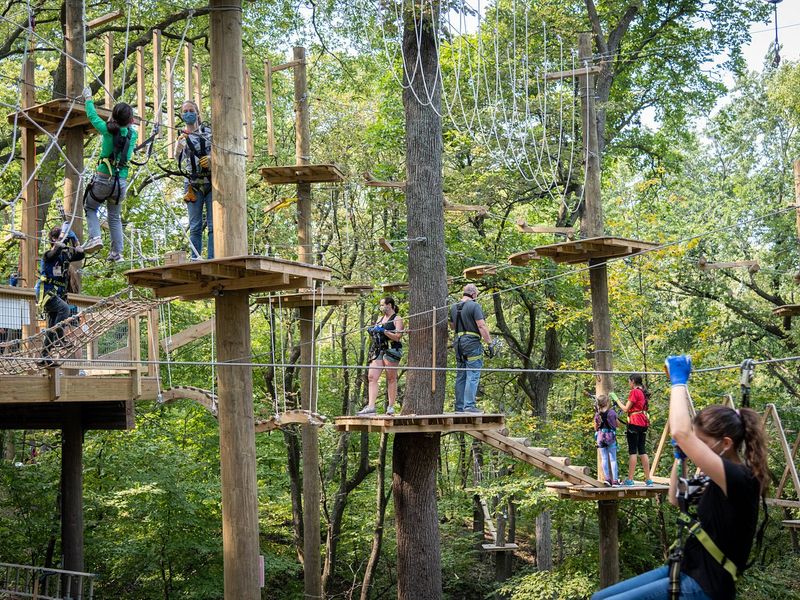
I did not expect a forest this wild to sit just minutes from a city.
Fontenelle Forest in Bellevue covers more than 1,500 acres of ancient floodplain woodland. The trail system winds through towering oaks and cottonwoods that feel centuries old.
Summer mornings here are genuinely magical. Birdsong fills every corner of the canopy.
Nearly 250 bird species have been recorded in this forest, making it a top birding hotspot in the region.
The boardwalk trails are especially popular. They lift you above the wetland floor, giving you a bird’s-eye view of the ecosystem below. Kids and adults both love the elevated perspective.
Fontenelle also runs nature education programs throughout summer. Rangers lead guided walks that teach visitors about native plants and local wildlife. It is hands-on learning in the best possible setting.
The address is 1111 Bellevue Blvd N, Bellevue. Arrive early on weekends to secure a good parking spot. Your summer hike list just got a serious upgrade.
2. Neale Woods Nature Reserve, Omaha
Here is a crazy thought: one of Omaha’s best-kept secrets is hiding in plain sight.
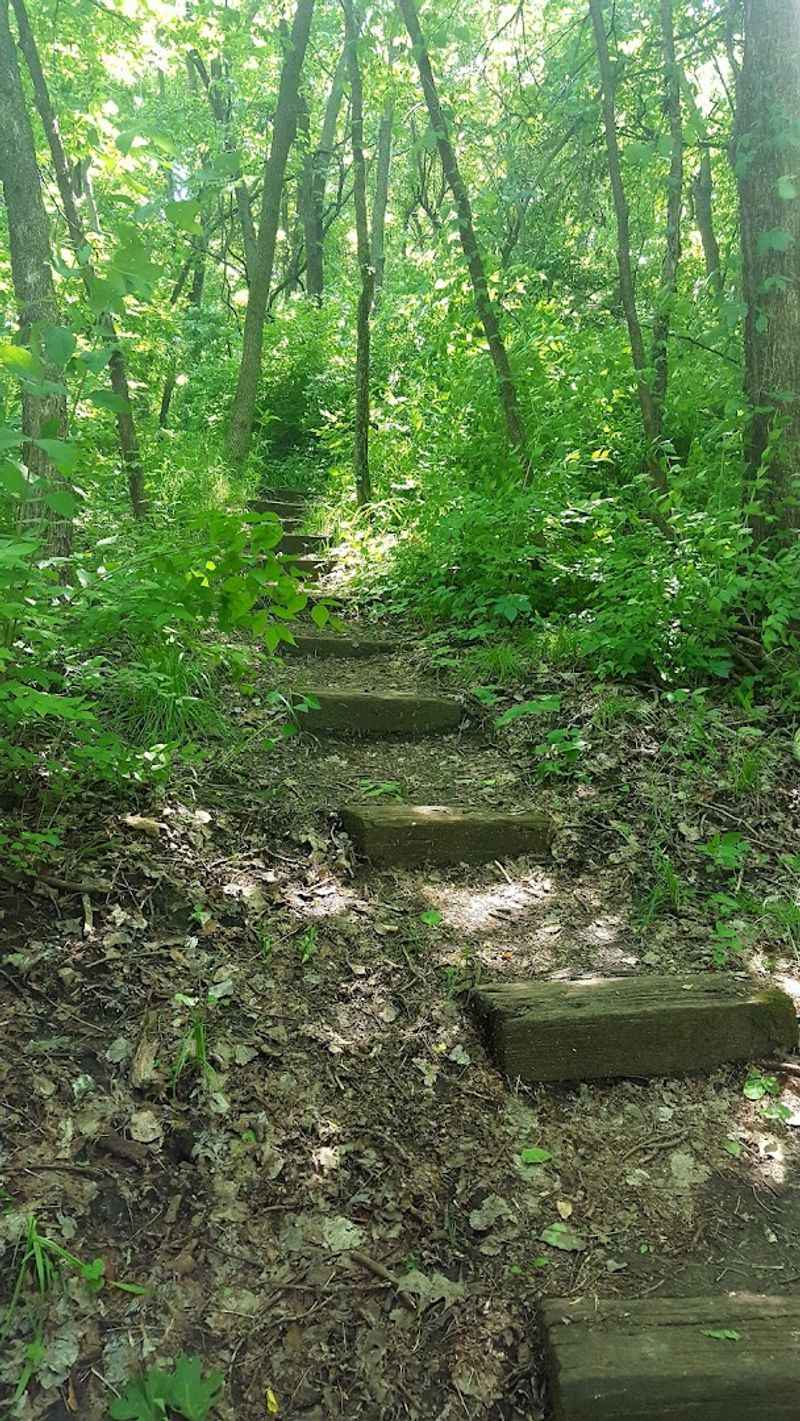
Neale Woods Nature Reserve sits on the bluffs above the Missouri River. The views from the upper trails are nothing short of spectacular.
The reserve covers about 554 acres of rolling woodland and open prairie. Trails range from easy strolls to moderately challenging climbs. That variety makes it a great pick for different fitness levels.
Summer wildflowers dot the prairie sections in bright patches of yellow and purple. The contrast between open grassland and shaded forest makes every loop feel like two hikes in one. You are never looking at the same scenery for long.
Wildlife sightings are common here. White-tailed deer, wild turkeys, and red foxes all call this reserve home. Bring binoculars and move quietly for the best chance at a close-up look.
The address is 14323 Edith Marie Ave, Omaha. Pack a water bottle and sunscreen before heading out. Trust me, you will want to stay longer than planned.
3. Wilderness Park, Lincoln
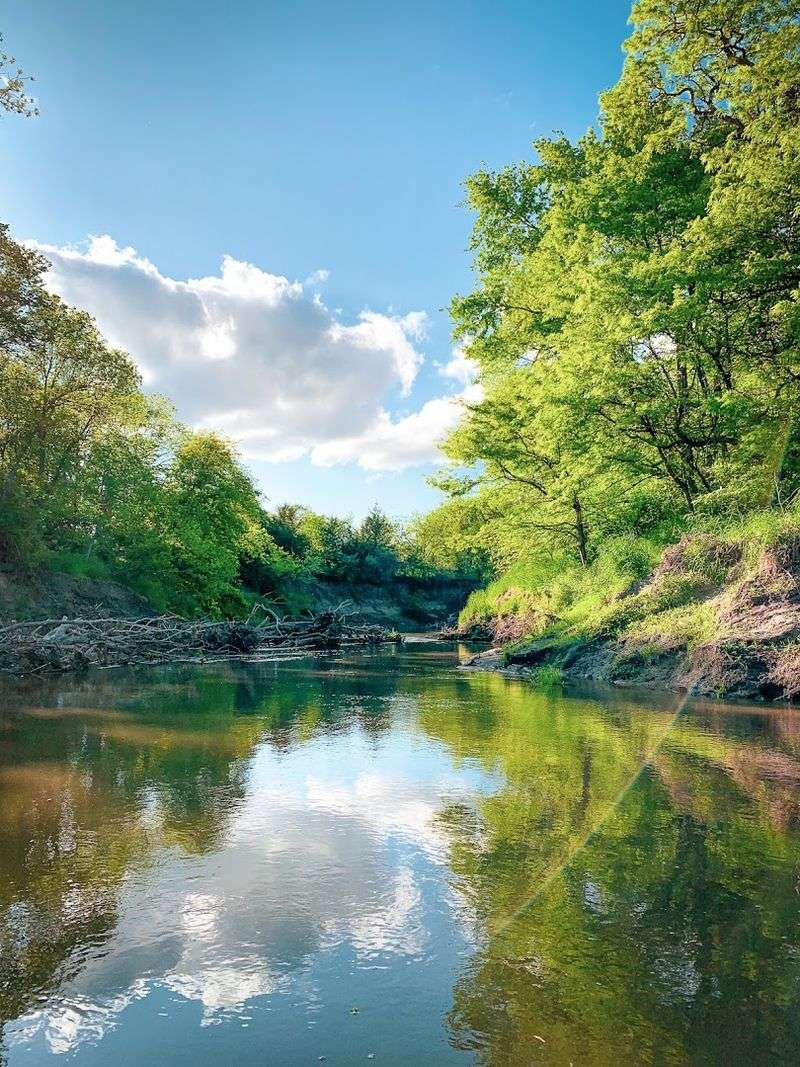
Let’s be real for a second: finding 1,400 acres of wild land inside a major city is genuinely rare.
Wilderness Park in Lincoln runs along Salt Creek and delivers a surprisingly rugged outdoor experience. It is one of the longest urban nature corridors in the entire country.
The park has about 22 miles of interconnected trails. Some paths hug the creek bank, while others climb into the surrounding woodland. You can mix and match routes to build your perfect summer hike.
Cyclists and hikers share certain sections of the trail. The park is wide enough that both groups coexist comfortably. Weekday mornings tend to be quieter and cooler.
Wildflowers bloom aggressively through June and July here. The creek attracts herons, kingfishers, and painted turtles throughout the warm months.
Nature photography enthusiasts will find endless material on every visit.
The main access point is near 4700-4798 S 1st St, Lincoln. Wear sturdy shoes because some sections can be uneven. This park earns its name every single time.
4. Platte River State Park, Louisville
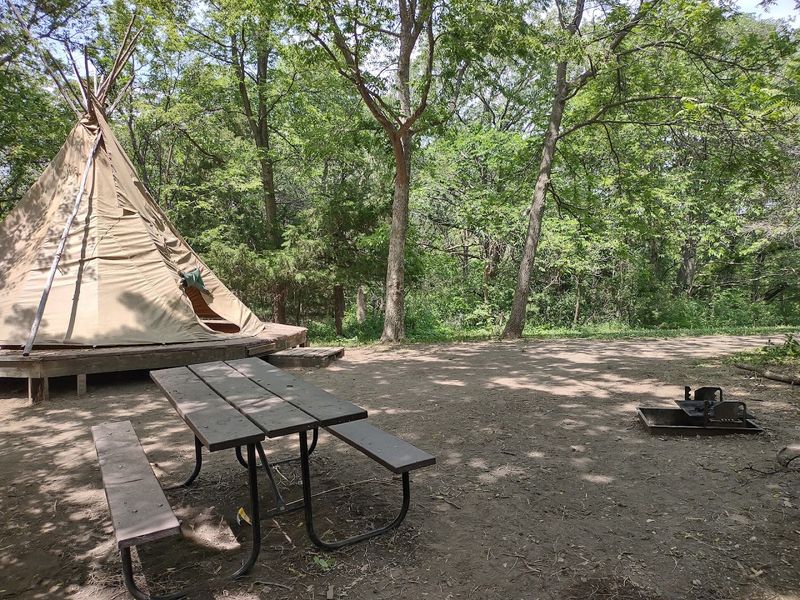
My jaw literally dropped when I first saw the view from the top of the ridge trail here.
Platte River State Park in Louisville sits above the confluence of the Salt Creek and Platte River. The scenery from the bluffs is simply stunning.
The park covers 418 acres and includes a solid network of hiking trails. Routes range from flat creek-side walks to steep climbs with panoramic payoffs. The diversity keeps every trip feeling fresh.
Summer is prime time for spotting wildlife along the river corridor. Bald eagles, great blue herons, and white-tailed deer are all regular sightings. Early morning hikes reward the most patient nature lovers.
Cabins and camping are available for those who want to extend the adventure. Staying overnight means catching golden-hour light over the river valley. That kind of sunset is hard to beat anywhere in the Midwest.
The park is located at 14421 346th St, Louisville. Nebraska state park entry requires a permit, so grab one before you go. This ridge is worth every step of the climb.
5. Rock Creek Station State Historical Park, Fairbury
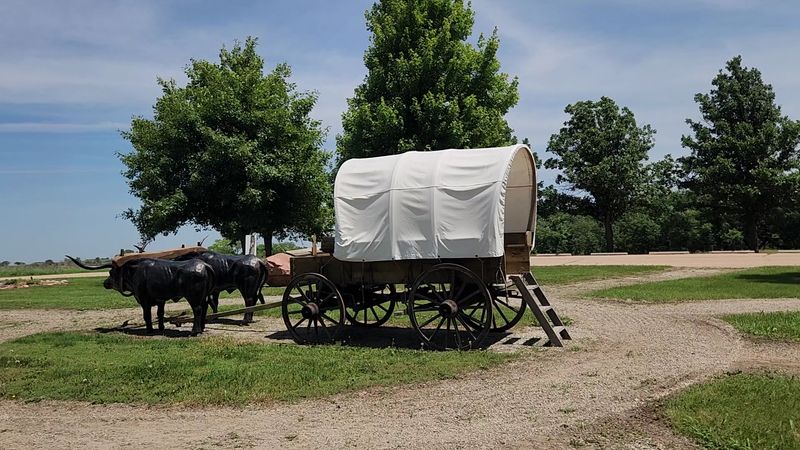
What if your summer hike doubled as a time machine?
Rock Creek Station State Historical Park in Fairbury preserves actual wagon ruts carved by Oregon Trail pioneers. Walking beside them connects you to history in a way no museum can match.
The trail system winds through native tallgrass prairie and along Rock Creek itself. Summer grasses grow waist-high in sections, creating a golden, swaying landscape.
The open skies here stretch endlessly in every direction.
The park tells the story of the overland emigrant trails through interpretive signs along the route. You learn about the daily challenges faced by westward-bound families in the 1800s. It adds real depth to a simple afternoon walk.
Birdwatching is excellent throughout summer. Meadowlarks, dickcissels, and grasshopper sparrows sing from nearly every fence post. The tallgrass prairie is one of the most biodiverse ecosystems in North America.
Find the park at 57426 710th Rd, Fairbury. Plan to spend at least two hours exploring the full trail loop. History and nature rarely team up this well together.
6. Indian Cave State Park, Shubert
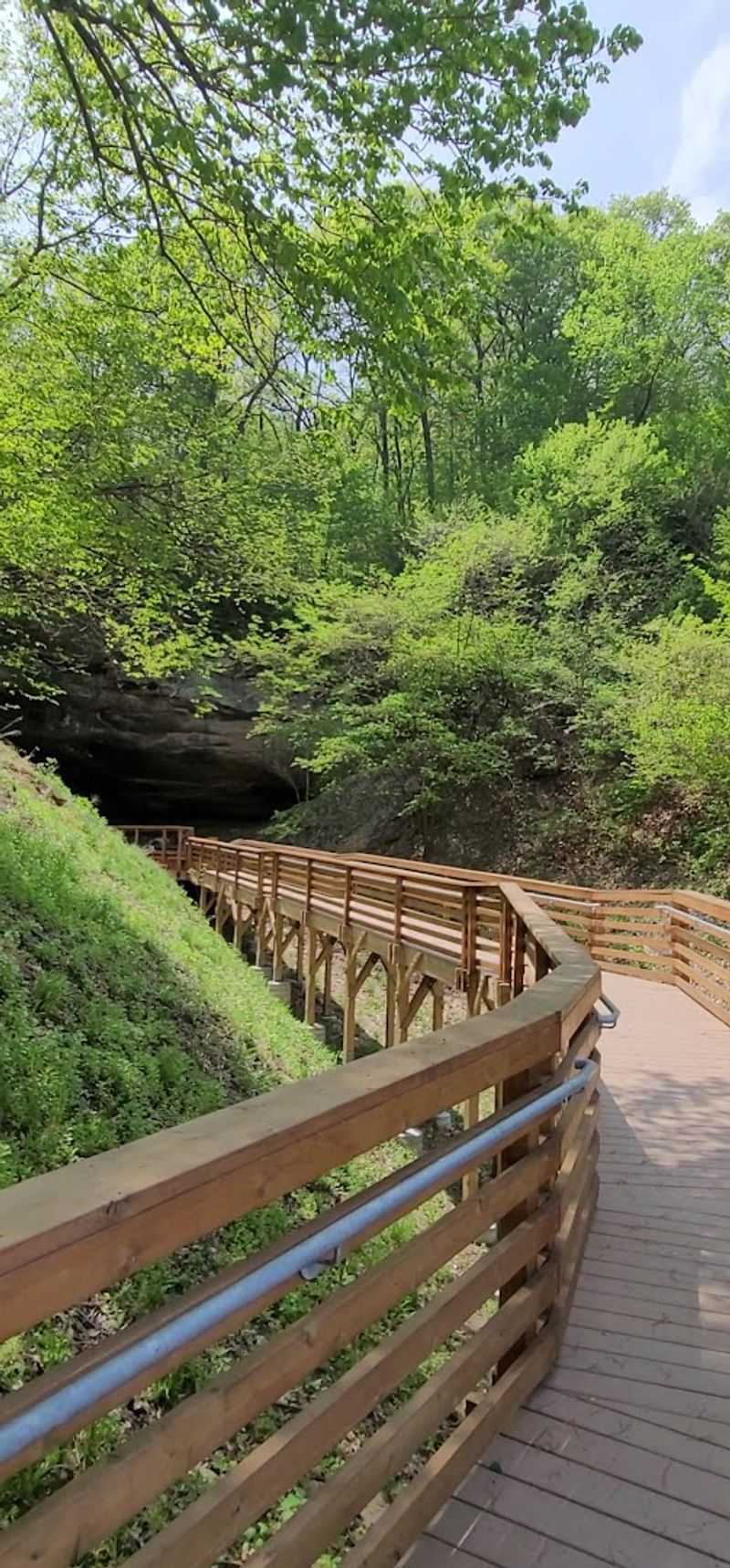
I had to do a double-take when I first saw the Missouri River from these towering sandstone bluffs.
Indian Cave State Park in Shubert is one of the most dramatic natural settings in the entire state. The park takes its name from a large sandstone cave etched with ancient Native American petroglyphs.
Over 20 miles of hiking trails wind through the park’s forested hills. Some paths descend to the river’s edge, while others climb to sweeping overlooks. The mix of terrain keeps hikers engaged from start to finish.
Summer wildflowers carpet the forest floor in soft purples and whites. The humidity near the river creates a lush, almost tropical atmosphere along the lower trails. Ferns and mosses cling to every shaded rock face.
The cave itself is a genuine highlight. Interpretive panels explain the cultural significance of the petroglyphs carved into the sandstone walls. It is a humbling and fascinating stop on any trail loop.
The park address is 65296 720 Rd, Shubert. Bring plenty of water since the climbs can be steep. Every trail here tells a layered story worth hearing.
7. Ponca State Park
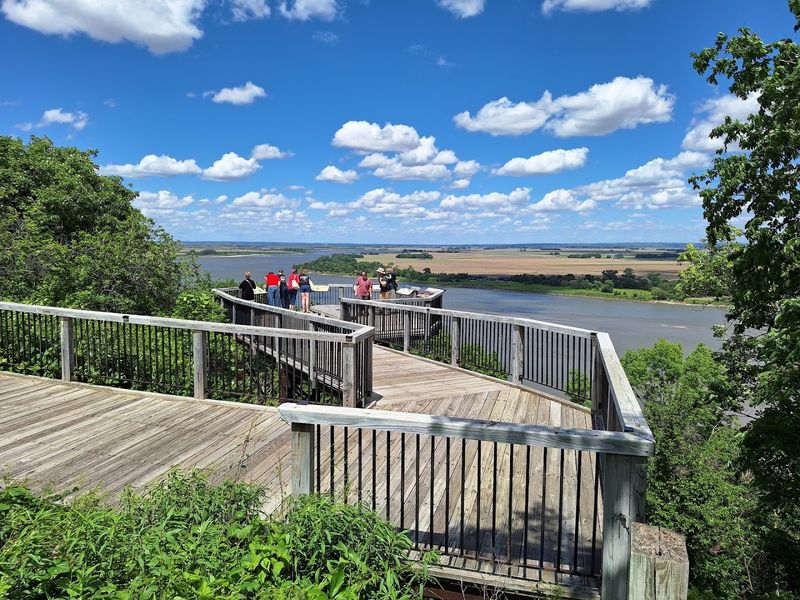
You could have knocked me over with a feather the first time I stood at the overlook here.
Ponca State Park in Ponca offers some of the most breathtaking river views in the entire Great Plains. The Missouri River bends and shimmers far below the bluffs like something from a painting.
The park has more than 20 miles of trails ranging from easy loops to rugged backcountry routes. Dense woodland covers most of the terrain, keeping hikers cool even on the hottest summer afternoons. Shade is one of this park’s greatest gifts.
Ponca is one of the few places along the Missouri where the river still flows in its natural, unchannelized state. That makes the ecosystem here exceptionally rich. Cottonwood groves, sandbars, and backwater sloughs support incredible biodiversity.
River otters, bald eagles, and paddlefish all inhabit this stretch of the Missouri. Wildlife encounters are frequent and memorable throughout the summer season. Bring a camera because the opportunities are constant.
The park is at 88090 Spur 26 E, Ponca. A Nebraska state park permit is required for entry. These bluffs will absolutely rearrange your expectations.
8. Smith Falls State Park, Valentine
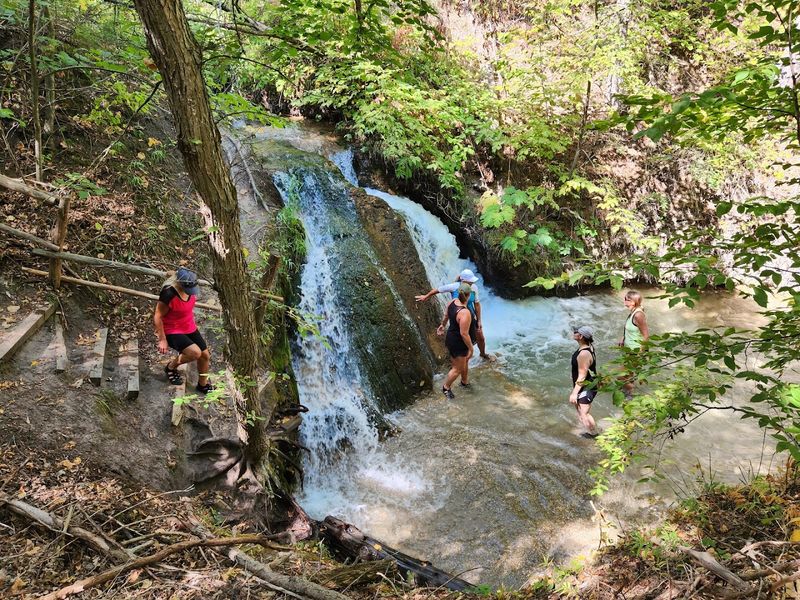
Louder for the people in the back: Nebraska has a waterfall.
Smith Falls State Park near Valentine is home to Smith Falls, the tallest waterfall in the entire state. Watching that ribbon of water tumble 63 feet into the Niobrara River never gets old.
The trail to the falls is short, about half a mile round trip, but the payoff is enormous. The path winds through a shaded canyon thick with ferns and mosses. It feels cooler than anywhere else in the state on a hot July afternoon.
The Niobrara River itself is a designated National Scenic River. The surrounding landscape shifts dramatically from pine-covered canyons to open meadows within just a few miles.
That ecological variety is genuinely rare and worth savoring.
Kayaking and tubing on the Niobrara are popular summer activities nearby. Pairing a river float with a hike to the falls makes for a perfect full-day outing. Nebraska’s Niobrara region is seriously underrated as a summer adventure zone.
The park is at 90159 Smith Falls Rd, Valentine. Arrive early since the trailhead parking fills up fast on summer weekends. This little canyon punches way above its weight.
9. Chadron State Park
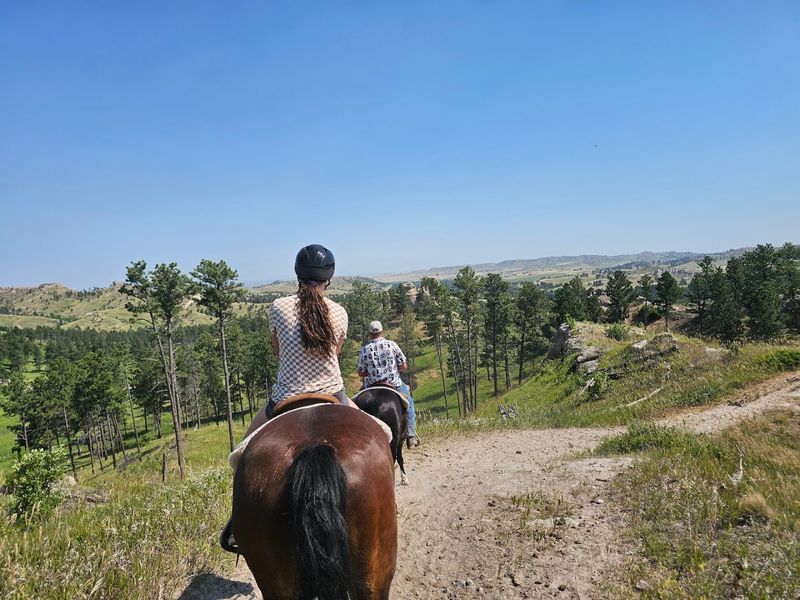
Just imagine for a second: ponderosa pine forests, rugged ridgelines, and zero crowds as far as the eye can see.
Chadron State Park in Chadron sits in the Pine Ridge region of the northwestern Panhandle. It is one of the most scenically distinct parks in the entire state.
The park covers nearly 1,000 acres of mixed pine and hardwood forest. Trails climb through rocky terrain and open onto ridge views that stretch for miles. The air smells like pine resin and warm earth on summer afternoons.
Chadron is Nebraska’s oldest state park, established in 1921. That long history means the trail infrastructure is well-maintained and thoughtfully designed. Even first-time hikers can navigate the system with ease.
The park hosts summer horseback riding, swimming, and archery programs. Combining a morning hike with an afternoon swim in the park pool is a genuinely satisfying summer day. This park rewards families and solo hikers equally.
The access point is at 15951 Gold Rush Byway, Chadron. Sunset from the upper ridges is an experience worth planning around. The Pine Ridge will earn a permanent spot on your return list.
10. Toadstool Geological Park, Harrison
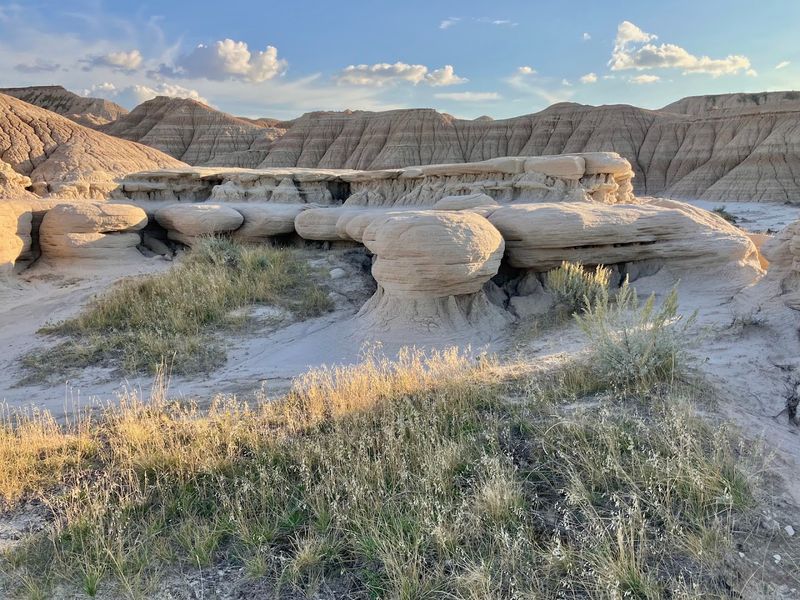
Are you seeing what I am seeing? Toadstool Geological Park near Harrison looks like it belongs on another planet entirely.
Mushroom-shaped rock formations called toadstools rise from eroded badlands clay in one of the most otherworldly landscapes in the Great Plains.
The main trail is just over a mile long, but every step reveals something new. Layers of ancient sediment display colors ranging from pale cream to rusty red. Fossil fragments of ancient rhinos and three-toed horses have been found embedded in these formations.
Summer light does extraordinary things to this landscape. The low-angle morning and evening sun casts deep shadows that make the formations look even more dramatic. Photographers regularly call this one of Nebraska’s most rewarding shooting locations.
Heat can build quickly in the open badlands terrain. Carry more water than you think you need and wear a hat to protect from the sun.
Early morning hikes are the most comfortable option in July and August. Toadstool Geological Park is located near Harrison, managed by the U.S. Forest Service. No entry fee is required. This trail genuinely redefines what Nebraska looks like from the ground up.
11. Wildcat Hills State Recreation Area, Gering
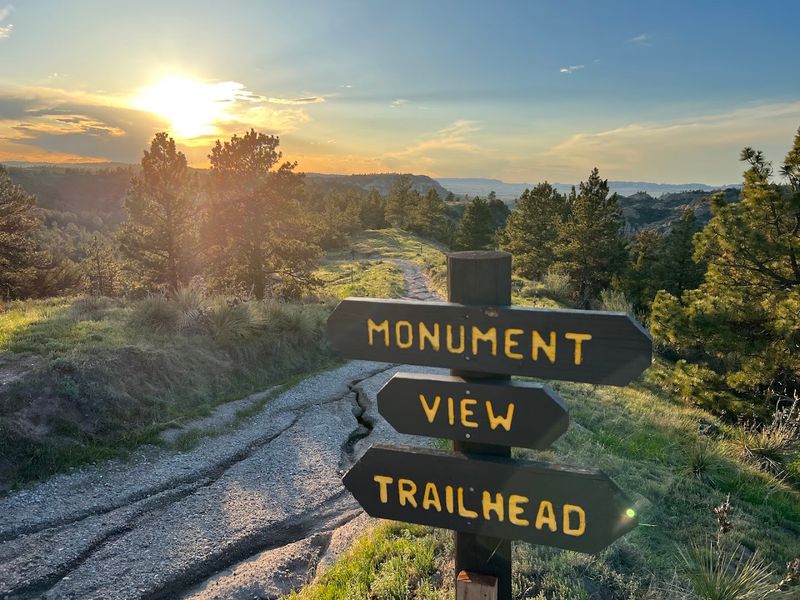
Correct me if I am wrong, but finding wild pronghorn antelope on a Nebraska hiking trail is not something most people have on their summer bucket list.
Wildcat Hills State Recreation Area near Gering makes that encounter very possible. The landscape here is raw, windswept, and absolutely unforgettable.
The rugged sandstone bluffs of the Wildcat Hills rise sharply above the surrounding plains. Ponderosa pines cling to the rocky ridges in twisted, dramatic shapes.
The terrain feels more like Wyoming than what most people picture when they think of Nebraska.
Trails wind through the rocky hills and open onto sweeping views toward Scotts Bluff National Monument. The visual connection between these two landmarks is a powerful reminder of the ancient geology shaping this region.
Standing on those ridges, you feel the full scale of the Great Plains.
The area supports a nature center with wildlife exhibits and live animal displays. It is a great complement to a morning hike, especially for families with younger kids. Learning about local ecology adds real context to everything you see on the trail.
The address is 210615 NE-71, Gering. Bring layers since the ridge can be breezy even on warm days. Wildcat Hills earns every bit of its fierce and fitting name.