These 12 North Carolina Textile Towns Are Finding Fresh Life In Creative Downtowns
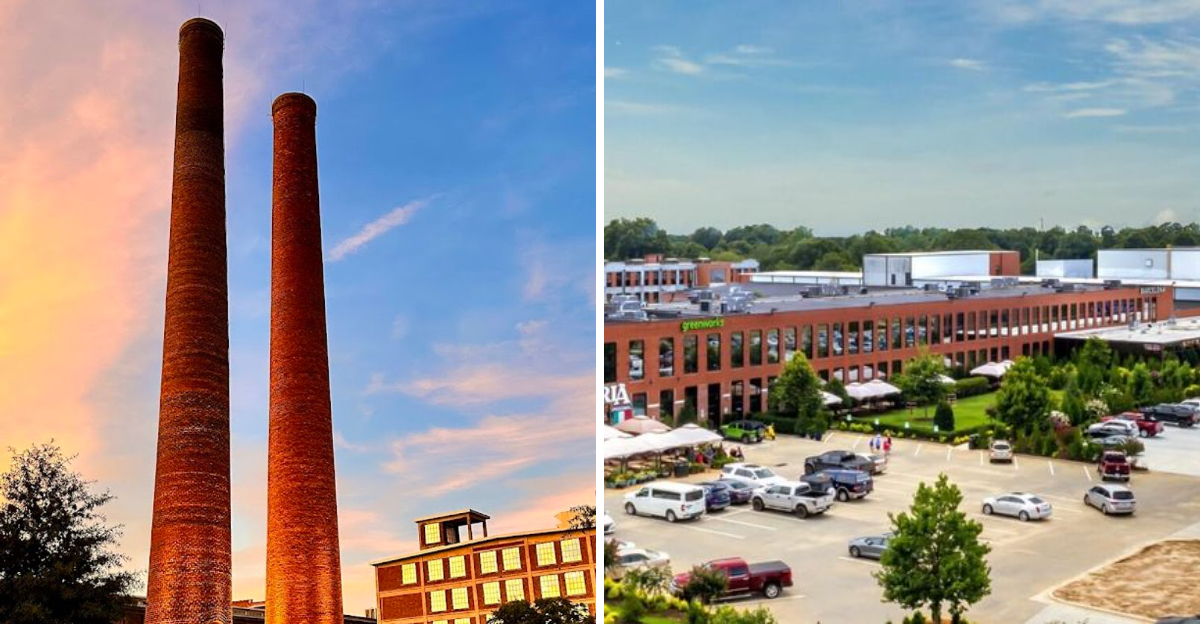
Old textile towns are proof that buildings can have better comebacks than half the people at a high school reunion.
In North Carolina, former mills that once shook with looms are turning into places where people gather, eat, create, and ask, “Wait, this used to be a factory?” like the brick walls might answer.
Past workdays still feel present in the bones of these buildings, which makes the revival feel real instead of polished for postcards.
Lunch pails and factory whistles left a mark.
Now the same spaces feel warmer and busier without losing their old soul.
Even the old machines would probably say, “Okay, nice glow-up.”
1. Kannapolis
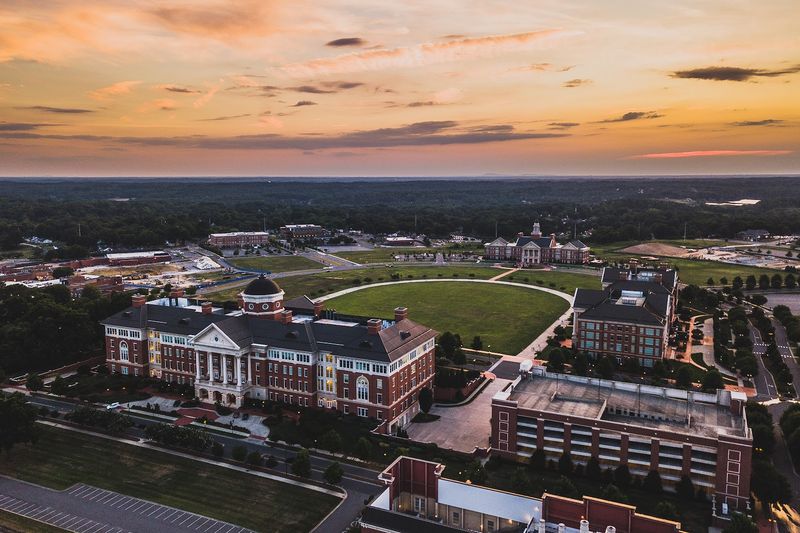
Cannon Mills once shaped nearly every part of Kannapolis, so the city’s downtown revival carries real emotional weight. Instead of treating its textile past as a burden, Kannapolis used it as the starting point for a major reinvention.
In 2015, the city purchased about 50 acres of downtown property and began reshaping the former mill-centered core with streetscape work, public spaces, private development, and a more walkable downtown plan.
Today, the area around West Avenue feels much more active than many visitors expect from a former company town.
The North Carolina Research Campus anchors science and health, while Atrium Health Ballpark, restaurants, shops, apartments, and outdoor spaces draw people downtown beyond work.
The city has also continued to attract new investment around the research campus and downtown area, keeping the transformation from feeling like a one-time project.
Kannapolis works because its comeback feels intentional. The textile story has not disappeared, but the downtown now has room for families, researchers, students, diners, baseball fans, and new residents sharing the same rebuilt streets.
2. Belmont
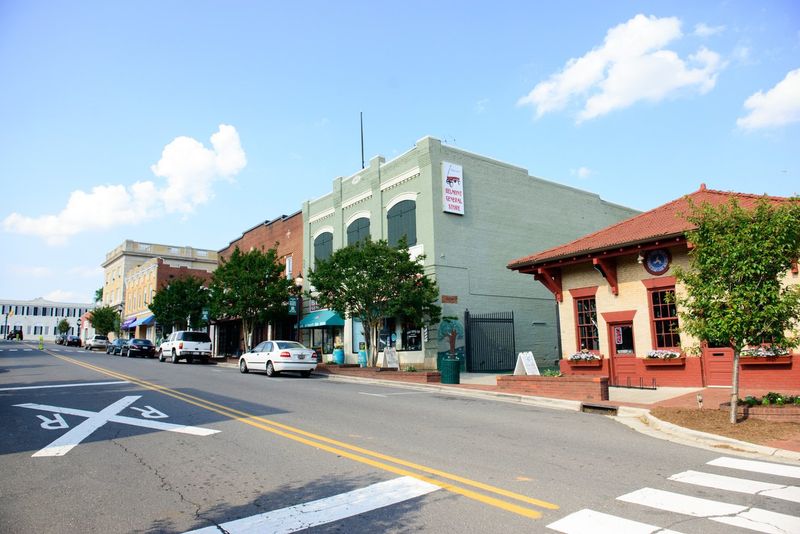
Old mill brick gives Belmont’s downtown revival a strong sense of texture, especially at Chronicle Mill. Built in 1901 as Belmont’s first textile mill, the building has been transformed into apartments, commercial space, and coworking, giving a once-industrial landmark a full second life.
Current Chronicle Mill materials describe loft apartments, while project documentation notes two buildings, 238 apartments, commercial space, and the Mill Collective coworking component.
Instead of hiding the industrial past, the redevelopment lets exposed structure, large windows, and mill character remain part of the experience. That matters in Belmont because the town’s charm depends heavily on memory and scale.
Downtown already had a walkable, neighborly feel, and Chronicle Mill adds a major adaptive-reuse anchor close to the city’s restaurants, shops, and gathering spaces.
Belmont’s strongest advantage is balance. The town feels polished enough for visitors, but not so polished that the mill story disappears beneath new finishes.
People can live, work, and meet inside a building that once powered local industry. Chronicle Mill proves that a former textile site can become modern housing and creative workspace without losing the soul that made it worth saving.
3. Mooresville
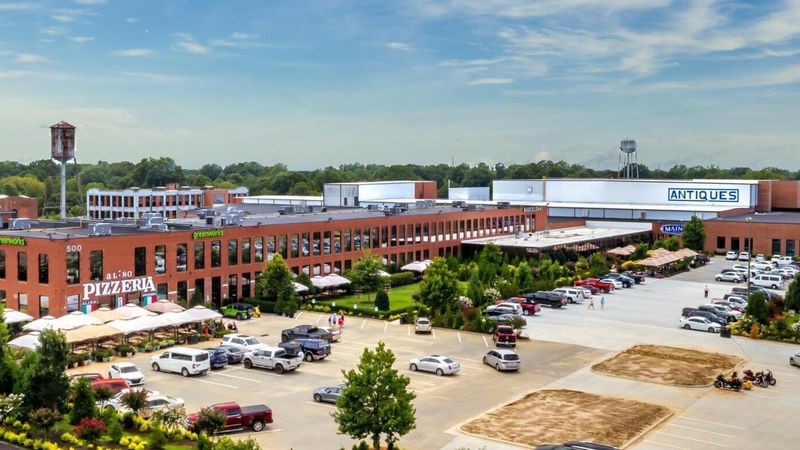
Mooresville found a smart way to turn mill history into everyday usefulness at Merino Mill.
The former Mooresville Cotton Mills is now a mixed-use destination where offices, shops, design studios, antiques, restaurants, and event spaces draw people in for many reasons.
Instead of functioning like a single restored building with one purpose, the complex feels like a stitched-together district inside old industrial walls.
Main Street Antiques and Design Center gives weekend browsers a strong reason to visit, while offices and local businesses keep the property active during the week. Brick walls, beams, large windows, and industrial details help the site feel rooted rather than generic.
That character is hard to manufacture, and Mooresville benefits from having it already built into the structure.
The location near downtown Mooresville also matters because the mill does not feel separated from the town’s wider identity. Visitors can shop, eat, work, browse, or attend an event while still sensing the textile backbone behind the space.
Mooresville’s revival story feels practical, not performative. The town has taken a former industrial asset and made it useful again, which may be the most convincing version of preservation.
4. Saxapahaw
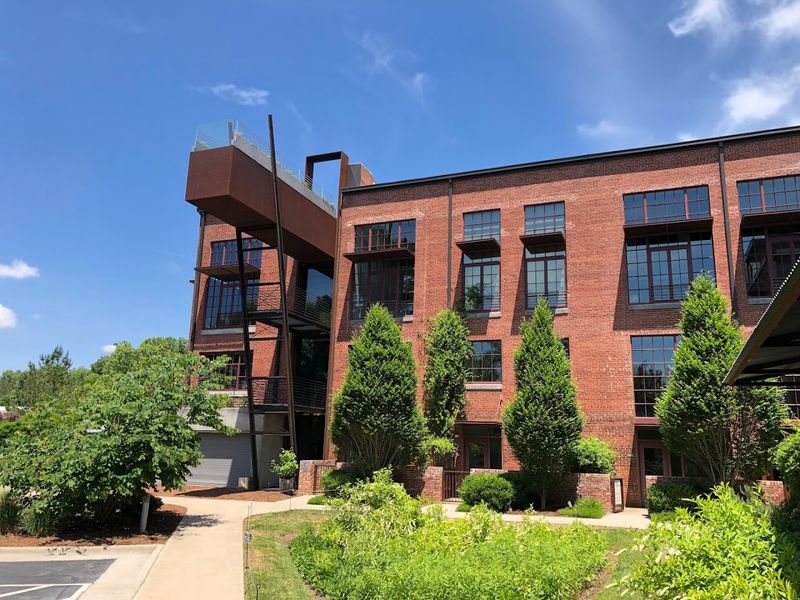
River sound, old brick, music, and food give Saxapahaw one of the most distinctive textile-to-creative transformations in North Carolina.
Once a mill village along the Haw River, this small Alamance County community has become a compact cultural destination built around reused industrial spaces and a strong sense of place.
The former mill area now supports housing, restaurants, event venues, shops, and gathering spots without losing its slightly offbeat personality.
Haw River Ballroom at 1711 Saxapahaw-Bethlehem Church Road is one of the town’s strongest creative anchors, drawing music fans into a village that many travelers might otherwise miss. Nearby food businesses and community spaces give visitors more reasons to linger before or after a show.
The Haw River itself adds another layer, connecting the mill story to trails, paddling, outdoor views, and a slower pace.
Saxapahaw feels different because it has not been polished into sameness. The energy is creative, local, and a little unexpected.
Families, artists, musicians, diners, and outdoor lovers all seem to fit into the same small footprint. For a former textile village, that kind of layered identity feels rare and deeply appealing.
5. Burlington And Historic Glencoe
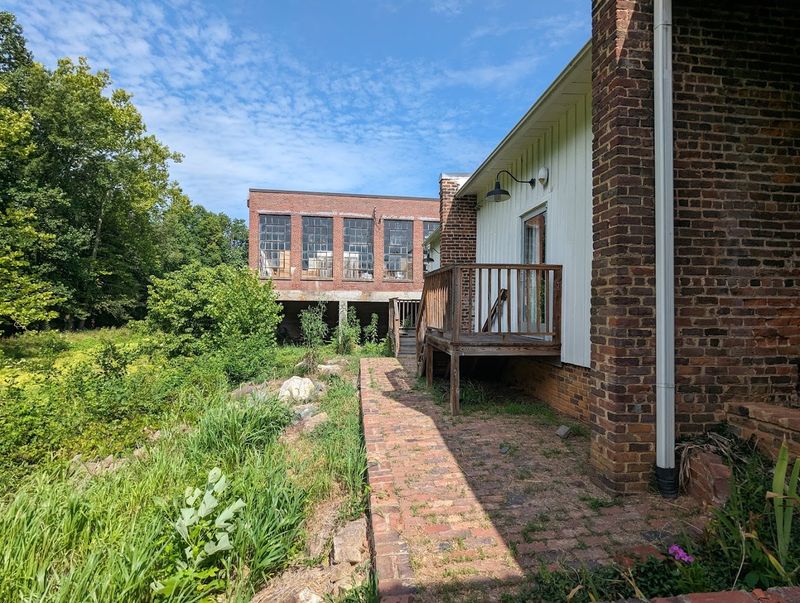
Just beyond Burlington’s busier streets, Historic Glencoe preserves textile history with unusual clarity. The former mill village includes restored worker houses, the mill complex, a company-store building, and streets that still show how closely work and home life once connected.
Instead of only describing mill history through museum panels, Glencoe lets visitors walk through a landscape shaped by that history.
The Textile Heritage Museum at 2406 Glencoe Street, Burlington, NC 27217, gives the village an interpretive anchor. Exhibits focus on the people, tools, labor, and daily rhythms behind North Carolina’s textile era.
That human layer is important because mill history can feel abstract until families, workers, and neighborhoods enter the story.
Glencoe’s fresh life comes less from flashy redevelopment and more from heritage tourism, preservation, education, and renewed attention to a rare surviving mill village. Burlington benefits by having a place where residents and visitors can understand the textile past at street level.
The village feels calm, but not empty. Restored houses, public interpretation, and walkable history create a different kind of downtown-adjacent experience.
Glencoe proves revitalization does not always require dramatic reinvention. Sometimes careful preservation can be just as powerful.
6. Greensboro
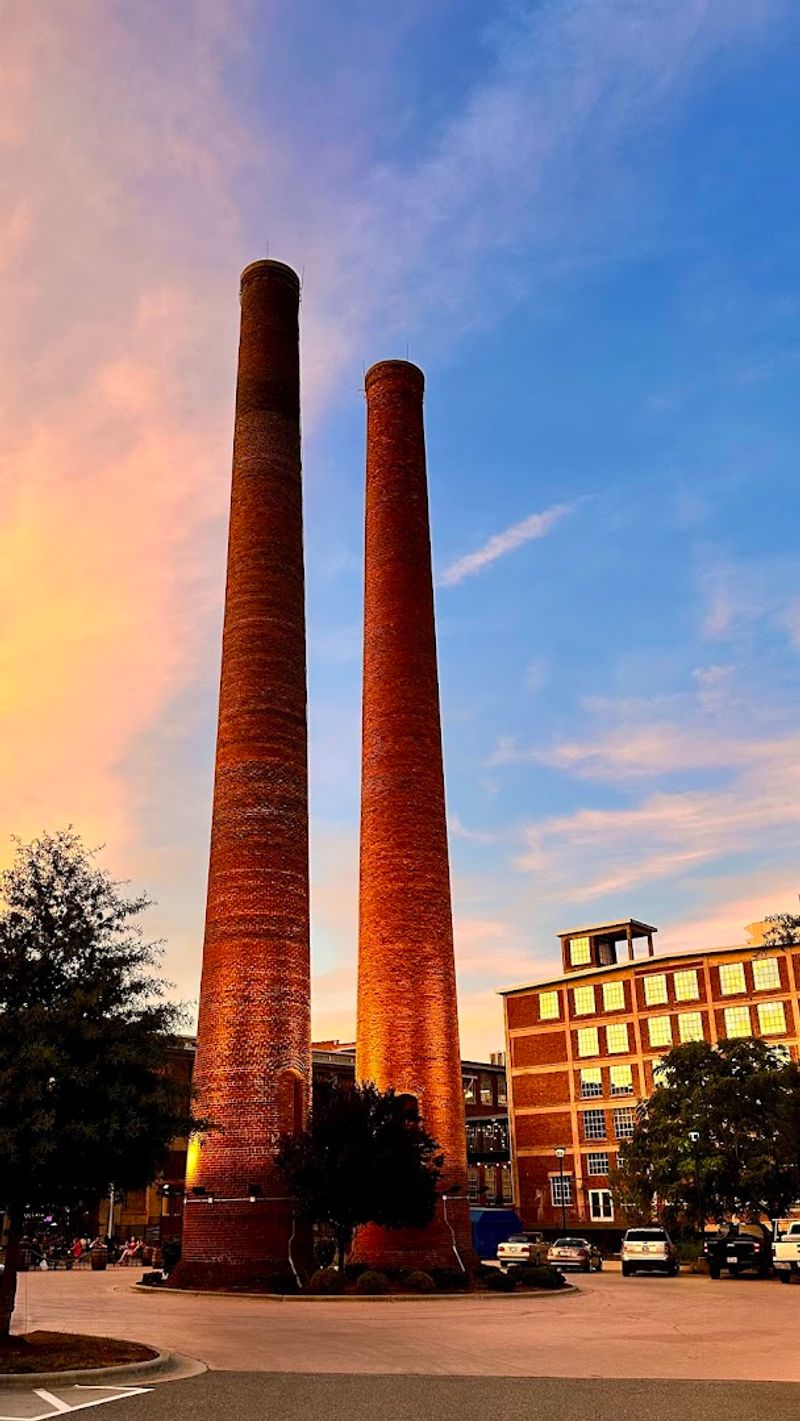
Revolution Mill is not just a building. It is a whole world built inside the bones of a former Cone Mills textile factory, and Greensboro has made it one of the most impressive adaptive-reuse projects in Guilford County.
The campus hums with activity on weekdays and weekends alike, drawing a diverse crowd of residents, workers, and visitors.
Loft apartments with soaring ceilings and original industrial details give residents a living experience that feels genuinely unique. Creative businesses, coffee shops, public art galleries, and outdoor performance space all coexist within the same campus.
Found at 1250 Revolution Mill Drive, Greensboro, NC 27405, the site connects to a greenway that extends the experience beyond the mill’s walls.
Event venues within the complex host everything from wedding receptions to community festivals, making Revolution Mill a social anchor for the surrounding neighborhood. Restaurant options range from casual bites to more refined dining experiences, ensuring there is always a reason to visit.
Greensboro has demonstrated that a single, well-executed mill project can reshape a neighborhood’s identity and economic trajectory entirely.
7. Durham
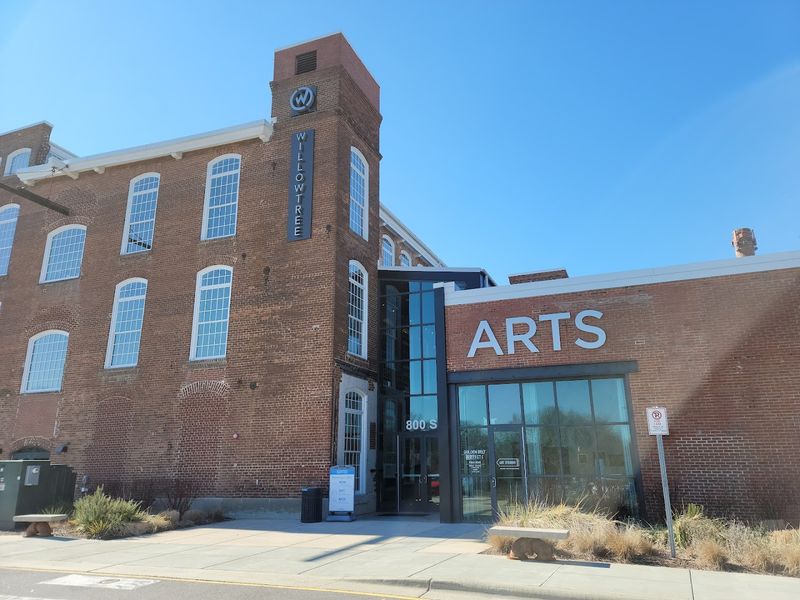
Golden Belt gives Durham’s creative economy a historic industrial shell with real personality. The former textile complex at 807 East Main Street has been adapted into artist studios, galleries, offices, residences, event space, and food-and-drink-adjacent activity within one evolving campus.
Exposed brick, old beams, and large industrial windows keep the mill character visible, while the current uses bring in artists, entrepreneurs, residents, and visitors.
Durham’s broader revival has many chapters, but Golden Belt stands out because art is not treated as decoration added after redevelopment. Creative work is part of the property’s identity.
Studio spaces and galleries give artists room to make and show work, while offices and residences keep the campus from becoming active only during special events.
East Main Street has changed significantly over the past two decades, and Golden Belt helped shape that momentum. The surrounding area now feels more connected to Durham’s food, art, and small-business scenes.
What makes this project compelling is the balance between grit and polish. The mill bones remain visible, but the campus feels alive with modern use.
Durham shows that preserving industrial character can make creative redevelopment feel more authentic, not less.
8. Rocky Mount
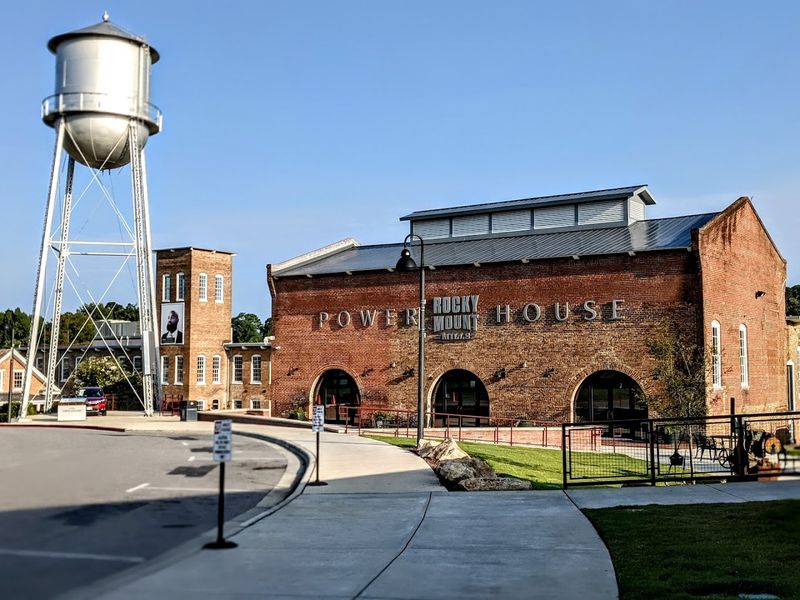
Tar River scenery gives Rocky Mount Mills a dramatic setting before visitors even reach the restaurants, offices, residences, and event spaces. The restored cotton mill at 4 Bridge Street has become one of eastern North Carolina’s strongest examples of mill-campus reinvention.
Instead of rebuilding downtown energy from scratch, Rocky Mount used a major historic industrial site as a social and economic anchor.
Restaurants, workspaces, apartments, event lawns, and overnight options have helped turn the campus into a place where people can spend several hours rather than make one quick stop.
The riverside location adds natural beauty, while the old mill architecture gives the property weight and character.
Remote workers, families, diners, wedding guests, and weekend travelers all use the campus differently, which keeps it from feeling like a single-purpose redevelopment.
Rocky Mount Mills also matters because it has helped change how people talk about Rocky Mount itself. The city’s textile past remains visible, but the campus now supports food, events, lodging, housing, and entrepreneurship.
That shift creates momentum beyond the mill walls. Rocky Mount’s revival is still unfolding, yet this project already shows how one historic site can reshape public perception and bring new life to a riverfront district.
9. Gastonia
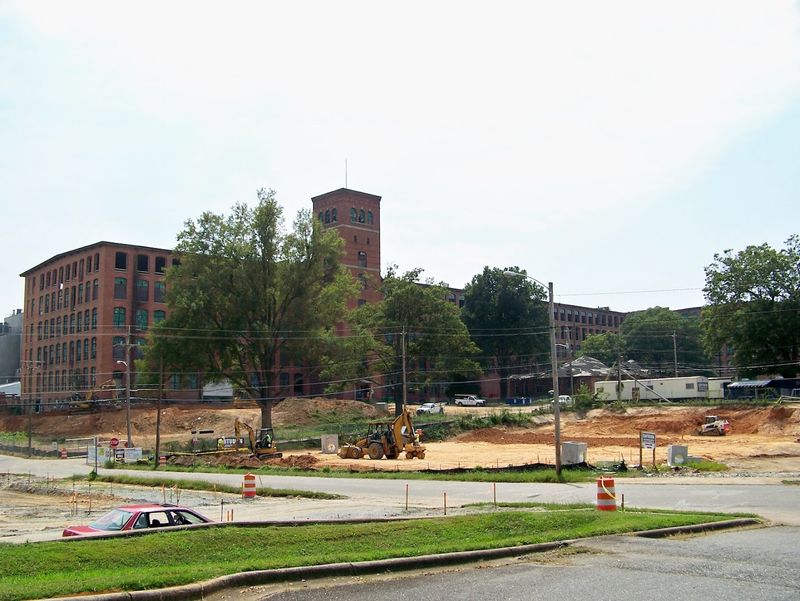
Loray Mill stands as one of the most recognizable textile landmarks in all of North Carolina, and Gastonia has worked hard to match that iconic status with a worthy redevelopment story.
The massive mill building, which was once the center of a famous 1929 labor strike, now houses apartments, office space, retail, and event venues.
History and modern living genuinely coexist inside those grand brick walls.
The surrounding Loray and FUSE district has become central to Gastonia’s broader downtown investment strategy, connecting historic mill buildings to new commercial energy.
Thriving in Gastonia’s Loray Village area, Loray Mill anchors a neighborhood that is steadily attracting new businesses, residents, and visitors.
Plans to link historic mill districts with the core downtown area signal continued momentum.
Retail spaces inside the complex give local entrepreneurs an atmospheric setting that chain stores simply cannot replicate. The event venue draws corporate gatherings, community celebrations, and creative pop-ups that keep the building active throughout the year.
Gastonia is showing that even the most historically complicated sites can become places of genuine pride and community connection with the right vision behind them.
10. Asheboro
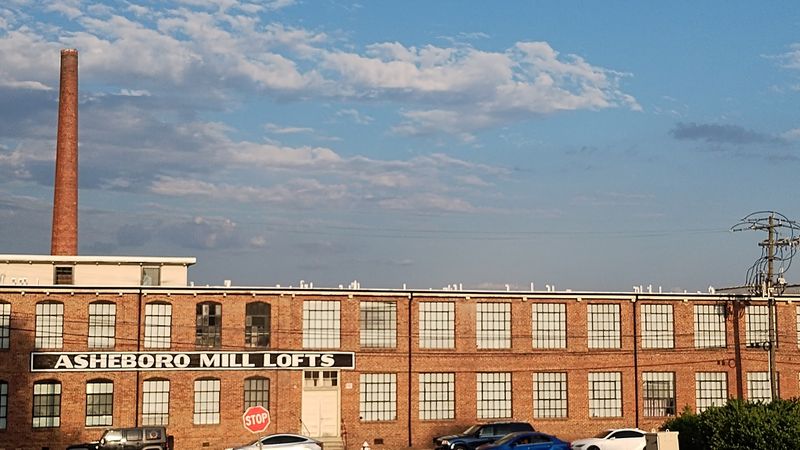
Quiet progress gives Asheboro’s textile revival its strength. Former mill buildings near downtown have been turned into housing and planned mixed-use spaces, helping bring residents and activity back into areas that once risked fading from daily life.
Church Street Lofts at 170 North Church Street, created from the former Parks Hosiery Mill and recognized with a North Carolina Main Street award for adaptive reuse.
That kind of project matters because downtowns need people after business hours. Residential reuse brings lights back into old buildings, supports nearby restaurants and shops, and helps historic streets feel lived-in again.
Original brick, floors, and mill details give residents a setting with more character than standard new construction.
Nearby Acme-McCrary properties have also been part of ongoing redevelopment discussions, showing that Asheboro’s textile comeback is not limited to one address.
The town’s approach feels gradual and realistic, which can be more sustainable than one dramatic project meant to solve everything overnight.
Asheboro already has a strong downtown base, local businesses, and visitor traffic tied to the broader region. Textile reuse adds another layer.
By turning old industrial buildings into homes and future commercial space, Asheboro is building fresh downtown life from materials it already had.
11. Mount Airy
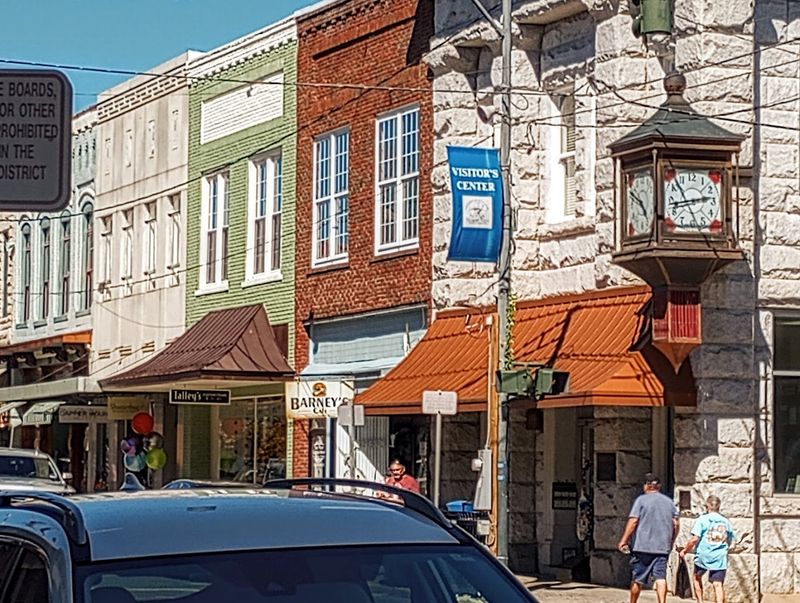
Mount Airy may be famous for Mayberry associations, but its textile and industrial history gives the town a deeper story. Mills such as Renfro and Spencer’s helped shape local jobs, identity, and downtown growth long before nostalgia tourism became the city’s most recognizable calling card.
Now, reuse projects are adding new layers to that familiar image.
Renfro Mill has seen rehabilitation into residential space, giving part of the city’s industrial past a modern purpose. The Spencer’s Mill redevelopment site has drawn attention because the historic 1892 Sparger building is planned as The Balladeer Hotel, with opening expected in 2026.
That hospitality project could give Mount Airy a new kind of downtown anchor, one connected to music, storytelling, travel, and the reuse of an old mill-area structure. Main Street already draws steady visitors for shops, restaurants, and small-town atmosphere, so a boutique hotel rooted in local history fits the city’s next chapter well.
Mount Airy’s opportunity is to widen its identity without losing what people already love. By pairing mill redevelopment with tourism, lodging, and downtown walkability, the city can tell a fuller story about work, culture, and reinvention.
12. Valdese
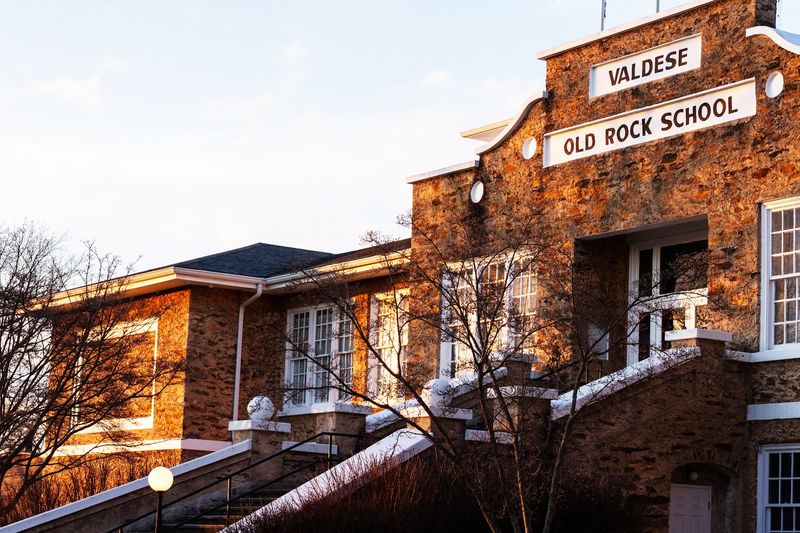
Valdese has a textile story shaped by something far older than the mill buildings themselves. Founded by Waldensian immigrants from the Italian Alps, the town built a distinct cultural identity before becoming an important hosiery-manufacturing center.
Waldensian Hosiery Mill was established in 1901, and Valdese later grew into a recognized hub for textile production.
Today, downtown Valdese works best when that layered identity stays visible. Main Street, public art, heritage sites, local shops, community events, and cultural interpretation all help connect the town’s Italian-Waldensian roots with its industrial past.
The Waldensian Heritage Museum at 208 Rodoret Street South gives visitors a strong starting point for understanding that background.
Unlike towns that rely on mill nostalgia alone, Valdese has a richer mix of faith history, immigration, industry, art, and small-town charm. Murals, sculptures, and walkable streets make the downtown feel like an open-air story, while local businesses keep it practical rather than purely historical.
Valdese’s fresh life comes from embracing what makes it unusual. The town does not need to copy larger redevelopment models.
Its strength is specificity: Waldensian heritage, hosiery history, mountain foothill setting, and a downtown that feels proudly its own.