These 11 North Carolina Towns Just Made A List Of The State’s Most Unusual Places
A North Carolina town where horses have more business on Main Street than cars already sounds made up.
It is not. And somehow, that is only the beginning.
I found places where boats nearly outnumber people, where a tiny population carries a very big backstory, and where local speech still holds traces of another era.
At some point, this stopped feeling like a normal town roundup and started feeling like I had opened the weirdest atlas in the state.
What gets me is that none of these communities had to invent their quirks.
History did the work for them.
Railroads, mountain isolation, old migration stories, coastal traditions, and plain old geography left each place with something almost impossible to copy.
I kept thinking I had found the strangest one.
Then the next town showed up and ruined my ranking.
11. Little Switzerland
No passport needed for this alpine getaway, though you might double-check your map. Little Switzerland was established in 1909 and modeled after a traditional Swiss mountain village.
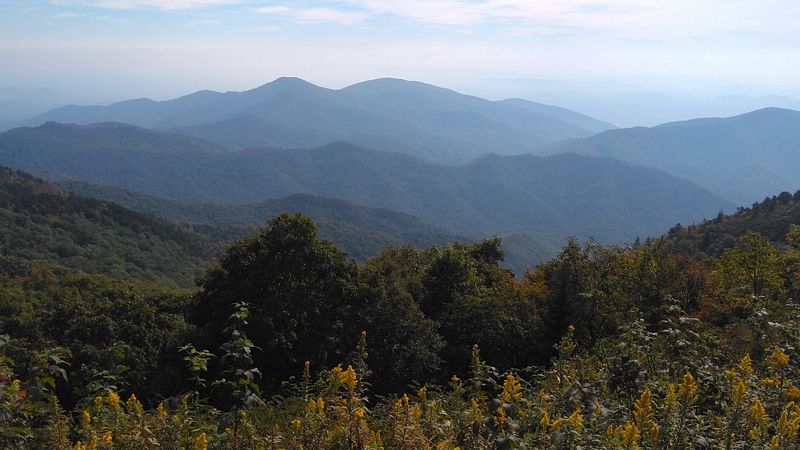
The settlement sits along the crest of the Blue Ridge Mountains. Swiss-chalet style buildings give it a look you don’t expect in western North Carolina.
It’s an unincorporated mountain community, so don’t expect a city hall or a big downtown. Instead, you’ll find small village lodges and shops that keep things low-key.
That small scale is the whole point. This is a place for slowing down, breathing mountain air, and soaking up long views from high in the Blue Ridge.
The community stretches across two counties, McDowell and Mitchell. That’s a fun bit of trivia to share while your friends are busy taking chalet selfies.
Mountain weather can shift quickly at higher elevations, so pack layers even in summer. A light jacket takes up little room and can save your afternoon.
Because the lodges here are small, booking a room ahead of time is a good idea during busy seasons. Fall color in the Blue Ridge draws plenty of travelers to the region.
You won’t hear yodeling or spot the Matterhorn. You will see a mountain village that borrowed a little Swiss style over a century ago, and it still works beautifully.
10. Seagrove
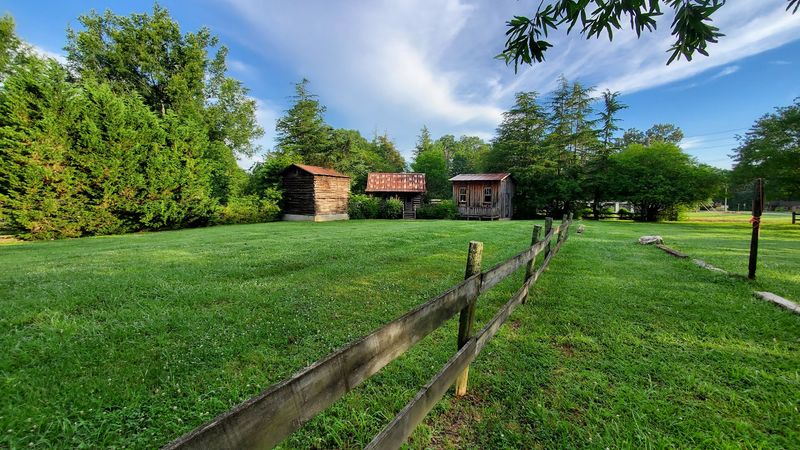
Around 230 people live here, yet the town carries a title that sounds fit for a major city. Seagrove is known as the handmade pottery capital of the United States.
It boasts the largest concentration of working potters in the nation. Dozens of family-run studios line the rural roads, along with traditional groundhog kilns.
So what’s a groundhog kiln? It’s a long, low kiln style tied to traditional Southern pottery, and spotting one feels like a little history lesson on the roadside.
The setting is pure countryside, with scenic lanes winding through central Randolph County. Driving from one studio to the next is half the fun.
Give yourself a full day if you can. With so many studios spread out, rushing means you’ll miss shops that might hold your new favorite mug.
A simple plan helps. Pick a few studios to start, then let curiosity steer you down the next country road.
Leave some trunk space and bring a blanket or towels for wrapping fragile pieces. Your future self will thank you on the bumpy ride home.
Talking with the potters about their craft can add a lot to your visit. Family-run studios often carry traditions passed through generations, and those stories make a bowl mean more.
It’s a tiny town with a giant reputation. Who knew clay could put a place this small on the national map?
9. Love Valley
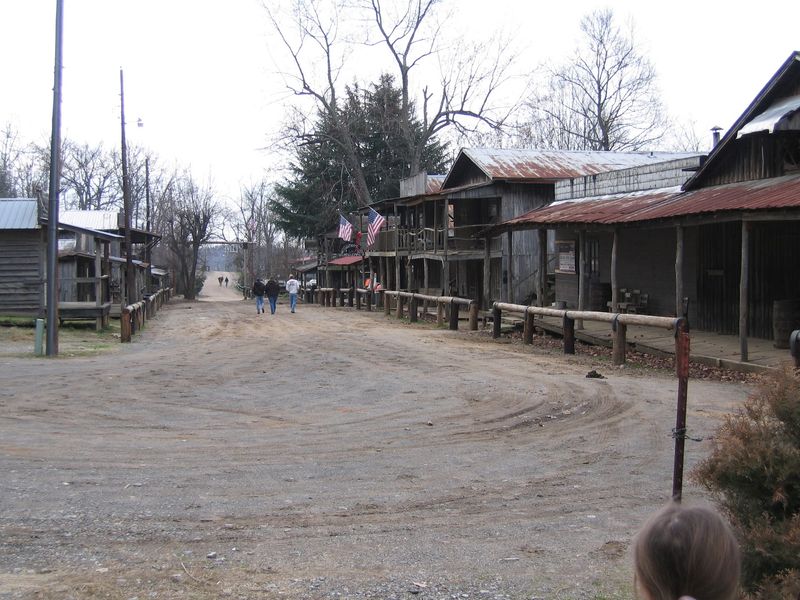
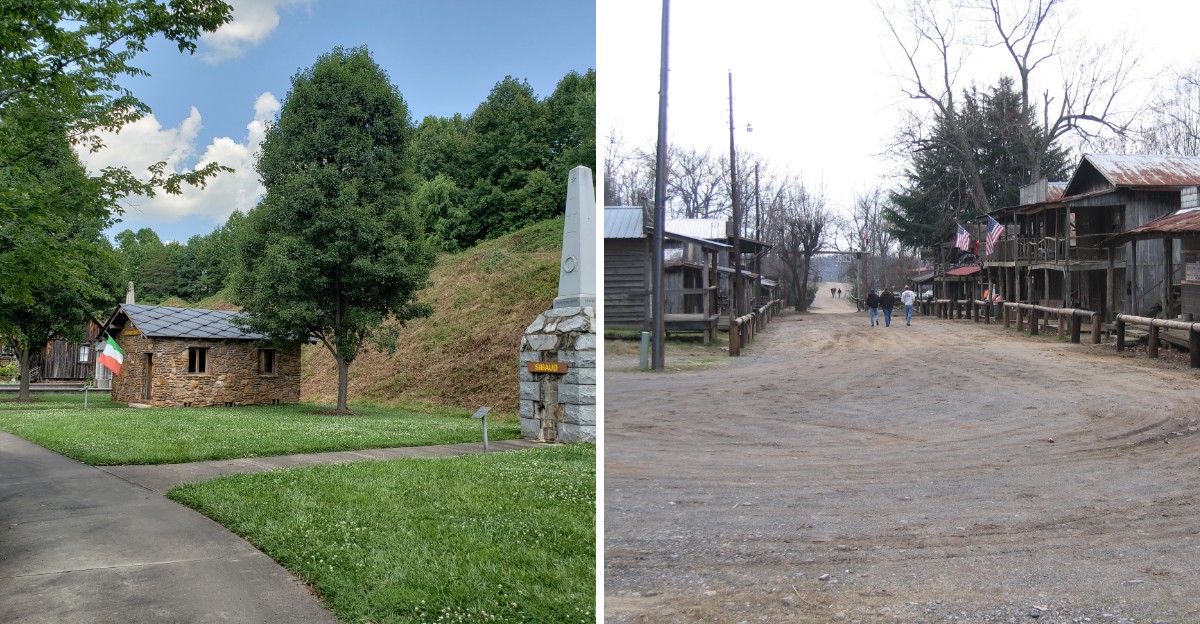
Parking won’t be your problem here, because your car isn’t invited down Main Street. Founded in 1954, this Iredell County town was built to look and feel like an 1800s Old West frontier settlement.
The main street is unpaved dirt, and residents and visitors travel it by horse or horse-drawn carriage. Yes, an actual town in North Carolina runs on hoofbeats instead of horsepower.
Love Valley is tiny, with fewer than 200 residents. It still holds its own spot on the map as an established town with its own municipal government.
That mix is part of the charm. You get a real community with real local leadership, wrapped inside a setting that looks borrowed from a classic Western movie.
If you love horses, this is about as close as you’ll come to a horse-first town in the South. If you don’t ride, you can still enjoy the novelty of a main street where the loudest traffic may be a carriage wheel.
Plan ahead before you go, since a town this small won’t have big-city services around the corner. Checking the town’s official channels is a smart move for upcoming events and visiting tips.
Bring comfortable boots and a camera with plenty of storage. Dirt roads and an Old West setting make for photos your friends will think came from a film set.
It’s a short trip back in time without the time machine. Just remember to leave the minivan where it belongs.
8. Ocracoke
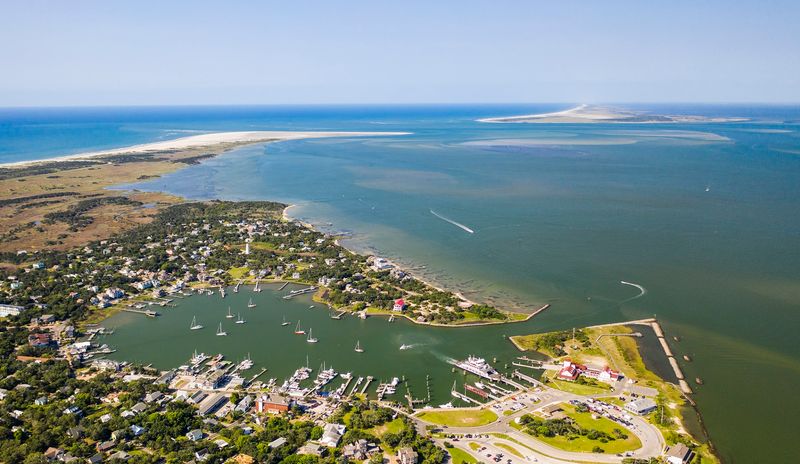
Hop on a ferry or catch a small plane, because there’s no bridge to this island village. Ocracoke sits on a remote Outer Banks barrier island in Hyde County.
Fewer than 1,000 people live here year-round. Narrow village streets wind past historic maritime cottages, giving Ocracoke an old seaside feel.
Now for the part that makes language fans grin. The island is famous for its Hoi Toider brogue, a distinctive dialect shaped by centuries of coastal isolation and historical English-speaking communities.
Say “high tide” with that brogue and you’ll hear where the nickname comes from. It’s a living piece of history you can hear rather than read in a museum.
Pirate lovers, you’re covered too. Ocracoke has historic ties to Blackbeard, one of the most famous pirates to sail these waters.
Getting here takes planning, so check ferry schedules well before your trip. Island travel works best when you build in extra time.
Once you arrive, slow down and match the island’s pace. Strolling those sandy lanes is a fine way to spend an afternoon.
Pack sunscreen, bug spray, and a little patience. Remote islands reward travelers who leave their rush at the dock.
Few places in North Carolina feel this far from the mainland while still being part of it. That separation is exactly why Ocracoke kept so much of its character.
7. Saluda
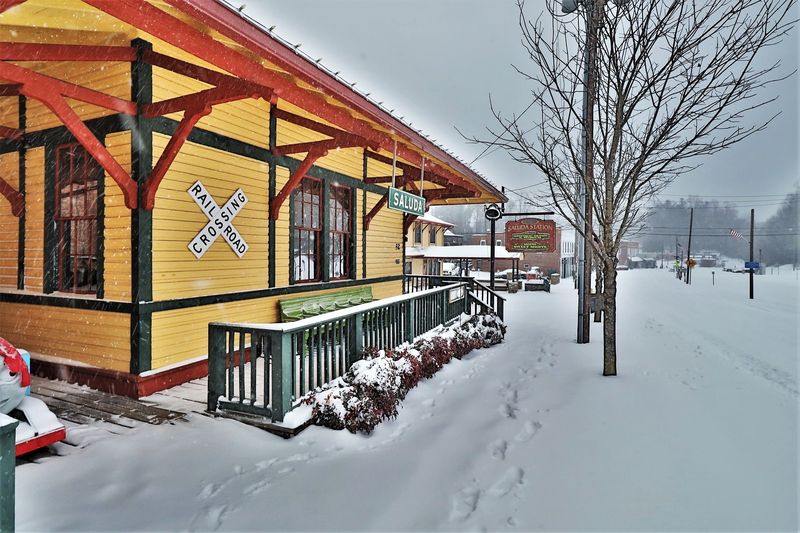
Trains had to work hard to reach this mountain town, and that struggle shaped its whole story. Saluda sits at the crest of the Saluda Grade.
Saluda Grade became famous as the steepest standard-gauge mainline railway grade in the United States. Trains last traveled the route in 2001, and the former railroad corridor is now being developed into a recreational trail.
Roughly 700 people call Saluda home. The town spreads across parts of Polk and Henderson counties in the North Carolina mountains.
Its preserved Main Street commercial district is the heart of the visit. Historic buildings line the street, and the railroad influence shows up in the town’s identity.
Train fans will feel right at home here. Even if you don’t know a boxcar from a caboose, the story of trains battling a mountain is pretty fun.
Plan to explore on foot. A compact historic downtown is made for wandering, browsing, and snapping a few photos.
Shoes with good grip are smart in any hilly town. After all, this place is famous for being steep.
Pair your stop with time outdoors in the surrounding mountains. The Saluda area sits in scenic country that rewards a slow drive.
Not every small town gets its fame from a slope. Saluda turned a tough climb into a lasting point of pride.
6. Valdese
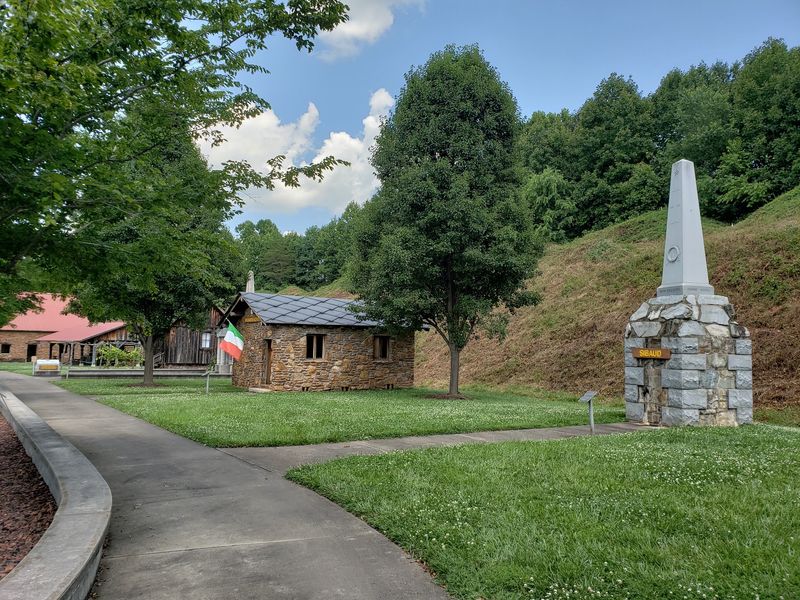
A slice of the Italian Alps landed in the North Carolina foothills back in 1893. That year, Waldensian immigrants from the Cottian Alps of northern Italy founded Valdese, bringing centuries of religious and cultural traditions with them.
Their heritage still shapes the town today. Historic stone architecture and an Italian influence give Valdese a personality you won’t find in many Southern towns.
Roughly 4,500 people live here, and the historic downtown has a close-knit feel. It sits in Burke County, in the foothills of western North Carolina.
Want a game while you’re in town? Valdese has public bocce courts, a nod to the Italian roots of its founders.
Bocce is easy to learn, so don’t worry if you’ve never played. Roll your ball closest to the small target ball, and you’re basically a pro.
The stone buildings deserve a closer look too. They help tell the story of a community that crossed an ocean and built something lasting.
Spend some time learning about the Waldensians before your trip. Knowing their journey makes the downtown feel much richer.
Families will like the mix of outdoor fun and history. A friendly bocce match can turn a quick stop into an afternoon.
It’s a small town with a big backstory. Few places can trace their roots from Alpine valleys to Southern foothills.
5. Maggie Valley
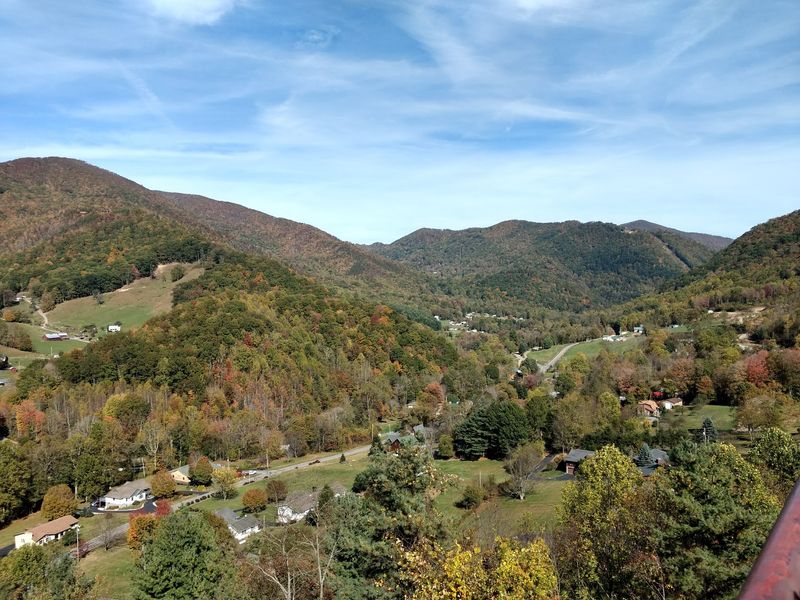
Retro road trip fans, this one’s for you. Maggie Valley is famous for quirky roadside Americana and mountain-motel nostalgia.
The town stretches along Soco Road in the Great Smoky Mountains. Around 2,000 people live in this small Haywood County resort community.
Driving Soco Road feels a bit like flipping through an old family vacation album. Classic signs and motel charm give the strip a throwback personality.
Maggie Valley also celebrates classic Appalachian heritage. Revivals of mountain traditions keep the region’s culture front and center.
That blend is what lands it on this list. Old-school tourist fun meets deep mountain roots, all in one valley.
Bring a camera with a good zoom. Mountain backdrops and vintage roadside style make a great combination for photos.
Consider staying overnight instead of just passing through. Sleeping in a mountain motel is part of the nostalgic experience.
The Great Smoky Mountains surround you here, so pack for outdoor time too. Layers help, since mountain air can cool down fast in the evening.
Ask yourself one question before leaving. Did you actually slow down and enjoy the drive, or just race to the next stop?
Maggie Valley rewards travelers who take their time. Roll the windows down and let the road trip spirit take over.
4. Bath
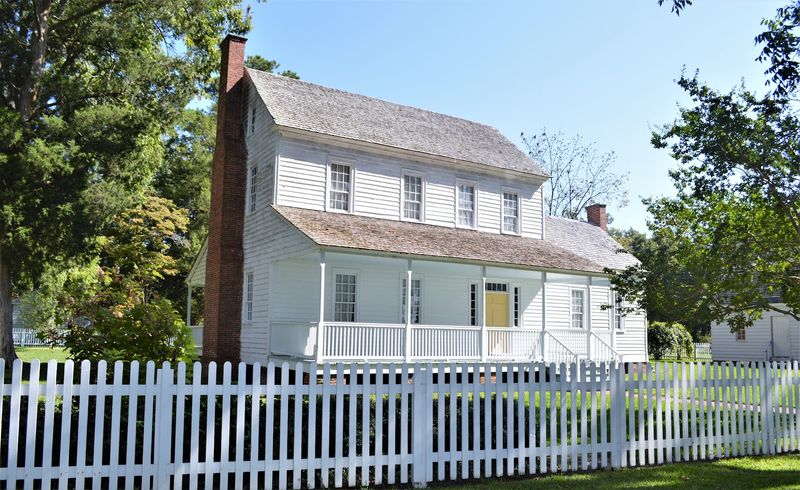
Long before most of the state had towns, Bath was already on the books. It was incorporated in 1705 as North Carolina’s very first town.
Then a famous pirate gave it a wild reputation. Bath served as the haven and home base of Blackbeard, also known as Edward Teach.
Picture the contrast for a moment. Today, about 250 people live in this quiet waterfront village with peaceful rural lanes.
Bath sits on the Pamlico River in Beaufort County. Its protected colonial waterfront helps keep the town’s early history in view.
History buffs will be thrilled. Few places let you stand in a town that dates back to the very start of the colony’s town life.
Kids love pirate stories, so Bath can be a great family stop. A little Blackbeard background before the trip makes the visit more exciting.
Take it slow while you explore. The quiet lanes and river views are best enjoyed at an easy pace.
Bring a picnic if the weather’s nice. A riverside break fits the calm mood of this little village.
Small as it is, Bath packs a big story. It’s proof that a town doesn’t need a crowd to hold over three centuries of history.
So who knew North Carolina’s oldest town once welcomed a pirate? Bath sure keeps things interesting.
3. Oriental
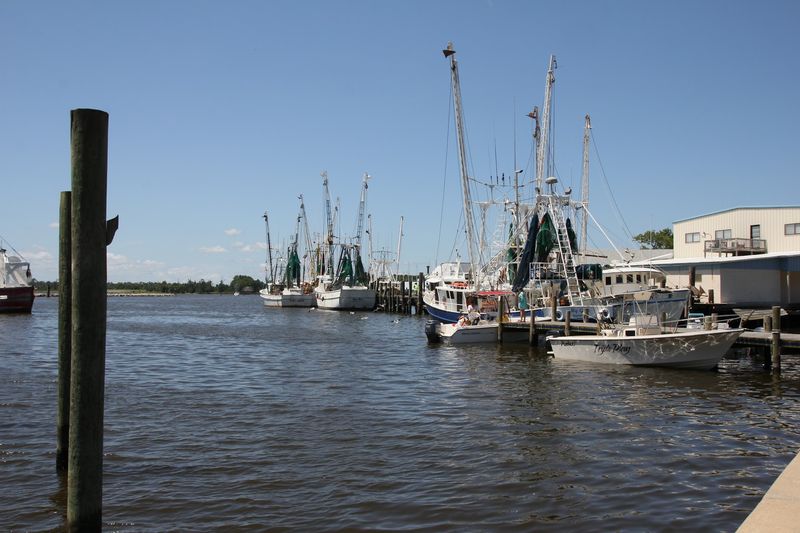
Count the masts before you count the people, and the masts will win. In Oriental, boats in the harbors and marinas outnumber residents nearly three to one.
No wonder it’s officially called the Sailing Capital of North Carolina. Around 900 people live in this tiny coastal harbor town.
Oriental sits along the Neuse River in Pamlico County. Water shapes daily life here, and the harbor views prove it.
Love boats? You’ll be in good company with all those sailboats bobbing at the docks.
Even if you’ve never held a rope, there’s plenty to enjoy. Watching boats glide in and out of the harbor is a calm, happy way to pass the time.
Bring sunglasses and a hat. Sun bouncing off the water can be bright on clear days.
A stroll near the marinas is a great starting point. You’ll see why sailors call this little town such a special stop.
Check the town’s official site before visiting for events and local news. Small towns often have seasonal happenings worth planning around.
The best part might be the pace. Life by the water tends to slow you down in the nicest way.
Oriental is proof that a town can be tiny and still have a big title. Just don’t be surprised if the boats get more attention than you.
2. Cherokee
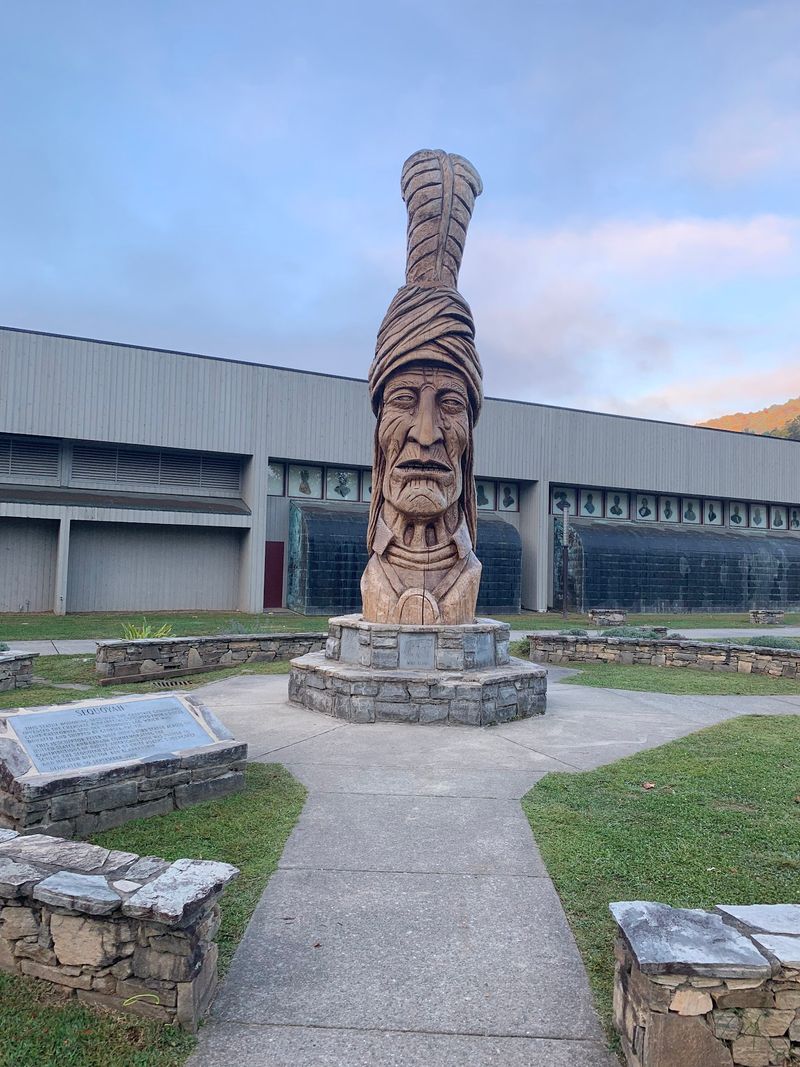
Look up at the street signs here, and you’ll spot two languages. Cherokee features bilingual signs written in English and the Cherokee syllabary.
That detail hints at something bigger. Cherokee serves as the sovereign capital of the Eastern Band of Cherokee Indians, on the Qualla Boundary.
The Eastern Band of Cherokee Indians is a sovereign tribal nation with its own government, laws, and institutions. Visiting Cherokee offers a chance to learn about a living culture and self-governing community.
Cherokee sits at the base of Great Smoky Mountains National Park. Swain and Jackson counties share the area, and the scenery is stunning.
Traditional artisan co-ops are another highlight. They’re a great way to see crafts made with skill and tradition.
Buying from a co-op also supports local artists directly. That’s a souvenir with real meaning attached.
Take time to learn a little about the Cherokee syllabary before you go. Spotting characters on signs becomes a fun game once you know what you’re seeing.
Respect goes a long way here. Treat cultural sites and local customs with care, just as you’d want guests to treat your hometown.
Pair your visit with time in the national park. Mountain trails and history make an excellent combination.
Few towns let you read your directions in two writing systems. Cherokee makes even a quick drive a learning experience.
1. Fontana Dam
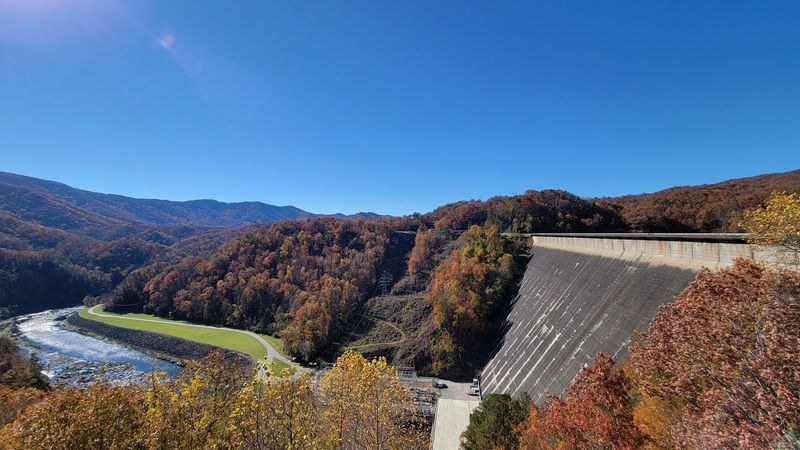
Hikers on the Appalachian Trail get a rare treat in this remote corner of the mountains. Fontana Dam is a rare Appalachian Trail town where hikers cross directly over the top of a massive federal hydroelectric dam.
And what a dam it is. It was built as the tallest dam in the eastern United States.
The town began in the 1940s as a temporary planned settlement. It housed the workers who built that giant structure.
Temporary turned into lasting, though. Today, roughly 55 residents live in this tiny mountain town in western Graham County.
The Nantahala National Forest surrounds the town on every side. That means trees, mountains, and quiet in just about any direction you look.
You don’t have to be a thru-hiker to enjoy it. Walking a short stretch across the dam still gives you bragging rights.
Remote places need extra prep, so fill your gas tank before heading in. Bring snacks, water, and a paper map in case your phone signal drops.
Wear sturdy shoes if you plan to explore trails nearby. Mountain paths can be rocky and uneven.
It’s wild to think a whole town exists because of one construction project. Fontana Dam turned a work camp into one of North Carolina’s quirkiest spots.
Fewer than 50 neighbors and a world-famous trail. Not a bad combination.