These 12 Northern California Mountain Towns Feel Too Dreamy To Be Real
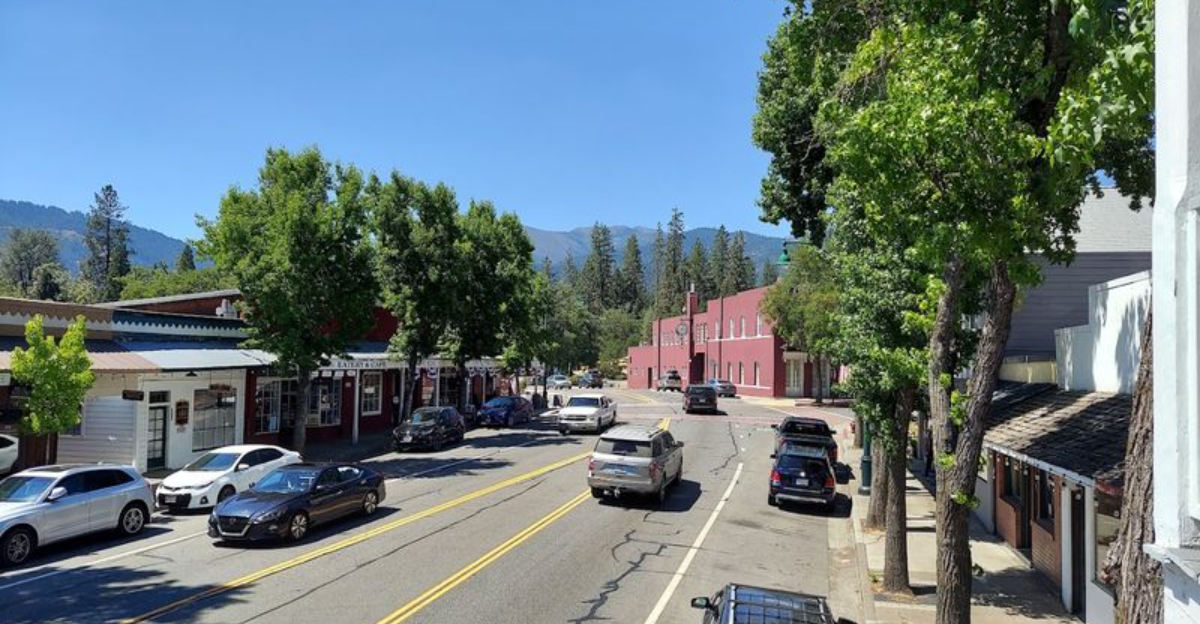
Mountain towns are unusually good at making practical people consider impractical life changes.
One minute, you are admiring a pine-lined main street.
The next, you are checking home prices, wondering whether remote work would survive the elevation, and mentally assigning furniture to a cabin you do not own.
These places encourage that behavior.
Northern California is filled with small communities where mist settles over rooftops, historic buildings face quiet sidewalks, and the nearest dramatic view may be only a few turns away.
Lakes, forests, and snow-dusted peaks give each town its own backdrop, while cafés and local shops keep the atmosphere inviting once the hiking shoes come off.
Would everyday life actually feel this peaceful? Probably not every day. There would still be errands and someone blocking the only convenient parking space.
Yet visiting can make ordinary routines seem very far away.
These twelve towns feel dreamy without needing elaborate attractions.
Their appeal comes from slower mornings, cooler air and the persistent suspicion that staying one more night would be an excellent decision.
1. Truckee
Only a handful mountain towns in California manage to balance rugged history with a lively present-day energy quite like Truckee does.
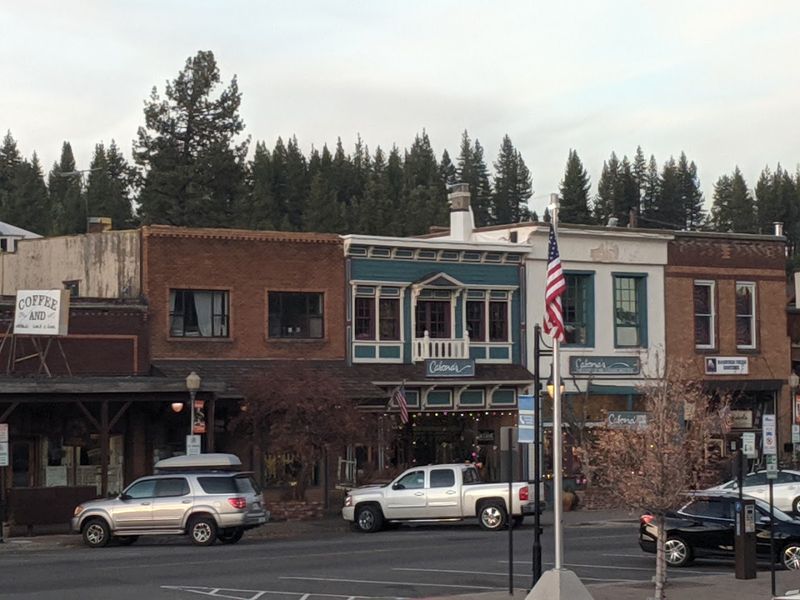
Sitting at roughly 5,800 feet above sea level in the Sierra Nevada, the town greets visitors with a downtown stretch of brick storefronts, independent shops, and restaurants that feel genuinely rooted in place rather than built for tourists.
The historic district along Commercial Row is a good starting point for any visit, offering an easy walkable loop past galleries, cafes, and locally owned boutiques.
Donner Memorial State Park sits just west of town and offers more than two miles of shoreline along Donner Lake alongside exhibits covering the Emigrant Trail, the Washoe people, and early railroad history.
Winter brings cross-country skiing and snowshoeing to the park, while summer opens up hiking and water access on the lake.
The Old Truckee Jail Museum gives history enthusiasts a look at one of the few surviving 19th-century stone jailhouses in the West, open seasonally on weekends from around Memorial Day through Labor Day.
2. Mount Shasta
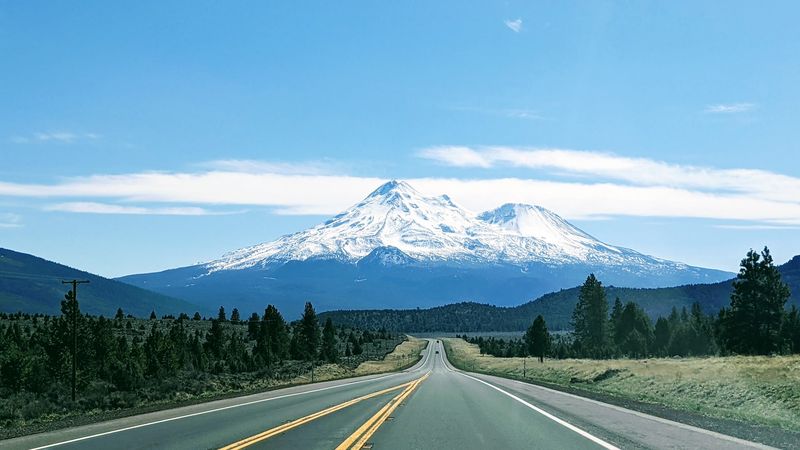
Standing at the edge of a small California town and looking up at a 14,179-foot snow-covered volcanic peak is an experience that stays with people long after the drive home.
Mount Shasta the town sits at the base of its namesake mountain and carries an atmosphere that feels calm, grounded, and slightly otherworldly all at once.
Mount Shasta City Park is one of the most quietly remarkable spots in the area, covering 26 acres and containing the headwaters of the Sacramento River.
Crystal-clear water emerges directly from volcanic rock at the Headwaters Spring, and benches nearby make it easy to sit and take in the scene without rushing.
Lake Siskiyou offers a different kind of outdoor experience, with a 6.5-mile trail that loops the entire reservoir and provides sweeping views of the mountain across the water.
The Lake Siskiyou Camp-Resort serves as the main access point for boating, paddling, and swimming during warmer months.
Weekends in summer can draw larger crowds, so arriving earlier in the day tends to make the experience more relaxed and enjoyable for everyone.
3. Nevada City
Gold Rush history has a way of leaving behind beautiful bones, and Nevada City is proof of that.
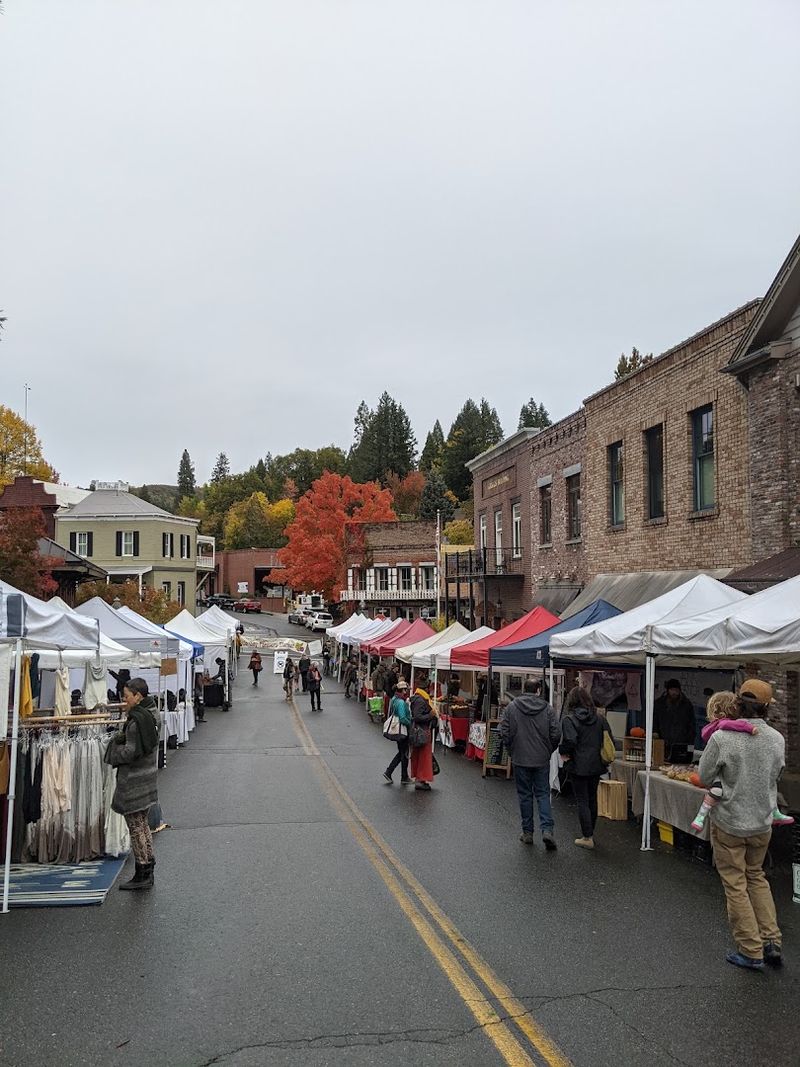
The town, perched in the Sierra Nevada foothills at around 2,500 feet, has one of the most intact Victorian-era downtowns in all of California, with gas-lit streets, ornate storefronts, and a relaxed pace that encourages lingering.
Broad Street is the heart of the downtown area, lined with independent bookshops, art galleries, and cafes housed inside buildings that date back to the mid-1800s.
The Nevada City Winery sits along this corridor and has become a popular gathering spot, though the town itself offers far more than any single venue.
Deer Creek Tribute Trail provides an accessible and scenic walking path along the creek just below town, with flat terrain and a gentle natural soundtrack of moving water.
The Nevada Theatre is one of the oldest continually operating theaters in California, originally built in 1865, and still hosts live performances throughout the year.
Fall tends to be one of the most visually striking times to visit, when the surrounding oak and maple trees shift into warm amber and gold tones that complement the town’s historic architecture beautifully.
4. Graeagle
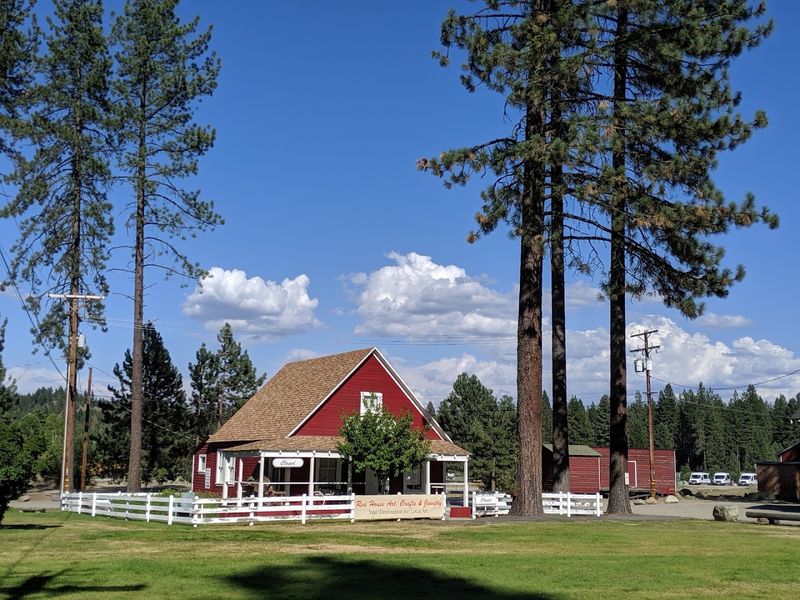
There is a particular kind of quiet that settles over Graeagle in the morning hours, when mist still clings to the meadows and the pines cast long shadows across the old mill buildings.
Located in Plumas County near the Feather River Canyon, this tiny community of fewer than 500 residents feels like a place that time chose to treat gently rather than rush past.
The village center is compact and walkable, anchored by a cluster of distinctive red buildings that once served as a lumber mill operation in the early 20th century.
Graeagle Meadows Golf Course wraps around the edge of town and draws golfers from across Northern California during the summer months, with the surrounding mountain scenery adding to the overall appeal.
Frenchman Lake and Bucks Lake are both within a reasonable drive and offer swimming, fishing, and camping in relatively uncrowded settings compared to more popular Sierra destinations.
Fall color arrives reliably in October, turning the aspens and willows along Graeagle Creek into vivid shades of yellow and orange.
The town has a small general store and a handful of local eateries, making it a comfortable base for exploring the broader Feather River Country region at a genuinely unhurried pace.
5. Downieville
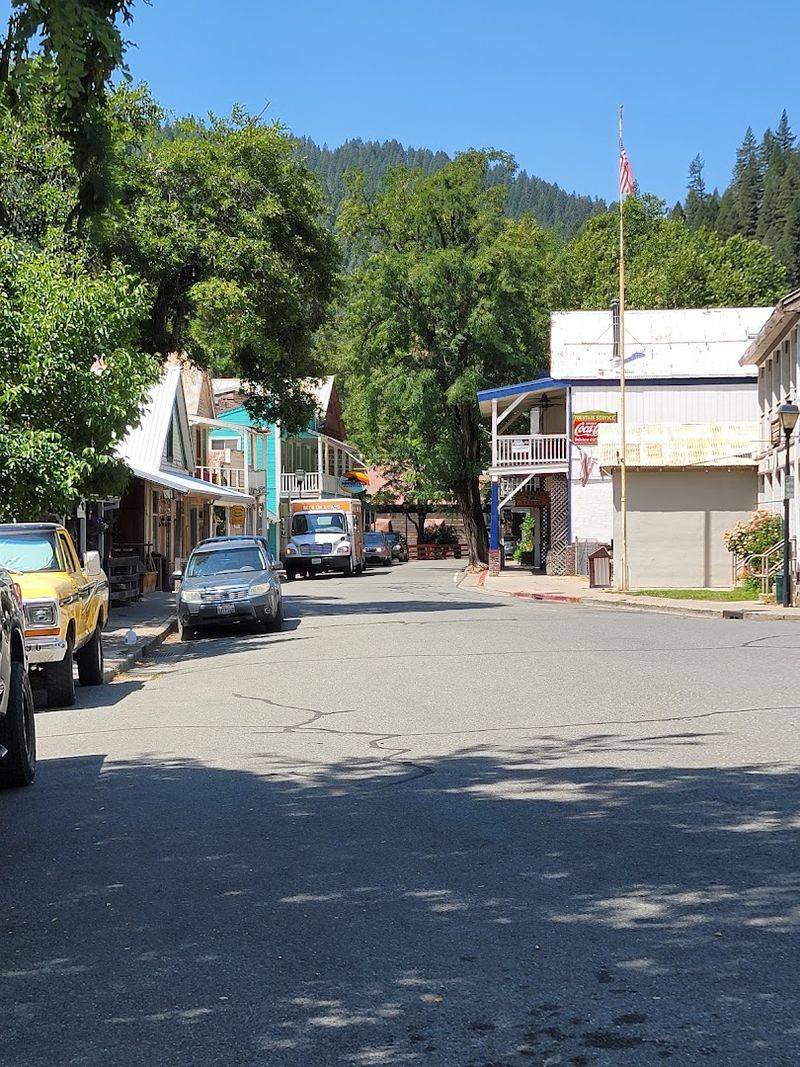
Reaching Downieville requires committing to a winding mountain road through the Sierra Nevada, and that journey itself begins to set the tone for what waits at the end.
Sitting at the confluence of the North Yuba River and Downie River, the town is small enough to walk end to end in minutes but carries a historical weight that feels much larger.
With a population of fewer than 350 people, Downieville is the county seat of Sierra County and retains an almost perfectly preserved Gold Rush-era character.
The Downieville Museum on Main Street holds artifacts and photographs documenting the town’s mining past, and the 1852 gallows structure nearby is a sobering reminder of frontier justice in early California.
Mountain biking has brought renewed attention to Downieville in recent decades, with the Downieville Downhill trail earning a strong reputation among riders for its length and the dramatic descent it provides.
The North Yuba River runs cold and clear through town, making it a draw for anglers and swimmers during summer.
Accommodations are limited, so planning ahead and booking early is especially important for anyone visiting during peak summer weekends or during the annual Downieville Classic mountain bike event.
6. Quincy
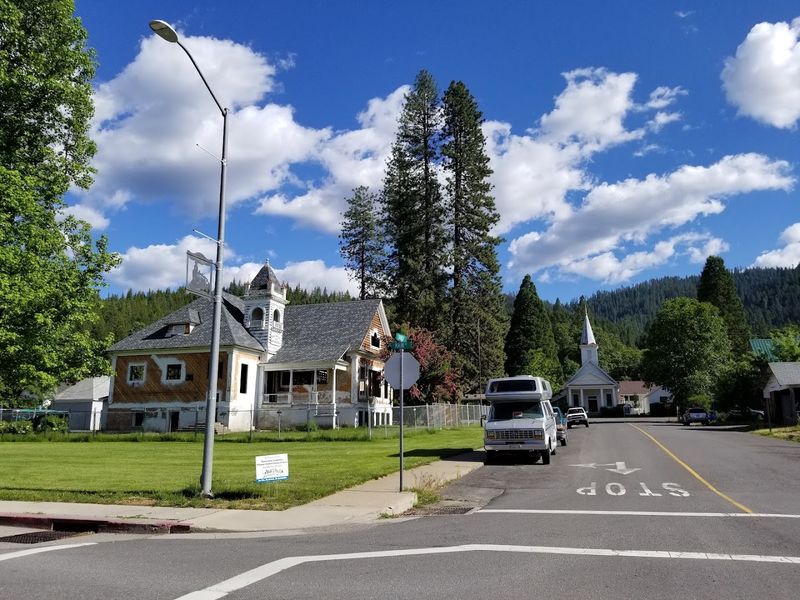
Plumas County has a way of surprising visitors who arrive expecting very little, and Quincy tends to be the pleasant center of that surprise.
Set in a broad mountain valley at about 3,400 feet, the town has an easy, unassuming quality that makes it feel like a genuine community rather than a curated destination.
The Plumas County Courthouse on Main Street is a handsome historic building that anchors the downtown and reflects the town’s long-standing role as a regional hub.
A short walk from the courthouse leads to the Plumas County Museum which houses a collection of artifacts and photographs covering the region’s Native American history, Gold Rush era, and early logging and railroad industries.
Spanish Creek flows near the edge of town and provides a peaceful spot for a short walk or a moment of quiet away from the main street.
The Feather River Scenic Byway passes through the area and offers one of the more dramatic drives in Northern California, threading through deep canyons and past rushing water.
Quincy hosts a summer farmers market that brings local produce, crafts, and a genuine sense of community togetherness to the town center on weekend mornings throughout the growing season.
7. Chester
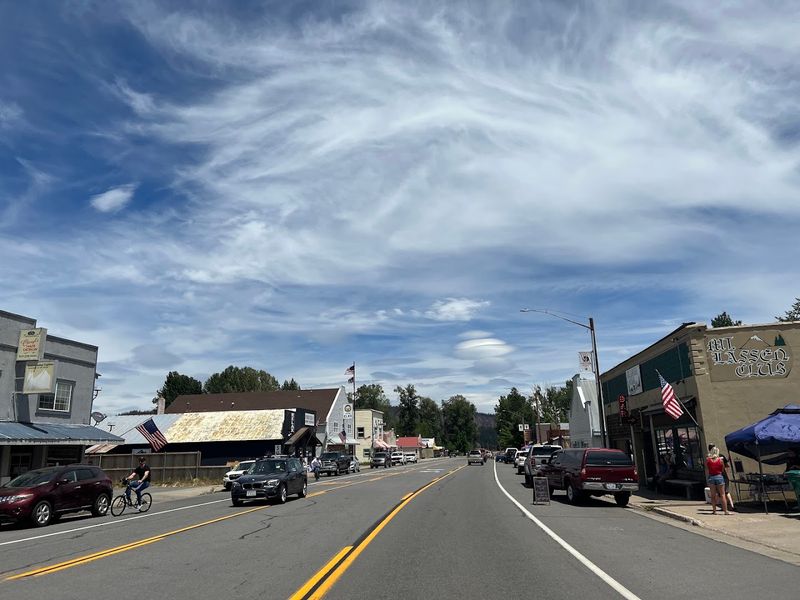
Positioned between Lassen Volcanic National Park and the wide blue expanse of Lake Almanor, Chester occupies a geographic sweet spot that outdoor enthusiasts tend to appreciate deeply.
The town itself is modest in size, with a single main commercial strip that carries a relaxed, unpretentious energy throughout most of the year.
Lake Almanor stretches across nearly 28 miles of shoreline just south of town, offering boating, fishing, kayaking, and swimming in a setting that feels refreshingly uncrowded compared to more famous Sierra lakes.
The lake sits at roughly 4,500 feet and tends to warm up enough for comfortable swimming by midsummer, making July and August particularly popular months for water-based activities.
Lassen Volcanic National Park is approximately 25 miles to the northwest and provides access to hydrothermal features, alpine lakes, and summit trails that reveal the region’s volcanic origins in dramatic fashion.
The park road through Lassen typically closes from heavy snowfall in winter and reopens in late spring, so checking current road conditions before visiting is always a good idea.
Chester serves as a practical and affordable base for exploring both destinations without the higher lodging costs found closer to the park entrance, making it a sensible choice for budget-conscious travelers who still want full access to the region.
8. McCloud
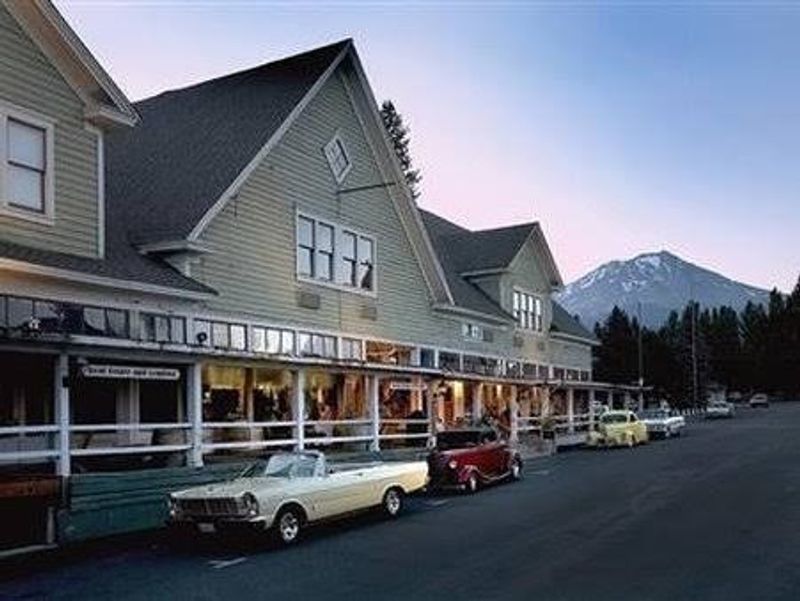
In the lower slopes of Mount Shasta at about 3,300 feet, McCloud carries the quiet dignity of a town that has outlasted its original purpose and found a gentler identity in its place.
The community was originally built as a company mill town in the late 1800s, and many of the original craftsman-style structures remain standing and well-preserved today.
The downtown area is compact and genuinely walkable, with a historic hotel, a small general store, and a handful of local businesses that reflect the town’s character without feeling overly commercialized.
McCloud Heritage Junction serves as a local museum and visitor center, offering exhibits on the town’s lumber history and the McCloud River Lumber Company that once defined daily life here.
McCloud Falls, a series of three distinct waterfalls along the McCloud River, is one of the most accessible and visually rewarding natural attractions in the area, reachable via a well-maintained trail through a mixed conifer forest.
The lower falls have a natural swimming hole that draws visitors during summer, while the upper falls offer a more dramatic curtain of water dropping into a deep canyon pool.
Visiting on a weekday tends to provide a quieter and more personal experience than the busier summer weekends typically allow.
9. Weaverville
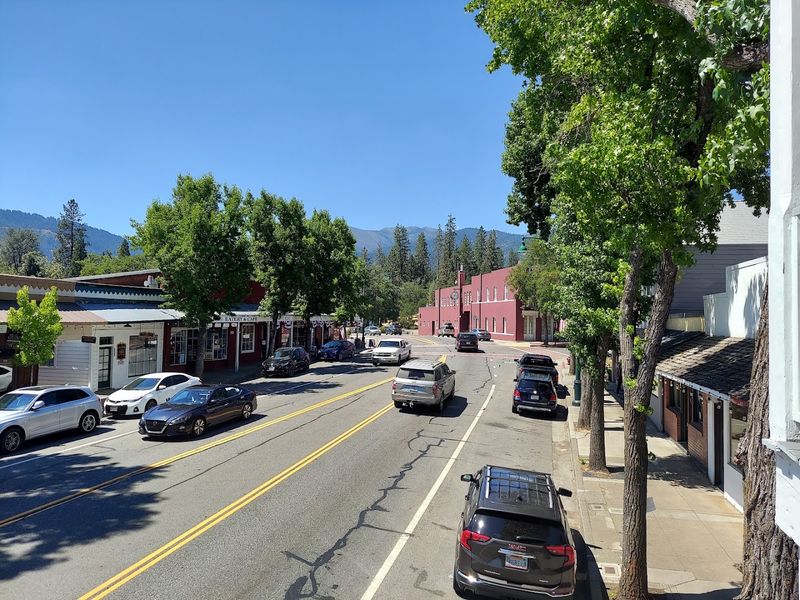
History and wilderness share the same address in Weaverville, a small Trinity County town that sits at the edge of some of the most remote mountain terrain in all of California.
The downtown commercial district retains much of its original 19th-century character, complete with covered wooden sidewalks and storefronts that have changed very little in outward appearance over the decades.
The Joss House State Historic Park is one of the most culturally significant sites in the region, preserving the oldest continuously used Chinese Taoist temple in California.
Built in 1874, the temple reflects the substantial Chinese immigrant population that shaped the Gold Rush communities of Trinity County, and guided tours are available during regular operating hours throughout the year.
Trinity Lake, about 13 miles north of town, is one of the largest reservoirs in California and offers boating, fishing, camping, and swimming in a relatively uncrowded setting surrounded by forested ridgelines.
The Trinity Alps Wilderness begins just beyond the lake and provides access to hundreds of miles of backcountry trails for those prepared for more serious hiking.
Weaverville itself has a small but reliable selection of local restaurants, a historic saloon that now operates as a general gathering spot, and a relaxed downtown atmosphere that rewards unhurried afternoon walks.
10. Dunsmuir
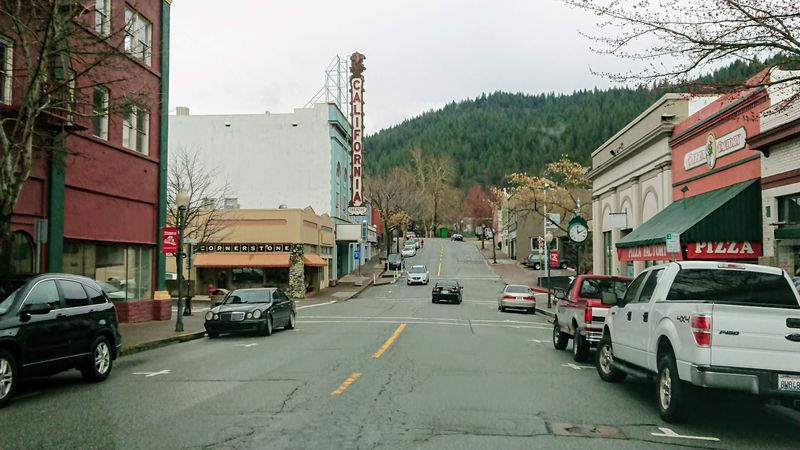
Railroad history runs deep in Dunsmuir, a narrow canyon town along the Sacramento River that owes its very existence to the Southern Pacific line that once made it a vital stop on the route north.
The town sits in a dramatic canyon setting with forested walls rising steeply on both sides, giving it a hemmed-in, cinematic quality that photographs rarely manage to fully capture.
The Sacramento River here is widely regarded as one of the finest wild trout fisheries in California, drawing fly fishing enthusiasts from across the state and beyond during the spring and fall seasons.
The river runs cold, clear, and surprisingly accessible along much of the town’s length, with easy entry points scattered along the canyon floor.
Hedge Creek Falls is a short and easy hike just north of town that leads to a small but striking waterfall tucked behind a basalt rock overhang, creating a natural alcove that stays cool even on warm summer days.
The historic Dunsmuir Botanical Garden at 4100 Dunsmuir Avenue offers a peaceful and beautifully maintained green space along the river, open to visitors year-round.
Downtown Dunsmuir has a handful of local eateries and shops occupying vintage storefronts, and the overall atmosphere leans toward quiet and authentic rather than polished or tourist-oriented.
11. Tahoe City
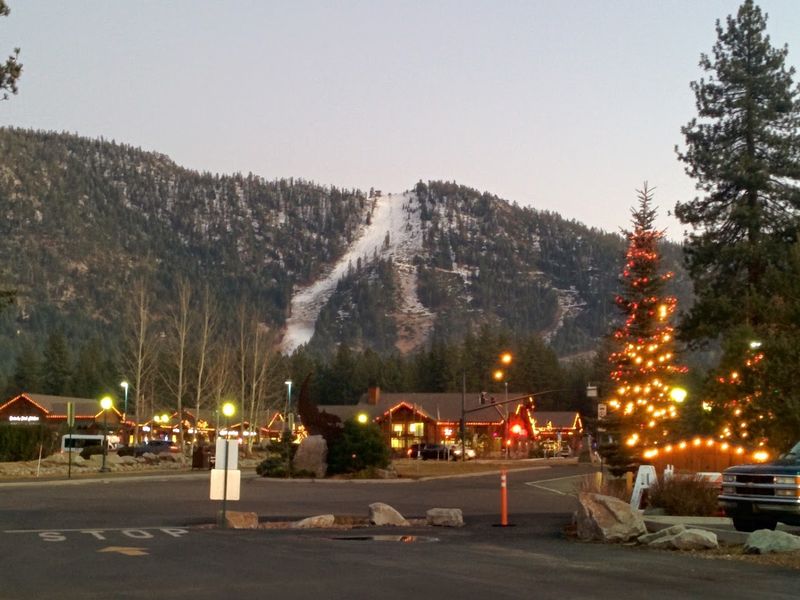
Sitting right on the north shore of Lake Tahoe, Tahoe City offers the kind of direct lake access and mountain backdrop that make it one of the more visually striking small towns in California.
The community is compact enough to feel manageable but active enough to provide a genuine range of things to do across every season of the year.
Commons Beach, a public park and sandy shoreline area right in the heart of town, gives visitors an easy and free way to enjoy the lake without needing a boat or a resort reservation.
The beach is popular with families during summer and tends to fill up on sunny weekends, so arriving before midmorning helps secure a comfortable spot near the water.
The Gatekeeper’s Museum preserves the history of the Lake Tahoe Basin through a well-curated collection of Native American baskets, historical photographs, and artifacts related to early settlement and the development of winter sports in the region.
The adjacent Marion Steinbach Indian Basket Museum is particularly impressive and houses one of the finest collections of its kind in the western United States.
Tahoe City also sits along the Truckee River, where calm water sections near the outlet provide a popular spot for relaxed summer floating and picnicking along the shaded riverbanks.
12. Sierra City
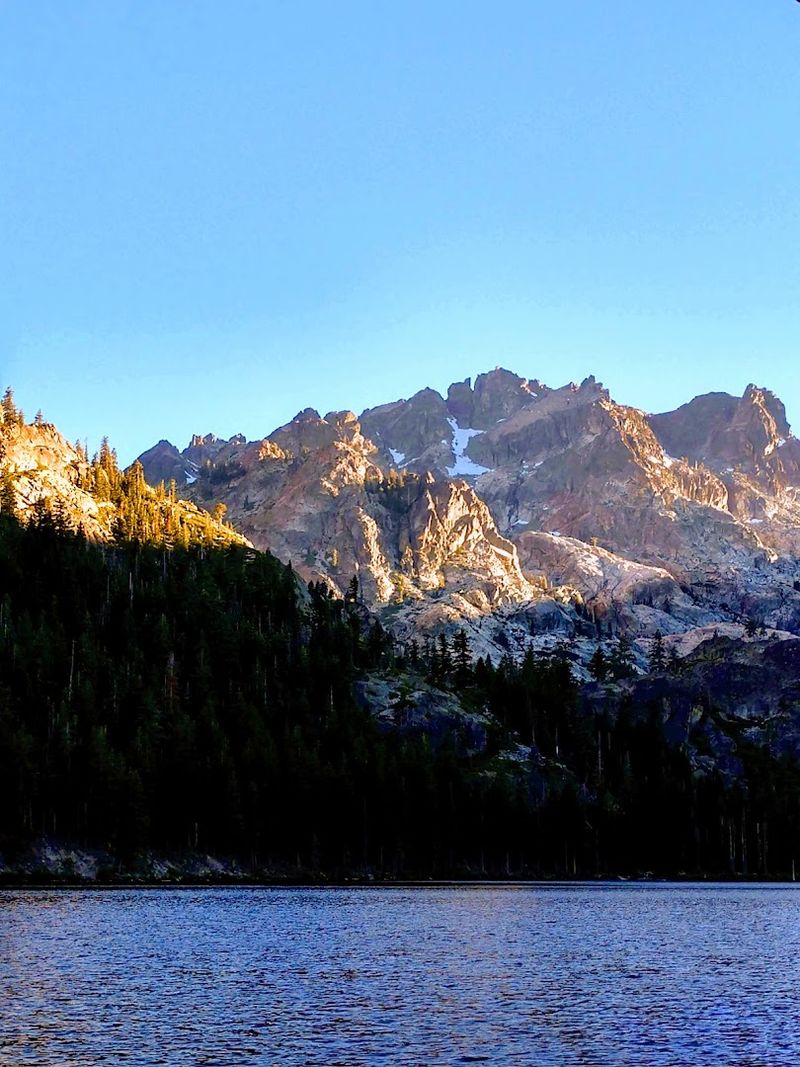
Wedged into the North Yuba River canyon beneath the dramatic rocky spires of the Sierra Buttes, Sierra City is the kind of place that rewards anyone willing to make the drive out on Highway 49.
The town is genuinely tiny, with a permanent population of fewer than 250 people, but its setting is among the most striking of any small community in the entire Sierra Nevada range.
The Kentucky Mine Museum and Historic Park sits just east of town and preserves one of the best-documented hard-rock gold mining operations in the northern Sierra.
The stamp mill on the property is still intact, and guided tours during summer months walk visitors through the full process of how ore was extracted and processed during the height of the Gold Rush era.
The Pacific Crest Trail passes close to Sierra City, and the trailhead near town serves as a popular resupply stop for long-distance hikers making their way through the Sierra.
Gold Lake, located a short drive above town in the Lakes Basin Recreation Area, offers some of the most scenic fishing and hiking terrain in the region, with views of the Sierra Buttes reflected across its calm surface on clear mornings.
Visiting in late summer or early fall tends to provide the most comfortable temperatures and the clearest trail conditions throughout the surrounding high country.