These 29 Southern California Museums Are Free To Visit This February For Museums Free-For-All
February brings a special opportunity for anyone who loves art, history, science, or culture. Museums across Southern California open their doors for free admission during the annual Museums Free-for-All event.
This tradition lets families, students, and curious visitors explore world-class collections without worrying about ticket costs.
Galleries filled with paintings, exhibits showcasing ancient artifacts, and spaces celebrating diverse cultures all become accessible to everyone.
The event happens on a single Sunday in February, giving people a chance to visit places they might not normally see.
Some museums require advance reservations because of high demand, while others welcome walk-in visitors throughout the day.
Parking fees still apply at most locations, but the chance to experience these institutions for free makes planning ahead worthwhile.
Whether someone wants to spend the whole day at one large museum or hop between several smaller ones, the options span from Los Angeles to Santa Barbara and beyond.
This annual celebration reminds everyone that culture and knowledge belong to all communities, not just those who can afford regular admission prices.
1. Academy Museum Of Motion Pictures
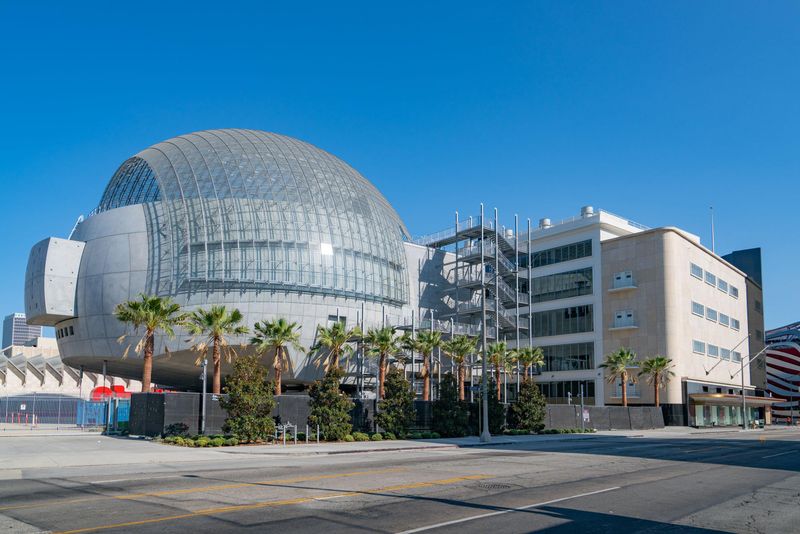
Film history comes alive inside this museum dedicated entirely to the art and science of cinema.
The building itself stands out with its unique spherical design, visible from several blocks away in the Miracle Mile district.
Visitors walk through galleries that trace moviemaking from silent films to modern blockbusters, with costumes, props, and interactive displays throughout.
The museum sits at 6067 Wilshire Boulevard in Los Angeles, California 90036, making it accessible by public transportation or car.
Exhibits rotate regularly, so each visit might reveal different artifacts from Hollywood’s past.
The theater inside hosts film screenings and special presentations, though these may require separate tickets even during free admission days.
Crowds tend to gather quickly on free days, especially in the afternoon when families arrive. Reservations help secure entry during specific time slots, preventing long waits at the entrance.
The museum spans multiple floors, with elevators and stairs connecting different exhibition levels. Natural light filters through the glass dome, creating a bright atmosphere in the upper galleries.
Some exhibits allow photography while others protect sensitive materials with no-camera policies clearly marked at each entrance.
2. American Museum Of Ceramic Art
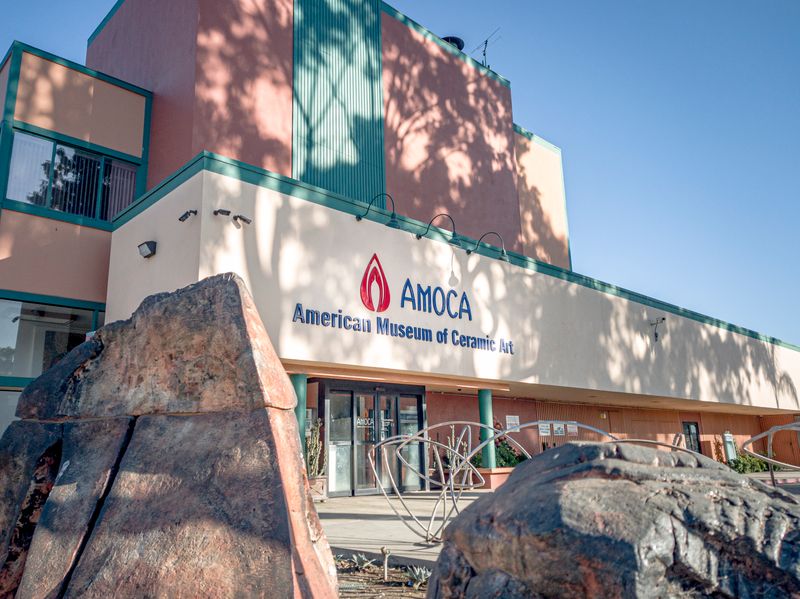
Clay transforms into art at this specialized museum in Pomona, where ceramic works range from functional bowls to abstract sculptures.
The collection includes pieces from different time periods and cultures, showing how artists use this ancient medium in contemporary ways.
Galleries arrange works by theme or technique, helping visitors understand the creative process behind each piece.
Located at 399 North Garey Avenue in Pomona, California 91767, the museum occupies a renovated historic building near downtown.
The space feels intimate compared to larger institutions, allowing closer examination of glaze techniques and surface textures.
Educational displays explain firing methods and the chemistry behind different ceramic finishes, making technical information accessible to general audiences.
Weekend visits during free admission can fill the galleries, though the museum rarely feels uncomfortably packed.
Staff members often position themselves near major works to answer questions about artists or techniques.
The gift shop sells handmade ceramics from local artisans, supporting the regional pottery community.
Lighting highlights the three-dimensional qualities of sculptural pieces, with spotlights creating shadows that emphasize form.
Some galleries maintain cooler temperatures to protect delicate works, so bringing a light jacket makes sense even on warm days.
3. Benton Museum Of Art At Pomona College
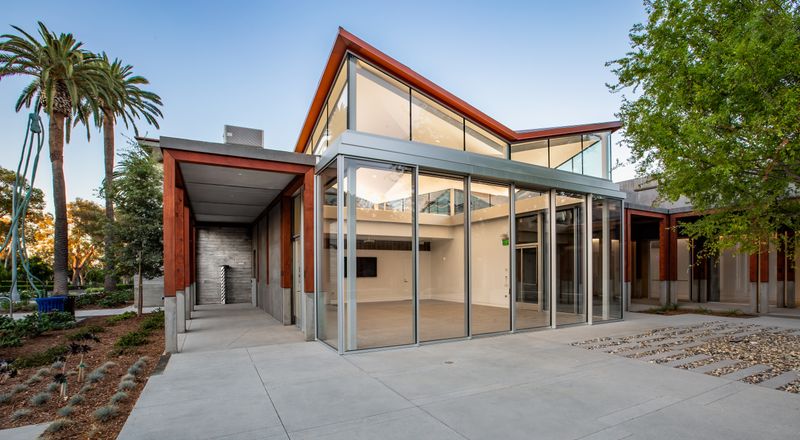
A college campus becomes a destination for art lovers at this museum tucked within Pomona College grounds.
The collection emphasizes works that support teaching and learning, with pieces spanning multiple centuries and artistic movements.
Students and community members share the galleries, creating an atmosphere where education and appreciation blend naturally.
Visitors find the museum at 120 West Bonita Avenue in Claremont, California 91711, on the western edge of campus.
Street parking requires attention to college parking regulations, which may differ from city rules.
The building combines historic architecture with modern gallery spaces, offering climate-controlled environments for sensitive artworks.
Academic schedules influence visitor patterns, with weekends typically less crowded than weekdays during the school year.
The museum hosts lectures and artist talks that may coincide with free admission days, adding educational value to the visit.
Gallery attendants often include art students who can discuss works from both personal and academic perspectives.
Exhibition themes frequently connect to broader cultural conversations, making repeat visits worthwhile as shows change.
The museum maintains accessibility standards, with ramps and elevators ensuring all levels remain reachable.
Natural light enters through carefully placed windows, supplementing artificial lighting without damaging light-sensitive pieces.
A small reading area provides space to review exhibition catalogs and art books related to current displays.
4. Bowers Museum
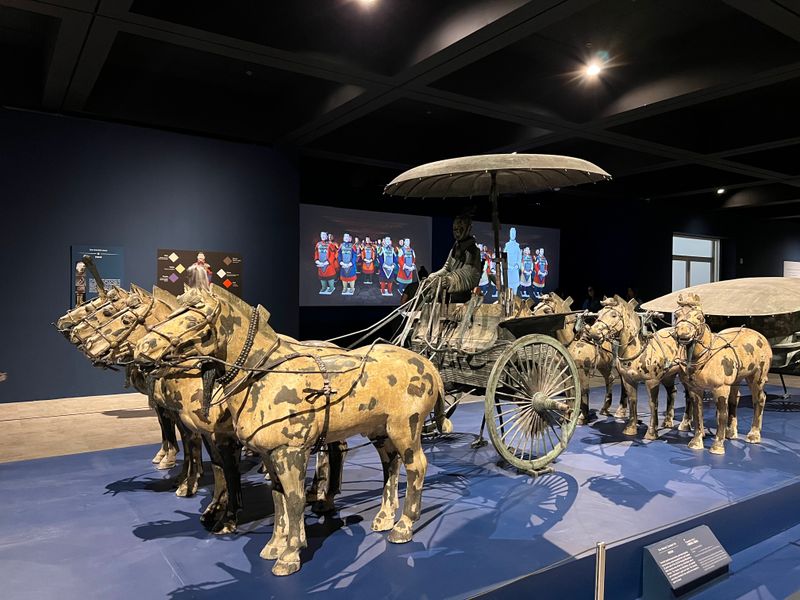
World cultures meet in Santa Ana at this museum known for traveling exhibitions and permanent collections from Asia, Africa, and the Americas.
The building’s Spanish Colonial Revival architecture creates an elegant setting for artifacts spanning thousands of years. Courtyards and fountains add peaceful outdoor spaces between gallery visits.
The address reads 2002 North Main Street in Santa Ana, California 92706, positioned in a neighborhood with restaurants and shops within walking distance.
Parking lots surround the museum, with clearly marked visitor spaces separate from staff areas.
The main entrance opens into a lobby where orientation materials help visitors plan their route through multiple exhibition wings.
Free admission days bring diverse crowds, from families to serious collectors who appreciate the museum’s rotating special exhibitions.
Some traveling shows require separate tickets even during the free event, so checking which galleries participate prevents confusion.
The museum café serves lunch and snacks, providing a break point during longer visits.
Gallery temperatures stay cool to preserve delicate textiles and organic materials, making layers advisable.
Exhibition design varies by collection, with some galleries using dramatic lighting while others maintain brighter, more open atmospheres.
Docent-led tours may operate on free days, offering deeper insights into featured collections.
The gift shop stocks items related to current exhibitions, supporting artisans from cultures represented in the galleries.
5. The Broad
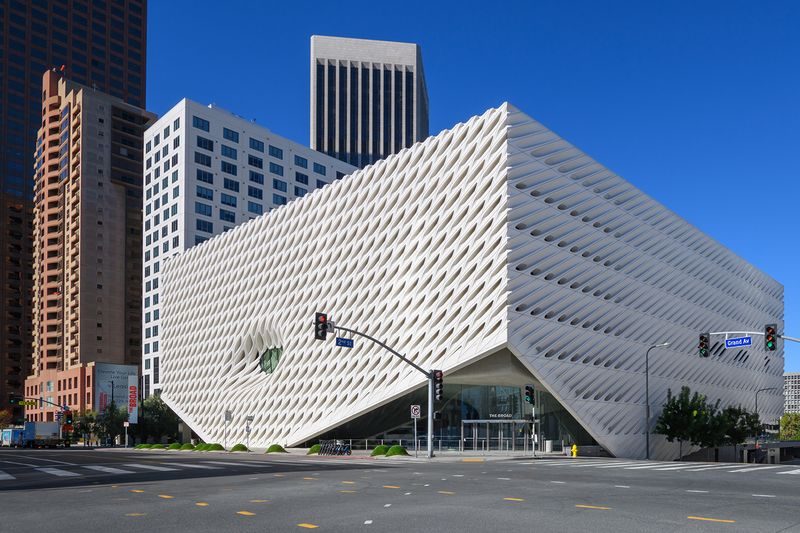
Contemporary art takes center stage at this downtown Los Angeles museum housing one of the world’s most significant private collections.
The building’s distinctive honeycomb exterior makes it instantly recognizable among the surrounding towers and historic theaters.
Inside, galleries showcase works by artists who defined postwar and contemporary art movements, from pop art to installation pieces.
The museum occupies 221 South Grand Avenue in Los Angeles, California 90012, directly across from the Walt Disney Concert Hall.
Metro stations nearby make public transportation a practical option, especially during free admission events when parking becomes scarce.
The building design incorporates natural light filtered through the facade, creating an ethereal quality in the upper galleries.
Advance reservations become essential during Museums Free-for-All, as the museum caps daily attendance to maintain a comfortable viewing environment.
Popular works draw small crowds, but the spacious galleries prevent bottlenecks.
The ground floor features a gift shop and a casual dining spot, useful for refreshments before or after gallery time.
Visitors often spend two to three hours exploring the collection, though the museum layout allows shorter visits focused on specific artists or movements.
Security staff maintain watchful but unobtrusive presence, ensuring artworks remain protected while visitors move freely.
The museum prohibits large bags and backpacks, offering coat check services at the entrance.
6. Craft Contemporary
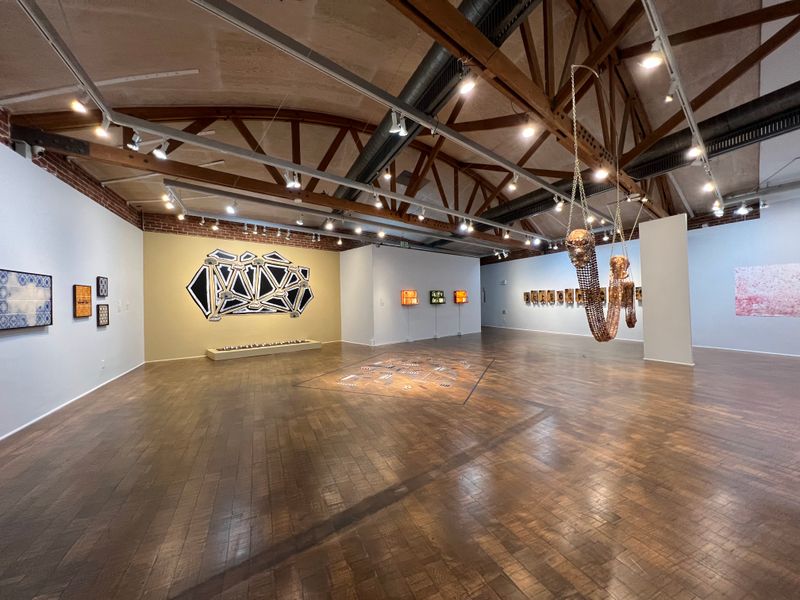
Handmade objects and contemporary craft fill this museum that challenges traditional boundaries between art and functional design.
The collection celebrates makers who work with textiles, ceramics, wood, metal, and mixed media.
Exhibitions rotate frequently, highlighting both established artists and emerging voices in the craft world.
The museum stands at 5814 Wilshire Boulevard in Los Angeles, California 90036, in the Miracle Mile district alongside other cultural institutions.
Metered street parking and nearby lots provide options, though availability fluctuates throughout the day.
The building itself reflects the museum’s focus on design, with clean lines and thoughtful spatial arrangement.
Free admission days attract craft enthusiasts and artists seeking inspiration from the displayed techniques.
The galleries maintain moderate lighting levels that protect fiber works and other light-sensitive materials.
Exhibition labels often include information about materials and processes, helping visitors understand the skill behind each piece.
The museum hosts workshops and demonstrations that may align with free admission dates, offering hands-on experiences beyond viewing.
A small library area contains books and periodicals about craft traditions and contemporary practice.
The gift shop features work by artists shown in the galleries, connecting visitors directly with makers.
Staff members tend to be knowledgeable about craft techniques and can discuss works in detail when asked.
The museum size allows a complete visit in about an hour, though those interested in specific media may linger longer.
7. Fowler Museum At UCLA
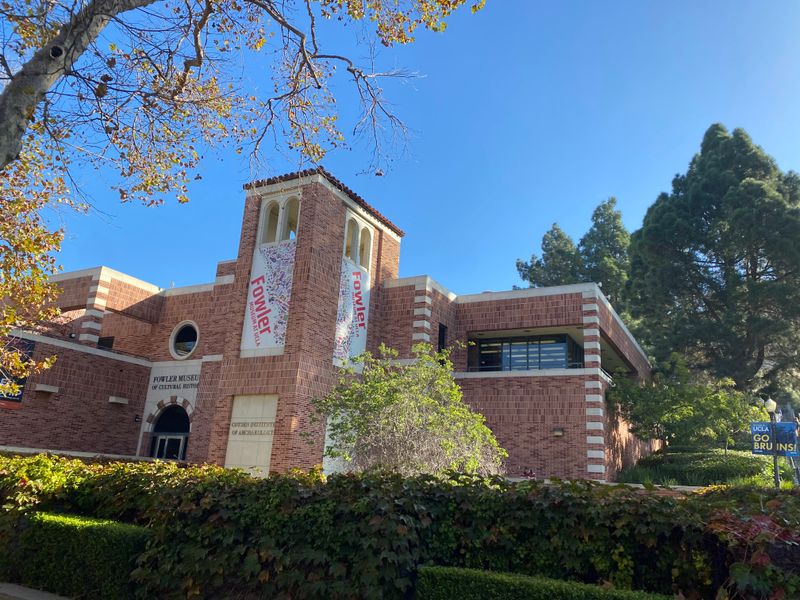
Global arts and cultures from Africa, Asia, the Pacific, and the Americas fill this university museum on the UCLA campus.
The collection emphasizes objects that reveal how different societies express identity, belief, and creativity through material culture.
Masks, textiles, ceramics, and ceremonial objects create connections between past traditions and contemporary communities.
Located at 308 Charles E. Young Drive North in Los Angeles, California 90024, the museum sits within the north campus area.
Visitor parking requires purchasing a daily permit from campus kiosks, with lots positioned within reasonable walking distance.
The building features multiple gallery levels connected by stairs and elevators, with exhibition spaces designed to accommodate diverse object types.
Academic calendars influence visitor flow, with summer and winter breaks typically bringing lighter crowds than school terms.
The museum maintains strong relationships with source communities, often presenting exhibitions developed in collaboration with cultural representatives.
This approach results in displays that provide deeper context about objects and their meanings.
Free admission days may coincide with special programs like music performances or craft demonstrations related to current exhibitions.
The museum shop sells books, jewelry, and textiles sourced ethically from artisan communities worldwide.
Gallery temperatures remain stable to protect organic materials, creating a slightly cool environment.
Natural light enters through skylights in some galleries, supplementing artificial lighting without causing damage.
Seating areas throughout the museum allow visitors to rest while continuing to view nearby displays.
8. Hammer Museum
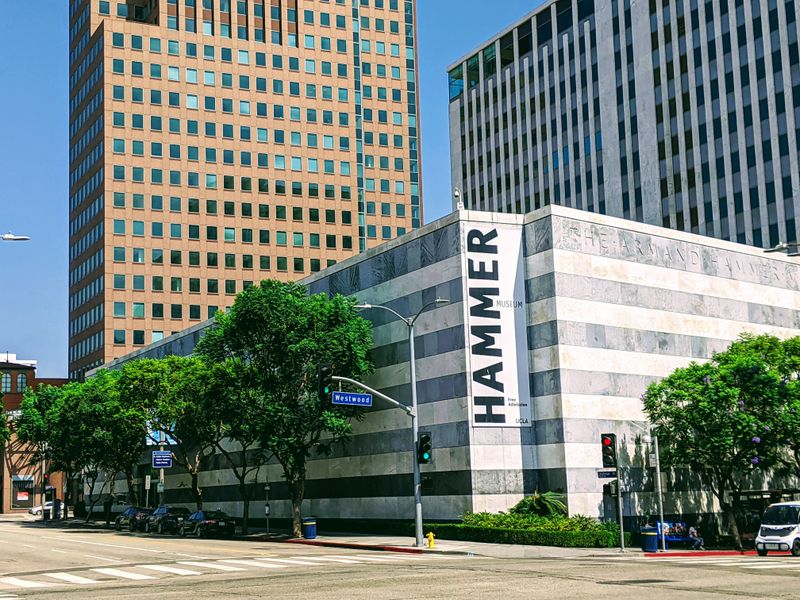
Free-thinking contemporary art and cultural programming define this museum affiliated with UCLA in Westwood.
The collection includes historical works alongside cutting-edge contemporary pieces, with a particular strength in drawings and works on paper.
The museum has built a reputation for supporting emerging artists and presenting exhibitions that address current social themes.
The address reads 10899 Wilshire Boulevard in Los Angeles, California 90024, at the edge of the UCLA campus.
Parking structures nearby charge hourly rates, with validation sometimes available through the museum.
The building wraps around a central courtyard that serves as a gathering space and occasional performance venue.
Free admission days fill the galleries with students, families, and art enthusiasts from across the region.
The museum maintains a welcoming atmosphere that encourages conversation and engagement rather than hushed reverence.
Exhibition labels often include provocative questions or contextual information that sparks reflection.
The museum hosts frequent public programs, from artist talks to film screenings, which may align with free admission dates.
A café in the courtyard provides coffee and light meals, creating a social hub between gallery visits.
The bookstore stocks art publications, including catalogs from past exhibitions and theoretical texts.
Gallery layouts vary by exhibition, with some shows using traditional wall displays while others incorporate installation elements.
The museum prohibits photography in some exhibitions depending on artist preferences and loan agreements.
Staff members throughout the galleries can provide information about current shows and upcoming programs.
9. Institute Of Contemporary Art, LA
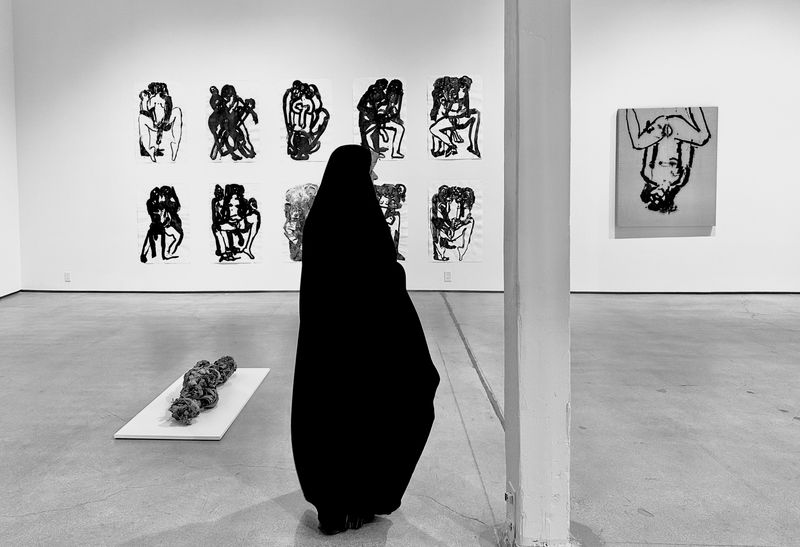
Raw industrial architecture houses cutting-edge contemporary art in this museum located in the downtown Arts District.
The building retains elements of its former life as a warehouse, with exposed beams and concrete floors creating an urban aesthetic.
Exhibitions focus on artists pushing boundaries in their practice, often featuring large-scale installations and multimedia works.
The museum occupies 1717 East 7th Street in Los Angeles, California 90021, in a neighborhood filled with galleries, studios, and creative businesses.
Street parking requires careful attention to posted regulations, while nearby lots offer paid alternatives.
The museum entrance opens directly from the sidewalk, maintaining the area’s accessible, unpretentious character.
Free admission days draw art students and professionals alongside general visitors curious about contemporary practice.
The museum maintains free general admission year-round, making the Museums Free-for-All event one of many opportunities to visit.
Gallery spaces feature high ceilings that accommodate ambitious installations and sculptural works.
Natural light enters through skylights and large windows, creating a connection between interior galleries and the surrounding neighborhood.
The museum hosts performances and events that blur lines between visual art, music, and movement.
A small reading area provides access to art magazines and exhibition materials. The gift shop sells artist-designed items and publications, supporting creative communities.
Staff members tend to be young and enthusiastic about contemporary art, often happy to discuss exhibitions in depth.
The museum size allows a complete visit in about an hour, though specific exhibitions may reward longer contemplation.
10. Long Beach Museum Of Art
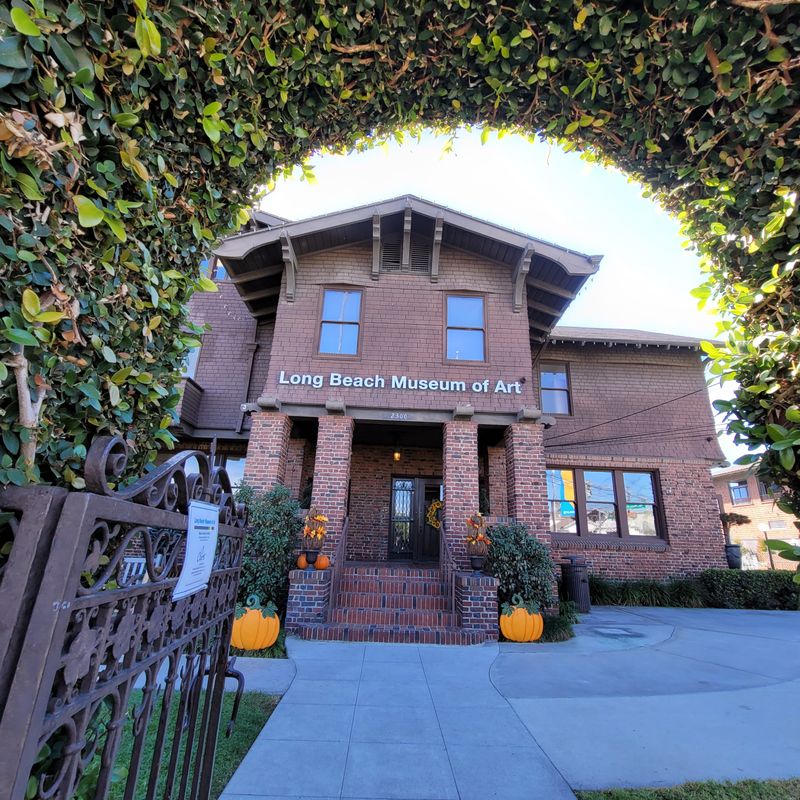
Ocean views and art combine at this museum housed in a historic mansion overlooking the Pacific.
The building itself represents architectural history, with period rooms preserved alongside contemporary gallery spaces.
The collection emphasizes California art, with particular strength in works created during the mid-twentieth century.
Perched at 2300 East Ocean Boulevard in Long Beach, California 90803, the museum offers dramatic coastal views from its bluff-top location.
Street parking along Ocean Boulevard provides free options, though spaces fill quickly on weekends and holidays.
The grounds include sculpture gardens where art and landscape merge, with paths winding between installations and ocean overlooks.
Free admission days bring families who appreciate the outdoor spaces as much as the indoor galleries.
Children can explore the gardens while adults view exhibitions, making the museum appealing for mixed-age groups.
The historic rooms showcase decorative arts and period furnishings, providing context about early California coastal living.
Contemporary galleries present rotating exhibitions of painting, sculpture, and mixed media works. The museum café operates in a garden pavilion, serving lunch with ocean views.
Coastal weather influences the visiting experience, with fog sometimes obscuring views while sunny days create brilliant light.
The museum maintains a relaxed atmosphere that reflects its beachside location, with dress codes nonexistent and bare feet not uncommon in summer.
Gallery temperatures stay moderate, though ocean breezes can make outdoor areas cooler than expected.
Staff members often share stories about the building’s history and the families who once called it home.
11. Los Angeles County Museum Of Art (LACMA)
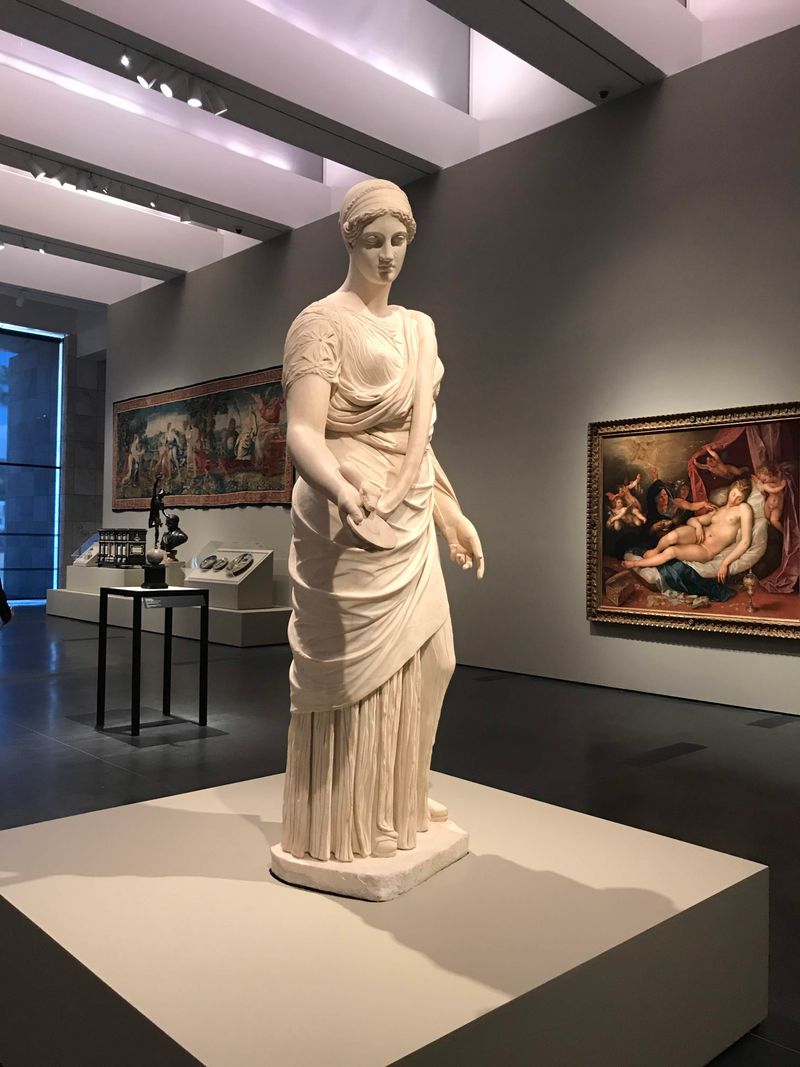
The largest art museum in the western United States sprawls across multiple buildings on the Miracle Mile.
Collections span continents and centuries, from ancient artifacts to contemporary installations.
The iconic Urban Light sculpture at the entrance has become one of Los Angeles’s most photographed landmarks, with vintage street lamps creating a glowing forest at dusk.
LACMA occupies 5905 Wilshire Boulevard in Los Angeles, California 90036, with multiple parking structures surrounding the campus.
Advance timed-entry tickets become mandatory during Museums Free-for-All, managing crowds across the museum’s vast exhibition spaces.
The campus layout requires outdoor walking between some buildings, with covered walkways providing protection from weather.
A full visit could consume an entire day, with collections divided by geography, period, and medium across different pavilions.
The permanent collection includes everything from Japanese screens to Latin American modernism, offering remarkable breadth.
Special exhibitions require separate tickets even during free admission events, so checking which galleries participate prevents disappointment.
The museum campus includes multiple dining options, from casual cafés to a full-service restaurant.
Outdoor sculpture gardens provide rest areas between gallery visits, with shaded benches and water features.
The museum shop stocks exhibition catalogs, art books, and design objects across a large retail space. Family-friendly amenities include nursing rooms and stroller parking areas.
Gallery lighting varies by collection, with some spaces maintaining low light levels to protect sensitive works.
The museum prohibits photography in certain exhibitions, with policies clearly posted at gallery entrances.
12. MOCA Grand Avenue & The Geffen Contemporary At MOCA
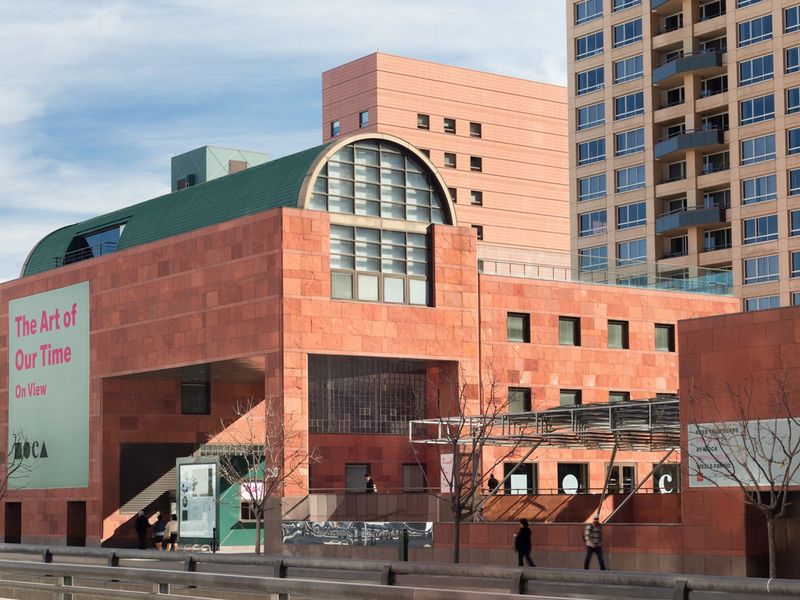
Two distinct locations comprise this museum dedicated to art created after 1940.
The Grand Avenue building features striking red geometric architecture, while The Geffen Contemporary occupies a converted warehouse in Little Tokyo.
Both spaces present rotating exhibitions drawn from the permanent collection and special shows featuring established and emerging artists.
MOCA Grand Avenue stands at 250 South Grand Avenue in Los Angeles, California 90012, amid the downtown cultural corridor.
The Geffen Contemporary sits at 152 North Central Avenue, about a mile east in the Little Tokyo neighborhood.
Visiting both locations during free admission provides a comprehensive view of the museum’s programming, though each site alone offers a satisfying experience.
The Grand Avenue building’s compact galleries create intimate encounters with artworks, while The Geffen’s vast industrial spaces accommodate large-scale installations.
Free admission days bring diverse crowds, from downtown office workers to families making a special trip.
The museums maintain strong collections of California artists alongside international figures who shaped contemporary practice. Exhibition labels provide essential information without overwhelming viewers with academic jargon.
The Grand Avenue location includes a museum store selling art books, exhibition catalogs, and artist-designed objects.
Both locations maintain climate control appropriate for contemporary materials, creating comfortable viewing environments. The museums prohibit food and drinks in galleries, with water fountains available in lobby areas.
Photography policies vary by exhibition, with some shows welcoming cameras while others protect artist rights through restrictions.
Staff members can provide maps showing current exhibition locations across both buildings.
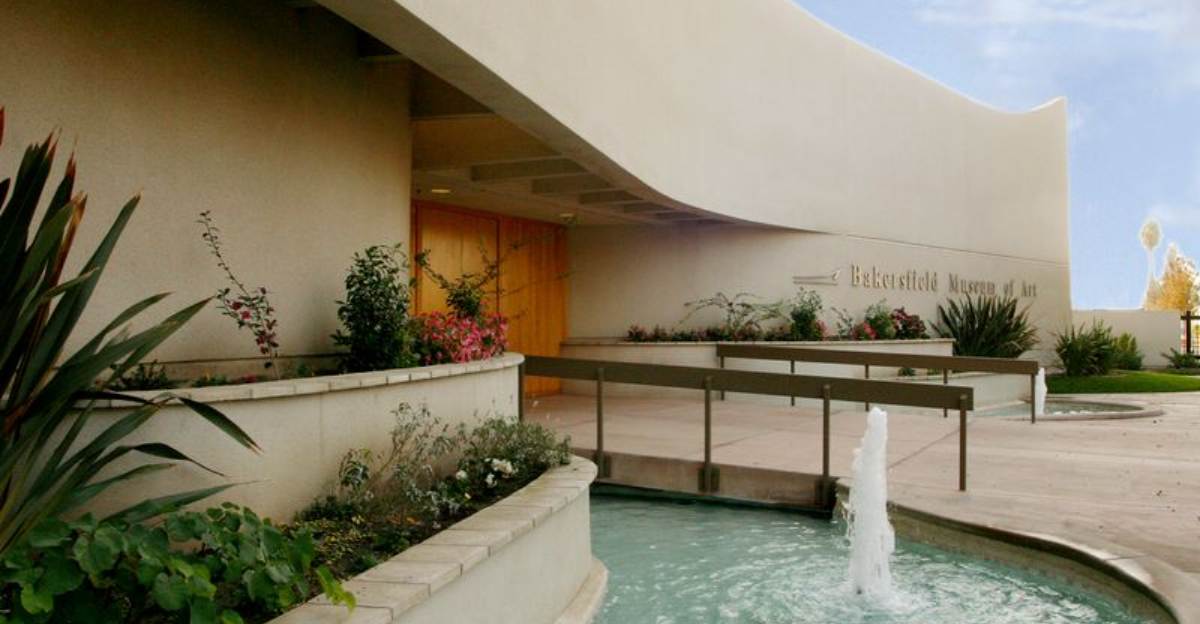
13. Bakersfield Museum Of Art
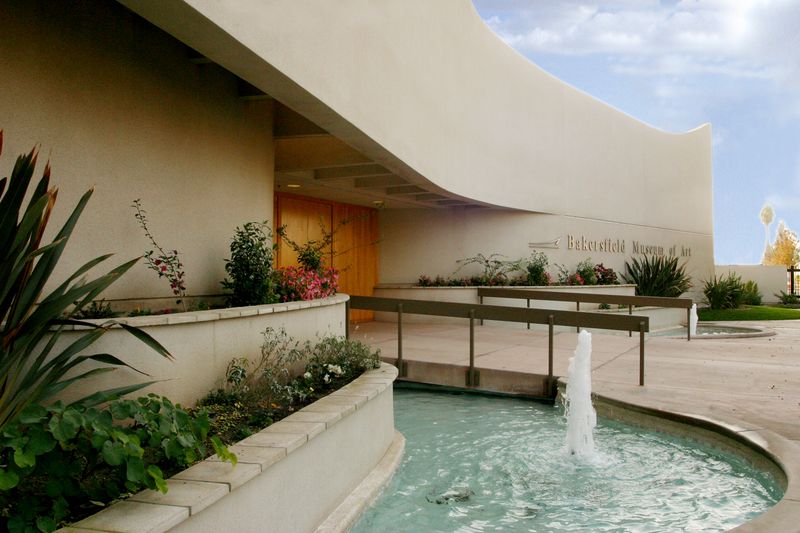
Contemporary and regional art fills this museum in California’s Central Valley, offering perspectives often missing from coastal collections.
The building serves as a cultural anchor for Bakersfield, presenting rotating exhibitions alongside permanent displays.
Works by California artists receive prominent placement, celebrating the state’s diverse creative communities.
The museum stands at 1930 R Street in Bakersfield, California 93301, within walking distance of other downtown cultural venues.
Parking lots nearby provide convenient access, though spaces fill quickly during special events.
The gallery layout guides visitors through different exhibition areas without requiring a specific route, allowing self-directed exploration.
Free admission days attract families with children, and the museum welcomes young visitors with age-appropriate activities.
Benches positioned throughout the galleries offer rest spots for those who want to spend time with individual artworks.
The museum maintains a quiet atmosphere that encourages contemplation, though conversation at normal volumes remains acceptable.
Staff members circulate through galleries rather than staying at fixed posts, making themselves available for questions without hovering.
Exhibition labels provide context about artists and their creative processes, written in clear language without excessive jargon.
The museum closes between exhibitions for installation, so checking the schedule before visiting prevents disappointment.
14. Santa Barbara Museum Of Art
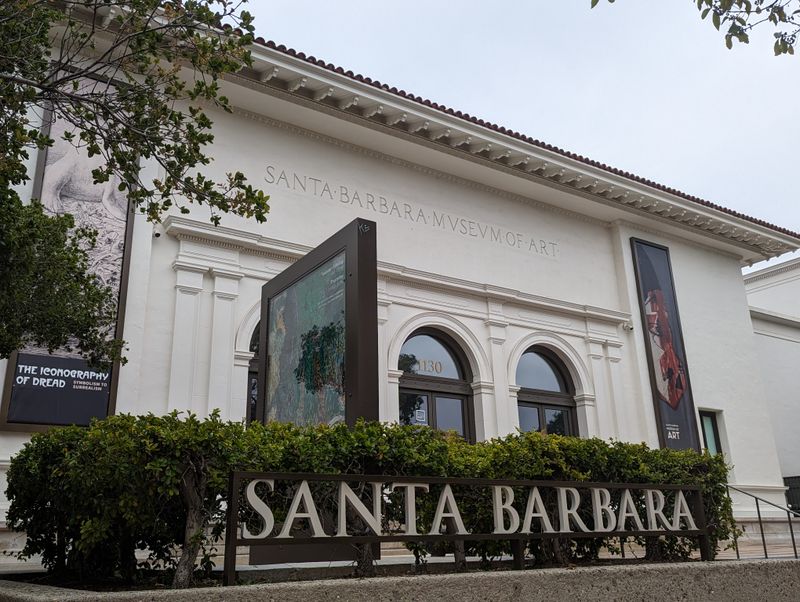
European and American art fills this elegant museum in downtown Santa Barbara, with collections spanning ancient to contemporary periods.
The building’s Mediterranean-inspired architecture reflects the surrounding city’s character, with galleries arranged around a central courtyard.
Works by major European masters hang alongside California artists, creating dialogues between different traditions.
The museum sits at 1130 State Street in Santa Barbara, California 93101, on the main downtown thoroughfare.
Public parking structures within a block provide convenient access, with street parking offering limited alternatives.
The building’s central location makes it easy to combine a museum visit with exploring downtown shops and restaurants.
Free admission days attract both locals and tourists, filling galleries that normally maintain a quieter atmosphere.
The permanent collection includes strong holdings in Asian art, with ceramics and paintings displayed in dedicated galleries. Photography is generally permitted for personal use, allowing visitors to document favorite works.
The museum hosts family programs that may coincide with free admission dates, offering activities designed for younger visitors.
A museum café provides light refreshments, with courtyard seating available during pleasant weather. Gallery lighting emphasizes artworks while maintaining comfortable ambient levels throughout.
The museum maintains a refined but welcoming atmosphere, with staff balancing attentiveness and discretion.
Exhibition labels provide historical context and analysis, written for general audiences rather than specialists.
The museum shop stocks art books, jewelry, and home goods, with proceeds supporting exhibitions and programs.
A complete visit typically takes two to three hours, though the museum’s manageable size also accommodates shorter stops.
15. California Botanic Garden
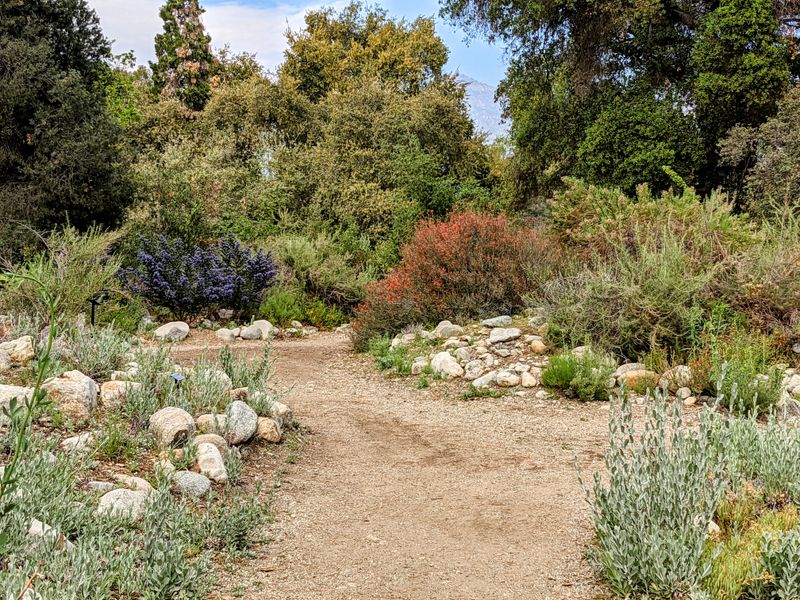
Native California plants fill 86 acres at this living museum in Claremont, showcasing the state’s remarkable botanical diversity.
Trails wind through different plant communities, from coastal sage scrub to mountain forests, all composed entirely of species indigenous to California.
The garden serves as both a conservation site and an educational resource, protecting rare plants while teaching visitors about native ecosystems.
The garden spreads across 1500 North College Avenue in Claremont, California 91711, at the base of the San Gabriel Mountains.
Limited tickets available during Museums Free-for-All make reservations essential, as the garden caps daily attendance to protect plant collections. Parking lots provide ample space, with overflow areas opening during peak times.
Walking the entire trail system requires several hours and moderate fitness, though shorter loops accommodate visitors seeking easier experiences.
The garden maintains natural surfaces on most paths, making sturdy walking shoes advisable.
Different seasons bring dramatic changes, with spring wildflowers giving way to summer blooms and fall color. The garden prohibits pets except service animals, protecting both plants and wildlife.
Visitors can bring water bottles and snacks, with designated picnic areas available throughout the grounds.
The visitor center houses a gift shop selling native plant seeds, gardening books, and nature-themed items. Educational signage along trails identifies plants and explains their ecological roles.
The garden maintains minimal artificial irrigation, demonstrating how native plants thrive with natural rainfall. Morning visits often provide the most comfortable temperatures, especially during summer months.
Staff and volunteers stationed throughout the garden can answer questions about plants and garden programs.
16. Columbia Space Center
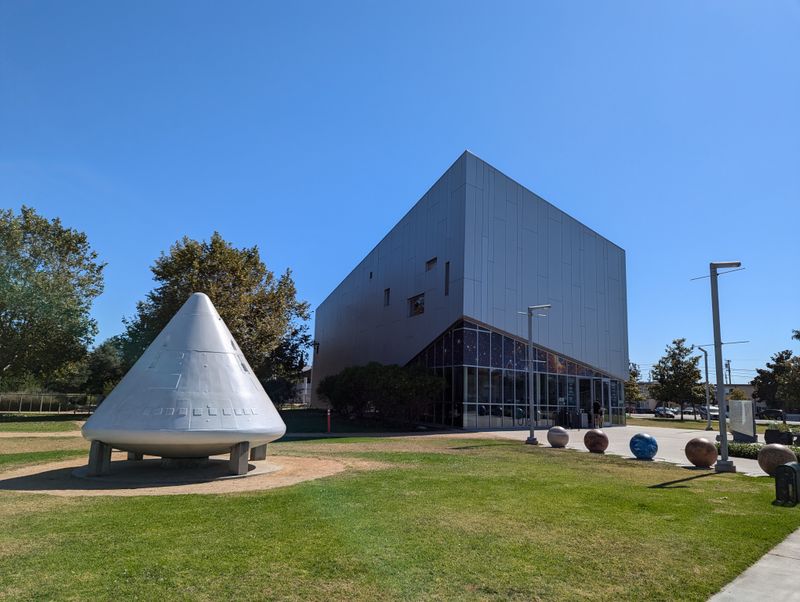
Space exploration comes down to earth at this hands-on science center in Downey, where interactive exhibits make aerospace concepts accessible to all ages.
The center occupies part of the former North American Aviation facility where Apollo spacecraft components were built.
Exhibits cover topics from rocket propulsion to life in space, with many designed for tactile engagement rather than passive viewing.
The center stands at 12400 Columbia Way in Downey, California 90242, on the site with deep connections to America’s space program. Free parking surrounds the building, with clearly marked visitor spaces near the entrance.
The facility includes both indoor exhibition halls and outdoor displays featuring aerospace equipment.
Free admission days bring families with children excited about science and space, creating an energetic atmosphere throughout the center.
Interactive exhibits invite touching and experimentation, making this museum particularly welcoming for young visitors.
Staff members and volunteers often demonstrate scientific principles or lead short activities, adding educational value beyond the static displays.
The center hosts special programs and presentations that may align with free admission dates, offering opportunities to meet scientists or engineers.
A small gift shop sells space-themed toys, books, and educational materials. The center maintains comfortable temperatures year-round, providing relief from summer heat.
Some exhibits involve physical activity like climbing or balancing, requiring reasonable mobility and coordination.
The center’s modest size allows a complete visit in about two hours, though engaged families may linger longer. Outdoor areas include shaded seating where adults can rest while children continue exploring.
The center emphasizes STEM education, with exhibits designed to spark curiosity about science and engineering careers.
17. La Brea Tar Pits & Museum
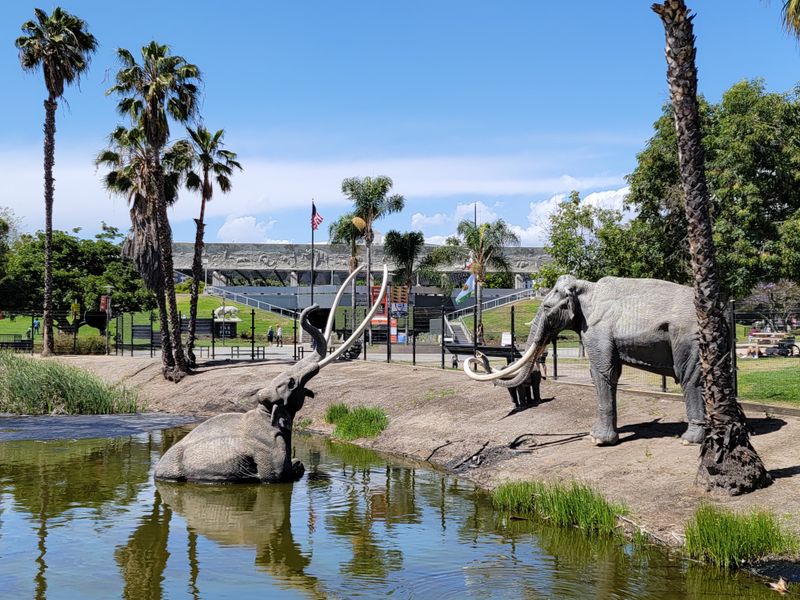
Ancient history bubbles to the surface at this unique site where Ice Age fossils continue emerging from natural asphalt deposits.
The tar pits have trapped animals for tens of thousands of years, creating one of the world’s richest fossil deposits.
The museum displays bones of mammoths, saber-toothed cats, and dire wolves, all recovered from the sticky asphalt still visible in outdoor pits.
Located at 5801 Wilshire Boulevard in Los Angeles, California 90036, the site sits in Hancock Park amid the urban Miracle Mile district.
Parking structures nearby serve multiple museums, with spaces filling quickly during free admission events.
The site includes both outdoor areas where active tar pits bubble and seep, plus indoor museum galleries housing fossil displays.
Free admission days attract families fascinated by prehistoric life, with children particularly drawn to the dramatic fossil reconstructions.
The outdoor areas remain accessible year-round, allowing views of the tar pits even when the museum closes.
The distinctive smell of asphalt permeates the grounds, creating a sensory experience unique among museums.
Observation areas let visitors watch paleontologists working in the fossil preparation lab, revealing the meticulous process of cleaning and studying ancient bones.
The museum includes hands-on activities where children can touch replica fossils and learn about scientific methods. A gift shop sells books about paleontology, replica fossils, and Ice Age-themed items.
The site combines science education with the slightly eerie atmosphere of seeing death traps that claimed countless animals.
Outdoor areas include shaded benches and landscaped paths connecting different viewing points.
The museum maintains cool temperatures to preserve fossil specimens, making layers advisable even during warm weather outside.
18. Santa Barbara Museum Of Natural History (Sea Center Not included)
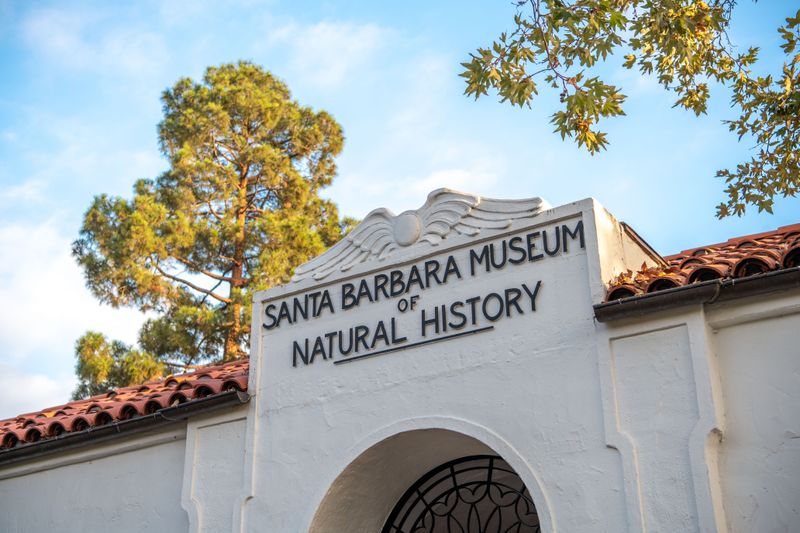
Natural wonders of the region fill this museum tucked into oak woodlands above Santa Barbara’s Mission Canyon.
Exhibits explore local geology, marine life, wildlife, and Native American cultures, with many specimens collected from the surrounding area.
A planetarium offers shows about astronomy and space science, adding cosmic perspectives to the earthbound displays.
The museum sits at 2559 Puesta del Sol in Santa Barbara, California 93105, in a scenic canyon setting away from downtown. Free parking lots serve visitors, with spaces adequate except during peak times.
The Sea Center on Stearns Wharf operates as a separate facility not included in the Museums Free-for-All program, so visitors should plan accordingly.
Reservations are recommended for free admission day, helping manage crowds through the museum’s various exhibition halls.
The museum maintains both indoor galleries and outdoor nature areas where visitors can explore native plant gardens and creek habitats.
Children gravitate toward the hands-on discovery areas where they can touch specimens and conduct simple experiments.
The skeleton of a blue whale suspended overhead creates a dramatic focal point in the main hall.
Exhibit labels explain natural phenomena in accessible language, avoiding excessive technical terminology. The museum shop sells nature books, educational toys, and items supporting conservation efforts.
Planetarium shows require separate tickets even during free admission, with schedules posted at the entrance.
The museum setting provides a peaceful contrast to urban institutions, with bird songs and canyon breezes part of the experience.
Trails on the museum grounds connect to larger trail systems in the surrounding hills, though these extend beyond the museum property. Staff members include naturalists who can answer questions about local ecology and wildlife.
19. Autry Museum Of The American West
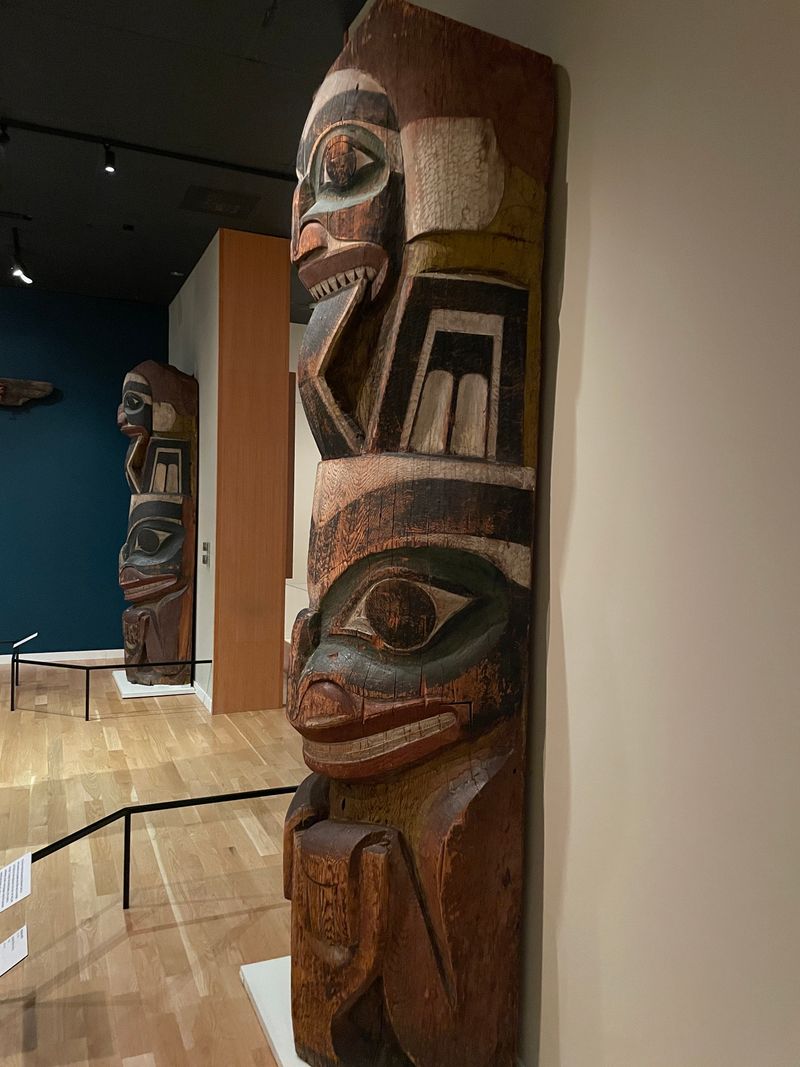
Stories of the American West unfold through art, artifacts, and interactive exhibits at this museum in Griffith Park.
The collection challenges simplified narratives about western expansion, presenting multiple perspectives from Native Americans, settlers, immigrants, and others who shaped the region.
Galleries include everything from cowboy gear to fine art, from Native American basketry to Hollywood western memorabilia.
The museum occupies 4700 Western Heritage Way in Los Angeles, California 90027, nestled in Griffith Park near the Los Angeles Zoo.
Free parking lots serve the museum, with spaces generally available except during major park events.
Advance reservations are required for Museums Free-for-All, ensuring manageable crowd levels throughout the galleries.
The museum layout guides visitors through chronological and thematic sections, though the floor plan allows flexible routing.
Families appreciate the hands-on elements and child-friendly activities integrated into exhibitions. The museum restaurant serves lunch with outdoor patio seating, providing views of the surrounding park.
Special programs during free admission may include demonstrations of traditional crafts or performances of western music. The museum shop stocks books about western history, Native American art, and regional crafts.
Gallery environments vary from intimate spaces displaying delicate objects to large halls housing wagons and saddles.
The museum maintains strong relationships with Native American communities, resulting in exhibitions that honor indigenous perspectives.
Visiting after exploring other Griffith Park attractions makes sense given the location, though the museum alone merits a dedicated trip.
Comfortable walking shoes help during visits that may span several hours. The museum balances serious historical content with engaging presentation styles that maintain visitor interest.
20. California African American Museum
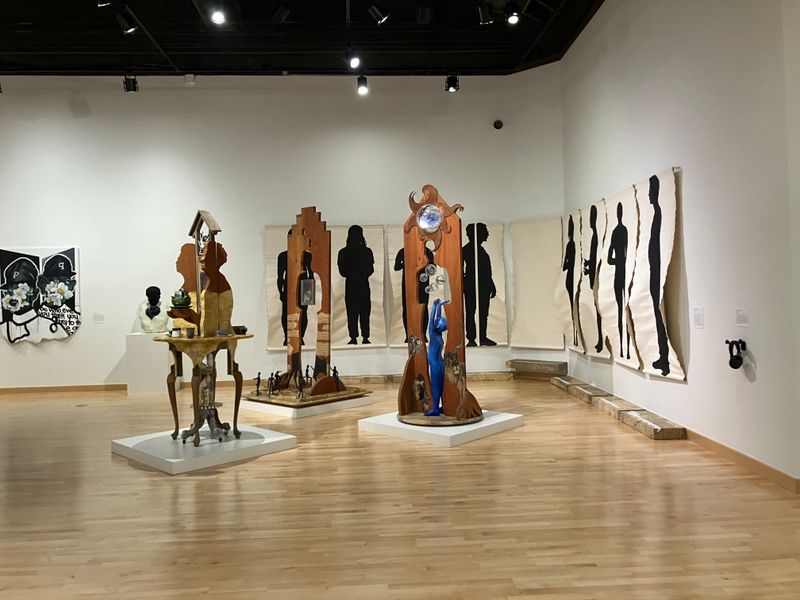
African American art, history, and culture take center stage at this museum in Exposition Park, presenting both historical narratives and contemporary creative expressions.
The collection includes paintings, sculptures, photographs, and historical artifacts that document African American experiences in California and beyond.
Temporary exhibitions rotate regularly, ensuring repeat visitors encounter fresh perspectives and artists.
The museum stands at 600 State Drive in Los Angeles, California 90037, within the Exposition Park cultural complex.
Parking structures throughout the park provide ample spaces, with fees applying even during free museum admission.
The museum building features distinctive modern architecture with a sculptural entrance that signals its cultural mission.
Free admission year-round makes the Museums Free-for-All event one of many opportunities to visit, though special programming may align with the annual celebration.
The museum maintains a welcoming atmosphere that encourages community gathering alongside art viewing.
Galleries present difficult historical topics with honesty while celebrating achievements and resilience.
Contemporary art exhibitions showcase work by living artists, connecting historical narratives to present-day creative practice. The museum hosts performances, lectures, and film screenings that expand on exhibition themes.
A resource center provides access to books, archives, and research materials about African American history and culture.
The museum shop sells works by Black artists and authors, supporting contemporary creative communities.
Gallery lighting creates focused attention on artworks while maintaining comfortable ambient levels.
The museum size allows a complete visit in about two hours, though those deeply engaged with specific exhibitions may stay longer.
Staff members often reflect the communities represented in the exhibitions, bringing personal perspectives to their work.
The museum’s location near other Exposition Park attractions makes it easy to plan a full day of cultural activities.
21. The Forest Lawn
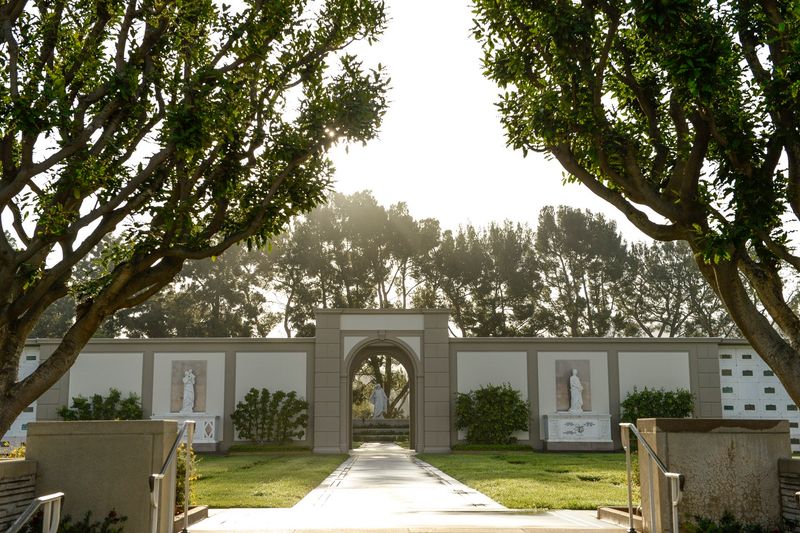
Art museums exist within these memorial parks, where permanent collections include Renaissance reproductions and American paintings.
The sites blend cemetery grounds with cultural attractions, creating unique environments where art viewing occurs amid landscaped gardens and memorial spaces.
Stained glass windows and marble sculptures appear throughout the properties, many created by notable artists.
Forest Lawn operates multiple locations across Southern California, including 3790 2, 6300 Forest Lawn Dr, Los Angeles, CA 90068.
Other locations include properties in Hollywood Hills and beyond, each with distinct character and collections. Parking remains free at all locations, with ample spaces throughout the extensive grounds.
The properties maintain peaceful atmospheres appropriate to their dual functions as cemeteries and cultural sites.
Museums within the parks display American historical paintings and decorative arts in gallery settings.
The sites include reproductions of famous churches and architectural monuments, creating unexpected encounters with European designs.
Visitors should maintain respectful behavior given the cemetery setting, keeping voices low and avoiding disruptive activities.
The grounds include gardens and scenic viewpoints, particularly at hillside locations with views across Los Angeles.
Some artworks and architectural features require walking significant distances across the properties, making comfortable shoes essential.
The sites welcome visitors year-round during daylight hours, with museum buildings keeping more limited schedules.
Staff members provide information about both the art collections and the memorial park histories. The properties maintain impeccable landscaping, with seasonal flowers and mature trees creating beautiful settings.
Visiting during free admission allows exploration of cultural offerings some may not associate with memorial parks.
The combination of art, architecture, and landscape creates distinctive experiences not replicated at traditional museums.
22. The Getty Center
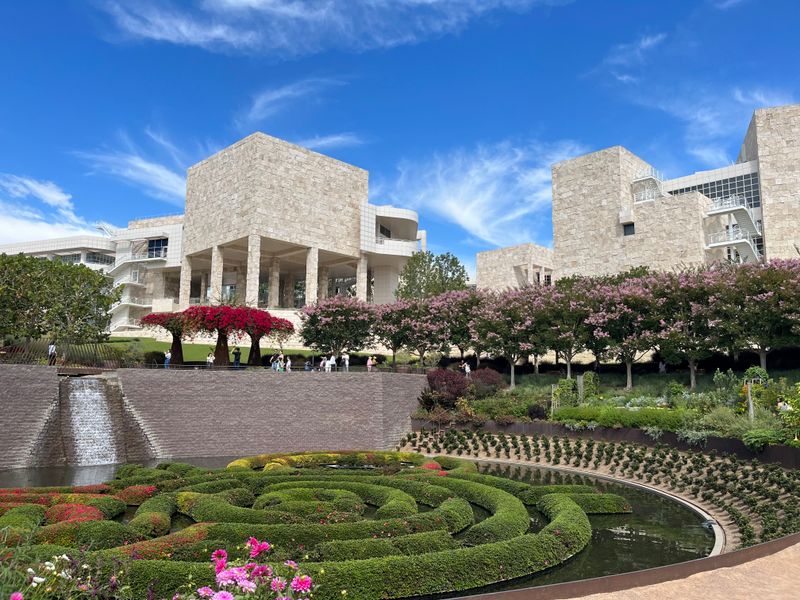
Travertine-clad buildings crown a Los Angeles hilltop, housing one of the world’s great art collections.
The Getty Center offers European paintings, sculptures, decorative arts, and photographs in galleries designed by Richard Meier.
The architecture itself becomes part of the experience, with geometric forms and natural light creating spaces that enhance rather than compete with the artworks.
The center sits at 1200 Getty Center Drive in Los Angeles, California 90049, high in the Santa Monica Mountains.
A tram carries visitors from the parking structure to the museum level, climbing the hillside while offering views across the city.
Parking fees apply even during free admission, though the museum entrance itself requires no payment.
Free admission day brings crowds that fill the tram and galleries, though the expansive grounds prevent the site from feeling uncomfortably packed.
Gardens designed by Robert Irwin provide outdoor spaces for rest and reflection between gallery visits.
The permanent collection spans centuries, from medieval manuscripts to nineteenth-century paintings.
Special exhibitions require separate tickets even during free admission events, so checking which galleries participate matters.
Multiple dining options range from casual cafés to a full-service restaurant with terrace seating. The museum shop occupies a large space stocked with art books, exhibition catalogs, and design objects.
Gallery design emphasizes natural light, with skylights and windows creating bright, airy environments.
The museum prohibits photography in some galleries depending on loan agreements and artist rights. Comfortable shoes become essential given the distances involved in exploring the entire complex.
Sunset visits offer spectacular views as light changes across the Los Angeles basin. The tram operates continuously, though lines form during peak times at both ends of the route.
23. The Getty Villa
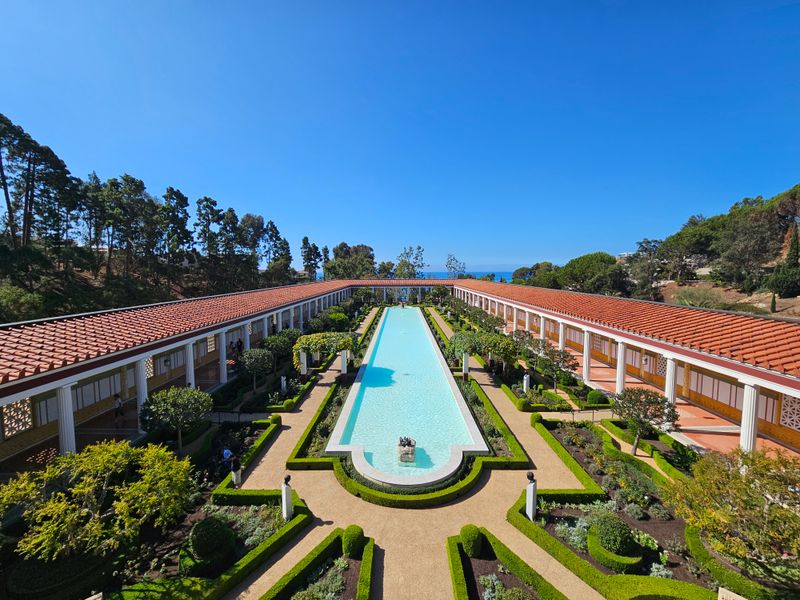
Ancient Greek and Roman art fills a recreated Roman villa overlooking the Pacific Ocean.
The building itself replicates the Villa dei Papiri, buried by Mount Vesuvius in 79 AD, creating an immersive environment for classical antiquities.
Galleries surround a central peristyle garden with reflecting pool, following ancient Roman architectural principles.
The villa sits at 17985 Pacific Coast Highway in Pacific Palisades, California 90272, between the highway and the ocean bluffs.
Advance timed-entry tickets are required for all visits, including during Museums Free-for-All, managing crowd levels at this smaller Getty property.
The collection focuses on objects from ancient Mediterranean cultures, including sculptures, vases, jewelry, and everyday items from Greek and Roman life.
Gardens planted with species known to ancient Romans create authentic atmospheres, with herbs and flowering plants historically documented.
The villa layout follows ancient design, with rooms opening onto the central garden and ocean views visible from upper terraces.
Audio guides provide detailed information about objects and architectural elements, enriching the self-guided experience.
The villa café serves Mediterranean-inspired lunch options, with outdoor seating overlooking the gardens.
The museum shop stocks books about classical antiquity, jewelry reproductions, and items inspired by ancient designs.
Gallery environments maintain climate control necessary for protecting ancient materials, creating cool interiors contrasting with outdoor temperatures.
The villa prohibits photography in most galleries, protecting light-sensitive objects and respecting the contemplative atmosphere.
Visiting requires about two to three hours to see the full collection and explore the gardens. The ocean setting provides dramatic backdrops, though coastal weather patterns may bring fog or wind.
Staff members include specialists in classical art who can answer detailed questions about objects and their historical contexts.
24. LA Plaza De Cultura Y Artes
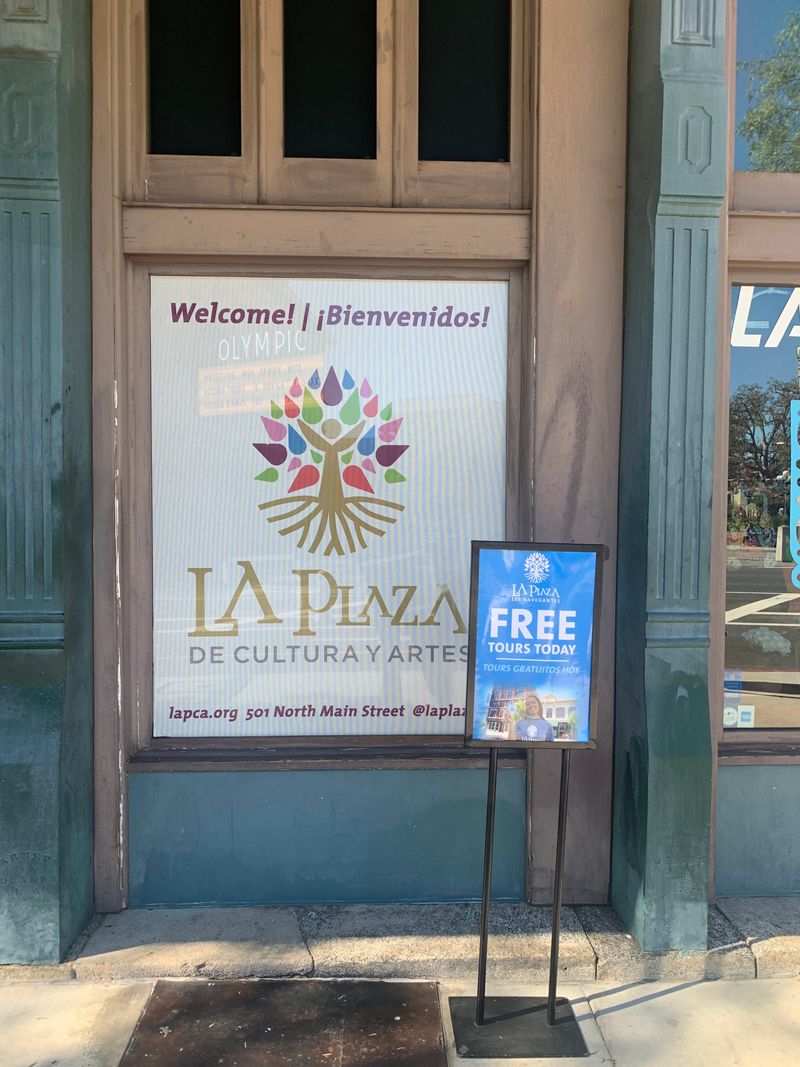
Mexican American history and culture come alive at this museum and cultural center near the historic Los Angeles Plaza.
Exhibits explore the experiences of Mexican Americans in Los Angeles and throughout the Southwest, from early settlement through contemporary times.
Interactive displays and multimedia presentations make historical narratives accessible and engaging for diverse audiences.
The center occupies 501 North Main Street in Los Angeles, California 90012, in the heart of the city’s historic core.
Public parking structures nearby provide access, though street parking offers limited alternatives during peak times.
The location places visitors steps from Olvera Street and other historic sites, allowing combined exploration of related cultural attractions.
Free admission year-round makes Museums Free-for-All one of many opportunities to visit, though special programming may enhance the experience during the annual event.
The museum addresses complex historical topics alongside celebrations of cultural contributions.
Contemporary art and historical artifacts share gallery spaces, connecting past and present experiences.
The museum hosts community events, performances, and workshops that bring cultural traditions into living practice.
A gift shop sells books about Mexican American history, folk art, and items supporting Latino artists. Gallery design incorporates both traditional museum displays and innovative multimedia installations.
The museum maintains a welcoming atmosphere that encourages family visits and community gathering.
Bilingual labels and materials serve both English and Spanish speakers, reflecting the communities represented.
The museum size allows a complete visit in about an hour, though those interested in detailed historical information may linger longer.
Staff members often have personal connections to the stories presented, bringing authentic perspectives to their work.
The museum’s location in the historic plaza area provides context for understanding Los Angeles’s multicultural origins.
25. Lincoln Memorial Shrine
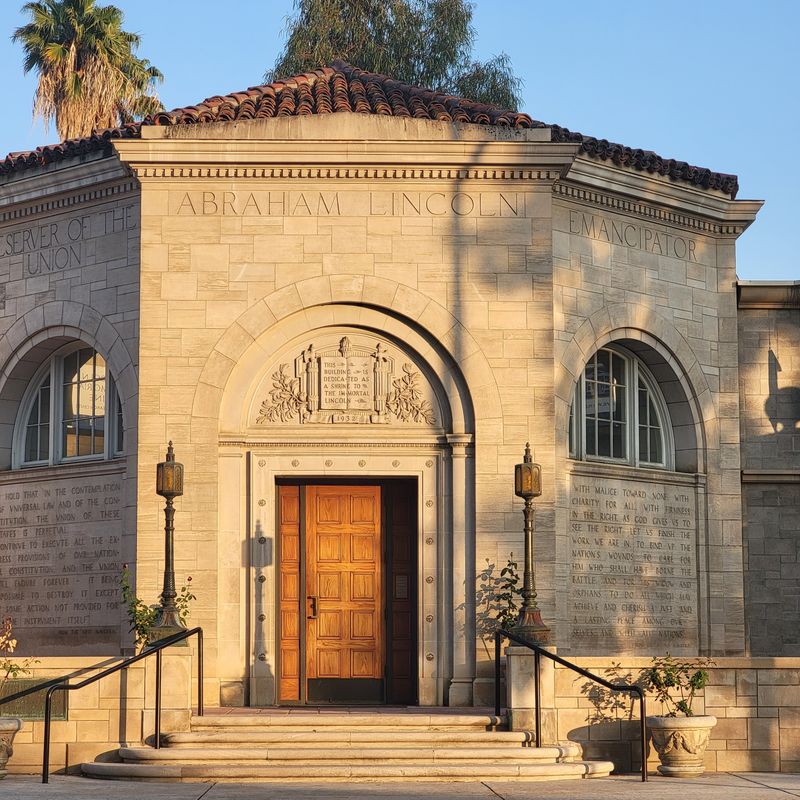
The only museum west of the Mississippi dedicated solely to Abraham Lincoln occupies a classical building in Redlands.
The collection includes books, documents, photographs, and artifacts related to Lincoln and the Civil War era.
The shrine serves as both museum and memorial, honoring Lincoln’s legacy while educating visitors about this pivotal period in American history.
The shrine stands at 125 West Vine Street in Redlands, California 92373, in a park setting near downtown. Free parking surrounds the building, with spaces adequate for typical visitor numbers.
The structure itself features classical architectural elements that evoke memorial traditions, with columns and formal proportions.
Free admission year-round means Museums Free-for-All represents one of many opportunities to visit this specialized collection.
The museum appeals particularly to history enthusiasts and those interested in Lincoln’s life and presidency.
Exhibits include original documents and period artifacts, displayed in traditional museum cases with interpretive labels.
The collection emphasizes Lincoln’s words and ideas, with extensive quotations and documents allowing visitors to engage directly with historical texts.
A research library serves scholars and students studying Lincoln and the Civil War era. The shrine maintains a quiet, contemplative atmosphere appropriate to its memorial function.
Visiting requires about an hour to see the full collection, though those reading documents and labels carefully may stay longer.
The museum hosts lectures and programs about Lincoln and Civil War history, which may align with free admission dates.
The shrine’s modest size and specialized focus create an intimate experience different from larger, more general museums.
Staff members demonstrate deep knowledge about Lincoln and can answer detailed questions about the collection.
The park setting provides pleasant outdoor space for reflection after viewing the exhibits.
26. Museum Of Tolerance
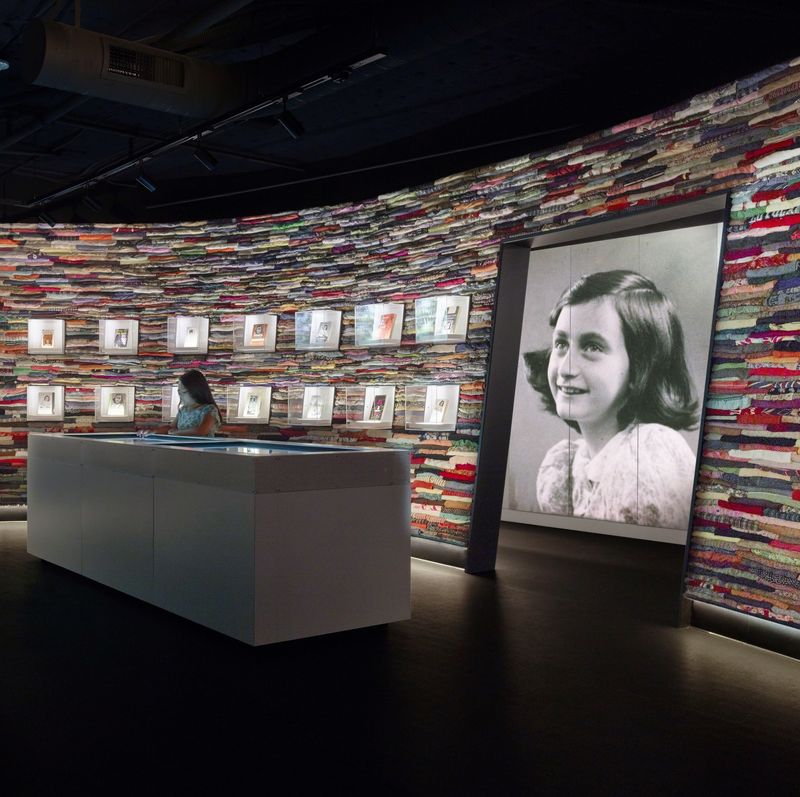
Human rights education drive this museum’s mission, using historical evidence and contemporary examples to promote understanding and combat prejudice.
Exhibits address difficult topics, employing multimedia presentations and interactive elements.
The museum challenges visitors to examine their own beliefs and actions, making the experience personally engaging rather than purely historical.
The museum sits at 9786 West Pico Boulevard in Los Angeles, California 90035, with parking available in an underground structure.
Advance reservations are recommended even during free admission, as the museum limits daily attendance to maintain appropriate group sizes for certain exhibits.
Security screening at the entrance reflects the serious nature of the content and the museum’s commitment to visitor safety.
Free admission day brings diverse audiences, from students to community groups, all engaging with challenging material about hatred and tolerance.
The exhibit presents historical evidence through artifacts, photographs, and survivor testimonies, creating powerful emotional experiences.
Interactive exhibits about contemporary prejudice encourage visitors to examine current social issues and their own biases.
The museum recommends ages 10 and above for most exhibits, given the mature content and disturbing historical material.
Guided tours enhance the experience, providing context and facilitating discussion about difficult topics.
The museum maintains a serious atmosphere appropriate to its subject matter, with conversation tones naturally subdued.
A café provides space for reflection and discussion after viewing emotionally demanding exhibits. The museum shop sells books about history, human rights, and social justice.
Visiting typically requires two to three hours, though the emotional weight of the content may make breaks necessary. Staff members demonstrate sensitivity to the difficult material while maintaining educational rigor.
The museum serves as both memorial and educational institution, honoring victims while working to prevent future atrocities.
27. Santa Monica History Museum
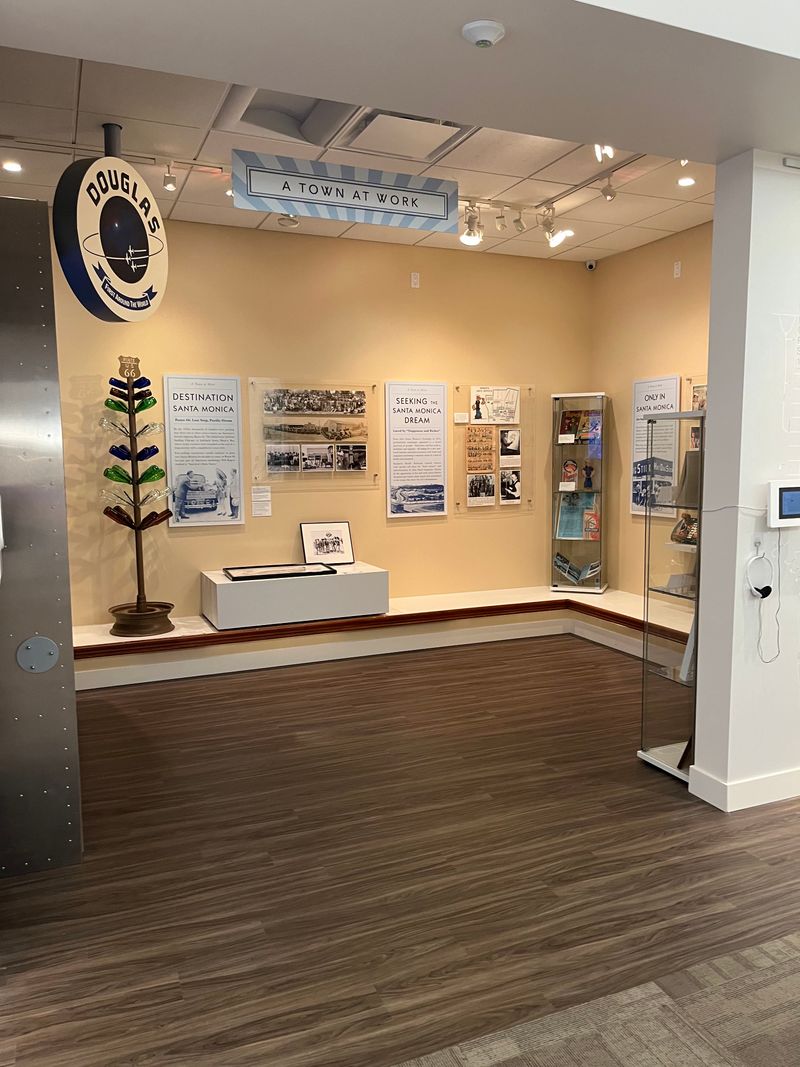
Beach community history fills this museum celebrating Santa Monica’s evolution from seaside resort to modern city.
Exhibits cover topics from early Native American inhabitants through the amusement pier era to contemporary development.
Photographs, artifacts, and interactive displays bring local stories to life, connecting visitors to the layers of history beneath the current cityscape.
The museum occupies 1350 7th Street in Santa Monica, California 90401, in a historic building near the downtown area.
Public parking structures nearby provide access, though metered street parking offers alternatives for shorter visits.
The museum’s modest size makes it easy to combine with other Santa Monica activities, from beach visits to shopping along the Third Street Promenade.
Free admission during Museums Free-for-All brings both longtime residents curious about their community’s past and tourists wanting deeper understanding of the city they’re visiting.
The museum emphasizes local stories, making Santa Monica’s history feel personal rather than abstract.
Exhibits include objects from daily life across different eras, from vintage swimwear to historic photographs of the pier.
The museum hosts community events and lectures that may coincide with free admission dates, adding programming beyond the permanent exhibits.
A small gift shop sells books about local history and Santa Monica-themed items.
The museum maintains a friendly, accessible atmosphere that welcomes questions and encourages exploration. Visiting typically requires about an hour, making it manageable even with limited time.
Staff members often have deep knowledge about local history and can share stories beyond what appears in exhibits.
The museum appeals particularly to those interested in California beach culture and coastal community development.
Gallery spaces maintain comfortable temperatures year-round, providing respite from summer heat or winter coastal chill.
The museum’s focus on local history creates connections between past and present, helping visitors see the city with new understanding.
28. Skirball Cultural Center
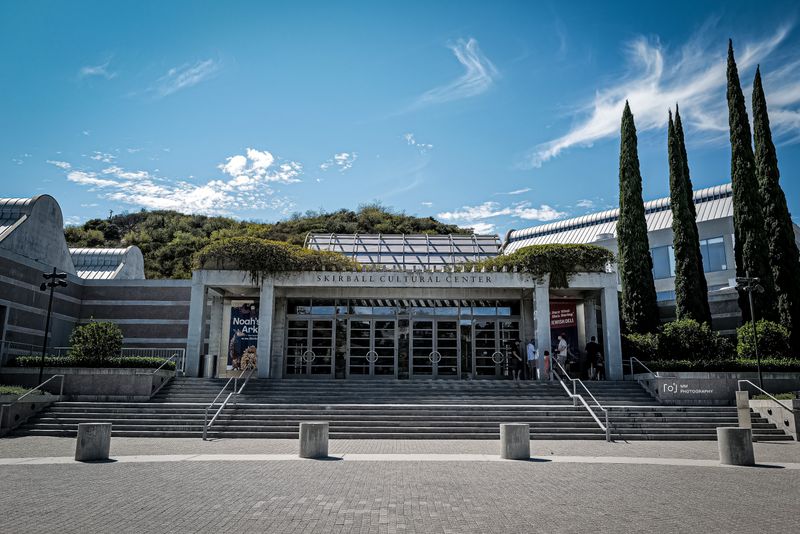
Jewish culture and American democratic values intersect at this cultural center in the Sepulveda Pass.
The museum explores Jewish history and contributions to American society through artifacts, art, and interactive exhibits.
A discovery center designed for families offers hands-on activities that make cultural concepts accessible to children while engaging adults.
The center sits at 2701 North Sepulveda Boulevard in Los Angeles, California 90049, between the San Fernando Valley and West Los Angeles.
Free parking lots serve visitors, with ample spaces except during major events or holidays.
The building’s modern architecture incorporates natural light and open spaces, creating welcoming environments for both contemplation and community gathering.
Free admission day brings diverse audiences, as the center’s mission emphasizes universal values rather than serving only Jewish communities.
The permanent exhibition traces Jewish immigration to America, using personal stories and family artifacts to illustrate broader historical patterns.
Temporary exhibitions explore topics from contemporary art to social justice themes, always connecting to the center’s core values.
The discovery center appeals to families with children, offering creative play spaces inspired by Noah’s Ark story.
A café serves lunch and snacks, with outdoor terrace seating overlooking the surrounding hills. The museum shop stocks books about Jewish culture, Judaica, and items supporting contemporary artists.
Gallery environments balance educational content with aesthetic presentation, making learning feel natural rather than forced.
The center hosts performances, lectures, and cultural celebrations that may align with free admission dates. Visiting requires two to three hours to see both the permanent collection and temporary exhibitions.
Staff members demonstrate warmth and enthusiasm about the center’s mission, creating welcoming atmospheres.
The center’s hilltop location provides views across Los Angeles, adding scenic value to the cultural experience.
The museum emphasizes connections between particular Jewish experiences and universal human values, making content relevant to all visitors.
29. Wende Museum
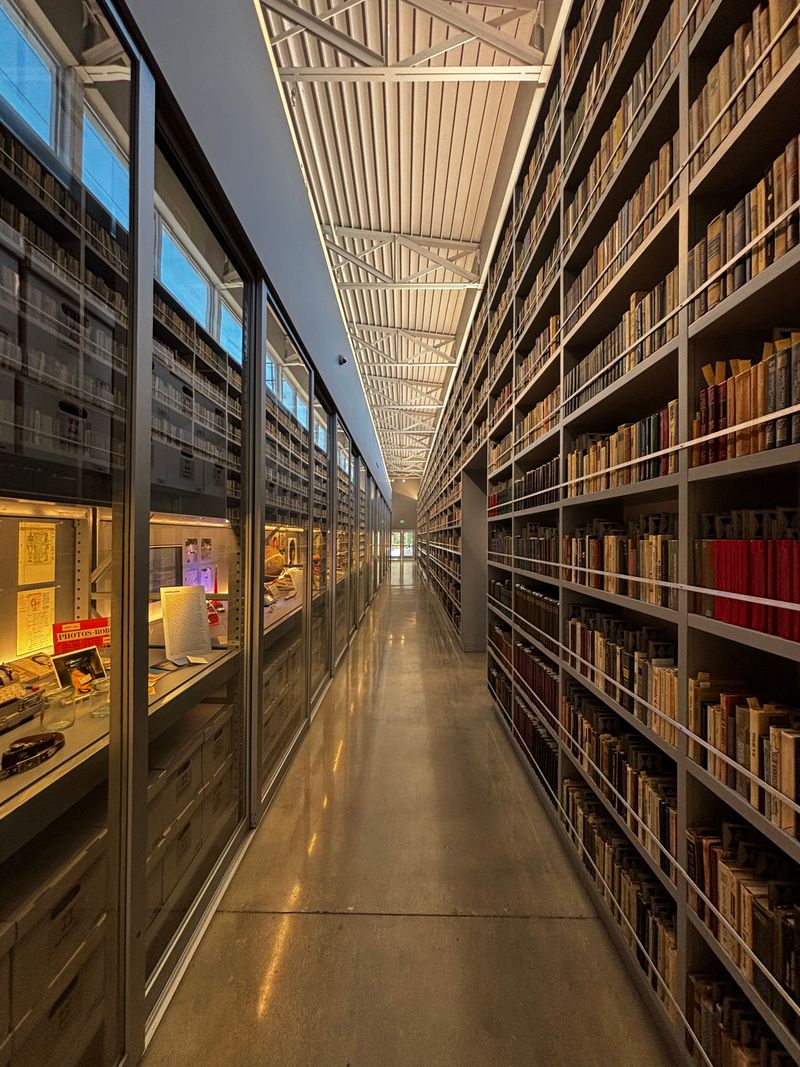
Cold War history comes alive through everyday objects and propaganda from the Soviet Union and Eastern Bloc countries.
The Wende Museum preserves material culture from this period, from children’s toys to political posters, showing how ideology shaped daily life behind the Iron Curtain.
The collection offers Western audiences rare glimpses into societies that remained largely closed for decades.
The museum occupies 10808 Culver Boulevard in Culver City, California 90230, in a repurposed armory building.
Free parking lots provide convenient access, with spaces generally available except during special events.
The building’s industrial character suits the museum’s focus on material culture and historical preservation.
Free admission day brings history enthusiasts and those curious about Cold War era life, including younger visitors learning about this period for the first time.
Exhibits present objects without excessive nostalgia or political judgment, allowing artifacts to speak about their historical contexts.
The collection includes surprising items, from East German household goods to Soviet space program memorabilia.
Interactive elements let visitors handle replica objects and explore historical documents, making the past tangible.
The museum hosts film screenings, lectures, and discussions about Cold War history and its ongoing relevance. A research library serves scholars studying this period, with materials available by appointment.
The museum shop sells books about Cold War history, reproduction posters, and items inspired by the collection.
Gallery environments maintain moderate lighting levels that protect sensitive materials while allowing clear viewing. Visiting typically requires about two hours to see the full collection and read exhibit labels.
Staff members often have specialized knowledge about Cold War history and can provide context beyond what appears in displays.
The museum serves as archive and educational institution, preserving material culture that might otherwise disappear as this historical period recedes from living memory.