These Southern Staples You Love Are Slowly Leaving North Carolina Aisles
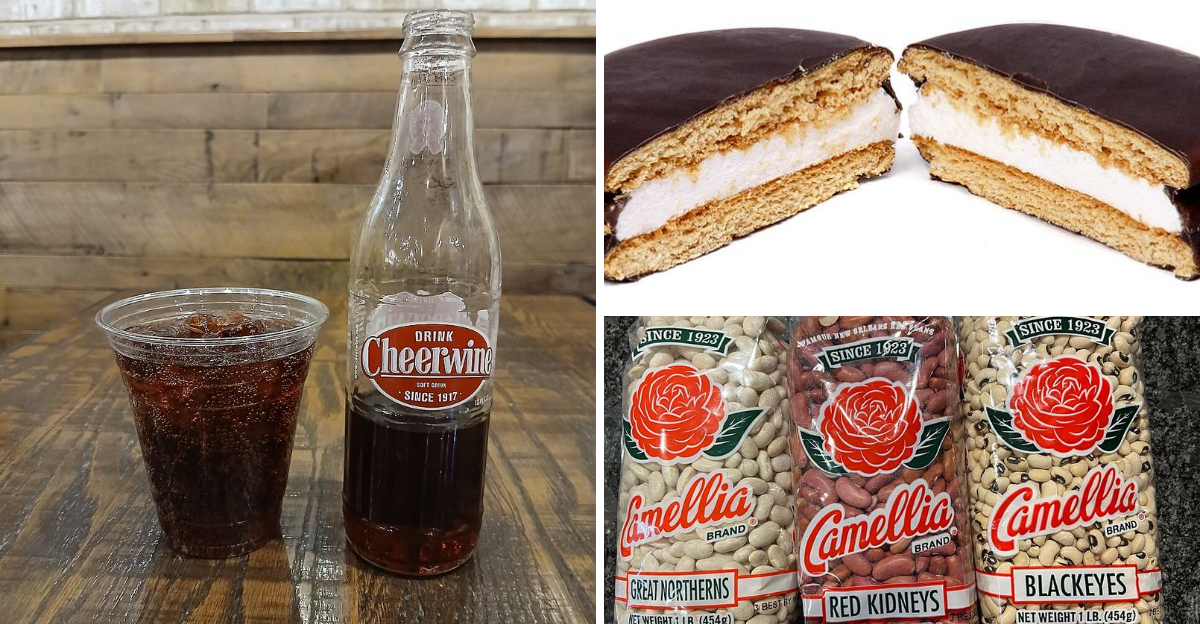
Southern grocery aisles used to overflow with flavors that defined generations of Carolina kitchens. Shelves once stocked with beloved regional treasures now feel a little emptier each year. Changing tastes, corporate consolidation, and the march of mass production have pushed aside many authentic Southern staples.
From tangy spreads to sweet sodas, these twelve cherished items are quietly fading from North Carolina stores. Walking down familiar aisles, you might notice gaps where old favorites used to sit. These foods represent more than ingredients, they carry memories of Sunday suppers, holiday gatherings, and recipes passed down through families.
Losing them means losing a piece of culinary heritage that once made Carolina cooking so distinct. Some items still appear at farmers’ markets or specialty shops, but mainstream grocery stores are letting them slip away. This shift reflects broader changes in how we shop, cook, and connect with regional food traditions.
Understanding what’s disappearing helps us appreciate these flavors while they’re still around and maybe even inspires us to seek them out before they vanish completely.
1. Pimento Cheese
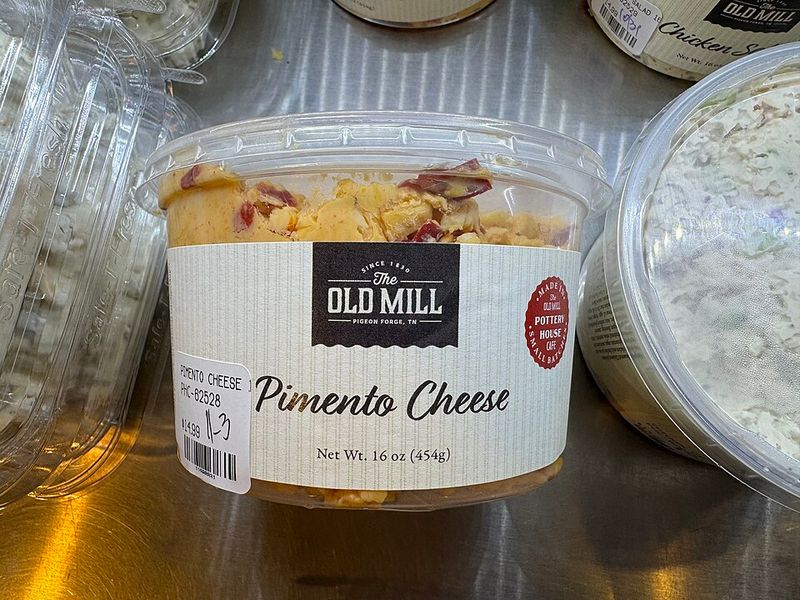
Sharp cheddar blends with creamy mayo and sweet red pimentos to create what Southerners affectionately call the pâté of the region. Authentic versions made with real aged cheese and hand-diced peppers once filled deli cases across North Carolina.
Mass-produced alternatives now dominate shelves, offering convenience but lacking that distinctive homemade tang. The real deal features a texture that’s neither too smooth nor too chunky, with a flavor profile that balances sharpness and sweetness.
Many grocery chains have replaced small-batch local brands with factory-made spreads that taste bland and overly processed. Finding genuine pimento cheese now requires trips to specialty markets or making it yourself at home.
Generations of Carolina families spread this mixture on white bread for simple sandwiches or stuffed it into celery sticks for parties. It graced picnic tables, church potlucks, and holiday buffets as a versatile crowd-pleaser.
The decline of authentic pimento cheese reflects broader shifts toward standardized products with longer shelf lives. What once tasted vibrant and fresh now often comes in plastic tubs with preservatives and artificial colors.
Some farmers’ markets still sell the real thing, made fresh weekly by vendors who remember how it should taste.
2. Sorghum Syrup
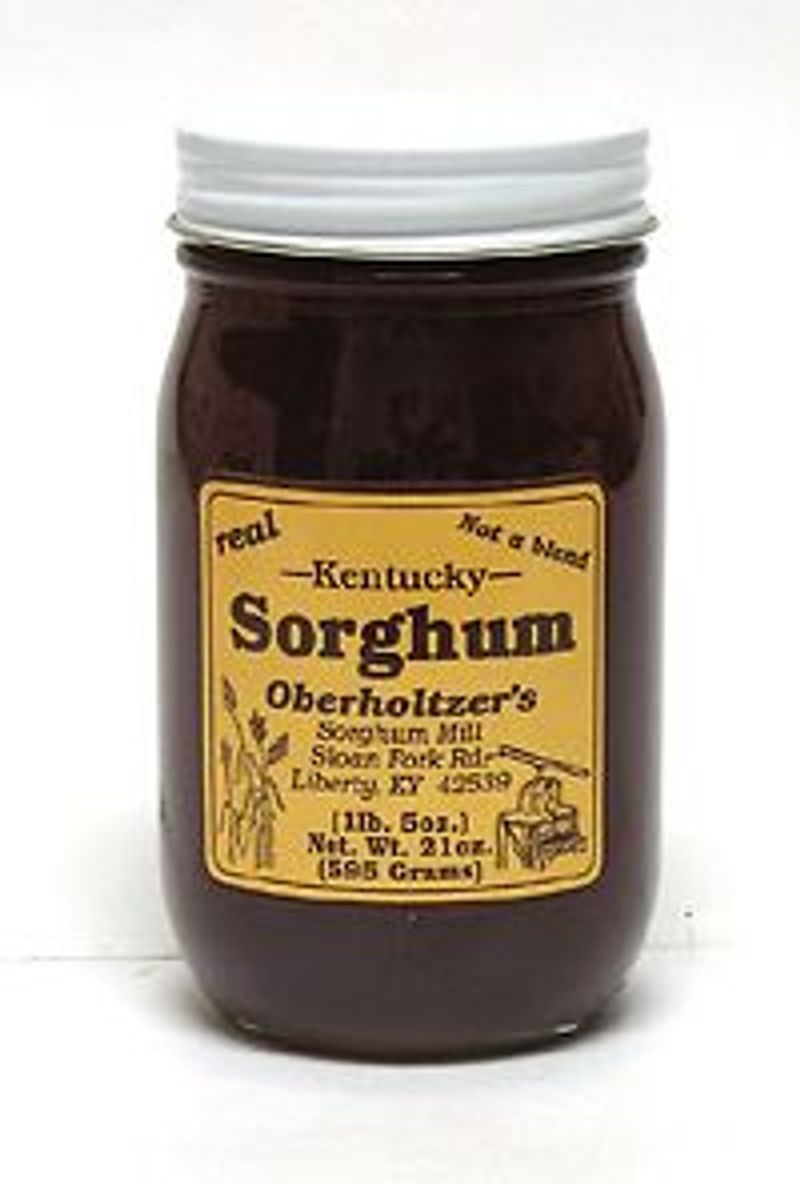
Thick, amber liquid pours slowly from the bottle, carrying an earthy sweetness unlike any other Southern sweetener. Pressed from sorghum cane and cooked down to concentrated perfection, this syrup once appeared on breakfast tables throughout North Carolina.
Biscuits got drizzled with its complex flavor, and cornbread received generous spoonfuls for a traditional treat. The production process requires patience, skill, and equipment that fewer farmers maintain each year.
Modern grocery stores favor corn syrup and maple varieties that ship easily and sit longer on shelves without crystallizing. Sorghum’s distinctive taste, deeper than honey, earthier than molasses, has become unfamiliar to younger generations.
Small-scale producers still make batches during harvest season, but distribution remains limited to local markets and roadside stands. The syrup’s dark color and robust flavor don’t appeal to consumers raised on mild, processed sweeteners.
Cooking with sorghum requires understanding its strong personality and how it interacts with other ingredients in recipes. Grandmothers who grew up eating it remember the exact consistency it should have when poured over hot bread.
Finding a bottle in mainstream stores has become nearly impossible, marking another loss in Carolina’s culinary landscape.
3. Country Ham
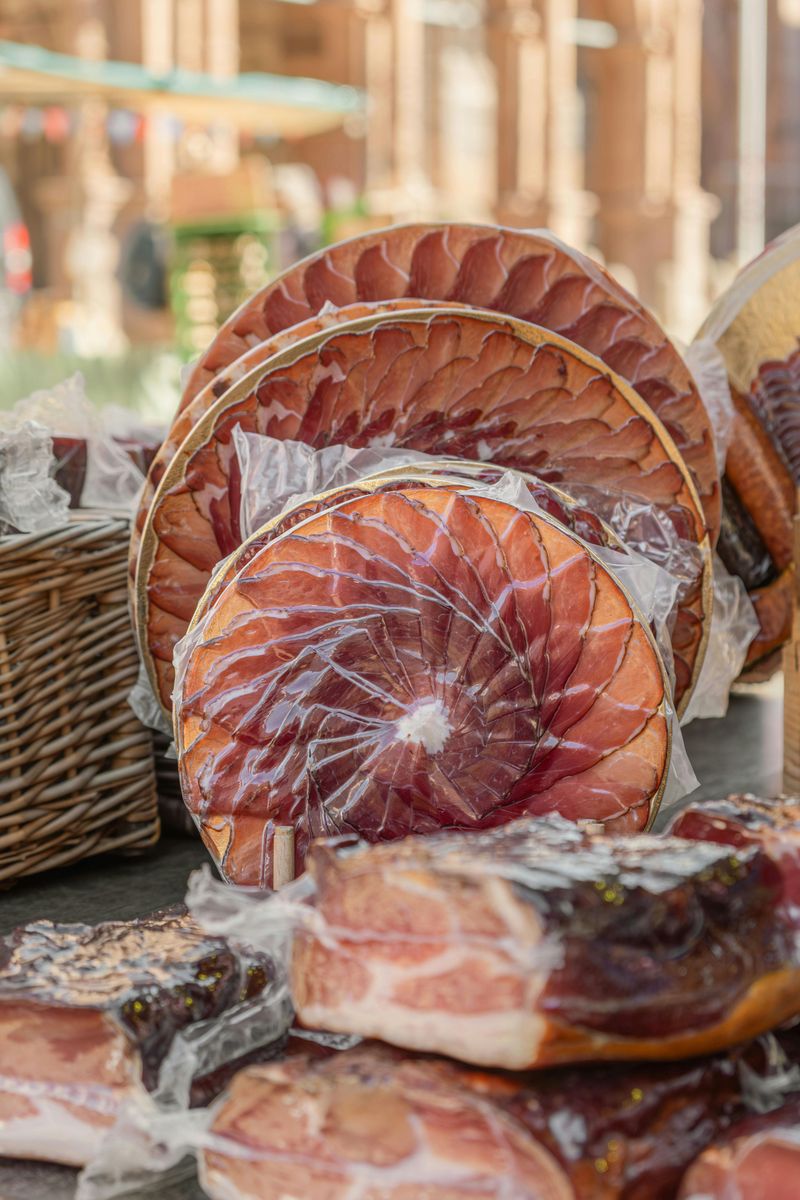
Salt-cured and aged for months, country ham develops a concentrated flavor that modern palates often find too intense. Thin slices fried crispy or simmered in red-eye gravy once defined Southern breakfast traditions across North Carolina.
The curing process requires time, space, and expertise that fewer producers maintain as demand shifts toward milder meats. Hanging hams in smokehouses for proper aging has become a rare sight outside specialty operations.
Grocery stores now stock mostly wet-cured, ready-to-eat ham that lacks the distinctive funk and saltiness of traditional country versions. Real country ham needs soaking before cooking to reduce its intense salt content, a step many modern cooks skip.
Whole hams wrapped in cloth and covered in mold might look unappetizing to shoppers unfamiliar with proper aging techniques. The appearance alone drives many consumers toward plastic-wrapped alternatives that look cleaner but taste bland.
Finding genuine country ham in mainstream stores has become difficult, with most relegated to specialty butchers or online retailers. The labor-intensive production and acquired-taste flavor don’t fit with fast-paced, mild-flavored modern eating habits.
Older generations remember the rich, salty slices that flavored beans, grits, and breakfast plates with incomparable depth and character.
4. Stone-ground Grits
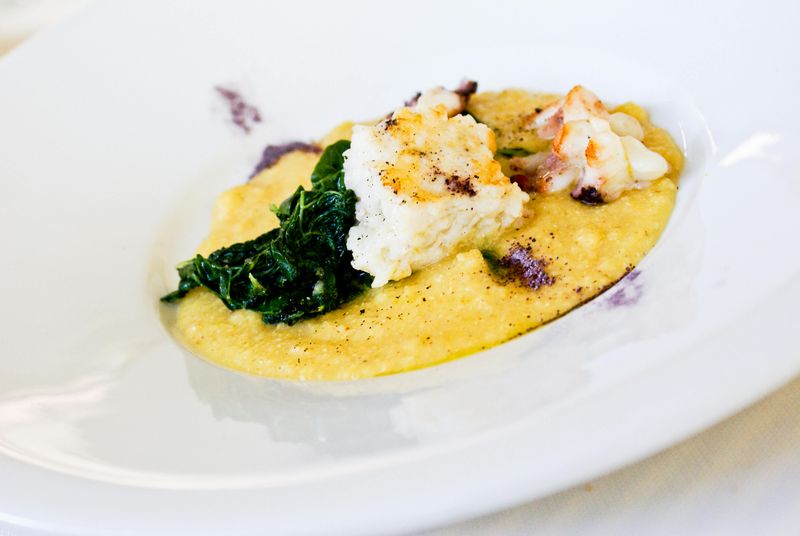
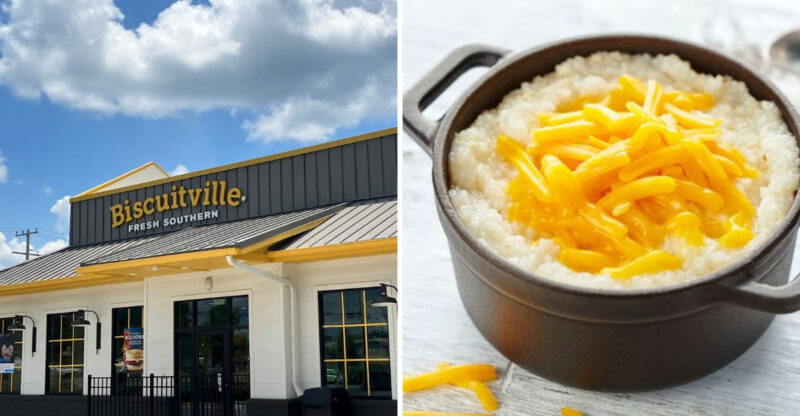
Whole corn kernels ground between massive stones create a texture and flavor that instant varieties cannot replicate. Each grain retains bits of hull and germ, adding nutty depth and natural corn sweetness to every spoonful.
Traditional stone-grinding preserves oils and nutrients that industrial processing strips away for shelf stability. The result tastes genuinely like corn rather than bland starchy paste that needs butter and salt to have any flavor.
Cooking stone-ground grits requires patience, they take forty-five minutes or longer to soften properly and develop their creamy consistency. Modern grocery shoppers gravitate toward five-minute instant versions that sacrifice flavor for convenience.
Small mills still grind grits the old way, but distribution remains limited to farmers’ markets and specialty food stores. Mainstream chains stock mostly quick-cooking varieties that sit on shelves indefinitely without going rancid.
Stone-ground grits need refrigeration because their natural oils spoil, making them impractical for stores focused on long shelf life. The coarse texture and extended cooking time don’t appeal to consumers seeking fast breakfast options.
Older cooks remember when grits meant real corn ground fresh, not processed granules that dissolve into flavorless mush. Finding authentic stone-ground versions in regular grocery stores has become increasingly rare across North Carolina.
5. Pickled Okra
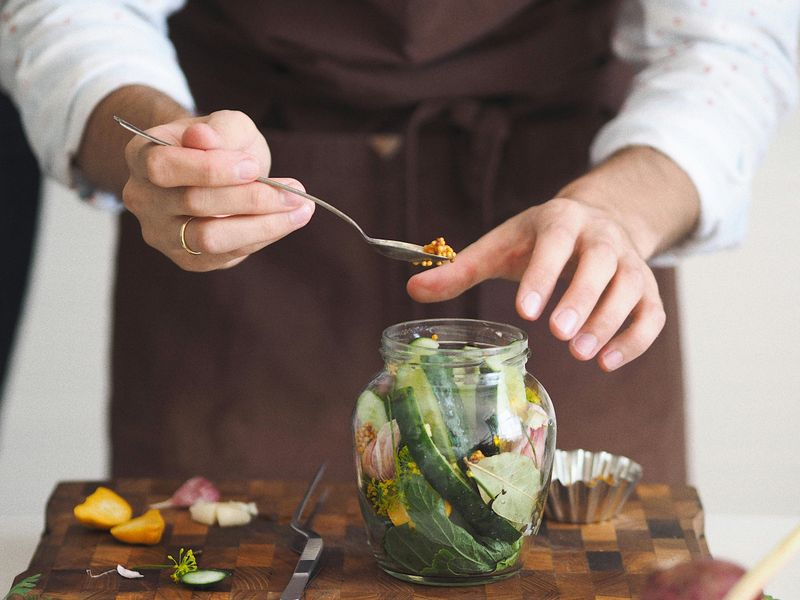
Bright green pods packed in vinegar brine with dill and spices create a tangy snack that Southerners have enjoyed for generations. Crunchy texture and sharp flavor make pickled okra perfect for relish trays, Bloody Marys, or eating straight from the jar.
Small-batch producers once filled grocery shelves with locally made versions featuring family recipes and fresh-picked pods. The pickling process transforms okra’s sometimes-slimy texture into satisfying crunch that even okra skeptics appreciate.
Mass-produced brands have largely replaced regional varieties, offering consistency but lacking the character of smaller operations. Many North Carolina stores that once carried multiple local brands now stock only one or two national options.
The labor-intensive process of washing, trimming, and packing fresh okra makes it challenging for small producers to compete on price. Younger shoppers unfamiliar with pickled okra as a traditional Southern staple simply walk past jars without curiosity.
Finding locally made pickled okra requires seeking out farmers’ markets or specialty Southern food stores that prioritize regional products. Grocery chains focus on items with broader appeal and longer shelf stability, pushing niche products aside.
Older generations remember when pickled okra appeared at every gathering, adding tangy crunch to plates alongside fried chicken and potato salad. Watching it disappear from mainstream stores feels like losing another connection to Carolina food traditions.
6. Camellia Beans
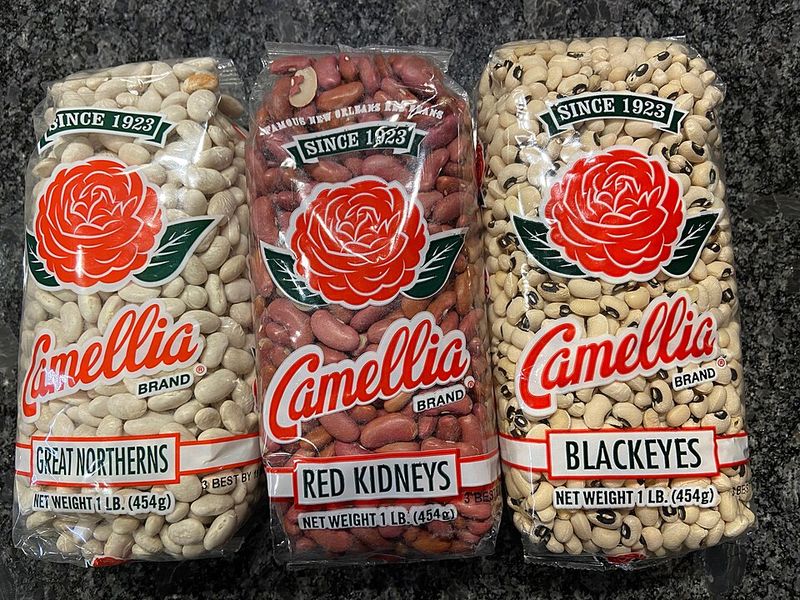
Red and white bags of dried beans have anchored Southern pantries since 1947, providing reliable quality for countless pots of comfort food. Camellia Brand offers varieties from red kidneys to butter beans, each sorted and cleaned to consistent standards.
Home cooks across North Carolina have trusted these beans for generations, knowing they’ll cook evenly and taste fresh. The company’s commitment to quality and traditional Southern varieties set it apart from generic bulk options.
Grocery stores increasingly favor private-label dried beans or canned alternatives that require no soaking or long cooking times. Younger consumers raised on convenience foods often skip dried beans entirely, reaching for canned versions instead.
Camellia’s distinctive packaging and regional focus make it less appealing to national chains seeking standardized product lines. Shelf space once dedicated to multiple Camellia varieties now holds fewer options or none at all.
Cooking dried beans requires planning ahead, soaking overnight and simmering for hours to achieve creamy texture and rich flavor. The time investment doesn’t fit modern eating patterns focused on quick meals and minimal preparation.
Finding Camellia beans in mainstream North Carolina grocery stores has become harder each year as shelf space shifts toward faster-cooking alternatives. Older cooks who learned to make perfect pots of beans using this brand notice the absence immediately.
7. Duke’s or Blue Plate Mayonnaise
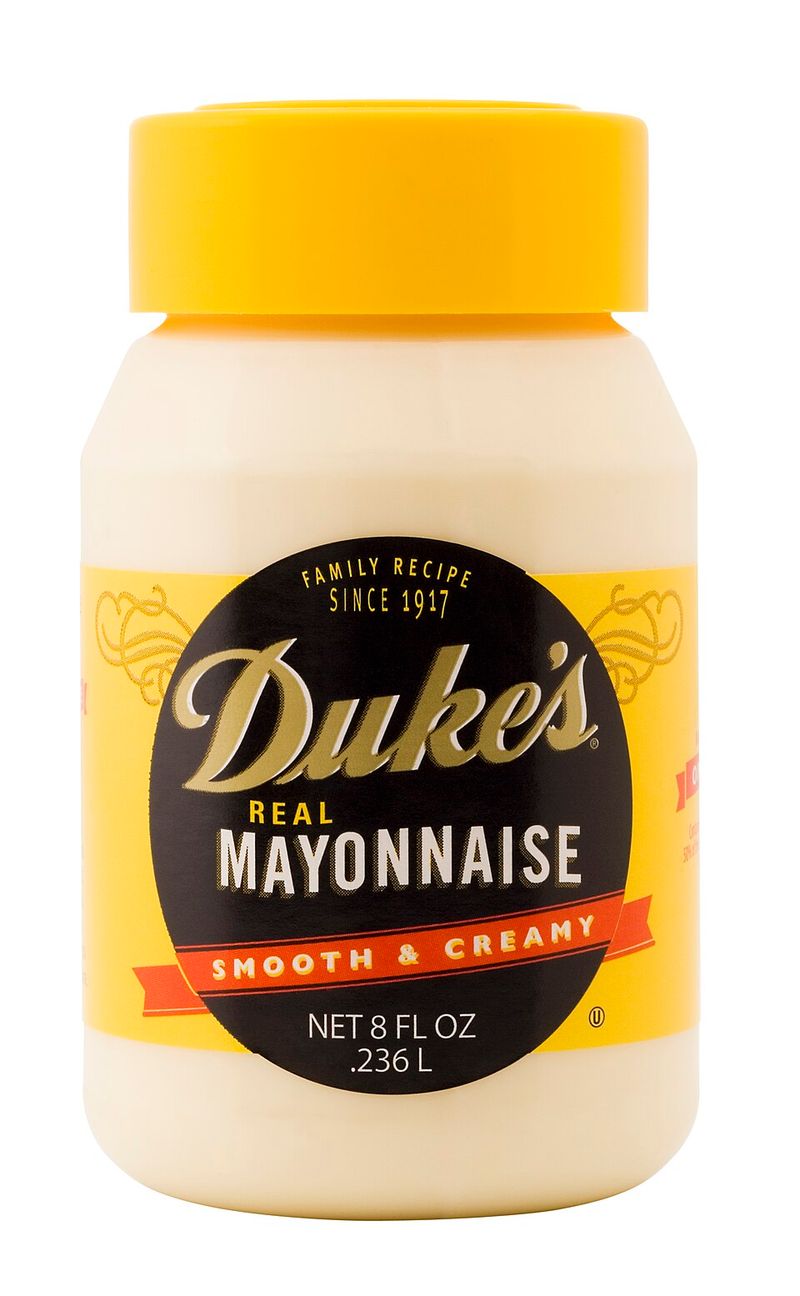
Tangy, creamy mayonnaise without added sugar has defined Southern sandwiches, potato salad, and deviled eggs for decades. Duke’s and Blue Plate both originated in the South, understanding regional preferences for sharper, eggier mayo than national brands offer.
The absence of sugar lets the egg and vinegar flavors shine through, creating a tanginess that Southerners consider essential for proper mayonnaise. Tomato sandwiches on white bread demand this style of mayo to achieve their iconic summer flavor.
Corporate acquisitions and distribution changes have affected availability in some North Carolina markets where these brands once dominated. National chains increasingly favor their own private-label versions or heavily advertised mainstream brands with broader appeal.
Shelf space dedicated to regional favorites shrinks as stores consolidate product lines to match nationwide planograms. Shoppers loyal to Duke’s or Blue Plate now sometimes find only one size available or must visit specialty stores.
The distinctive flavor profile makes these mayonnaises irreplaceable in traditional Southern recipes that depend on their tangy character. Substituting sweeter national brands changes the taste of beloved dishes that families have made the same way for generations.
Older cooks remember when Duke’s or Blue Plate filled entire grocery store shelves in multiple sizes and formats. Watching their presence diminish feels like losing another authentic taste of Carolina cooking traditions and regional food identity.
8. Cheerwine Soda
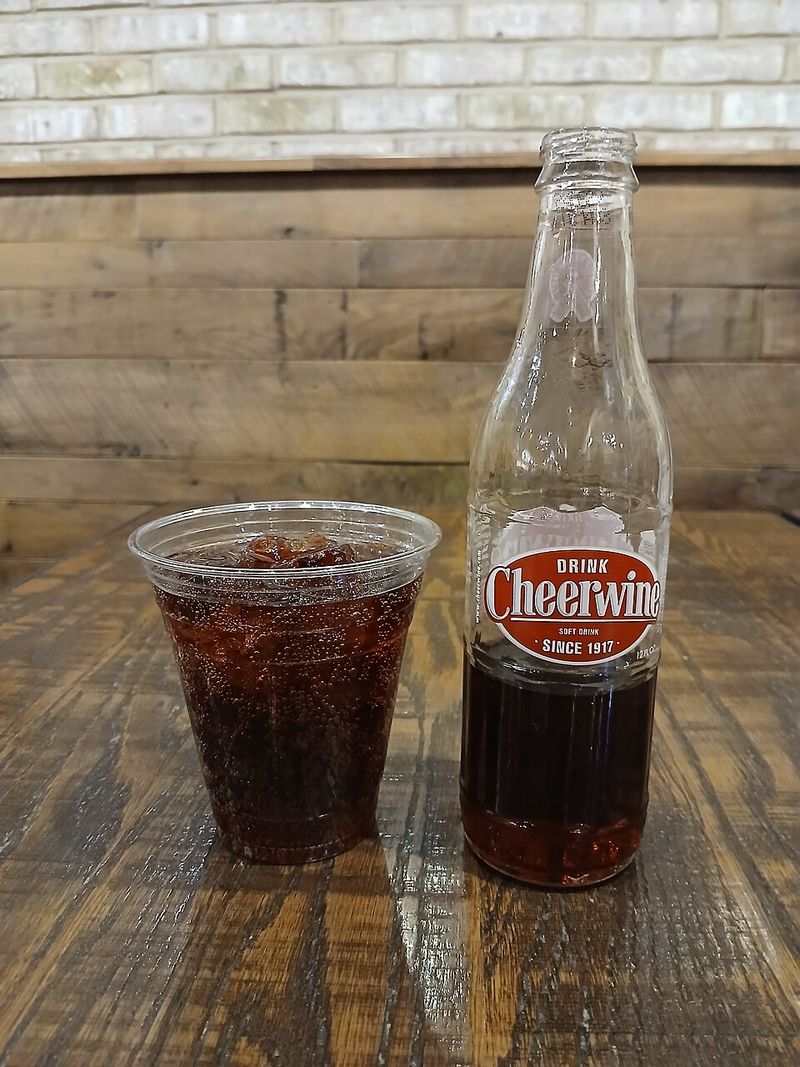
Cherry-flavored soda with a unique burgundy color has bubbled out of Salisbury, North Carolina, since 1917, creating loyal fans across the region. Cheerwine’s distinctive taste combines cherry sweetness with subtle vanilla notes and a crisp carbonation that refreshes without cloying.
For over a century, this local soda has represented Carolina pride, appearing at cookouts, diners, and family gatherings throughout the state. The Cheerwine tradition runs deep, with some families serving it at every holiday meal and special occasion.
Despite its North Carolina origins, availability has declined in some grocery stores as shelf space favors national soda brands with larger marketing budgets. Stores outside the immediate Salisbury area sometimes stock Cheerwine inconsistently or drop it entirely from their beverage aisles.
The soda’s regional identity and smaller production scale make it less profitable for chains focused on high-volume national products. Younger shoppers unfamiliar with Cheerwine’s heritage might pass it by for more heavily advertised cherry sodas.
Finding Cheerwine in glass bottles, the traditional way many prefer to drink it, has become especially difficult in mainstream stores. The distinctive flavor that generations of North Carolinians grew up loving deserves better representation on grocery shelves.
Watching a homegrown Carolina favorite lose shelf space to generic national brands feels particularly painful for those who consider Cheerwine part of their state’s identity.
9. Steen’s Pure Cane Syrup
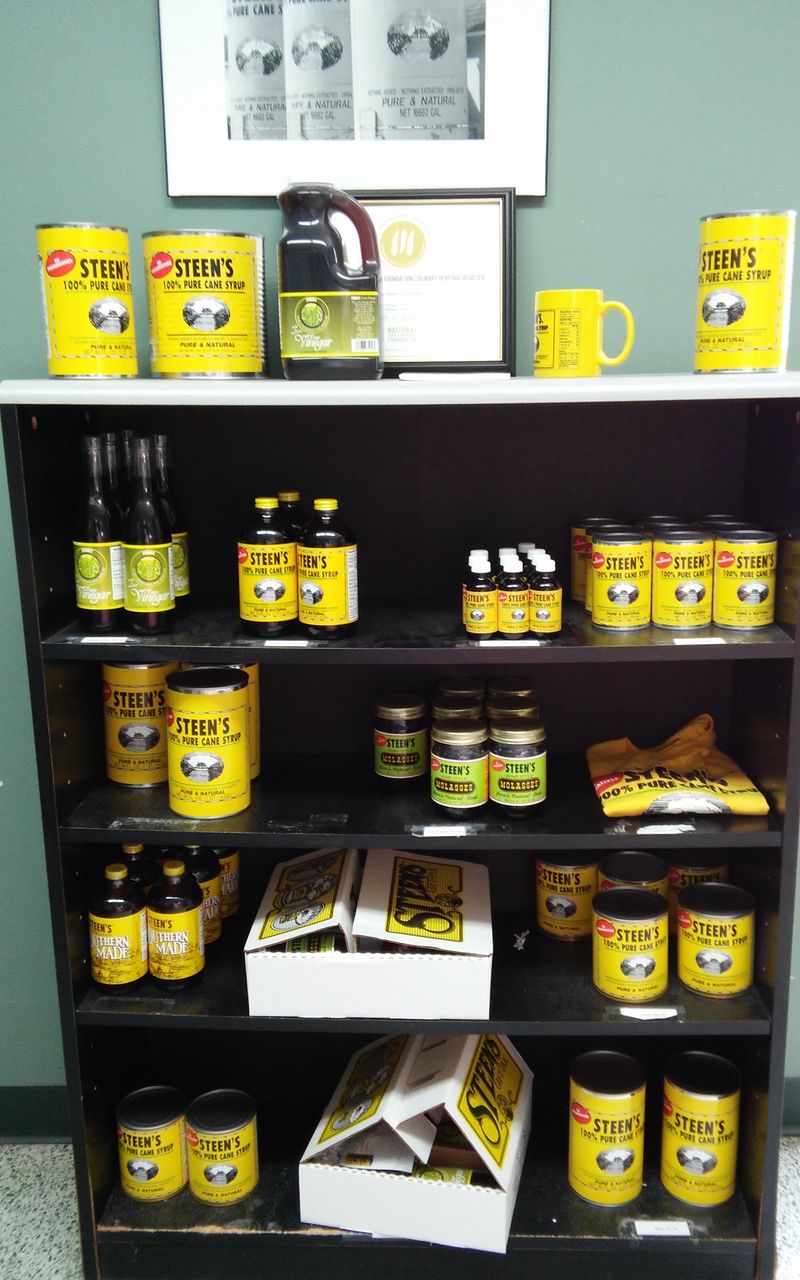
Golden syrup made from pure sugarcane juice brings a mild sweetness perfect for pancakes, biscuits, and traditional Southern desserts. Steen’s has produced cane syrup in Louisiana since 1910, becoming a staple throughout the broader South including North Carolina.
The syrup’s clean, straightforward sweetness differs from molasses or corn syrup, offering versatility in both breakfast and baking applications. Generations of cooks have relied on Steen’s for recipes ranging from pecan pie to glazed sweet potatoes.
Grocery stores increasingly favor maple syrup and flavored pancake syrups that appeal to broader national tastes and marketing trends. Cane syrup’s regional association and less-familiar flavor profile make it harder to justify shelf space in competitive breakfast aisles.
The distinctive yellow label and traditional product have become rare sights in North Carolina stores that once stocked it regularly. Younger consumers raised on thick, artificially flavored pancake syrups often don’t recognize or understand cane syrup’s culinary purpose.
Finding Steen’s now requires visiting specialty Southern food stores or ordering online from retailers who understand its importance to regional cooking. The syrup’s pure ingredients and authentic taste represent a style of sweetener that mass-market products cannot replicate.
Older cooks remember when Steen’s sat alongside other breakfast syrups in every grocery store, ready for traditional recipes and weekend pancakes. Its disappearance marks another loss in Southern food heritage and authentic regional flavors.
10. MoonPies

Two round graham cookies sandwich marshmallow filling before getting dipped in chocolate, creating an iconic Southern snack since 1917. MoonPies originated in Chattanooga but became beloved throughout North Carolina as the perfect companion to an ice-cold soda.
The combination of soft marshmallow, crispy cookie, and chocolate coating delivers nostalgic comfort in a simple, affordable package. Generations of Southerners grew up eating MoonPies at gas stations, country stores, and from vending machines at work.
Grocery stores now dedicate less shelf space to regional snack cakes as national brands and trendy health foods dominate the aisle. MoonPies’ old-fashioned appeal and simple ingredients don’t compete well with flashy packaging and modern marketing campaigns.
The treats come in multiple flavors beyond original chocolate, but even variety hasn’t prevented their slow disappearance from mainstream stores. Younger shoppers seeking organic, low-calorie, or internationally inspired snacks often overlook these classic Southern favorites.
Finding MoonPies in North Carolina grocery stores has become hit-or-miss, with some chains dropping them entirely from their snack sections. The cultural significance and nostalgic value don’t translate into sales numbers that justify premium shelf placement.
Older generations remember when MoonPies filled entire store displays and appeared at every checkout counter as an impulse purchase. Watching them fade from shelves feels like losing a sweet piece of Southern childhood and simpler times.
11. Neese’s Country Sausage
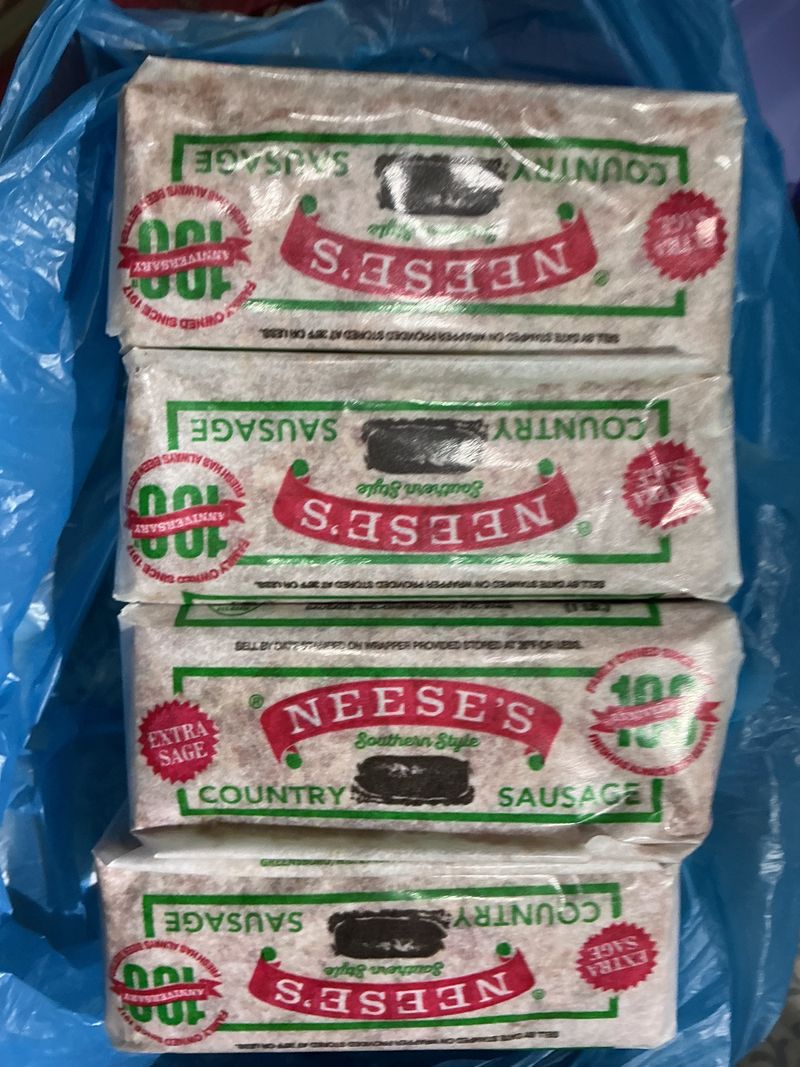
Seasoned pork sausage made in North Carolina since 1917 has flavored countless breakfast tables with its distinctive spice blend and quality meat. Neese’s built its reputation on traditional recipes and local production that kept the product fresh and flavorful.
The sausage comes in various styles from mild to hot, with a texture and seasoning profile that loyal customers recognize immediately. Families across the state have cooked Neese’s sausage for generations, trusting its consistency for biscuits, gravy, and breakfast plates.
Corporate ownership changes and production shifts have affected both availability and the product’s connection to North Carolina heritage. Grocery stores increasingly stock national sausage brands with bigger marketing budgets and broader distribution networks.
Shelf space once filled with multiple Neese’s varieties now holds fewer options or relegates the brand to less prominent locations. Younger shoppers unfamiliar with regional brands often choose heavily advertised alternatives or private-label options based on price.
The decline of locally produced sausage brands reflects broader consolidation in the meat industry and shifting consumer preferences toward convenience products. Finding Neese’s in North Carolina stores has become less reliable as chains standardize their meat departments across multiple states.
Older cooks remember when Neese’s dominated breakfast sausage sections, representing local pride and quality that national brands couldn’t match. Its fading presence symbolizes the loss of regional food identity and authentic Carolina flavors.