This 1903 Idaho Train Depot Museum Keeps An Old Steam Crane And A Caboose You Can Tour
A real steam crane sits parked beside an old brick depot, and you can see it up close with a guide. Right next to it waits a caboose you can actually climb inside.
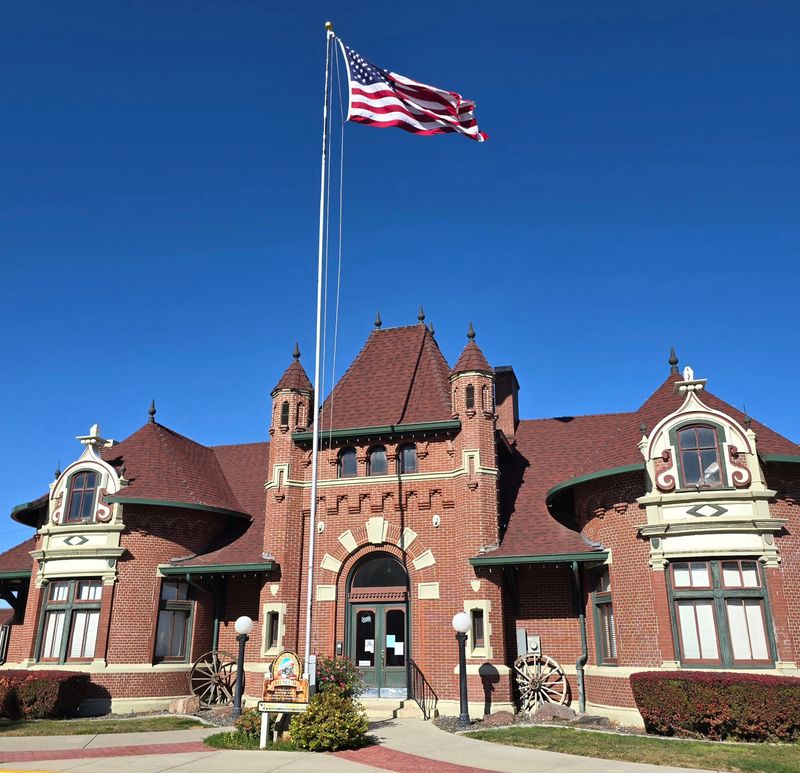
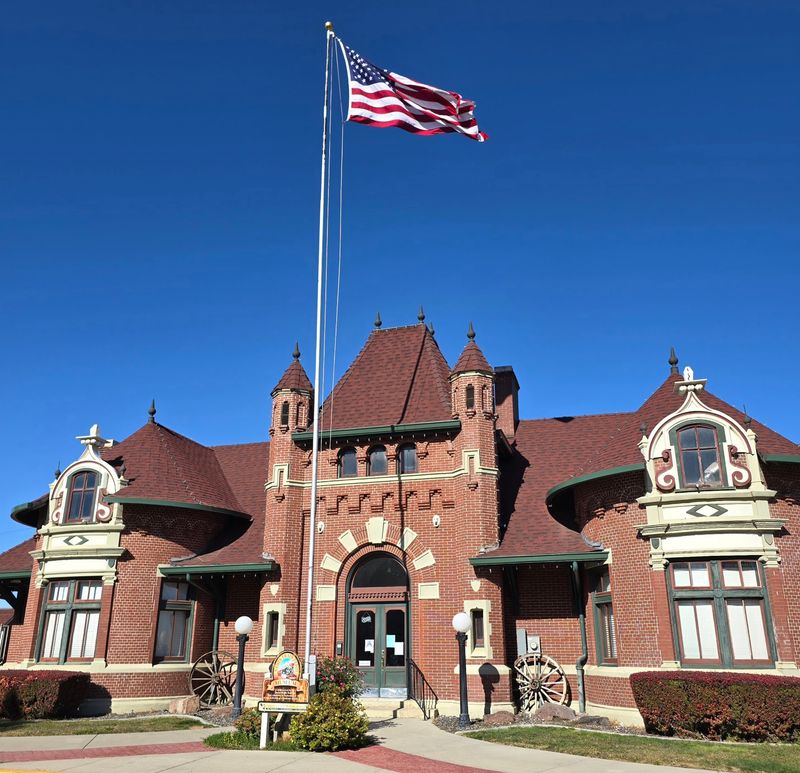
The building behind them opened in 1903 for passengers on the Oregon Short Line. It’s believed to be the only depot of its design in the entire country.
That’s a big claim for a quiet stretch of Idaho track.
I like how the place mixes heavy iron with small surprises. Kids can tap out messages on a telegraph.
Grown-ups can flip through newspapers printed about a century ago.
Volunteers run the whole show, and they clearly love sharing stories. So how did a 1903 train station become one of the friendliest history stops in the Treasure Valley?
A Treasure Valley Depot That Became A Museum
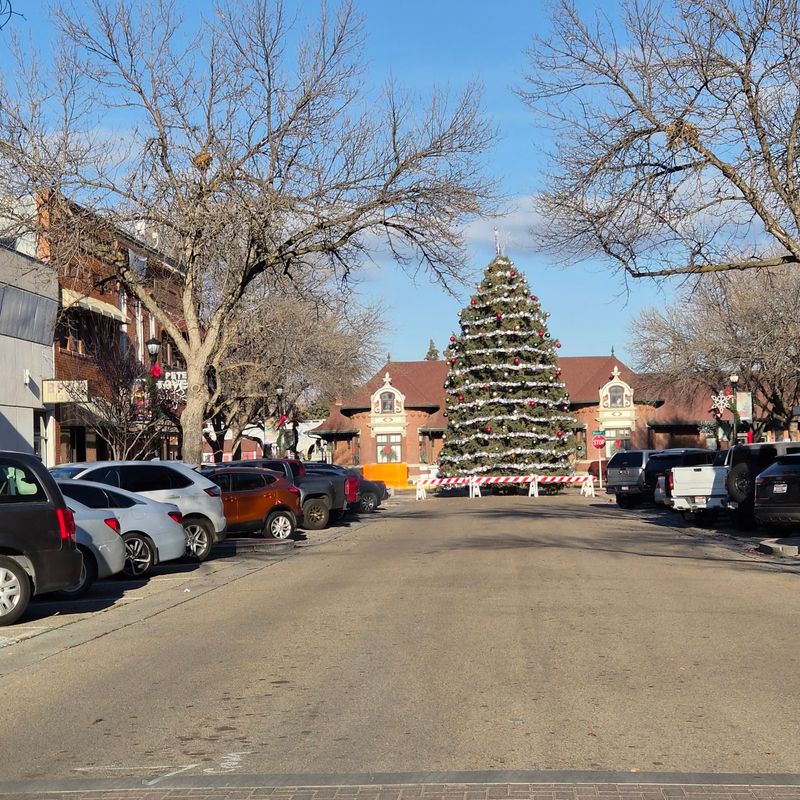
Railroad fans in southwest Idaho already have a favorite stop, and it’s the Canyon County Historical Society’s Nampa Train Depot Museum. The museum lives inside a former passenger station that went up in 1903 for the Oregon Short Line.
Today the building works as a museum and interpretive center. Its exhibits trace how the railroad shaped Nampa and the wider Treasure Valley, from early settlement to busy main-line days.
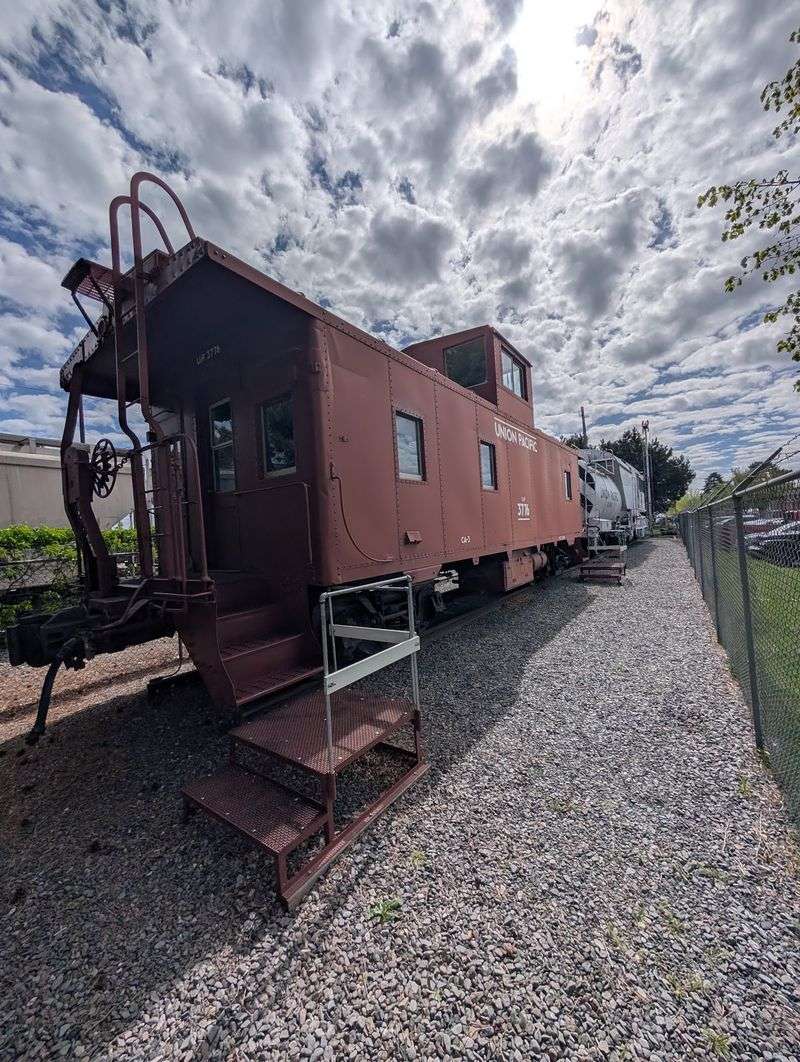
Outside, the real head-turners wait on the grounds. A historic caboose and an old steam crane sit near the depot, and both can be toured with a guide.
That combo makes the Nampa Train Depot Museum feel bigger than its footprint. You get a grand old station, rolling stock you can step into, and rooms packed with local artifacts.
The depot also counts as its own exhibit. In fact, the historical society calls the building the largest artifact in its whole collection.
It’s a fair point once you see the place. The brickwork, sandstone trim, and fancy rooflines tell a story before you even reach the front door.
Think of it as a museum where the container deserves as much attention as the contents.
The Day Trains Moved Into A Palace In 1903
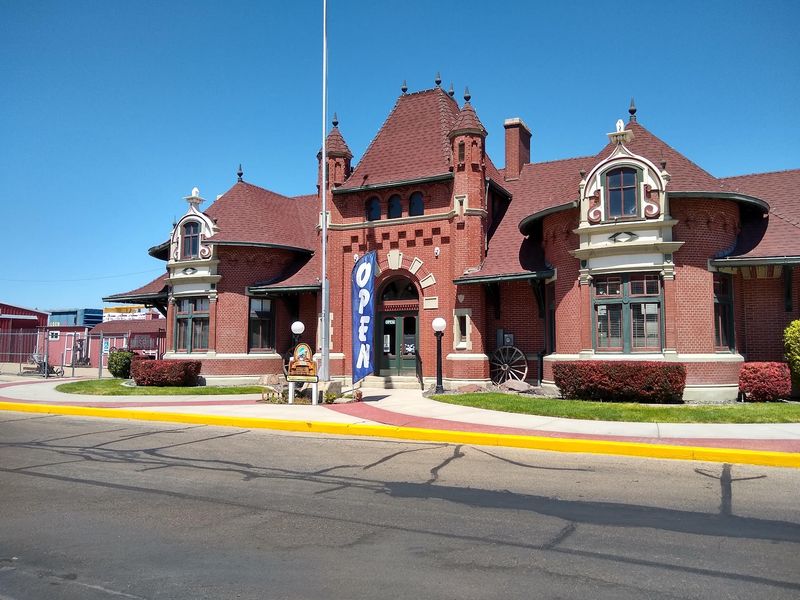
September 25, 1903, is the date the depot was first occupied. Nampa was a growing rail town then, and the Oregon Short Line wanted a station that matched the traffic.
The Oregon Short Line itself traces back to Union Pacific’s push across the West. The museum focuses heavily on that railroad story and how it pulled communities like Nampa onto the map.
Passengers used the building for a little over two decades. In 1925, a new station opened across the tracks, and passenger service shifted over there.
That could have been the end of the story. Plenty of old depots across the country faded away once their main job disappeared.
Instead, this one hung on. The Canyon County Historical Society incorporated in 1972, and the group made the depot its home base.
The museum officially opened in 1976, timed to the nation’s bicentennial. That’s a pretty fitting debut for a building so tied to American growth.
So the depot has now spent far longer as a museum than as a working passenger station. I believe that second career might be its best one yet.
Brick, Sandstone, And A Design You Won’t Find Twice
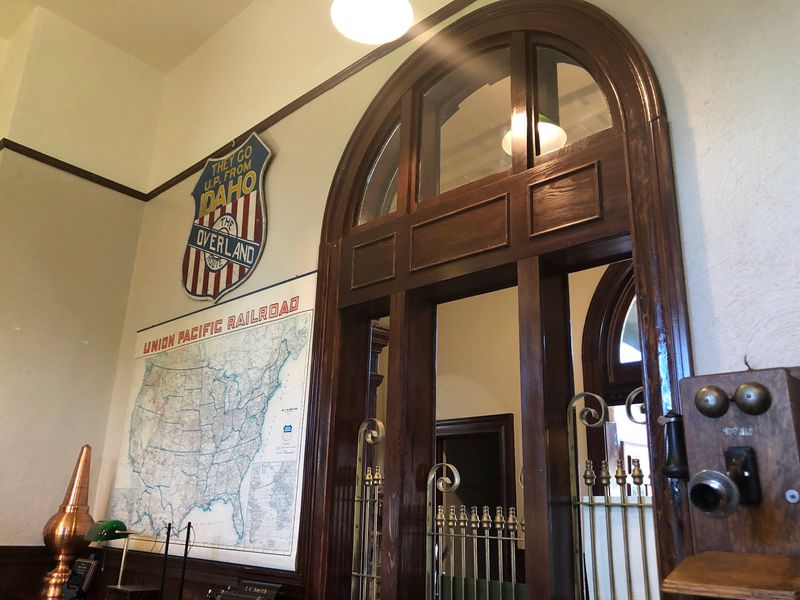
Frederick W. Clarke of Omaha drew up the plans for this station.
He gave it a mix of Romanesque, Renaissance, and Baroque details, which is a lot of style for one railroad stop.
Builders used pressed brick and sandstone for the structure. Those materials give the depot its warm color and sturdy, dressed-up look.
Here’s the part that makes architecture buffs perk up. The depot is believed to be the only one of its kind in the United States.
That means you can’t hop over to another state and see its twin. Idaho gets to keep this design all to itself.
Walk around the outside before heading in. The curved rooflines, arches, and window shapes reward anyone who slows down and looks up.
It’s easy to see why the historical society treats the building as its largest artifact. The structure tells you how seriously the railroad took Nampa back in 1903.
Bring a camera with a wide lens if you have one. Fitting the whole facade into a single frame takes a few steps backward and a little patience.
The Steam Crane That Did The Heavy Lifting
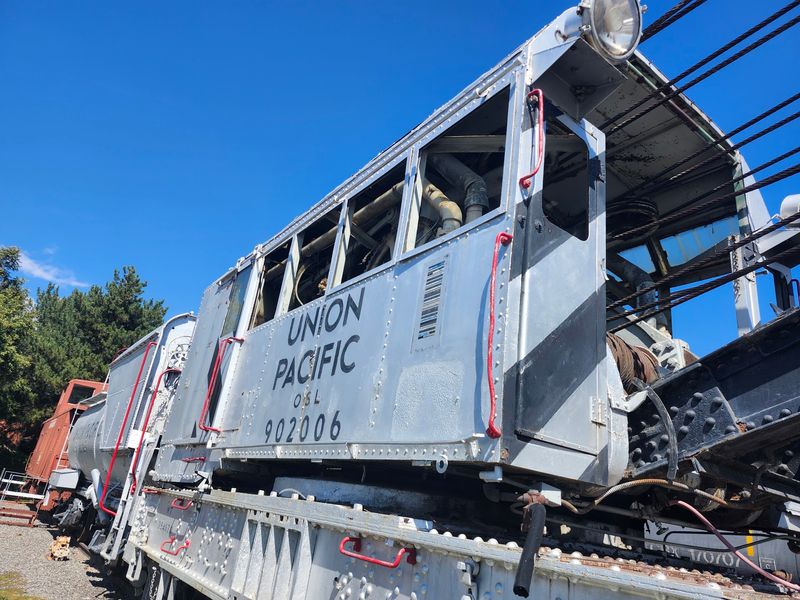
Massive, black, and built for brute strength, the steam crane is hard to miss on the depot grounds. Railroads relied on machines like this for serious lifting work along the tracks.
Seeing one in person gives you a better sense of scale than any photo. The boom, the gears, and the heavy frame all hint at how much muscle rail work once required.
Better yet, you don’t have to admire it from a distance. Guided tours at the Nampa Train Depot Museum can take you out to the crane for a closer look.
Guides help fill in the story behind the machine. That’s handy, because most of us have no idea how a steam crane actually operated.
Kids tend to treat it like a giant metal puzzle. Adults usually end up just as curious, pointing at parts and asking what each one did.
It’s the kind of artifact that makes old railroad photos suddenly click. Once you’ve stood next to it, those grainy images of track crews make a lot more sense.
Fair warning: the crane may become your new favorite piece of heavy equipment.
Climbing Aboard A Real Red Caboose
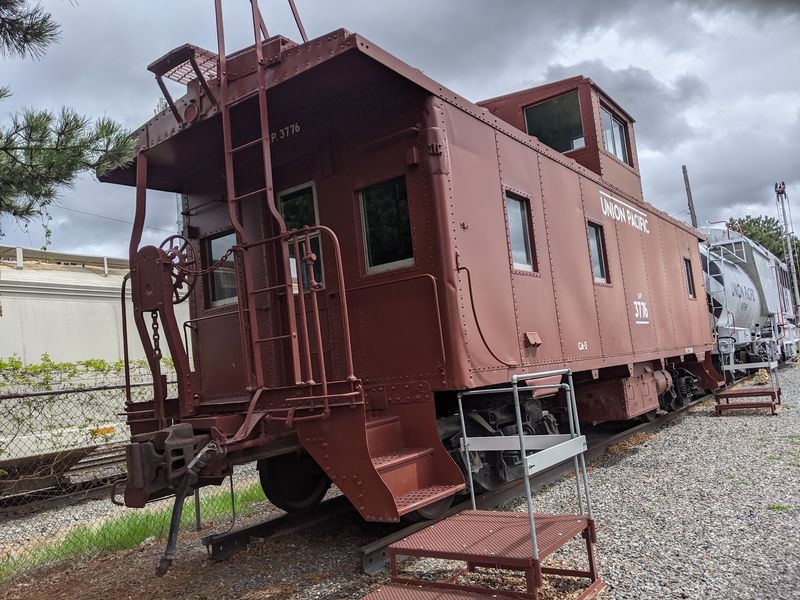
Few things say old-school railroad quite like a caboose at the end of a train. At this museum, you get to step inside one rather than just wave at it.
The caboose tour happens with a guide. That guide can point out how the car worked and what life looked like for the crew riding in back.
Inside, the space feels compact and practical. Every corner had a job, which makes the tour a quick lesson in clever design.
Families with train-loving kids will want to plan around this part. Climbing into a real caboose tends to be the highlight that gets talked about on the ride home.
It also pairs nicely with the steam crane nearby. Together, they show two very different sides of everyday railroad work.
The caboose is one of the most-mentioned features of the whole Nampa Train Depot Museum. It’s easy to see why once you’re standing on its steps.
Just remember tours run with guides, so check in at the depot first. That way you won’t be stuck gazing longingly through the windows from the gravel.
Tapping Out Messages The 1900s Way
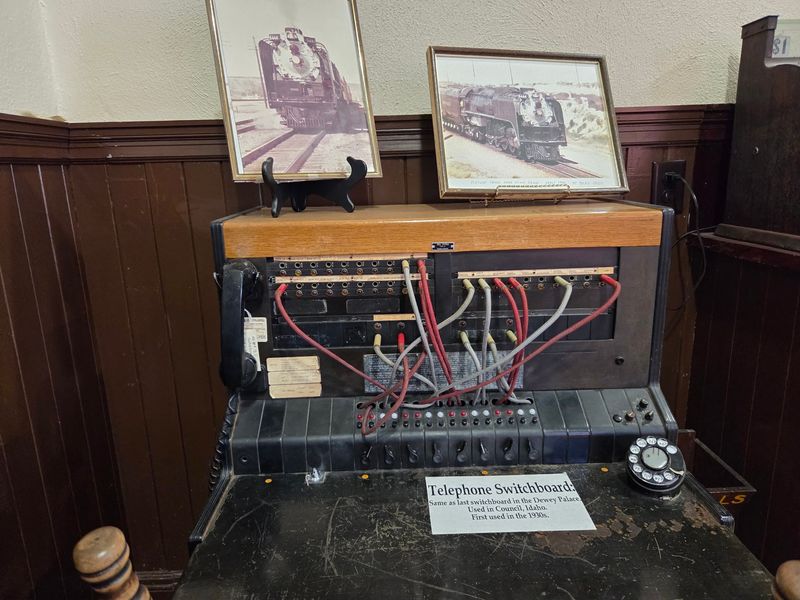
Long before texting, railroad stations kept in touch with dots and dashes. The depot museum lets visitors try communicating by telegraph, which is way more fun than it sounds.
It’s a hands-on way to understand how trains and towns stayed connected. Messages about schedules, delays, and news all moved through wires like these.
Kids especially seem to love this part. There’s something satisfying about pressing a key and knowing someone across the room can decode it.
The museum mixes in a handful of small activities like this throughout the building. They keep younger visitors engaged instead of drifting toward the exit.
One family favorite is an I-spy game built around the giant model train display. It turns a simple look-around into a scavenger hunt.
These touches make the Nampa Train Depot Museum feel lively rather than stuffy. You’re learning, sure, but you’re also playing.
Honestly, I can’t imagine a better way to explain old communication to a kid raised on smartphones. Let them struggle with a telegraph for two minutes, and texting suddenly looks like magic.
Stagecoaches, Wagons, And A Room Full Of Old Tools
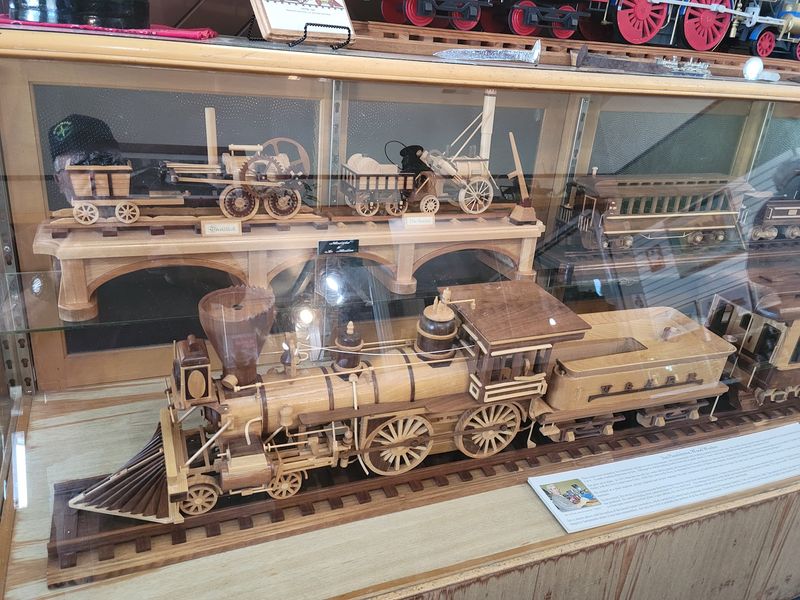
Trains get top billing, but the collection doesn’t stop at the rails. Stagecoaches and wagons share space with displays of old tools from earlier eras.
These pieces show how people got around before and alongside the railroad. Bumping along in a wagon makes a train ride look downright luxurious.
The tool displays reward slow browsing. Each item hints at the trades and daily chores that kept Canyon County running.
History fans who like seeing how things worked will find plenty here. It’s a nice change of pace from purely railroad items.
The museum also covers Native American culture and the stories of local businesses. That broader view gives you a fuller picture of the area’s past.
Firefighting history gets serious attention too, with a big share of the space devoted to it. Equipment and memorabilia from local fire service round out the collection.
Put all that together, and the depot feels like a community attic curated by people who care. The variety means even non-train folks in your group will find a corner to love.
A Century-Old Newspaper Book And A Tiny Jail Cell
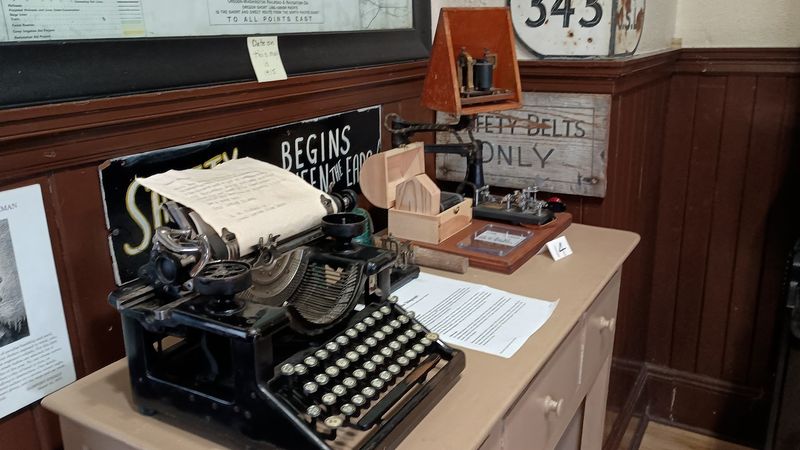
Flipping through headlines from about 100 years ago is weirdly addictive. The museum keeps a book of old newspapers that lets you do exactly that.
Ads, local news, and everyday notices all offer a peek into Nampa life back then. You’ll likely spot a few prices and phrases that make you grin.
Then there’s the jail cell. Yes, a jail cell, and visitors can check it out with a tour guide.
It’s a small detail that adds unexpected character to a train museum. Kids usually want to know who ended up inside, and the guides are happy to share stories.
These quieter exhibits balance the big iron outside. Not every highlight at the Nampa Train Depot Museum needs to weigh several tons.
I like how the collection jumps between grand and personal. One minute you’re studying a steam crane, and the next you’re reading a decades-old local column.
Give yourself time for this part of the visit. Old newspapers tend to swallow minutes faster than you’d expect, especially once you start hunting for familiar street names.
Volunteers Who Know Every Story In The Building
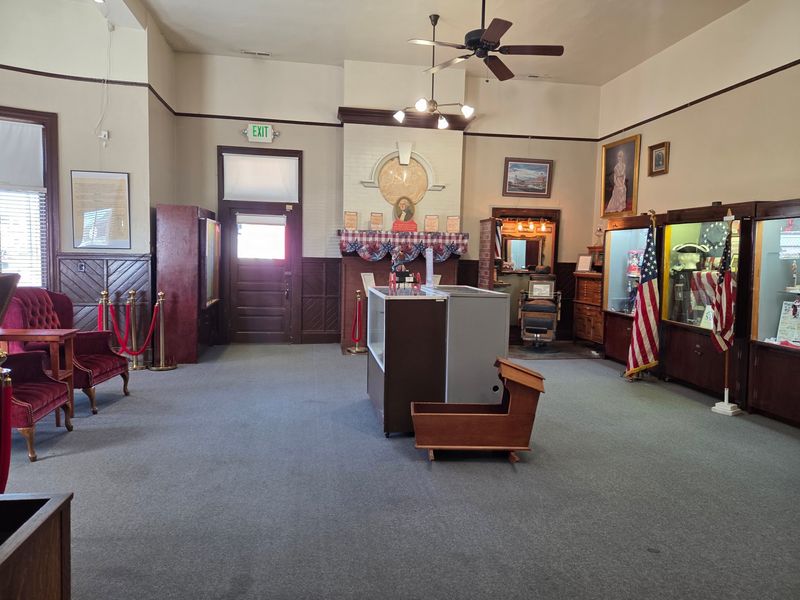
Behind every exhibit here stands a crew of dedicated volunteers. The Canyon County Historical Society runs the museum with volunteer docents and guides.
Knowledgeable staff come up again and again in descriptions of this place. The volunteers clearly enjoy sharing what they know about Nampa and its railroad roots.
That makes a real difference on a small museum visit. A good guide can turn a quiet display into a story you’ll repeat at dinner.
The guided tours of the caboose, steam crane, and jail cell depend on these folks. Their enthusiasm carries those stops from interesting to memorable.
It’s also worth remembering what volunteer power means. People donate time and artifacts so this piece of Idaho history stays open and cared for.
If you have a question, ask it. Chances are a docent has a detail or two that isn’t printed on any sign.
The whole place feels like a community project in the best sense. You’re not just touring a building, you’re meeting the people who keep its stories alive.
Who Will Love An Afternoon Here Most
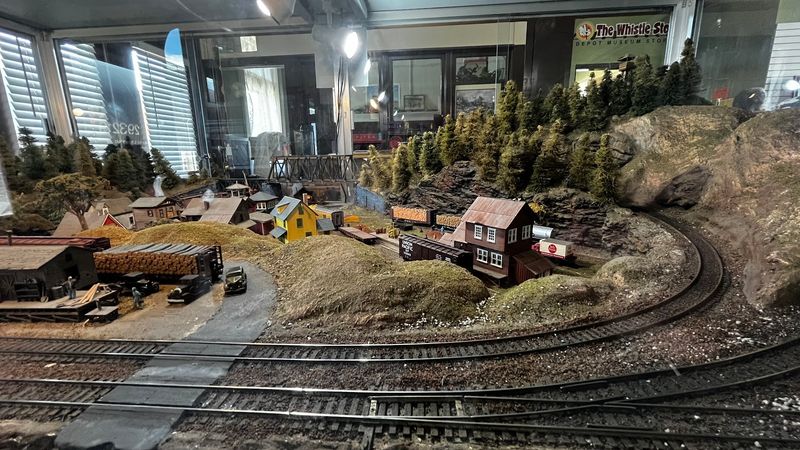
Train-obsessed kids are the obvious winners here. Between the caboose, the telegraph, and the giant model train display, they’ll have plenty to point at.
Families looking for an easy, budget-friendly outing should also take note. The visit doesn’t eat up a whole day, which keeps little legs and short attention spans happy.
History buffs get a lot out of it too. Architecture, Oregon Short Line history, and local artifacts give them plenty to chew on.
Treasure Valley locals might find it surprisingly personal. Spotting old Nampa businesses and streets in the exhibits hits differently when you live nearby.
Set expectations right, though. The museum is small, and the big draws are a caboose and a steam crane rather than full locomotives.
That size is part of the appeal. You can take your time, ask questions, and leave without feeling rushed or worn out.
Near-retirees and grandparents often enjoy it with grandkids in tow. Everybody finds something, and the generations end up swapping stories by the end.
Planning Your Visit Around Short Weekly Hours
Timing matters more than usual at this museum. The doors open only on Friday and Saturday, so a spontaneous Tuesday trip won’t work.
Hours run through the middle of the day on those two days. Check before driving, since a volunteer-run museum can adjust its schedule.
You’ll find the depot at 1200 Front St, Nampa, ID 83651. It sits right along the railroad corridor, which makes total sense for a train station.
Nampa is an easy hop for most of the Treasure Valley. Folks coming from Boise, Caldwell, or Meridian can turn it into a simple half-day outing.
Admission details can change, so confirm before you go. Donations help a volunteer operation like this keep the lights on and the caboose in shape.
Groups have options too. Schools and clubs can book private tours by appointment, and the depot can be rented for small public events and meetings.
Pair the stop with lunch or a stroll around Nampa afterward. It makes the drive feel even more worthwhile.
Why This Old Station Earns A Spot On Your Idaho List
Plenty of old depots across America vanished once passengers stopped coming. This one stuck around, found a new purpose, and kept its fancy brick looks intact.
That survival story is a big part of the charm. The Nampa Train Depot Museum shows what a community can save when people decide something matters.
The visit itself delivers more than its size suggests. You get a one-of-a-kind building, a steam crane, a caboose, a telegraph, and even a jail cell.
Add in volunteers who love telling stories, and the afternoon practically plans itself. It’s small, friendly, and refreshingly unhurried.
Idaho has plenty of big outdoor adventures. Sometimes, though, the best outing is a couple of hours inside a 1903 train station.
I believe this stop works best for curious people of any age. Kids get hands-on fun, and adults get real history without a lecture.
So next time a Friday or Saturday opens up, point the car toward Front Street. The caboose will be waiting, and so will a few volunteers eager to share what they know.