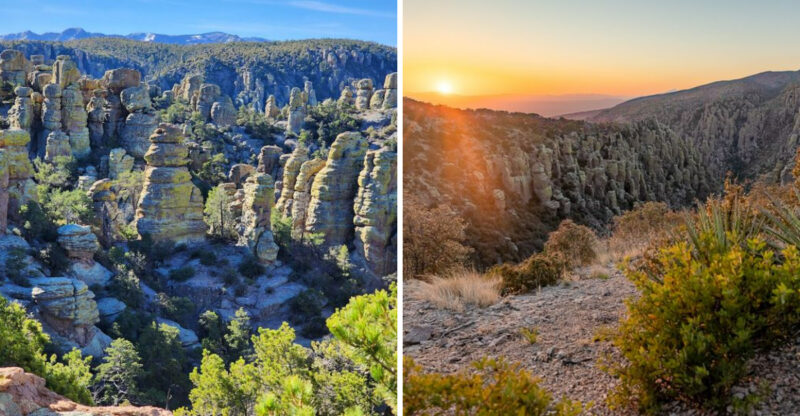
This Arizona Mountain Town Blends Small-Town Charm With Big Outdoor Beauty
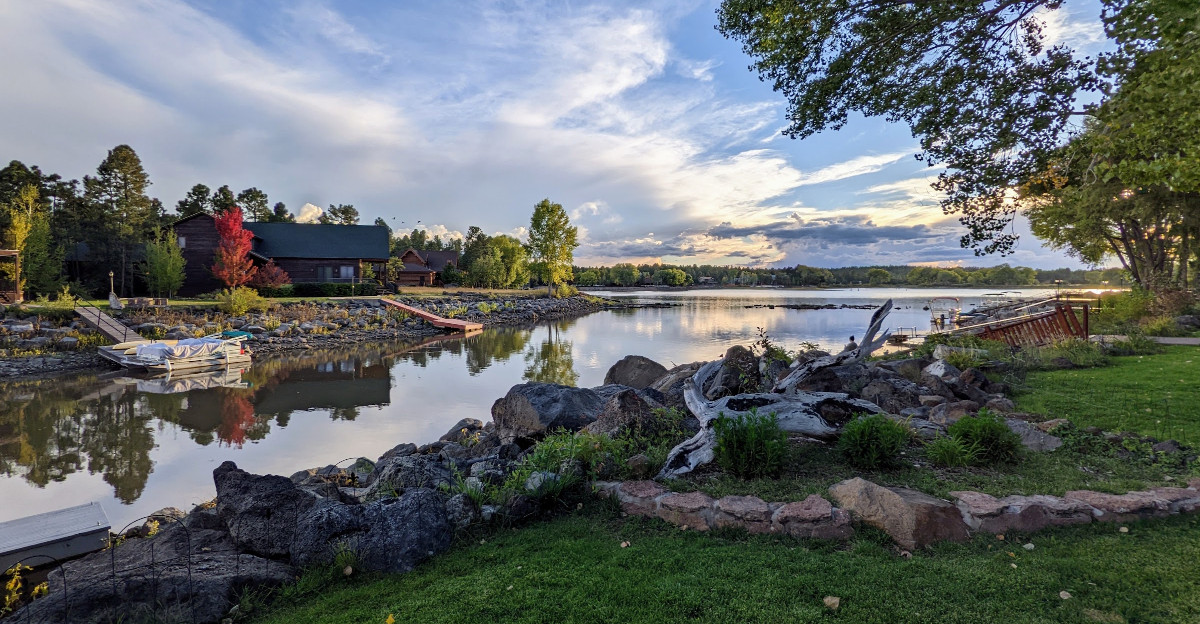
Pinetop-Lakeside has a sneaky way of turning a quick Arizona getaway into plans for another weekend.
The cooler weather helps, but the town gives you plenty of reasons to stay busy too.
You can spend the morning on a trail, linger over lunch, then head toward the lake before dinner.
Winter changes the routine completely and brings a whole new excuse to come back. Local events and small-town stops keep the trip feeling easy instead of overplanned.
Nothing here demands a packed schedule. That is exactly the appeal!
A few relaxed days can make the drive home feel much less exciting than the drive in.
Two Towns, One Story
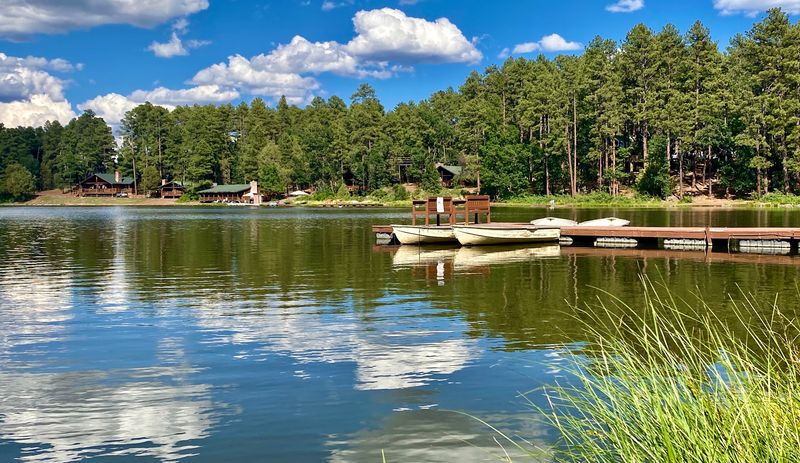
The town began as two separate communities with histories that were closely linked long before they officially became one.
Settlement was underway by the early 1880s, and Pinetop and Lakeside remained legally separate until they incorporated together as Pinetop-Lakeside in 1984.
Lakeside took its name from the lakes around the community. Pinetop came from the nickname of an early local business owner who served people connected with nearby Fort Apache.
Farms, orchards, irrigation projects, schools, and timber work all played roles in the area’s early development.
Sawmills became especially important as the surrounding pine country supported a growing local building and lumber economy.
Those same forests remain central to daily life, but recreation and tourism now play a much larger role in the town’s identity.
The merger created one municipality, although Pinetop and Lakeside still keep distinct names in local addresses and everyday conversation. That layered identity is easy to notice while driving along White Mountain Boulevard.
The Pinetop-Lakeside Visitor Center is at 325 W. White Mountain Blvd., where travelers can pick up maps and local information.
Pines, Peaks, And Starry Skies
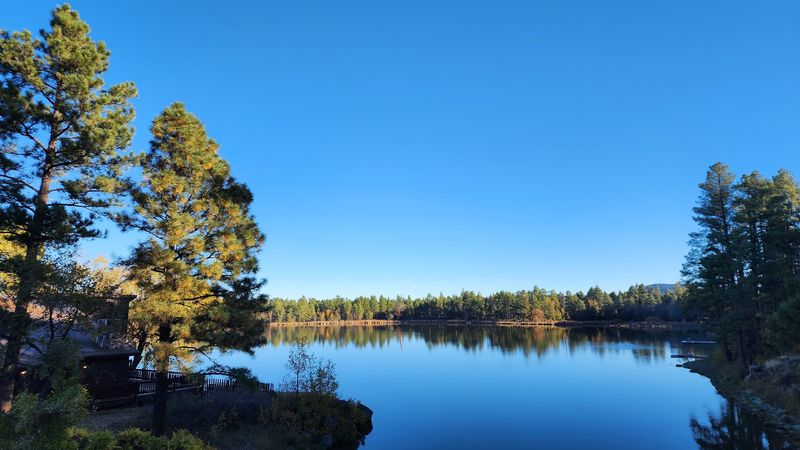
Trade cactus for conifers, and the setting changes quickly.
The town rests in the White Mountains of eastern Arizona at an elevation of about 6,800 feet.
Ponderosa pines tower over roads, neighborhoods, and trailheads. The surrounding region is part of the world’s largest ponderosa pine forest, giving the town a distinctly high-country look.
Much of the nearby landscape belongs to the Apache-Sitgreaves National Forests, while White Mountain Apache tribal lands lie close to town. That combination puts forests, meadows, lakes, and mountain recreation within easy reach.
The town itself sits at the edge of a much larger outdoor region, so a short drive can move from neighborhoods and shops to trailheads, forest roads, and open meadows.
Clear nights can be another highlight. Local tourism materials regularly point to the area’s star-filled skies, helped by the town’s elevation and distance from major metropolitan light.
Even summer evenings can feel cool after sunset, so an extra layer is useful after a day outside.
The setting makes it easy to switch from a busy afternoon to a quiet evening without traveling far.
Festivals With Hometown Heart
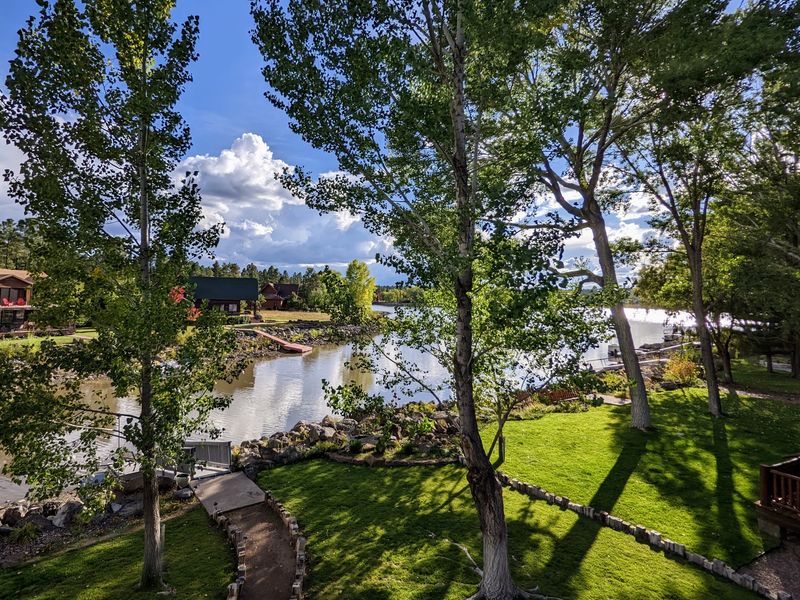
Community events give the calendar plenty of variety without changing the town’s relaxed scale.
The 2026 Fall Festival Parade rolled along Highway 260 on September 26, while the long-running Run to the Pines Car Show filled the same weekend with hundreds of pre-1973 vehicles.
Artisan markets also appeared regularly through the warmer months and continued into October at The Depot.
Music and Movies in the Park brought outdoor entertainment to Jack Barker Memorial Park during summer, giving families another reason to stay outside after the day cooled down.
The former White Mountains Balloon Festival shifted into the Summer Nights format in 2025, placing greater emphasis on live entertainment, food vendors, family activities, and weather-dependent evening balloon displays.
Seasonal programs at the library, parks, and White Mountain Nature Center add smaller events throughout the year.
Festival schedules can change from one season to the next, so checking the town calendar before booking a trip is the simplest approach.
Trails That Never Get Old
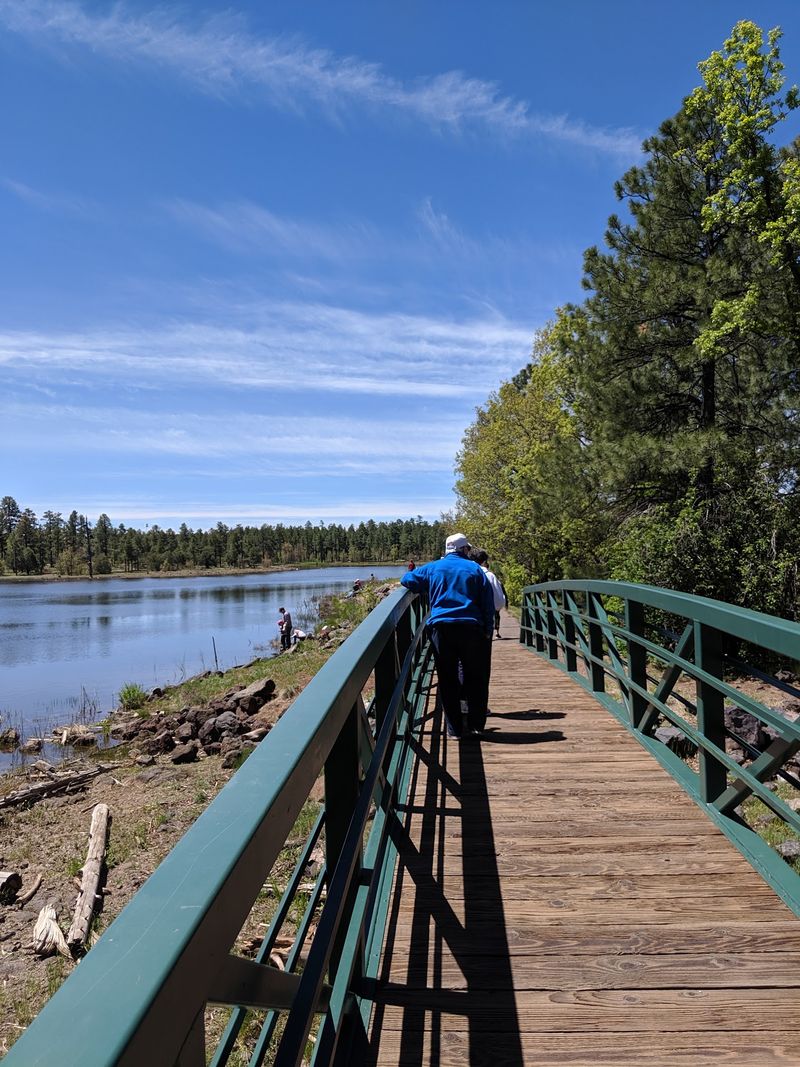
Lace up those boots, because the trail network here is much larger than the town itself.
The White Mountains Trail System includes more than 200 miles of interconnected nonmotorized routes used by hikers, mountain bikers, equestrians, and trail runners.
Difficulty varies widely, which makes it possible to choose anything from an easy park walk to a longer forest loop.
Woodland Lake Park has an easy paved loop and connections to several nearby trails. The park remains open for recreation, although Woodland Lake itself has been extremely low during 2026.
For a longer outing, Panorama Trail covers about 9.5 miles and reaches broad viewpoints from the Twin Knolls area.
Ice Cave Trail runs about 3.6 miles through forest near Porter Creek and Scott Reservoir. Its namesake feature is a lava tube that is fenced for protection, so it is a landmark to view rather than enter.
Springs Trail offers another easier option through riparian areas along local creeks. Trail maps are available online and at trailheads, and the marked route system makes planning easier before setting out.
White diamond markers appear throughout the system, while connector routes make it possible to link loops for longer outings. Conditions can vary after seasonal rain or snow, so staying on marked routes keeps the day simpler.
Lakes Made For Lazy Days
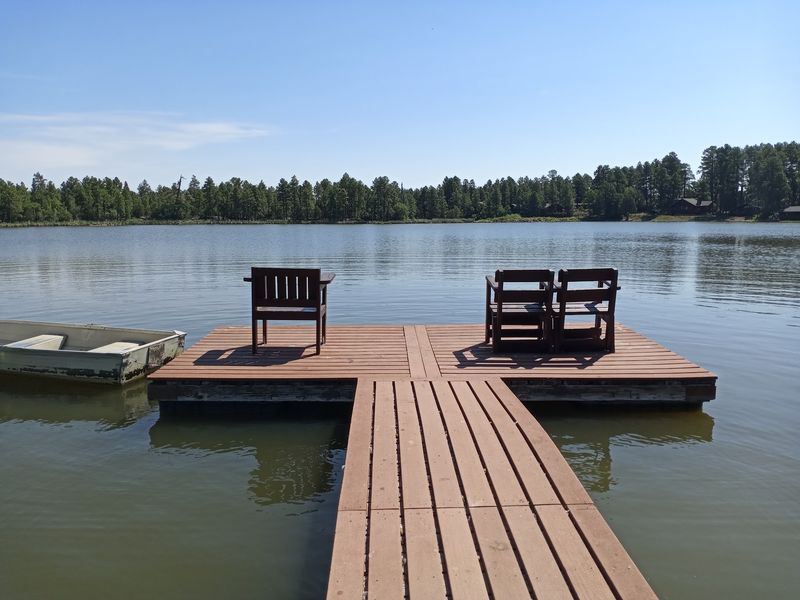
Reel talk: fishing is a major part of the White Mountains experience.
Pinetop-Lakeside promotes access to more than 65 lakes and streams across the surrounding region, with choices ranging from easy in-town stops to more remote mountain waters.
Rainbow Lake sits close to town and has public fishing and boating access near the dam. Much of its shoreline is privately owned, so visitors should use the designated public area.
Woodland Lake Park remains useful for trails, picnics, birding, and recreation, but low water has limited the lake itself during 2026.
Trout are common targets in many higher-elevation waters, while some lakes also support warm-water species.
Fishing requirements and stocking schedules can change, so checking current state regulations before heading out is worthwhile.
Kayaking, canoeing, and small-boat recreation are also popular where water levels and local rules allow.
Rainbow Lake is especially useful for visitors who want water access without driving far into the forest, while more distant lakes offer a quieter setting for a full-day outing.
Morning conditions are often calmer for paddling, while mountain weather can shift later in the day. A shoreline picnic can be just as satisfying when the goal is a slower afternoon.
Snow Days In The Desert State
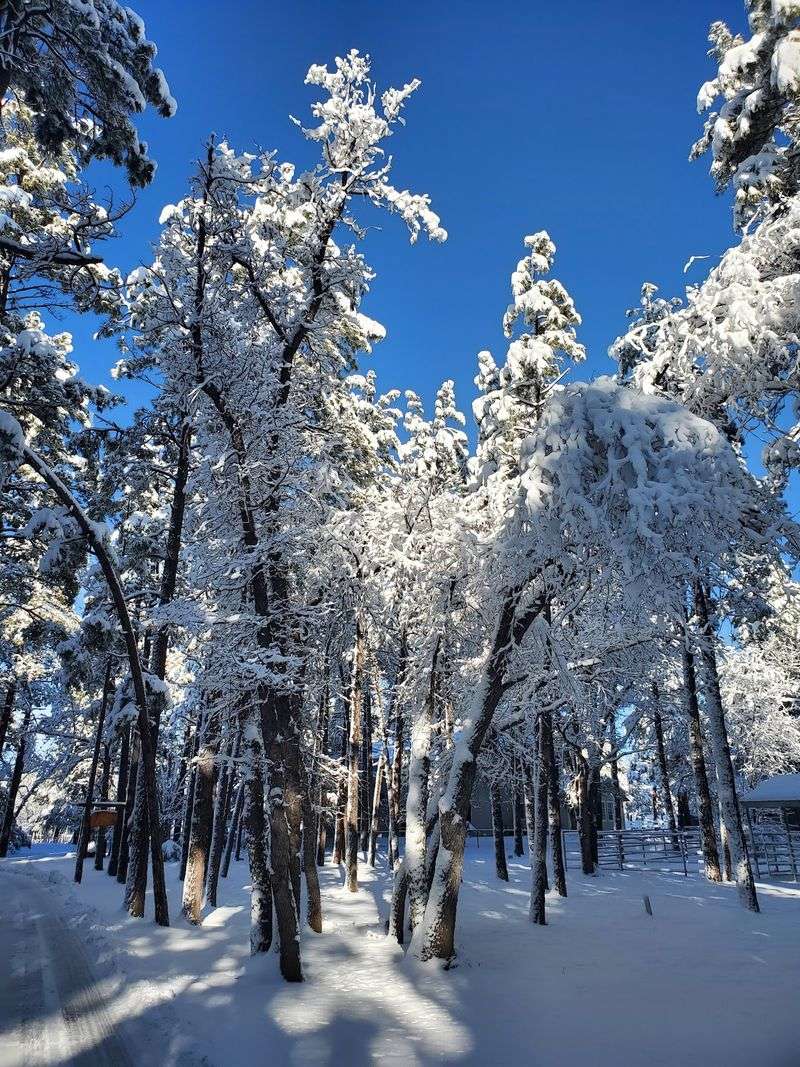
This part of Arizona gets a true winter season, and snow changes the recreation menu considerably.
Sunrise Park Resort, on White Mountain Apache tribal lands, is the major downhill destination in the region and is roughly a 45-minute drive from town.
Winter offerings include skiing, snowboarding, ski biking, and snow tubing when seasonal conditions allow.
The Sunrise Apache Alpine Coaster also operates during both summer and winter seasons, with winter operation dependent on weather. Cross-country skiing and snowshoeing are available on suitable forest routes closer to Pinetop-Lakeside.
Snowmobiling and ice fishing are also established winter activities in the wider White Mountains when conditions are appropriate.
Road and recreation conditions can change quickly after winter weather, so checking current reports before leaving town is useful.
Waterproof footwear, warm layers, gloves, and sun protection make longer outdoor days considerably more comfortable.
Wildlife, Local Culture, And Historic Sites
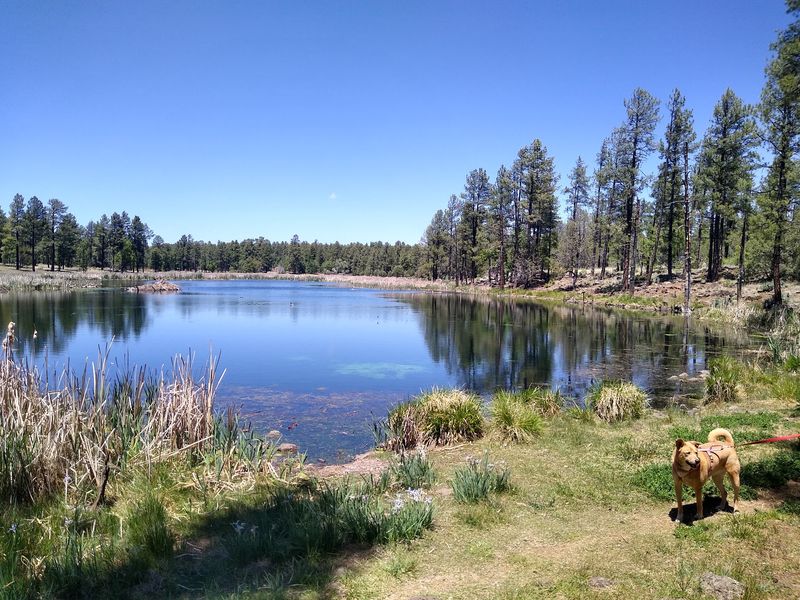
Wildlife sightings are part of the high-country experience, especially around forests, meadows, and lakes.
Elk and deer are common regional residents, while black bears also live in the surrounding forests. Bald eagles can be seen around White Mountain lakes, particularly during the cooler months.
The White Mountain Nature Center offers educational programs focused on local wildlife and natural history.
Its neighboring Big Springs Environmental Study Area has an easy half-mile self-guided trail with signs explaining local plants and animals.
Local history is also accessible at the Pinetop-Lakeside Historical Society Museum near the former town hall.
A longer drive leads to Fort Apache Historic Park, a White Mountain Apache cultural and historic site south of Whiteriver.
The Nohwike’ Bágowa museum there presents tribal history and cultural interpretation, while the larger landmark includes numerous preserved historic structures.
Kinishba Ruins National Historic Landmark is about four miles west of Fort Apache. Visitors should check in at the museum for current access information before going.
These stops add cultural context to a trip otherwise dominated by forests and recreation.
They also make it easier to understand that the White Mountains are not simply an outdoor playground. The region has deep community histories, living tribal traditions, and long-standing connections between people and the surrounding landscape.
Smart Tips For Every Season
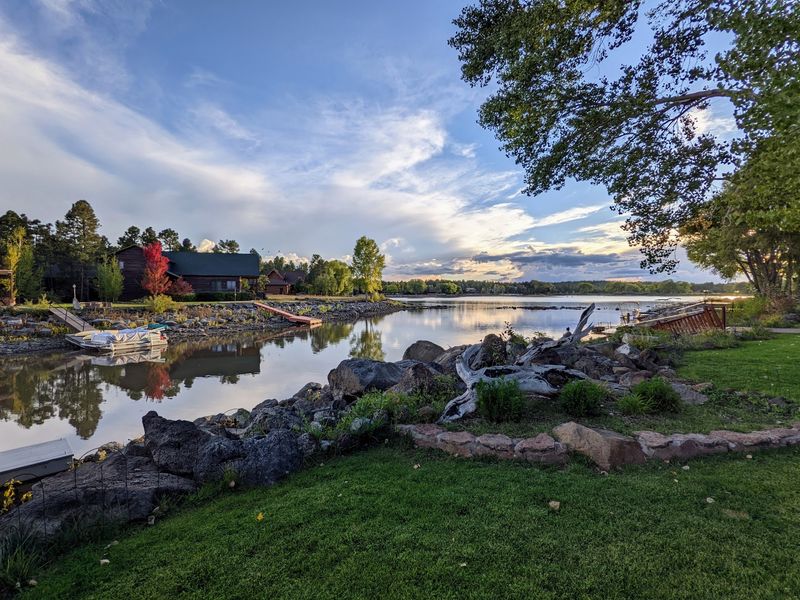
Every season changes what works best here.
Summer brings mild high-country temperatures compared with Arizona’s lower elevations, which makes it one of the busiest times for cabins, trails, parks, and nearby lakes.
Fall adds changing leaves, cooler mornings, community events, and comfortable trail weather.
Spring can be quieter, but lingering snow and muddy forest roads may affect access to higher routes.
Winter shifts attention toward snow recreation, while some forest roads and trailheads become less predictable.
Lodging choices include hotels, cabins, vacation rentals, RV parks, and campgrounds, giving visitors plenty of ways to shape a short stay.
Checking weather, trail conditions, lake levels, and seasonal access before leaving home can prevent unnecessary detours.
For an easy in-town activity, Woodland Lake Park offers trails, sports facilities, and recreation space even while the lake is low.
Disc golf is currently available at the nearby Mountain Meadow Recreation Complex rather than being a listed Woodland Lake Park feature.
Pinetop-Lakeside works best when the schedule leaves room to change plans, follow the weather, and spend longer than expected in the places that feel worth it.