This Arizona Orchard Lets You Pick Asian Pears Alongside Apples Straight From The Tree
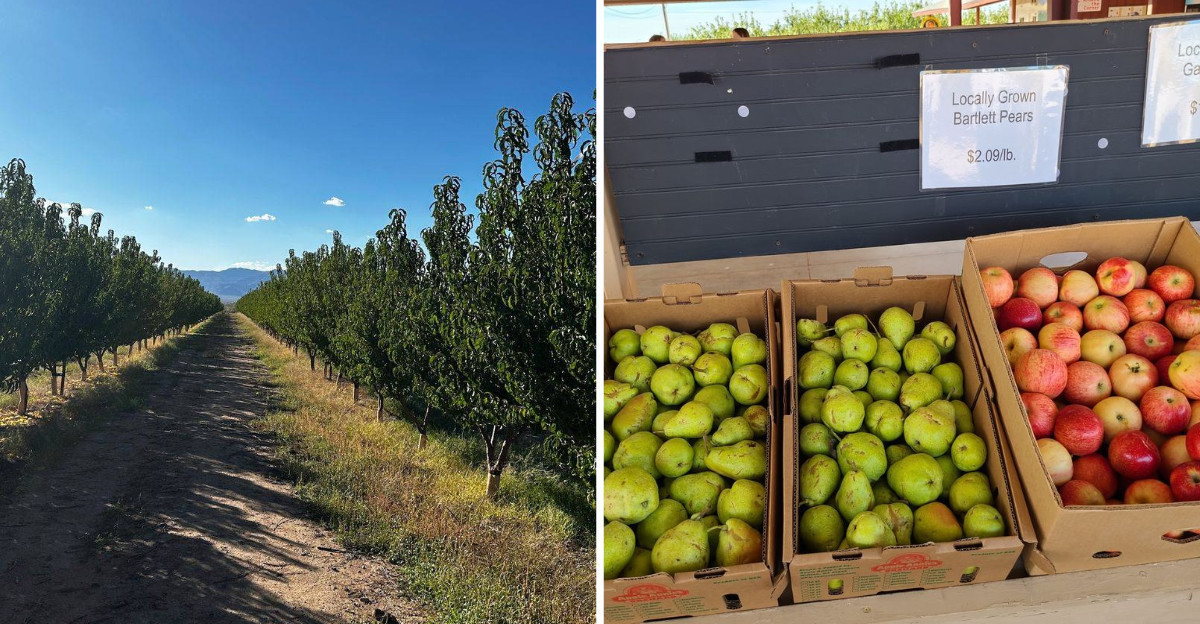
Fruit trees in the desert sound like a trick until you are standing beneath branches heavy with apples and Asian pears.
At higher elevation in Arizona, warm days and cooler nights create surprisingly good growing conditions for a family orchard that turns harvest season into a full outing.
Pick straight from the tree, then keep wandering.
Peaches, cider treats, pies, pumpkins, sunflower fields, and a corn maze give the visit far more range than a simple produce stop. Kids can reach plenty of low branches, which keeps picking easy for families.
Now that is a farm day!
Come hungry, wear shoes that can handle dust, and leave room for whatever ends up in the box.
A Family’s Fruity Roots
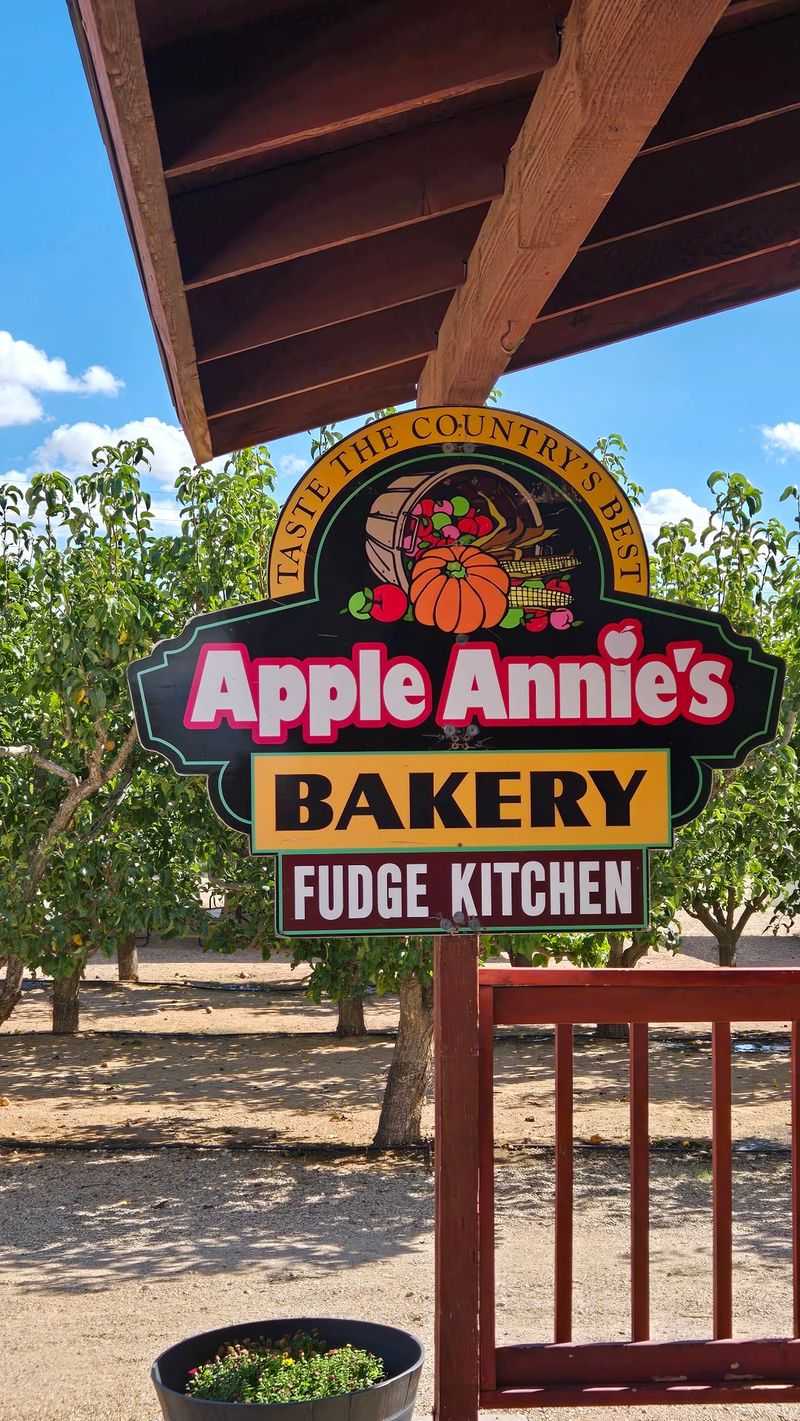
Back in the early 1980s, a family planted roughly 6,000 apple trees in southeastern Arizona. The plan was simple: sell fruit wholesale and let the trucks roll away.
When the apple trees began producing in 1986, the family changed course from commercial harvesting and invited the public to pick the apples themselves.
That decision changed everything. Word spread, cars started arriving, and a working farm became a destination people planned weekends around. The family learned the you-pick business the honest way, through trial, error, and plenty of long days.
Peaches and pears were added in the mid-1980s, along with new apple varieties, helping extend the fruit-picking season. Today the Holcomb family is welcoming a fourth generation into the business.
I find the farm’s evolution especially interesting because a commercial apple-growing plan ultimately became a multigenerational you-pick operation. Apple Annie’s Orchard now sits among the best-known agritourism stops in the state.
Curious where to point your car? The orchard is at 2081 Hardy Rd in Willcox.
High Desert Harvest Heaven
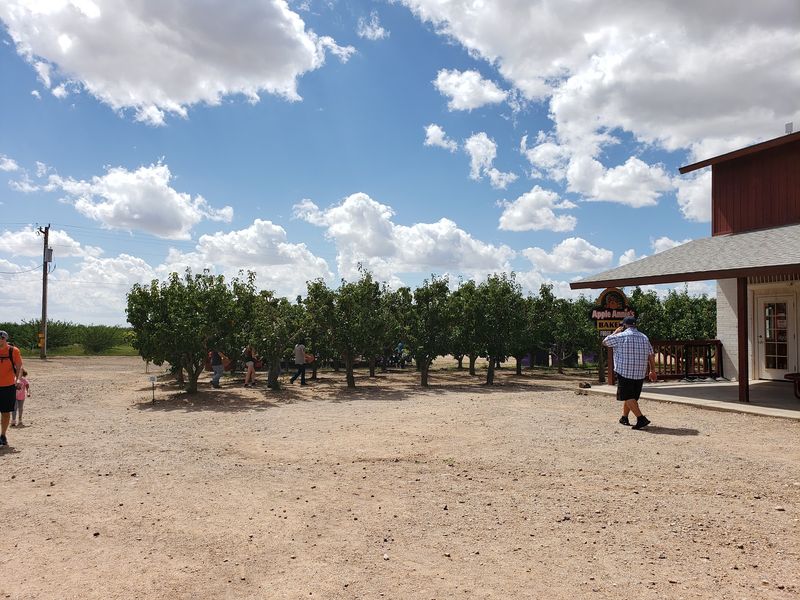
Elevation is the secret weapon here, and it sits at about 4,300 feet. Warm afternoons ripen the fruit while cool nights lock in flavor.
That combination explains why the Sulphur Springs Valley grows fruit that tastes nothing like grocery store imports. The valley floor stretches wide, framed by mountain ranges on the horizon.
The 4,300-foot elevation gives the Sulphur Springs Valley warm days and cooler nights that the family credits as important growing conditions.
Air out here smells like ripe fruit and turned soil. Birds work the treetops while pull carts rattle down the dirt lanes between plantings.
Family photography is welcome throughout the orchard, giving visitors plenty of opportunities to photograph the fruit trees and surrounding farm landscape.
The working-farm setting gives families room to explore the orchard rows at their own pace during posted visitor hours.
Southern Arizona rarely gets credit for orchard country, yet here it is, thriving. Willcox has quietly built a reputation as one of the state’s premier you-pick growing areas.
Pluck Perfect Tree Fruits
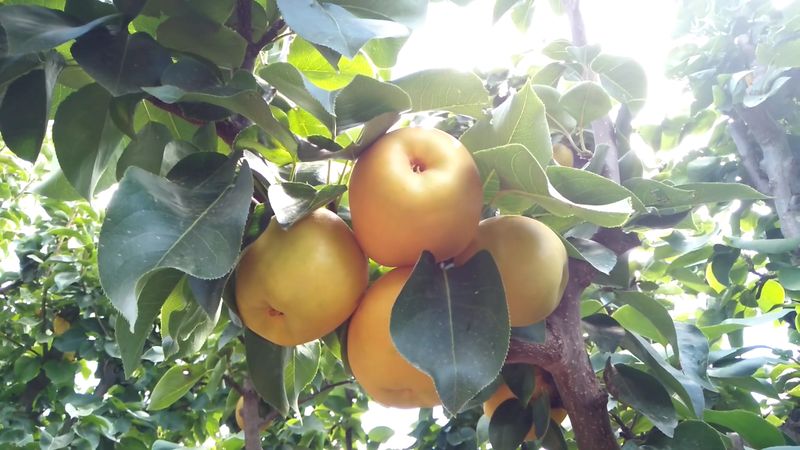
More than 15,000 fruit trees have been reported across the orchard, while the current official fruit guide lists 11 apple varieties and 18 named peach varieties.
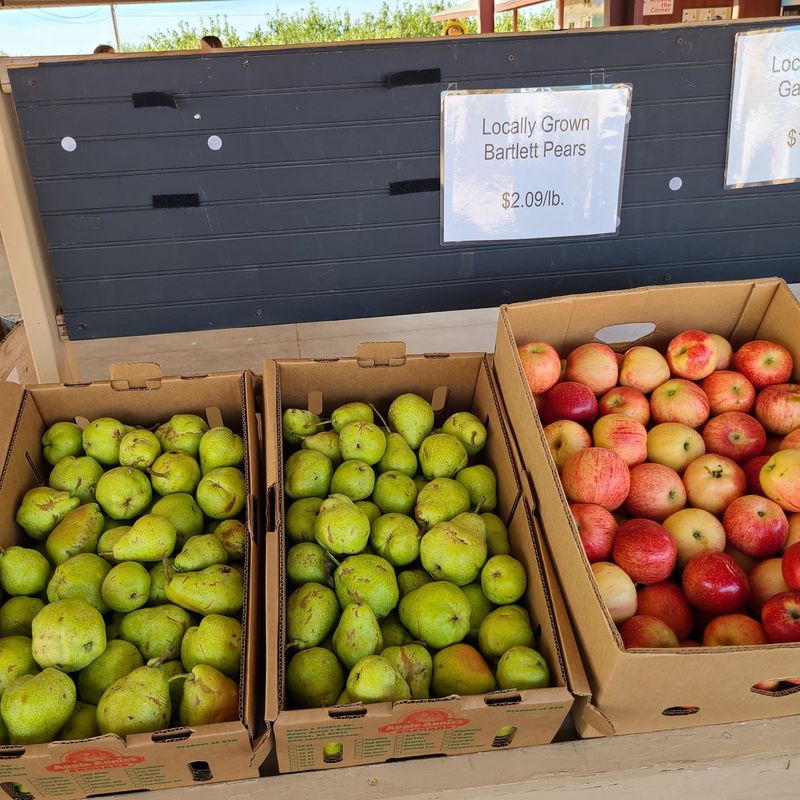
Asian pears are one of the orchard’s current pear choices, with a crunchy texture and notably sweet, juicy flesh. Bartlett and Rosy Bartlett pears are also grown here.
Low-hanging branches make some fruit easy for younger pickers to reach, and pull wagons are available for visitors to use while gathering fruit.
Apple lovers get real choices, with Red Delicious, Golden Delicious, Jonathan, Braeburn, Ambrosia, Granny Smith, Pink Lady, and several other varieties represented in the orchard.
Peach picking generally runs from mid-July into early or mid-September, while apples stretch from August through October. Plums and pluots can also appear, while the orchard specifically reports no cherry crop for 2026.
Visitors receive current picking maps and instructions at check-in, while pull wagons are available for hauling fruit through the orchard. Crop locations change according to what is ripe and open for picking that day.
Beyond The Orchard Rows
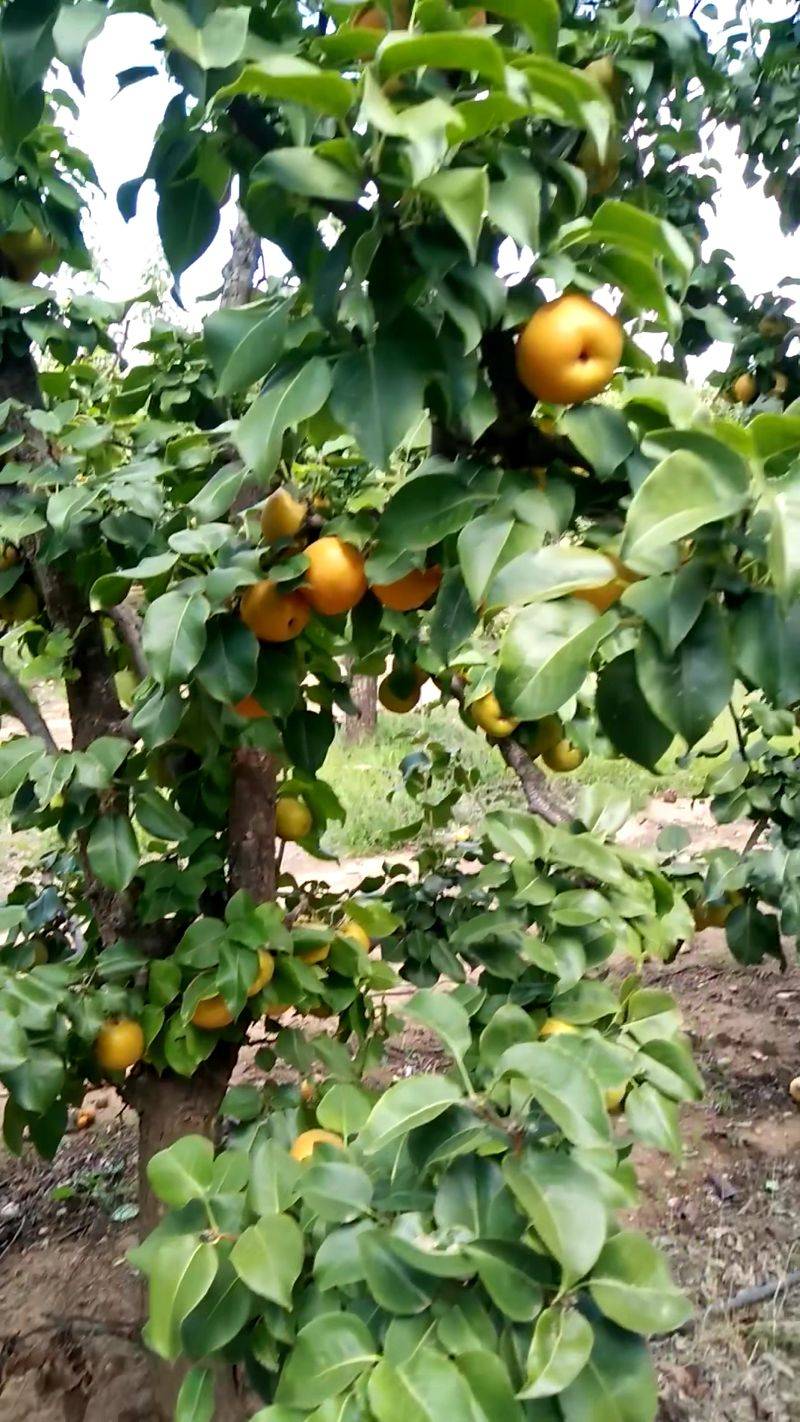
Apple Annie’s currently operates three Willcox locations: the Fruit Orchard on Hardy Road, Produce & Pumpkins on Williams Road, and a year-round Country Store on Circle I Road.
At the produce and pumpkins side, rows of vegetables wait for you to harvest them. Tomatoes, cucumbers, okra, summer squash, bell peppers, green beans, and sweet corn all come out of those fields.
Melons roll in during the hot months, heavy and thumping when you tap them. Later in the season, more than 40 acres of pumpkins produce roughly 25 to 30 varieties, ranging from miniature pumpkins to specimens weighing more than 100 pounds.
The sunflower field is another current U-pick attraction, with visitors allowed to cut flowers to take home.
During the 2026 Fall Pumpkin Celebration, hayrides to the pumpkin patch are scheduled Friday through Sunday beginning September 26, with a separate activity fee.
Bring reusable bags, a wagon, and maybe garden snips for the flowers. Everything gets heavier than you expect once enthusiasm takes over.
A Taste Of Homemade Goodness
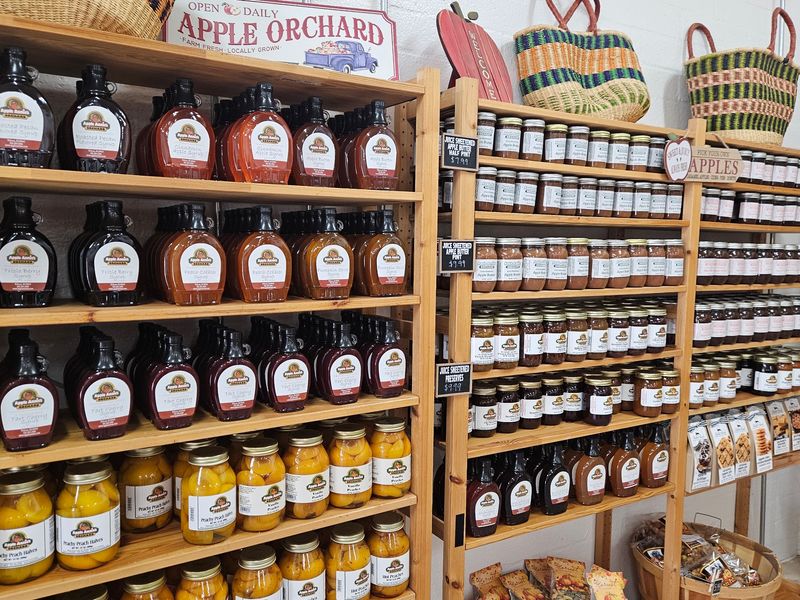
Homemade apple cider donuts remain a signature treat, with a special warm, freshly fried cider-donut weekend scheduled for October 3 and 4, 2026.
Pie is the headliner. The apple pie earned international attention in 2018 when Lonely Planet named Apple Annie’s the best place in the world to eat apple pie in its Ultimate Eats guide.
That recognition gives first-time visitors an obvious place to start before exploring the rest of the bakery case.
Order it warm with ice cream on top and find a shaded table outside. The Orchard Grill serves applewood-smoked burgers for lunch on weekends during the orchard season.
Pancake breakfasts are offered on selected festival weekends, with toppings changing according to the seasonal event.
Apple bread, fresh fudge, jams, jellies, locally grown produce, gifts, and seasonal merchandise are among the products sold across Apple Annie’s stores.
Pie-making classes appear on the schedule at times, teaching the technique behind that famous crust. Bakers in the family will want to check the website before booking a trip.
Navigate The Grand Corn Maze
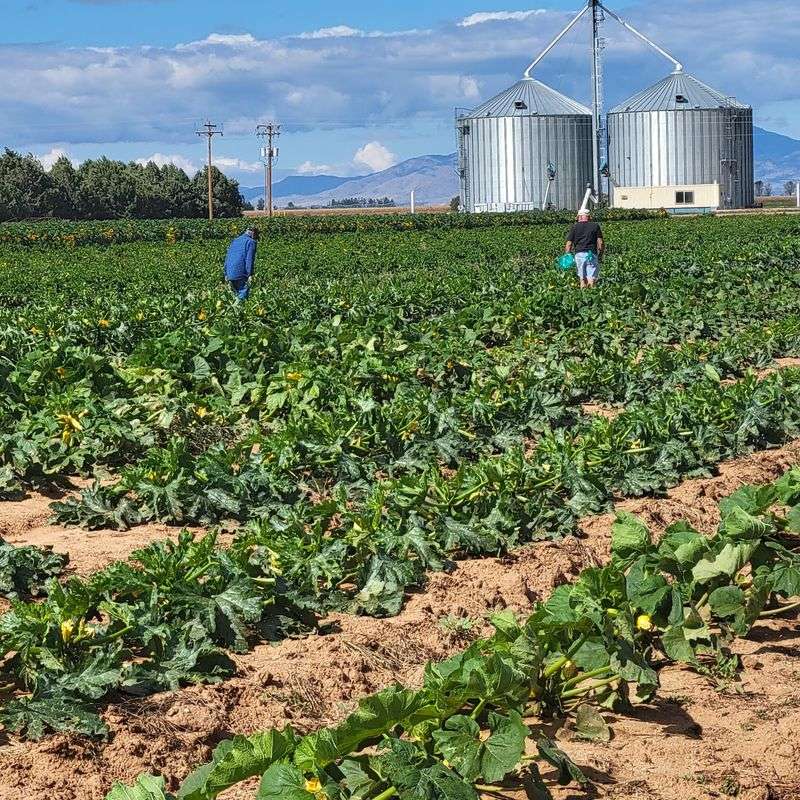
A 12.5-acre corn maze containing more than 600,000 stalks fills the Produce & Pumpkins location, and Apple Annie’s bills it as the largest corn maze in Arizona.
Paths twist, split, and double back into dead ends. Visitors carry an interactive passport with trivia questions, and correct answers point you toward the right turn.
Difficulty levels vary, so families can pick a shorter loop or commit to the full puzzle. Apple Annie’s advises that the average visitor spends about two hours in the corn maze, with three difficulty levels available.
Interactive passports and three difficulty levels help visitors navigate the maze, with correct trivia answers pointing toward the next direction.
For 2026, the corn-maze opening is scheduled for September 19, followed by daily operation from September 20 through October 31 from 9 a.m. to 4 p.m.
Wear closed shoes, since the ground gets uneven and dusty. Bring water too, because the corn walls block breeze more than shade.
Planning Your Perfect Picking Day
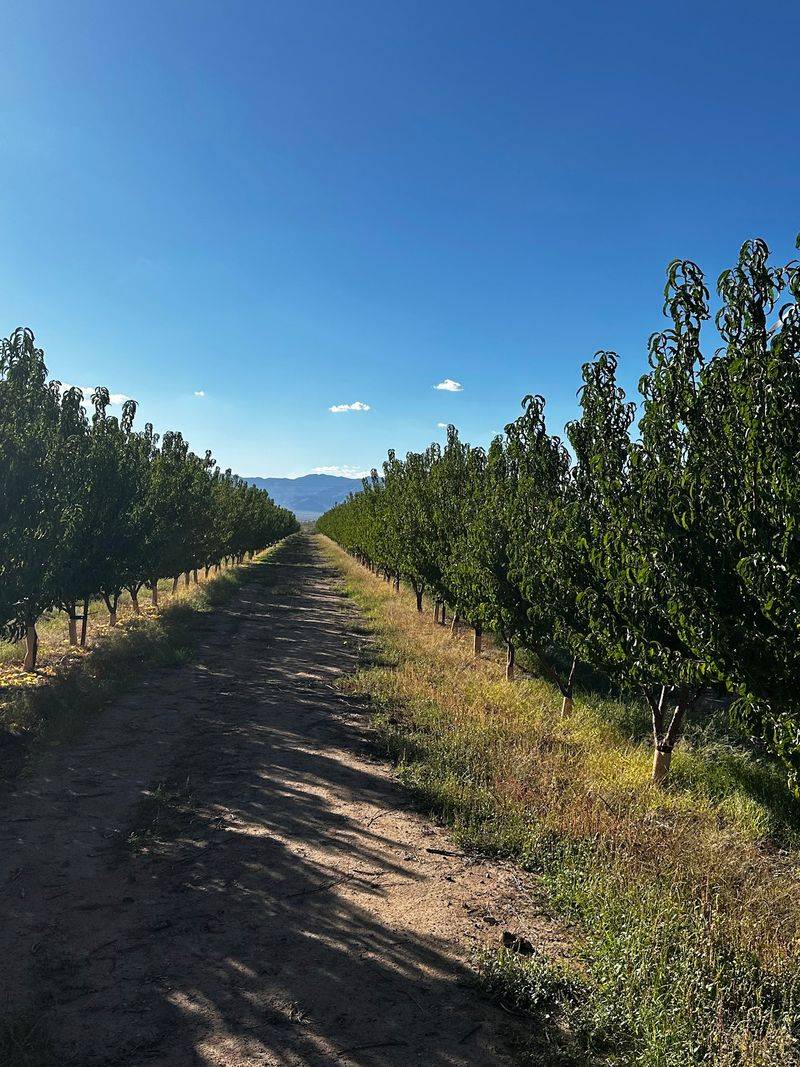
Timing matters more than anything else at a you-pick farm. Crops ripen and get picked clean quickly, so check the website or call the crop hotline before you drive out.
Doors open daily from July through October. Summer months typically run 8:00 AM to 5:00 PM, while September and October start at 9:00 AM.
General parking and admission are free, and visitors pay for what they pick or purchase, though activities such as the corn maze and hayrides carry separate fees in late September and October.
Arriving earlier can help with warmer daytime temperatures, while Apple Annie’s specifically notes that weekends tend to be busier than weekdays.
Pack water bottles, sunglasses, a hat, and sunscreen without exception. The high desert sun stays strong even when the air feels mild.
Bring your own boxes, reusable bags, or a small wagon for hauling fruit back to the car. Apple Annie’s currently accepts cash, debit cards, and credit cards.
Apple Annie’s is not an organic grower, but it uses Integrated Pest Management and organic pest-control methods whenever possible, including pheromone-based controls in its fruit trees.
The Willcox Countryside Charm
Something about this stretch of countryside slows your pulse. Fields run to the horizon, traffic noise vanishes, and the loudest sound is wind moving through leaves.
Apple Annie’s Orchard has become a cornerstone of agritourism in this corner of the state. Other farm families have followed the same path, opening their gates to visitors who want to see where food actually grows.
Apple Annie’s remains a fully operational working farm, with crop availability changing according to ripeness, weather, and harvest conditions.
Multiple generations of the Holcomb family remain involved, and Apple Annie’s says its fourth generation is now beginning to take part in the family business.
Kids learn where apples come from without a single worksheet. Adults remember how good produce tastes when it travels zero miles.
Willcox itself stays refreshingly low-key, a farming town rather than a resort strip. That plainness is part of the appeal.
The combination of working orchards, seasonal picking, and a multigenerational family history helps explain why the farm has become such a longstanding Willcox destination.