This Atlanta Restaurant Offers One Of Georgia’s Priciest Dining Experiences
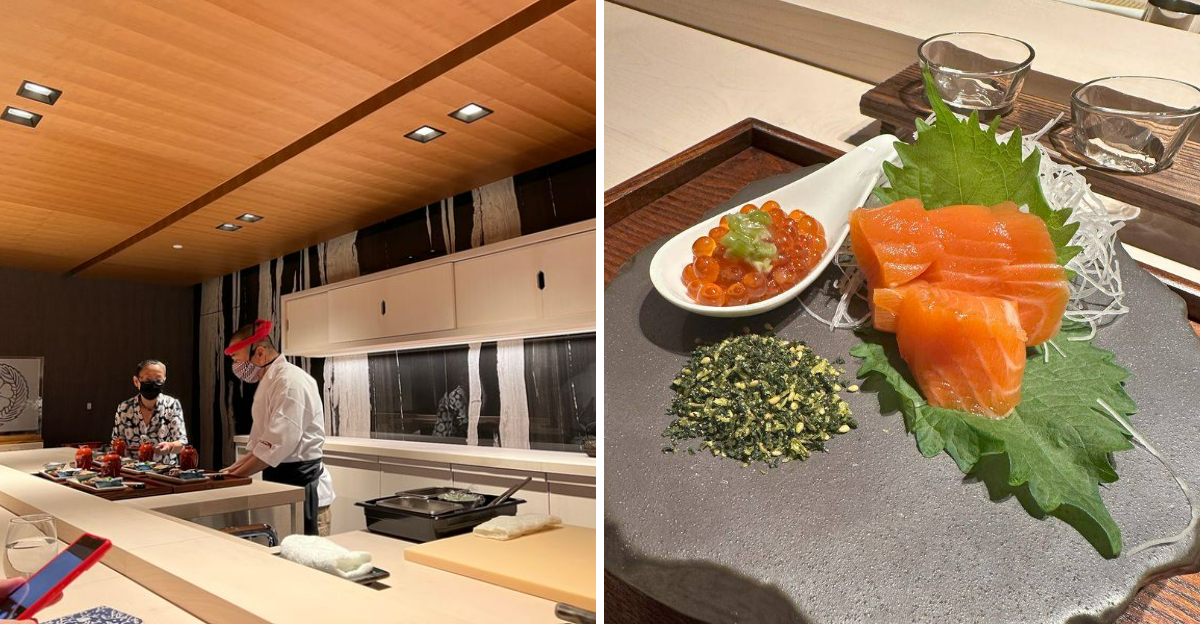
I almost walked past the door without a second glance. Nothing about the entrance suggested anything unusual, just a quiet storefront and a simple sign.
Curiosity won, so I went in expecting a normal sushi dinner and nothing more. The room went still the moment I sat down, calm in a way that felt intentional.
Then the courses started arriving, one after another, each one more precise than the last. By the third course, I understood this was not an ordinary meal.
What I didn’t expect was the number waiting at the end of the receipt. This single restaurant now holds the title for the priciest dining ticket in Georgia, and after tasting it myself, I finally understood why.
Georgia has plenty of expensive meals, but nothing quite prepares you for this one.
The Price That Turns Heads
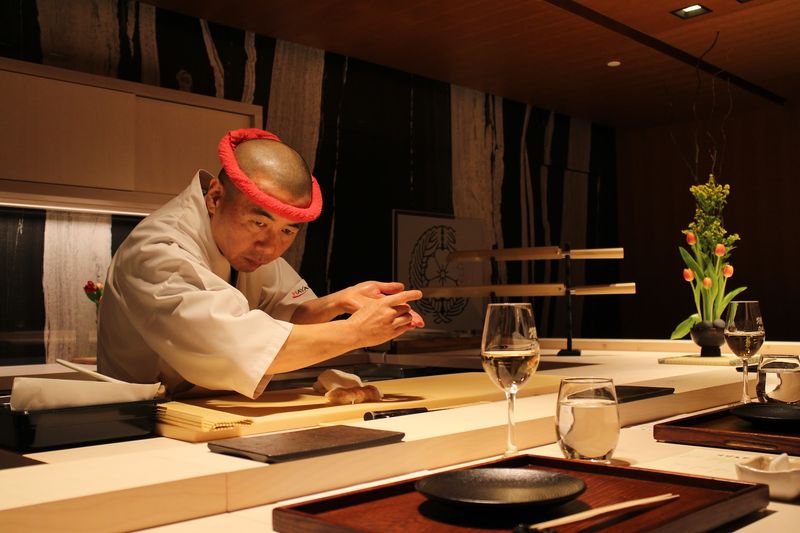
Let me get the sticker shock out of the way first. Dinner starts at $315 per person, before tax and a required service charge.
Add the popular Uni upgrade and champagne, and the evening can climb toward $600 per person. That total places Hayakawa among Georgia’s priciest dining experiences.
Here is the part that matters more than the math. The cost reflects premium ingredients imported from Japan and an intimate, chef-led experience.
Nothing about the pricing is padded with decor or spectacle. Money goes straight into ingredients and craft, which you taste in the first bite.
My honest advice is to treat it as an event, not a casual Friday. Birthdays, anniversaries, and once-a-year celebrations fit the experience perfectly.
Budget for the full evening rather than just the base price. Pairings and add-ons are tempting, and the beverage program is genuinely worth attention.
If you want the least expensive path, skip the extras and take the standard progression. It still delivers a Michelin-starred meal from start to finish.
You will find it at Hayakawa, 1055 Howell Mill Rd in Atlanta.
A Michelin Star With Staying Power
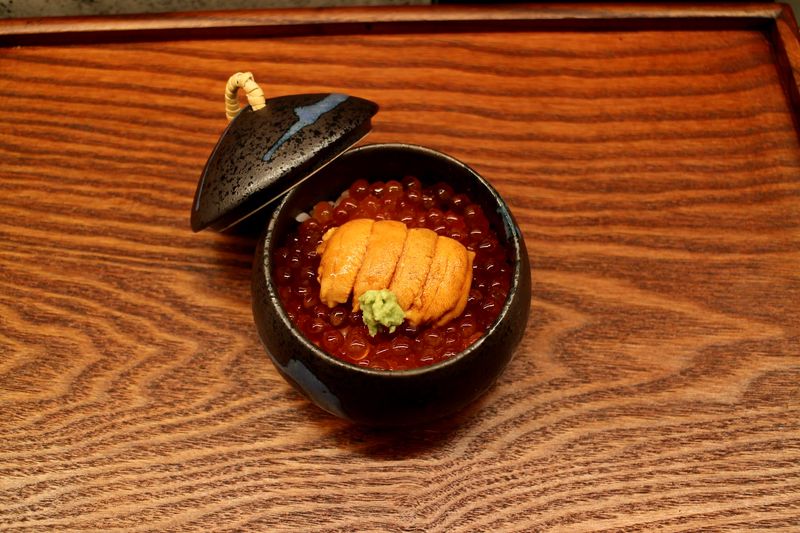
Awards can be luck. Repeating them is something else entirely.
The restaurant has collected a Michelin star in multiple consecutive years, which is rare anywhere. In Georgia, that record puts it in a very small club.
Recognition here is not built on flashy plating or trendy fusion. Inspectors respond to consistency, technique, and respect for tradition.
Guests who have eaten their way through every starred sushi spot in the city often name this one as the return visit. That says more than any plaque on the wall.
What I noticed is how little the star seems to change the mood inside. Nobody performs importance at you.
The room stays calm, the pace stays steady, and the focus never leaves the food. Prestige is present but never pushy.
For a first-time visitor, the star is useful as a promise rather than a warning. It signals that the fundamentals will be flawless.
Practical tip: mention special occasions when you book. The team pays attention to details, and a small acknowledgment goes a long way.
Expectations run high at this price, and the kitchen knows it. That awareness shows in every course.
Only A Handful Of Seats
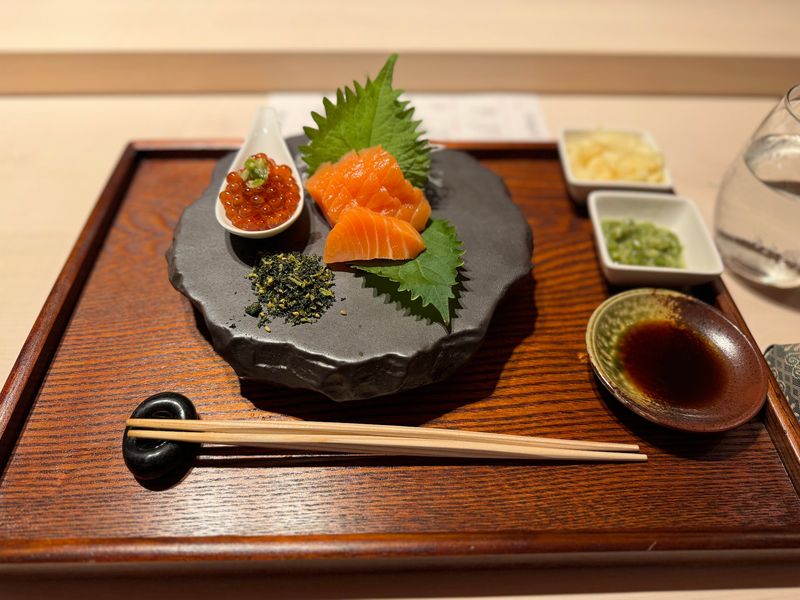
Count the seats and you understand the difficulty of getting in. There are roughly eight spots at the counter.
That size explains the exclusivity and the price. Fewer guests means more attention per person.
Seatings are strictly timed, usually around 6:00 PM and 8:30 PM. Arriving late affects everyone, since courses move as a group.
Reservations open thirty days ahead, and popular dates disappear quickly. Setting a calendar reminder is not overkill.
Booking requires a full name, which keeps the list clean and avoids mix-ups. Small detail, but it fits the overall precision.
Because the room is so compact, conversation stays low and natural. It feels closer to a dinner party than a restaurant floor.
Groups can be seated together, and larger parties have enjoyed the shared rhythm of it. Still, two or four people fit the space best.
Hours run Wednesday through Saturday, from 6 PM to 10 PM, with Sunday through Tuesday closed. Plan your week accordingly.
Come hungry, since the courses arrive steadily for about two hours. Skipping lunch is a legitimate strategy here.
Fish That Flies In From Toyosu
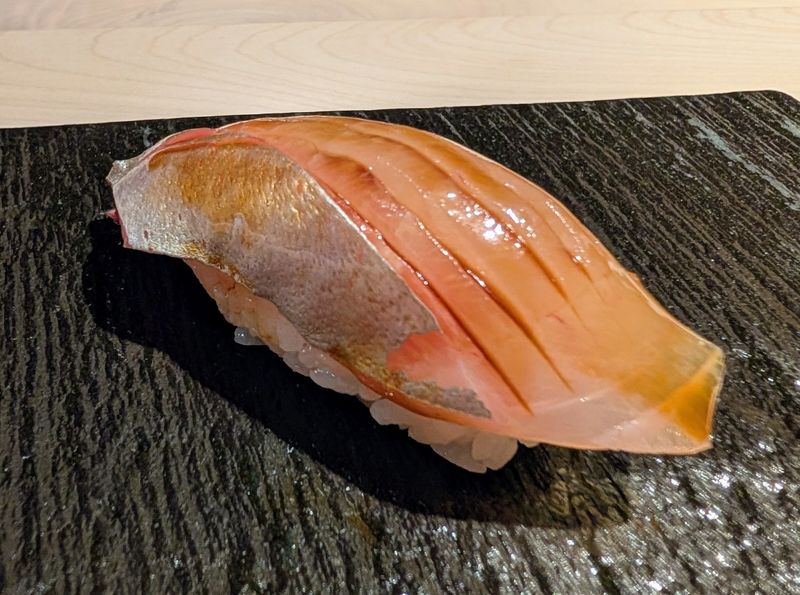
Freshness gets claimed everywhere. Here it has a flight number.
Fish arrives directly from Japan’s Toyosu Market, carried on overnight flights into Atlanta. The turnaround is the whole point.
You taste it immediately in the sashimi, where texture is clean and cool rather than soft. Scallops in particular have stopped conversations at the counter.
Sourcing also stretches across different regions of Japan, including the chef’s own home area. Each ingredient is chosen for what it does best.
What you will not find are heavy Americanized rolls or sauces meant to hide anything. The menu stays focused on pure fish and rice.
Nigiri portions are notably generous, with a full mouthful of fish over each piece. That is not standard at this level.
If you have never tried uni, this is the place to be brave. The add-on shows up in guest recommendations again and again.
Wasabi here is fresh rather than the tinted paste most of us know. The difference is sharper and cleaner.
Guests should note dietary restrictions when booking, although the restaurant cannot accommodate gluten-free, vegetarian, vegan, or no-raw-fish menus.
The Chef Works Right In Front Of You
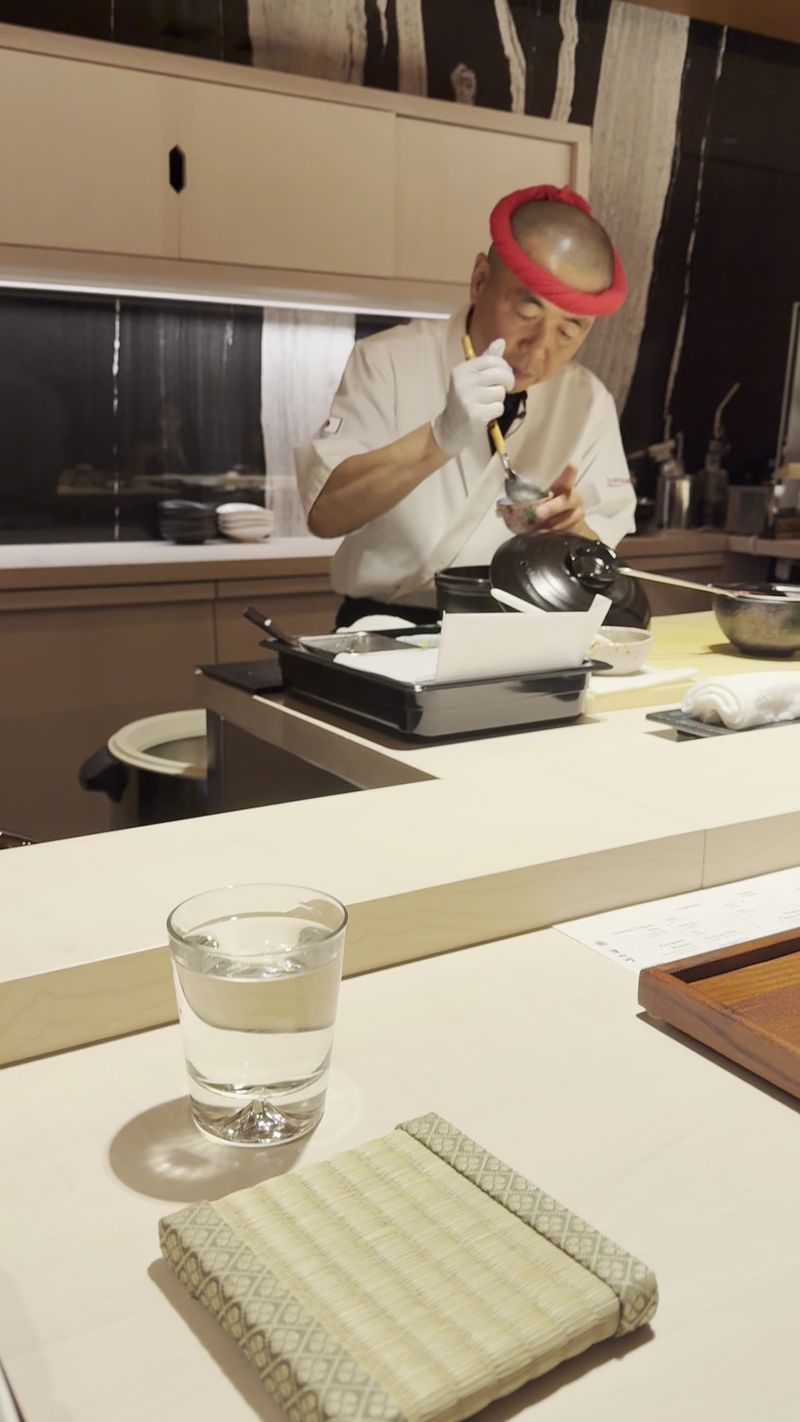
Front row seats are the whole ticket. There is no kitchen door hiding anything.
Chef Hayakawa, known to guests as Haya-san, prepares each piece at the counter. Watching him work is half the meal.
He comes from Sapporo in Hokkaido, and that northern influence shapes his style. Regional authenticity runs through the whole menu.
His knife work is quick and decisive, with big sweeping motions that still land with precision. It looks effortless, which means it is not.
He also talks. Guests describe him as funny, warm, and clearly proud of what he serves.
One guest compared the seating to sitting in the cockpit while the pilot flies. That captures the closeness perfectly.
Being a chef-owner changes the energy too. He is not managing from an office, he is standing there all night.
Ask about the fish or the region it came from. Curiosity gets rewarded with real answers, not rehearsed lines.
For anyone who enjoys learning while eating, this counter is a small classroom. You leave knowing more than you did.
Fourteen To Sixteen Courses, Start To Finish
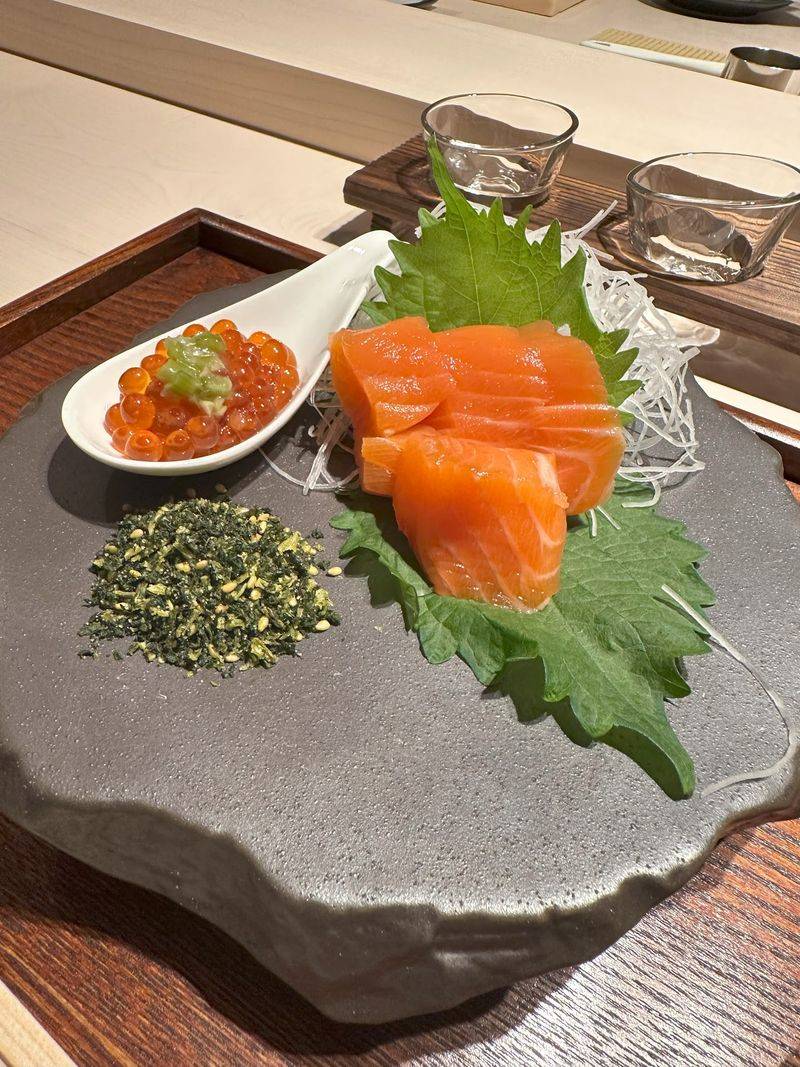
Pacing is an art most restaurants ignore. Not this one.
The current omakase typically includes fourteen courses and lasts about two hours. Nothing arrives too fast or too slow.
The progression follows tradition: appetizers first, then sashimi, grilled seafood, and a run of nigiri. Each stage sets up the next.
Plates are artisanal ceramics, and garnishes stay subtle. Presentation supports the ingredient instead of competing with it.
My favorite discovery was how flavors build rather than repeat. A delicate course lands, then a richer one answers it.
Because portions are small and frequent, you never feel overstuffed mid-meal. Fullness sneaks up near the end.
Kaiseki service has also been offered, giving repeat guests a second reason to return. Regulars often try both formats.
Each dish comes with a short explanation, which helps first-timers know what they are eating. Some guests love the detail, others prefer quiet, so it is worth knowing in advance.
If you want the full effect, put your fork down between courses. Rushing here misses the design entirely.
House Rules Worth Respecting
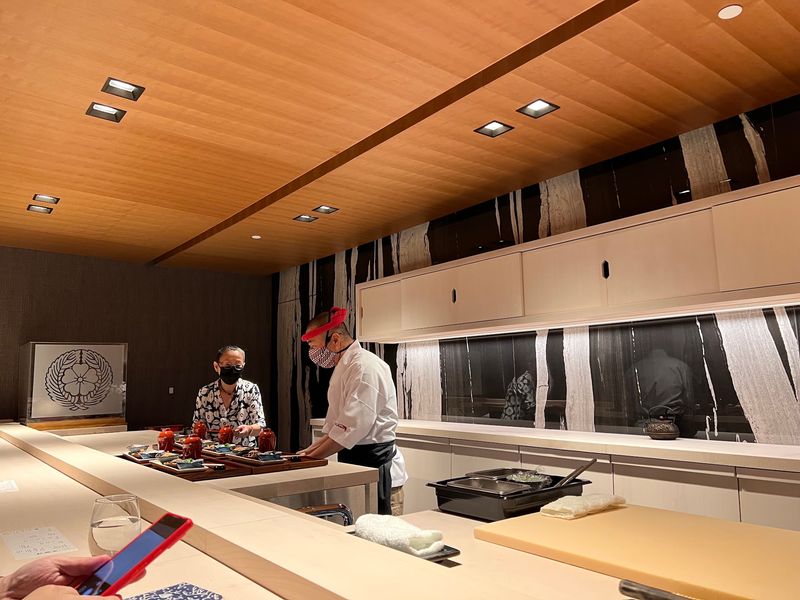
Rules sound stuffy until you understand the reason. Then they make total sense.
Phones are asked to be silenced during the meal. In a room this small, one ringtone changes everything.
Strong fragrances are discouraged as well. Perfume competes directly with delicate fish, and your nose does more work than you realize.
Guidelines like these protect the traditional Edomae approach the chef follows. Every policy points back to the food.
Timing counts too, since strict seatings mean the progression starts for everyone at once. Late arrivals lose courses.
Reservations require your full name to avoid confusion on a tiny list. It keeps the night running smoothly.
None of it feels cold in practice. The team delivers the rules with warmth, and guests settle in quickly.
What you get in return is a genuinely distraction-free two hours. That quiet is part of the value.
If you dislike structure, this may not be your restaurant. If you appreciate focus, you will love it.
Dress neatly and arrive a few minutes early. Small courtesies match the mood.
Service That Reads Your Mind
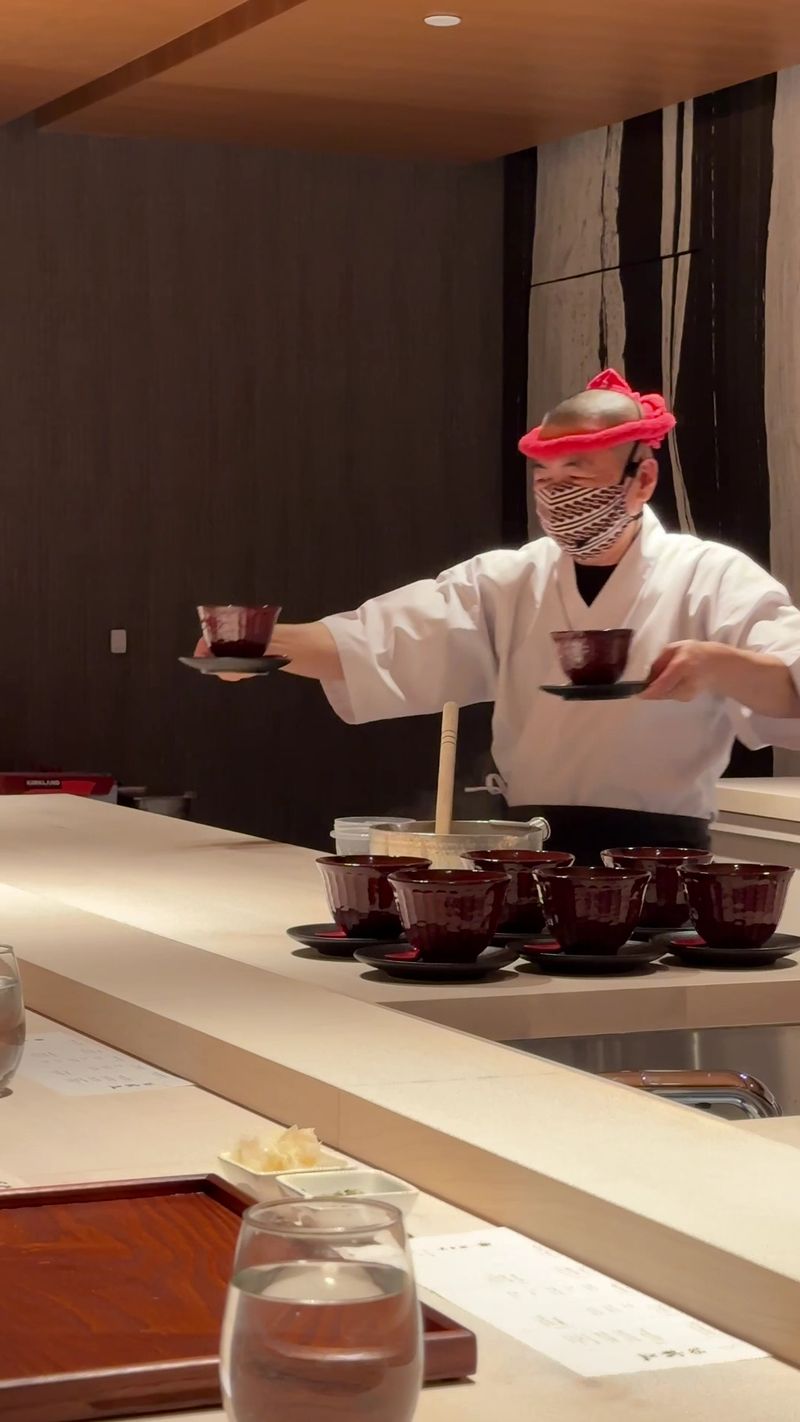
Great service disappears. You only notice what never went wrong.
Water refills, warm towels, and cleared plates arrive before you think to ask. The timing is uncanny.
Staff members are attentive without hovering, which is a difficult balance in a room with eight seats. They stay close but never crowd.
Courses come at a steady pace, never rushed and never stalled. That rhythm keeps the whole night comfortable.
The tone is friendly rather than formal, with easy conversation across the counter. Several guests describe it as being welcomed into a family for one evening.
Discipline sits underneath the warmth. Every movement has a purpose.
Special occasions get quiet acknowledgment instead of a loud production. Birthdays and anniversaries are handled with real care.
If you have questions about anything on the plate, just ask. Answers come with genuine enthusiasm.
The whole experience proves that hospitality, done right, is worth as much as the fish.