This Beautiful New York Farm Is Quietly Opening Its Apple Orchards Before The Fall Crowds Arrive
You already know what October apple picking looks like. You wait in a line of cars for forty minutes.
You pay for parking. Then you wander a picked-over orchard behind two hundred people in matching flannel.
There is a farm in New York doing things differently this year. The gates open early, well before the leaf-peeping hordes descend.
The trees are still heavy. The air still smells like cider and warm grass.
You can walk the rows without anyone photographing a pumpkin beside you. The farm stand actually has stock.
The staff have time to tell you which variety is peaking that week, and they seem genuinely happy to be asked.
Nobody has posted about this yet, which is exactly the point. Early season apples are crisper anyway, so you are not sacrificing a thing.
Go before your feed catches on.
A Farm Road That Feels Like A Secret Handshake
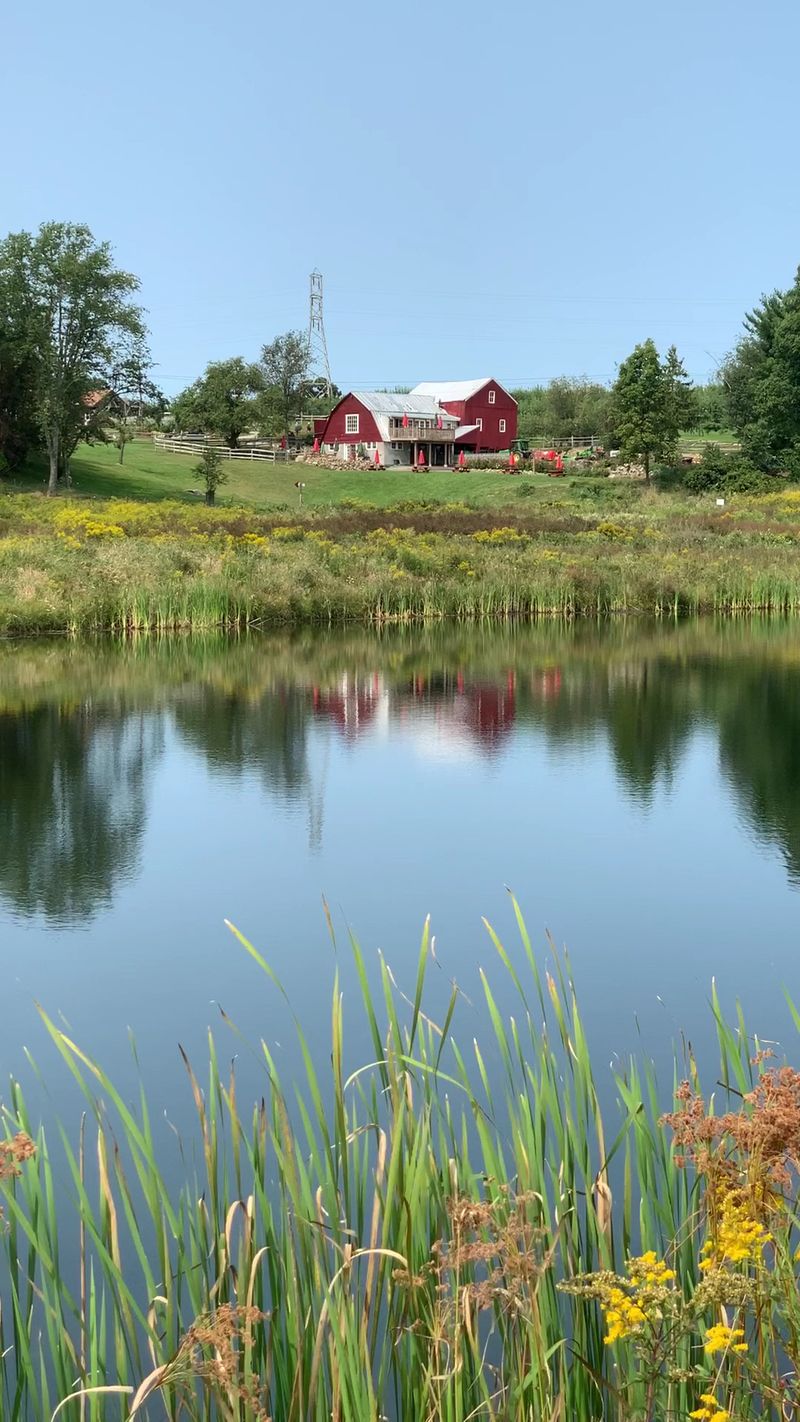
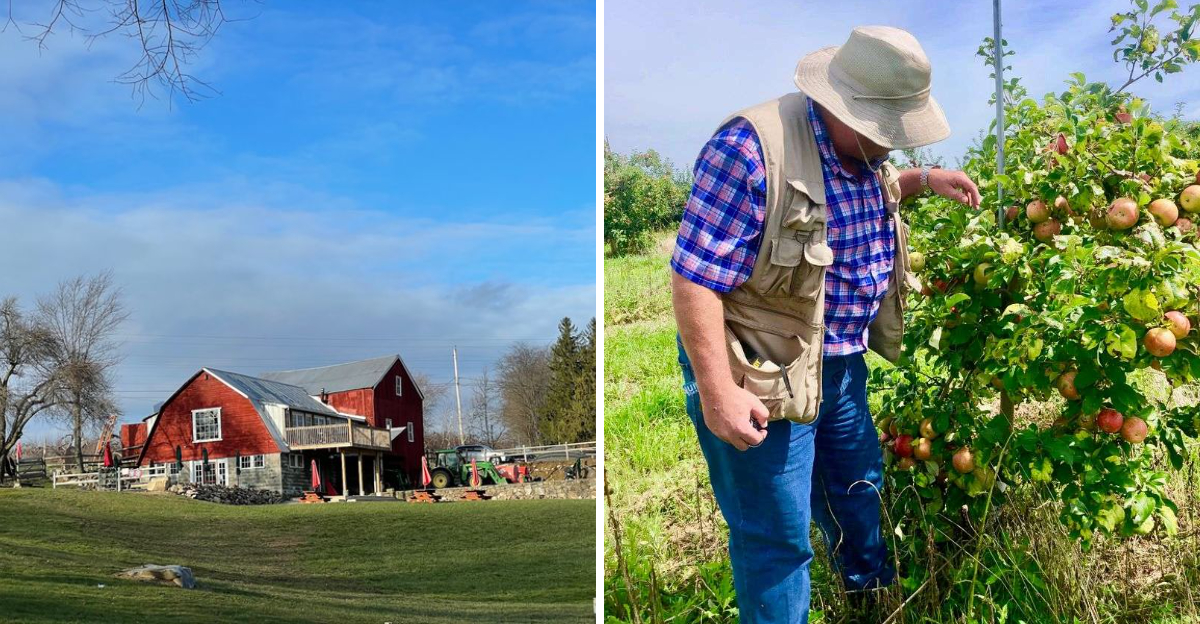
Apple Dave’s Orchards sits along a country road where the pavement quiets down and the trees take over.
The approach is simple. Fields on one side, apple rows on the other, and a wide open sky above.
Early in the season, the parking area stays calm. You can hear birds instead of car doors, and that alone changes the mood of the visit.
Warwick sits in the Hudson Valley, in an area known for black dirt farmland and orchards. The soil here has been growing food for generations.
What struck me first was the smell. Ripe fruit, warm leaves, and a faint hint of cut grass drifting across the rows.
Kids ran ahead. Grandparents walked slowly.
Nobody seemed rushed, and that pace set the tone for the whole morning.
If you want the quiet version of apple picking, aim for a weekday. The trees are just as full, and the paths belong to you.
You will find it at 82 Four Corners Rd, Warwick, New York.
Rows Of Trees That Practically Hand You The Fruit
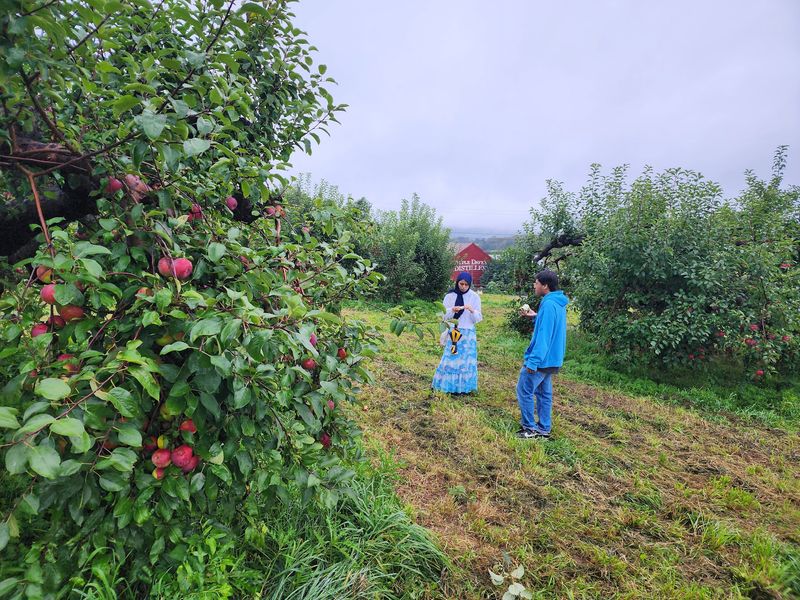
Most orchard trees here grow low enough that you barely stretch. That detail matters more than you would think.
I watched a girl about five years old pick her own apple without help. Her face said she had won something big.
The branches sag with fruit in the early weeks. You reach, twist gently, and the apple lets go with a soft snap.
Different varieties ripen at different times across the season. Early apples tend to be crisper and a little sharper on the tongue.
A quick tip from experience. Twist upward rather than pulling straight down, or you risk taking the whole spur with you.
Bring a bag you can carry with one arm. Apples get heavy faster than anyone expects.
The rows are grassy and mostly even. Sneakers work fine, though boots help after rain.
Taste one right there in the row. Warm from the sun, it beats anything from a cooler.
The First Bite Test Nobody Should Skip
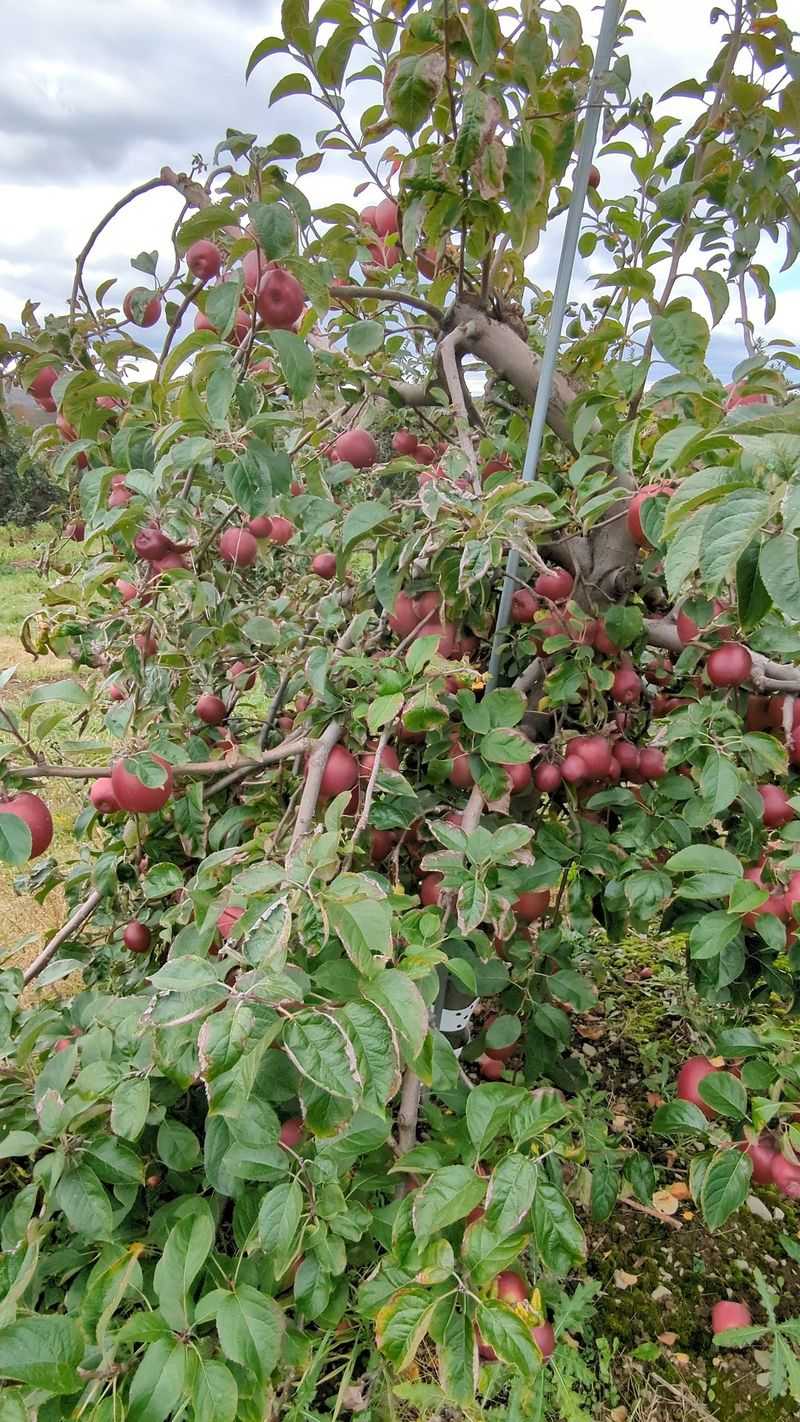
Store apples travel. Orchard apples do not, and your mouth knows the difference immediately.
My first bite made an embarrassingly loud crunch. Two strangers laughed, then went and did the same thing.
Juice runs down your wrist. The skin snaps instead of bending, and the flesh tastes bright rather than flat.
Each variety carries its own personality. Some lean tart and bracing, others turn honey sweet with a floral finish.
Ask which trees are picking best that day. Farm staff track ripeness closely and will point you to the good rows.
Do not fill your whole bag with one type. Mix a few, then decide which ones deserve a return trip.
Tart apples hold their shape in pies. Sweeter ones vanish quickly in lunchboxes and after school snacks.
Sampling as you go is part of the fun. Just keep it reasonable and pay for what you carry out.
Cider Doughnuts Worth Driving For
There is a moment when a warm doughnut hits cold morning air. Steam curls up, cinnamon sugar clings, and conversation stops.
I bought three, planning to share. That plan lasted about ninety seconds.
Cider doughnuts are a Hudson Valley tradition for a reason. The apple flavor bakes right into the crumb.
The outside carries a faint crisp edge. Inside stays tender, dense, and slightly moist.
Buy them fresh and eat them fast. They are good later, but they are exceptional in the first ten minutes.
A cup of cold cider alongside makes a fine pairing. Sweet, tangy, and cloudy the way real pressed cider should be.
Napkins are not optional. Sugar ends up on your shirt no matter how careful you feel.
Weekday mornings mean shorter lines. I waited maybe four minutes in mid September.
Consider buying a half dozen for the ride home. Then consider buying a full dozen, because someone always wants more.
Why Early Season Beats Peak Weekend
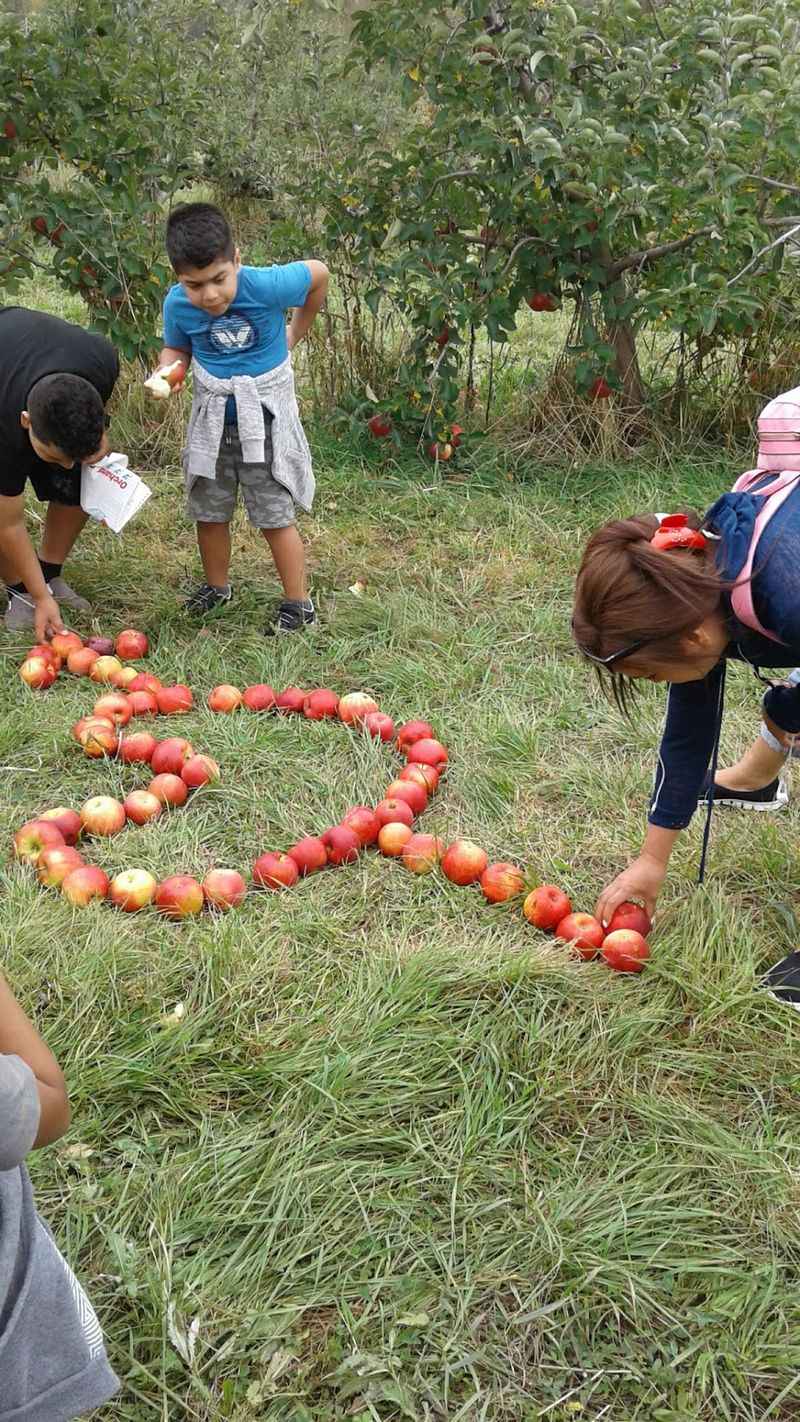
Peak October weekends turn orchards into parking lots with trees attached. Early September is the opposite experience.
I arrived around nine and had entire rows to myself. It felt almost unfair.
Fewer people means better photos. No strangers in your frame, no waiting for a clear shot.
The fruit is genuinely ready in the early weeks. Certain varieties peak long before the crowds show up.
Temperatures help too. September mornings stay mild, and you are not layering three sweaters by ten o clock.
Staff have time to talk when it is quiet. I learned more in five minutes than any sign could teach me.
Weekday visits stretch the season for the whole farm. Spreading out visitors keeps trees from getting picked bare too fast.
Check availability before you drive. Orchards open by variety, and weather can shift the timing.
If you have a flexible schedule, use it here. The quiet version of this place is the better one.
Views That Make You Stop Mid Row
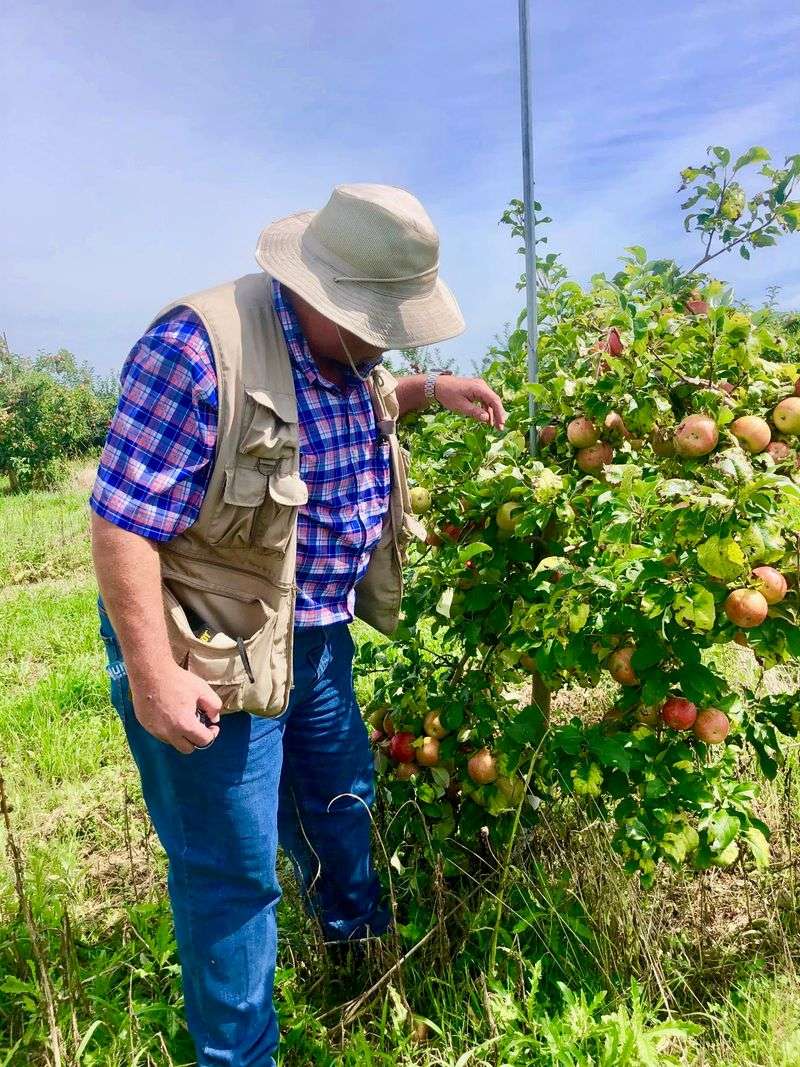
Halfway down a row, I stopped and forgot about apples entirely. The hills ahead had gone soft and blue in the haze.
Warwick sits in a valley ringed by ridges. That geography gives every orchard a backdrop.
Morning light does something particular here. It slants low through the branches and turns the grass almost gold.
Look for the high points on the property. A few steps uphill widens the view considerably.
Farmland stretches out in patches of green and brown. In September, the first hints of color appear along the tree lines.
Bring a phone or a camera, but do not spend the whole visit behind a screen.
Weather changes the scene completely. Overcast days feel hushed and soft, while clear days feel wide open.
Some visits are about the haul. Others are about standing still for ten minutes, and that counts too.
Farm Stand Finds Beyond The Apples
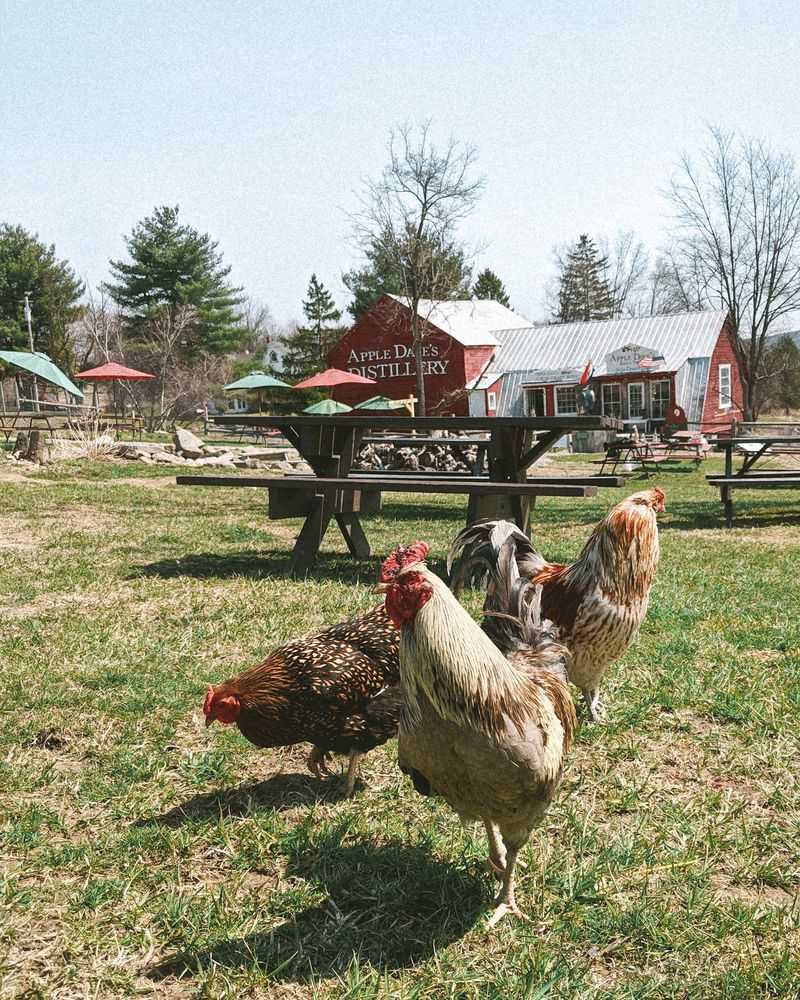
Everyone comes for apples. Plenty of people leave with something they did not plan on.
I walked in for cider and walked out holding a jar of apple butter. No regrets whatsoever.
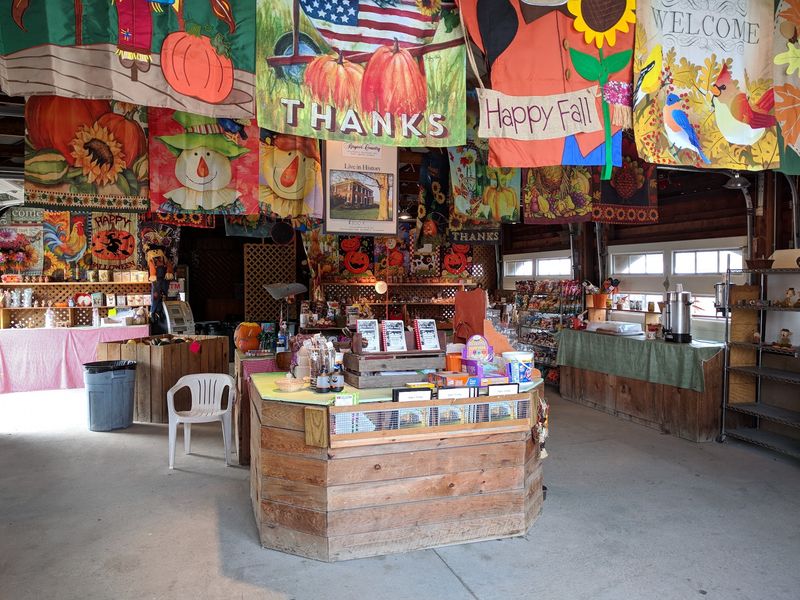
Farm stands in this region typically stock pressed cider, baked goods, jams, and seasonal produce. Availability shifts week to week.
Pumpkins and gourds appear as the season moves along. Early visits mean better selection later, oddly enough.
Ask what was made that morning. Fresh baked items sell out before afternoon on busy days.
Bring cash as a backup. Small farm operations sometimes have spotty card connections.
A cooler in the trunk helps on warm days. Cider especially appreciates the cold.
Jars of spread make easy gifts. I have handed out apple butter to neighbors and looked generous with almost no effort.
Take a slow lap before buying. The best items are not always on the front table.
How To Plan A Visit That Works
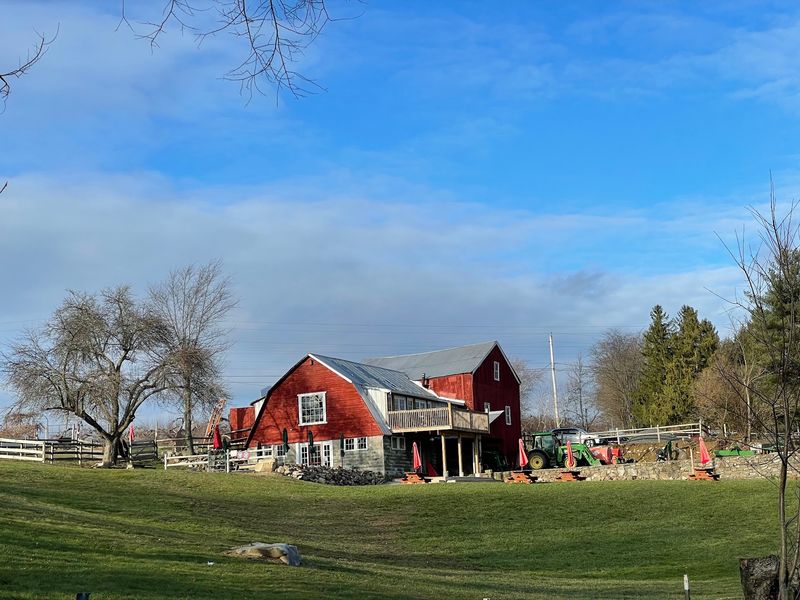
Good orchard trips come down to timing and a little preparation. Skip both and you will spend the day waiting in lines.
Call ahead or check online for picking conditions. Varieties open and close depending on ripeness and weather.
Wear closed shoes and clothes you do not mind staining. Orchard grass leaves marks.
Bring water, sunscreen, and a hat. Shade between rows is thinner than it looks.
Plan for how much you can realistically eat. A half bushel sounds charming until it sits on your counter.
Apples keep for weeks in a cold refrigerator. Store them away from strong smelling foods.
Give yourself two hours minimum. Rushing an orchard defeats the entire purpose.
Wrap up with doughnuts and cider before driving home.