This California Arboretum Is One Of The State’s Most Relaxing Spring Walks
The pace shifts the second your footsteps hit the path. Noise fades. Air feels softer. Something about it makes you slow down without even thinking about it.
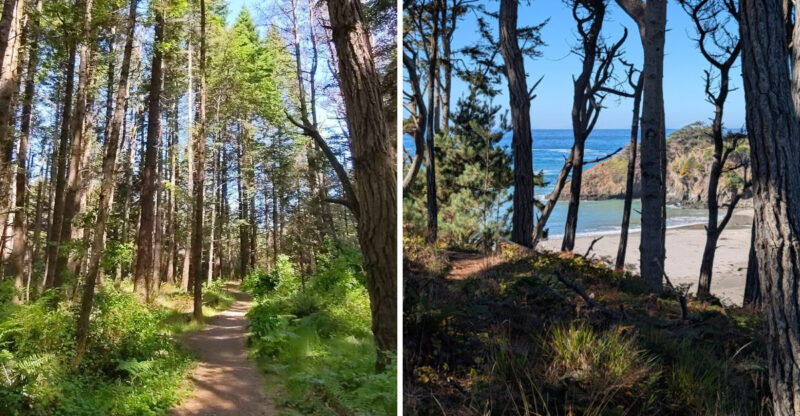
Green stretches out in every direction. Trees rise overhead. Light filters through leaves and lands in quiet patterns along the trail. There is a rhythm here that feels steady and grounding. Not forced. Not curated for show. Just real.
People come looking for a walk. They leave with something more. A pause. A reset. A reminder of how good it feels to step away from everything else for a while. At some point, the outside world stops pulling for attention.
There are places in California that feel like a true reset, and once you find one, it stays with you.
Paths open up in unexpected ways. Seasonal color keeps everything changing. Wildlife moves quietly through the background. Nothing asks for attention, yet everything holds it.
Time moves differently here. That is exactly what makes it worth coming back to.
Over 20 Distinct Garden Collections
Few public gardens pack as much variety into a single visit as the UC Davis Arboretum and Public Garden at 448 La Rue Rd, Davis, CA 95616.
Spread across its 100-acre grounds are more than 20 distinct garden collections, each representing a different part of the world or a specific horticultural theme.
Visitors can move from a California native plant section to an Australian garden within just a short walk.
Collections also highlight plants from South Africa, the Mediterranean region, and other areas with summer-dry climates similar to California’s Central Valley.
Each garden area tends to feel distinct, with its own textures, colors, and plant heights creating a sense of arrival as visitors move through the space.
Small labeled signs throughout the collections help identify plants by name and origin.
For anyone curious about which plants might work in a home garden, the collections serve as a living reference guide.
Spring tends to be the most vibrant season, when many plants are actively blooming and the variety of colors across the different sections is especially noticeable.
A single loop through all the collections could easily fill a relaxed two-hour morning.
Mediterranean Climate Plant Adaptation
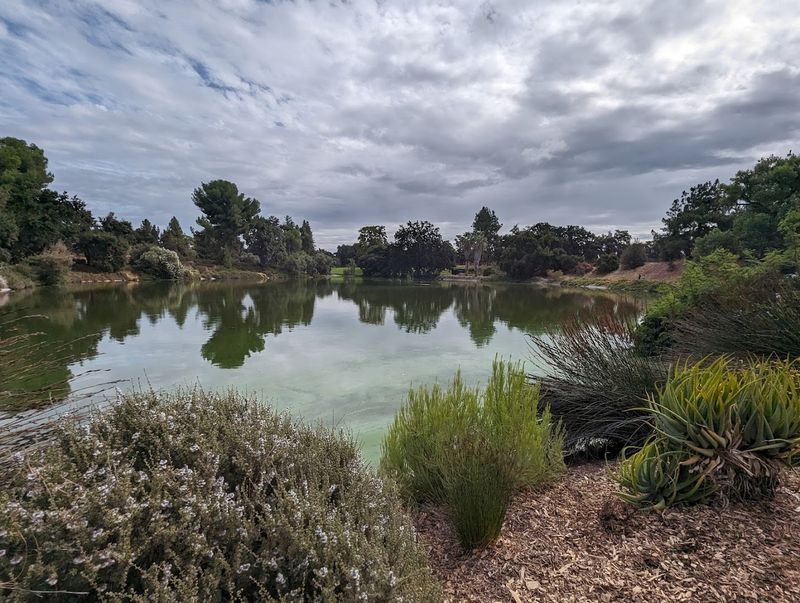
Hot dry summers and cool wet winters define the climate of California’s Central Valley, and the UC Davis Arboretum was designed specifically around those conditions.
Every plant in the collection was selected because it can thrive without excessive irrigation once established, making the arboretum a practical model for sustainable landscaping.
That focus on climate-adapted plants gives the whole garden a grounded, purposeful feel.
For homeowners and gardeners dealing with California’s water restrictions, a walk through these collections can be genuinely eye-opening.
Plants that look lush and full in spring here are often the same ones that can handle a dry August without much help.
The arboretum serves as a working demonstration of what responsible planting in inland California could look like.
Textures vary widely across the Mediterranean-climate sections, from smooth-barked trees to plants with silver or waxy leaves that help them retain moisture.
The combination of shapes and tones creates a landscape that feels intentional rather than random.
Visiting in spring allows guests to see these plants at their most active before the summer heat settles in.
Deep Historical Roots On The Land
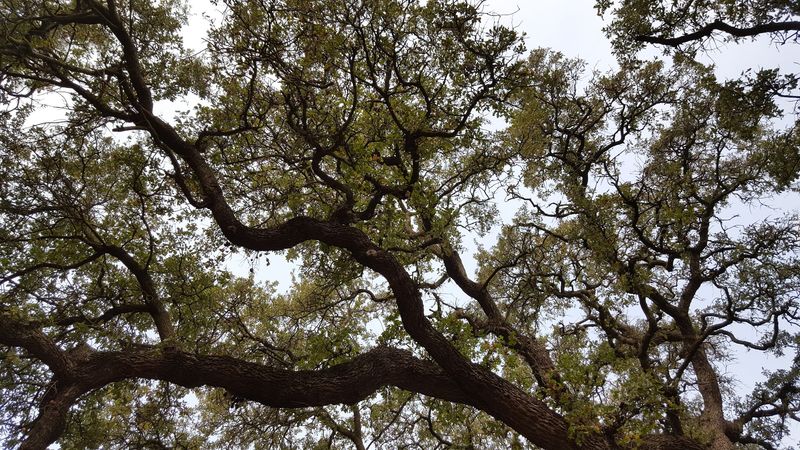
Long before the arboretum was established in 1936, the land along Putah Creek held significant meaning.
The site was once home to the Patwin people, an Indigenous group with deep ties to the Central Valley region.
That history adds a layer of context that goes beyond plants and garden design.
Still standing within the arboretum grounds is an ancient oak tree that once served as a boundary marker on an early Mexican land grant.
Remnants of the original wagon trail that connected the eastern United States to San Francisco also pass through the area, giving the site a quiet sense of layered time.
Walking along the waterway, it is easy to forget how much history the ground beneath the path holds.
Interpretive signage around the arboretum acknowledges some of this background, though visitors who come with curiosity about the land’s past may find it rewarding to do a little extra research before their visit.
The combination of natural beauty and historical depth makes the arboretum more than just a pleasant walk. It is a place with stories woven into its roots.
The 3.5-Mile Arboretum Waterway Loop
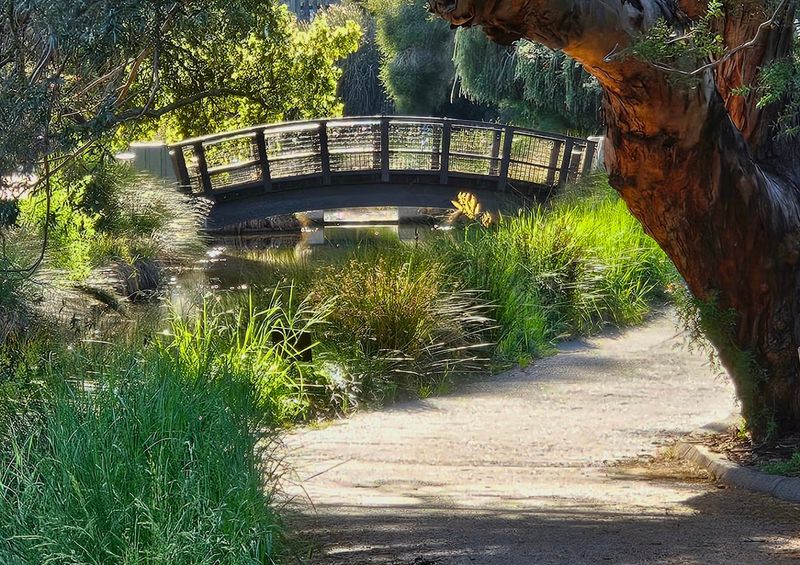
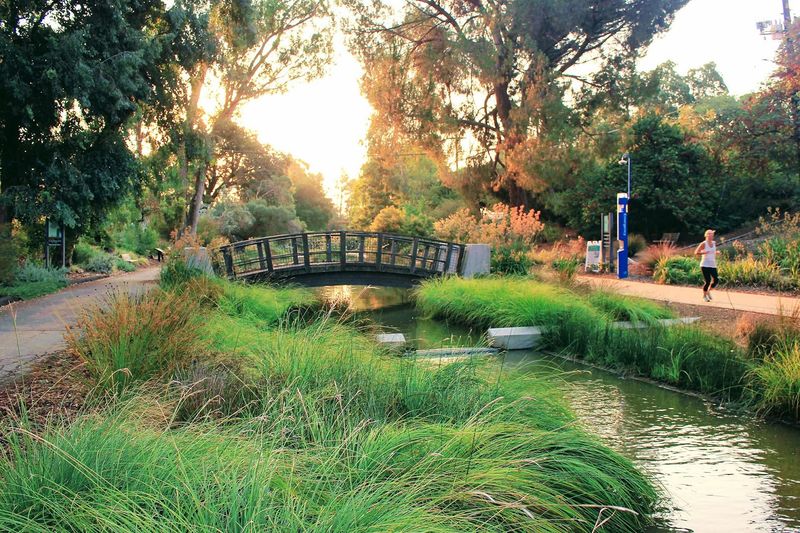
Running the full length of the arboretum is a 3.5-mile paved loop that follows the Arboretum Waterway, making it one of the most accessible and popular routes on the UC Davis campus.
Walkers, joggers, and cyclists all share the path, and on weekday mornings the pace tends to be calm and unhurried.
Weekends bring a bit more foot traffic but the loop is wide enough to feel comfortable throughout.
The path winds past garden collections, open grassy areas, and stretches of the old Putah Creek channel, offering a changing view around nearly every bend.
Shade from mature trees covers a good portion of the route, which makes a significant difference during warmer spring afternoons.
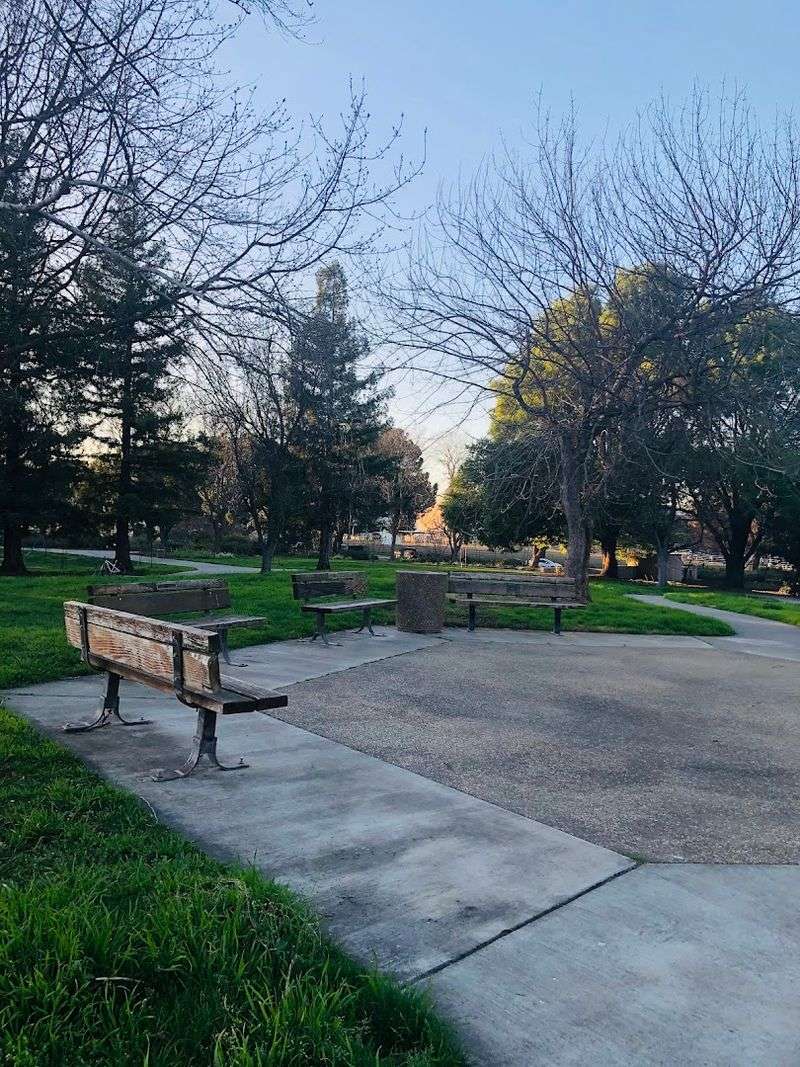
Benches are scattered along the way for anyone who wants to stop and sit for a while.
The full 3.5-mile loop is manageable for most fitness levels and tends to take between one and two hours depending on pace and how often visitors stop to look at plants or wildlife.
Shorter out-and-back sections of the path work well for those with limited time or mobility. The waterway itself adds a calming visual rhythm to the entire walk.
Spring Bloom Calendar Highlights
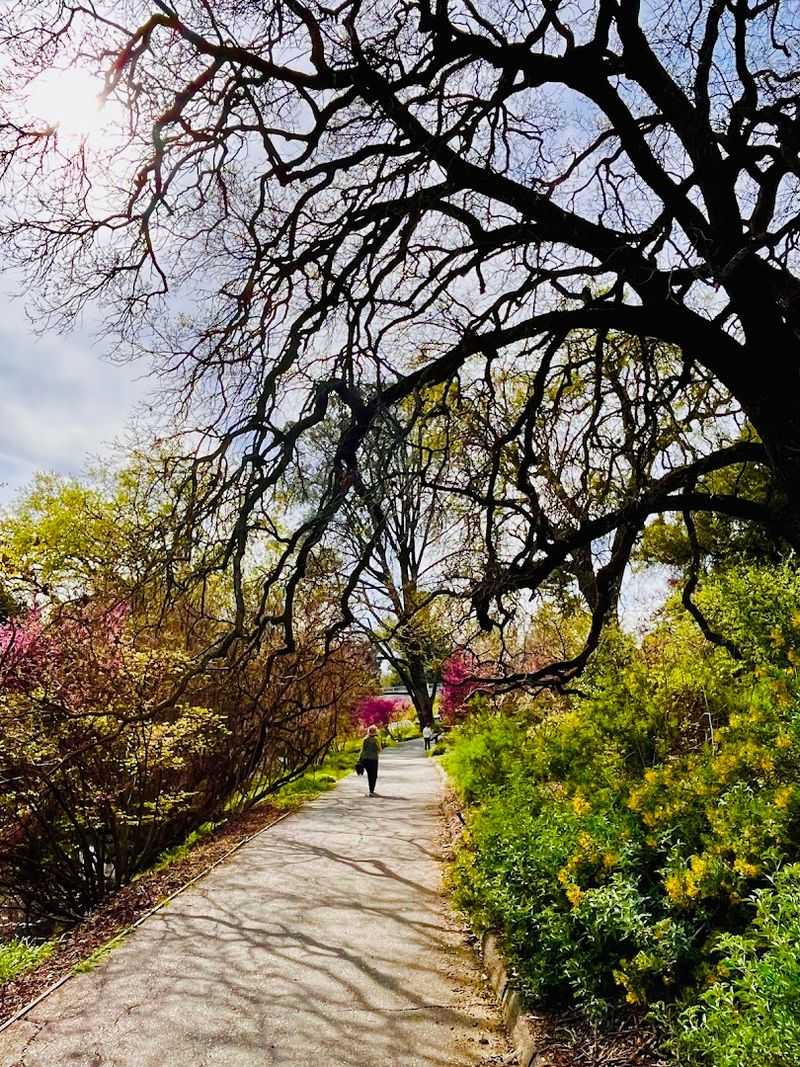
Spring arrives with real energy at the UC Davis Arboretum, and the bloom calendar the arboretum publishes each year helps visitors plan their timing around the most colorful displays.
Early spring typically brings forsythia, redbud, acacia, and California poppy into full color, each adding its own distinct hue to the landscape.
The redbud trees in particular tend to be a crowd favorite, with their bright magenta blossoms appearing before the leaves even open.
As the weeks progress, different sections of the arboretum cycle through their peak bloom periods, meaning a visit in late March can look quite different from one in early May.
The bloom calendar is available on the arboretum’s website and is updated to reflect current conditions, making it a useful planning tool for first-time visitors.
Checking it before heading out could make the difference between catching a peak display or just missing it.
Spring light in the Central Valley tends to be soft and golden in the morning hours, which makes the blooms especially photogenic during that time.
Bringing a camera or simply taking time to slow down and look closely at individual flowers can turn a simple walk into something more memorable.
The seasonal rhythm of the bloom calendar gives every return visit a fresh reason to come back.
The GATEways Project And Community Gardens
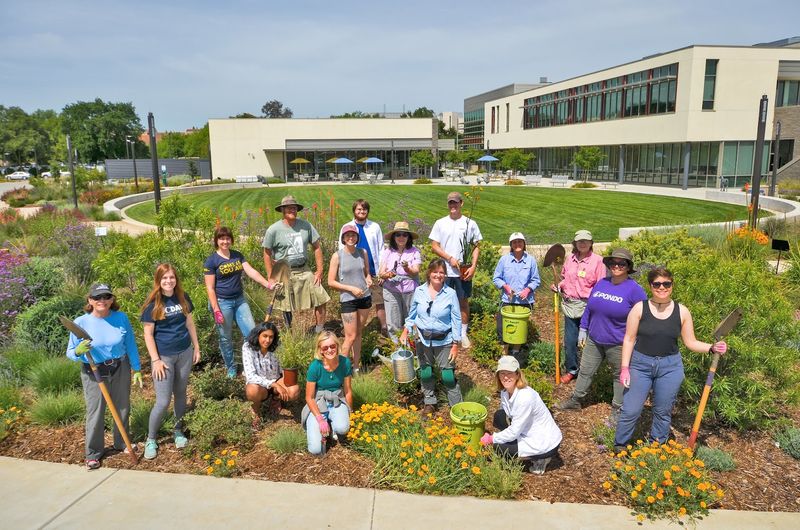
One of the more distinctive aspects of the UC Davis Arboretum is how deeply it is connected to the academic life of the university.
Through a program called the UC Davis GATEways Project, which stands for Gardens, Arts, and The Environment, the arboretum partners with academic departments, students, and community members to create gardens with a specific purpose.
Each GATEways garden tends to reflect a theme tied to sustainability, culture, or environmental education.
The gardens created through this collaboration are scattered across the broader UC Davis campus, extending the arboretum’s reach beyond its core 100-acre footprint.
Visitors who explore beyond the main waterway loop may come across these spaces tucked between buildings or along campus pathways.
They add an element of discovery to a visit, especially for those who enjoy connecting green spaces to broader community values.
The GATEways Project also reflects a broader commitment at UC Davis to using the campus landscape as a teaching tool.
Plants are not just decorative here but are chosen to communicate ideas about climate, ecology, and human relationships with the natural world.
For anyone interested in how public gardens can serve a community beyond recreation, the GATEways spaces offer a thought-provoking addition to the standard arboretum visit.
Learning By Leading Student Internship Program
More than 120 UC Davis students participate each year in the arboretum’s Learning by Leading internship program, making it one of the more hands-on environmental education opportunities available on any university campus in California.
The program covers nine different focus areas, ranging from sustainable landscape management to horticulture, communications, and environmental leadership.
Students gain real-world skills by working directly in the garden rather than just reading about it in a classroom.
The presence of student interns gives the arboretum a lively, purposeful energy that sets it apart from more passive public garden experiences.
Visitors may notice students actively tending to plant collections, conducting research, or leading educational activities on the grounds.
That visible commitment to learning and stewardship tends to make the space feel well cared for and genuinely alive.
For prospective UC Davis students or parents curious about experiential learning opportunities, the Learning by Leading program is worth knowing about.
It represents a model of education that treats the natural environment as a classroom and values practical skill-building alongside academic knowledge.
The program has been running long enough to have shaped how many graduates think about environmental responsibility and land stewardship in their professional lives.
Picnic Areas And Visitor Amenities
Spending a few hours at the arboretum is made easier by the practical amenities spread across the grounds.
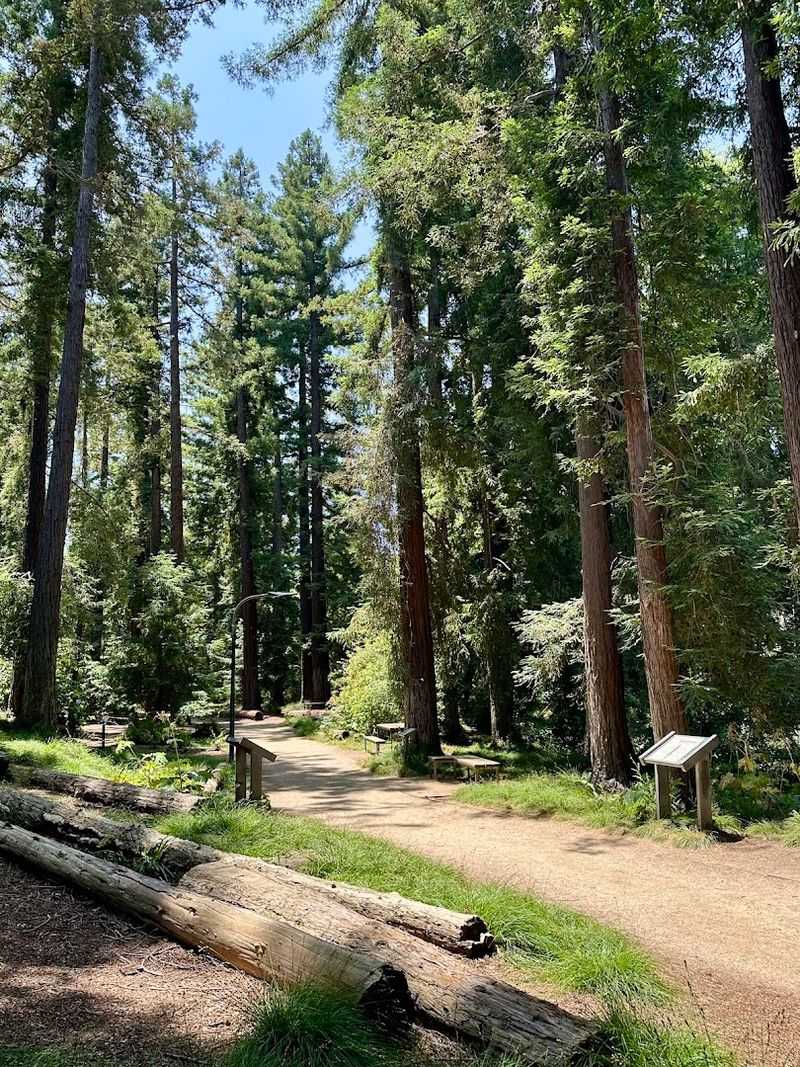
Picnic tables are available in two main areas: the Arboretum Terrace Garden on the east end and the Redwood Grove, which offers a naturally shaded setting beneath tall redwood trees.
Both spots tend to feel calm and unhurried, making them good choices for a midday break.
Public restrooms are located at three points along the route, including the Arboretum Gazebo, the Arboretum Headquarters, and the Arboretum Terrace Garden.
Having restrooms distributed across the grounds rather than concentrated in one spot makes the full 3.5-mile loop more comfortable for families, older visitors, and anyone planning a longer stay.
Knowing where these stops are before heading out helps with planning.
The arboretum headquarters building, located at 448 La Rue Rd, Davis, CA 95616, serves as a central point of reference for visitors who have questions about the grounds or want printed maps.
The space is approachable and the staff can typically point visitors toward current bloom highlights or accessible routes.
Bringing a reusable water bottle and a light snack makes the experience feel more relaxed and self-contained.
Accessibility Across The Grounds
Not every corner of the arboretum is equally easy to navigate, but two sections stand out for their accessibility.
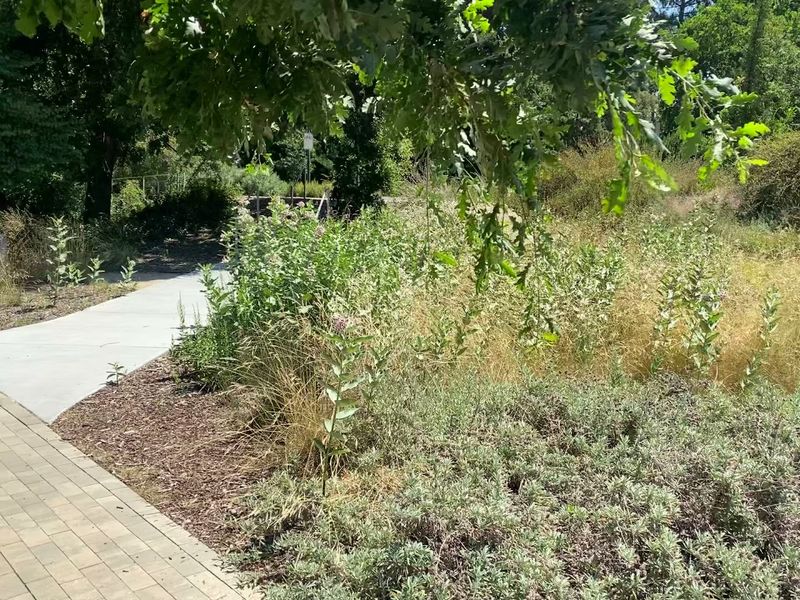
The west end of the arboretum and the Arboretum Terrace Garden at the east end are both level and paved, making them the most suitable areas for visitors using wheelchairs or those with limited mobility.
These sections still offer a meaningful and visually rich experience even without covering the full loop.
The main paved path along the waterway is generally smooth and wide enough to accommodate mobility aids, though some areas along the route may have slight inclines or uneven surfaces depending on tree root growth or maintenance cycles.
Visitors who want to plan an accessible route in advance could contact the arboretum directly at (530) 752-4880 to ask about current path conditions.
That kind of preparation tends to reduce frustration and allows for a more relaxed outing.
Accessible restrooms are available at the Arboretum Terrace Garden, which is also one of the most level and open sections of the grounds.
Parking on weekends is free and available in campus visitor lots, which reduces one logistical barrier for visitors arriving by car.
The arboretum’s open layout and flat sections make it a genuinely welcoming destination for a wide range of mobility needs.
Wildlife Habitat Along The Waterway

The waterway running through the arboretum does more than add visual appeal to the walking route.
It functions as a genuine wildlife habitat, supporting a variety of species that visitors can observe from the path without disturbing them.
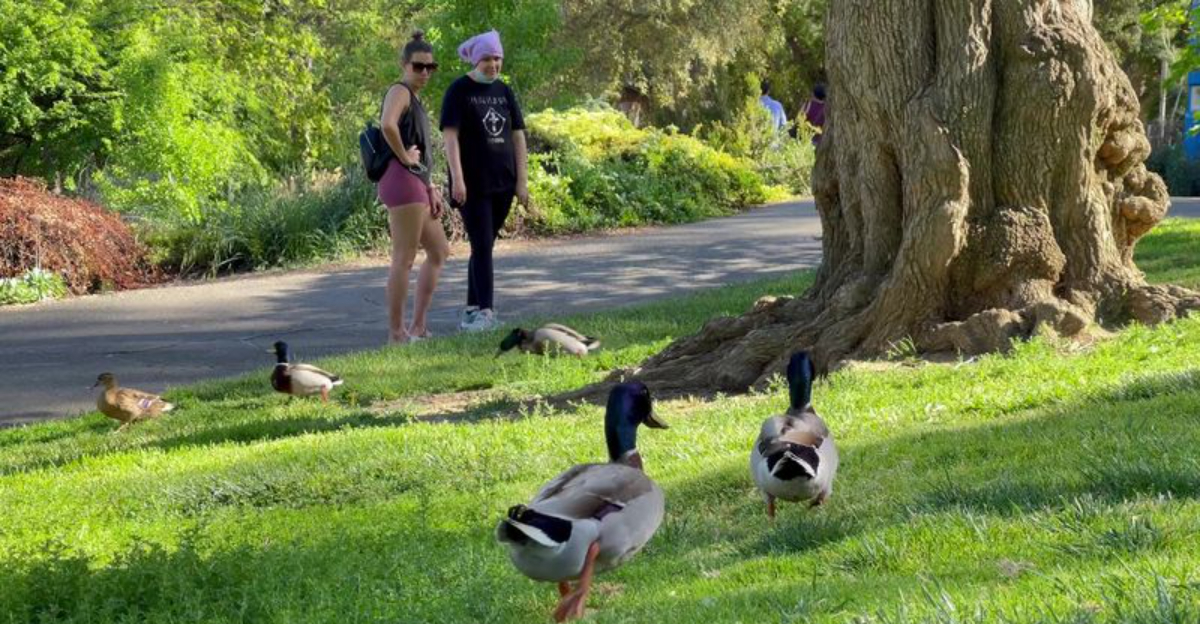
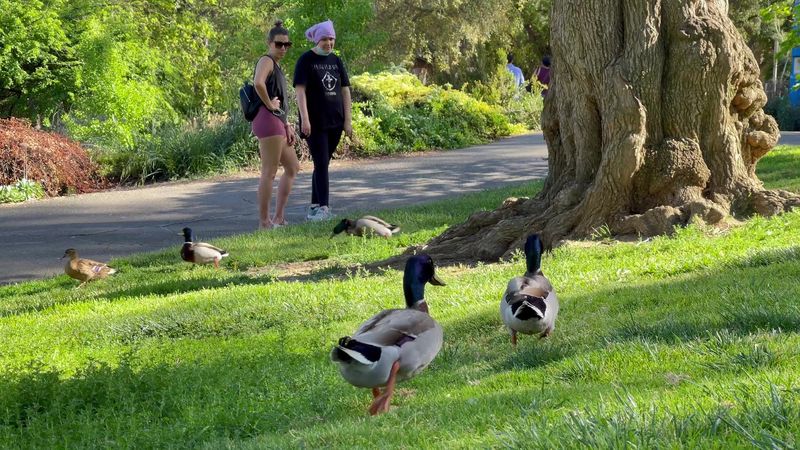
Egrets, herons, ducks, and geese are commonly seen along the water’s edge, and their presence gives the walk a quietly animated quality that feels different from a purely botanical experience.
The Western Pond Turtle has also been documented living in the waterway, though spotting one requires a slow pace and a patient eye.
These turtles tend to bask on rocks or logs near the water’s surface during warmer parts of the day, making midmorning visits the most likely time to catch a glimpse.
Bringing binoculars on a spring morning visit could make the wildlife-watching aspect of the trip noticeably more rewarding.
Bird activity tends to be highest in the early morning hours when the arboretum is quieter and the light is low and golden.
The combination of water, mature trees, and open grassy areas creates a layered habitat that supports both resident and migratory species throughout the year.
Spring migration season in particular can bring unexpected visitors to the waterway that are not commonly seen during other times of year.
Parking Options And Weekend Access
Getting to the arboretum requires a little planning on weekdays, since the arboretum does not operate its own dedicated parking lots.
Campus visitor parking is available in designated visitor lots for a daily rate of $17 on weekdays.
That fee covers a full day, so visitors planning a longer morning or afternoon visit get good value from the flat rate.
On weekends and holidays, parking in campus lots is free, which makes those days especially appealing for first-time visitors or families keeping an eye on costs.
The Davis Commons Shopping Center nearby also has a parking lot that some visitors use as a starting point, with a paved trail leading from there toward the arboretum along Putah Creek.
That approach adds a bit of walking distance but avoids any campus parking logistics entirely.
For visitors arriving by bike, the arboretum is well connected to Davis’s extensive cycling network, and the city is widely considered one of the most bike-friendly in the country.
Locking up a bike and walking through the garden is a common and practical approach for local residents.
Planning the parking situation ahead of time tends to make the visit feel smoother and more enjoyable from the moment of arrival.
Open 24 Hours Every Day Of The Year
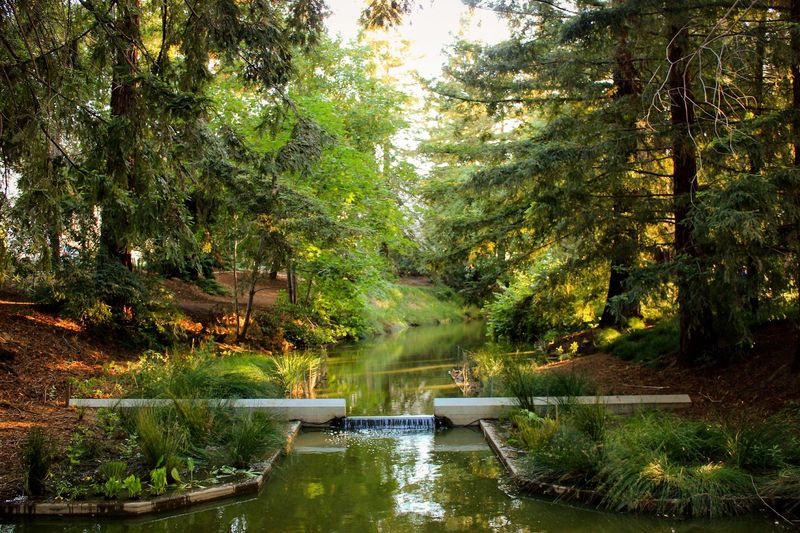
One of the most practical and appealing things about the UC Davis Arboretum is that it never closes.
The gardens, natural areas, and walking paths are open to the public 24 hours a day, every single day of the year, with no admission fee required.
That kind of unrestricted access is genuinely rare among public gardens of this size and quality.
Early morning visits before the rest of the campus wakes up tend to offer a particularly peaceful experience, with birdsong, low light filtering through tree canopies, and very few other people on the path.
Evening visits in spring can feel equally special, especially in the hour before sunset when the light turns warm and long shadows stretch across the garden beds.
The flexibility to visit at any time removes one of the most common barriers to enjoying a natural space regularly.
For Davis residents, the arboretum functions almost like an extended backyard, a place to decompress after work, take a quick lunchtime walk, or simply sit quietly for a few minutes without needing to plan ahead.
Visitors from out of town may find that arriving early in the morning before heading to other destinations makes for a genuinely refreshing start to the day.
The always-open policy reflects a real commitment to making nature accessible to everyone.