This California Bakery Makes Bread With Grain Grown On Its Own Family Farm
Most bakery stories begin with flour arriving in a bag. This one starts much earlier, out in the fields where the grain itself is grown.
That connection gives an everyday loaf a surprisingly long backstory. Farming, milling, and baking become parts of the same process rather than completely separate worlds.
Few California bakery cases come with a farm story baked this deeply into every loaf.
It also makes bread feel a little less ordinary. The grain has already been through an entire journey before the dough is mixed, shaped, and finally sent into the oven.
You do not need to know anything about wheat varieties or milling to appreciate the idea. A warm loaf is convincing enough on its own.
Still, knowing that its story began on the bakery family’s own farm makes tearing off that first piece considerably more interesting.
Grain With Six Generations Of Farming Behind It
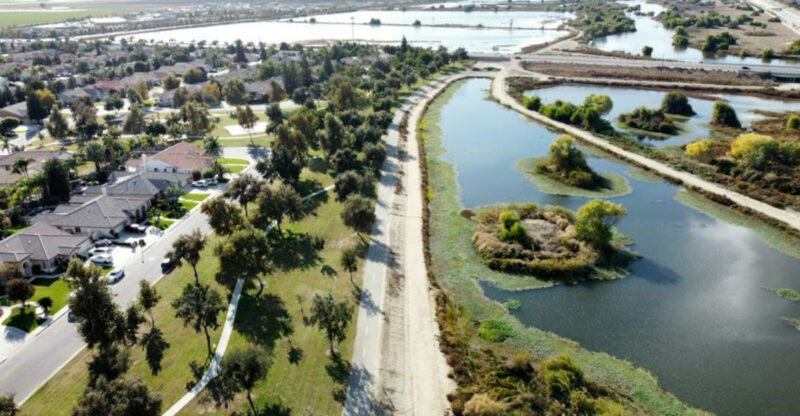
Farm roots run deep behind every loaf at this bakery. The founder grew up in a family that has farmed in the Central Valley of California for six generations.
Her brother now grows wheat specifically for the bakery through Bowles Farming Company, the family operation near Los Banos.
A farm that has worked the same land for generations tends to know its soil, its water, and its weather patterns very well.
Growing wheat for a single bakery is a different job than growing a crop for a huge commercial buyer, and the family connection makes close teamwork possible.
Most city bakeries buy flour from large mills and never meet the people who planted the grain.
Here the farmer and the baker share a family tree, so questions about a harvest or a new variety can travel quickly from field to kitchen.
Bread starts to feel less like a product and more like part of a larger family story.
Shoppers who enjoy knowing the origin of their food may find this detail especially satisfying.
A slice of toast in San Francisco can be traced back to a specific farm a few hours away. Few everyday foods offer that kind of clear and simple trail from the ground to the plate.
Going All The Way Back To The Seed
Think about the usual path of a loaf of bread for a moment. A bakery orders flour, mixes dough, and bakes, with the earlier steps handled by strangers.
Jane Grain flips that routine by calling itself a seed-to-sandwich grain program.
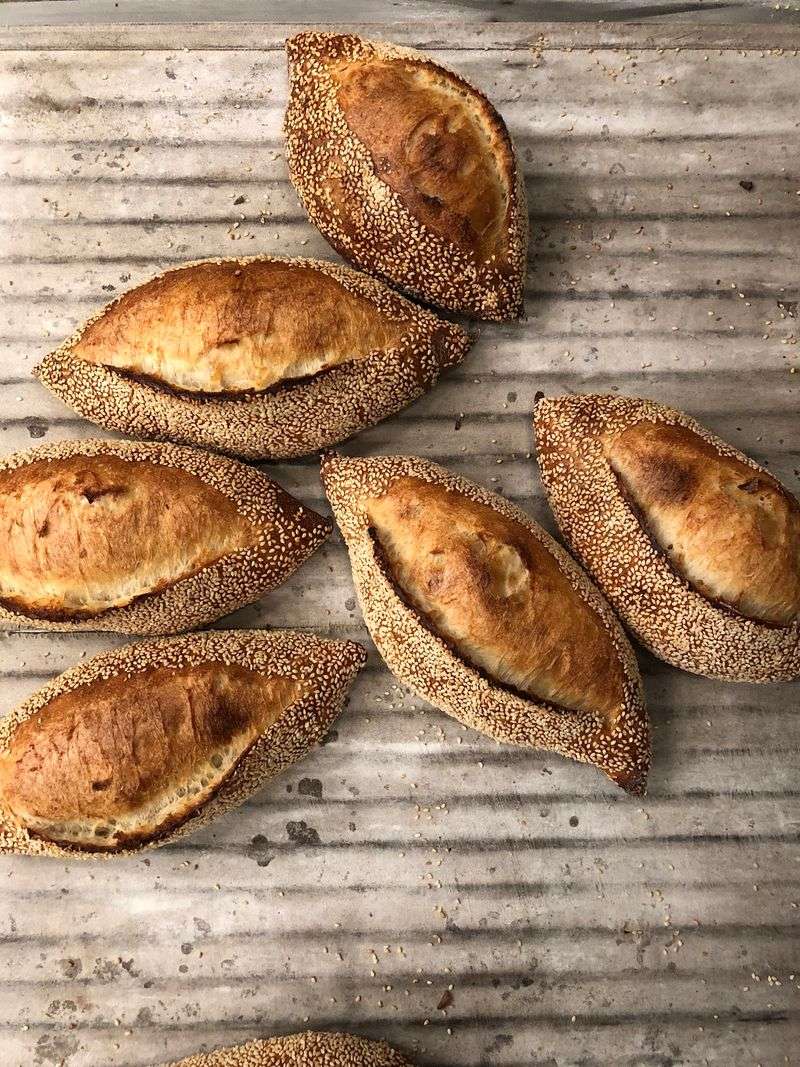
The idea is straightforward and surprisingly rare. Instead of starting with bags of commercial flour, the bakery is involved in growing the grain, milling it, and finally turning it into bread.
Every stage of the journey has a connection to the same team and the same family farm.
So why would a bakery take on so much extra work?
Controlling the whole chain gives bakers a better understanding of how a specific crop behaves once it becomes dough.
Flour from a single known source can be studied, adjusted, and improved over time in a way that random shipments cannot.
The phrase seed to sandwich also hints at something practical, since much of the bread ends up in sandwiches sold right at the counter.
A lunch order can include grain that was planted, harvested, ground, and baked by one connected operation. That loop is the heart of what makes the program stand out.
November 2023 And The Very First Planting
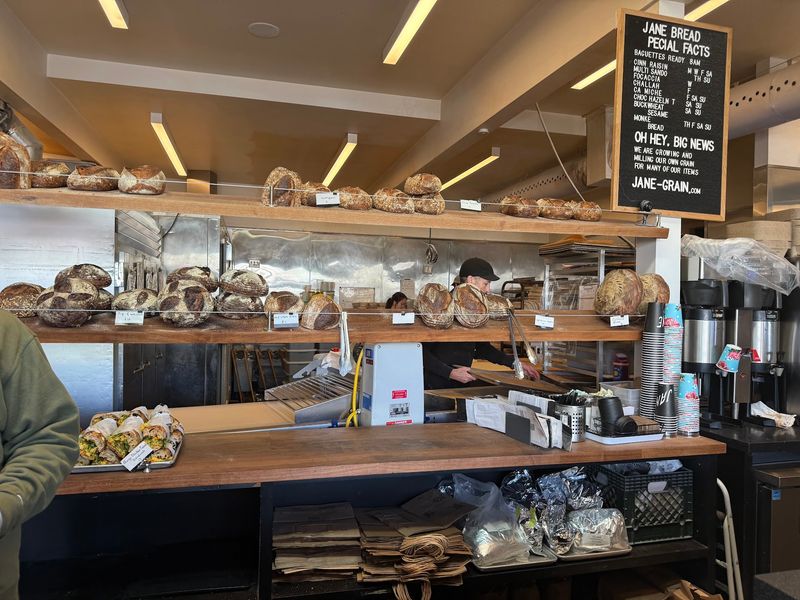
Every big project starts with a single step, and for Jane Grain that step happened in November 2023.
Two wheat varieties went into the ground first, Yecora Rojo and Desert King Durum. Both are wheats suited to growing in California.
Wheat in the Central Valley is commonly planted in the cooler months and harvested once the weather turns hot and dry.
The first crop followed that rhythm and was harvested in late summer 2024. After the harvest, the bakery began milling the grain and baking with it.
A timeline like that shows how much patience goes into a single loaf.
Close to a full year passed between planting and the first bread made from the harvest. Weather, water, and timing all play a role, and none of those can be rushed.
Yecora Rojo is a hard red wheat, a type often chosen by bakers because it can build strong dough.
Durum, by contrast, is the wheat traditionally linked with pasta, though it can bring color and character to bread as well.
Seeing both chosen for the debut harvest suggests the bakery wanted range from the very beginning.
A Stone Mill That Never Takes A Day Off
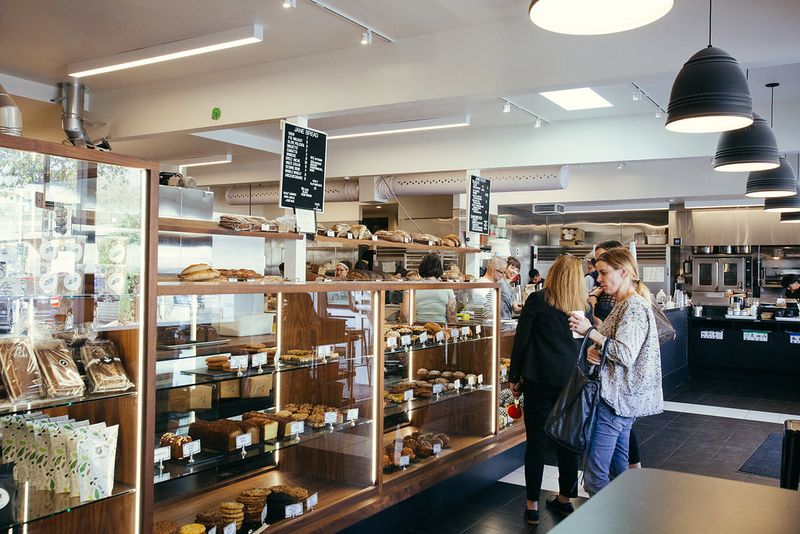
Fresh flour is a little like fresh coffee beans. Once grain is ground, its oils and aromas start to change, which is why some bakers prefer milling close to baking time.
Jane Grain takes that idea seriously. The program now runs a larger mill from New American Stone Mills.
According to the bakery, the mill operates seven days a week. That schedule allows flour to be milled only days before it goes into a loaf.
Stone milling is an old method that crushes grain between heavy stones.
Whole grain flour from a stone mill often keeps more of the bran and germ, which can add color, flavor, and a slightly rustic texture.
Many home bakers notice that freshly milled flour smells nutty and sweet in a way that store-bought flour sometimes does not.
For shoppers, the practical takeaway is simple. Bread made with recently milled flour can taste brighter and more grainy, especially in whole wheat styles.
Toasting a slice is an easy way to bring those flavors forward at home.
The mill also explains why the program feels like a real working system rather than a one-time experiment.
Four Grains, Four Personalities
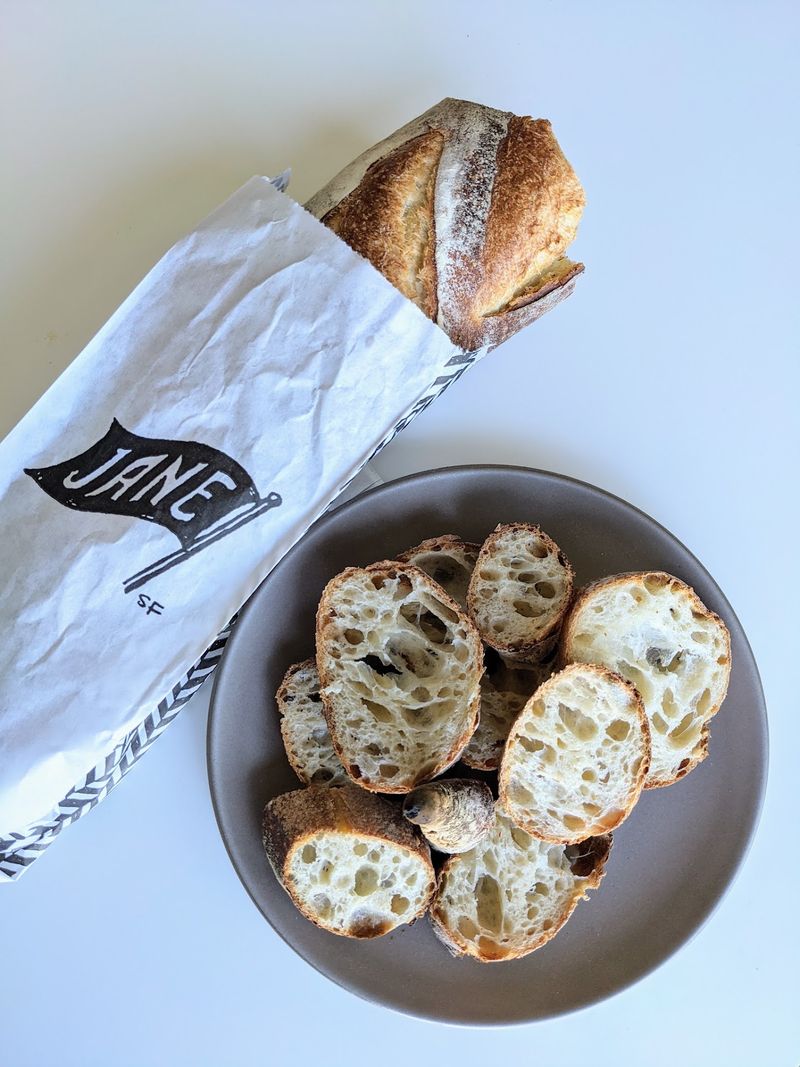
Wheat is not just one thing, and Jane Grain has been working with several distinctive varieties.
Its current program includes Yecora Rojo, Desert King Durum, Einkorn, and Emmer, while Khorasan has been planted in place of Desert King Durum for the 2026 harvest.
Each one brings something different to the bread.
The bakery describes Yecora Rojo as the backbone of its bread program. A dependable base grain gives bakers consistency from batch to batch.
Desert King Durum adds another dimension, since durum is known for its golden color.
Einkorn and Emmer are the true old-timers of the group. Both are considered ancient grains, meaning they were among the earliest wheats grown by people thousands of years ago.
The bakery notes that Einkorn and Emmer each bring their own distinctive characteristics to the mix.
Ancient grains have become popular with curious eaters who want flavors beyond plain white bread. Some people find them earthier or more complex, though taste is always personal.
Trying bread made with different grains side by side is a fun way to notice those differences firsthand.
A good tip is to taste a plain slice before adding butter or toppings. Small details in flavor and texture are easier to pick up that way.
Plenty Of Choices Past Plain Sourdough
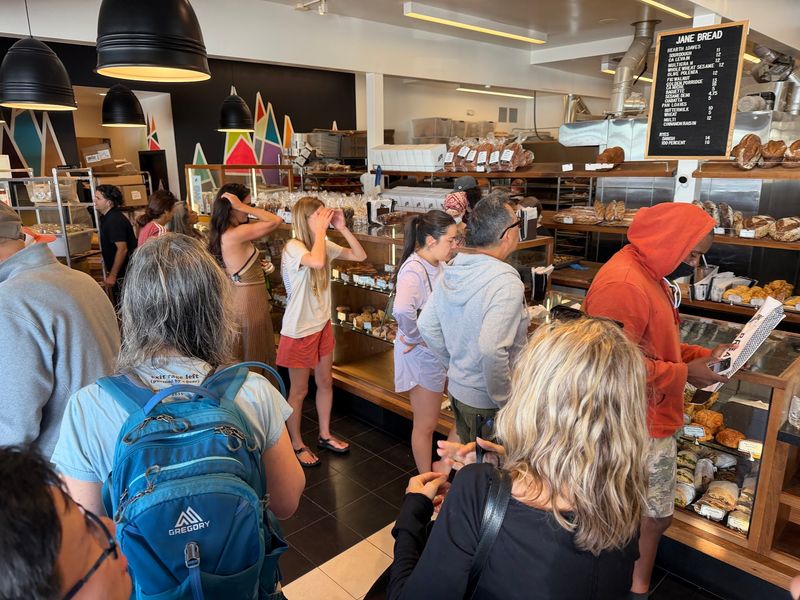
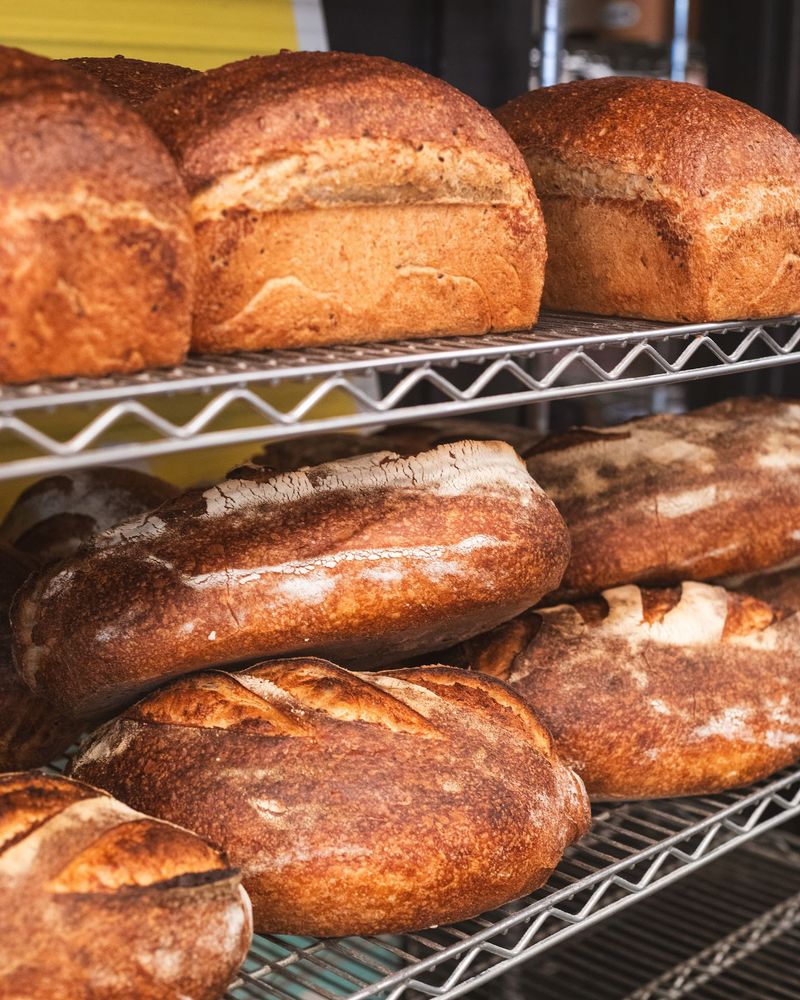
Walking up to the bread shelves can feel a bit like browsing a library. Sourdough is there, of course, but the selection stretches much further.
Current offerings listed by the bakery include fig walnut, olive polenta, and three-cheese rosemary.
Classic shapes appear too. Baguettes, ciabatta, and several sandwich breads cover everyday needs like lunches and dinner sides.
Ancient-grain bread, spelt miche, and Danish rye add darker and more rustic options. Each style suits a different meal.
Fig walnut may pair nicely with cheese, while olive polenta can work well with soup or salad.
Danish rye is traditionally dense and sliced thin, which makes it great for open-faced toppings.
Some selections rotate or appear only on particular days. That means the shelf on a Tuesday may not match the shelf on a Saturday.
Arriving earlier in the day also helps. Popular items can sell out as the afternoon goes on, so late visitors may find fewer choices.
The Pastry Case Pulls Hard Too
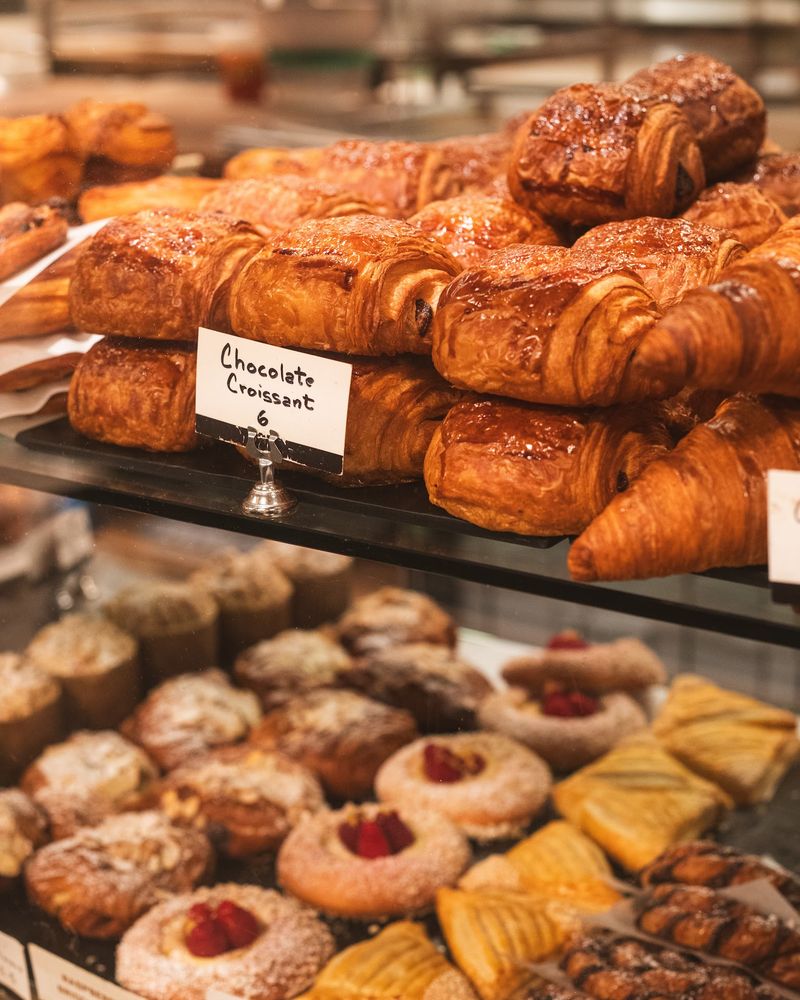
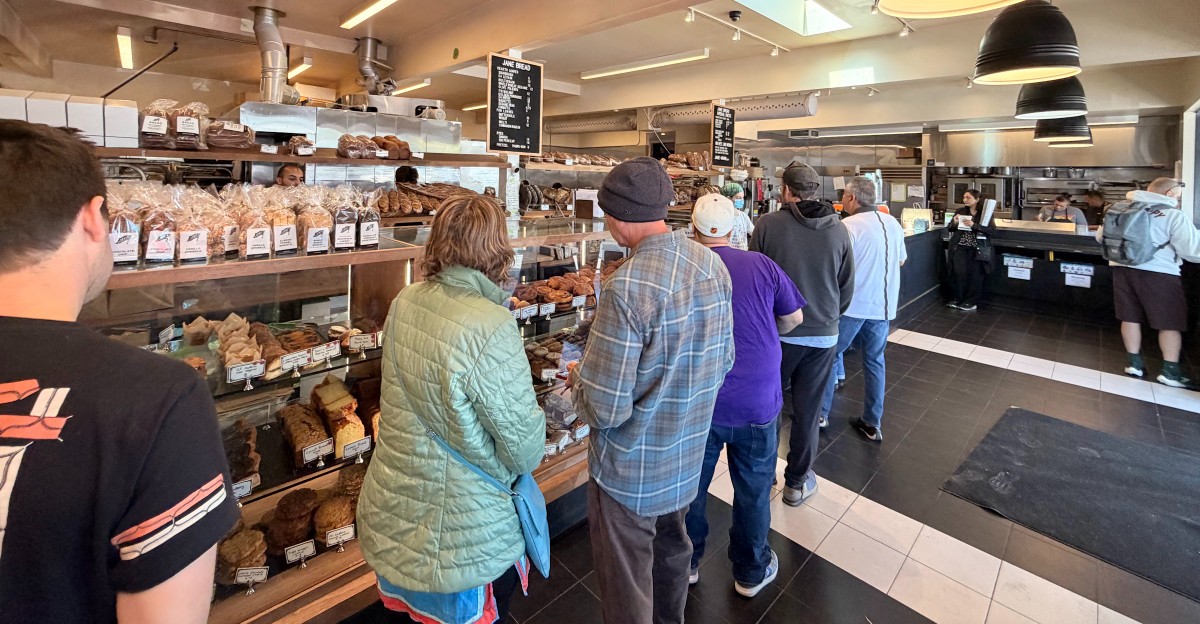
Bread may be the main story, but the pastry case often steals attention the moment people walk in. Rows of flaky, golden items line up behind the glass.
The bakery says its pastries are baked fresh daily.
Classic French-style favorites lead the way. Croissants and kouign-amann show off buttery layers that crackle when torn open.
Kouign-amann comes from Brittany in France, and its name roughly means butter cake in the Breton language. Sweet buns get plenty of space as well.
Cardamom buns, morning buns, and cinnamon rolls bring warm spice and sugar to the table.
Babka and raspberry brioche add softer, richer textures for anyone who prefers tender dough over flaky crust.
Seasonal creations also rotate through the case. New flavors may appear at different times of year, so repeat visits can feel different.
Timing makes a real difference with pastries. Croissants and other favorites can sell out, especially on weekend mornings, so earlier visits give the widest choice.
Where The Big Baking Began In 2016
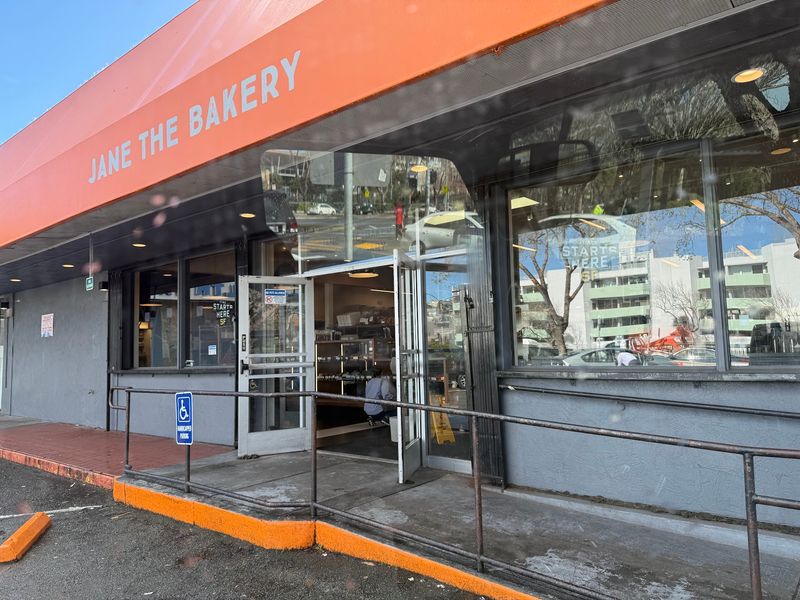
Growing businesses eventually need more oven space, and late 2016 brought exactly that.
Jane the Bakery opened at 1881 Geary Blvd, San Francisco, California 94115, giving the company room to expand its baking program.
The location still serves as a hub for bread and pastry production.
Several dozen varieties of bread are baked there today. Laminated pastries, the buttery layered kind like croissants, are made alongside the loaves.
Having so much baking under one roof helps supply other Jane locations around the area.
The shop keeps steady daily hours. It is listed as open from 7 AM to 5 PM every day of the week, though checking current hours before a visit is always wise.
Morning light often fills the space through large front windows. The shop is known as a modern, bright spot with fair-trade coffee and housemade baked goods.
Coffee and a pastry make a simple and satisfying pairing for an early stop.
Japantown is within walking distance, which makes combining errands or sightseeing easy. A short stroll before or after a visit adds some nice pacing to the morning.
Finding The Bread Around The City
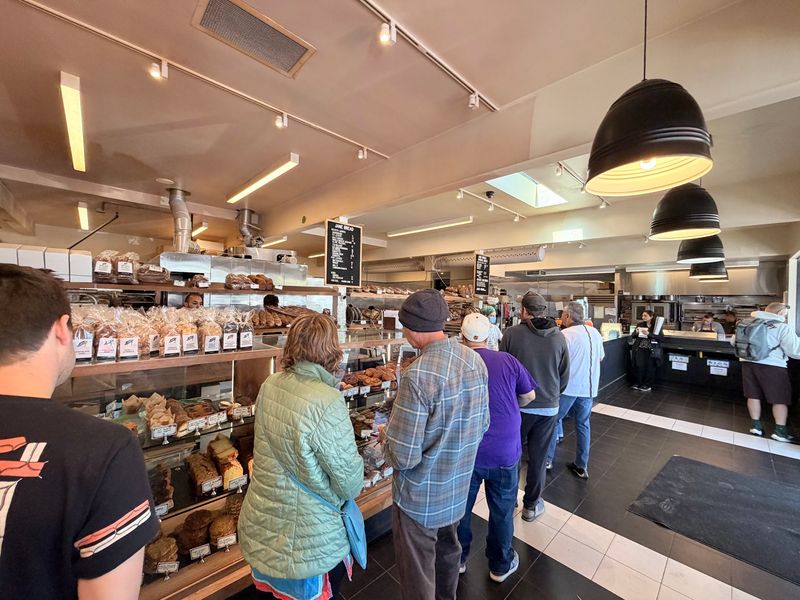
Good news for anyone who cannot make it to Geary Boulevard on a regular basis. Jane Grain bread is available across Jane locations.
The loaves also travel well beyond the company’s own cafés. According to Jane, its breads can be found at Bi-Rite Markets and Luke’s Local Markets.
Both are neighborhood grocers in San Francisco known for carrying local products.
Picking up a loaf during regular grocery shopping can be easier than making a special bakery trip.
Restaurants and cafés around San Francisco also serve Jane bread. A sandwich or toast order somewhere else may quietly feature grain grown on the family farm.
Asking a server where the bread comes from can lead to a pleasant surprise.
Selection at outside shops may be smaller than at the bakery. Markets usually stock a limited lineup, and the exact loaves can vary by store and by day.
Wider distribution also says something about the program.
Supplying markets and restaurants requires steady production, which the daily stone mill and family harvest help support.