This California Barbecue Joint Won Over Michelin With Brisket Worth Waiting For
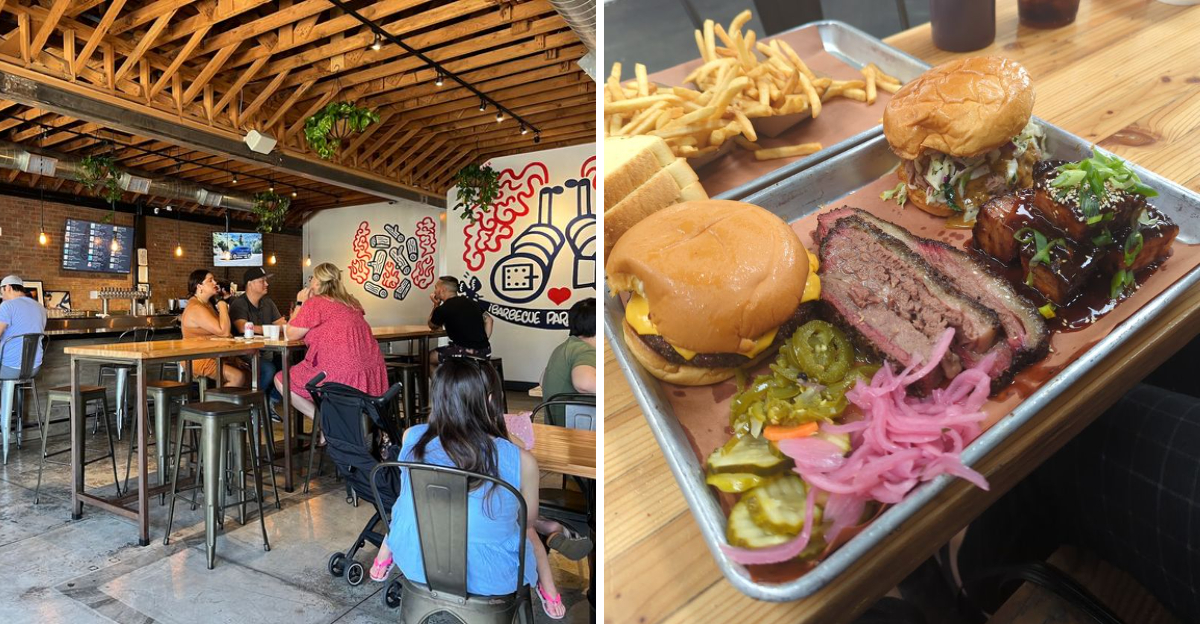
There are easier lunches in Los Angeles. This is for the day when easy is not the point.
You show up knowing the brisket has spent far longer getting ready for you than you will spend waiting for it.
Hours of smoke have done their work, leaving behind dark bark and slices tender enough to make the plastic tray underneath seem almost comically humble.
Michelin Guide recognition has put an even brighter spotlight on this California barbecue operation, but the cooking remains rooted in the slow, stubborn logic of good smoked meat.
Order by appetite, not optimism.
Brisket deserves space on the tray, though sausage, ribs, sides, and whatever special is available can complicate that plan quickly. Popular items may sell out, making an earlier arrival a smart move.
Then comes the wonderfully uncomplicated bit. Find a seat. Pick up a slice. Forget Michelin for a minute. The brisket gets to make its own case.
It Started With A Backyard Smoker
Long before a permanent address existed, the whole operation ran on a smoker parked at home.
Two cooks learned the rhythm of managing fire, wood, and time through trial and error, which is honestly the only way anyone learns barbecue.
Word spread the way it usually does with good food, through friends and neighbors who kept asking when the next batch would be ready.
Pop-up events came next, then catering jobs around Los Angeles that helped build a following one tray at a time.
Years of temporary setups taught lessons a business plan never could, including how much brisket a crowd can eat and how fast it disappears.
That experience shows up now in how smoothly the line moves and how the meat is portioned and sliced to order.
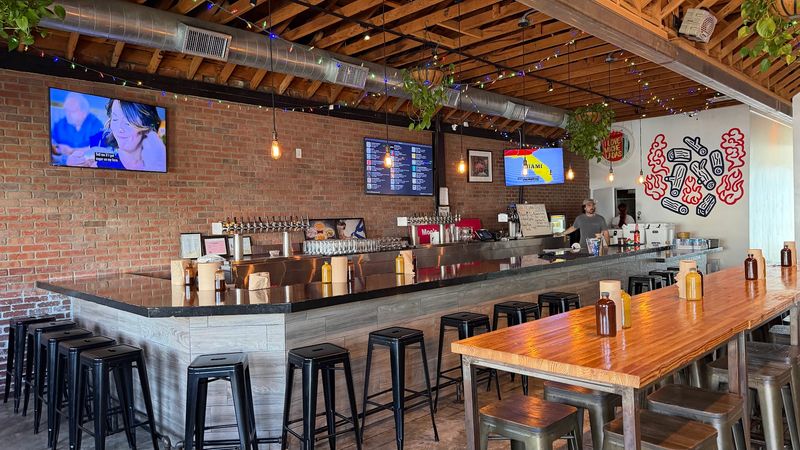
The permanent restaurant in Lincoln Heights carries traces of those early days. Tables are wooden, the setup is unfussy, and the focus stays squarely on what comes off the smoker rather than on decoration.
Knowing the backstory changes how the meal feels. A tray of brisket and sausage here represents years of weekend cooking, hauling equipment to events, and slowly earning trust from a city.
Michelin Put It On The California Food Map
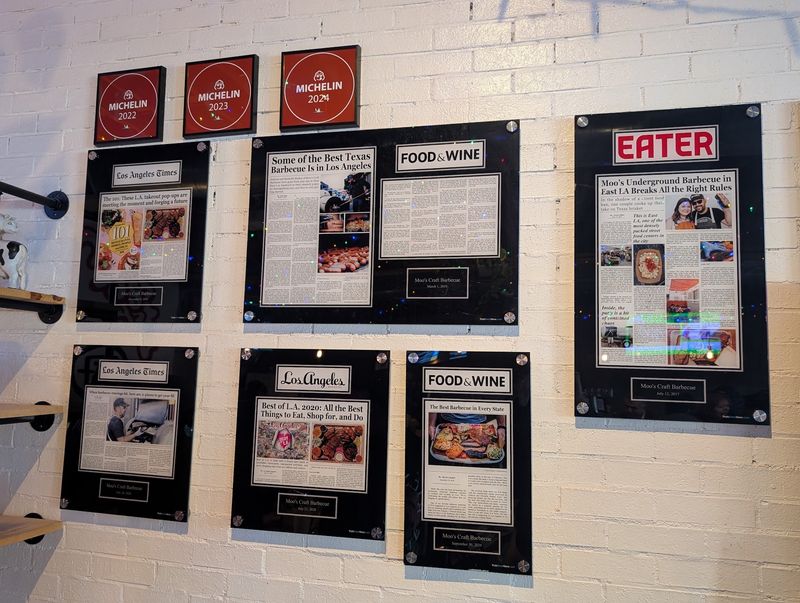
Recognition from the Michelin Guide does not always mean tablecloths and tasting menus.
Moo’s Craft Barbecue holds a Bib Gourmand listing in the 2026 Michelin Guide, a category reserved for kitchens that serve particularly good cooking at a good value.
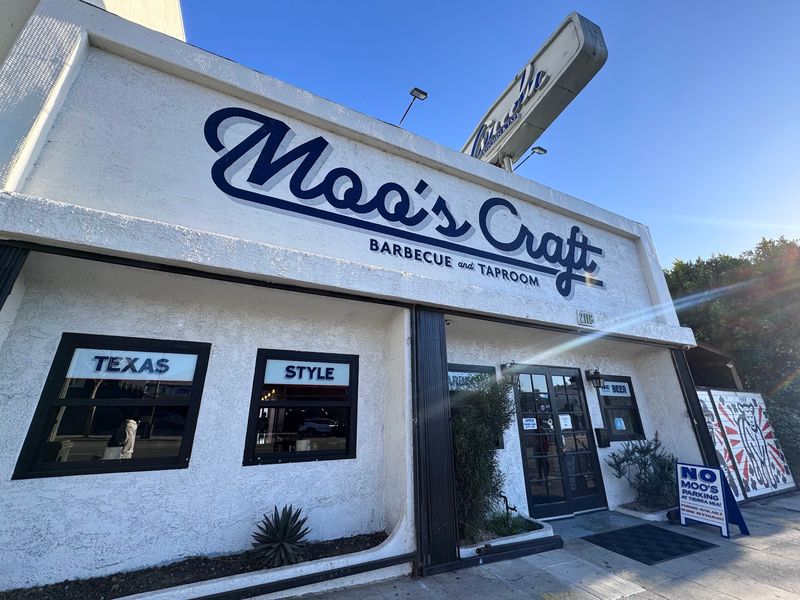
The restaurant sits at 2118 N Broadway, Los Angeles, CA 90031, in the Lincoln Heights neighborhood.
Parking is in a private lot behind the building across the alleyway, though it fills up and street parking nearby may be the backup plan.
Michelin inspectors singled out the brisket and its smoky salt-and-pepper crust, which tells you where the kitchen puts most of its attention. The listing also nudges visitors to arrive earlier in the day, since popular cuts can sell out.
A Bib Gourmand does not promise a fancy experience, and that suits this place well. Orders happen at a counter, food arrives on trays, and seating includes both indoor tables and an outdoor area.
For anyone mapping out a California food trip, the designation is useful shorthand.
It signals that the cooking has been evaluated by professionals who visit anonymously, which offers a steadier reference point than shifting online chatter about any single visit.
The Brisket Is The Main Event
Everything else on the menu orbits around one cut of beef.
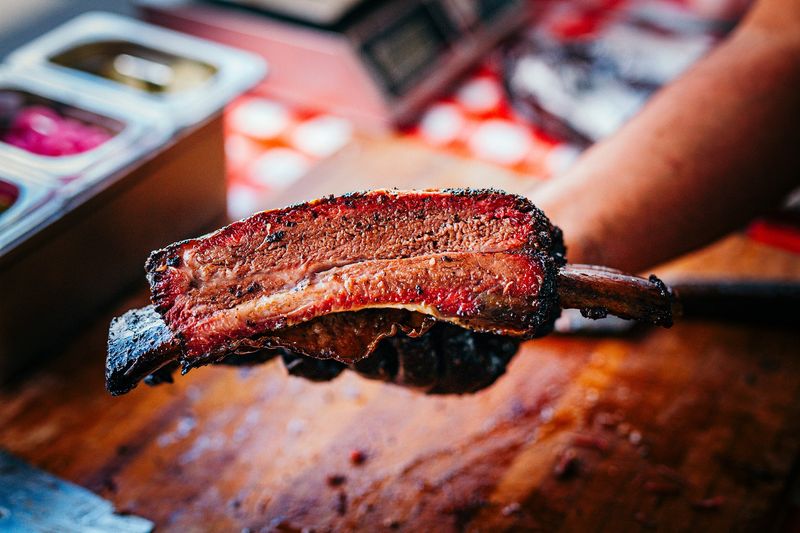
Prime-grade brisket gets seasoned simply with salt and pepper, then smoked low and slow over white oak until the fat renders and the bark turns dark and crusty.
Slicing happens to order, which keeps the moisture where it belongs instead of letting cut edges dry out under a heat lamp.
Ordering by weight is standard, and half-pound or full-pound portions are both common choices.
Michelin specifically highlighted that smoky salt-and-pepper crust, and it is the part most first-timers notice right away.
There is no heavy sauce needed, though house-made sauces sit within reach for anyone who wants them.
Barbecue is a living product, so texture can shift depending on the day and the individual cut. Asking for a fattier slice or a lean one is a normal request at a counter like this, and staff are used to it.
Because brisket takes many hours of smoking, supply is finite. Later arrivals sometimes find the day’s allotment thinning out, which is part of why the guide suggests coming early.
Central Texas Barbecue Gets A Los Angeles Spin
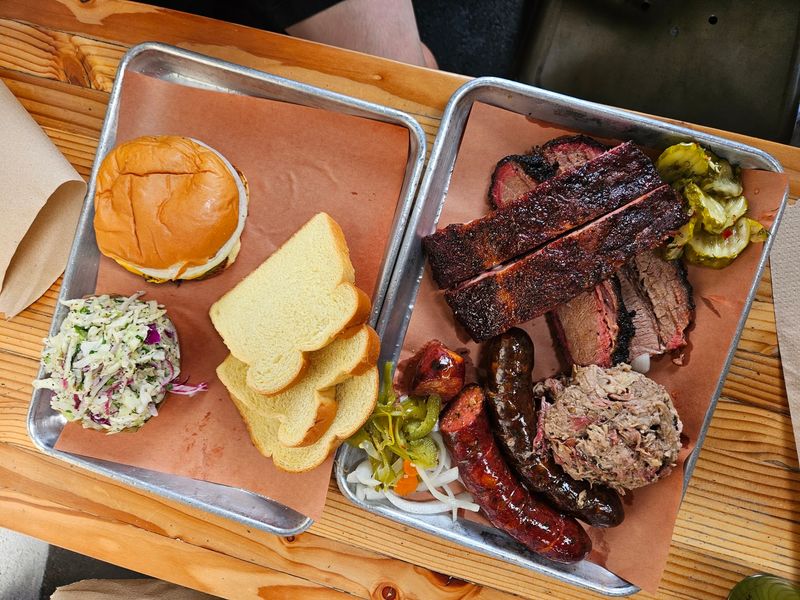
Anyone who has eaten their way through Central Texas will recognize the framework here.
Simple seasoning, hardwood smoke, meat sold by weight, butcher paper instead of plates, and very little interference from sauce.
Copying a Texas smokehouse move for move was never the plan, though.
California and Mexican-American flavors work their way into the menu through sides, sausage fillings, and rotating specials that would look unusual in Lockhart or Taylor.
Street corn style esquites, a poblano and Oaxaca cheese sausage, and kimchi fried rice all sit comfortably next to the brisket.
The blend feels natural rather than forced, since those flavors are simply part of eating in Los Angeles.
White oak does the heavy lifting on the smoke side, giving a cleaner and slightly milder character than mesquite. It suits beef well and lets the seasoning stay in the background where it belongs.
Understanding that mix helps with ordering.
Building a tray with one traditional item, one house-made sausage, and one side that reflects the local influence gives a fuller picture of what the kitchen is actually doing than sticking only to brisket.
The House-Made Sausages Deserve Their Own Order
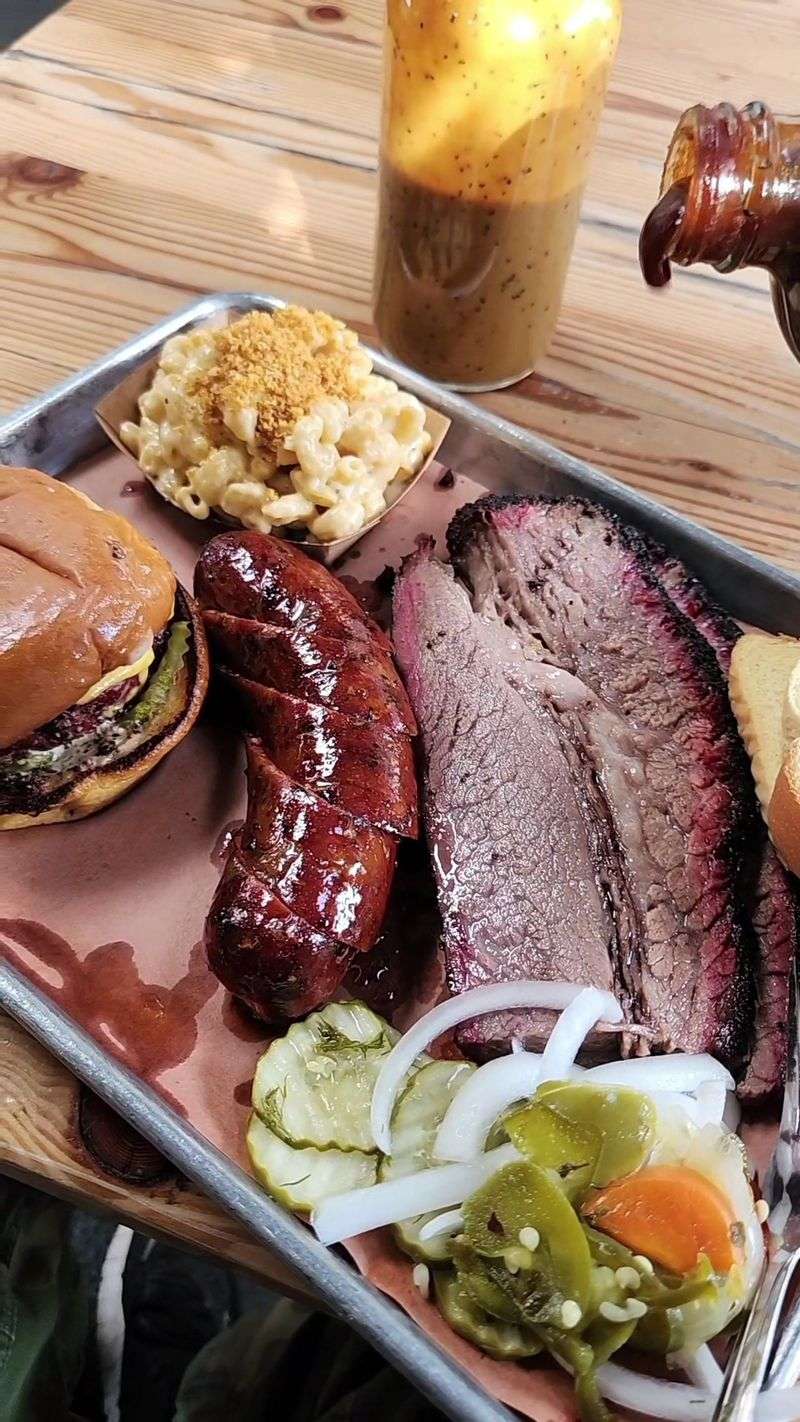
Sausage often gets treated as an afterthought at barbecue counters, tucked in as a filler item beside the beef. Not the case here, where links are made in house from pork and beef and given real thought.
Current options include a jalapeño-cheddar version and one built around fire-roasted poblano with Oaxaca cheese.
The second leans on a distinctly Mexican-American flavor set, with the cheese melting into pockets inside the link.
A good link has a snap to the casing, and that texture is part of the appeal. Slicing on the bias makes it easier to share and shows off what is happening inside.
Ordering sausage by the link rather than by weight keeps things simple. Adding one to a tray costs less than committing to another half pound of meat and adds variety without overwhelming the meal.
Availability can vary by day, as with most items that are made in limited batches.
Checking the counter menu on arrival is the easiest way to see which links are running, since specials rotate and the kitchen adjusts based on what has been prepared for that particular service.
The Sides Refuse To Play Second Fiddle
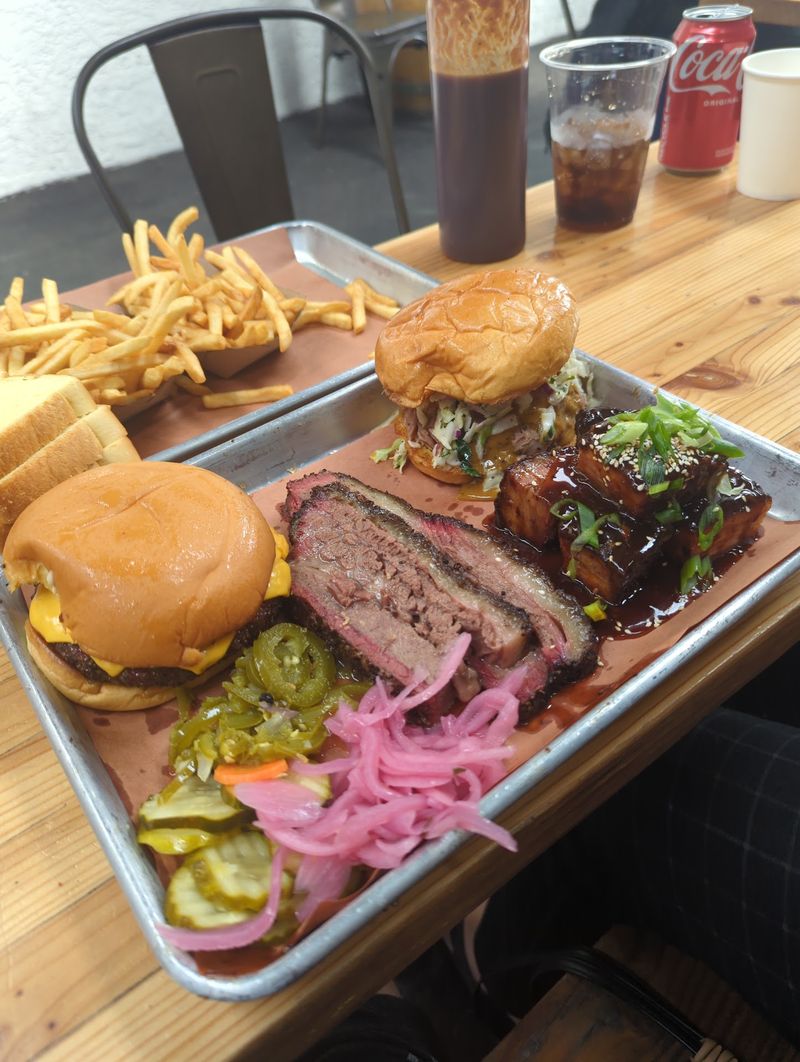
Sides at many smokehouses feel like obligations. The lineup here works harder than that, with options that could hold their own as a light meal.
Four-cheese mac and cheese is the crowd favorite, thick and creamy with noodles that keep some bite. Brisket-loaded beans fold trimmings from the star meat into something hearty and savory.
Red potato salad brings a tangy, cooler counterpoint that helps between rich bites of beef. Texas chili shows up as a warmer, spoonable option for anyone wanting something beyond a scoop of starch.
Pork belly kimchi fried rice is the most unexpected of the group and one of the more talked-about plates on the menu. Smoky pork belly and tangy kimchi give it a completely different personality from the rest of the tray.
Sizes generally come in small and large, and larger portions are built for sharing across a group. Ordering two or three sides for a table of three or four usually covers everyone without leaving a pile of leftovers.
Menu items rotate from time to time, so the exact list on any given day may differ slightly from what appears online. Reading the board before ordering saves confusion at the counter.
The Restaurant Is Only Open Four Days A Week
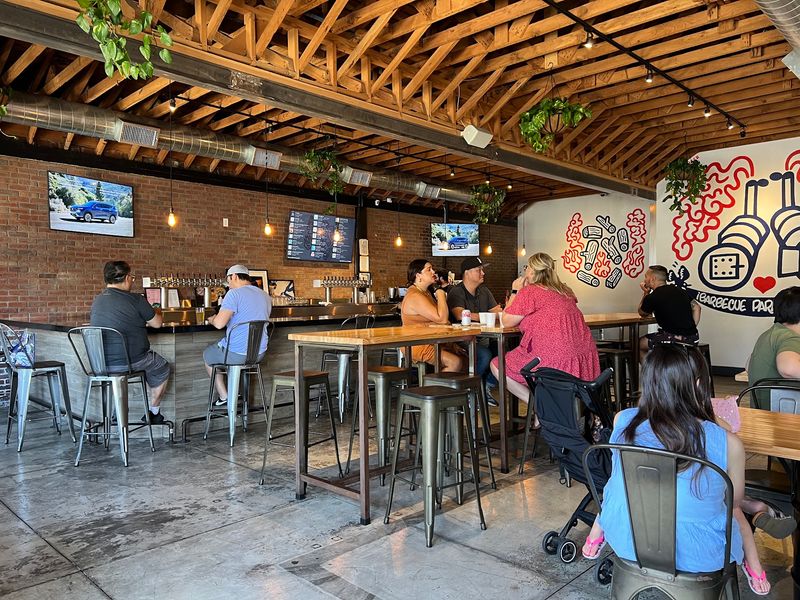
Four days of service is a deliberate choice, not a limitation. Posted hours run Thursday through Sunday from 11 a.m. to 7 p.m. or until items sell out.
Monday through Wednesday the doors stay closed, which surprises visitors who plan a midweek stop. Checking the schedule before driving across town saves a wasted trip.
Off days matter for a kitchen that smokes meat overnight and preps sides from scratch. Fewer service days means more attention on the ones that count.
Weekday visits on Thursday or Friday sometimes feel calmer than weekend service, though crowds vary and nothing is guaranteed. Arriving right at opening is the most reliable way to shorten the wait.
Indoor seating includes wooden tables, and there is an outdoor seating area as well. Ordering happens at a counter, and food is brought out on trays once it is ready.
Noise levels rise with a full room, so conversation may take some effort during peak hours.
Anyone wanting a quieter meal may prefer arriving early or aiming for the later part of the afternoon, keeping in mind that popular items may already be gone by then.
Its Permanent Home Is In Lincoln Heights
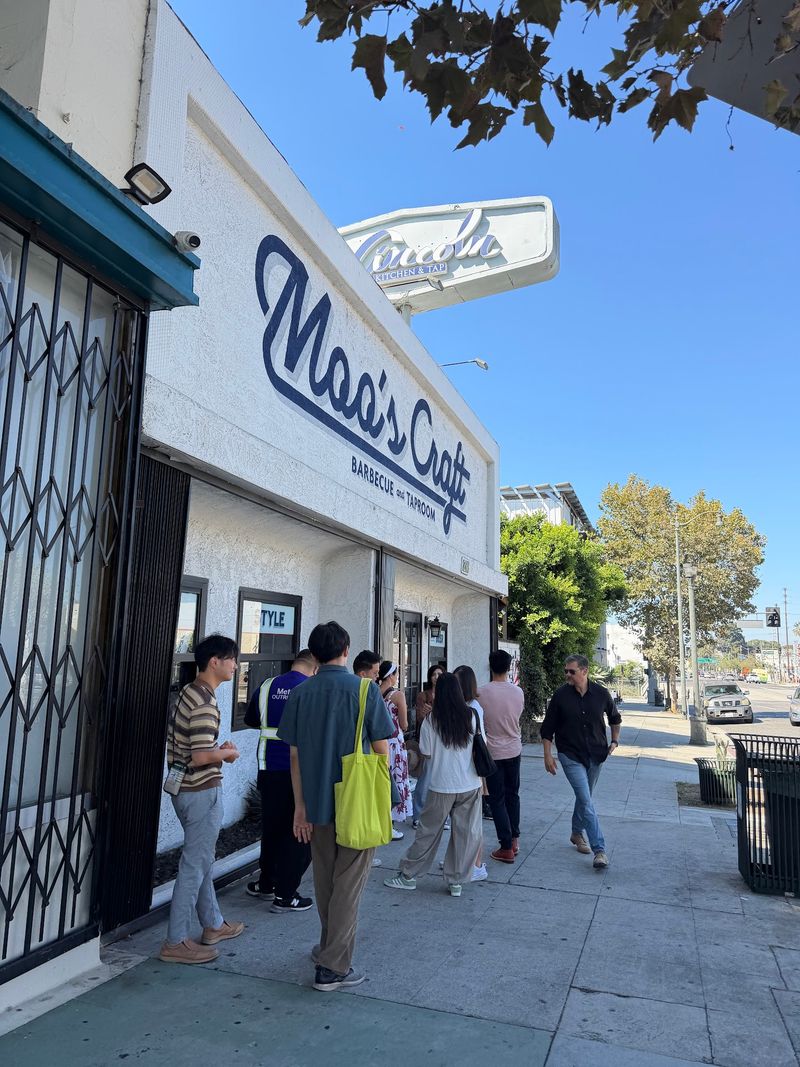
Years of pop-ups and borrowed spaces finally led to a fixed address. The restaurant operates at 2118 N Broadway, Los Angeles, CA 90031, in the Lincoln Heights neighborhood northeast of downtown.
Parking sits in a private lot behind the building across the alleyway, and it fills up during busy service. Street parking within a block or two is a common fallback.
The block itself is a mix of older commercial buildings, and the smell of smoke usually announces the destination before the sign does. Getting there by car is straightforward from nearby freeways.
Having a permanent kitchen changed what was possible on the menu. Sides, desserts, and rotating specials all became easier to execute with a dedicated space rather than a mobile setup.
Outdoor tables give a pleasant option on mild days, which describes much of the year in this part of California. Indoor seating stays busy, especially when a large group claims a long table.
Larger groups may find the wait for a table longer, and takeout remains a practical alternative when the room is packed.
Michelin Is Not The Only Major Recognition
Guide listings are one measure, and industry awards are another. The owners were named 2026 James Beard Award semifinalists for Best Chef: California, adding a second layer of recognition to the story.
Semifinalist status comes from a nomination process judged by peers and industry professionals across the state. It reflects consistency over time rather than a single memorable meal.
Pairing that with the Bib Gourmand listing in the Michelin Guide gives a fuller picture of how the restaurant is viewed beyond casual chatter. Both come from outside evaluation rather than self-promotion.
What that means for a visitor is fairly practical. Expect careful cooking, limited daily quantities, and a counter-service setup that stays casual despite the accolades.
Awards do not change the fundamentals of eating here. Lines still form, meat still runs out, and the best strategy remains showing up early with a plan for what to order.
For anyone building a California food itinerary, the combination of recognitions makes Moo’s Craft Barbecue an easy addition.