This 16-Mile California Bike Trail Follows An Old Railroad Through River Valleys And Scenic Open Space
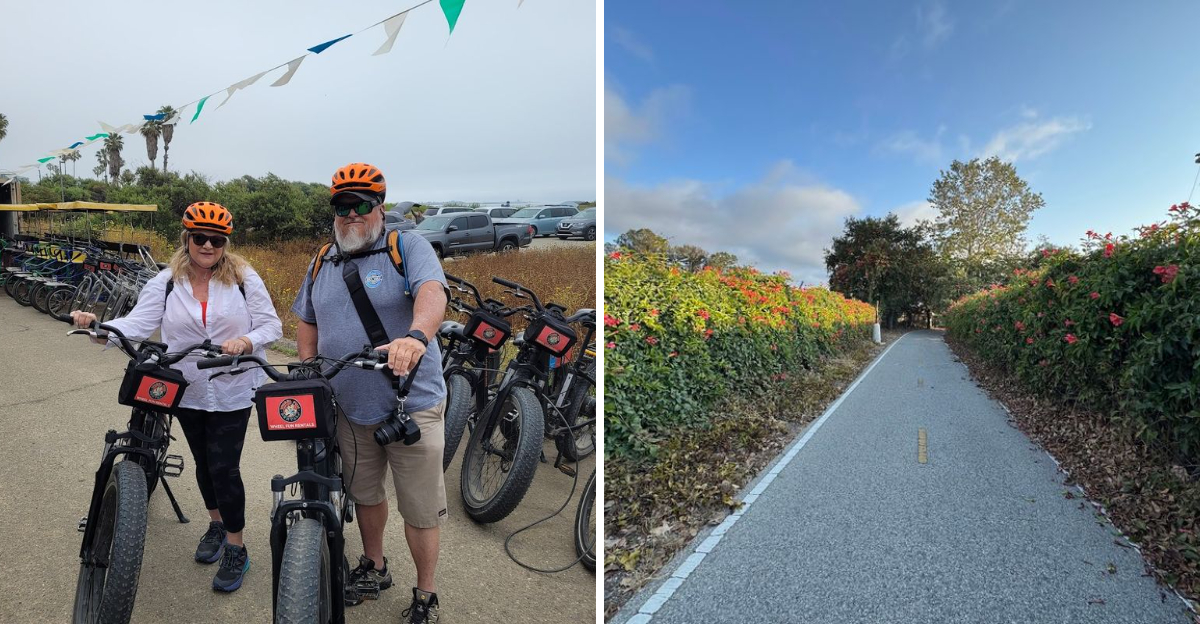
The ride starts easy. Flat path, steady pace, nothing too demanding. That expectation shifts not far in.
The scenery begins to change. Open stretches give way to shaded sections, then back again. A quiet river runs alongside parts of the route, sometimes close, sometimes just out of view.
What looks straightforward on a map turns into something more layered with every mile.
Old rail lines once ran through here, and that history still shapes the path. The route carries a sense of direction without feeling rigid, pulling riders through changing terrain that never settles into one look for long.
Town edges appear, then fade. Nature takes over again without warning.
Trails like this across California don’t just connect places, they change how the distance is experienced.
A simple ride turns into a longer stretch than planned. Stops happen without a reason. The pace slows, not because it has to, but because there’s no need to rush. That shift is what makes this route stand out long after the ride is done.
A Railroad Turned Into A Recreation Corridor
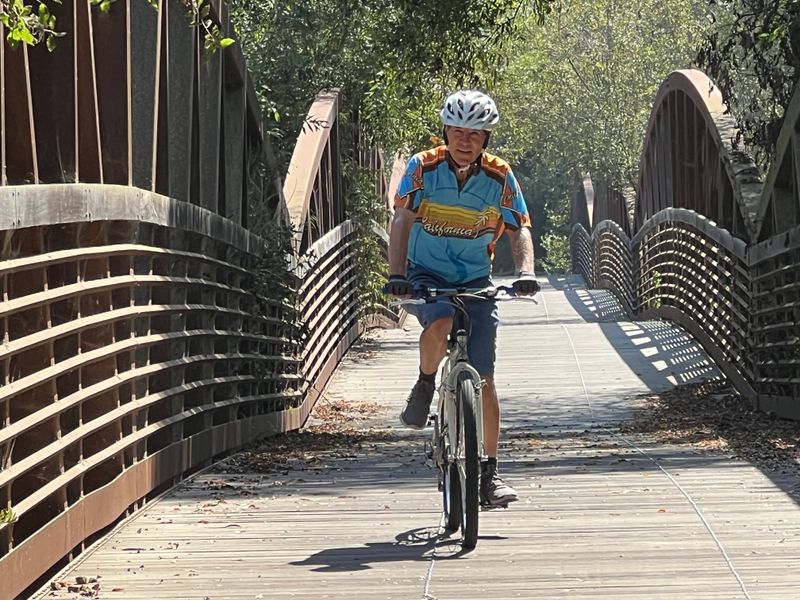
Back in 1898, the Ventura and Ojai Valley Railroad was built to connect coastal Ventura with the inland valleys stretching toward Ojai.
The railroad operated for decades before it was gradually abandoned between 1969 and 1995, leaving behind a flat, graded right-of-way that proved ideal for trail conversion.
That old rail corridor is now the backbone of the Ventura River Parkway Trail, one of the more historically significant rail trails in Southern California.
The flat grade that once helped trains haul freight and passengers now makes the trail accessible to cyclists of varying fitness levels, including families with younger kids and older adults looking for a manageable route.
Rail trails like this one tend to avoid steep climbs because trains require gradual inclines, so riders get a relatively smooth experience from start to finish.
The history embedded in the path adds a layer of meaning that a standard park trail simply cannot replicate, making each mile feel connected to something larger than just a recreational outing.
Two Main Segments That Together Span 16.5 Miles
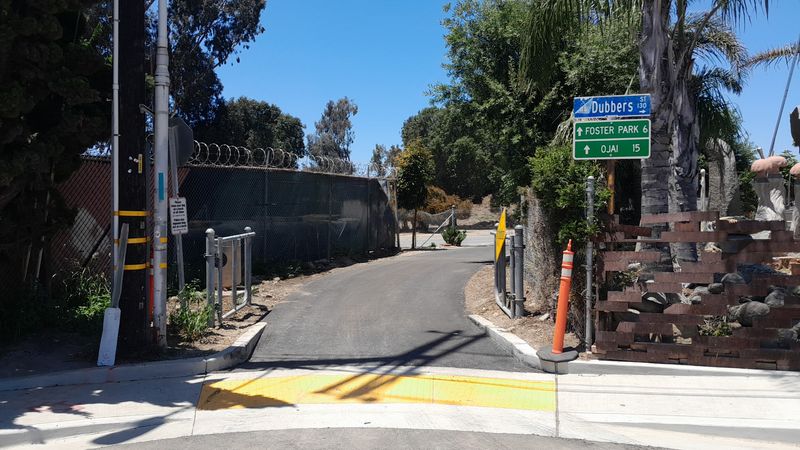
The full Ventura River Parkway Trail is made up of two connected segments that each have their own character and management.
The Ventura River Trail covers approximately 6.3 miles from Main Street in Ventura northward to Foster Park near Casitas Vista Road.
From Foster Park, the Ojai Valley Trail picks up and continues roughly 9 miles northeast to Fox Street in Ojai.
Together, these two sections create a continuous corridor that connects the coast to the Ojai Valley without requiring riders to share a road with vehicle traffic for most of the route.
Each segment has slightly different scenery and surroundings, so the journey never feels repetitive.
The Ventura River Trail portion tends to run closer to the riverbed and urban edges while the Ojai Valley Trail opens up into more pastoral and wooded terrain.
Knowing how the trail is divided also helps with planning, since parking, restrooms, and access points differ between the two sections.
Foster Park serves as a natural midpoint that works well for riders who want to tackle one segment at a time rather than the full distance in a single outing.
National Recreation Trail Designation Earned In 2014
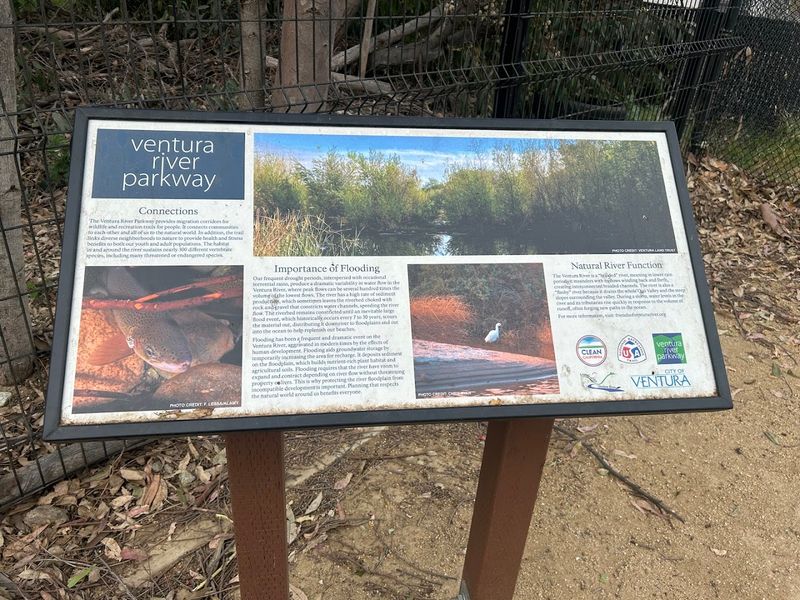
Not every trail earns federal recognition, but the Ventura River Parkway Trail did exactly that in 2014 when it was officially designated a National Recreation Trail.
That designation is awarded by the U.S.
Secretary of the Interior and recognizes trails that provide outstanding recreational opportunities and connect communities to natural spaces.
Earning that status helped raise the profile of the trail beyond Ventura County and placed it alongside thousands of recognized trails across the country.
The designation also tends to support ongoing funding and maintenance efforts, which benefits the long-term health of the corridor.
For visitors, the National Recreation Trail label is a useful signal that the trail meets a consistent standard of quality and accessibility.
It also connects the Ventura River Parkway Trail to a broader national network of recognized paths, which trail enthusiasts sometimes use as a guide when planning trips to new regions.
The recognition reflects decades of community investment in the corridor and acknowledges the trail as more than just a local amenity.
It serves as a regional and even national resource for outdoor recreation in Southern California.
Paved Surface That Welcomes Cyclists, Walkers, And Equestrians
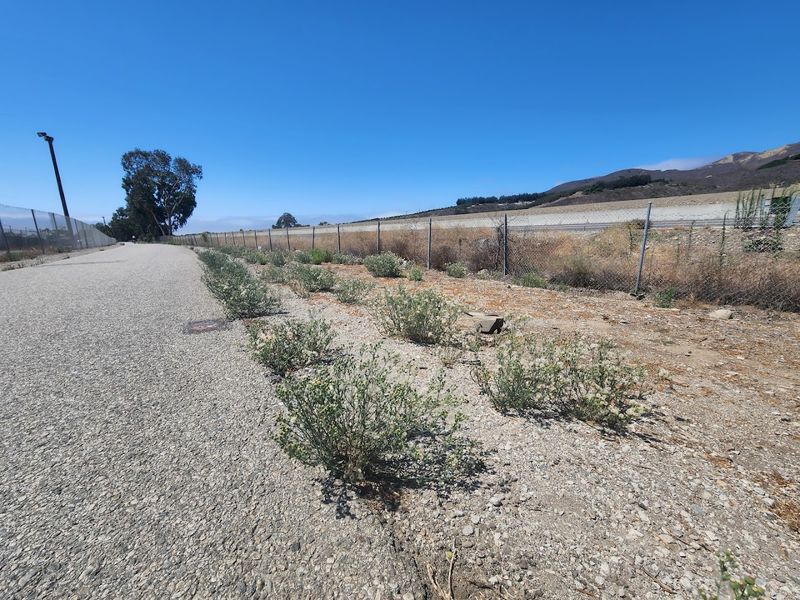
The trail surface is primarily paved asphalt, which makes it comfortable for road bikes, hybrid bikes, and even e-bikes.
Pedestrians and joggers also use the trail regularly, and certain sections accommodate equestrians, giving the corridor a genuinely multi-use character that serves a wide range of outdoor interests.
Because the trail is shared, basic trail etiquette matters more here than on routes with less traffic.
Cyclists are generally expected to signal when passing walkers and to keep speeds reasonable in busier sections, especially on weekends when foot traffic picks up near the Ventura end.
The paved surface holds up reasonably well through the seasons, though some sections may show wear in areas exposed to heavy use or seasonal flooding near the riverbed.
In 2024, the City of Ventura completed a repaving project covering approximately 1.8 miles of the trail, which improved the riding experience noticeably in that stretch.
Wayfinding signage was also added during that project, making it easier for first-time visitors to navigate the corridor without needing to rely entirely on a mapping app.
The overall surface quality makes the trail approachable for a broad range of visitors.
Starting Near The Ventura River Estuary And The Pacific Ocean
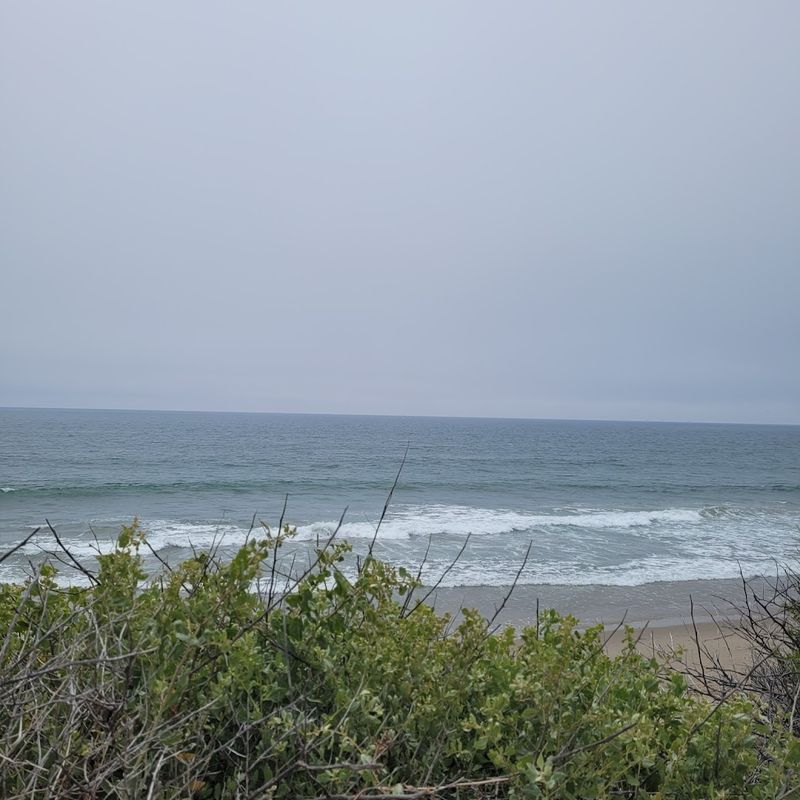
The southern end of the trail begins near the Ventura River estuary, where the river meets the Pacific Ocean.
Starting a bike ride within earshot of the coast gives the trail an opening stretch that feels genuinely distinct from inland routes, with coastal light and salt air adding to the atmosphere.
The estuary area is ecologically significant on its own, supporting a variety of bird species and coastal plants that thrive in the brackish zone where freshwater and saltwater mix.
Visitors who arrive in the early morning hours sometimes spot herons, egrets, and other shorebirds working the shallow water near the trail’s southern terminus.
From that coastal starting point, the trail gradually moves inland and northward, leaving the ocean behind and transitioning into the river valley landscape that defines most of the route.
That shift in scenery happens fairly quickly, giving the trail a sense of movement and progression that keeps the ride from feeling static.
For riders doing the full corridor, the contrast between the coastal start and the inland finish near Ojai is one of the more memorable aspects of the experience.
Few trails in Southern California offer that kind of geographic range in a single outing.
Foster Park As The Central Access And Rest Point
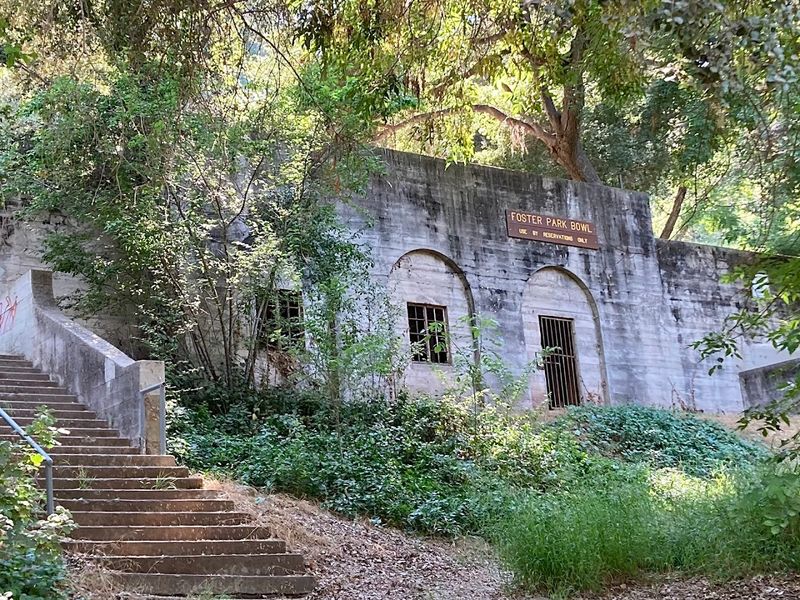
Sitting roughly at the midpoint of the full corridor, Foster Park functions as the most convenient access point for visitors who want to split the trail into two manageable halves.
Located near Casitas Vista Road, the park offers parking facilities that make it practical for day visitors arriving by car.
Restroom facilities at Foster Park are a genuine convenience for anyone spending several hours on the trail, since long stretches of the route have limited amenities.
The shaded areas near the park also provide a natural spot to rest, eat a snack, or simply take a break before continuing in either direction.
For riders tackling only one segment, Foster Park works well as either a starting or ending point depending on which section of the trail is the priority.
Those focused on the more urban Ventura River Trail section head south from here, while riders wanting the greener, more pastoral Ojai Valley Trail experience head northeast.
The park sees a fair amount of weekend activity, so arriving earlier in the morning tends to mean easier parking and a quieter trail experience in the immediate vicinity.
It is a reliable and well-positioned hub along the full corridor.
Scenic Views Of The Ventura River And Surrounding Mountains
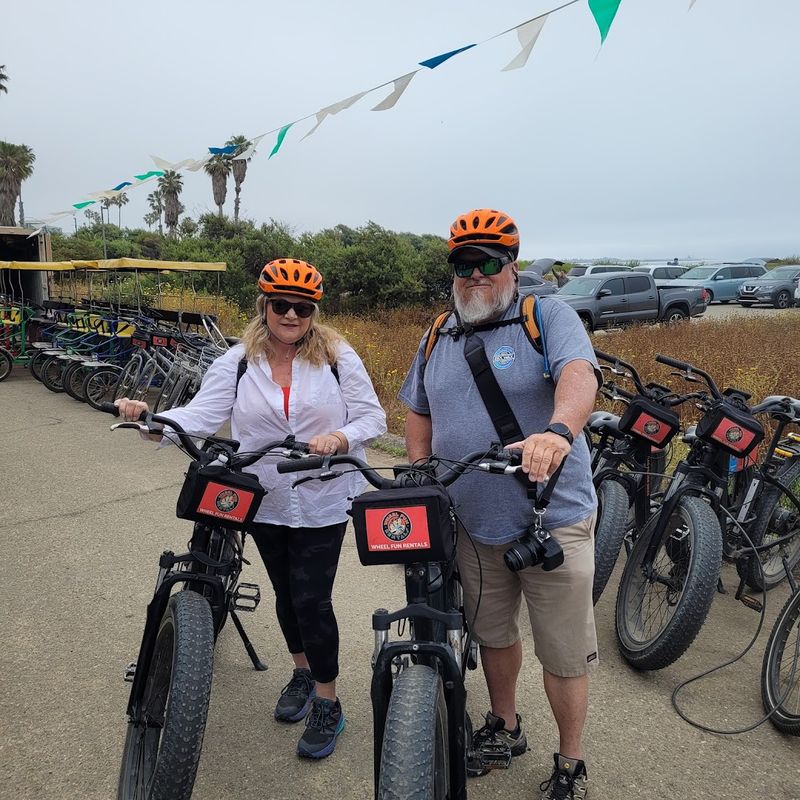
One of the most consistent rewards along the trail is the mountain scenery that frames the route from multiple vantage points.
The Santa Ynez Mountains and surrounding ridgelines are visible for much of the journey, giving the corridor a backdrop that feels expansive even when the trail runs close to developed areas.
The Ventura River itself appears and disappears depending on the season and recent rainfall.
During dry months, the riverbed may look sandy and sparse, but after significant rain events the river runs with enough water to make the landscape feel dramatically more alive.
Wildlife activity near the river also tends to increase after rain, making wet season visits particularly rewarding for nature observers.
Photography opportunities along the trail are plentiful, especially in the golden hour light of early morning or late afternoon when the mountains catch warm tones and the river corridor glows with softer shadows.
The combination of water, open sky, and mountain silhouettes gives the trail a visual depth that rewards slower travel.
Riders who pause at open sections rather than pushing through at speed tend to notice details that faster cyclists miss entirely, from hawk silhouettes overhead to the texture of riverside vegetation up close.
Wildlife Habitat Preserved Along The Full Corridor
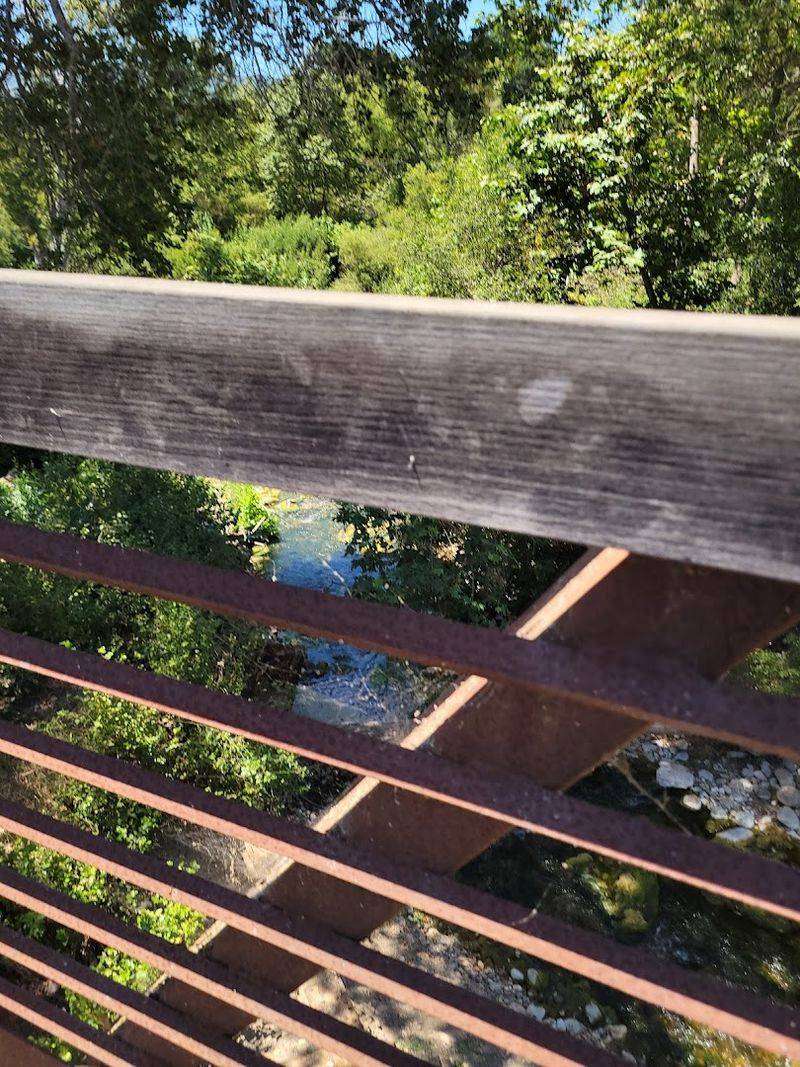
The Ventura River corridor supports a surprisingly rich variety of wildlife for a trail that runs through a populated county.
The riparian habitat along the riverbanks provides food, water, and shelter for birds, small mammals, and native plant communities that depend on the river ecosystem to survive.
Steelhead trout have historically used the Ventura River as a spawning habitat, and ongoing conservation efforts in the watershed aim to support the recovery of that population.
The presence of a functioning river ecosystem alongside a public trail creates an unusual situation where recreation and habitat coexist in close proximity.
Birding along the trail can be particularly rewarding in the early morning when activity peaks and light conditions make observation easier.
Species such as great blue herons, red-tailed hawks, and various songbirds have been observed along different sections of the corridor.
The Ventura Land Trust and other organizations have worked to protect and restore natural areas connected to the trail, which helps maintain the ecological integrity of the corridor over time.
Visitors who move quietly and stay on the paved path tend to have better wildlife encounters than those who move quickly or make significant noise along the route.
Trail Connections To Regional And National Routes
The Ventura River Parkway Trail does not exist in isolation.
At various points along the corridor, it connects to other regional and national trails that significantly expand the range of possible routes for adventurous riders and hikers.
The Omer Rains Coastal Trail connects near the southern end of the corridor, offering access to coastal paths that follow the shoreline in the Ventura area.
The Juan Bautista de Anza National Historic Trail also intersects with the corridor, linking the route to a trail system that traces a historic Spanish colonial expedition across California.
These connections matter practically because they allow riders to extend their trips well beyond the 16.5 miles of the main corridor without needing to retrace their path.
They also place the Ventura River Parkway Trail within a larger network of public land and recreational infrastructure that spans multiple counties and ecosystems.
For visitors who enjoy long-distance trail travel, the connectivity of the corridor makes Ventura a useful hub rather than a dead end.
Planning a multi-day trip that uses the Ventura River Parkway Trail as a central segment is entirely realistic when the connecting routes are factored into the itinerary.
The 2024 Trail Improvement Project That Upgraded Key Sections
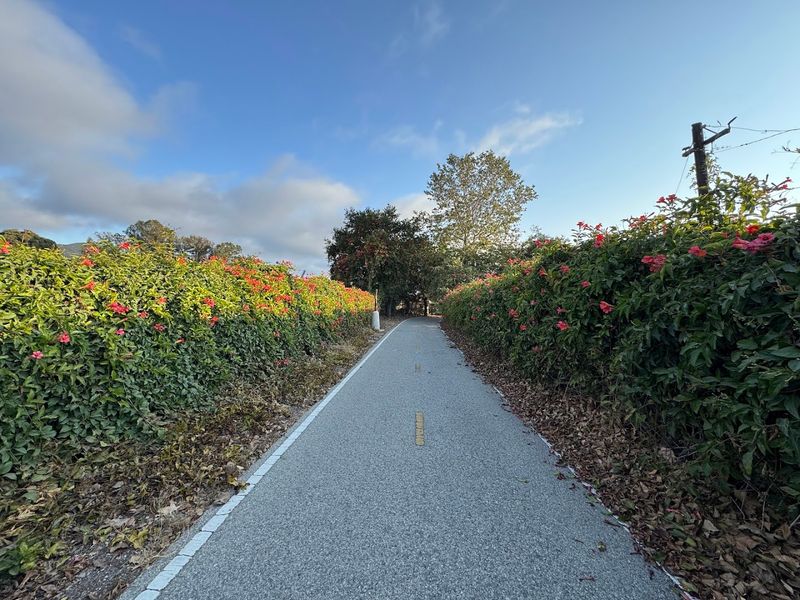
In 2024, the City of Ventura completed a notable improvement project focused on approximately 1.8 miles of the trail’s southern section.
The work included fresh asphalt paving, updated wayfinding signage, accessibility enhancements, and beautification elements that improved both the function and the appearance of the corridor.
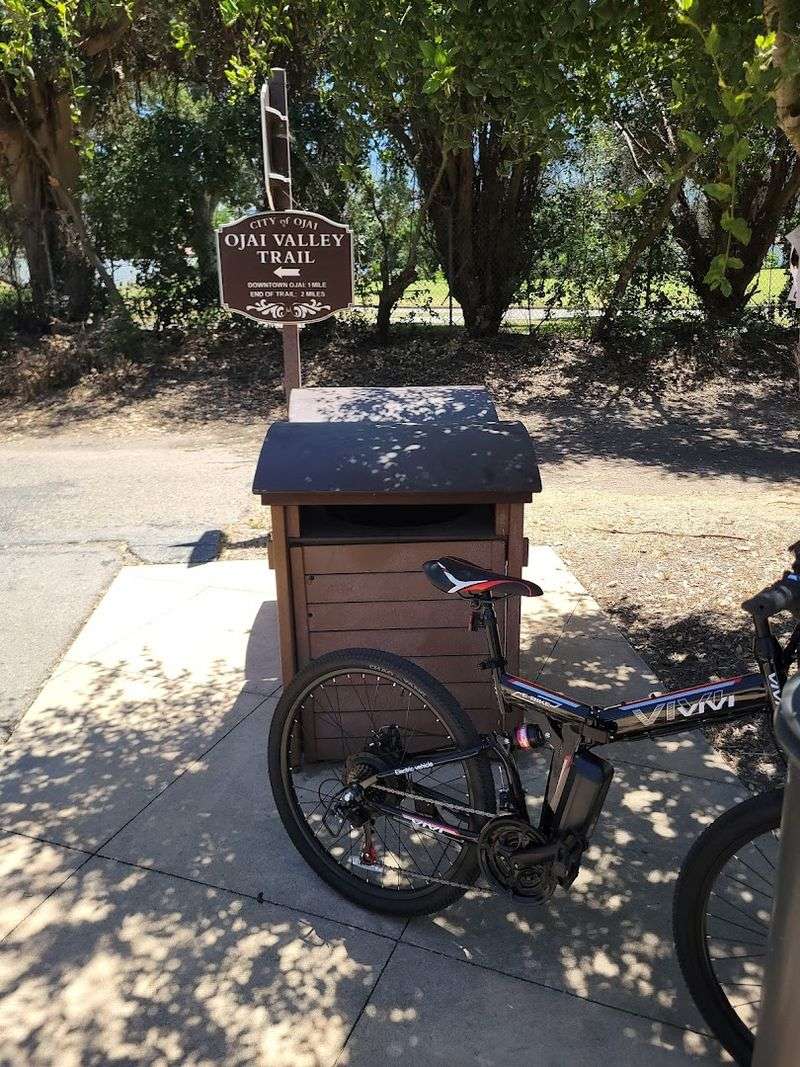
Wayfinding improvements are particularly valuable on a trail this long, where first-time visitors can easily lose track of which segment they are on or how far they are from the nearest access point.
Clear signage reduces the friction of navigation and allows riders to focus on the experience rather than logistics.
Accessibility upgrades along this section also reflect a broader commitment to making the trail usable for people with mobility considerations, including those using adaptive bikes or mobility devices.
Beautification elements such as plantings and surface treatments help the trail feel cared for and intentional rather than purely utilitarian.
Improvement projects like this one tend to have a ripple effect on trail usage, drawing new visitors who may have been hesitant about the condition of the surface before the work was completed.
The 2024 upgrades signal continued investment in the corridor as a long-term community and recreational asset in Ventura County.
Community Stewardship And The Ventura Land Trust Connection
The Ventura River Parkway Trail exists in large part because of sustained community effort to protect the land and water that the corridor passes through.
The Ventura Land Trust has played a central role in that work, focusing on connecting communities to the river through parks, trails, and natural area preservation.
Land trust involvement means that portions of the land adjacent to the trail are protected from development, which helps maintain the open space character that makes the corridor feel natural rather than urban even when it passes near populated neighborhoods.
That protection also benefits the wildlife habitat discussed throughout this article, since connected and undisturbed land supports healthier ecosystems than fragmented parcels.
Community stewardship extends beyond the land trust to include local volunteers, advocacy groups, and municipal agencies that work together to maintain and improve the trail over time.
Visitors who use the trail benefit directly from that collective effort every time they ride or walk the corridor.
Supporting organizations like the Ventura Land Trust through membership or volunteer participation is one practical way for regular trail users to give back to the infrastructure they enjoy.
The trail is ultimately a shared resource that depends on ongoing investment from both public agencies and private community members to remain healthy and accessible.