This California Counterculture Landmark Is Closing After 57 Years, Marking The End Of An Era In Ocean Beach
A legendary Ocean Beach shop that helped define California’s free-spirited soul is preparing for its final chapter – and locals say the neighborhood won’t feel the same without it.
For nearly six decades, The Black has been far more than a retail store.
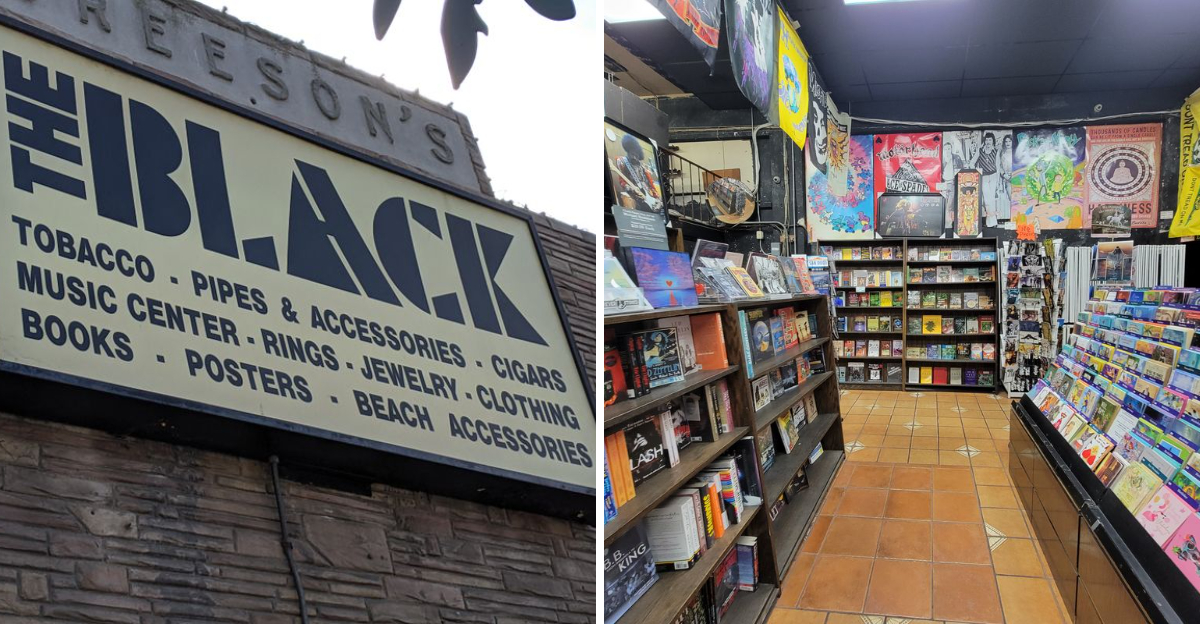
Since opening in 1969, it’s drawn generations of beachgoers, artists, and music lovers searching for tie-dye, Grateful Dead posters, and a piece of the counterculture lifestyle that made Ocean Beach iconic.
Owner Kurt Dornbusch’s recent retirement announcement signals the end of an era – one that survived shifting trends, economic swings, and the steady march of modernization along California’s coast.
Step inside, and it never felt like just shopping.
The space doubled as a community hub where musicians swapped stories, creatives found inspiration, and strangers bonded over a shared love of vintage surf culture and psychedelic art.
Ocean Beach has long stood apart from the rest of San Diego – fiercely independent, proudly eccentric, and resistant to big-box uniformity.
The Black embodied that spirit perfectly, making its closure hit even harder for longtime residents. With rising rents and redevelopment reshaping the neighborhood, many see this moment as part of a bigger cultural turning point.
When The Black closes its doors, it won’t just mark the loss of a beloved shop – it will signal the fading of a lifestyle that once defined California’s coastal identity.
1. Opening During The Summer Of Love Era
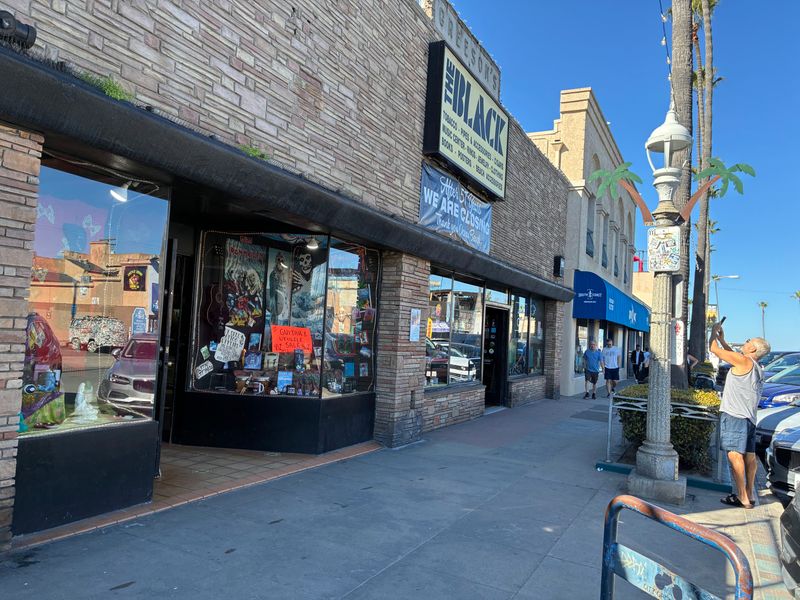
The Black opened its doors in 1969, right at the tail end of a cultural revolution that changed America forever.
Flower power was still blooming across the country, and Ocean Beach became a magnet for people seeking alternatives to mainstream society.
The store arrived at exactly the right moment to capture the spirit of a generation looking for connection and meaning beyond material success.
Walking into The Black at 5017 Newport Ave, San Diego, CA 92107 during those early years meant stepping into a space that celebrated personal freedom and creative expression.
Incense smoke drifted through aisles filled with handmade jewelry, psychedelic posters, and clothing that rejected the buttoned-up styles of previous decades.
The store quickly became a destination for locals and travelers alike, all searching for items that reflected their values and lifestyle choices.
Ocean Beach welcomed The Black as one of its own, and the relationship between store and neighborhood grew stronger with each passing year.
The timing of the opening allowed the business to establish deep roots during a period when counterculture values were being embraced rather than just tolerated. That foundation helped The Black survive through decades of change that followed.
2. Eclectic Product Selection That Defined An Era
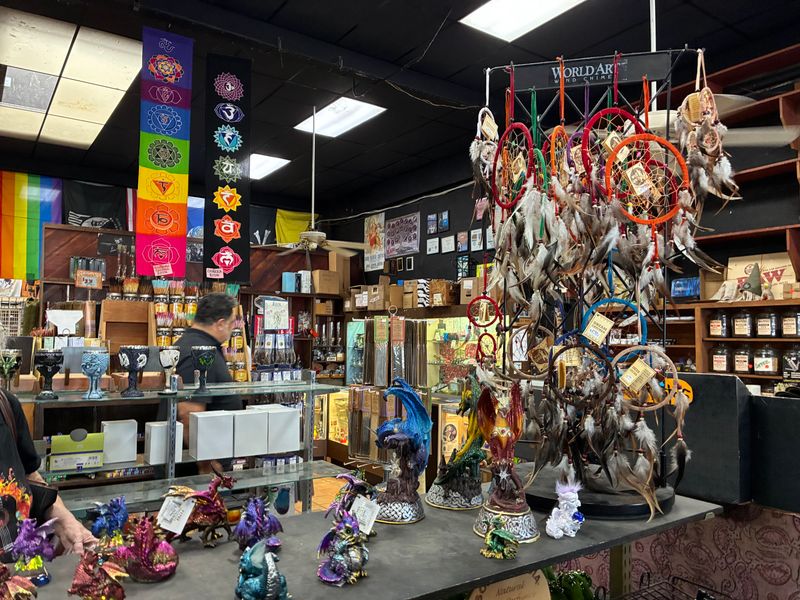
Stepping inside The Black meant entering a world where every shelf told a story about personal freedom and artistic expression.
Tie-dye shirts in swirling patterns of purple, green, and orange hung alongside vintage band posters and handcrafted jewelry.
The merchandise selection reflected a lifestyle that valued creativity, music, and connection to nature above conventional measures of success.
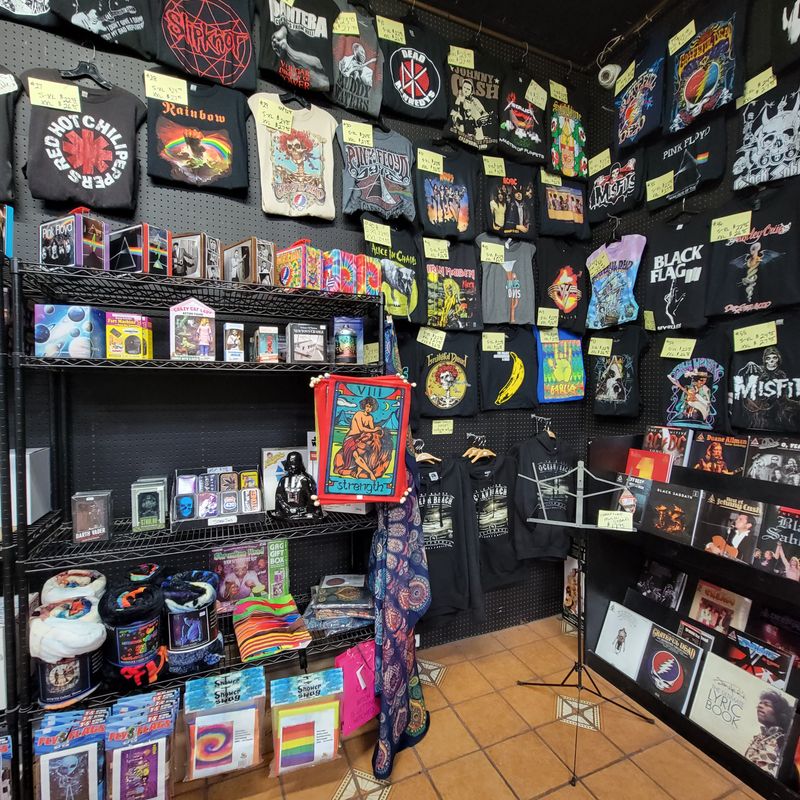
Grateful Dead memorabilia occupied a place of honor throughout the store, from dancing bear stickers to concert posters spanning decades of tours.
Smoking accessories lined glass cases, representing a frankness about lifestyle choices that felt refreshingly honest in a culture often dominated by judgment.
Incense, crystals, tapestries, and books on Eastern philosophy rounded out an inventory that catered to both practical needs and spiritual curiosity.
The product mix never followed corporate trends or focused on maximizing profit margins per square foot.
Instead, Kurt Dornbusch and his team curated items that resonated with the community’s values and interests.
This approach created a shopping experience that felt personal rather than transactional, where customers could spend hours browsing without pressure to purchase.
3. Kurt Dornbusch Takes The Helm In 1981
Kurt Dornbusch became owner of The Black in 1981, taking over a business that had already established itself as an Ocean Beach institution.
He was in his early years of adulthood when he assumed responsibility for continuing a legacy that began more than a decade earlier.
The transition happened during a period when many counterculture businesses were struggling to adapt to changing economic conditions and shifting cultural attitudes.
Dornbusch proved to be exactly the right person to guide The Black through four decades of challenges and transformations.
He maintained the store’s original spirit while making practical adjustments that allowed the business to survive when similar establishments were closing.
His commitment to the community extended beyond simply keeping the doors open – he created a space where artists could sell their work and where people felt genuinely welcomed regardless of their background.
The longevity of his ownership speaks to both business acumen and genuine passion for the mission.
Dornbusch could have sold the property years ago as real estate values climbed, but he chose to preserve a cultural landmark instead.
His decision to retire now comes after more than forty years of dedication to Ocean Beach and the values The Black represented.
4. Retirement Announcement Shocks The Community
News of the closure spread through Ocean Beach like wildfire in early 2026, catching many longtime customers completely off guard.
Dornbusch announced his retirement and the decision to close The Black after 57 years of continuous operation.
The timing felt sudden even though the owner had earned the right to step back after decades of service to the community.
Social media filled with memories and tributes as people processed what the loss would mean for the neighborhood.
Former employees shared stories about working behind the counter, while customers recalled finding the perfect gift or discovering a new artist through the store’s rotating displays.
The emotional response revealed how deeply The Black had woven itself into the fabric of Ocean Beach life.
Some community members expressed hope that Dornbusch might find a buyer who would continue operating the store in the same spirit.
Others acknowledged that the combination of rising costs and the owner’s well-deserved retirement made closure the most realistic outcome.
The announcement forced a reckoning with the reality that even beloved institutions cannot last forever without the people who pour their energy into maintaining them.
5. More Than A Store, A Cultural Landmark
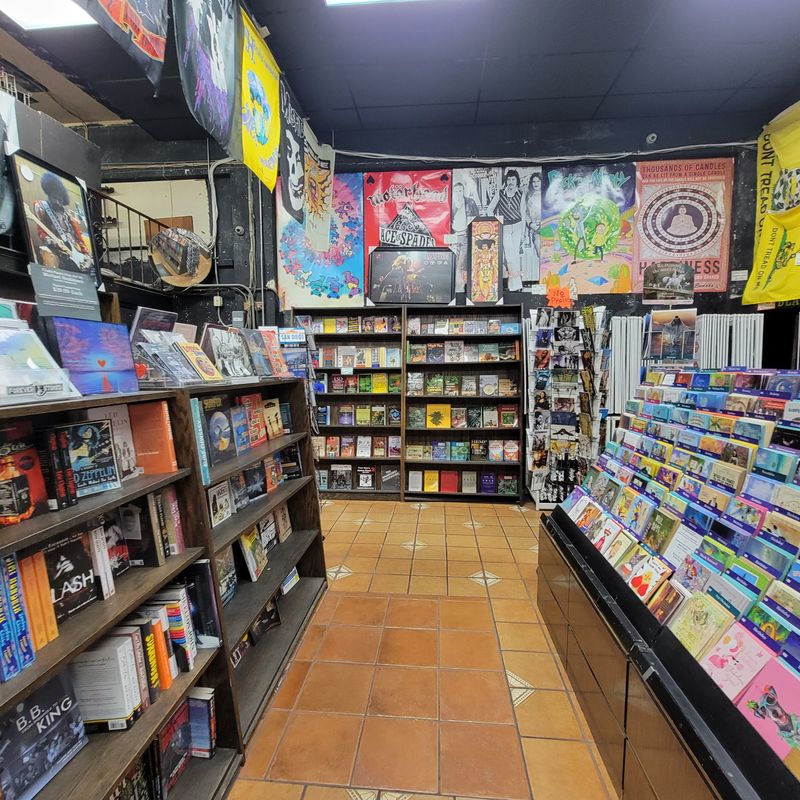
The Black functioned as a community center disguised as a retail establishment, providing a gathering place where like-minded people could connect.
Customers often lingered to chat with staff members or other shoppers, turning quick errands into social occasions.
The store hosted informal gatherings where local artists displayed their work and musicians sometimes played impromptu sets.
Walking down Newport Avenue, The Black stood out as a beacon of the neighborhood’s independent spirit and resistance to corporate homogenization.
The storefront itself became a landmark that residents used when giving directions or describing the character of Ocean Beach to newcomers.
Generations of families shopped there together, with grandparents introducing grandchildren to the same aisles they browsed decades earlier.
The cultural significance extended beyond the physical space and merchandise to represent a set of values about community, creativity, and authenticity.
In an era when so many shopping districts look identical regardless of location, The Black reminded people that neighborhoods can maintain distinct identities.
The store proved that commercial spaces can serve purposes beyond profit, acting as anchors that help define what makes a community special and worth preserving.
6. Gentrification Pressures Threaten Neighborhood Identity
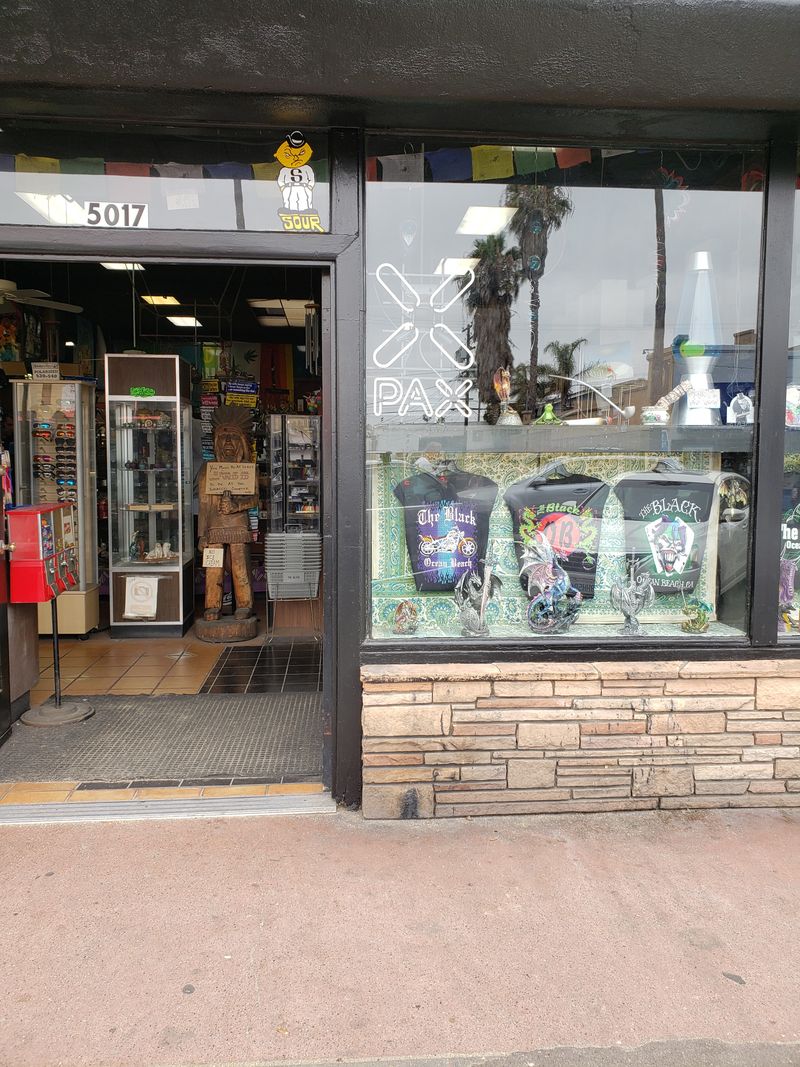
The closure of The Black highlights larger economic forces reshaping Ocean Beach and similar neighborhoods throughout California.
Rising property values and increasing rents have made it progressively harder for independent businesses to survive, even when they have loyal customer bases.
National chains can afford the higher costs that force out the local establishments that give neighborhoods their character.
Ocean Beach has resisted gentrification longer than many coastal communities, but the pressure continues mounting with each passing year.
Long-term residents watch as familiar storefronts close and are replaced by businesses that could exist anywhere.
The loss of The Black represents another victory for development interests over the quirky, independent spirit that drew people to the neighborhood in the first place.
Community members worry that Ocean Beach will eventually lose the qualities that made it special, becoming just another expensive beach town filled with generic shops and restaurants.
The Black stood as proof that alternatives to corporate retail could thrive when communities supported them.
Its closure raises uncomfortable questions about whether economic forces have grown too powerful for grassroots resistance to overcome, even in neighborhoods with strong identities and engaged residents.
7. Vendors Express Deep Sadness Over The Loss
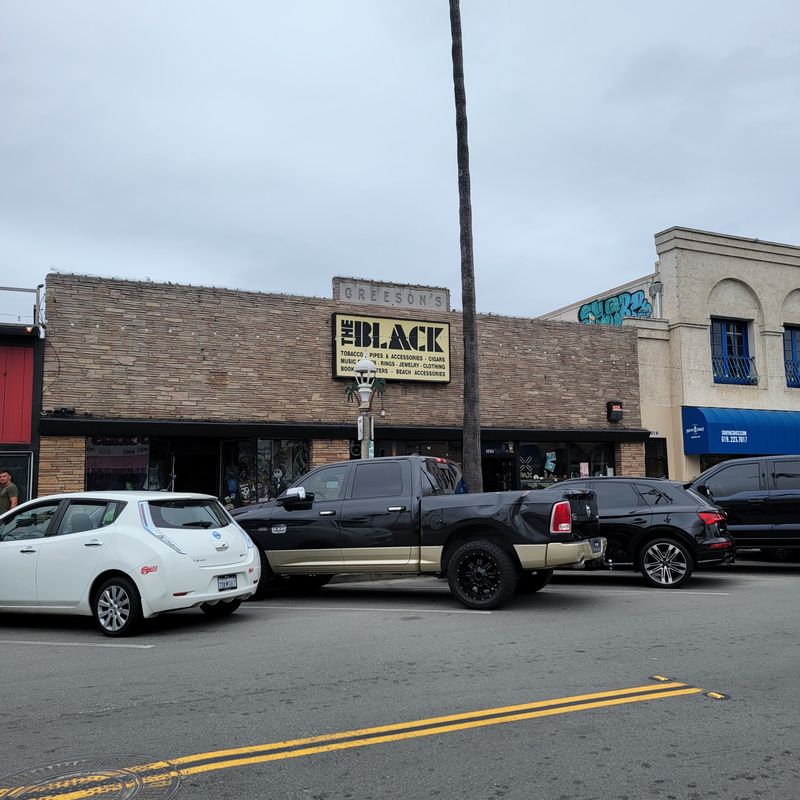
For artists and craftspeople, the store provided more than just a sales outlet – it offered validation and connection to a community that appreciated their work.
Losing that platform means losing income, but also losing a sense of belonging and purpose.
Vendors appreciated that The Black gave them space without demanding the high commissions or restrictive contracts common at other retail locations.
Dornbusch understood that supporting local artists strengthened the entire community, creating a ecosystem where creativity could flourish.
The relaxed atmosphere meant vendors could interact directly with customers, building relationships that often extended beyond the store walls.
Many artisans who got their start at The Black went on to establish their own studios or galleries, but they never forgot where they received their first encouragement.
The store functioned as an incubator for talent, introducing buyers to artists they might never have discovered otherwise.
For vendors like Lamoureux, the closure represents not just the loss of a business partner, but the end of a chapter in their creative journeys.
8. Local Artists Pay Tribute To Ocean Beach Jewel
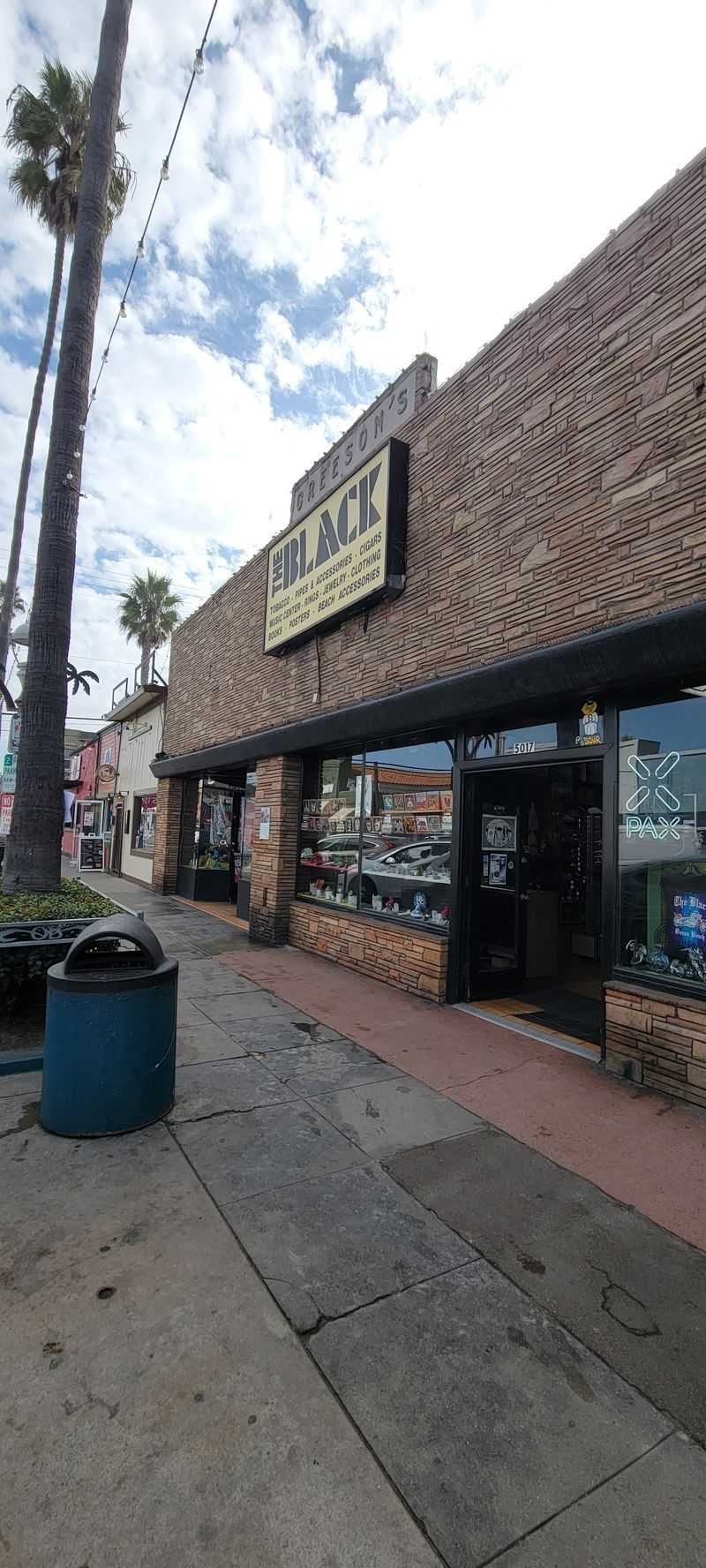
Jonathan Castro, known in the local arts scene as Juda Lynx, called The Black one of Ocean Beach’s jewels when discussing its impending closure.
His choice of words captured how the store sparkled among the neighborhood’s many attractions, standing out even in a community known for embracing creativity.
Artists like Castro recognized that The Black provided cultural value that extended far beyond its commercial function.
The store served as inspiration for musicians, painters, and performers who drew energy from its unapologetically authentic atmosphere.
Castro and other artists appreciated having a space that celebrated counterculture values without irony or commercialization.
In their view, The Black represented a connection to artistic movements that prioritized expression over profit and community over individual success.
Tributes from the arts community poured in as the closure date approached, with many creators sharing how The Black influenced their work or provided crucial support during difficult periods.
The store appeared in paintings, songs, and poems created by people who wanted to preserve its memory.
These artistic responses demonstrated that The Black’s impact reached deeper than simple nostalgia, touching something fundamental about how creativity thrives when given space to exist without constant commercial pressure.
9. Closing Sale Draws Crowds Seeking Final Memories
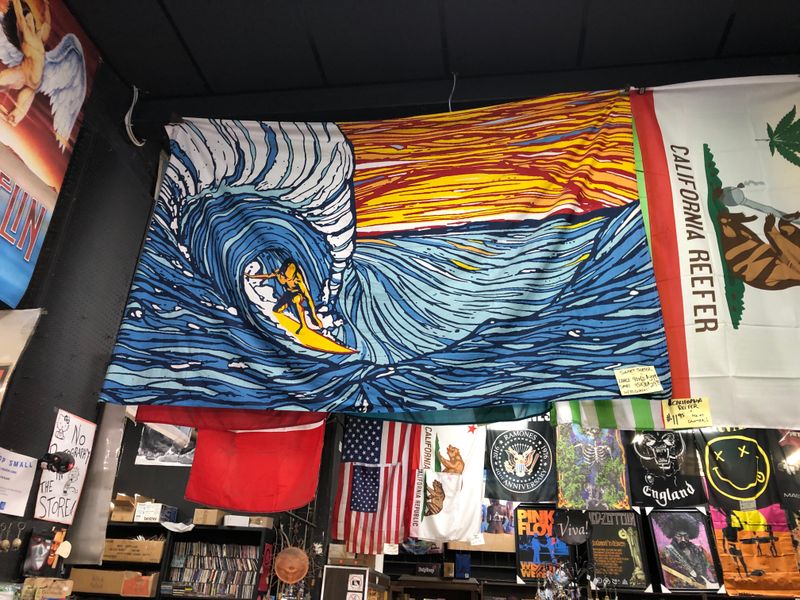
A forty percent discount brought waves of customers through The Black’s doors as word of the closing sale spread throughout San Diego.
Longtime patrons arrived hoping to claim one last piece of the store’s history, while newcomers came to see what they had been missing.
The atmosphere mixed celebration with mourning as people browsed shelves that had provided treasures for nearly six decades.
Some shoppers purchased items they had admired for years but never quite justified buying at full price.
Others grabbed anything they could afford, wanting physical reminders of a place that meant so much to their sense of identity and community.
The checkout line stretched long as customers waited patiently, using the time to share stories about their favorite finds over the years.
Staff members worked extended hours to accommodate the surge of interest, answering questions and accepting hugs from emotional customers.
The sale transformed into an extended farewell party, with people lingering to soak up the atmosphere one final time.
Watching the inventory dwindle created a bittersweet feeling – every purchase brought customers something they wanted while simultaneously bringing the store closer to its final day of operation.
10. Uncertain Future For The Historic Property
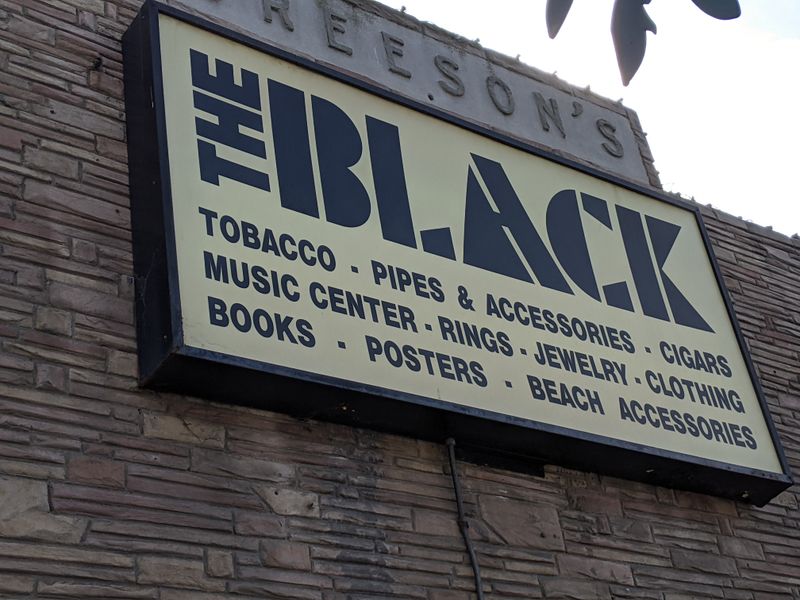
Nobody knows what will occupy the space after The Black closes, creating anxiety among community members who fear the worst.
The property could sit vacant for months while the owner searches for new tenants willing to pay current market rates.
Ocean Beach residents hope the space will house another independent business that respects the neighborhood’s character, but economics may dictate a different outcome.
National chains have shown increasing interest in Ocean Beach despite the community’s historical resistance to corporate retail.
The location that served The Black so well – close to the beach with good foot traffic – makes it attractive to businesses looking for coastal exposure.
Community members have expressed determination to push back against any tenant that would fundamentally alter the street’s character.
Some optimistic residents suggest the space could become a community arts center or cooperative retail space that continues serving local creators.
Others acknowledge that without significant financial backing, such idealistic visions rarely materialize in today’s real estate market.
The uncertainty surrounding the property’s future reflects broader questions about whether communities can shape their own destinies or must accept whatever changes market forces impose.
Whatever eventually fills the space, it will be measured against the legacy of The Black for years to come.