This California Duck Pond Was Once A Swimming Pool And Now It’s A Birdwatcher’s Paradise
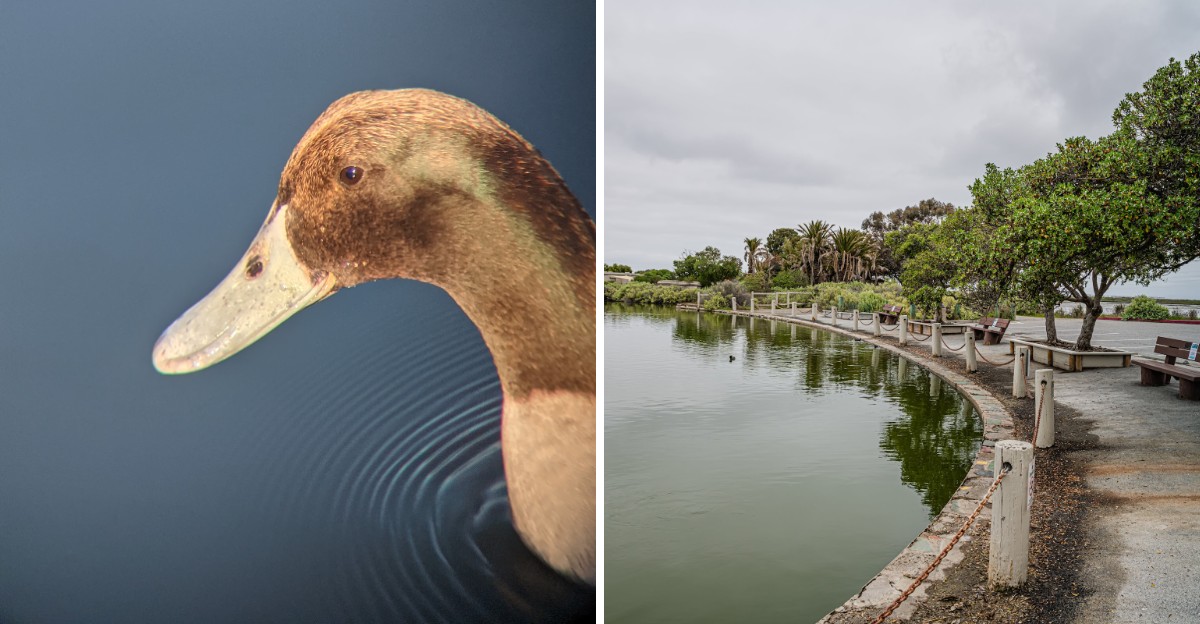
A swimming pool full of ducks sounds like the beginning of a very strange neighborhood complaint.
But at one unusual spot, the birds have taken over for good, and nobody seems particularly eager to reclaim the water.
What started as a place for people to swim has become a peaceful stop for watching feathered visitors go about their daily business.
Ducks paddle across the surface, birds gather along the edges, and patient visitors can spend a surprising amount of time simply observing the activity.
California has plenty of unusual outdoor attractions, but a former swimming pool turned birdwatching destination is especially unexpected.
Sometimes the most entertaining nature discoveries are hiding in places that were originally built for something entirely different.
A Duck Pond With A Surprising Past
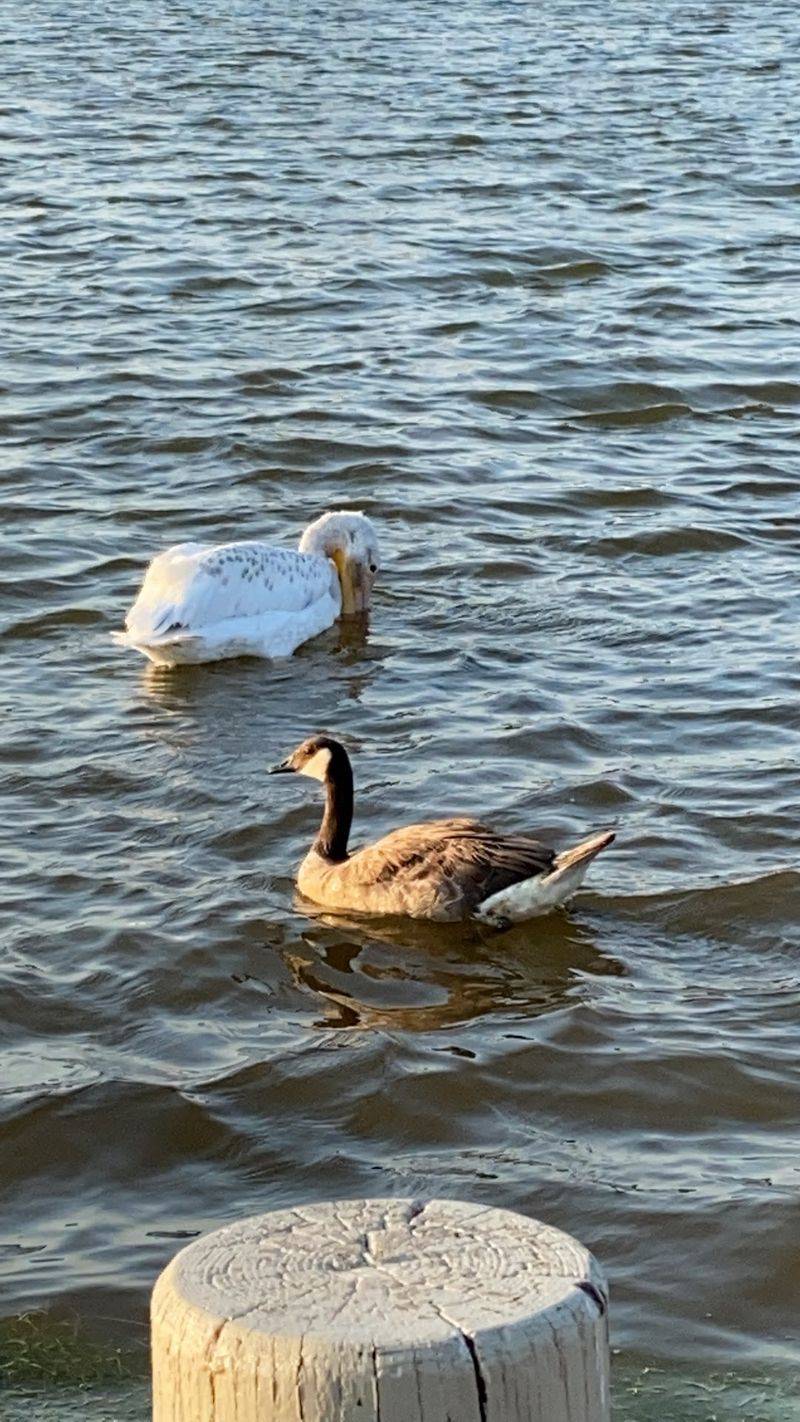
Few ponds can say they used to have swimmers doing laps in them.
The Palo Alto Duck Pond began its life as a saltwater swimming pool on the edge of the bay. Families once came here to cool off, and the sounds of splashing and laughter filled the air.
Nature had other plans for the site over time. Silt from the bay kept building up in the pool, which made it hard to keep clean and usable.
The city decided to change course and turned the pool into a bird refuge in 1947. That choice reshaped the spot in a lasting way.
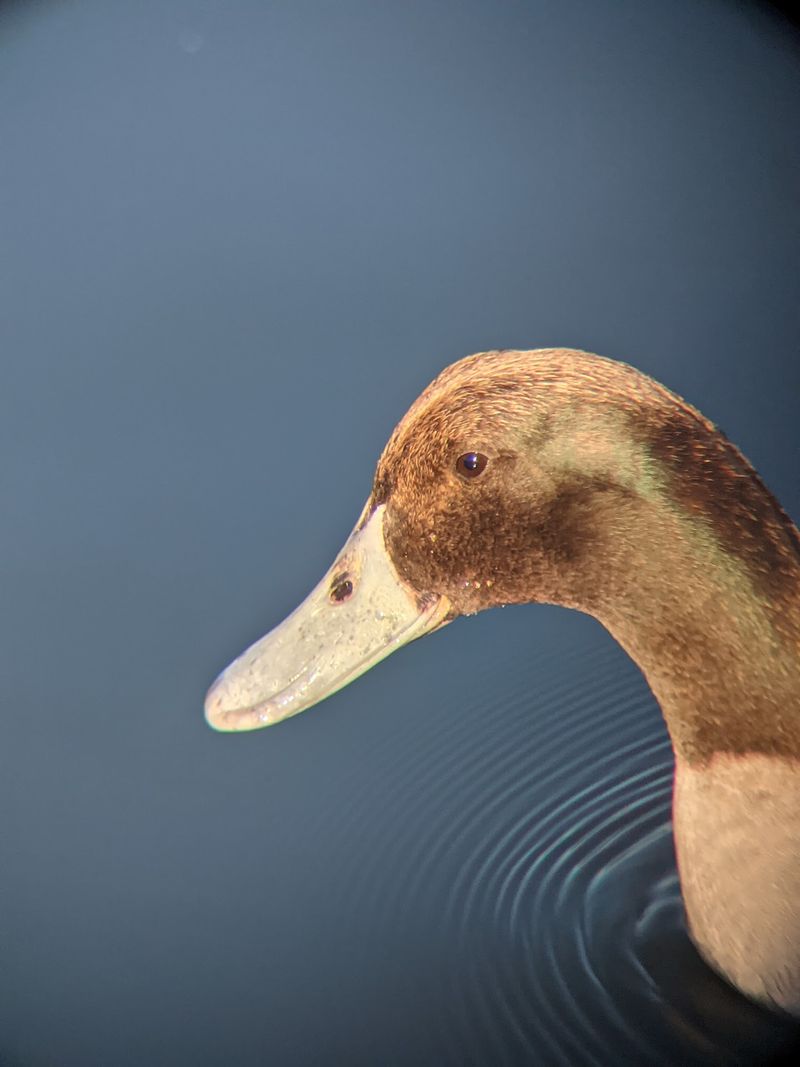
Instead of swimsuits and towels, the pond now hosts feathers, webbed feet, and the steady quacking of ducks.
The water still sits in roughly the same place, but the visitors look very different.
Standing at the edge, it becomes easier to notice the straight lines and tidy shape that hint at its pool days.
Many natural ponds have softer, uneven shores, so the outline here offers a quiet clue to its past.
Kids often enjoy hearing that ducks now live where people once swam.
It Was Originally A Saltwater Swimming Pool
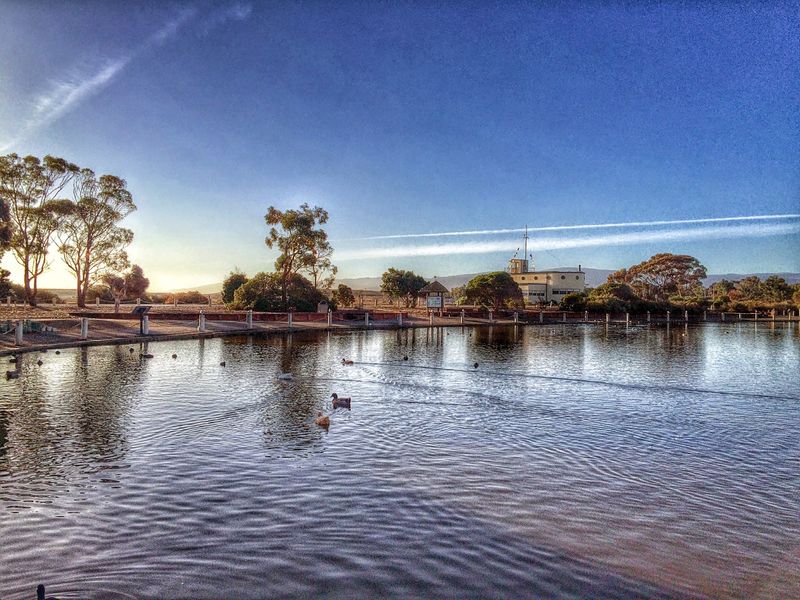
Big dreams shaped the Palo Alto waterfront nearly a century ago.
During the 1930s, city leaders drew up an ambitious plan to turn the baylands into a busy recreation area.
The idea was to give residents many ways to enjoy the shoreline in one place. Plans called for several major features working side by side.
A municipal airport, a yacht harbor, and other recreation spaces were all part of the vision. A saltwater swimming pool, built around 1930, was one of the first pieces to take shape.
Using bay water for a pool made sense at the time. The water was close by and plentiful, so filling the pool was simple compared to piping in fresh water.
The same closeness to the bay, though, brought silt that slowly caused problems. Parts of that old waterfront plan still exist in some form today.
The Palo Alto Airport sits nearby, and its small planes are easy to spot from the pond path.
Watching a propeller plane glide in for landing gives a small taste of how busy this shoreline was meant to be.
Ducks Have Taken Over The Old Swimming Spot
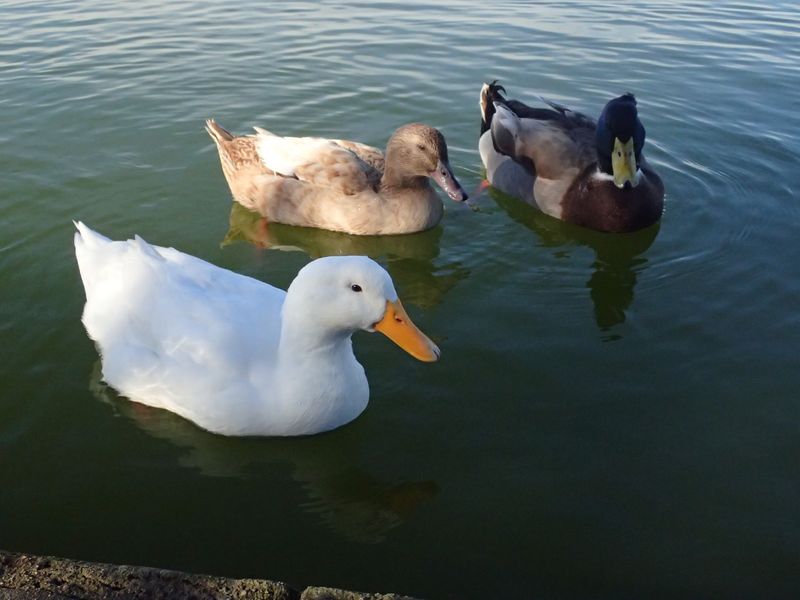
Quacks, splashes, and the soft flutter of wings now fill the old pool. Ducks, geese, and other birds use the pond for feeding, resting, and nesting.
The water gives them a calm place to gather close to the busy marsh. The water itself has changed too.
The pond now holds recycled water, so it no longer rises and falls with the tides or turns brackish.
That steady water level may help create a more predictable home for birds. Spring and early summer can bring a sweet surprise.
Ducklings sometimes paddle in little circles near the middle of the pond, trailing behind their parents.
There is one firm rule worth keeping in mind. Feeding wildlife is not allowed in the preserve, so bread and snacks should stay packed away.
Human food can harm birds and change their natural habits, so watching from a respectful distance is best.
On warm days, the area around the pond can smell earthy, and droppings may dot the paths. Closed-toe shoes may feel more comfortable than sandals for this reason.
A Peaceful Escape From Busy Silicon Valley
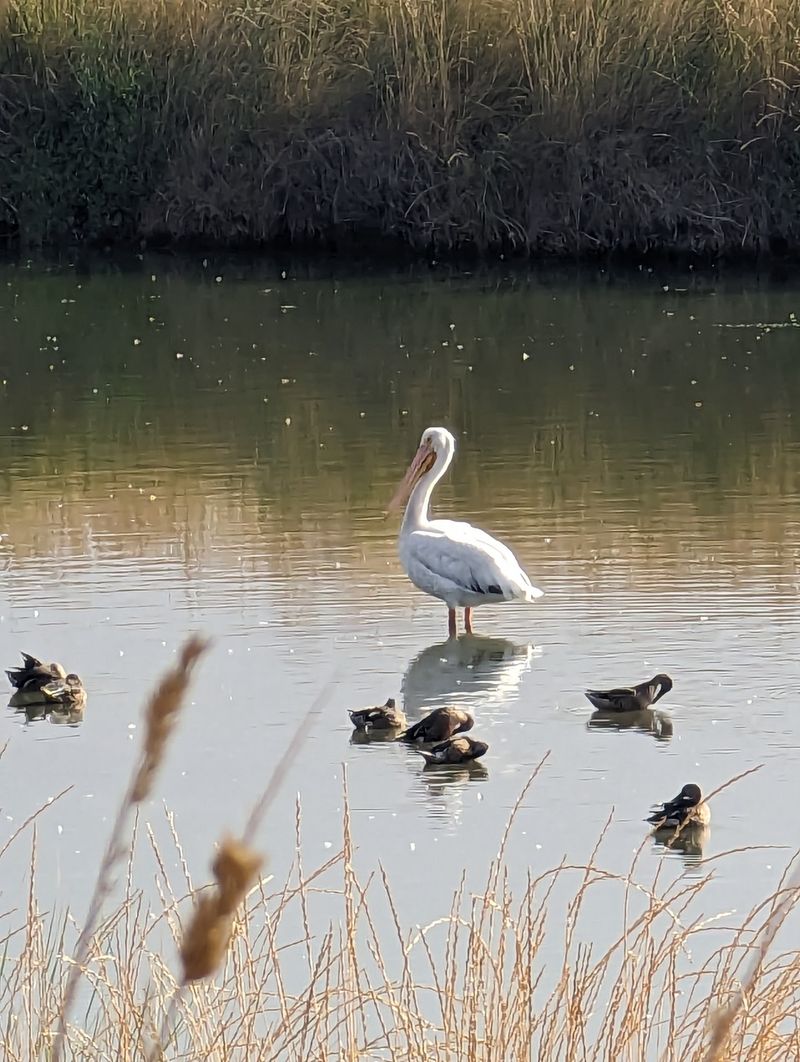
Tech campuses, traffic, and packed schedules shape much of daily life in Silicon Valley. Just a short drive away, the Baylands Nature Preserve offers a very different pace.
Wide skies and open marsh replace office buildings and busy streets.
Sound is one of the first things many visitors notice. Bird calls, rustling grasses, and a breeze off the bay often take center stage.
Small planes from California’s nearby airport add a low hum now and then, which some people find oddly relaxing.
The paths around the pond are flat and easy on the legs. That makes the area a good choice for a slow walk after work or a short break on a weekend morning.
Older visitors and young kids can usually move along at a comfortable rhythm. Weather can shift quickly near the water.
Evenings often turn chilly, and wind may pick up across the open marsh. Packing a light jacket can make a visit far more pleasant, even on days that start out warm.
Bringing a simple lunch is a nice way to slow down even more. A bench by the pond works well for an unhurried meal while birds go about their day.
Birdwatchers Have Plenty To Look For
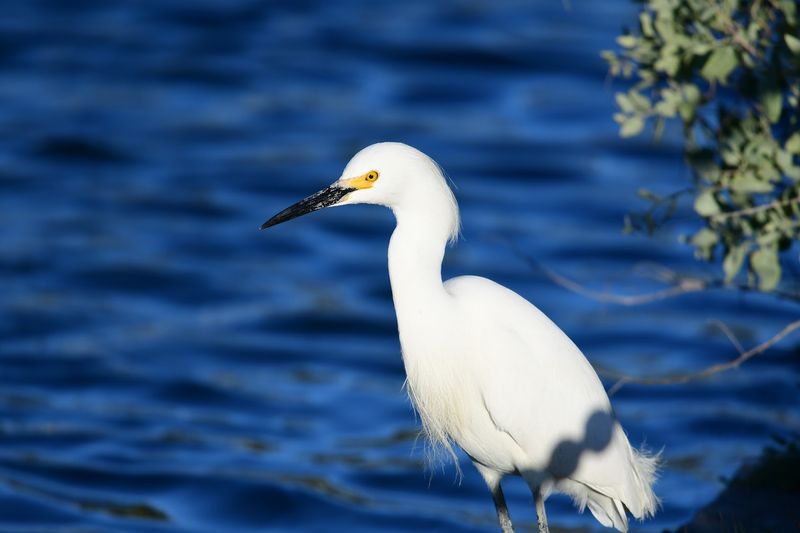
More than 150 bird species have been recorded at the preserve, and that number gets birders excited.
The Baylands is widely seen as one of the strongest birding spots on the West Coast. Even a short visit can turn up a surprising variety.
Ducks are a great place to start. Northern Shovelers, Ruddy Ducks, and both Greater and Lesser Scaup may appear on the water, along with geese and American Coots.
California Gulls often drift overhead or rest nearby. Long-legged birds add grace to the scene.
Black-necked Stilts and American Avocets step carefully through shallow water, while Great Blue Herons and egrets stand still as they hunt.
Black-crowned Night-Herons may tuck themselves into the marsh plants. Shorebirds keep the mudflats busy.
Long-billed Curlews, Marbled Godwits, Whimbrels, Willets, and Least Sandpipers probe the mud with their beaks.
Above them, Northern Harriers, White-tailed Kites, and Red-tailed Hawks may circle and glide.
The endangered Ridgway’s Rail also lives here, and the preserve is among the best places in Santa Clara County to spot one. Rails are shy, so patience and a quiet approach help a lot.
A pair of binoculars and a simple field guide can make every sighting more fun to identify.
Fall Brings Migrating Birds Through The Area
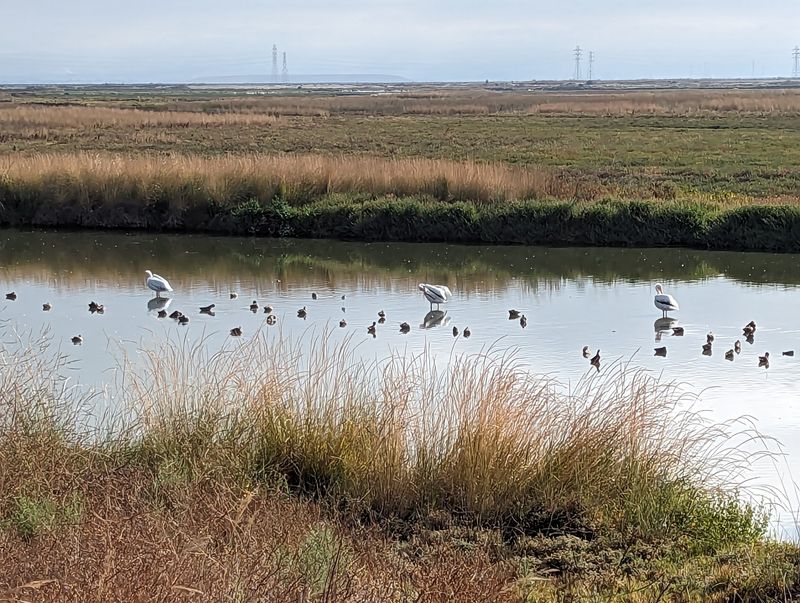
Every year, millions of birds travel a long sky highway called the Pacific Flyway.
The route runs along the western side of North America, from northern breeding grounds to warmer southern areas. The Baylands sits right along this path and acts as an important rest stop.
Migrating birds need places to eat and recover during their long journeys. The marshes and mudflats here offer food and shelter that help them refuel.
Fall and winter are especially good seasons for spotting these travelers. October stands out as a rewarding month to visit.
Many wintering ducks begin arriving, and large groups of shorebirds may gather on the mudflats.
The mix of colors, shapes, and sounds can change from week to week. Spring migration also brings a lively variety of birds.
Ducks, herons, egrets, pelicans, songbirds, and raptors may all pass through during both migration seasons.
Each trip might show something a little different from the last. Tide levels can affect where shorebirds feed, so checking a tide chart before heading out may help.
Birds often move closer to the edges when the water rises. Planning a fall visit around the tides could lead to some of the best views of the year.
Walking Trails Turn A Quick Stop Into A Longer Outing
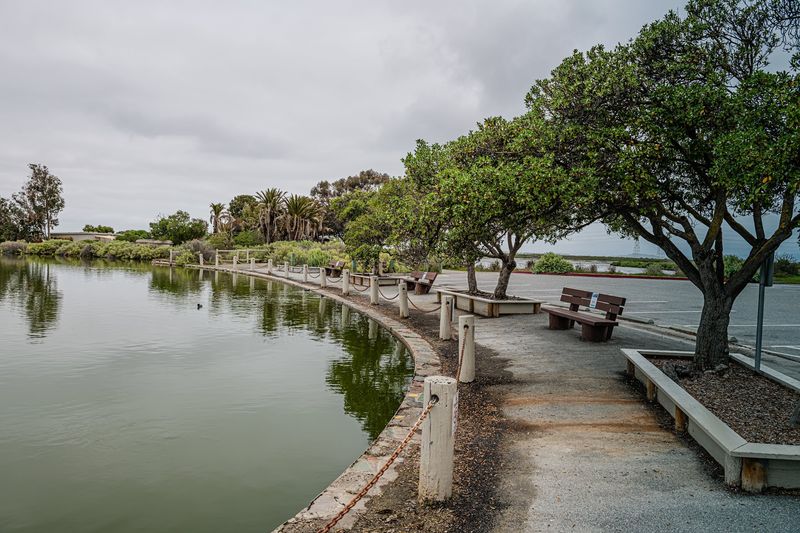
Comfortable shoes are a smart choice, since the paths here can easily stretch a short visit. The preserve offers around 15 miles of multi-use trails.
Walkers, runners, and cyclists all share these routes. Many trails are flat and well packed.
That gentle ground makes them friendly for casual strolls and people who prefer easy terrain.
A loop of about 0.7 miles circles the duck pond, which works well for a quick outing.
Longer walks are easy to piece together. The Adobe Creek Trail, San Francisquito Creek Trail, Marsh Front Trail, and Renzel Trail connect to form bigger loops.
Mixing and matching paths may help match the walk to energy levels and time. The San Francisquito Creek Trail follows a levee with views toward the Palo Alto Airport.
Other sections open up wide views across sloughs and marshland.
Shade is limited along many stretches. Bringing water, a hat, and sunscreen may make warm afternoons more comfortable.
Restrooms near the pond area offer a handy stop before setting out on a longer route.
A Nearby Bird Sanctuary Protects Nesting Wildlife
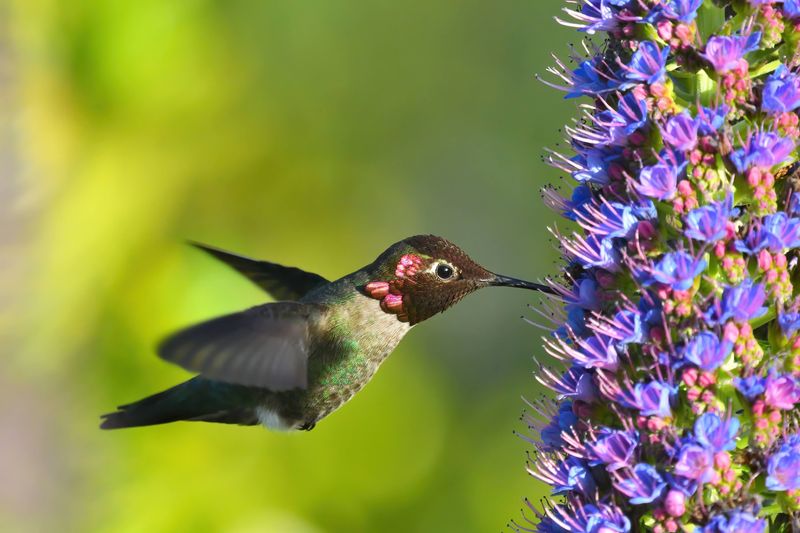
White feathers against green marsh plants make for a lovely sight close to the pond.
A protected nesting area nearby has long supported herons and egrets. Giving these birds space helps them raise their young in peace.
Harriet Mundy Marsh is one of the key spots to watch. Snowy Egrets and Great Egrets often gather around a small pond within the marsh near the interpretive center.
Their bright white bodies stand out clearly, even from a distance.
Spring and summer bring nesting season for other birds as well. Black-necked Stilts and American Avocets build their nests in Harriet Mundy Marsh during these months.
Black-crowned Night-Herons may also roost quietly among the marsh plants. Nesting birds can be sensitive to noise and movement.
Staying on trails and keeping voices low may help reduce stress for parents and chicks. Pets and kids should be kept close during these seasons.
Binoculars or a camera with a zoom lens are the best tools for a close look. Watching from afar still reveals plenty, like birds carrying nesting material or standing guard.
What To Know Before Visiting
A little planning goes a long way for a smooth trip to the pond.
The Palo Alto Duck Pond sits within the Baylands Nature Preserve at 2500 Embarcadero Road, Palo Alto, California 94303.
Hours are simple to remember. The preserve is open daily from 8 a.m. until sunset, so evening visits should wrap up before dark.
Checking the city website before going may help confirm any changes.
Parking is available near the pond, though spaces closest to the water can be limited. Other lots nearby offer extra options when the main area fills up.
Feeding wildlife is not allowed anywhere in the preserve. Bread and snacks can harm birds, so food is best kept for people only.
Watching quietly from a distance keeps the birds healthy and calm. Public restrooms and benches are found near the pond, and some seats have shade.
Weather near the bay can turn cool and breezy, especially later in the day. Layers, water, and binoculars make a simple and useful packing list.